Loading video…


 14 Concepts
 16.1K views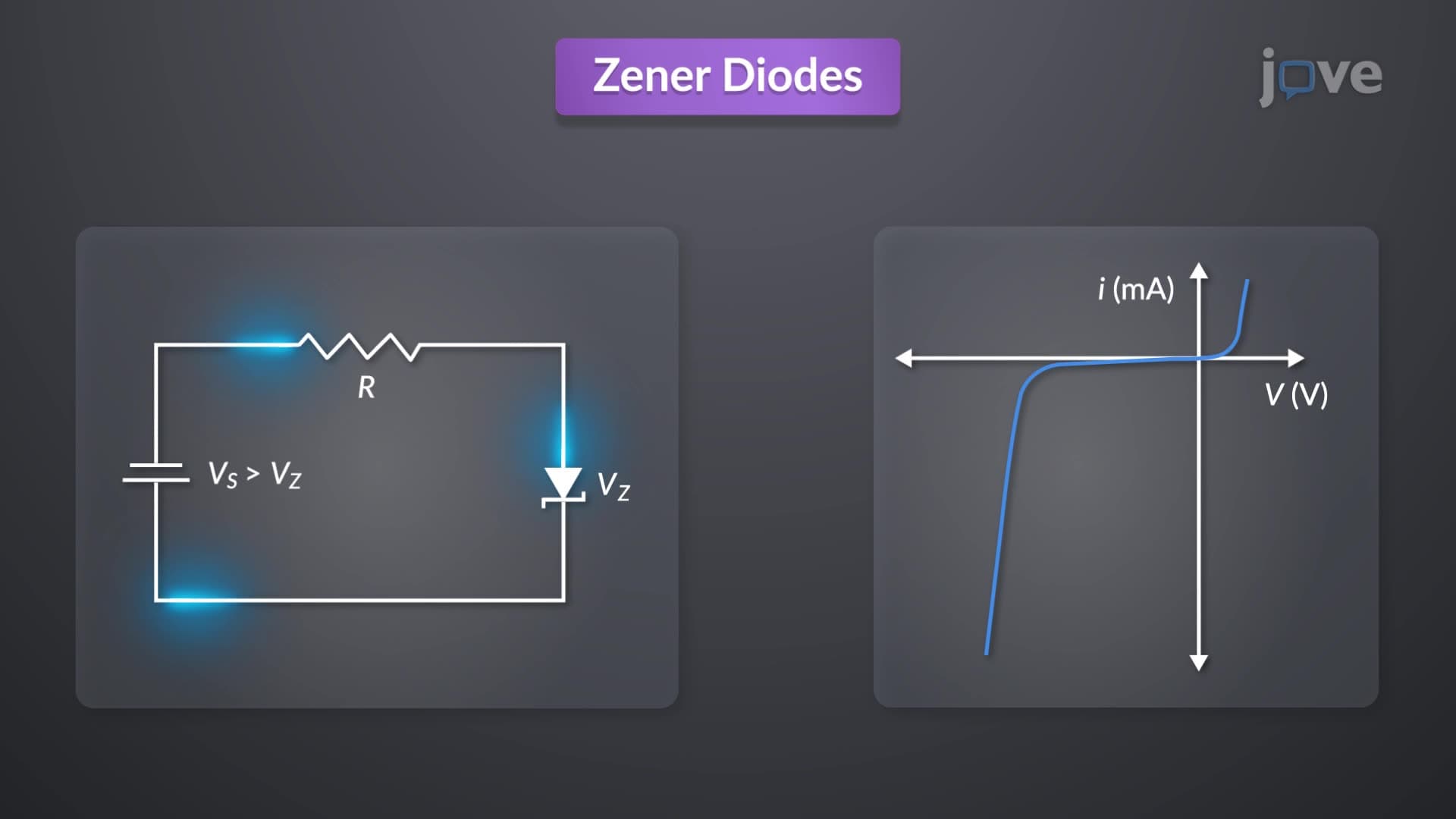

Video Summary: What are Zener Diodes
Ever wonder how your smartphone charger delivers exactly 5V despite voltage fluctuations in your wall outlet? The modeling of diode forward characteristics reveals how special semiconductor devices called Zener diodes act as precise voltage regulators. Unlike regular diodes that only conduct in one direction, Zener diodes have a unique reverse breakdown behavior that makes them essential in power supplies across American electronics manufacturing. What are Zener diodes and how do they maintain constant voltage output? Watch the full video on JoVE Coach to master this concept with expert-led visuals and step-by-step explanations.
Zener diodes represent a specialized class of semiconductor devices that revolutionized voltage regulation in electronic circuits. Named after physicist Clarence Zener who first described the underlying quantum mechanical effect in 1934, these components exhibit unique electrical characteristics that distinguish them from standard PN junction diodes.
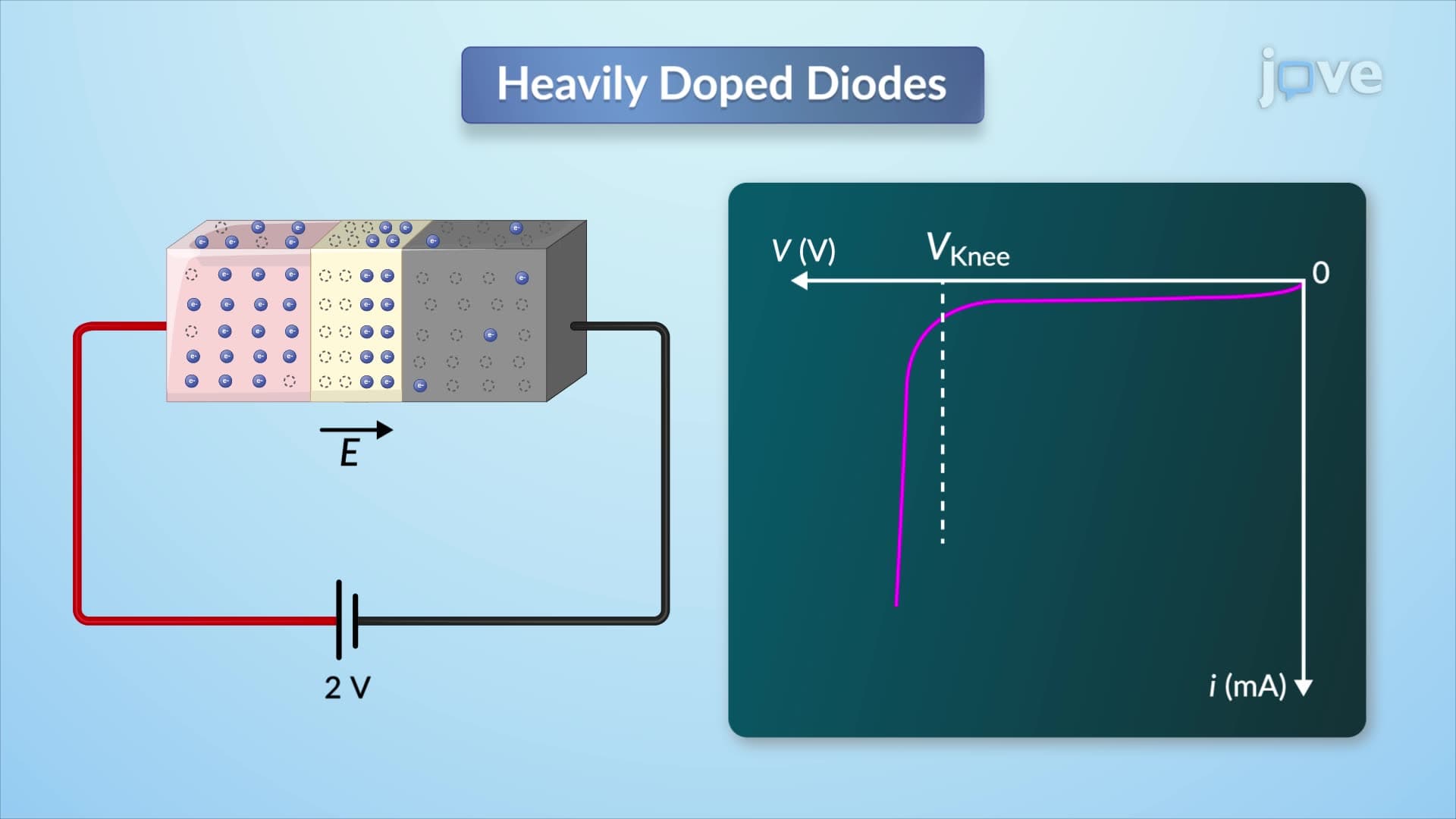
The fundamental principle behind Zener diode operation lies in controlled avalanche breakdown. While conventional diodes are designed to avoid reverse breakdown to prevent damage, Zener diodes are specifically engineered to operate safely in this regime. When reverse voltage exceeds the Zener voltage (VZ), the depletion region experiences such intense electric field strength that it triggers controlled current conduction.
The Zener breakdown voltage serves as the cornerstone specification for these devices. Available in standard values from 2.4V to 200V, this parameter determines the precise voltage level maintained across the diode during reverse operation. American semiconductor manufacturers like Texas Instruments and Analog Devices produce Zener diodes with tolerance ratings as tight as ±2%, ensuring reliable voltage references in critical applications.
The breakdown mechanism involves two distinct physical processes. For voltages below approximately 5V, quantum tunneling (true Zener effect) dominates, where electrons tunnel directly through the narrow depletion barrier. Above 5V, avalanche multiplication becomes primary, as accelerated charge carriers create additional electron-hole pairs through impact ionization.
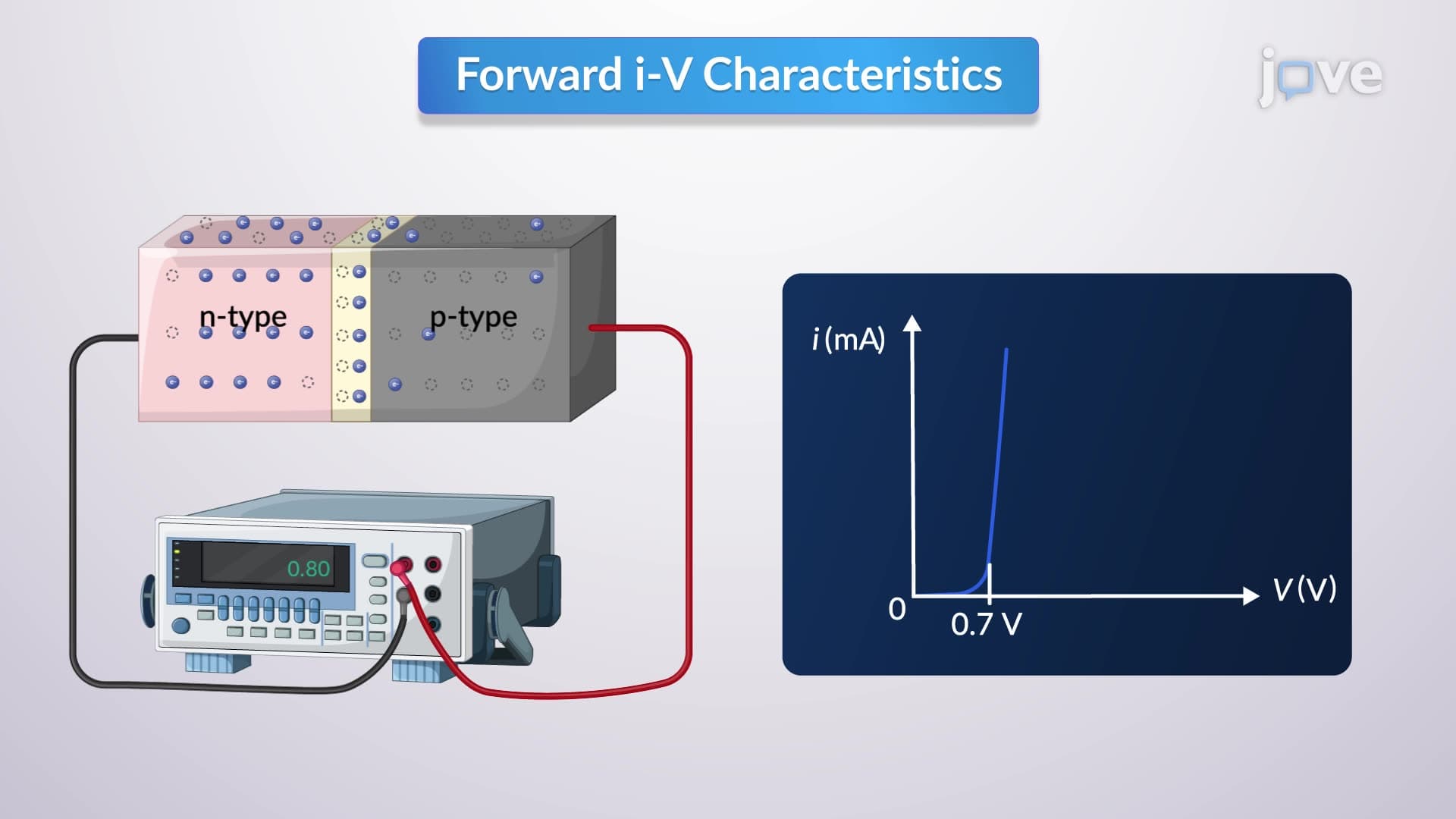
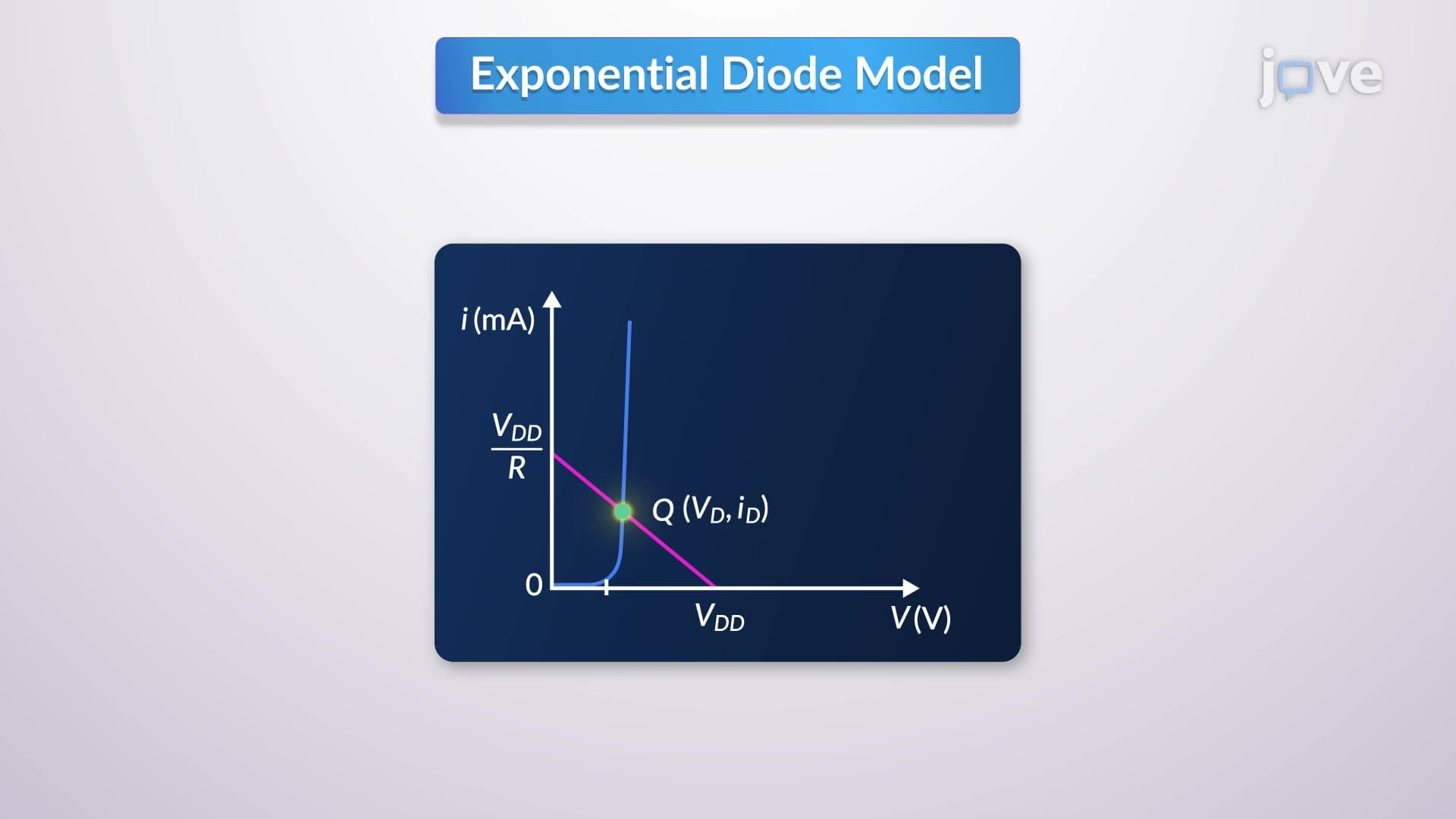
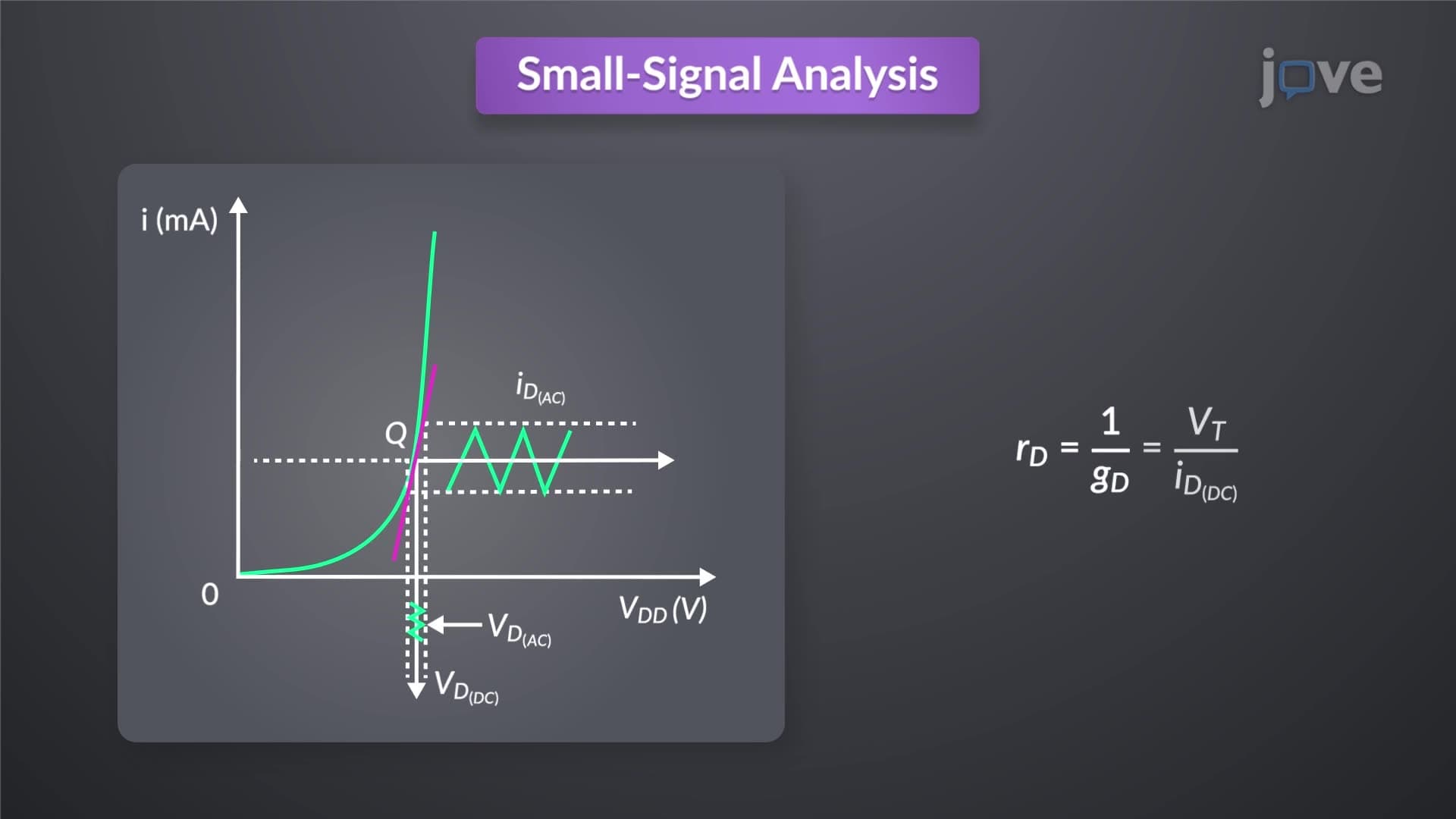
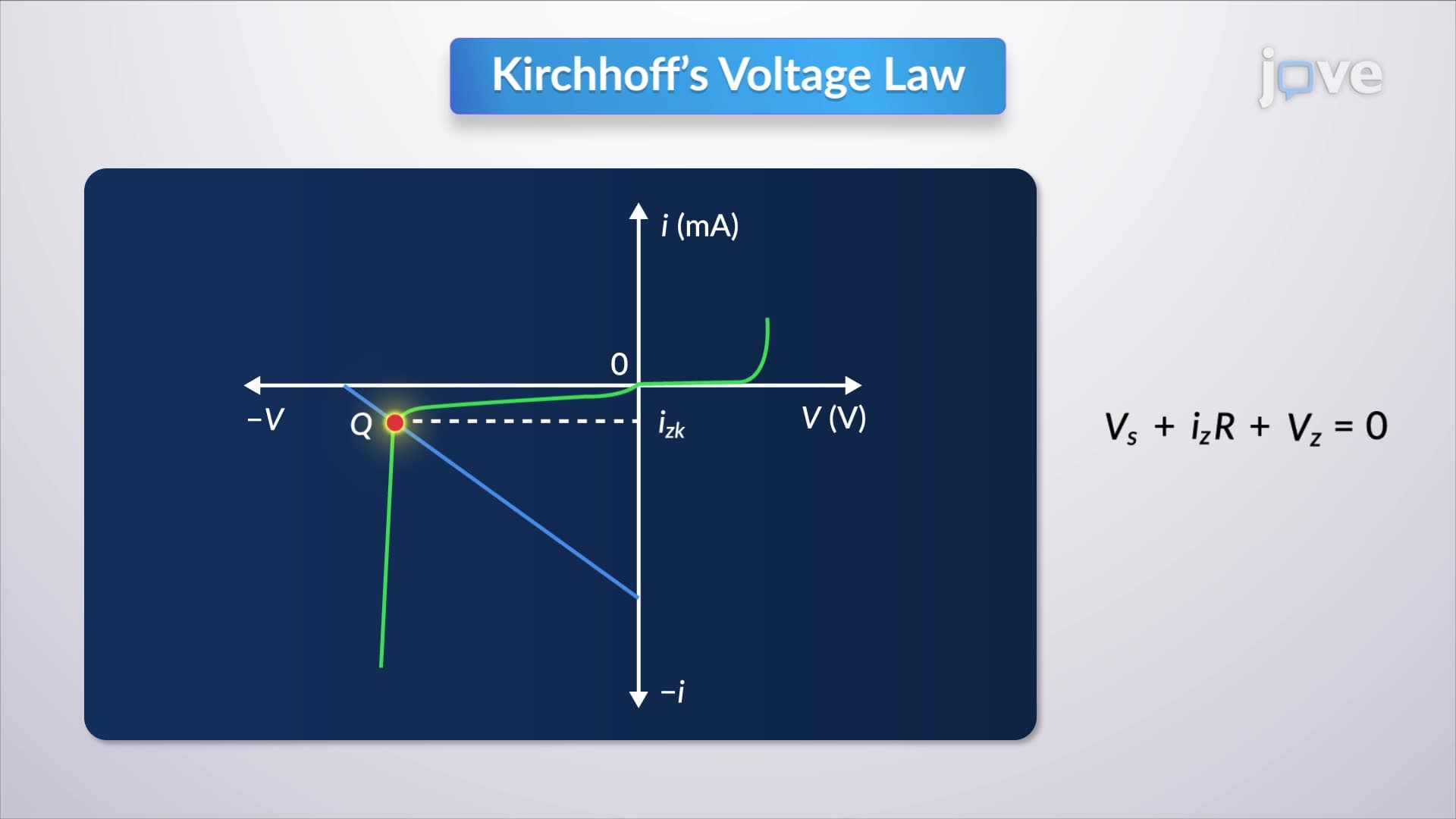
The current-voltage relationship in Zener diodes exhibits remarkable properties that enable their voltage regulation capabilities. In the breakdown region, the I-V curve demonstrates nearly vertical characteristics, meaning substantial current changes produce minimal voltage variations. This behavior quantifies through incremental resistance (rz), calculated as the reciprocal of the I-V curve slope.
For effective voltage regulation, Zener diodes must operate well above the knee current (IZK), typically 1-5mA depending on device ratings. Below this threshold, incremental resistance increases dramatically, compromising regulation performance. Students preparing for AP Physics or college-level electronics courses should understand that optimal operation occurs in the linear region where rz remains relatively constant.
Zener diodes find extensive application throughout U.S. electronics manufacturing, from automotive voltage regulators in Detroit's automotive industry to precision references in Silicon Valley's semiconductor fabrication facilities. Common applications include power supply regulation, overvoltage protection, and voltage reference generation in analog-to-digital converters.
Related Micro-courses