Loading video…


 14 Concepts
 16.1K views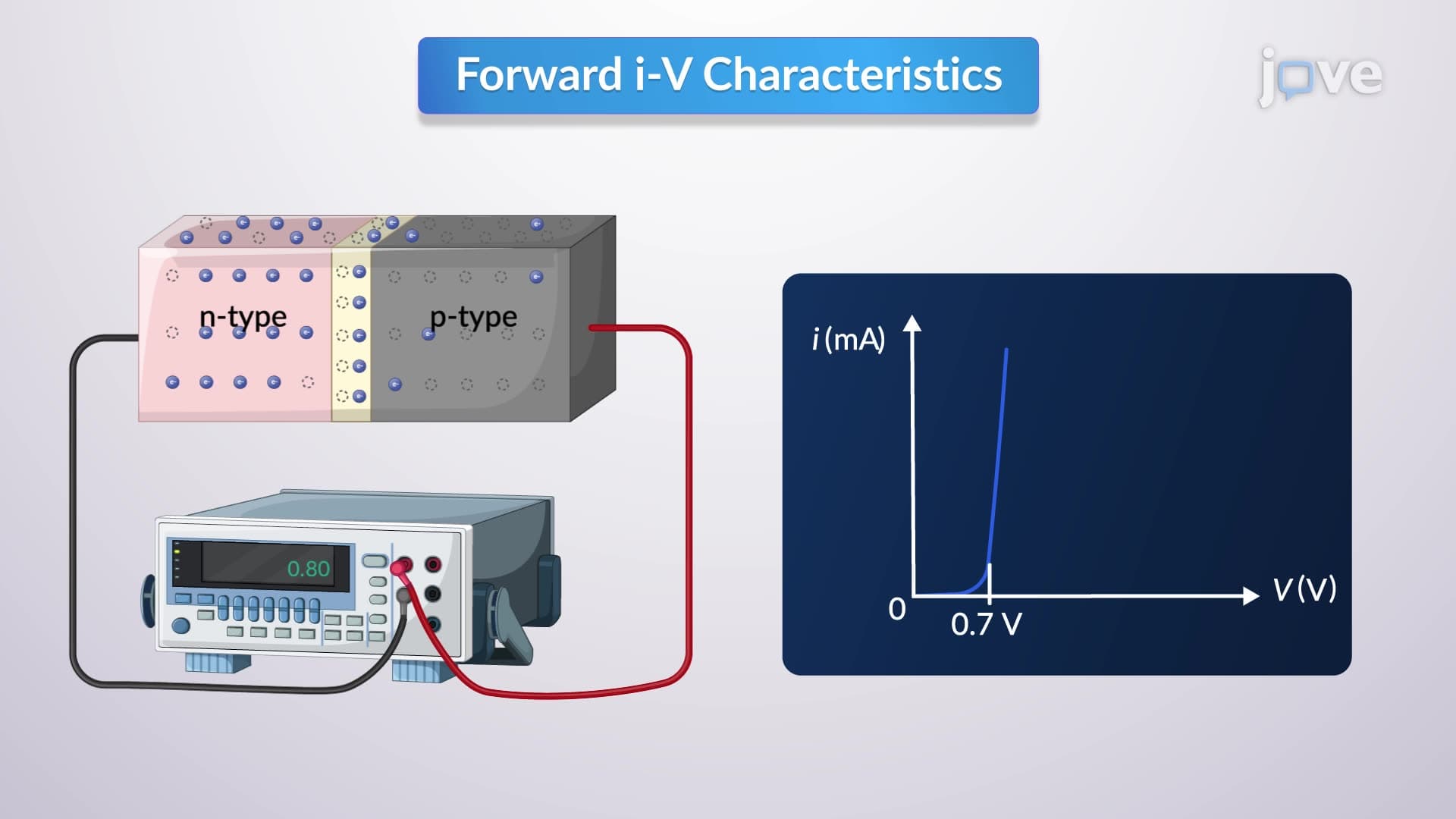

Video Summary: What Is Diode Forward Bias
Every smartphone charger, LED light, and solar panel relies on diodes operating in forward bias mode. Diode forward bias occurs when current flows easily through the semiconductor junction, but only after overcoming a critical 0.7-volt threshold. This phenomenon powers everything from Tesla's charging systems to NASA's satellite electronics. What is diode forward bias becomes clear when you understand this voltage barrier and exponential current relationship. Watch the full video on JoVE Coach to master this concept with expert-led visuals and step-by-step explanations.
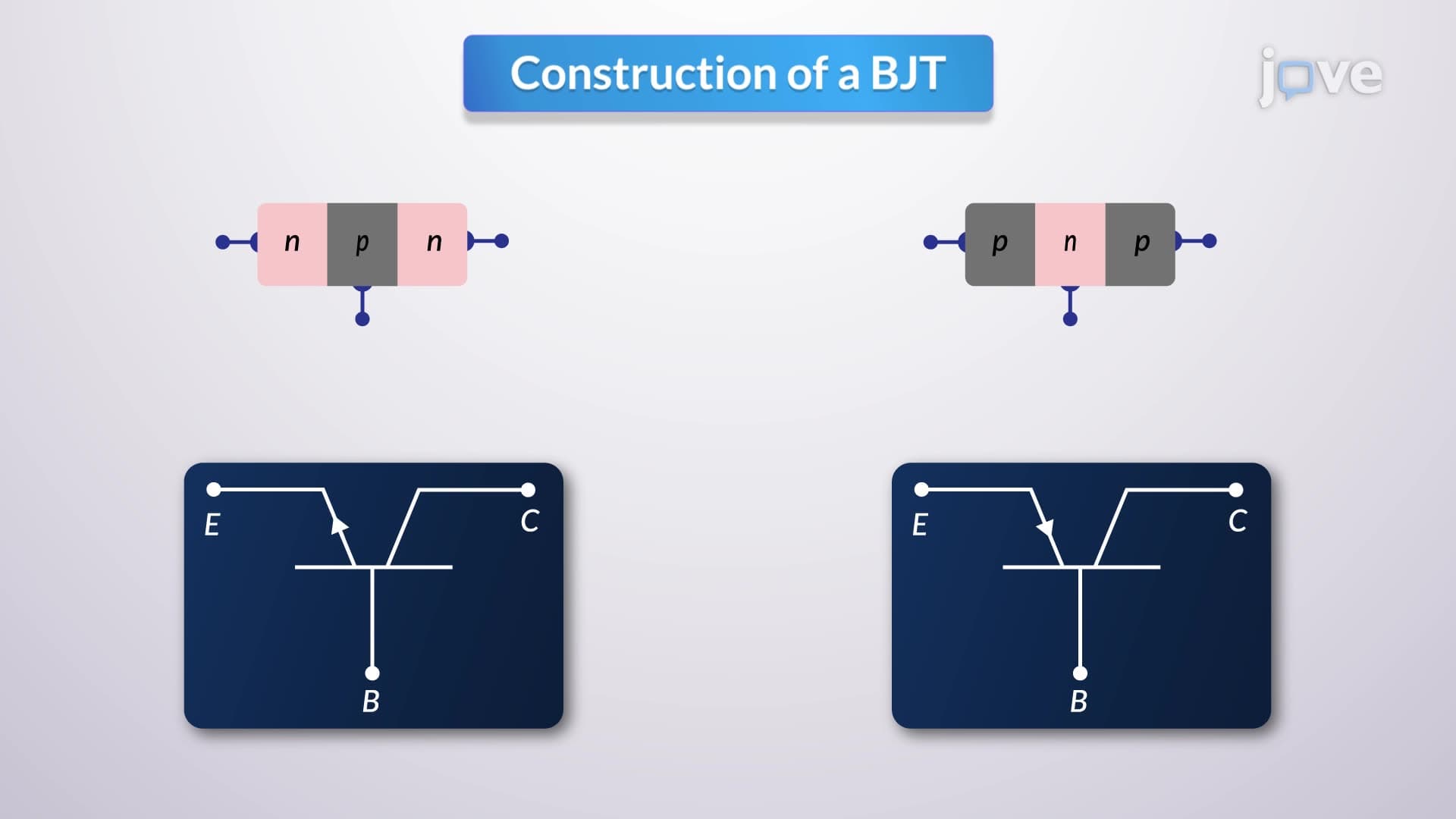
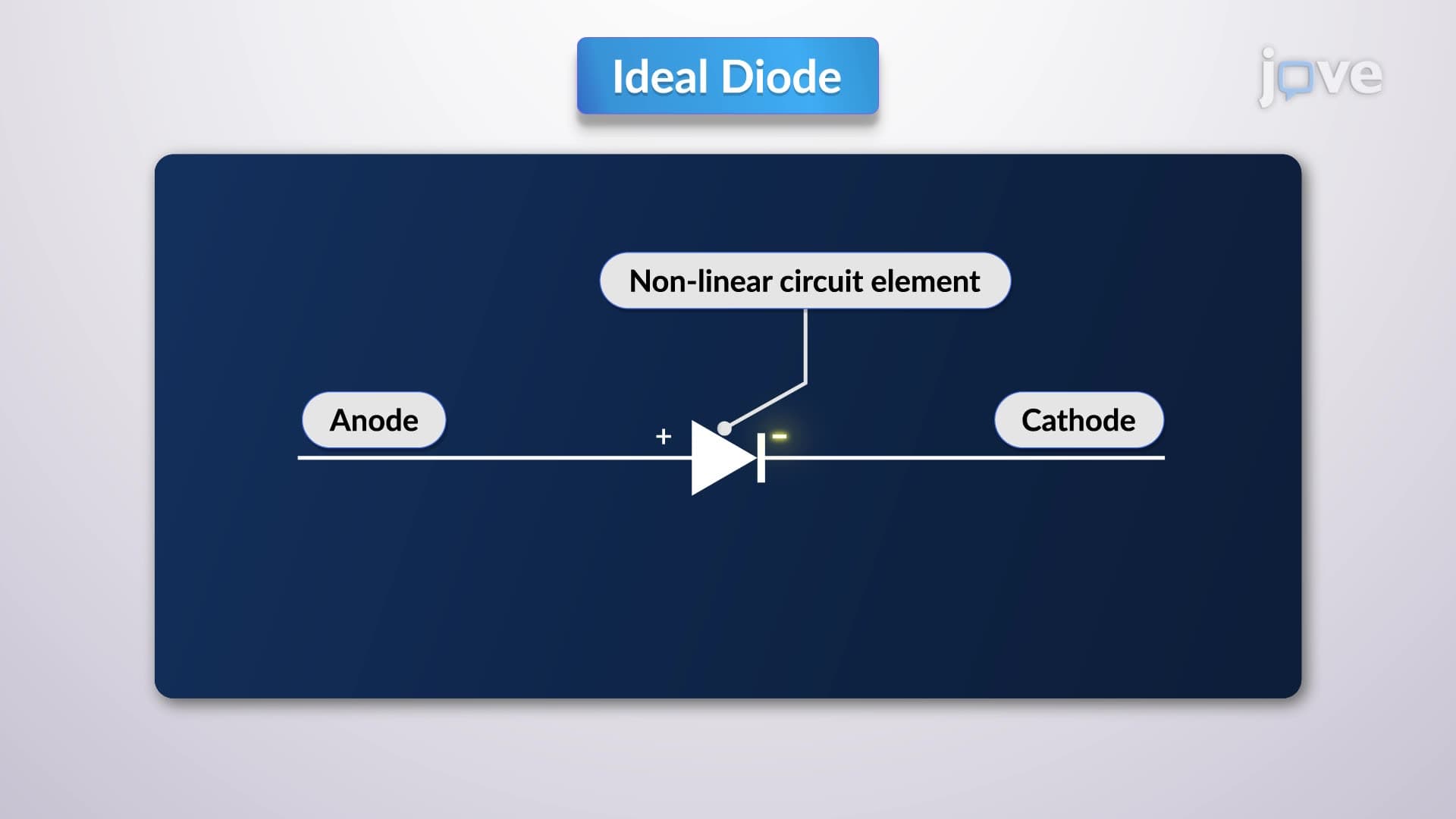
Diode forward bias represents the optimal operating condition where current flows freely through a semiconductor junction. This occurs when the p-type material connects to the positive voltage terminal while the n-type material connects to the negative terminal. This configuration reduces the depletion zone width, allowing charge carriers to cross the junction efficiently.
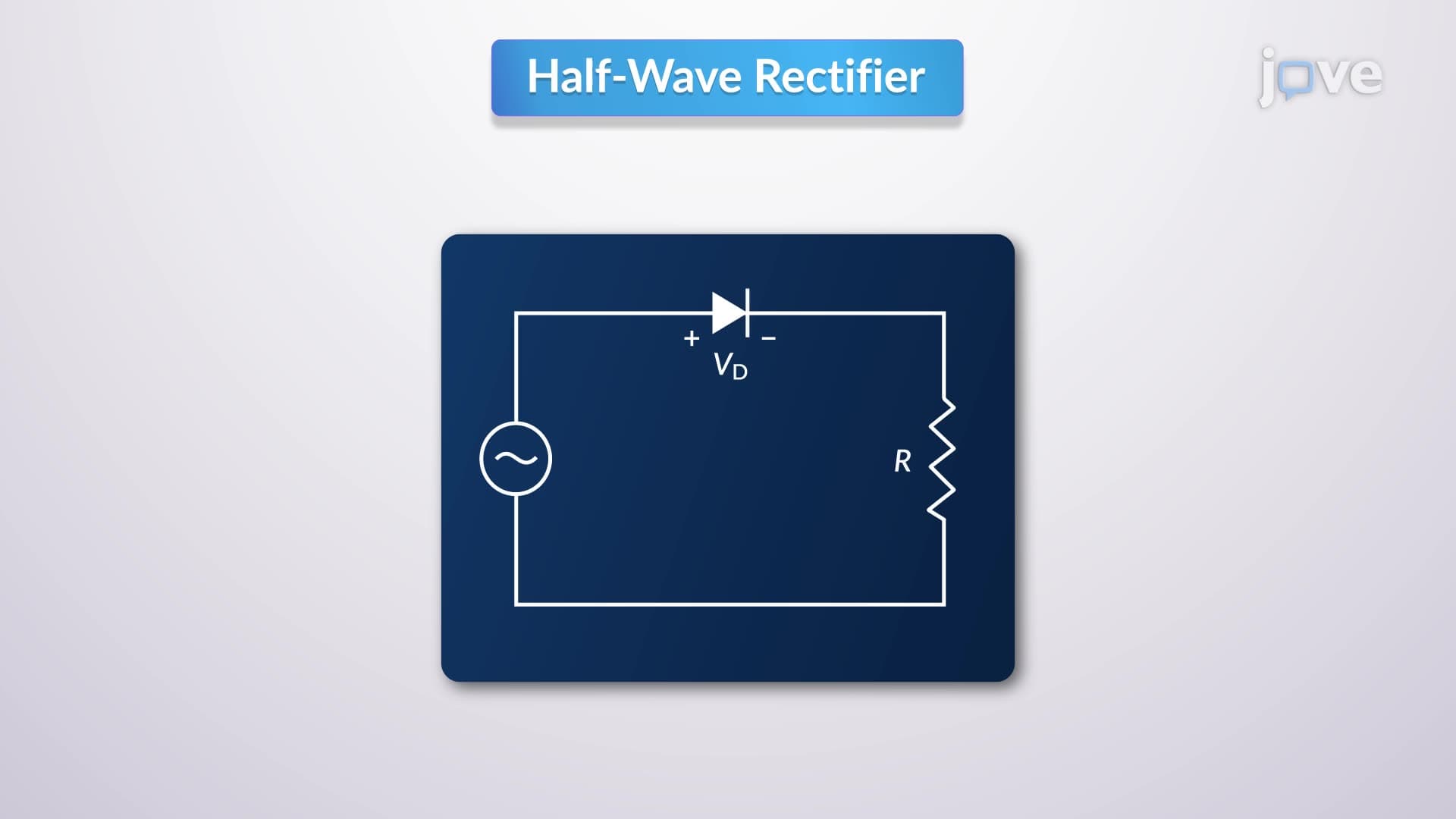
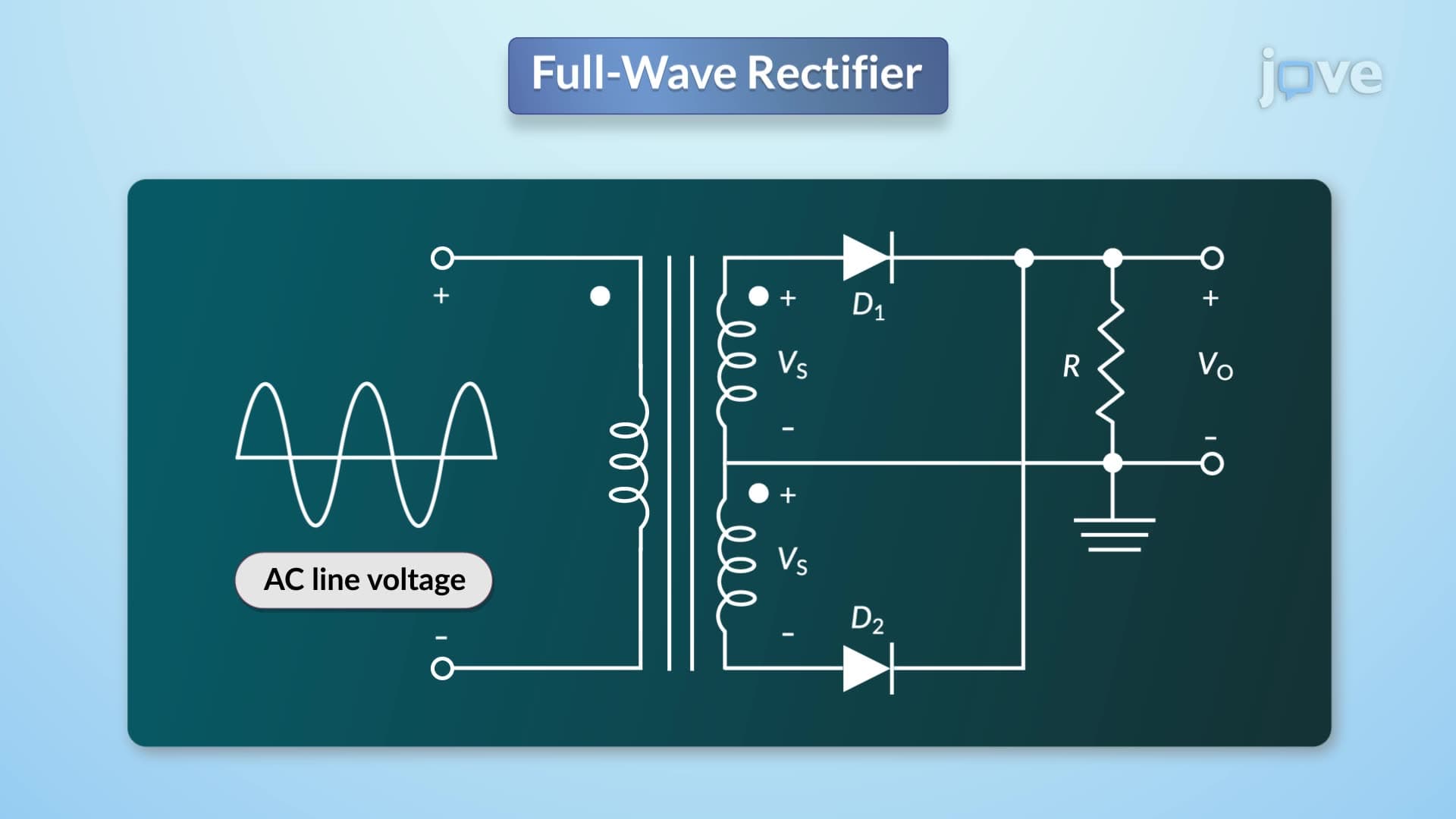
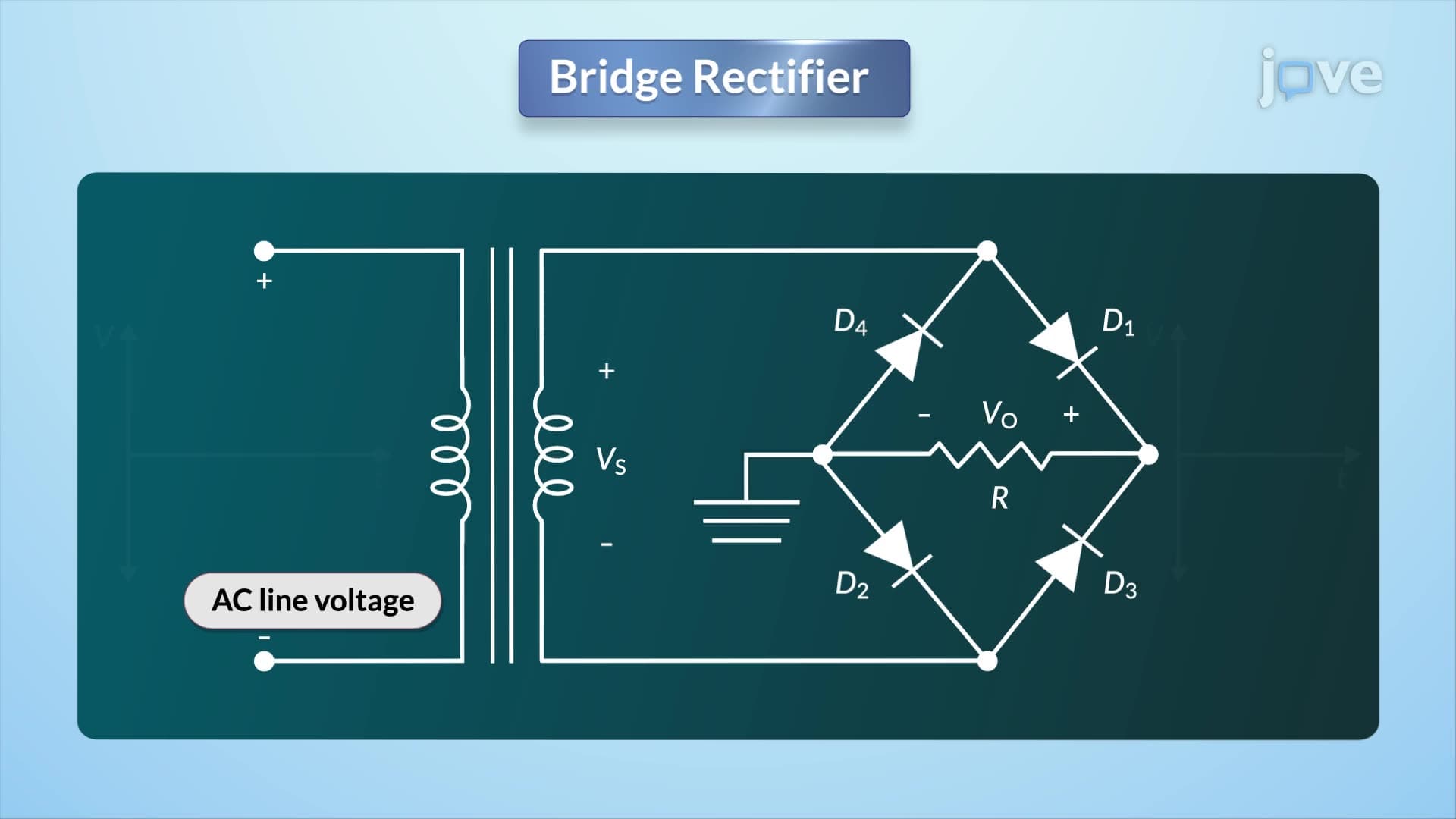
The forward bias condition is fundamental to countless electronic applications. Consider the charging circuit in your laptop-rectifier diodes operate in forward bias to convert alternating current into direct current. Similarly, LED displays in Times Square billboards rely on forward-biased light-emitting diodes to produce brilliant colors.
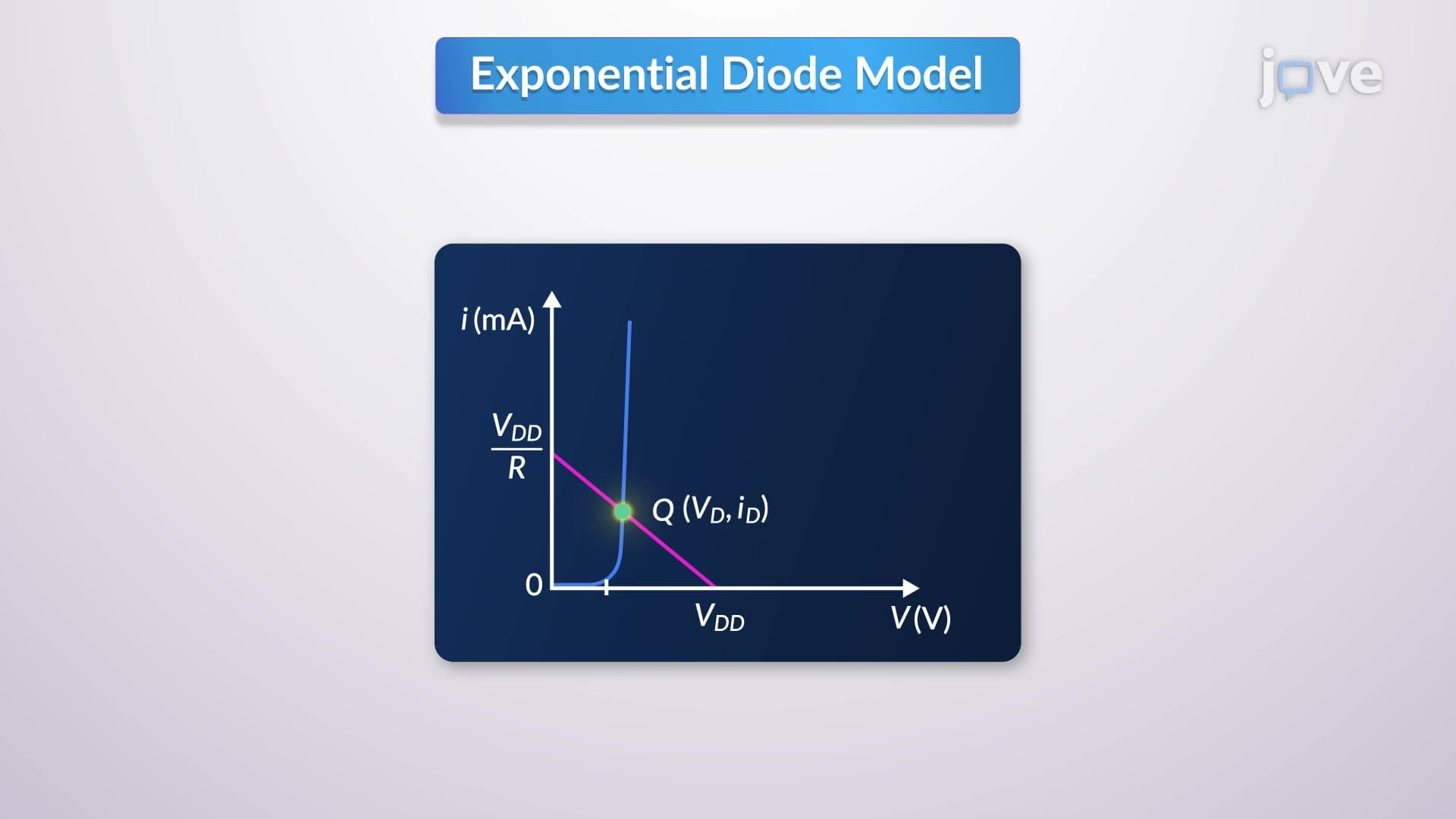
Silicon diodes exhibit a fascinating characteristic: virtually no current flows until the forward voltage reaches approximately 0.7 volts. This cut-in voltage acts like an electrical gate, blocking current below this threshold while permitting exponential current increases above it. This behavior differs significantly from simple resistors, which follow linear Ohm's law relationships.
Students preparing for AP Physics or college circuit analysis courses must understand this non-linear behavior. MCAT test-takers frequently encounter questions about diode characteristics in biomedical device contexts, such as cardiac pacemaker circuits or glucose monitoring systems.
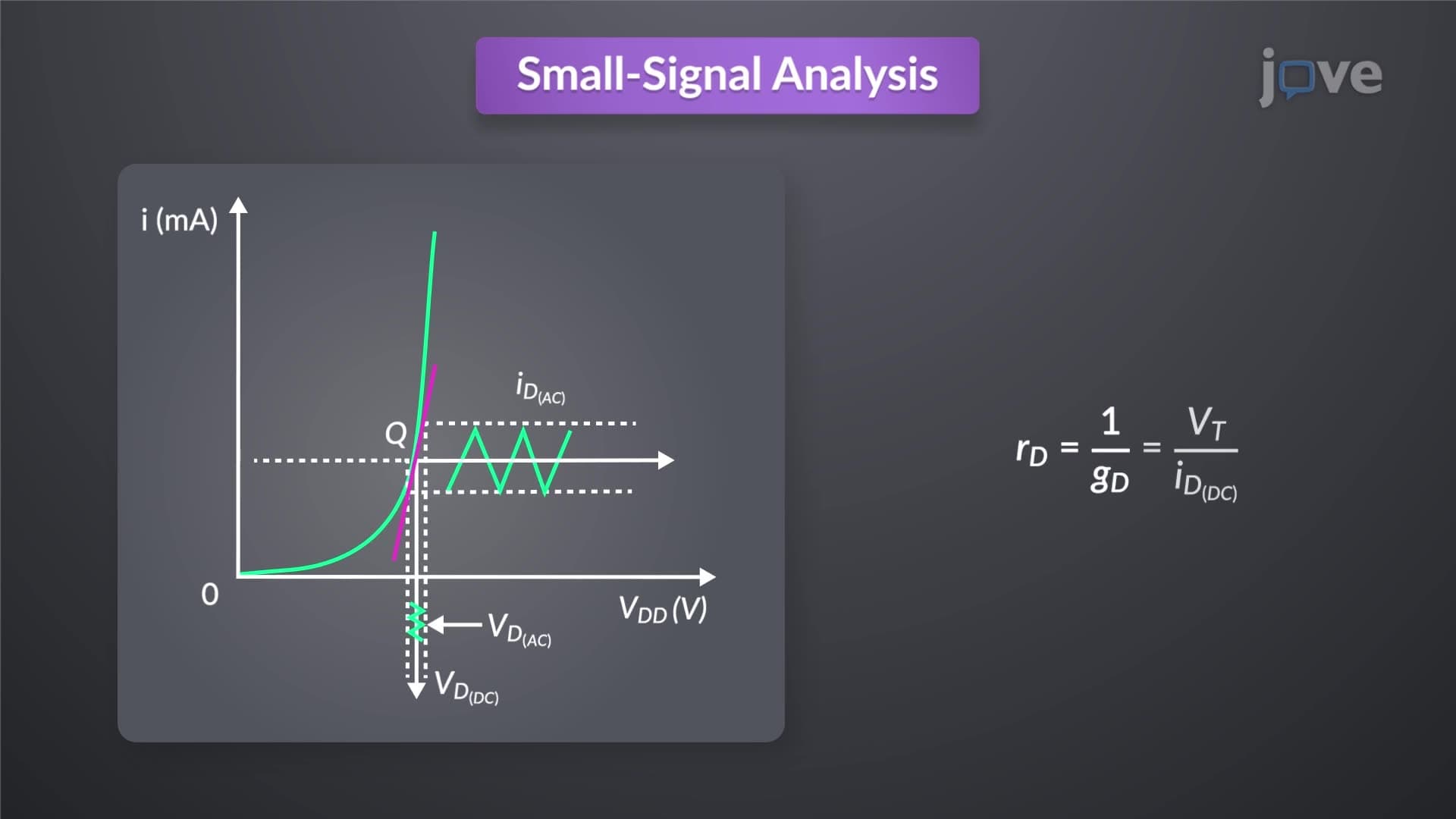
Beyond the cut-in voltage, diode current follows an exponential relationship governed by the diode equation. The saturation current depends on temperature and junction cross-sectional area, while thermal voltage incorporates the Boltzmann constant and electronic charge magnitude. At room temperature, thermal voltage equals approximately 26 millivolts.
This exponential behavior creates the remarkable "60-millivolt rule"-every tenfold current increase corresponds to roughly 60mV voltage change. Engineers at companies like Intel and Qualcomm use this relationship to design precision voltage references and current sources in microprocessors.
Forward-biased diodes enable essential functions in power supplies, automotive electronics, and renewable energy systems. Solar panel installations across California and Texas utilize bypass diodes in forward bias to prevent power losses during partial shading. Similarly, electric vehicle charging stations employ high-current rectifier diodes operating in forward bias to convert grid AC power into battery-compatible DC power.
Understanding these principles prepares students for advanced coursework in electrical engineering, biomedical engineering, and materials science programs at institutions like MIT, Stanford, and UC Berkeley.
Related Micro-courses