Loading video…


 14 Concepts
 16.1K views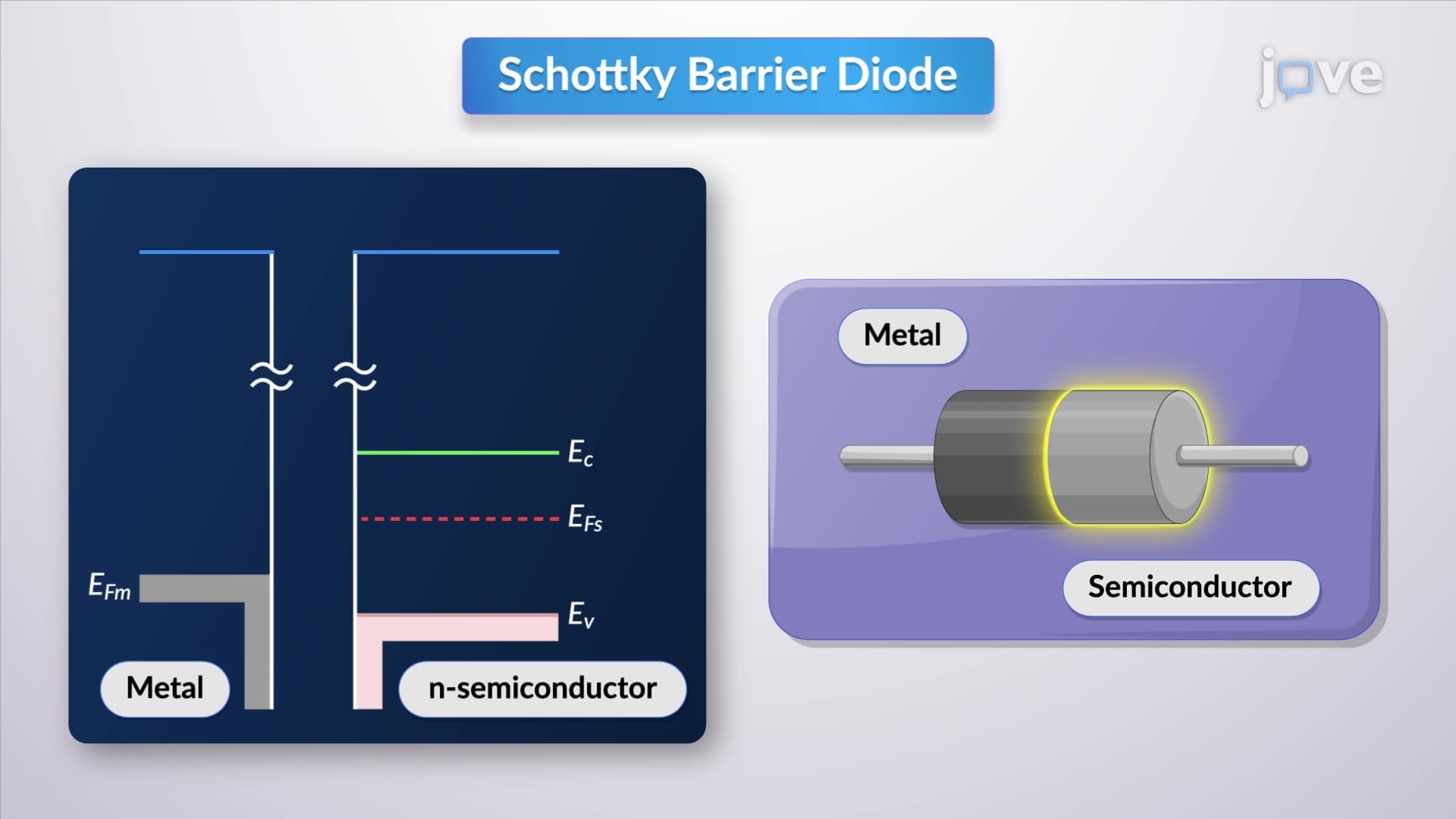

Video Summary: What Is Schottky Barrier Diode
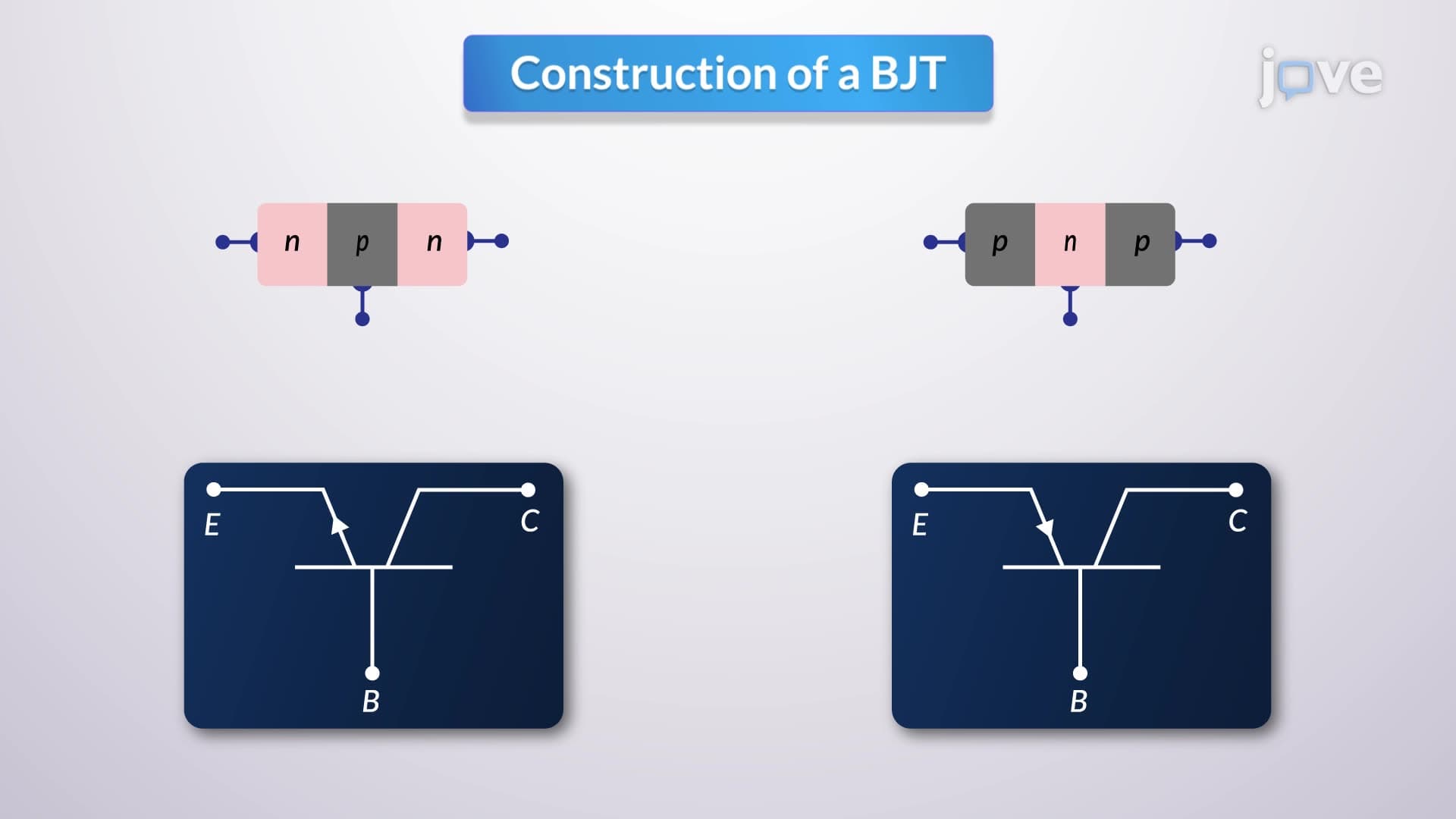
Ever wondered how your smartphone charges so quickly without overheating? The secret lies in specialized semiconductor devices called Schottky barrier diodes. Unlike traditional bipolar junction transistors that rely on both electron and hole carriers, these metal-semiconductor junctions conduct primarily through majority carriers, enabling lightning-fast switching with minimal power loss. Apple's iPhone chargers utilize Schottky diodes for efficient power conversion and protection circuits. Watch the full video on JoVE Coach to master this concept with expert-led visuals and step-by-step explanations.
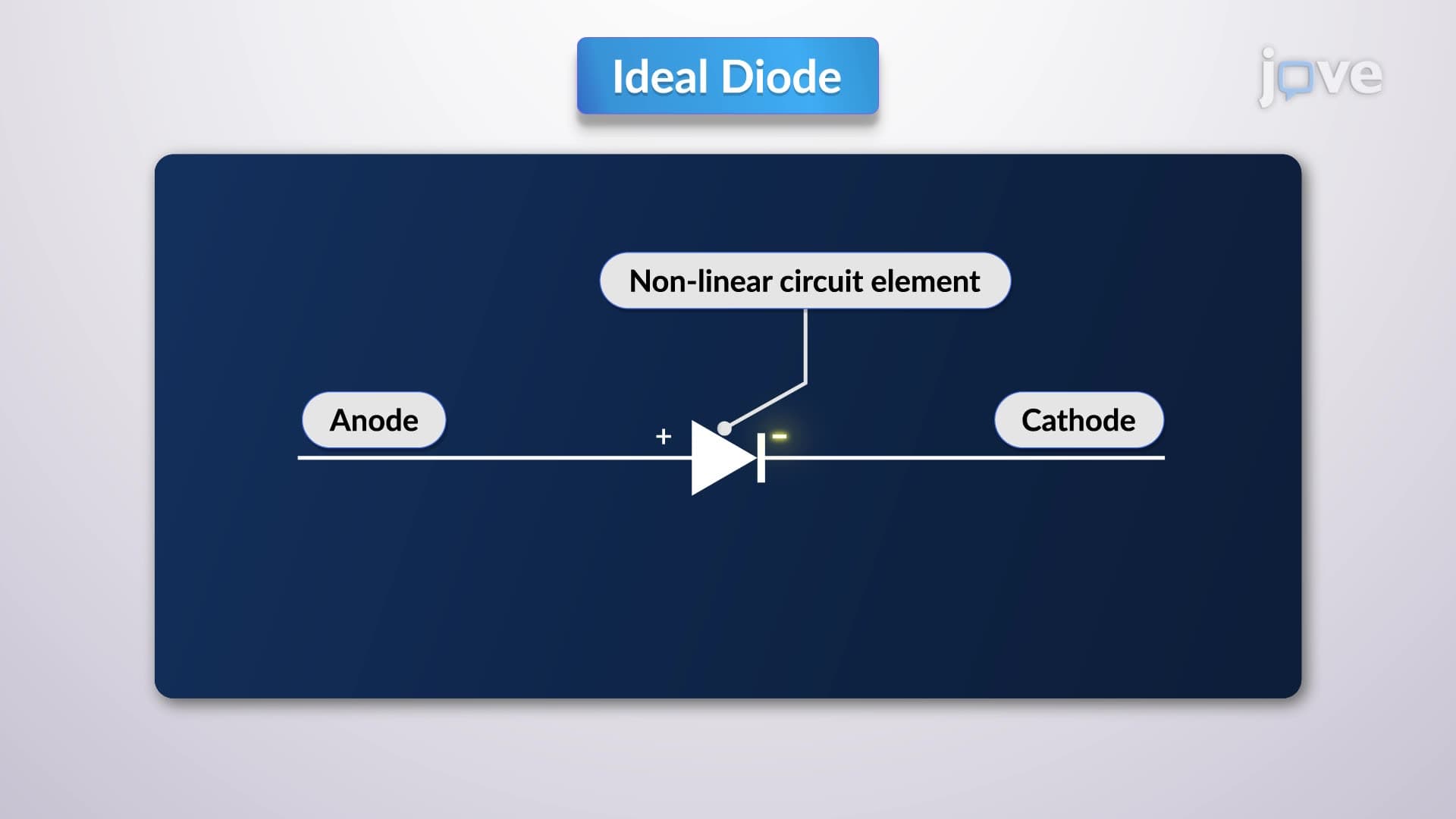
A Schottky barrier diode represents a unique class of semiconductor devices that bridges the gap between pure electronic components and complex structures like bipolar junction transistors. Unlike conventional diodes that rely on p-n junctions, Schottky diodes form through direct contact between a metal layer and a lightly doped semiconductor, typically n-type silicon or gallium arsenide.
The physics behind barrier formation involves sophisticated quantum mechanical principles. When metal contacts semiconductor material, electrons redistribute to equalize Fermi energy levels across the junction. This charge transfer creates an electric field that bends the semiconductor's energy bands, forming the characteristic Schottky barrier. The barrier height depends on the work function difference between the metal and semiconductor, typically ranging from 0.3 to 0.9 electron volts.
The depletion region in Schottky diodes exhibits distinct characteristics compared to traditional semiconductor junctions. In n-type configurations, positive charges from ionized donor atoms accumulate near the metal interface, balanced by negative charges in the metal. This asymmetric charge distribution creates a built-in electric field that controls current flow direction.
The width of this depletion region varies with applied voltage, functioning as a voltage-controlled capacitor. This property makes Schottky diodes valuable in voltage-controlled oscillators and frequency multipliers used in radar systems and telecommunications equipment manufactured by companies like Raytheon and Lockheed Martin.
Unlike bipolar junction transistors that depend on minority carrier diffusion and storage effects, Schottky diodes conduct primarily through majority carriers (electrons in n-type material). This fundamental difference eliminates charge storage delays that limit switching speed in conventional diodes. The result is switching times measured in picoseconds rather than nanoseconds.
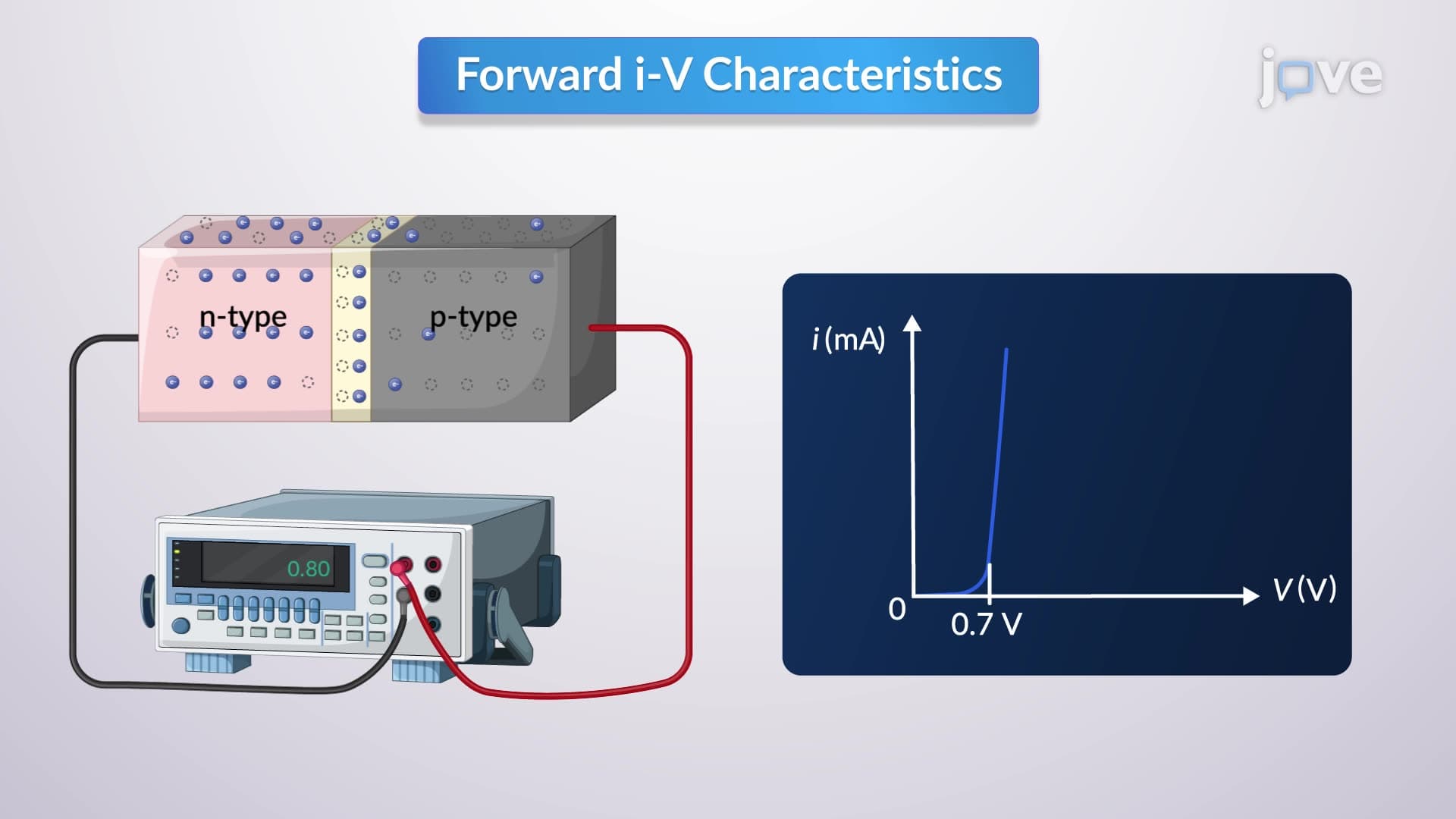
This rapid switching capability proves crucial in high-frequency applications. Intel's modern processors utilize Schottky diodes in power management circuits, enabling efficient voltage regulation at gigahertz frequencies. The low forward voltage drop (typically 0.2-0.4V versus 0.7V for silicon p-n diodes) reduces power dissipation, critical for battery-powered devices.
Schottky diodes excel in voltage clamping applications where fast response prevents damage from electrical transients. Power supply circuits in data centers operated by companies like Amazon Web Services rely on Schottky diodes for surge protection and efficient rectification. Their low forward drop makes them ideal for solar panel bypass diodes, maximizing energy harvest efficiency.
In academic settings, understanding Schottky diodes prepares students for advanced topics in semiconductor physics covered in AP Physics courses and college-level electrical engineering programs. The concepts directly apply to MCAT questions about semiconductor devices and appear in standardized tests evaluating scientific reasoning skills.
Related Micro-courses