Loading video…


 17 Concepts
 21.8K views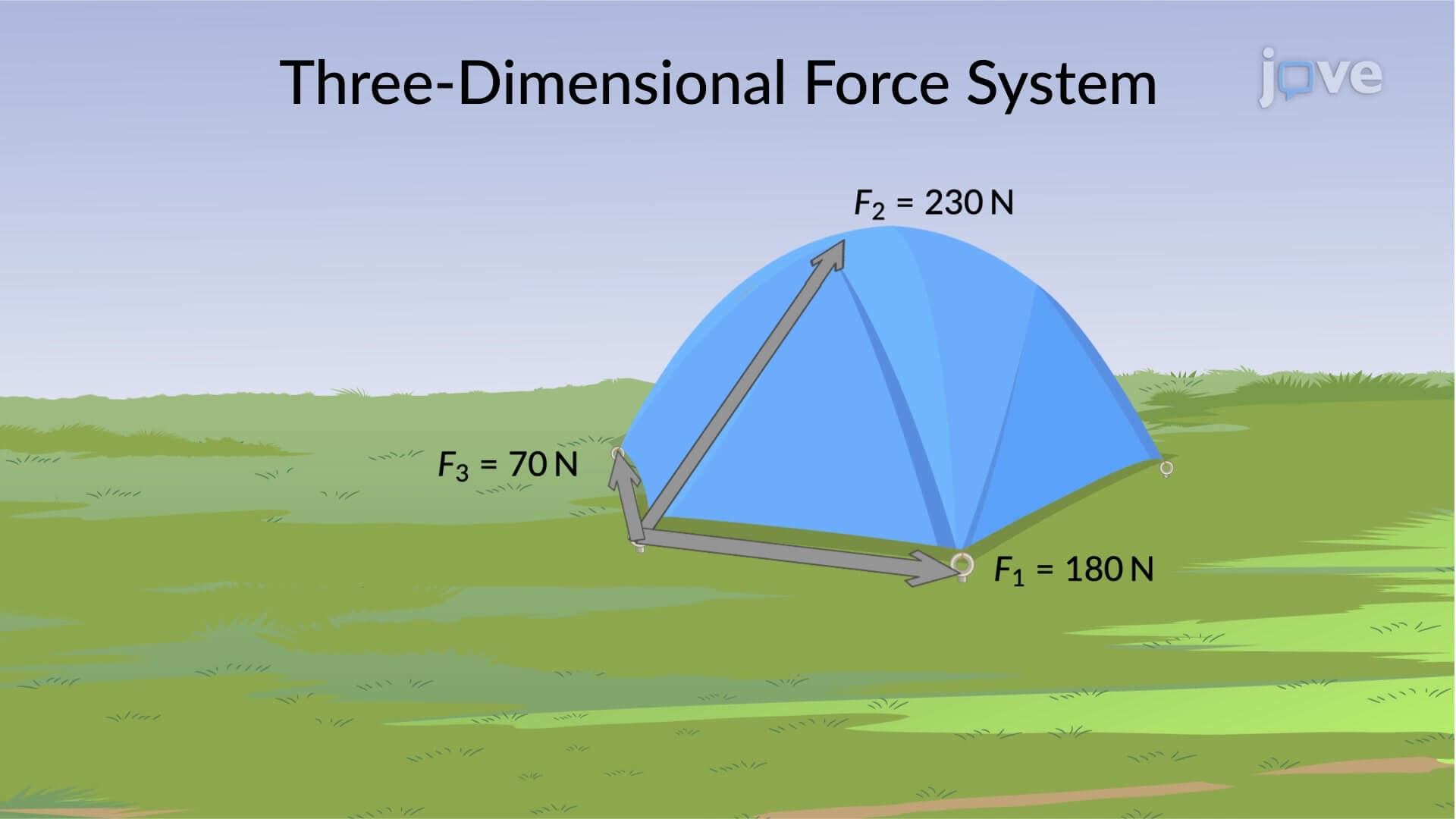

Video Summary: Three Dimensional Force System Problem Solving Explained
Ever wonder how engineers ensure skyscrapers like Chicago's Willis Tower remain stable against wind forces from multiple directions? Three dimensional force system problem solving is the key to analyzing complex force interactions in real-world structures. This fundamental engineering concept breaks down multi-directional forces into manageable components using Cartesian coordinates and vector analysis. From tent designs to bridge construction, mastering Three Dimensional Force System Problem Solving Explained helps predict how structures respond to forces acting simultaneously in different planes and directions. Watch the full video on JoVE Coach to master this concept with expert-led visuals and step-by-step explanations.
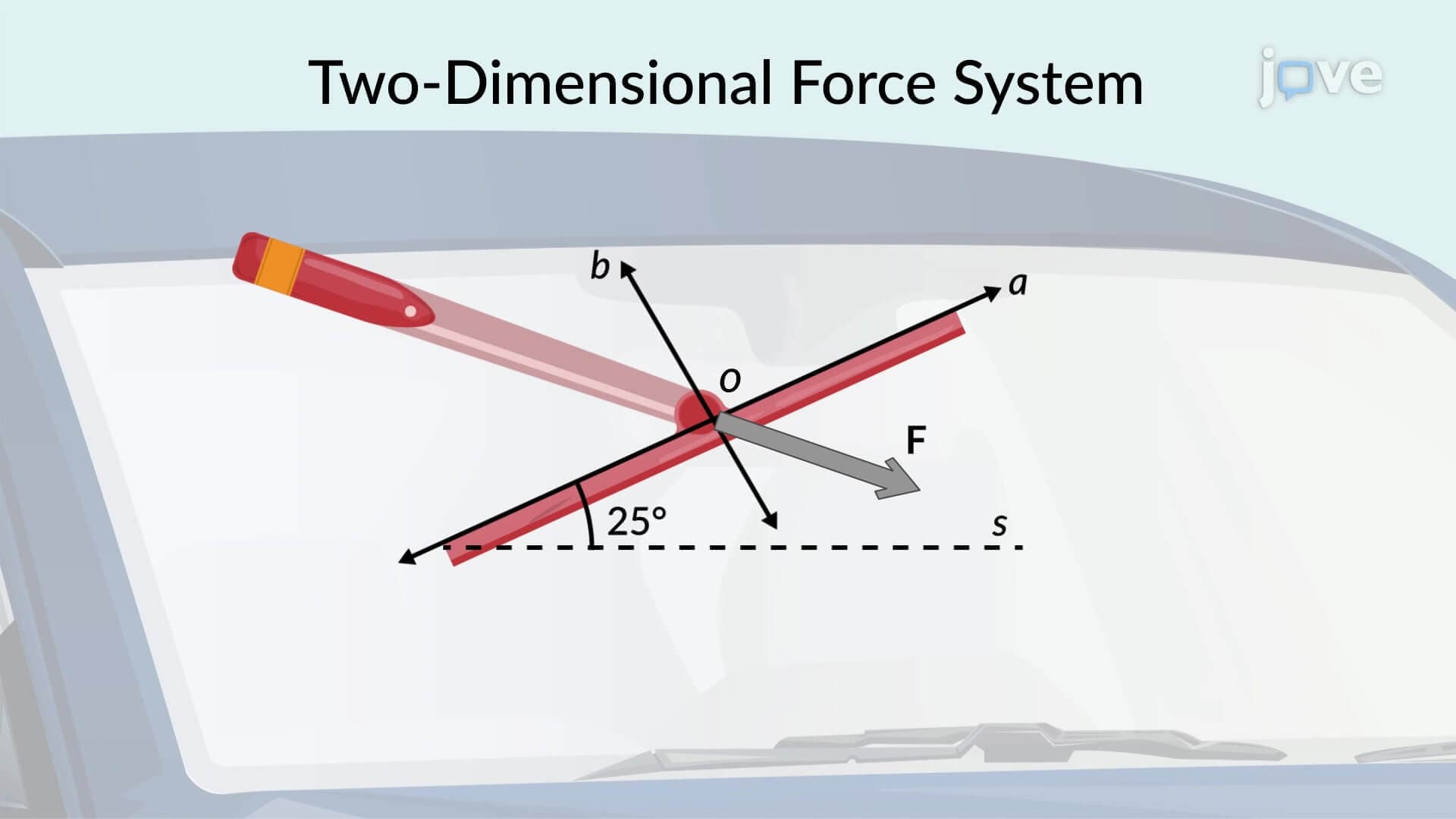
Three dimensional force system problem solving represents a crucial skill in physics and engineering, extending beyond simple two-dimensional analysis to tackle real-world complexities. Unlike planar force systems where forces act within a single plane, 3D systems involve forces that can act in any direction within three-dimensional space, requiring sophisticated analytical techniques to achieve equilibrium solutions.
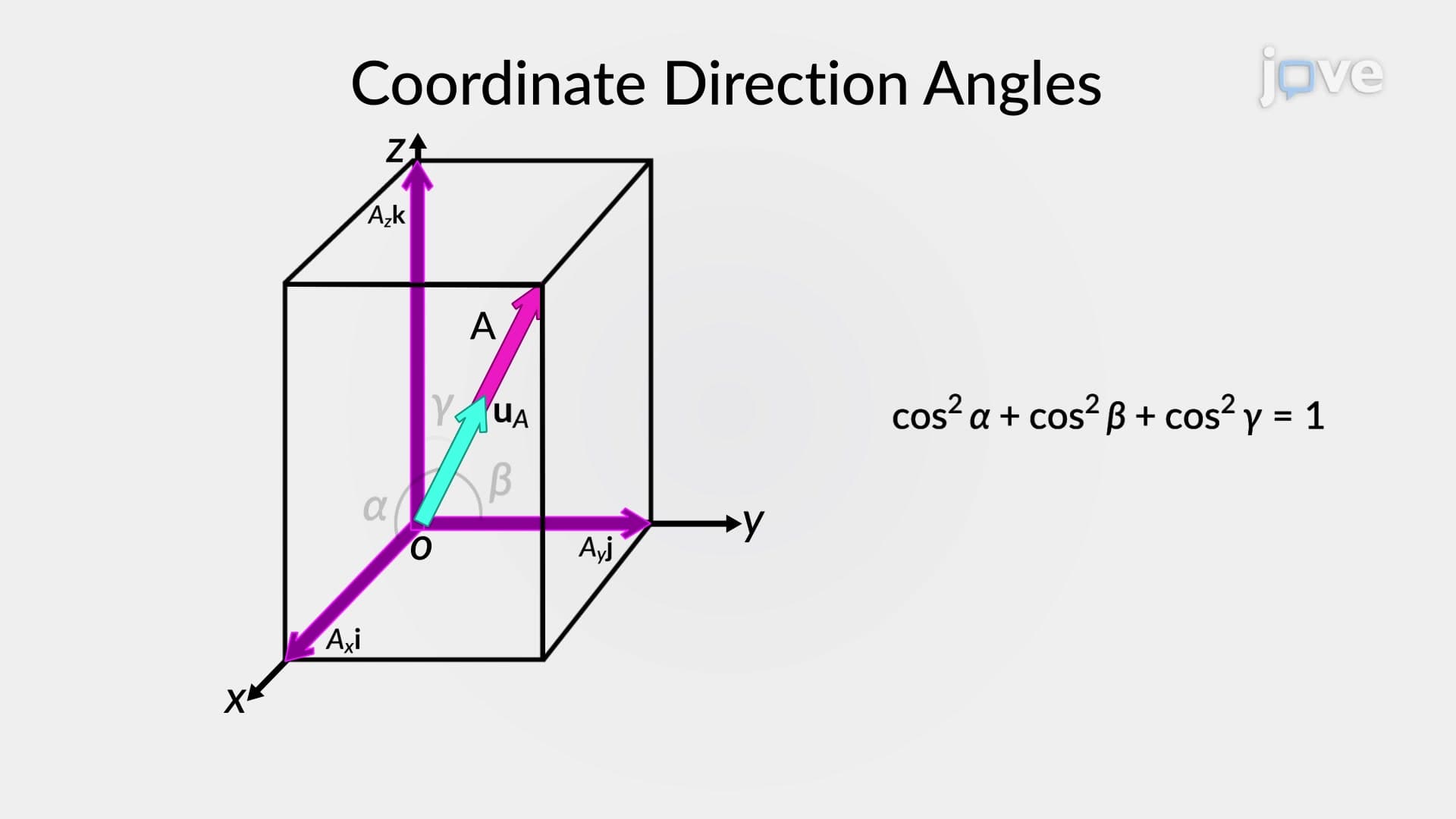
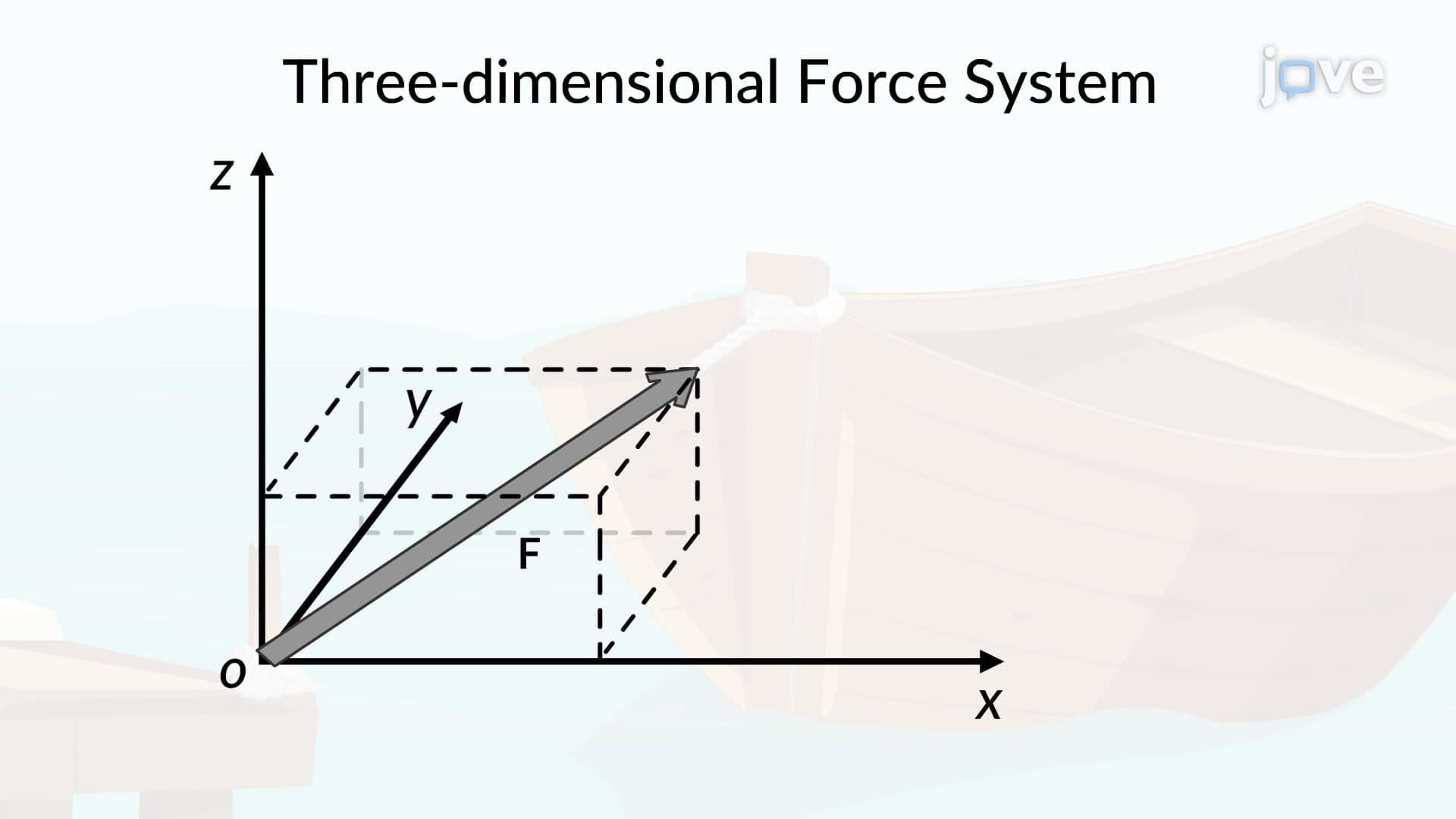
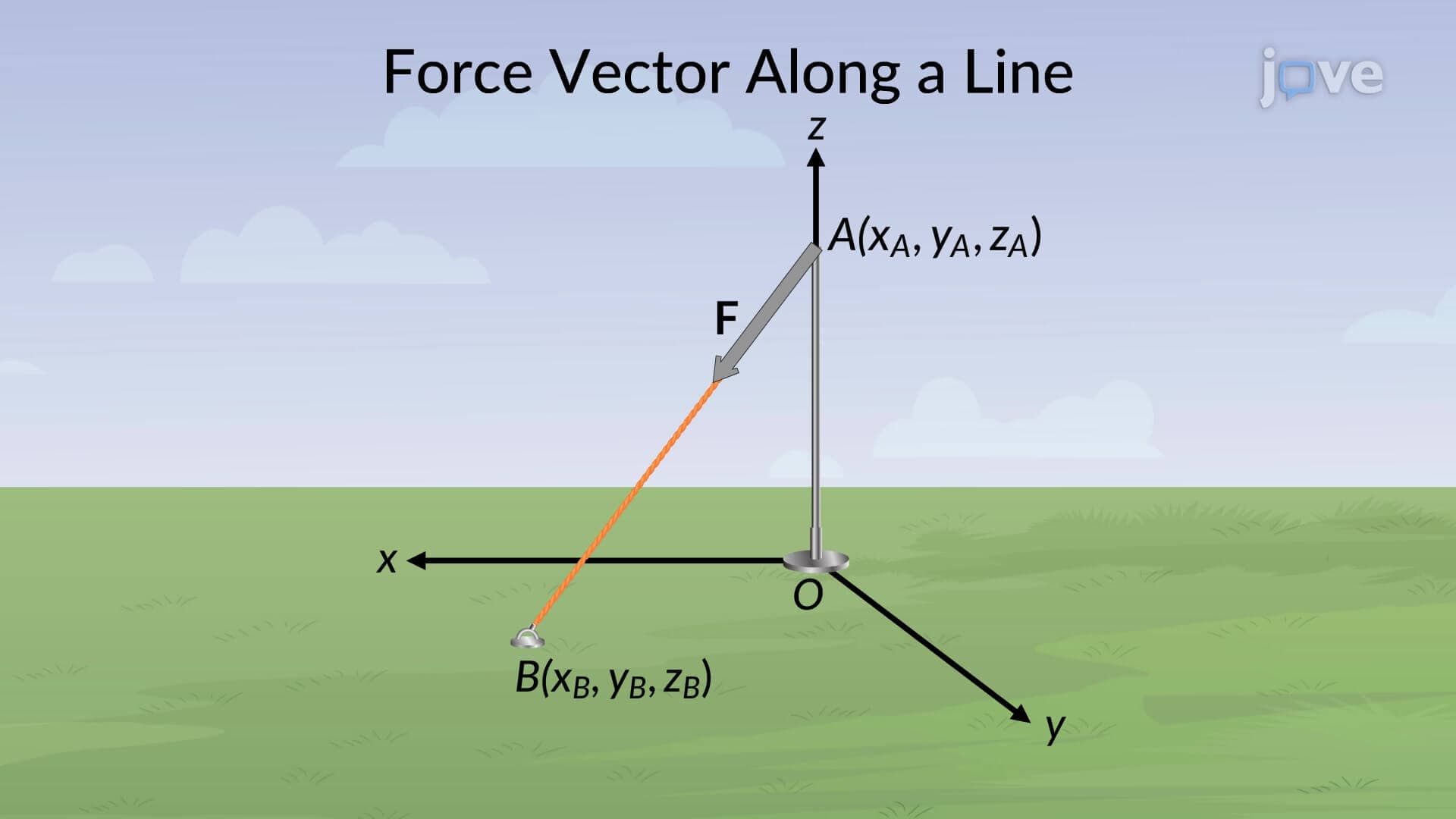
The foundation of three dimensional force system problem solving lies in vector decomposition. Each force vector gets broken down into its constituent components along the x, y, and z axes. For a force F acting at angles relative to the coordinate axes, we express it as F = Fx(i) + Fy(j) + Fz(k), where i, j, and k represent unit vectors along the respective axes. This systematic approach allows engineers to handle complex loading scenarios found in structures like the Golden Gate Bridge, where wind, traffic, and seismic forces act simultaneously from different directions.
Students preparing for AP Physics or college-level statics courses must master this component method, as it forms the basis for equilibrium equations in three dimensions. The process involves identifying all forces, establishing a consistent coordinate system, and methodically resolving each force into its components before applying equilibrium conditions.
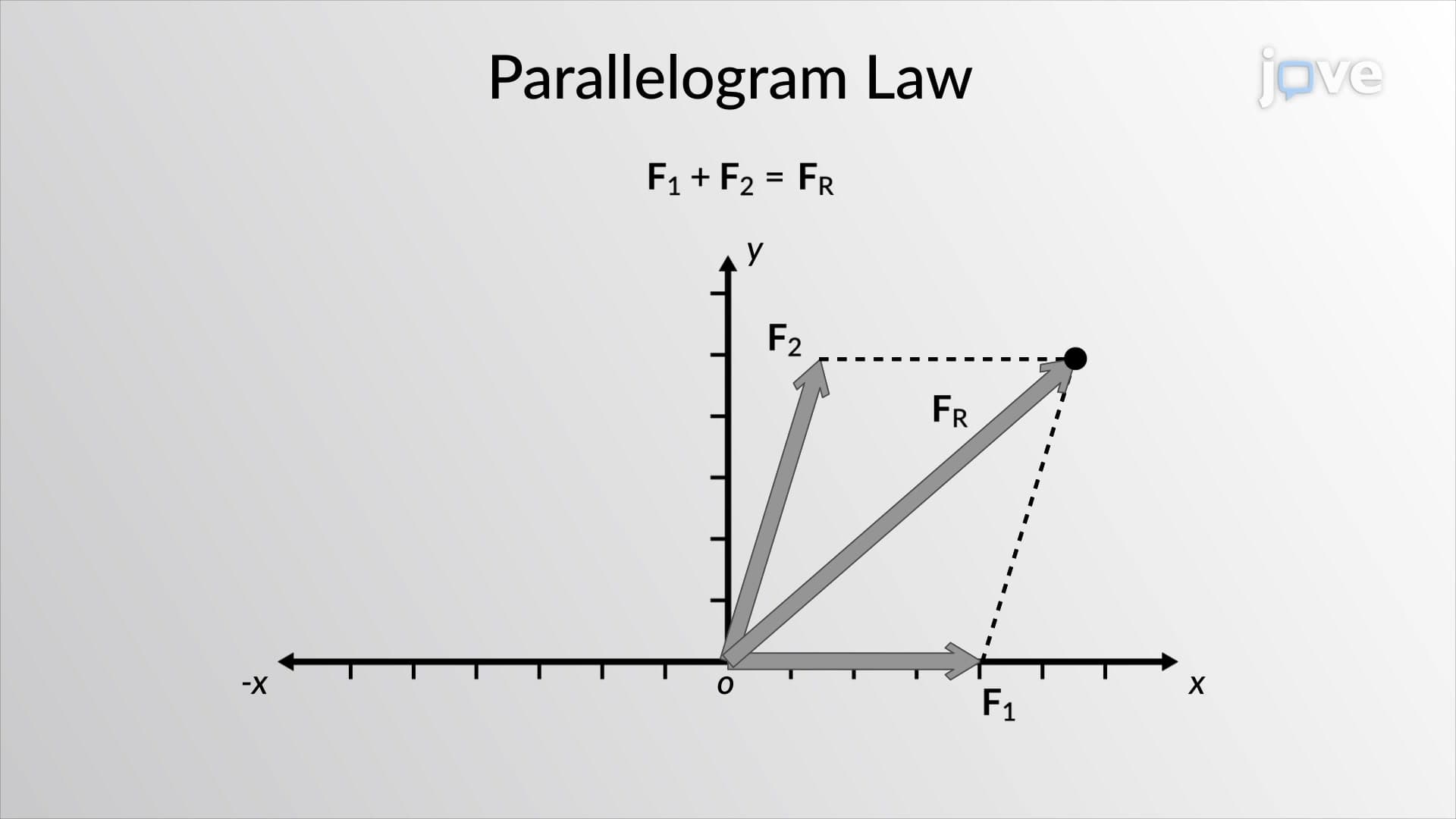
Calculating resultant forces in three-dimensional systems follows the principle of vector addition. Once individual forces are expressed in component form, the resultant components become: Rx = ΣFx, Ry = ΣFy, and Rz = ΣFz. The magnitude of the resultant equals the square root of (Rx² + Ry² + Rz²), while direction angles can be determined using inverse trigonometric functions.
This methodology proves essential in engineering applications, from analyzing forces on aircraft during flight to designing earthquake-resistant buildings in California. Students encounter these concepts in mechanics courses and standardized tests like the Fundamentals of Engineering (FE) exam, where three-dimensional force analysis frequently appears in structural and mechanical engineering sections.
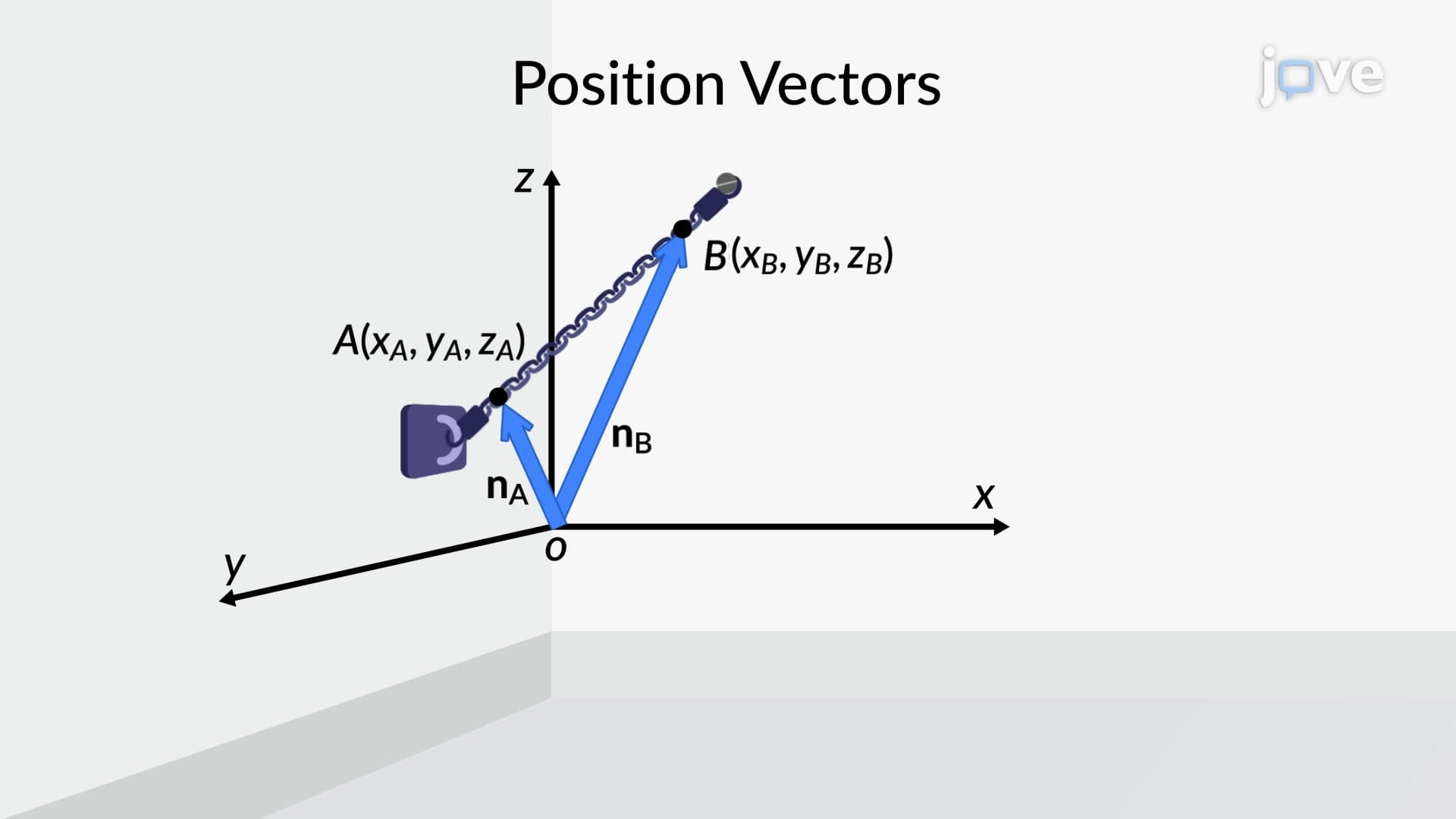
Successful three dimensional force system problem solving requires systematic approaches. Engineers typically begin by drawing detailed free-body diagrams, clearly identifying all forces and their points of application. Next, they establish appropriate coordinate systems, often choosing orientations that simplify calculations by aligning axes with known force directions or structural geometry.
Common applications include analyzing tension cables supporting stadium roofs, determining reactions in space frame structures, and evaluating forces in robotic arm mechanisms used in manufacturing. These real-world examples demonstrate why mastering 3D force analysis remains crucial for students pursuing STEM careers, particularly in mechanical, civil, and aerospace engineering disciplines.
Related Micro-courses