Loading video…


 17 Concepts
 21.8K views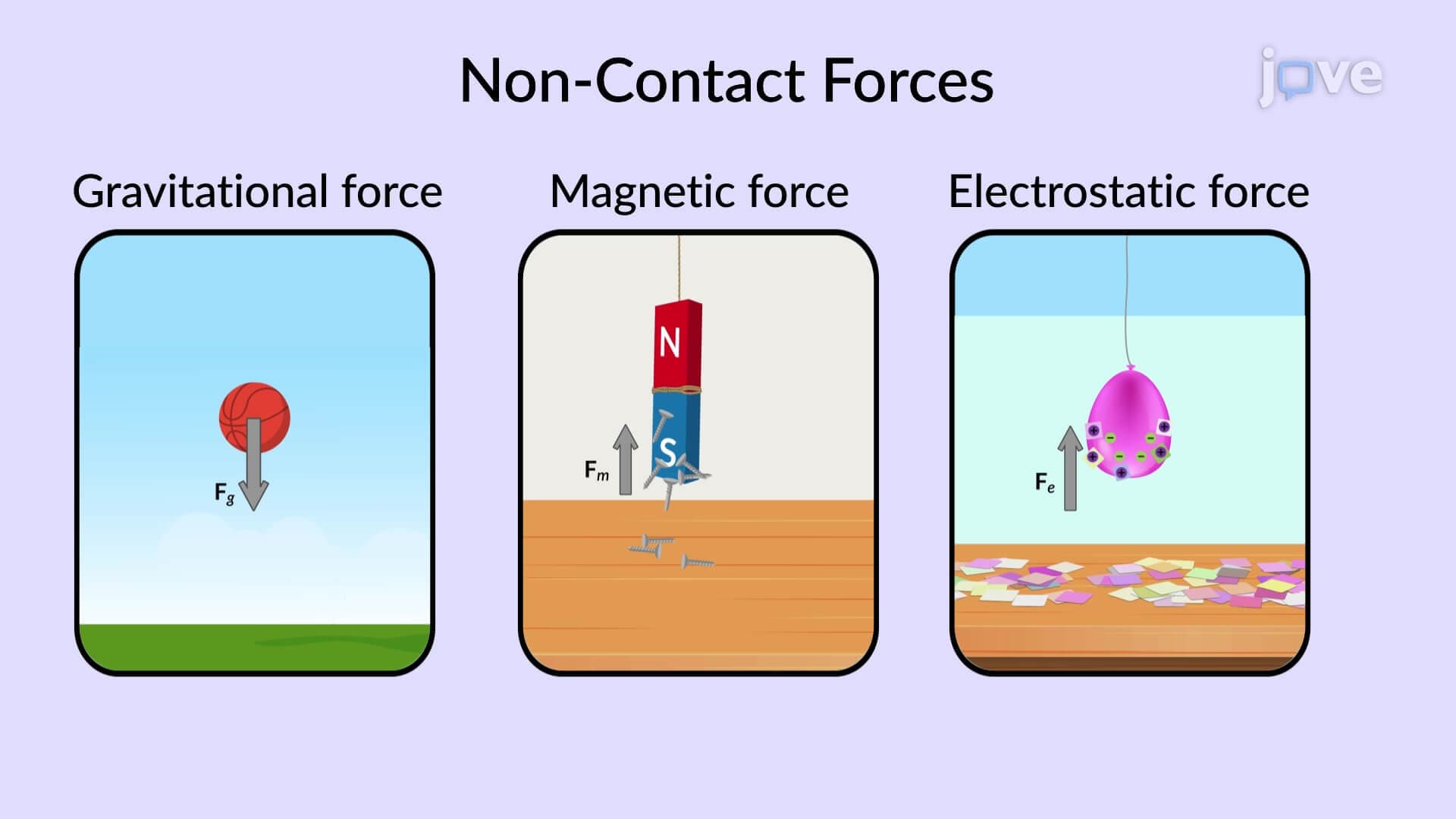

Video Summary: What Is Force Classification
Why does a magnet pull a paperclip without touching it, but you need direct contact to push a door open? Force classification explains how physicists organize the fundamental interactions that shape our world. Contact forces like friction require physical touch between objects, while non-contact forces like gravity act across empty space. Engineers at NASA use both types when designing spacecraft-calculating gravitational pulls from planets and contact forces during rocket propulsion. Watch the full video on JoVE Coach to master this concept with expert-led visuals and step-by-step explanations.
Force classification serves as the foundation for analyzing mechanical interactions in physics and engineering. This systematic approach helps students and professionals organize the complex world of forces into manageable categories based on how forces originate and act upon objects. The classification system proves essential for solving problems in AP Physics courses, college mechanics classes, and professional engineering applications.
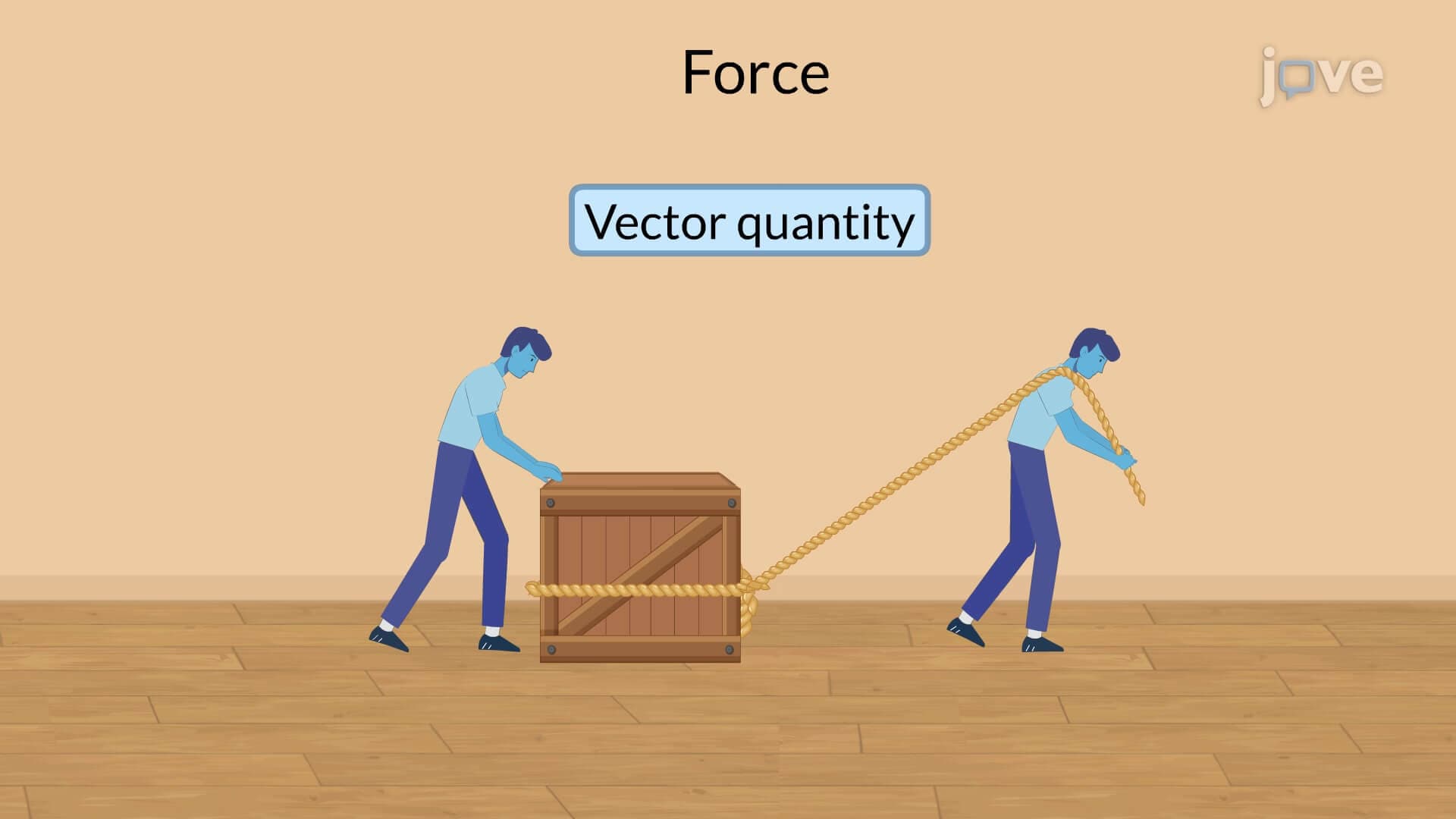
Contact forces require direct physical interaction between objects, making them the most intuitive type of force for students to understand. Friction forces occur when surfaces slide or attempt to slide past each other-like car tires gripping asphalt on Interstate highways or a baseball player sliding into home plate. Normal forces act perpendicular to contact surfaces, such as the upward push a desk exerts on your textbook. Tension forces develop in ropes, cables, and chains under load, including the cables supporting San Francisco's Golden Gate Bridge or the tension in a guitar string when plucked.
Engineers at companies like Boeing extensively calculate contact forces when designing aircraft. Wing surfaces experience normal forces from air pressure, while landing gear components must withstand enormous contact forces during touchdown. Understanding these interactions helps predict material stress and prevent structural failures.
Non-contact forces demonstrate nature's ability to influence objects across empty space, often surprising students with their invisible yet powerful effects. Gravitational force attracts all objects with mass toward each other-from apples falling in Washington state orchards to satellites orbiting Earth. The slight variation in gravitational force between an object's top and bottom surfaces becomes significant for tall structures like Chicago's Willis Tower, though engineers typically simplify calculations by assuming gravity acts at the center of mass.
Magnetic forces enable technologies from MRI machines at Johns Hopkins Hospital to magnetic levitation trains being developed in the United States. Electrostatic forces power everything from laser printers to the Van de Graaff generators found in science museums across America.
The distinction between concentrated and distributed forces becomes crucial when designing structures and mechanical systems. Concentrated forces act at specific points, like the load applied by a crane hook or the contact point where a hammer strikes a nail. Distributed forces spread over areas or volumes, such as wind pressure on skyscraper facades or water pressure on submarine hulls.
Civil engineers designing bridges must consider both types: concentrated loads from vehicles crossing specific points and distributed loads from the bridge's own weight spread along its span. This analysis appears frequently on the Fundamentals of Engineering (FE) exam that aspiring engineers take after graduation.
Related Micro-courses