Loading video…


 17 Concepts
 21.8K views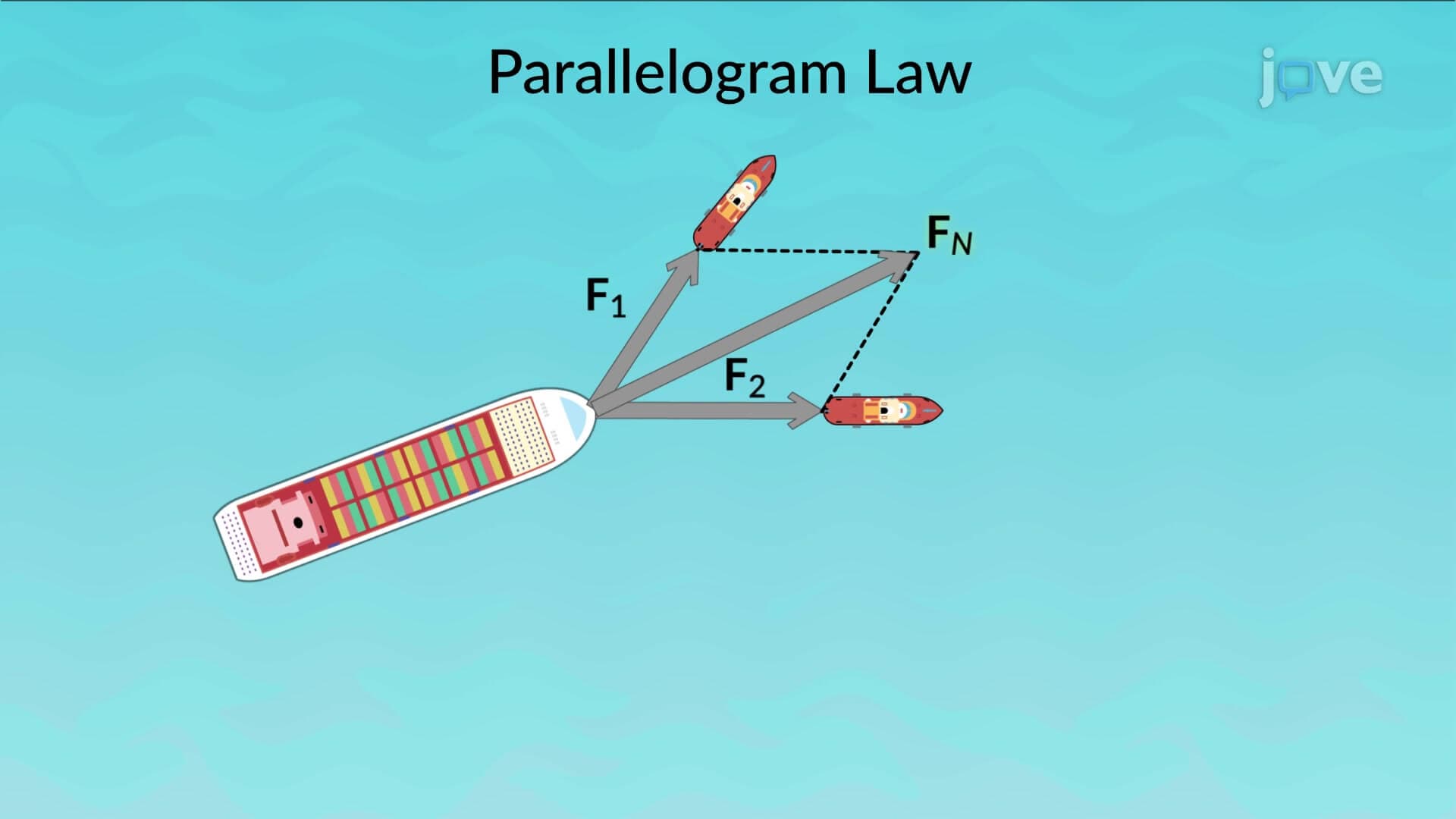

Video Summary: What are Vector Addition of Forces
Ever wonder how multiple tugboats can pull a massive cargo ship through New York Harbor without their forces canceling each other out? Vector addition of forces explains how multiple force vectors combine using the parallelogram law to create a single resultant force. When tugboats pull a ship from different angles, engineers use this principle to calculate the net effect on the vessel's movement. Watch the full video on JoVE Coach to master this concept with expert-led visuals and step-by-step explanations.
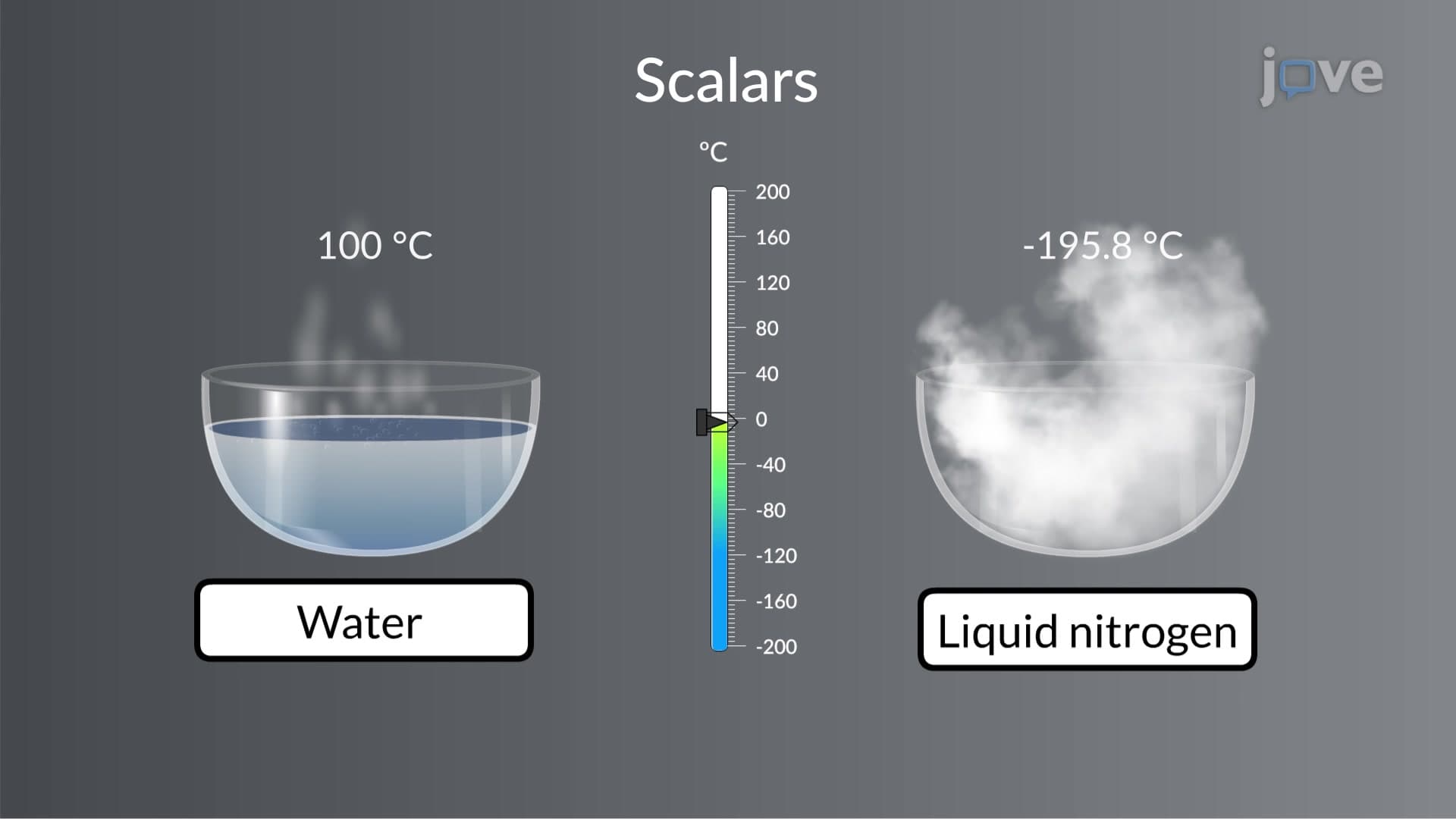
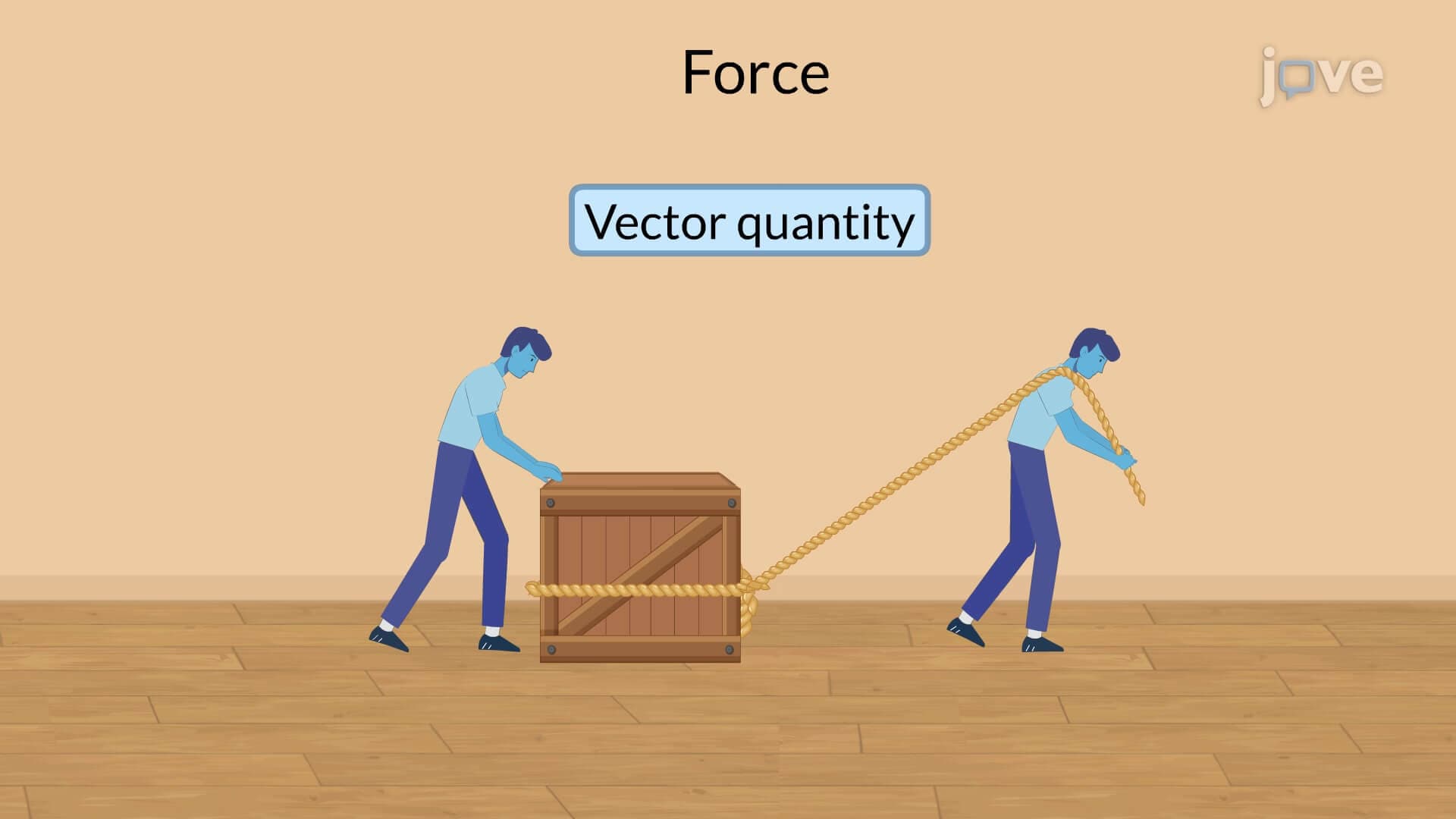
Vector addition of forces represents one of the most crucial concepts in physics and engineering, forming the foundation for analyzing complex mechanical systems. Unlike scalar quantities that simply add arithmetically, forces are vector quantities possessing both magnitude and direction, requiring special mathematical treatment when combined.
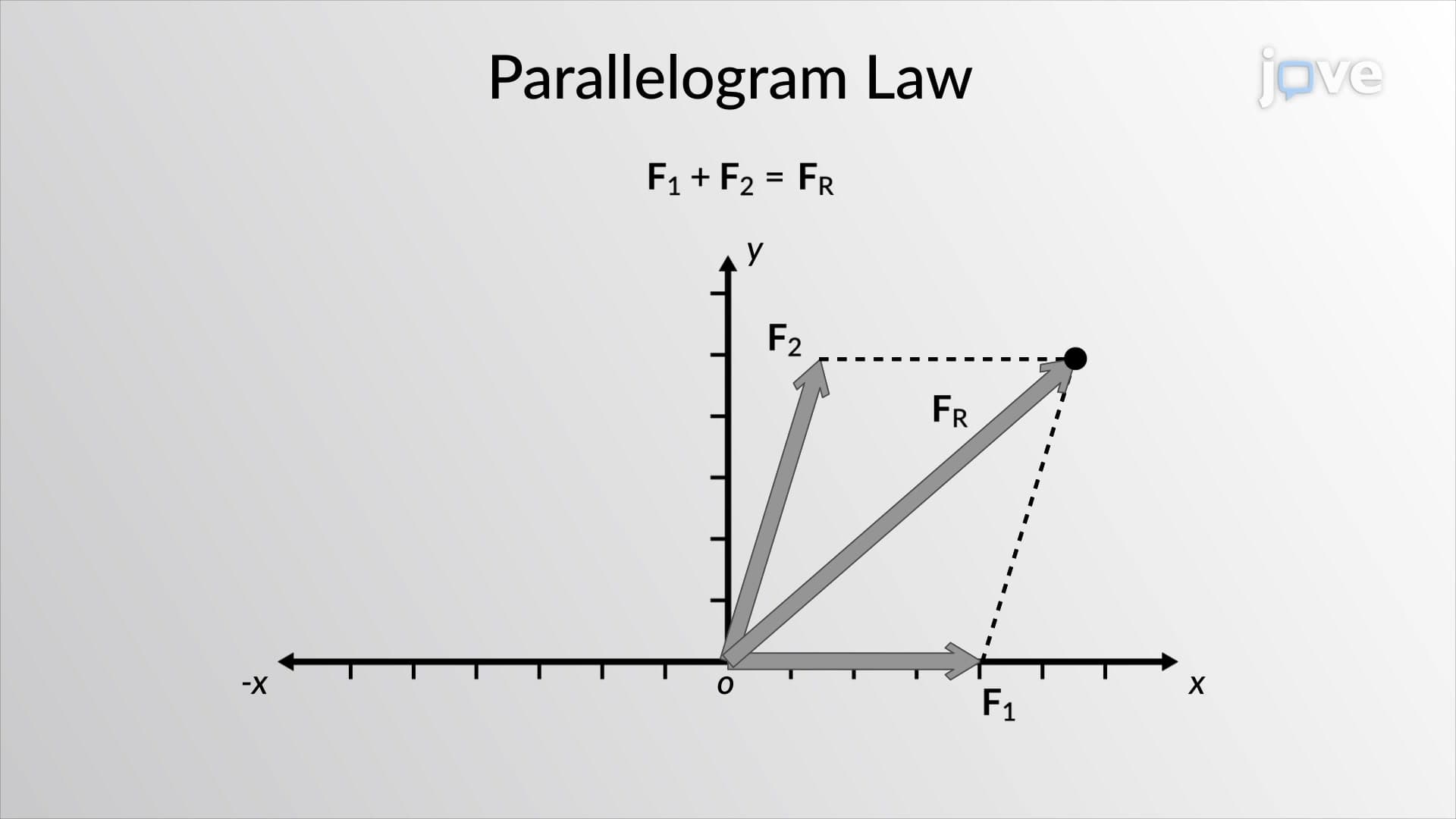
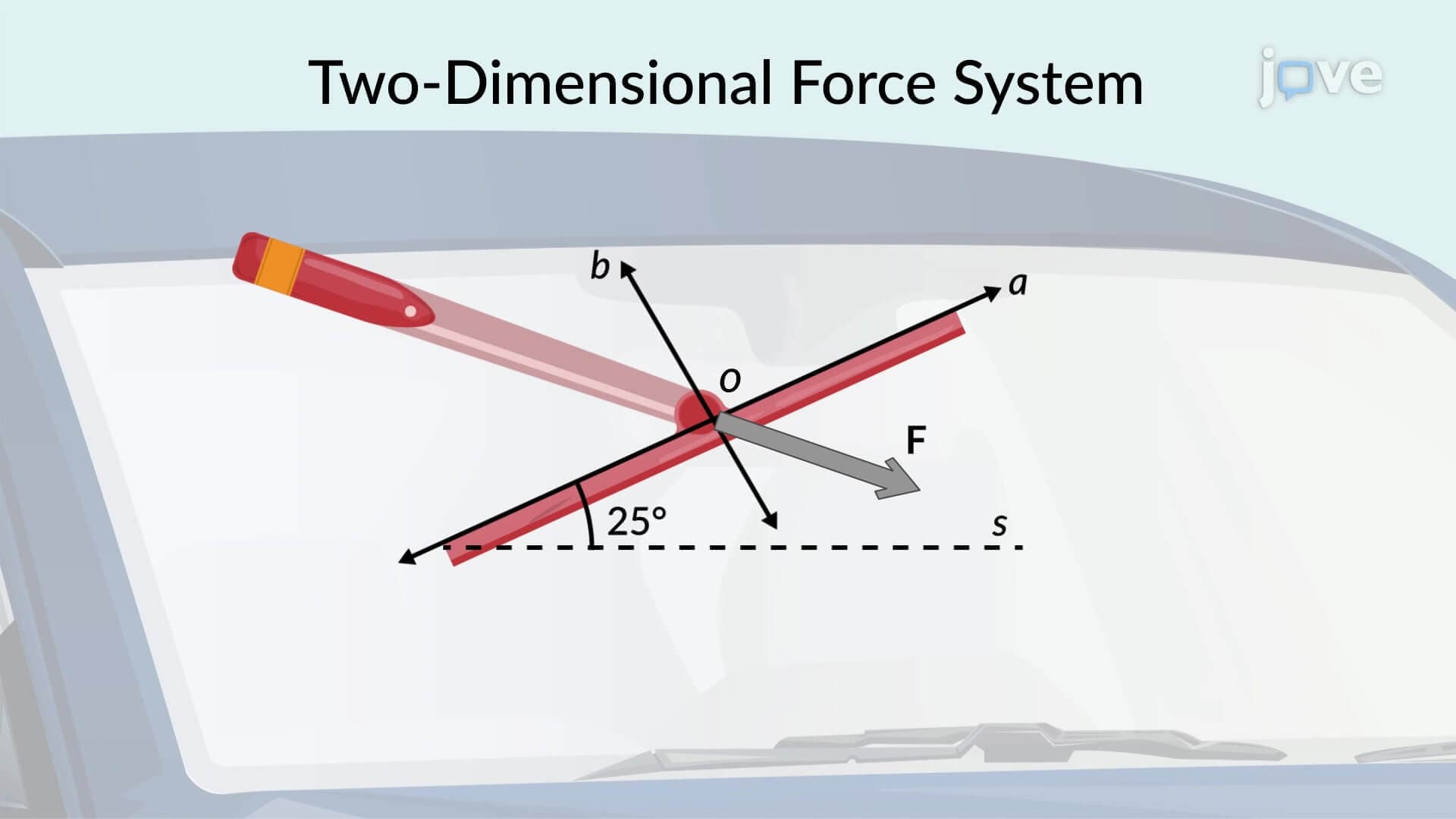
The parallelogram law provides an elegant graphical solution for combining force vectors. When two forces act on an object simultaneously, you construct a parallelogram using these forces as adjacent sides. The diagonal connecting the point of force application to the opposite corner represents the resultant force-equivalent in effect to both original forces acting together.
Consider a construction crane lifting a steel beam in Chicago. If wind applies a horizontal force of 500 N eastward while the crane cable pulls with 2000 N vertically upward, the parallelogram law reveals the actual force direction and magnitude affecting the beam. This principle helps engineers design safer lifting operations and structural supports.
When dealing with three or more concurrent forces, vector addition follows a sequential process. After finding the resultant of the first two forces using the parallelogram law, you treat this resultant as a single force and combine it with the third force using another parallelogram construction. This process continues until all forces are incorporated into a single resultant vector.
Students encounter vector addition of forces extensively in AP Physics courses, where it appears in mechanics problems involving equilibrium and motion. College engineering programs utilize these principles in statics and dynamics courses, often requiring both graphical and analytical solutions. The MCAT includes vector concepts in its physics section, particularly in biomechanics contexts like analyzing forces on joints and bones.
Professional applications span from aerospace engineers calculating thrust vectors on rockets to civil engineers determining load distributions in bridge designs. Understanding these fundamentals proves essential for any STEM career involving force analysis.
Related Micro-courses