Loading video…


 17 Concepts
 21.8K views

Video Summary: What Is Cartesian Vector Notation
Ever wonder how NASA engineers track spacecraft moving through three-dimensional space? Cartesian vector notation provides the mathematical framework to describe any vector using perpendicular coordinate axes and unit vectors i, j, and k. This system, named after French mathematician René Descartes, allows engineers at Boeing to precisely calculate forces on aircraft wings during flight testing. What is Cartesian Vector Notation becomes clearer when you see how it separates a vector's magnitude and direction into manageable components. Watch the full video on JoVE Coach to master this concept with expert-led visuals and step-by-step explanations.
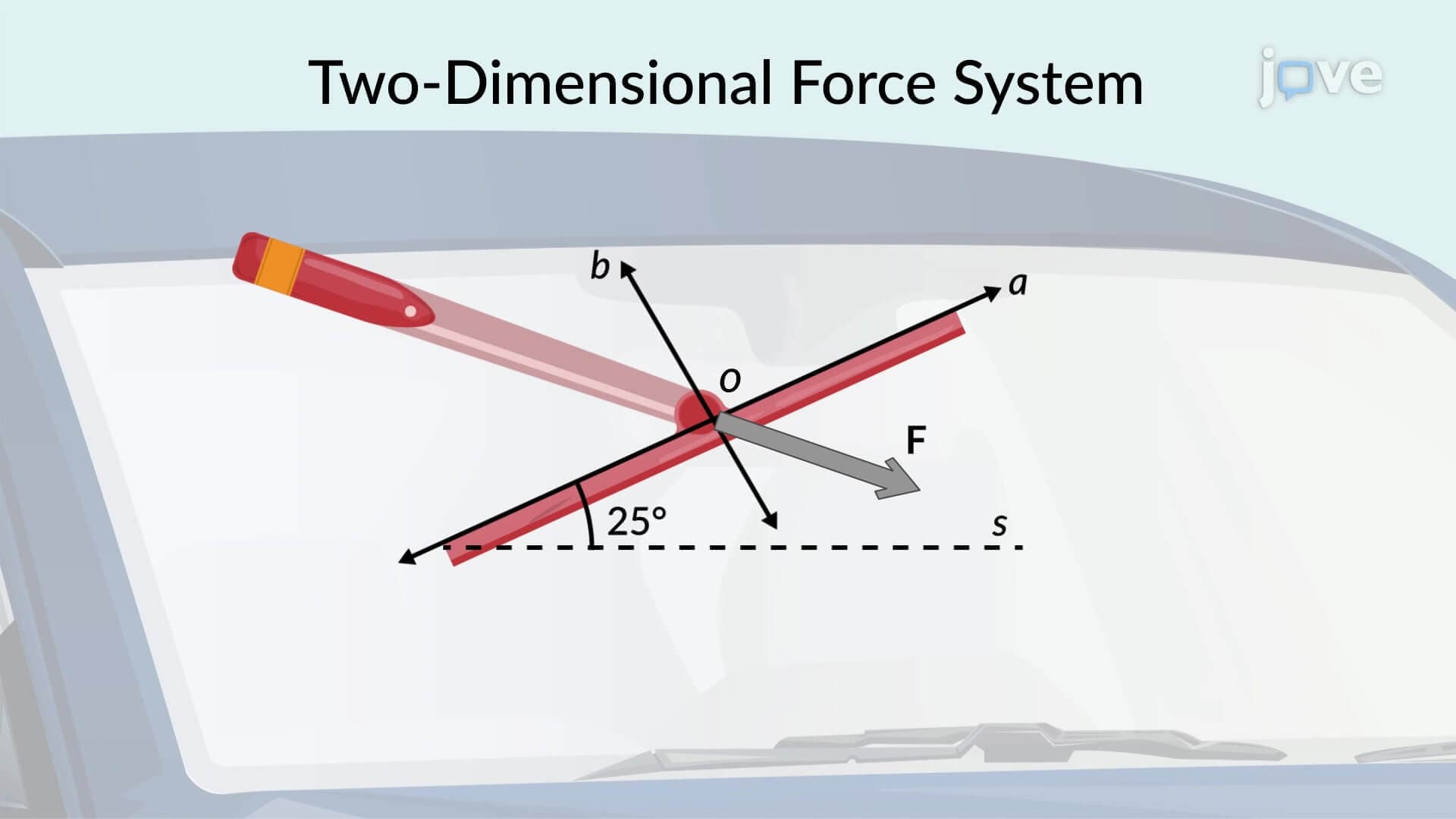
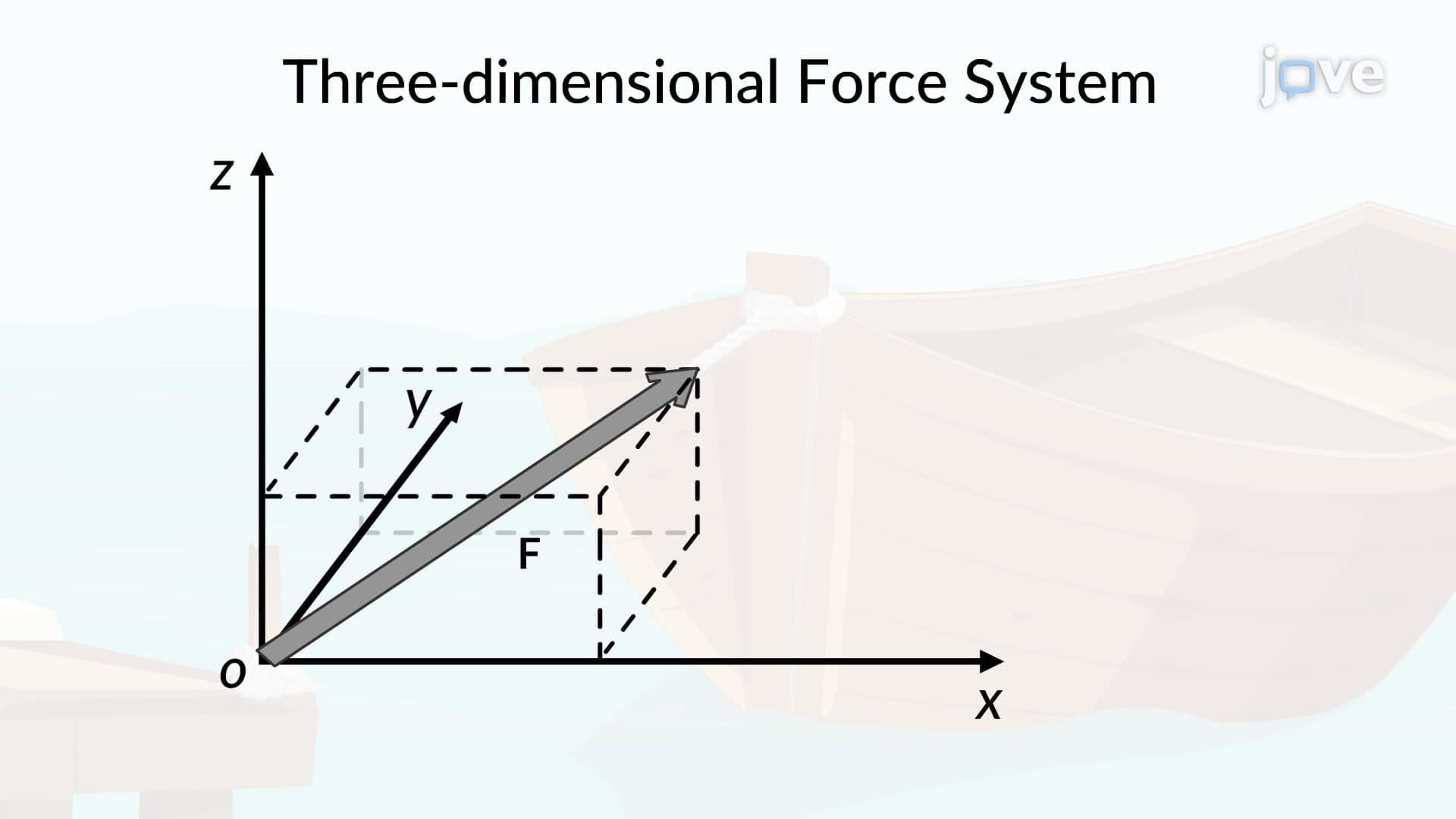
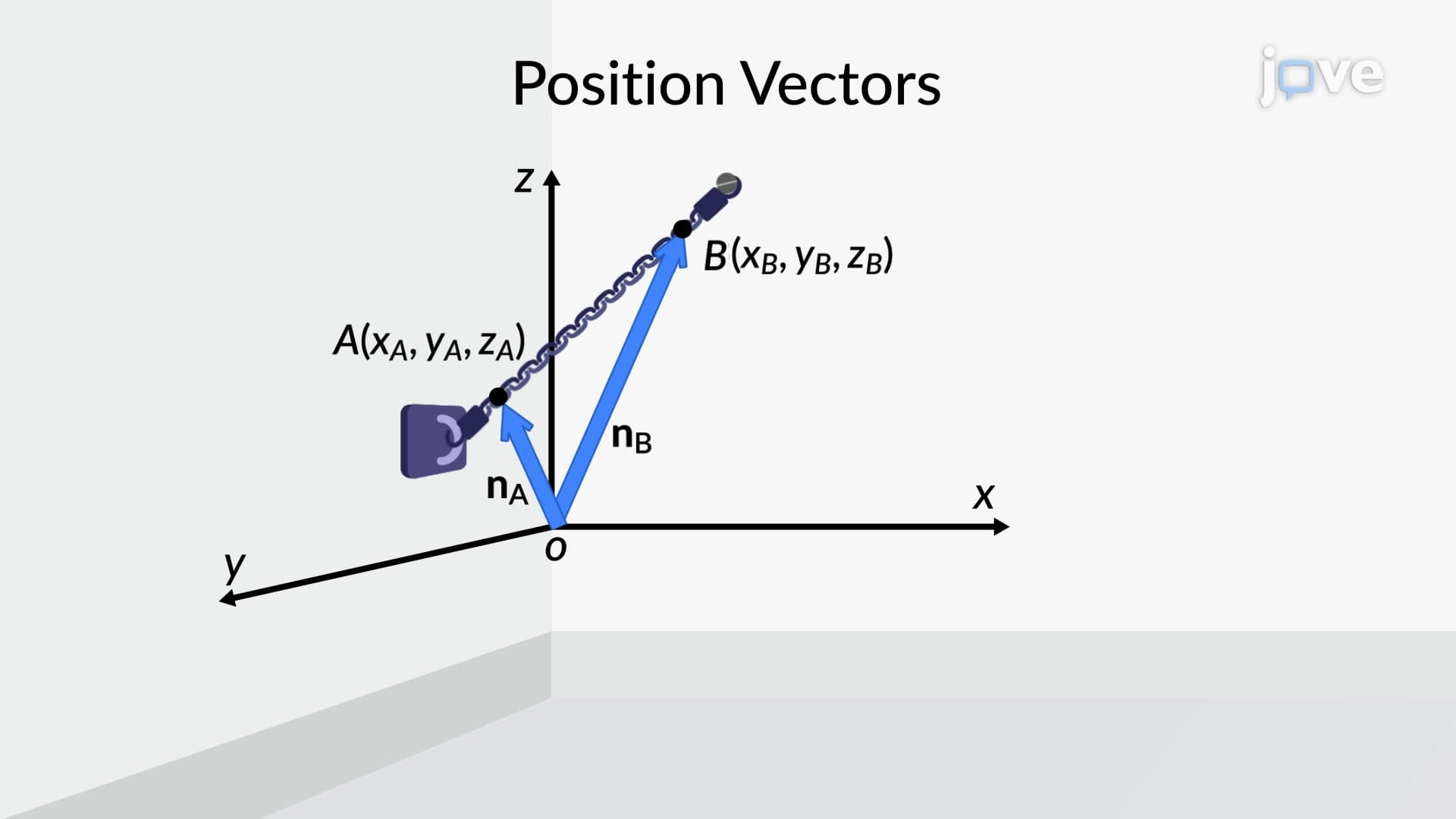
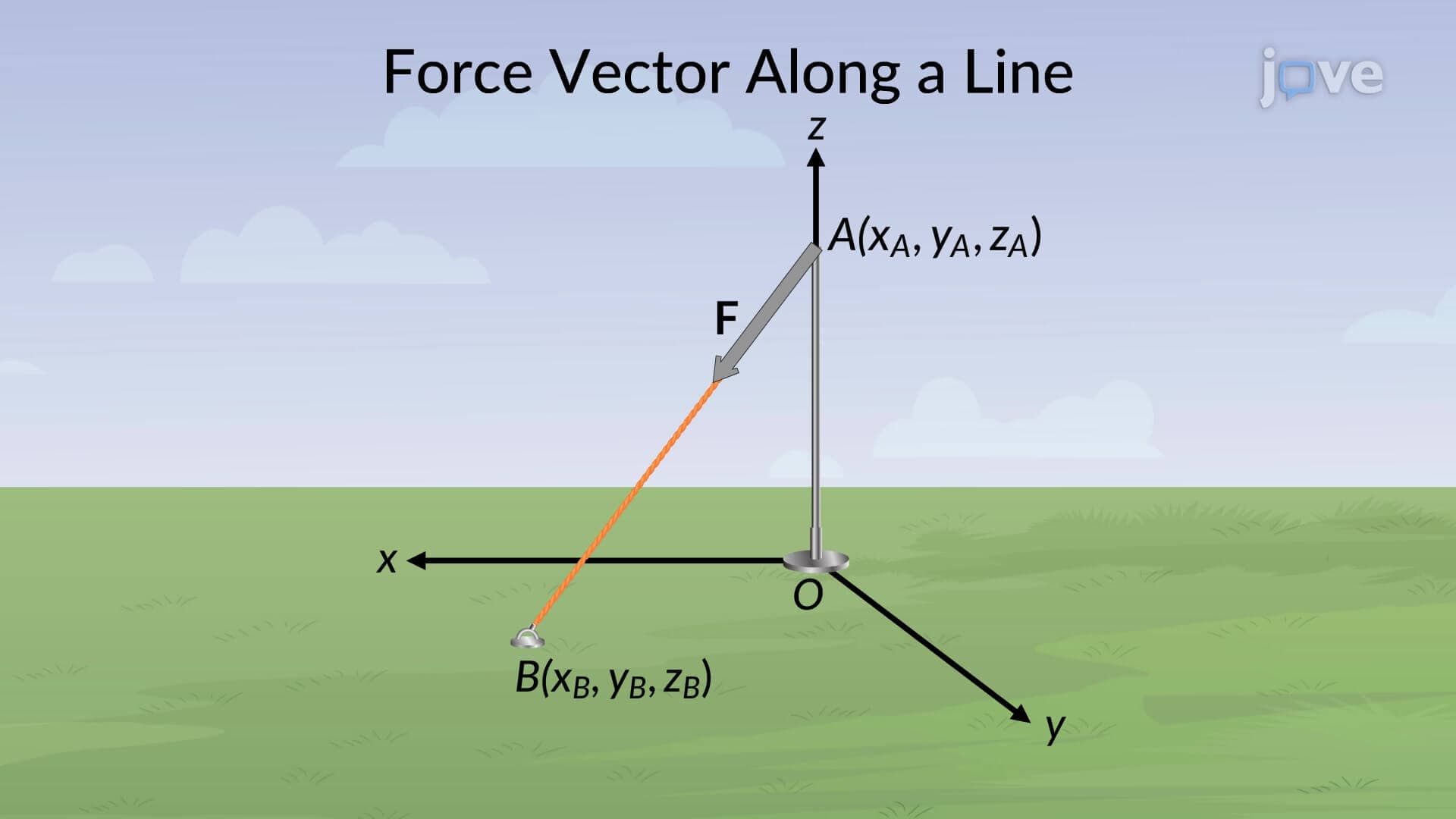
Cartesian vector notation represents one of the most powerful mathematical tools for describing physical quantities that have both magnitude and direction. Named after René Descartes, this system breaks down complex three-dimensional vectors into manageable components along perpendicular axes. The cartesian vector notation definition centers on using unit vectors i, j, and k to represent directions along the x, y, and z axes respectively.
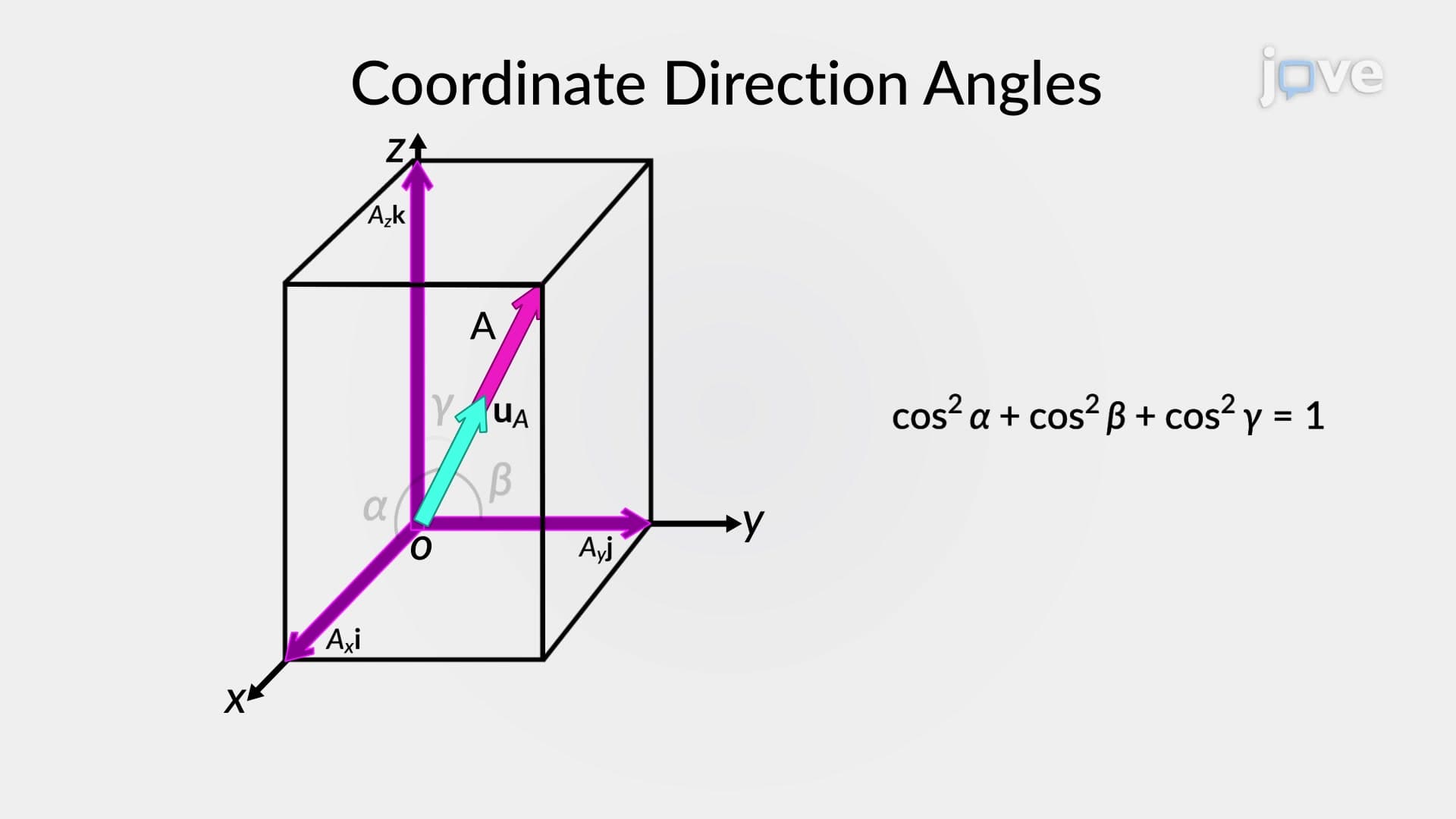
When exploring what is cartesian vector notation in detail, we discover that any vector A can be expressed as A = Ax·i + Ay·j + Az·k, where Ax, Ay, and Az are scalar components. These unit vectors serve as building blocks-each has a magnitude of exactly one and points along its respective positive axis direction. The beauty of this system lies in its ability to separate a vector's magnitude from its directional information, making complex calculations more manageable.
For students preparing for AP Physics or SAT Subject Tests, understanding that components can be positive or negative is crucial. A negative component simply indicates the vector points in the negative direction along that particular axis. This concept frequently appears in mechanics problems involving projectile motion and force analysis.
The standard right-handed coordinate system ensures consistency in vector calculations. Point your right thumb toward the positive z-axis, and your fingers naturally curl from the positive x-axis toward the positive y-axis. This convention prevents sign errors that could otherwise plague vector calculations in engineering applications.
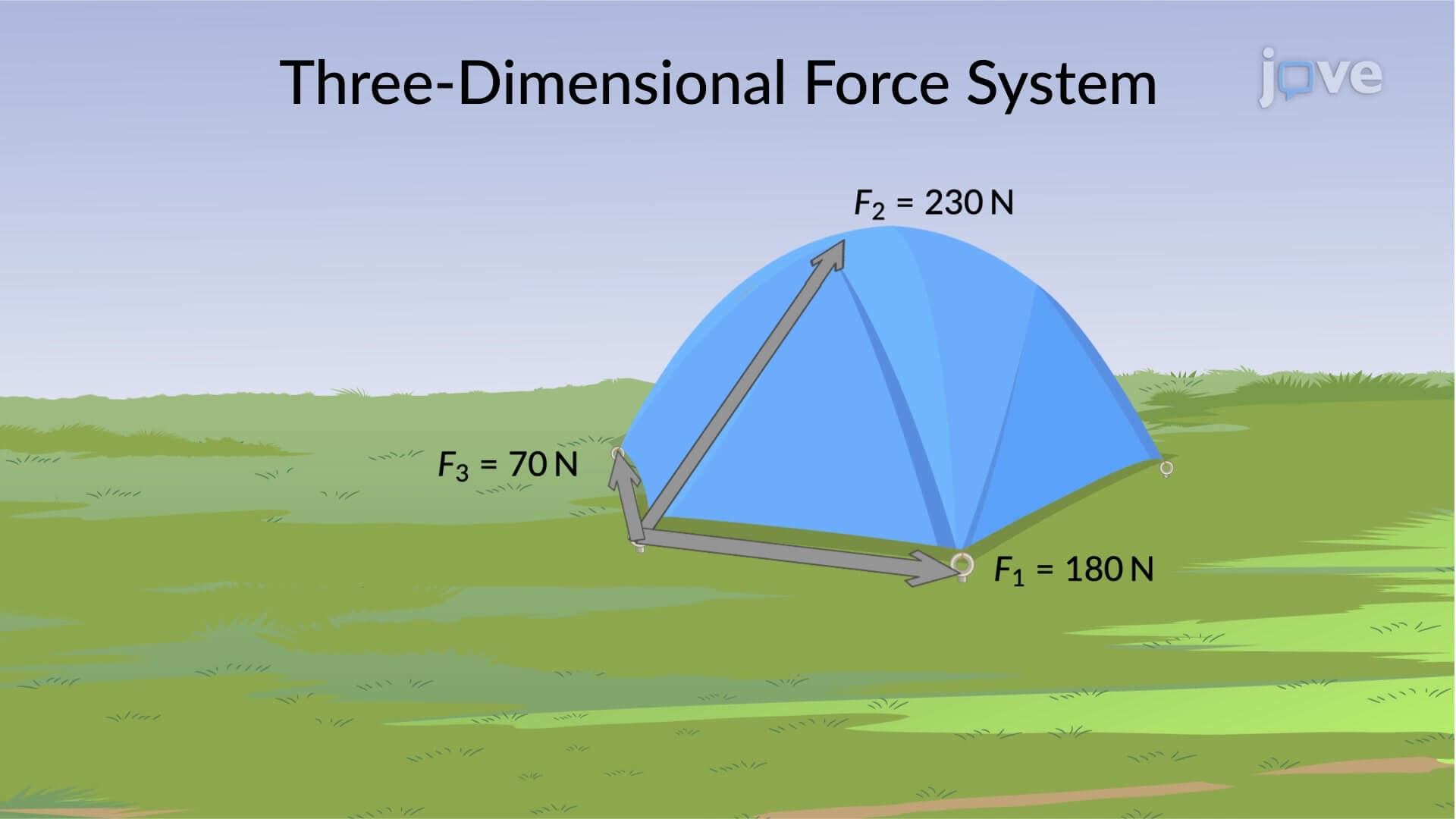
NASA's Jet Propulsion Laboratory relies heavily on Cartesian vectors when programming spacecraft trajectories. Similarly, structural engineers at firms like Skidmore, Owings & Merrill use these vectors to analyze forces acting on skyscrapers during wind loading scenarios. The cartesian vector notation concept proves essential for MCAT physics sections, where students encounter biomechanics problems involving joint forces and muscle tensions.
The magnitude of any Cartesian vector equals the positive square root of the sum of its squared components: |A| = √(Ax² + Ay² + Az²). This formula, derived from the Pythagorean theorem extended to three dimensions, appears frequently in college physics courses and standardized exams.
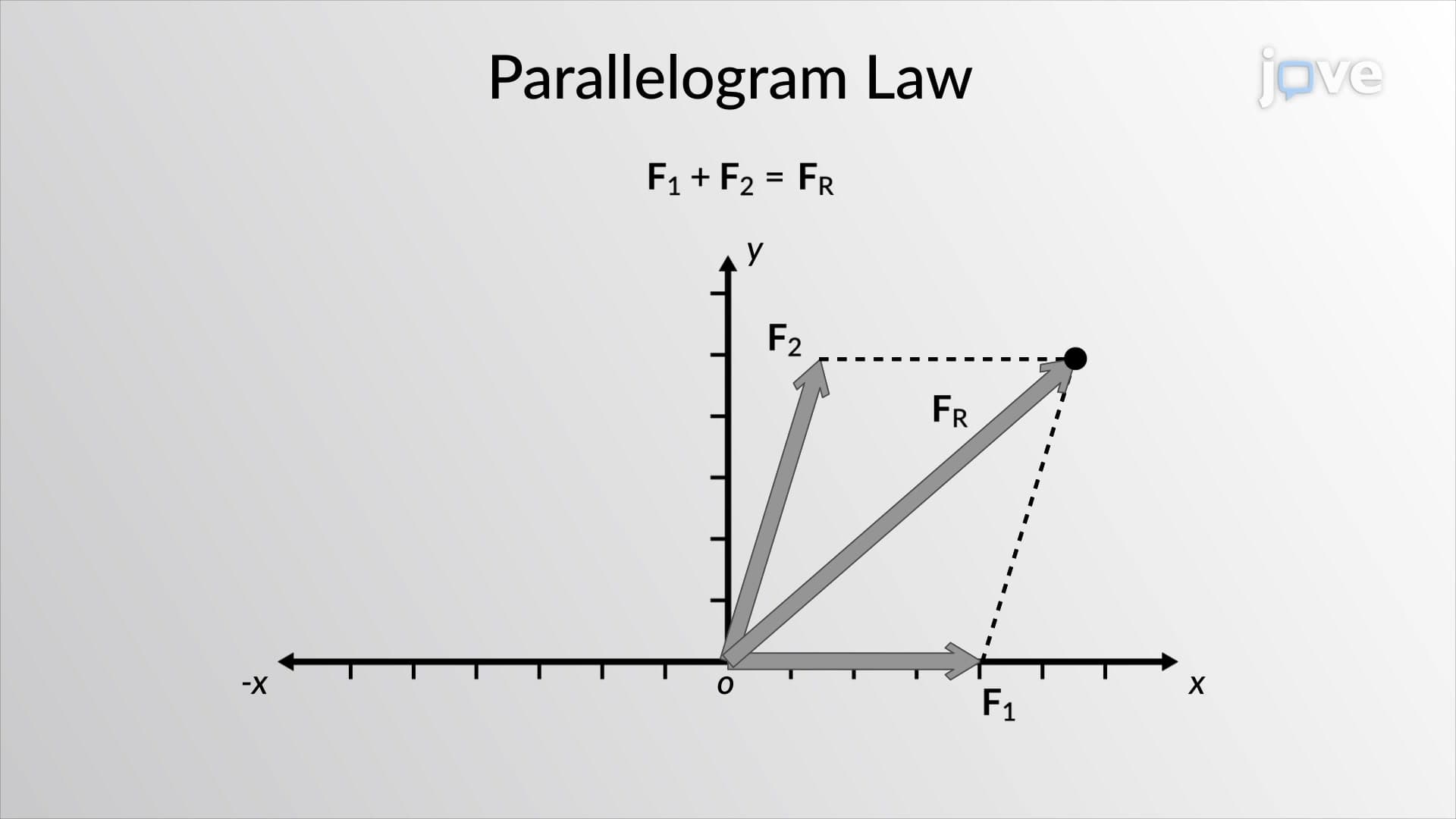
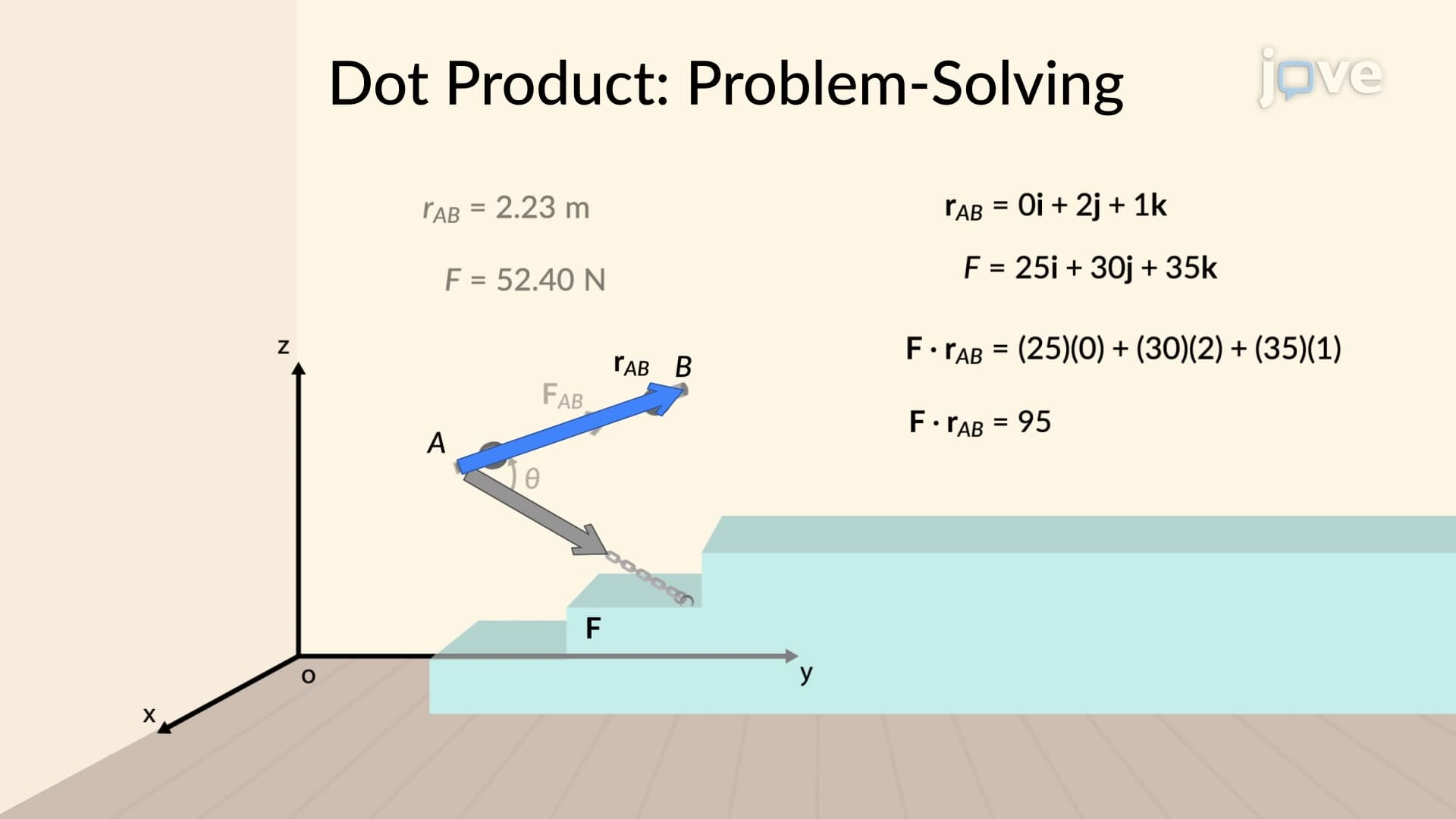
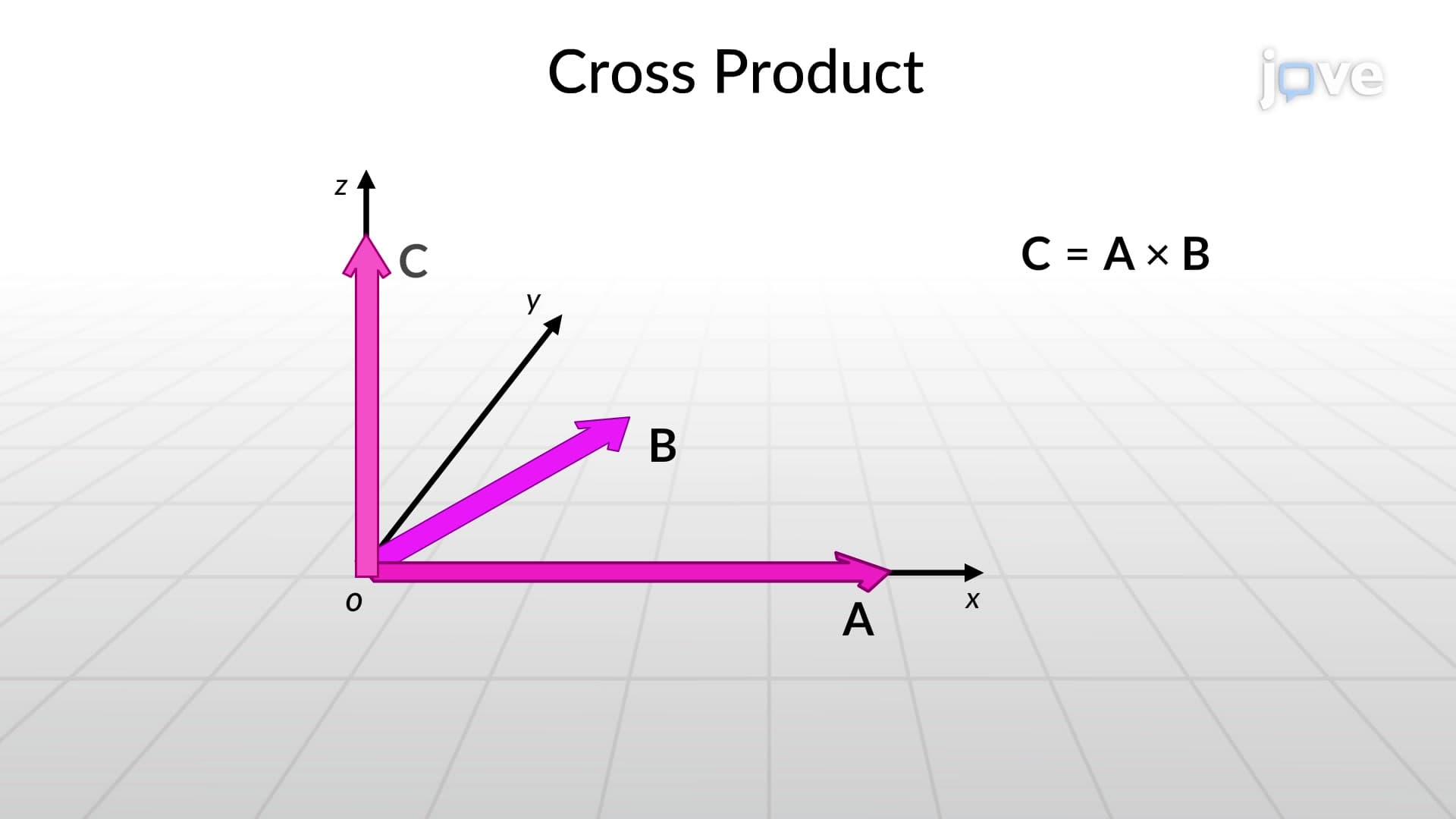
Vector algebra operations become remarkably straightforward in Cartesian form. Addition simply requires adding corresponding components, while dot and cross products follow systematic procedures. These operations form the foundation for advanced topics in multivariable calculus and differential equations courses at institutions like MIT and Stanford.
Related Micro-courses