Loading…
Loading video…

5,450 views
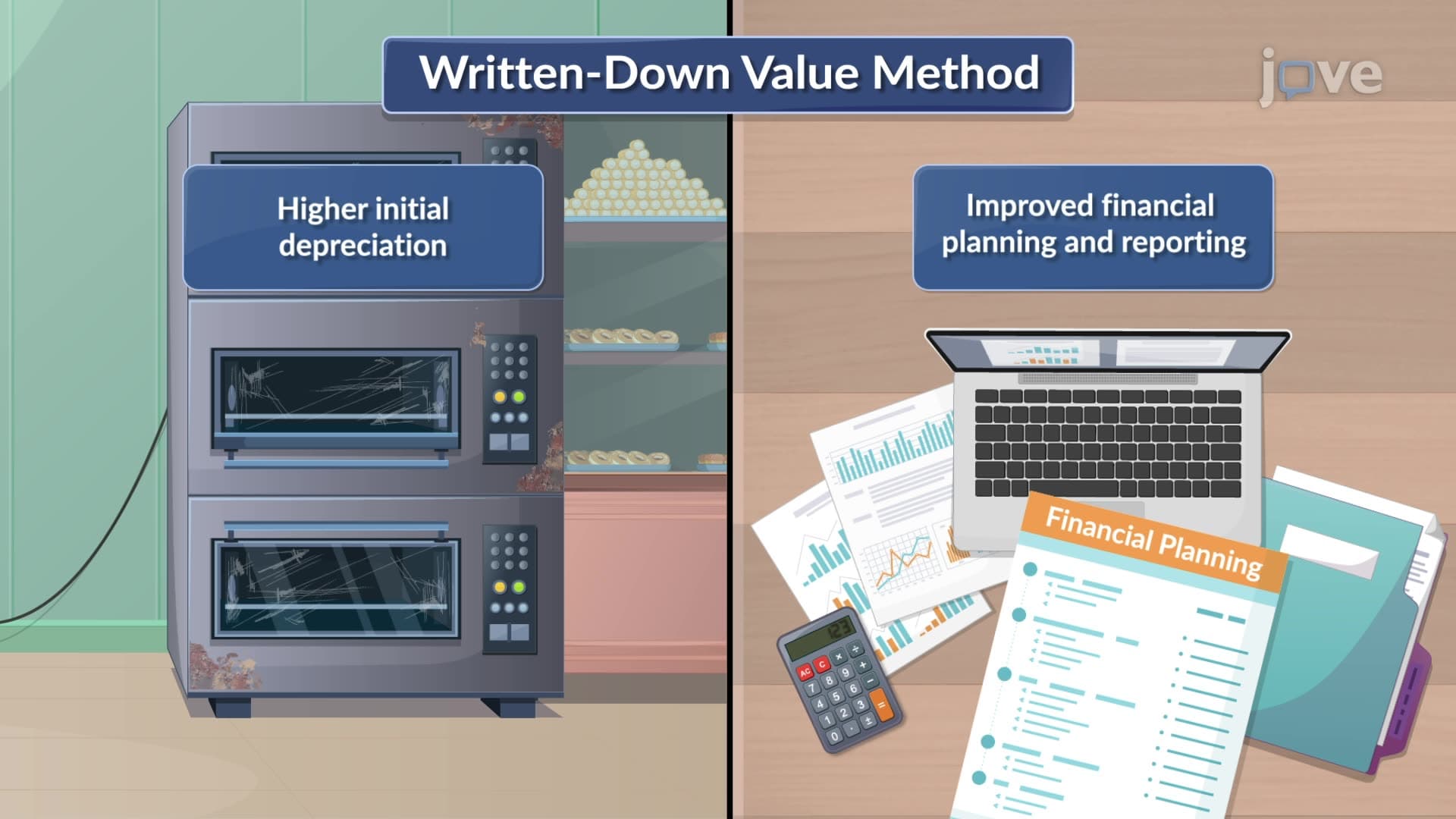
Tech giants like Apple routinely depreciate manufacturing equipment using accelerated methods to match higher initial productivity with front-loaded expense recognition. Calculating depreciation written down value method enables finance professionals to align asset costs with actual usage patterns, creating more accurate P&L statements in equipment-intensive industries. This declining balance approach recognizes that machinery, technology assets, and production equipment deliver maximum value in early operational years before maintenance costs escalate. Watch the full video on JoVE Coach to master this concept with expert-led visuals and step-by-step explanations.
Manufacturing leaders at companies like General Motors face critical decisions about how to depreciate billion-dollar production equipment investments. The timing of these depreciation expenses directly impacts quarterly earnings, tax obligations, and capital allocation strategies. Finance executives must balance accurate financial representation with optimal tax planning while maintaining credibility with investors and stakeholders.
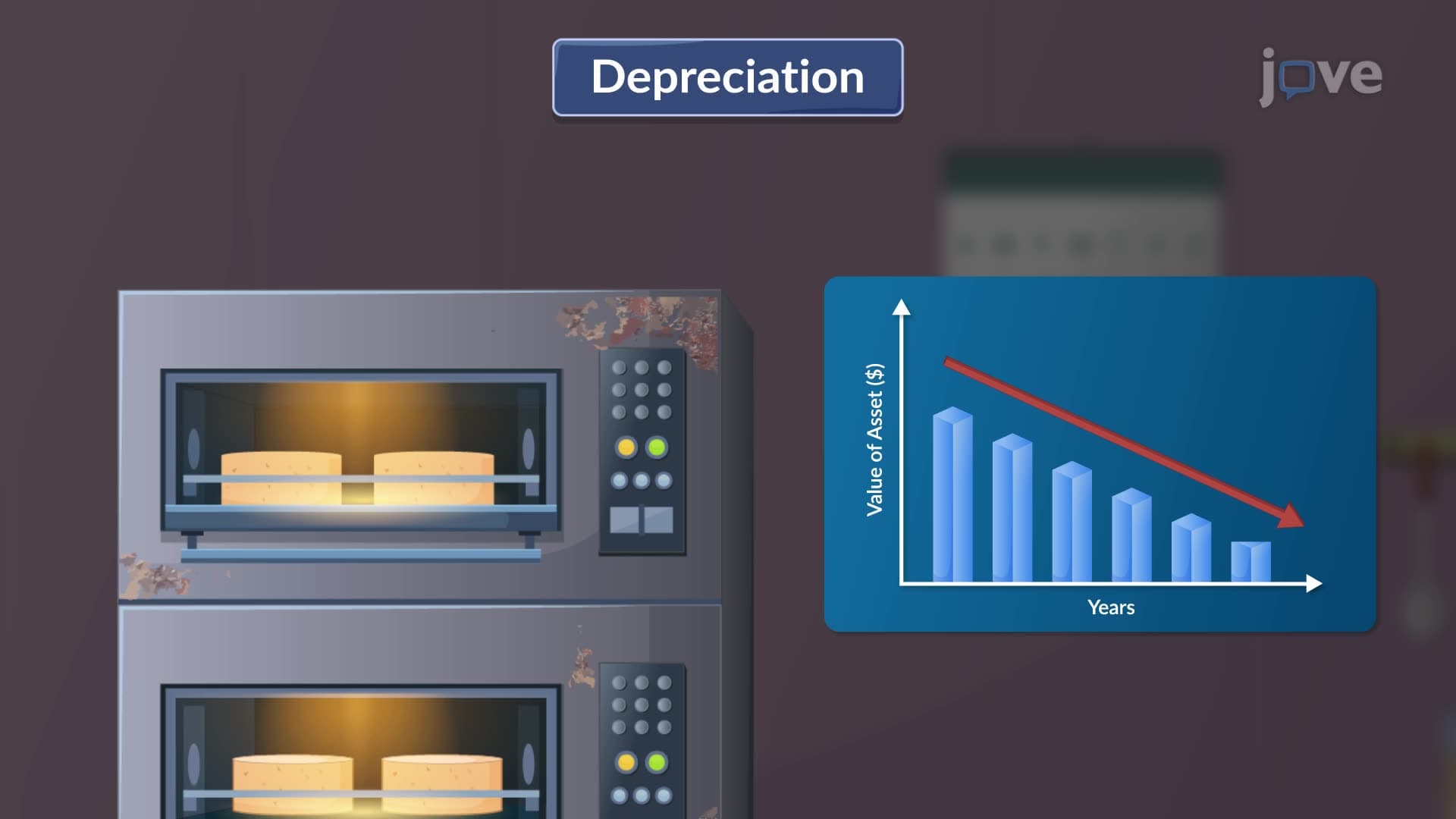
The written-down value method applies a consistent percentage rate to the asset's remaining book value each year, creating a declining expense pattern. Unlike straight-line depreciation that spreads costs evenly, this approach recognizes economic reality: new equipment operates at peak efficiency while older assets require increasing maintenance investment.
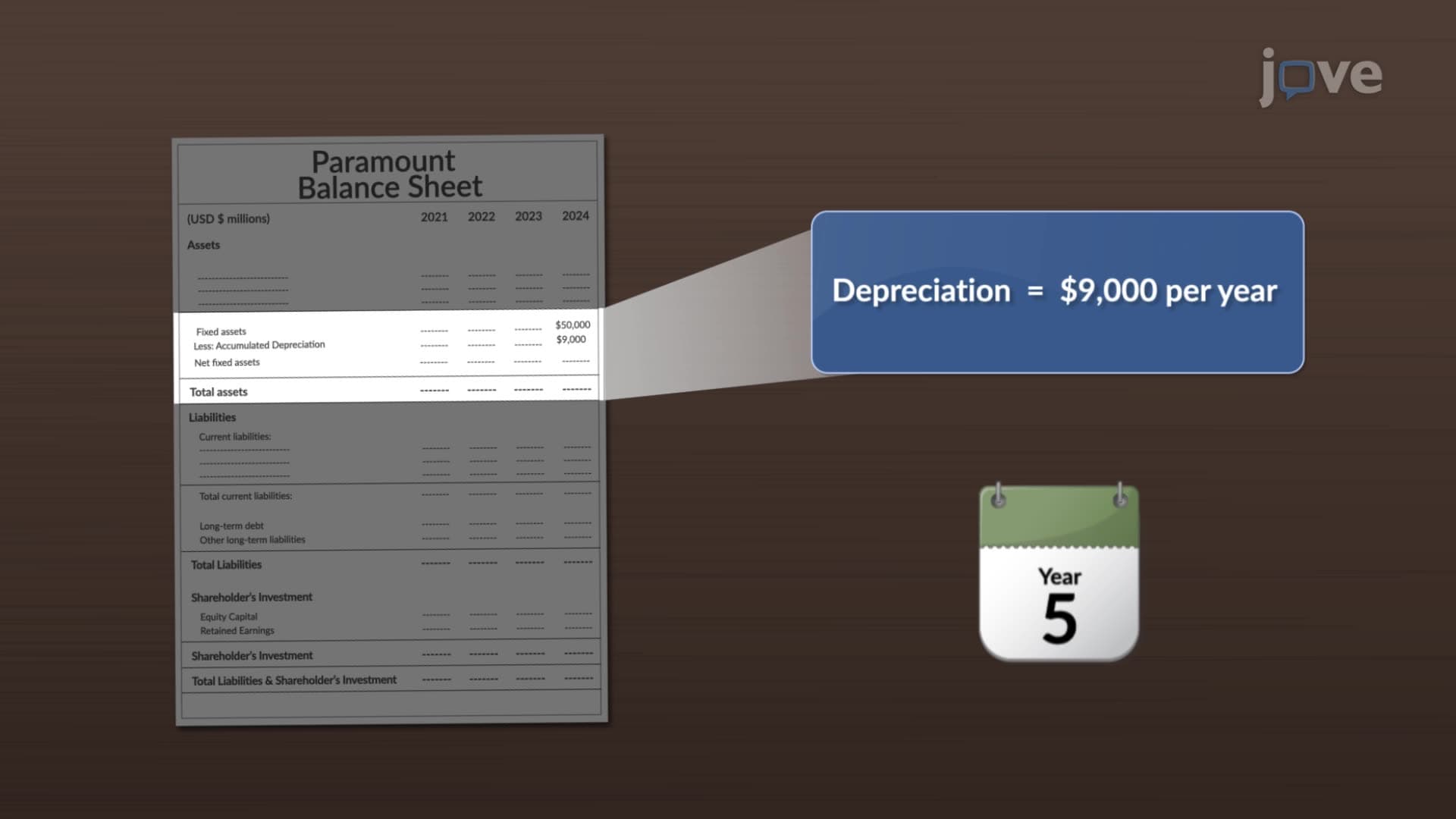
Consider a $500,000 manufacturing system at Ford's Michigan plant. Using a 25% declining balance rate, first-year depreciation reaches $125,000, while year-two drops to $93,750 based on the reduced book value. This pattern continues, creating front-loaded expenses that offset the asset's highest productivity period.
Technology companies particularly benefit from this method when depreciating server infrastructure, manufacturing equipment, and research facilities. Amazon Web Services leverages accelerated depreciation on data center equipment, recognizing that newer servers deliver maximum performance before becoming obsolete or requiring significant maintenance investments.
CFOs use declining balance depreciation to enhance financial planning accuracy and optimize tax strategies. The method's front-loaded expense recognition provides valuable tax shields during profitable periods while creating more realistic asset valuations on balance sheets. This approach proves especially valuable during M&A evaluations, where accurate asset depreciation affects deal valuations and due diligence outcomes.
Frequently Asked Questions
The written-down value method applies a fixed percentage rate to an asset's declining book value each year, creating higher expenses initially that decrease over time. Unlike straight-line depreciation that spreads costs evenly, this approach matches expenses with actual asset productivity patterns, providing more accurate financial representation for equipment-intensive businesses.
Finance teams should select declining balance for assets that lose value rapidly or deliver maximum productivity early in their lifecycle, such as technology equipment, manufacturing machinery, or vehicles. This method provides better expense matching and valuable tax benefits during profitable periods while creating more realistic long-term budget projections.
Focus on the method's alignment with operational reality and tax optimization benefits. Emphasize how front-loaded expenses match peak asset productivity while declining costs offset rising maintenance expenses. Present comparative scenarios showing tax savings and improved cash flow timing versus straight-line alternatives.
FedEx extensively uses accelerated depreciation on aircraft and delivery vehicles, recognizing that transportation assets deliver maximum value when new before maintenance costs escalate. Their approach optimizes tax benefits while accurately representing asset utilization patterns across their logistics network.
Basic financial knowledge and spreadsheet skills enable effective implementation. The calculation applies a consistent percentage to declining book values, making it straightforward for business professionals. However, consult with accounting teams for complex scenarios involving tax implications or regulatory requirements.
Depreciation expertise demonstrates sophisticated financial planning capabilities and tax optimization knowledge highly valued in senior finance positions. Understanding these methods enhances credibility in budget discussions, M&A evaluations, and strategic planning initiatives while supporting data-driven decision-making in capital allocation.
Explore Modified Accelerated Cost Recovery System (MACRS) for tax purposes, asset impairment testing for accurate valuations, and capital budgeting techniques for investment decisions. These complementary skills create comprehensive asset management expertise valuable across finance, operations, and strategic planning roles.
Related Micro-courses
Related Subjects