Loading…
Loading video…

5,450 views
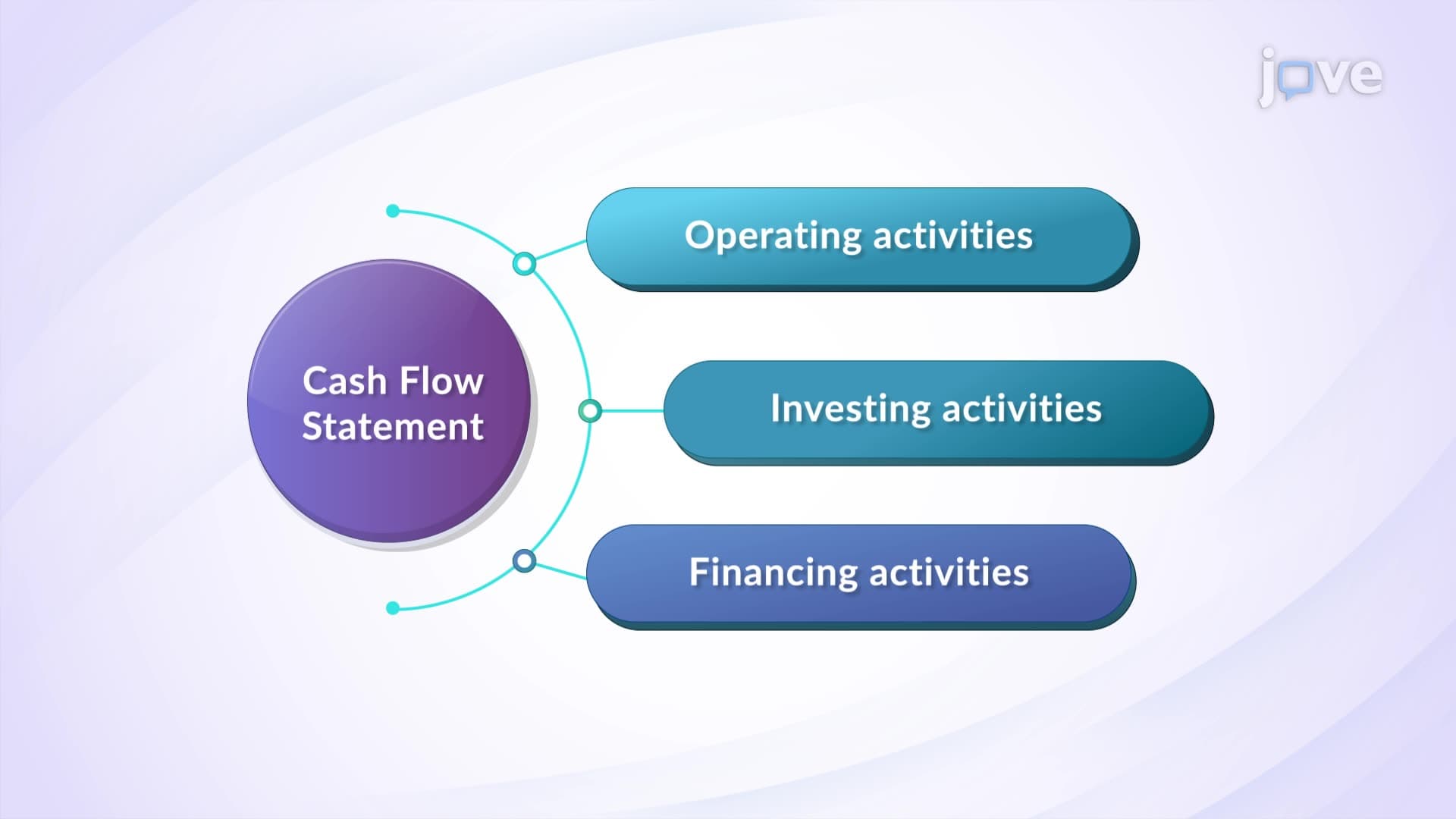
When Apple announces a $90 billion share buyback program or when Tesla raises billions through debt offerings, these decisions directly impact their cash flow statement financing activities—a critical metric for assessing corporate financial strategy. Understanding cash flow statement financing helps executives evaluate how companies fund growth, manage capital structure, and return value to shareholders. The financing section reveals whether organizations like Microsoft are strengthening their balance sheets through debt reduction or funding aggressive expansion through new equity issuance. Watch the full video on JoVE Coach to master this concept with expert-led visuals and step-by-step explanations.
Cash flow statement financing activities represent the lifeblood of corporate capital management, revealing how executives balance growth investments, shareholder returns, and financial stability. Unlike operating cash flows that reflect day-to-day business performance, financing activities expose management's long-term strategic thinking and capital allocation philosophy—critical insights for board members, analysts, and business leaders evaluating corporate performance.
Financing cash inflows primarily stem from two sources: debt financing and equity financing. When Amazon issued $10 billion in bonds in 2021, this debt financing provided capital for expansion while leveraging low interest rates. Similarly, equity financing through IPOs or secondary offerings—like Rivian's record-breaking $12 billion IPO—infuses cash while diluting existing ownership. Smart executives balance these funding sources based on market conditions, cost of capital, and strategic objectives. High-growth companies often favor equity financing to avoid debt service obligations, while established firms with predictable cash flows may prefer debt for its tax advantages and lower dilution impact.
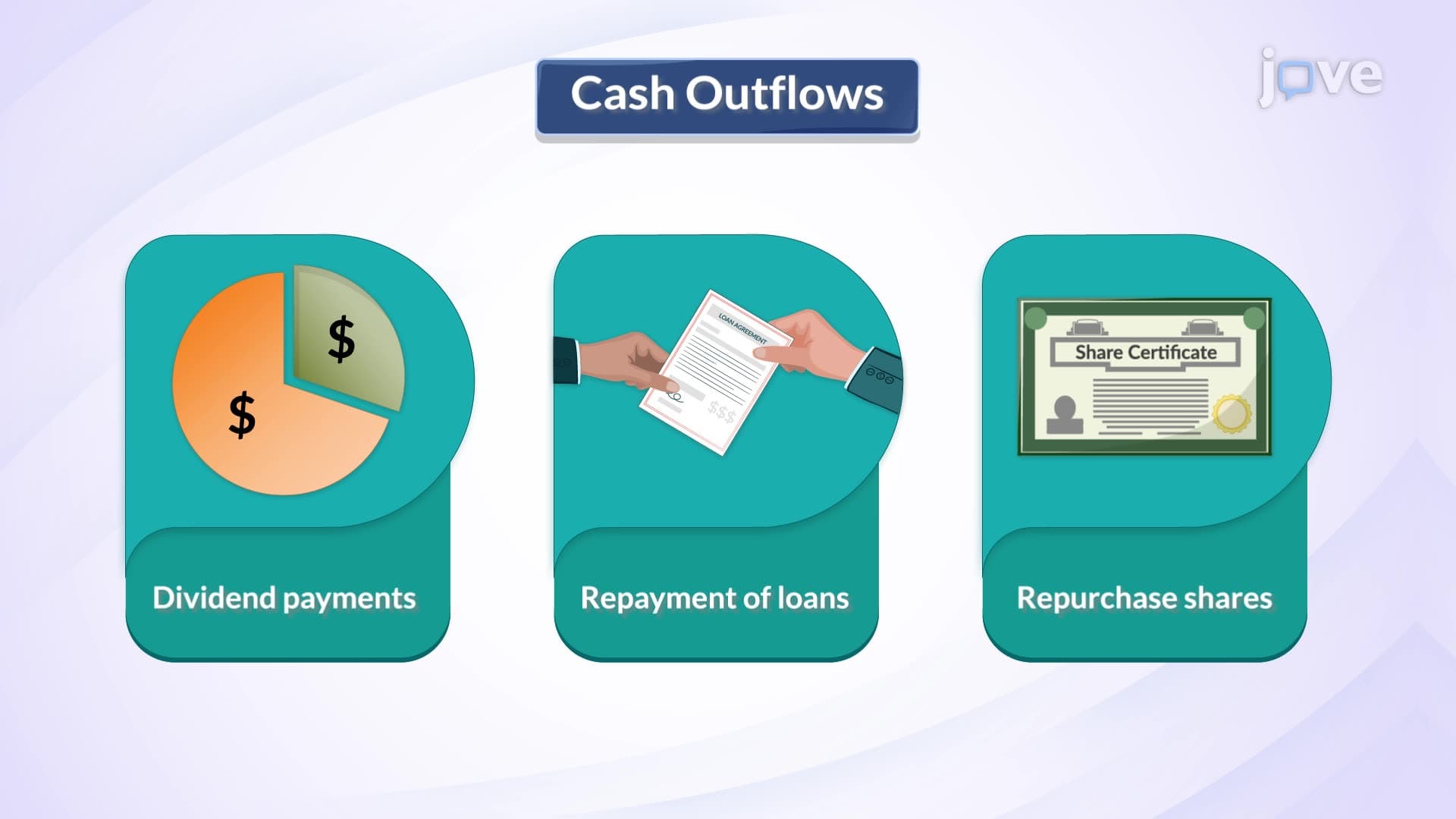
Financing outflows reveal management's commitment to shareholders and fiscal discipline. Dividend payments demonstrate consistent cash generation and management confidence in future earnings—consider Johnson & Johnson's 60-year consecutive dividend increases. Share repurchases, exemplified by Apple's aggressive buyback programs exceeding $500 billion over the past decade, signal undervaluation beliefs while boosting earnings per share. Debt repayments reduce financial leverage and interest expenses, improving credit profiles and financial flexibility for future opportunities.
Analyzing financing activities provides crucial insights into competitive positioning and management priorities. Negative financing cash flows often indicate mature companies returning excess capital to shareholders, while positive flows suggest growth phases or balance sheet optimization. Netflix's transition from heavy debt financing during its content expansion phase to current focus on debt reduction exemplifies how financing strategies evolve with business maturity and market position.
Frequently Asked Questions
Cash flow statement financing activities track money flowing in and out of a company related to funding operations and returning value to investors. This includes borrowing money, issuing stock, paying dividends, repurchasing shares, and repaying debt—essentially showing how companies manage their capital structure and shareholder relationships.
Compare financing patterns across competitors to identify strategic differences in capital allocation approaches. Analyze trends over 3-5 years to assess whether management is prioritizing growth funding, debt reduction, or shareholder returns, then align these insights with your organization's strategic priorities and market positioning goals.
Negative financing cash flow typically indicates a mature, profitable company returning excess cash to shareholders through dividends and buybacks while paying down debt. This pattern often signals financial strength and management confidence in generating sustainable cash flows from operations rather than needing external financing.
Microsoft demonstrates balanced capital allocation through consistent dividend increases, substantial share repurchases exceeding $40 billion annually, and strategic debt management for major acquisitions like the $68.7 billion Activision deal. Their financing activities reflect confidence in cloud computing growth while returning significant value to shareholders.
No specialized accounting knowledge is required—focus on the business logic behind financing decisions rather than technical accounting rules. Understanding basic concepts like debt versus equity trade-offs, dividend sustainability, and capital allocation priorities provides sufficient foundation for strategic analysis and business decision-making.
This skill enhances your ability to evaluate investment opportunities, participate in M&A discussions, assess supplier financial stability, and contribute to strategic planning initiatives. Finance executives, consultants, and business development professionals particularly benefit from demonstrating sophisticated capital allocation analysis capabilities in client presentations and leadership meetings.
Focus on working capital management and free cash flow calculation to complete your cash flow analysis toolkit. Understanding how operating, investing, and financing activities interconnect provides comprehensive insights into corporate financial strategy and competitive positioning across industry sectors.
Related Micro-courses
Related Subjects