Loading subject page…

- Physics
- Fluid Mechanics
- Pressure Gauges
Micro-course: Fluid Mechanics
201,010 views
Learn key concepts and earn your certificate.



Pressure Gauges

00:00
01:20
Video Summary: What Is Pressure Gauges
Ever wonder why your car's tire pressure gauge reads zero when the tire is flat, not negative? Pressure gauges measure relative pressure compared to atmospheric conditions, which explains this everyday phenomenon. For instance, when checking tire pressure at a gas station in Denver, Colorado (elevation 5,280 feet), the gauge reading differs from the same tire measured at sea level due to atmospheric pressure variations. Understanding what is pressure gauges involves recognizing the difference between absolute and gauge pressure measurements. Watch the full video on JoVE Coach to master this concept with expert-led visuals and step-by-step explanations.
- Understand what is pressure gauges and distinguish between absolute pressure and gauge pressure measurements
- Identify the two main classes of pressure measurement devices: manometers and barometers
- Analyze how manometers use fluid column heights to determine unknown pressures in laboratory settings
- Compare the operating principles of mercury barometers versus aneroid barometers used in weather stations
- Evaluate pressure readings in real-world scenarios, accounting for atmospheric pressure variations
- Apply pressure gauge concepts to solve physics problems involving fluid mechanics and gas laws
- Recognize the calibration principles that make most gauges read zero at atmospheric pressure
- Explore practical applications of pressure measurement in automotive, medical, and industrial contexts
Understanding Pressure Gauges Fundamentals
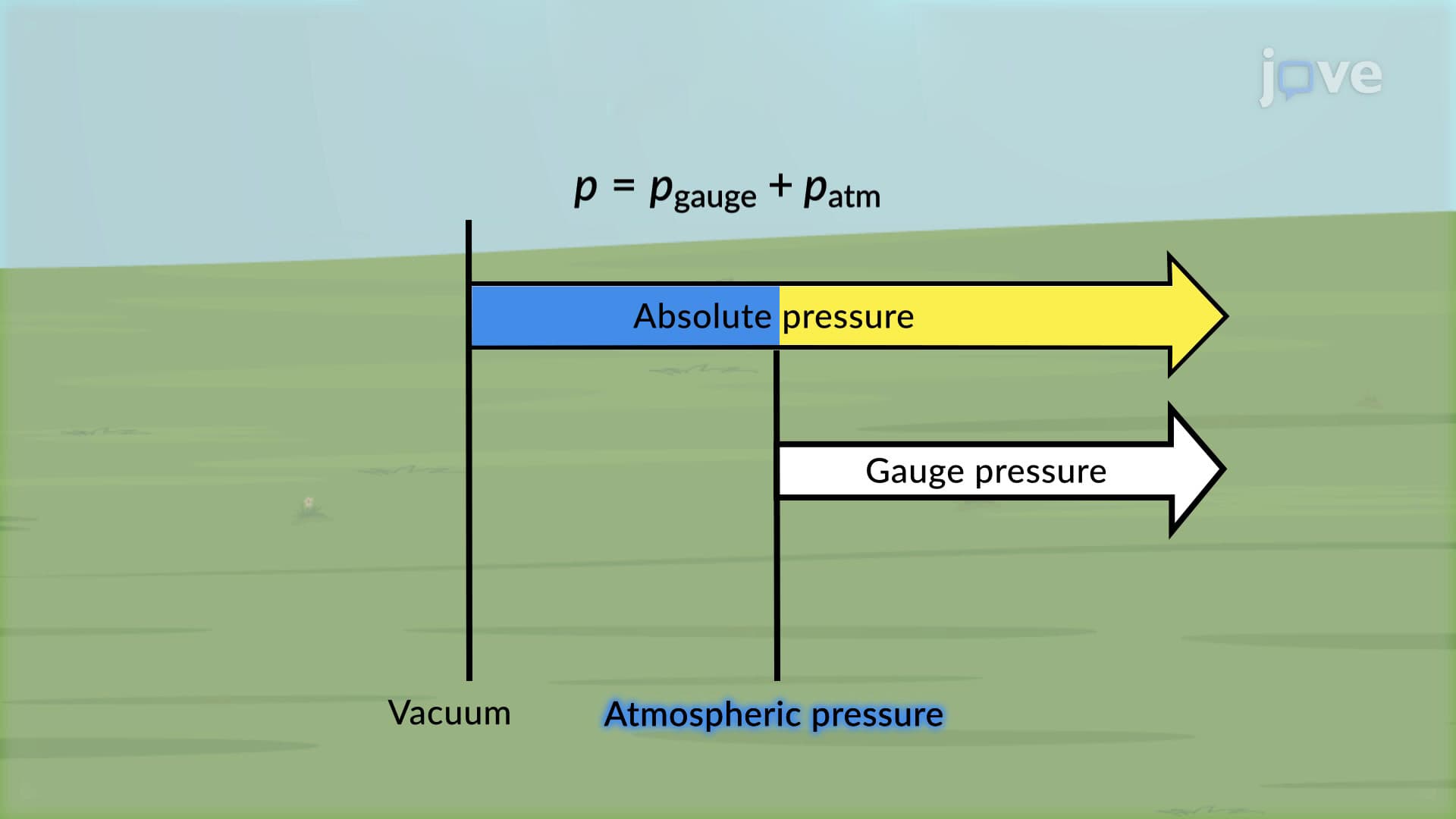
Pressure gauges are essential measurement instruments that quantify the force exerted per unit area by fluids (liquids and gases). The pressure gauges definition encompasses devices designed to measure either gauge pressure (relative to atmospheric pressure) or absolute pressure (total pressure including atmospheric contribution). This distinction proves crucial for students preparing for AP Physics exams and college-level thermodynamics courses.
Gauge Pressure vs. Absolute Pressure
The pressure gauges concept centers on understanding two pressure reference points. Gauge pressure represents the pressure difference above or below atmospheric pressure, while absolute pressure includes atmospheric pressure in the total measurement. For example, when a scuba diver in California's Monterey Bay uses a depth gauge at 33 feet underwater, the gauge reads approximately 14.7 psi (gauge pressure), but the absolute pressure equals 29.4 psi (gauge pressure plus atmospheric pressure).
Manometer Applications and Principles
Manometers exemplify fundamental pressure gauges basics through their simple yet effective design. These U-shaped instruments contain mercury or water, with one end connected to the pressure source and the other exposed to atmosphere. In chemistry labs across US universities, students commonly use water manometers to measure gas pressures in experimental setups. The height difference between fluid columns directly correlates to pressure differences, following Pascal's principle.
Barometric Pressure Measurement
Mercury barometers represent sophisticated pressure gauges overview applications, measuring atmospheric pressure variations crucial for weather prediction. The National Weather Service operates hundreds of barometric stations throughout the United States, where mercury column heights indicate atmospheric pressure changes. Standard atmospheric pressure (760 mmHg or 29.92 inches of mercury) serves as the reference point for weather maps and aviation altimeter settings.
Practical Applications in STEM Education
For students pursuing engineering or medical careers, understanding pressure gauges extends beyond theoretical knowledge. MCAT preparation requires familiarity with blood pressure measurements using sphygmomanometers, while engineering students encounter pressure gauges in fluid mechanics coursework. Industrial applications range from monitoring steam boiler pressures in power plants to calibrating pneumatic systems in manufacturing facilities across states like Texas and Michigan.
Frequently Asked Questions
Pressure gauges are instruments that measure the force per unit area exerted by fluids, typically calibrated to read zero at atmospheric pressure. They work by comparing unknown pressures against known reference pressures, either atmospheric (in manometers) or vacuum (in absolute pressure gauges). Most common gauges measure gauge pressure, which explains why a deflated tire reads zero rather than negative pressure.
AP Physics 1 and 2 exams frequently include pressure gauge problems in fluid mechanics sections, often involving manometer calculations and pressure conversions. Students must distinguish between gauge and absolute pressure, apply Pascal's principle to U-tube manometers, and solve problems involving atmospheric pressure variations. Practice problems typically feature real-world scenarios like tire pressure or diving applications.
MCAT physics sections test pressure gauge understanding through blood pressure measurement scenarios and respiratory system problems. Test-takers encounter questions about sphygmomanometers (blood pressure cuffs), barometric pressure effects on gas solubility, and pressure changes in diving medicine. Understanding gauge vs. absolute pressure proves essential for respiratory physiology passages.
Healthcare professionals in US hospitals use pressure gauges daily for blood pressure monitoring, ventilator management, and IV fluid administration. Sphygmomanometers measure arterial blood pressure relative to atmospheric pressure, while central venous pressure monitors track gauge pressure in major blood vessels. Respiratory therapists calibrate ventilator pressure settings using both gauge and absolute pressure references.
Pressure gauge problems become manageable once students grasp the gauge vs. absolute pressure distinction and Pascal's principle applications. Most calculations involve basic algebra and unit conversions, making them accessible to students in Algebra 2 or higher mathematics. Starting with simple manometer problems and progressing to barometer applications builds confidence systematically.
Focus on drawing clear diagrams for manometer and barometer setups, practicing unit conversions between different pressure scales, and working through real-world application problems. Create comparison charts distinguishing gauge pressure, absolute pressure, and atmospheric pressure scenarios. Use dimensional analysis to check calculation accuracy and memorize standard atmospheric pressure values in multiple units.
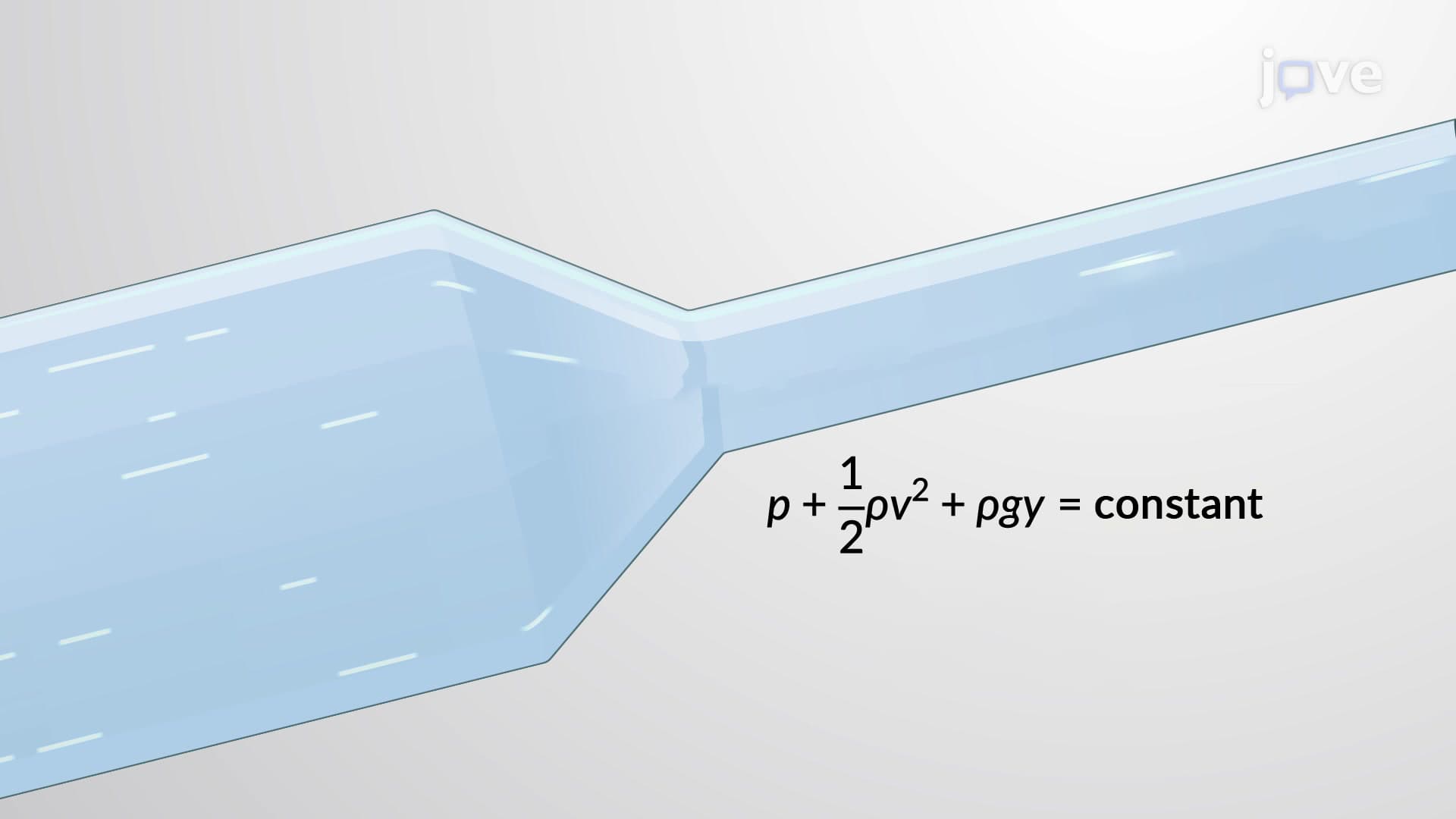
Students can explore advanced fluid mechanics including Bernoulli's equation applications, hydrostatic pressure in engineering design, and pressure measurement in vacuum systems. Medical students advance to hemodynamic monitoring and respiratory mechanics, while engineering students encounter pressure control systems and industrial instrumentation. Meteorology courses expand barometric pressure concepts into weather pattern analysis.
Related Micro-courses


