Loading…
Loading video…

130,604 views

Did you know that biologists studying lizard behavior face the same statistical challenge as pharmaceutical researchers testing new drugs? Hypothesis testing for a mean with unknown population standard deviation becomes essential when we can't measure every individual in a population. Consider how the FDA evaluates medication effectiveness using small patient samples without knowing the entire population's response variability. This statistical method uses the t-distribution to make reliable conclusions from limited data, whether analyzing animal behavior patterns or clinical trial results. Watch the full video on JoVE Coach to master this concept with expert-led visuals and step-by-step explanations.
When researchers cannot access entire populations or determine true population standard deviations, hypothesis testing for a mean with unknown population standard deviation becomes the statistical method of choice. This approach differs fundamentally from z-tests because it acknowledges the uncertainty inherent in estimating population parameters from sample data.
The t-distribution, developed by William Sealy Gosset in 1908, accounts for the additional variability introduced when using sample standard deviation as an estimate for the unknown population standard deviation. As sample sizes increase, the t-distribution approaches the standard normal distribution, but with smaller samples, it exhibits heavier tails, reflecting greater uncertainty.
The hypothesis testing process begins with establishing null and alternative hypotheses. The null hypothesis (H₀) typically states no difference or effect, while the alternative hypothesis (H₁) represents the research claim. For instance, when testing whether a new teaching method improves standardized test scores, H₀ might state the mean score equals the historical average, while H₁ claims the mean exceeds this value.
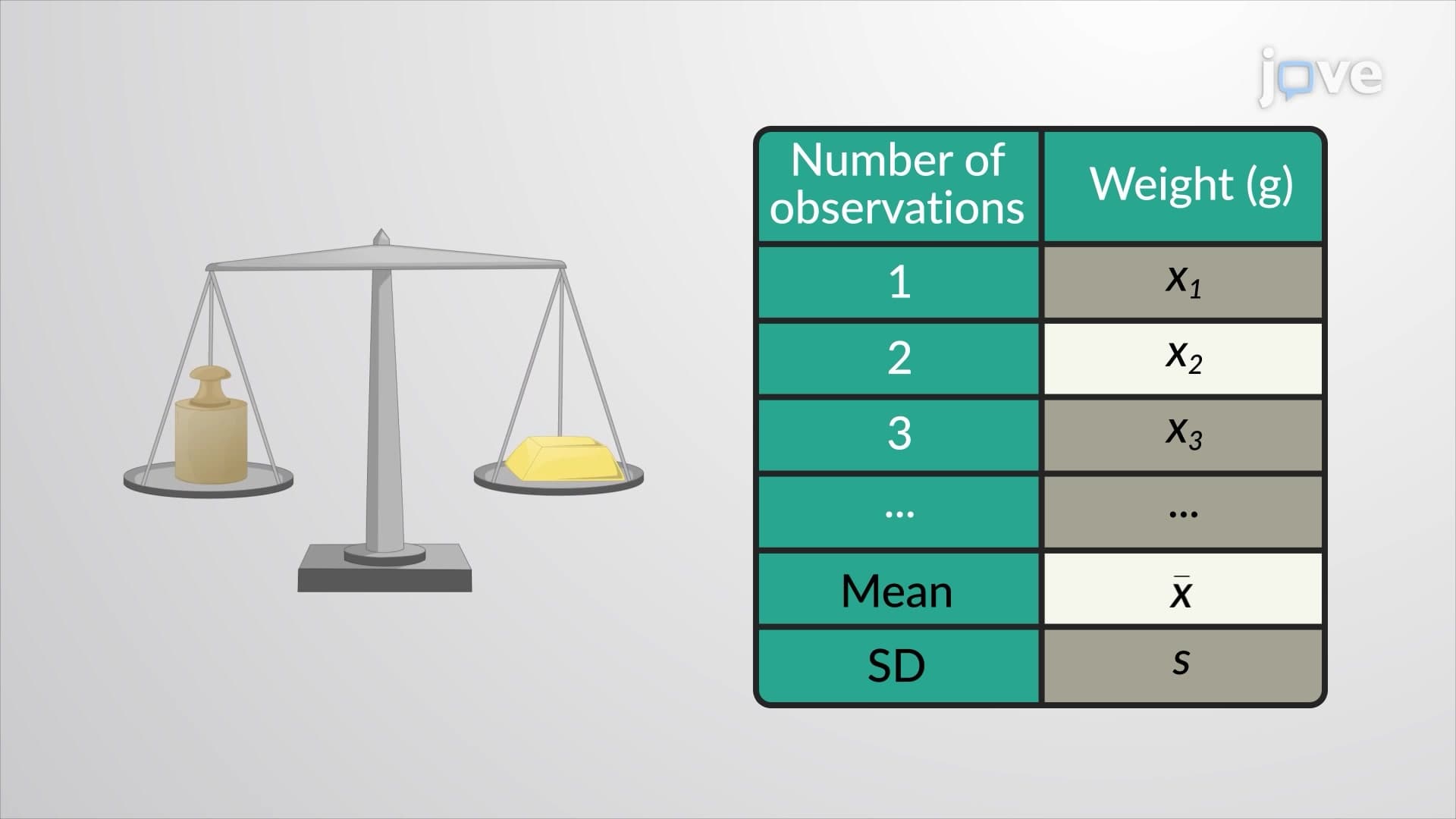
The test statistic follows the formula: t = (x̄ - μ₀) / (s / √n), where x̄ represents the sample mean, μ₀ is the hypothesized population mean, s is the sample standard deviation, and n is the sample size. This statistic follows a t-distribution with (n-1) degrees of freedom.
This statistical method appears frequently in AP Statistics courses, college-level statistics classes, and professional research. Medical researchers use t-tests when evaluating treatment effectiveness with limited patient samples. For example, pharmaceutical companies testing a new blood pressure medication might collect data from 50 patients, compare their average blood pressure reduction to a hypothesized value, and use t-testing to determine statistical significance.
In educational research, administrators might test whether a new curriculum affects student performance by comparing sample means to established benchmarks. Environmental scientists studying pollution levels, psychologists examining therapy effectiveness, and economists analyzing market trends all rely on this method when population parameters remain unknown.
Students preparing for AP Statistics, college statistics courses, or graduate school entrance exams should master several key concepts. Understanding when to use t-tests versus z-tests is crucial—t-tests apply when population standard deviation is unknown, regardless of sample size. However, the Central Limit Theorem ensures that with large samples (typically n ≥ 30), results approximate those from z-tests.
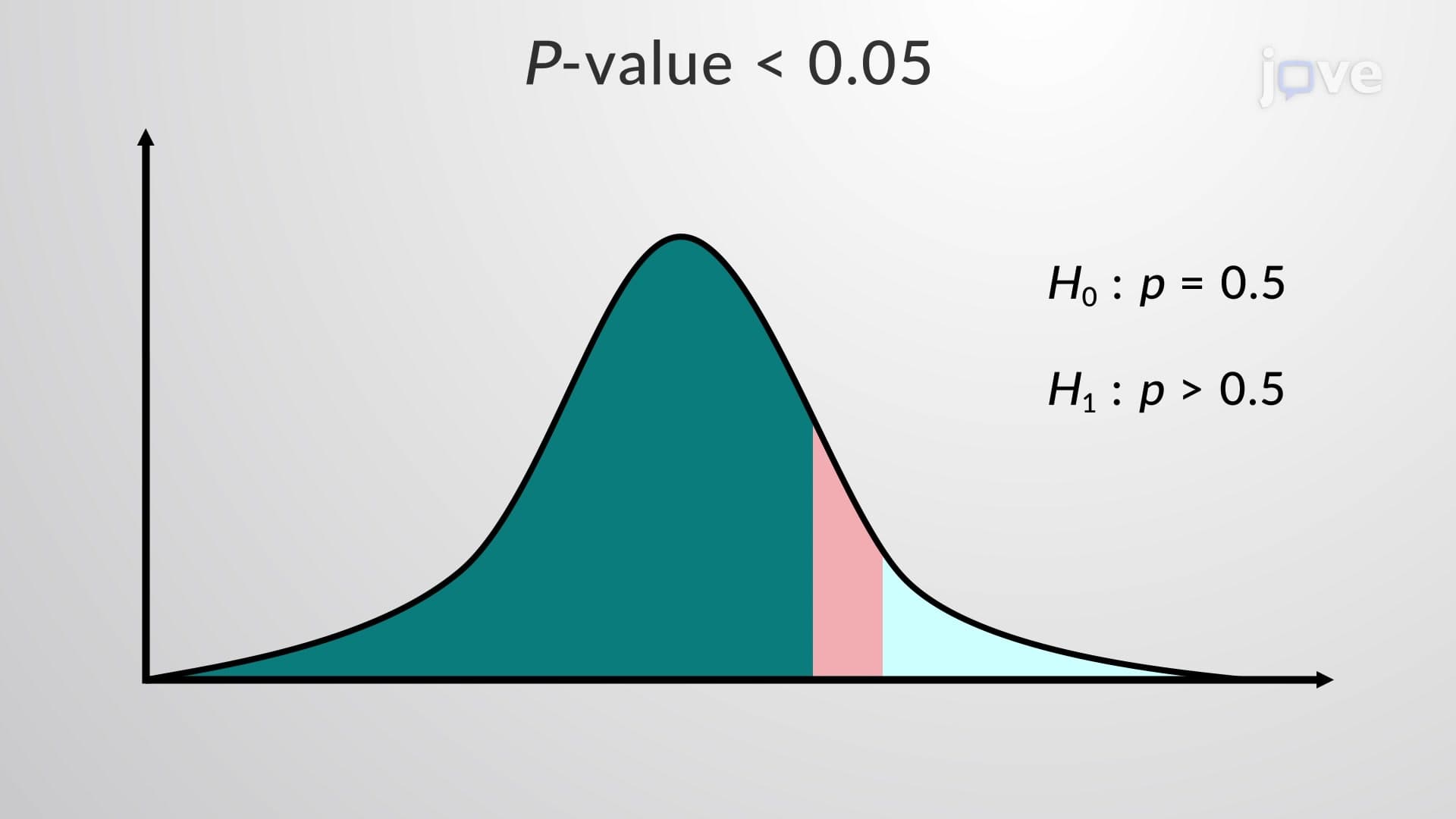
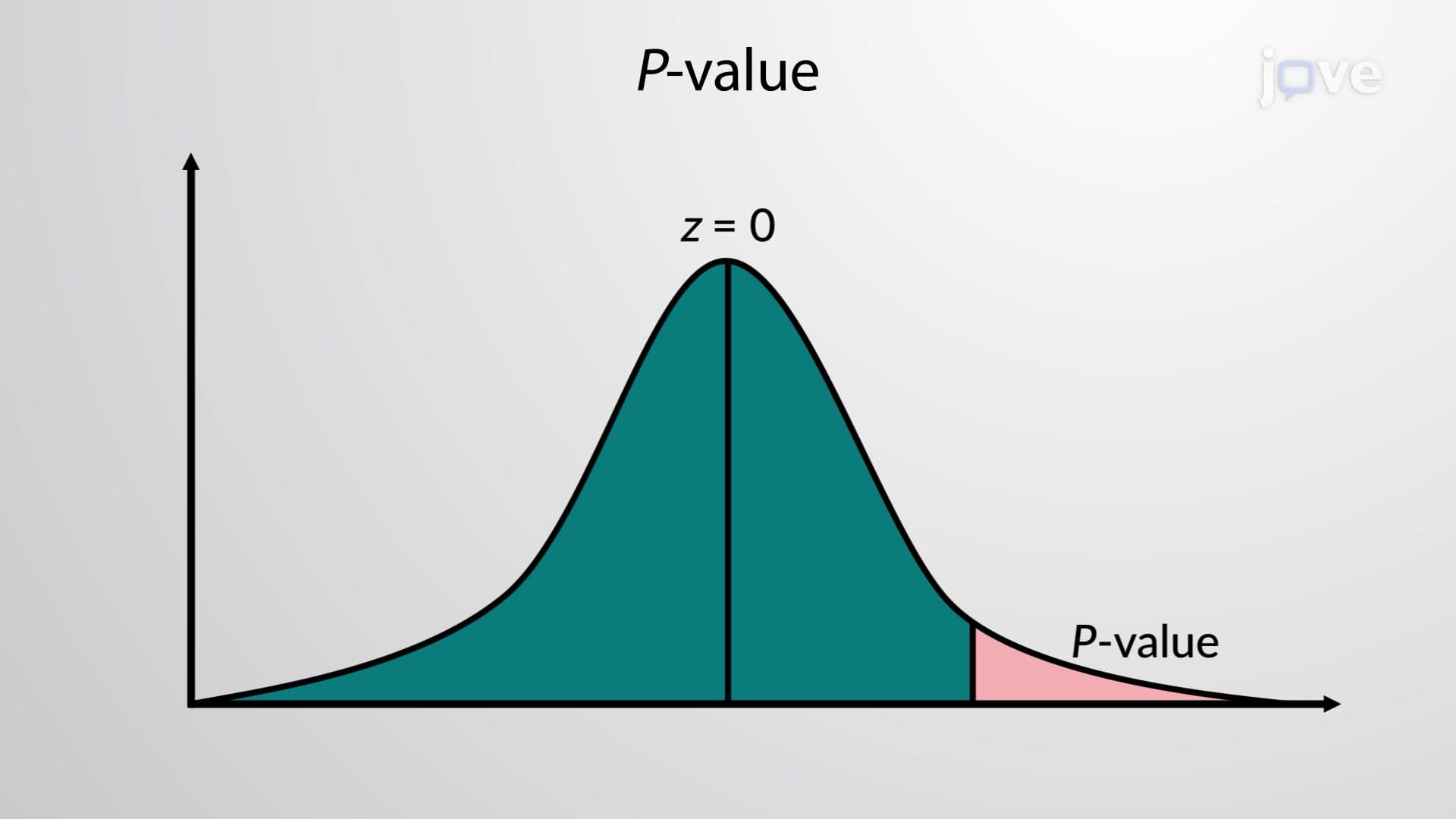
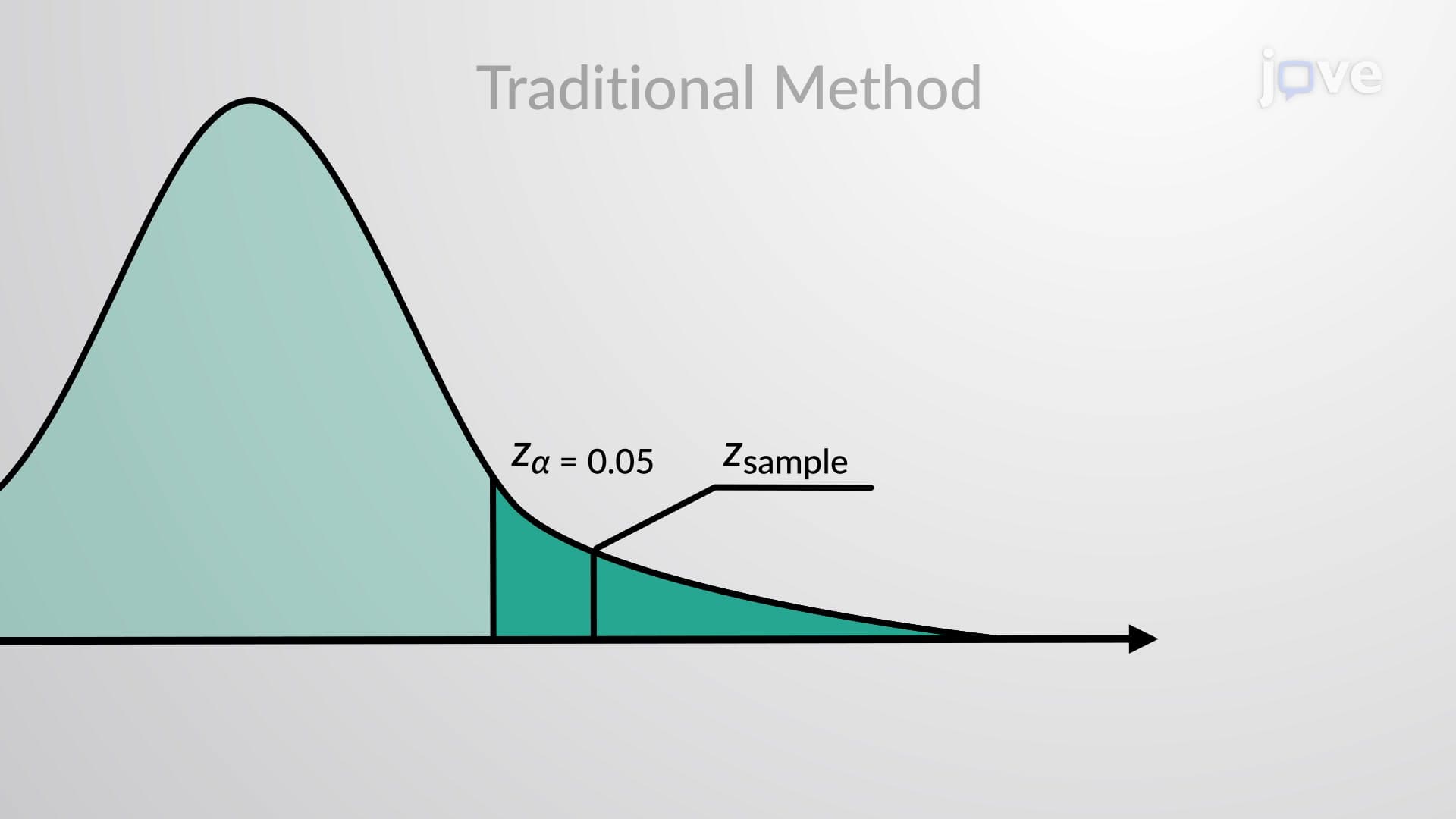
Critical value determination depends on significance level (α), degrees of freedom, and whether conducting one-tailed or two-tailed tests. P-value interpretation remains consistent across statistical tests: values below the significance level support rejecting the null hypothesis.
Frequently Asked Questions
It's a statistical method that uses sample data to make inferences about a population mean when the population standard deviation is unknown. This technique employs the t-distribution instead of the normal distribution to account for additional uncertainty. It's essential in real-world research where complete population data isn't available.
AP Statistics frequently tests t-test applications through free-response questions requiring hypothesis setup, assumption checking, calculation, and conclusion. Students must identify when to use t-tests over z-tests and interpret results in context. The exam emphasizes understanding conditions: random sampling, independence, and approximate normality.
MCAT questions often embed t-test concepts within biological research scenarios, requiring students to identify appropriate statistical methods from context clues. Success requires recognizing when population standard deviation is unknown and understanding how sample size affects statistical power. Practice interpreting research studies and their statistical conclusions.
The t-distribution accounts for additional uncertainty when estimating population standard deviation from sample data. It has heavier tails than the normal distribution, especially with small samples, reflecting this uncertainty. As sample size increases, the t-distribution approaches the normal distribution, but maintains appropriate probability calculations for smaller samples.
Pharmaceutical companies use t-tests when testing new medications with limited patient samples, comparing treatment effects to established benchmarks. Hospital quality improvement teams analyze patient outcomes, while public health researchers study intervention effectiveness. The FDA requires statistical evidence from clinical trials, often involving t-test analysis of patient response data.
Basic algebra and understanding of means, standard deviations, and probability concepts provide sufficient foundation for t-testing. Most calculations involve plugging values into formulas, with technology handling complex computations. Focus on understanding when to apply the method and interpreting results rather than manual calculations.
Practice identifying scenarios requiring t-tests versus z-tests, master the five-step hypothesis testing process, and work with real data sets. Create summary sheets covering assumptions, formulas, and interpretation guidelines. Focus on connecting statistical conclusions to practical implications, as professors often emphasize real-world application over computational mechanics.
T-testing foundations support learning ANOVA, regression analysis, and confidence intervals. These concepts share similar logic about sampling distributions, statistical significance, and inference from sample data. Mastering t-tests builds intuition about statistical thinking that transfers to advanced coursework in research methods, biostatistics, and data science.
Healthcare professionals analyze treatment outcomes, market researchers test consumer preferences, quality control engineers monitor manufacturing processes, and social scientists study behavioral interventions. Environmental consultants assess pollution impacts, while educational researchers evaluate teaching methods. Any field requiring data-driven decisions with limited sample information relies on these statistical methods.
Related Micro-courses


Related Subjects
 Physics 33 micro-courses›
 Math Fundamentals 11 micro-courses›