Loading…
Loading video…

130,604 views
Did you know that 90% of statistical decisions in medical research rely on choosing the correct type of hypothesis test? Types of hypothesis testing are fundamental statistical tools that determine how researchers analyze data and draw conclusions. Whether testing COVID-19 vaccine effectiveness or analyzing student performance on the SAT, understanding what are types of hypothesis testing helps distinguish between one-tailed and two-tailed approaches based on your research question's direction. Watch the full video on JoVE Coach to master this concept with expert-led visuals and step-by-step explanations.
Types of hypothesis testing represent different statistical approaches used to evaluate claims about population parameters. These methods form the backbone of evidence-based decision-making across fields from pharmaceutical research to educational assessment. The choice between different hypothesis testing types depends entirely on how researchers frame their alternative hypothesis and what they're trying to prove.
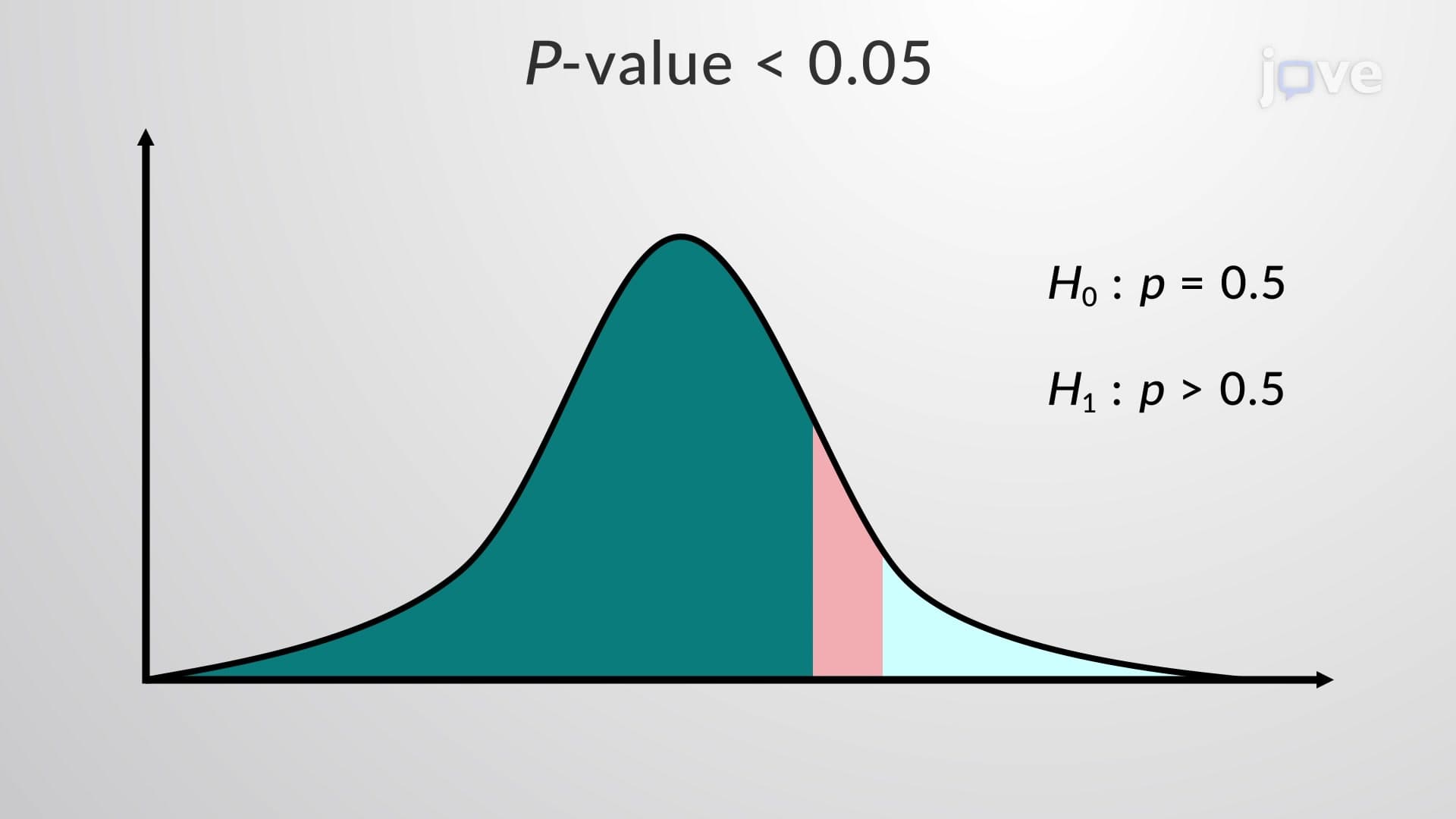
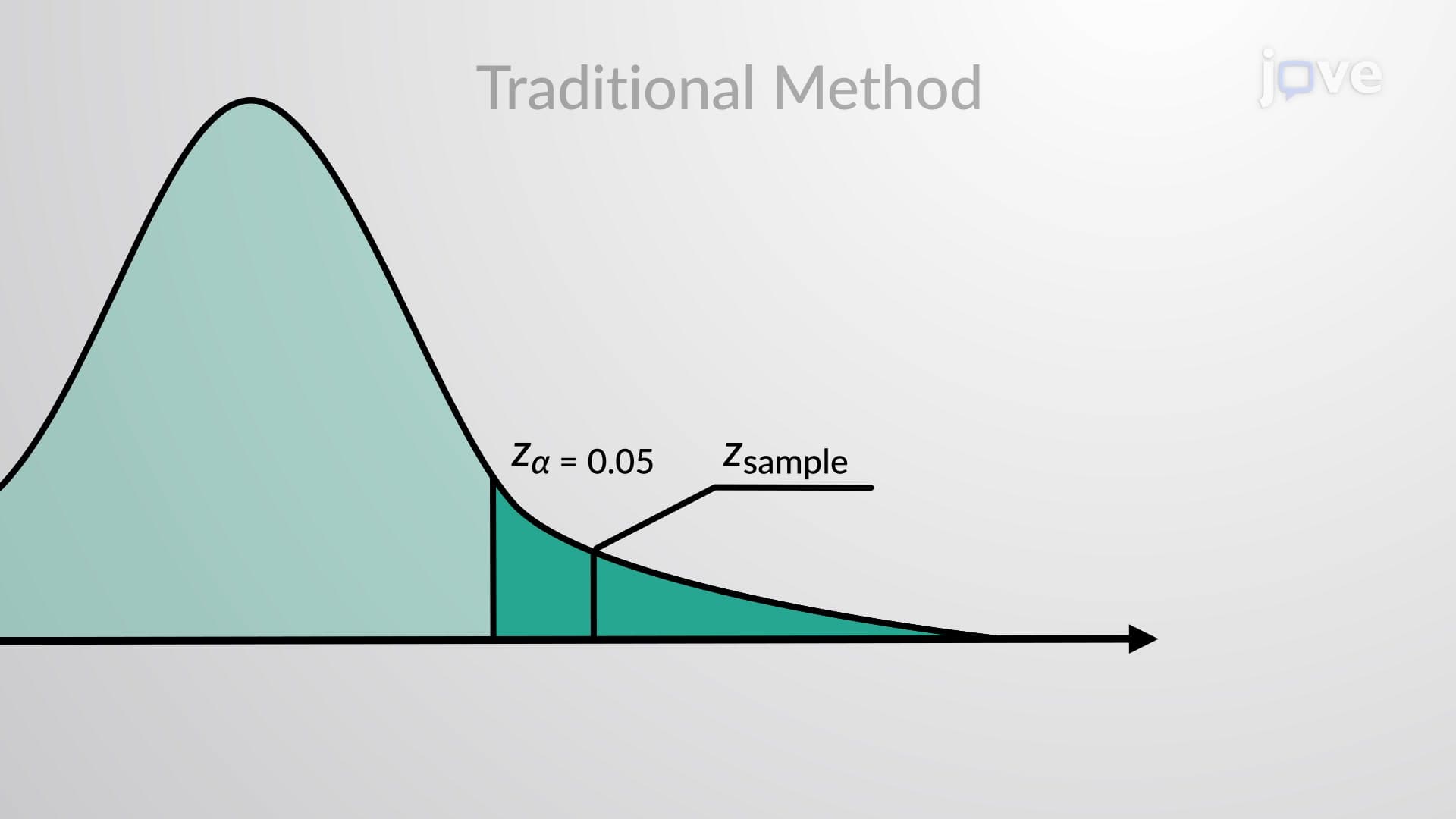
Right-tailed tests occur when researchers predict a parameter will be greater than a specified value. The critical region sits in the right tail of the distribution, typically beyond the 95th percentile for α = 0.05. For example, if pharmaceutical researchers test whether a new diabetes medication lowers blood sugar more effectively than the current standard treatment, they'd use a right-tailed test. The alternative hypothesis (H₁) would state: "The new medication produces greater blood sugar reduction than the standard treatment." This approach is common in AP Statistics problems involving quality improvement or performance enhancement claims.
Left-tailed tests apply when researchers expect a parameter to be less than a specific value. Here, the critical region occupies the left tail of the distribution. Consider testing whether a new teaching method reduces student error rates on standardized tests compared to traditional instruction. The alternative hypothesis would be: "Students using the new method make fewer errors than those using traditional methods." Medical researchers frequently employ left-tailed tests when evaluating whether treatments reduce symptoms, side effects, or recovery times compared to existing options.
Two-tailed tests address situations where researchers predict a difference exists but remain uncertain about direction. The critical region splits equally between both distribution tails, making these tests more stringent than one-tailed alternatives. If educational researchers investigate whether online learning affects SAT scores differently than classroom instruction—without predicting improvement or decline—they'd use a two-tailed approach. The alternative hypothesis states: "SAT scores differ between online and classroom learning groups." This conservative approach appears frequently in clinical trials where researchers must detect both beneficial and harmful treatment effects.
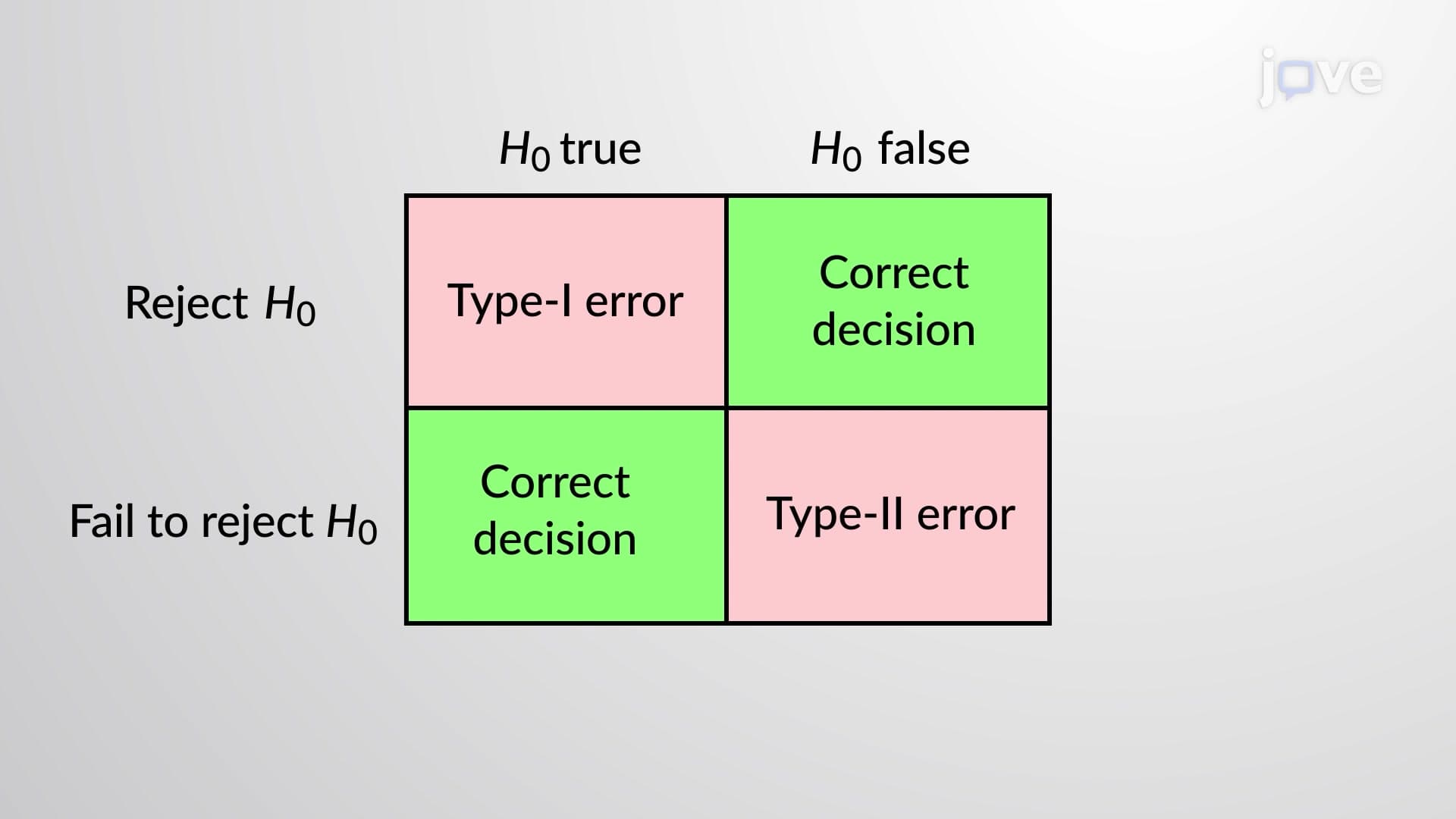
College statistics courses emphasize that test selection impacts statistical power and interpretation. One-tailed tests offer greater power to detect effects in the predicted direction but cannot identify significant effects in the opposite direction. Two-tailed tests provide balanced protection against Type I errors in either direction while requiring larger effect sizes for significance.
Frequently Asked Questions
Types of hypothesis testing include right-tailed, left-tailed, and two-tailed tests, distinguished by where critical regions appear in probability distributions. Right-tailed tests evaluate "greater than" claims, left-tailed tests assess "less than" hypotheses, and two-tailed tests examine "not equal to" statements. The choice depends entirely on how you frame your research question and alternative hypothesis.
Two-tailed tests dominate AP Statistics free-response questions because they're more conservative and commonly used in real research. However, students must master all three types since the College Board tests your ability to select appropriate tests based on problem context. Practice identifying key phrases like "different from," "greater than," or "less than" to determine correct test types.
MCAT questions typically provide context clues in the research scenario or hypothesis statement. Look for directional language: "increases," "decreases," "improves" suggest one-tailed tests, while "affects," "changes," or "differs" indicate two-tailed approaches. When uncertain about direction, two-tailed tests represent the safer, more conservative choice that medical researchers prefer.
The FDA uses right-tailed tests when evaluating whether new medications outperform existing treatments in clinical trials. Environmental scientists employ left-tailed tests to determine if pollution reduction strategies decrease contamination levels below regulatory limits. Market researchers apply two-tailed tests when comparing consumer satisfaction between competing products without predicting which performs better.
Not at all—hypothesis testing types focus more on logical reasoning than complex calculations. If you understand basic algebra and can interpret simple graphs, you can master these concepts. The key skill involves translating research questions into appropriate statistical frameworks, which relies on reading comprehension rather than mathematical computation.
Create a decision flowchart linking research question types to appropriate tests, then practice with real examples from different fields. Focus on identifying trigger words and phrases that signal each test type. Work through practice problems from your textbook's end-of-chapter exercises, paying special attention to how professional researchers frame their hypotheses.
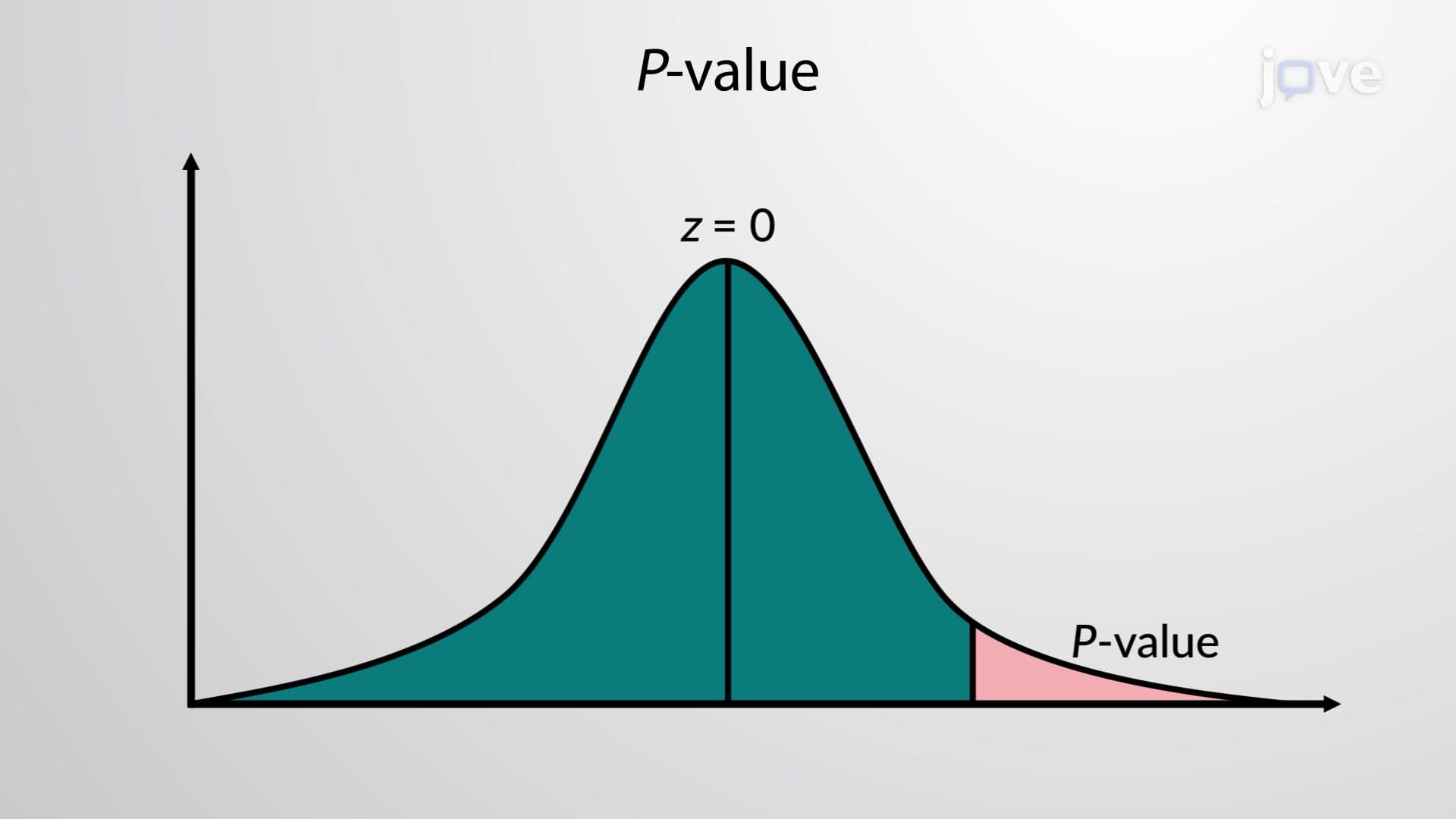
Yes, understanding hypothesis testing types provides essential foundation knowledge for advanced statistical concepts. These test types directly determine how you calculate and interpret p-values, construct confidence intervals, and make statistical decisions. Master the basic framework first, then build upon it with more sophisticated analytical tools.
Progress to Type I and Type II errors, statistical power analysis, and effect size calculations. Then explore specific test statistics like t-tests, chi-square tests, and ANOVA procedures. Understanding how different hypothesis testing types apply across various statistical tests will deepen your analytical capabilities for advanced coursework and professional applications.
Related Micro-courses


Related Subjects
 Physics 33 micro-courses›
 Math Fundamentals 11 micro-courses›