Loading…
Loading video…
130,604 views
When the FDA evaluates whether a new medication is safe for public use, they don't just guess—they follow a rigorous decision making traditional method that relies on critical values and statistical evidence. This classical approach to hypothesis testing forms the backbone of scientific decision-making across industries, from pharmaceutical trials at companies like Pfizer to quality control at manufacturing giants like General Electric. The decision making traditional method uses predetermined critical values to create clear boundaries for accepting or rejecting research hypotheses. Watch the full video on JoVE Coach to master this concept with expert-led visuals and step-by-step explanations.
The decision making traditional method represents a cornerstone of statistical inference that has guided scientific research for over a century. This classical approach provides a systematic framework for making objective decisions about population parameters based on sample data. Unlike subjective decision-making processes, this method establishes clear, mathematically-defined boundaries that eliminate personal bias from statistical conclusions.
At its core, the traditional method operates through a structured sequence: formulating hypotheses, determining critical values, calculating test statistics, and making decisions based on predetermined criteria. This methodical approach ensures reproducibility and consistency across different researchers and institutions.
The process begins with establishing two competing hypotheses about a population parameter. The null hypothesis (H₀) typically represents the status quo or a claim of no effect, while the alternative hypothesis (H₁ or Hₐ) represents what researchers seek to prove. For instance, when testing a new SAT prep program, the null hypothesis might state that the program produces no improvement in average scores (μ = 1050), while the alternative suggests scores increase (μ > 1050).
This hypothesis structure creates a legal-system-like approach where the null hypothesis is presumed true until evidence proves otherwise. This presumption of innocence protects against false discoveries and maintains scientific rigor—a principle that appears frequently on AP Statistics exams and college-level research methods courses.
Critical values serve as the mathematical gatekeepers of the decision making traditional method. These values, derived from probability distributions, create regions that determine whether observed data is sufficiently unusual to warrant rejecting the null hypothesis. The choice of distribution depends on the parameter being tested and sample characteristics:
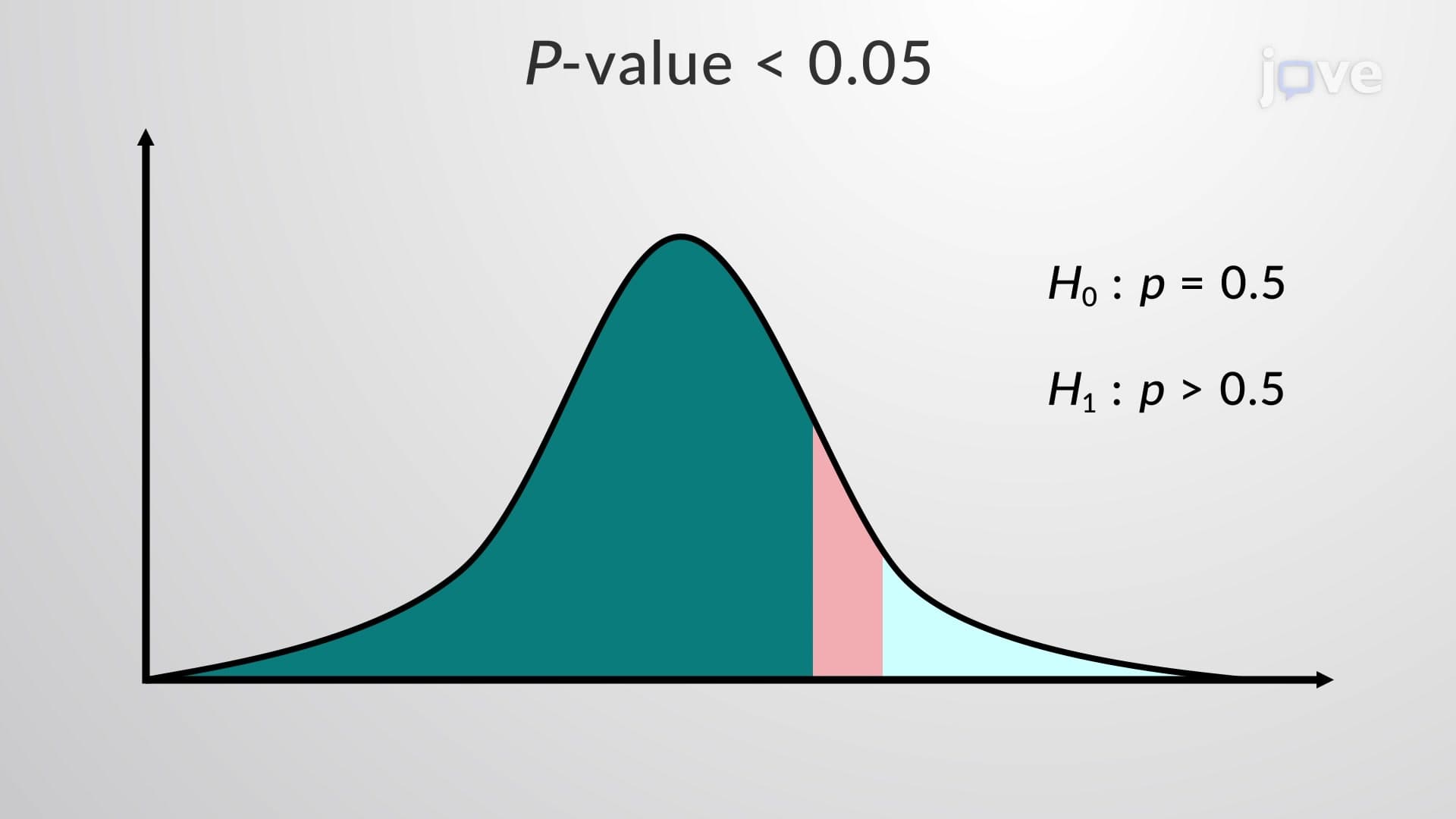
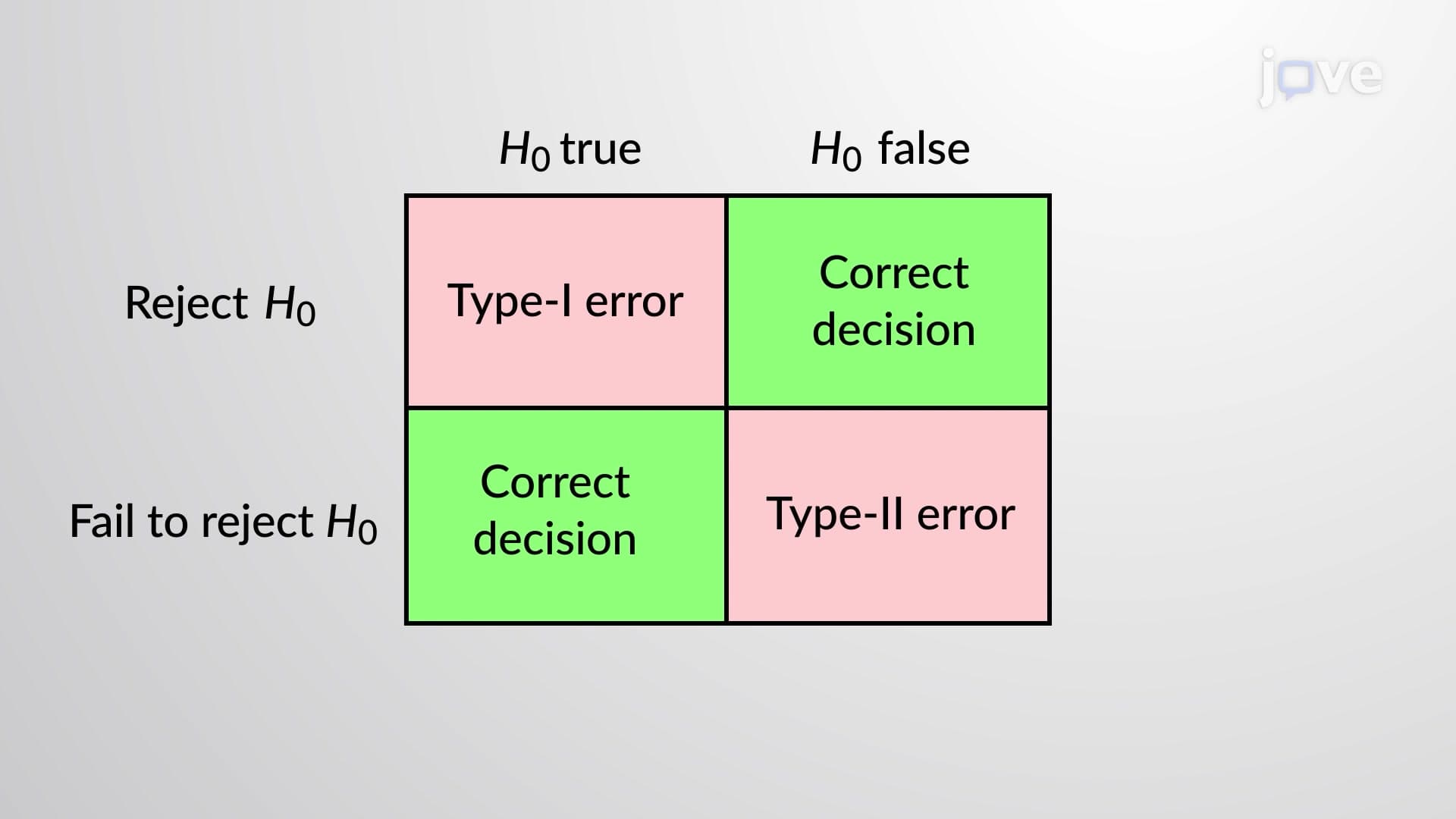
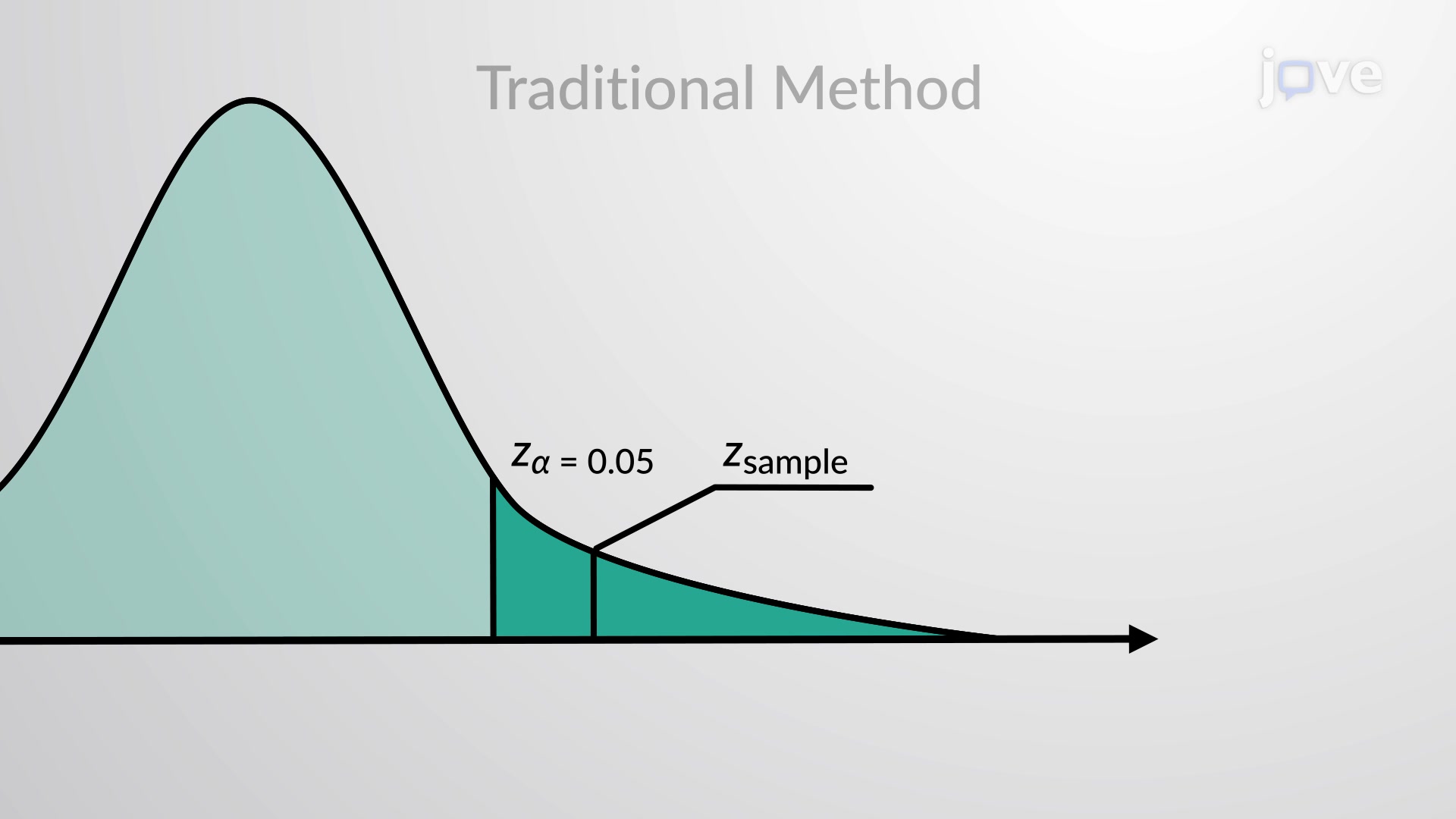
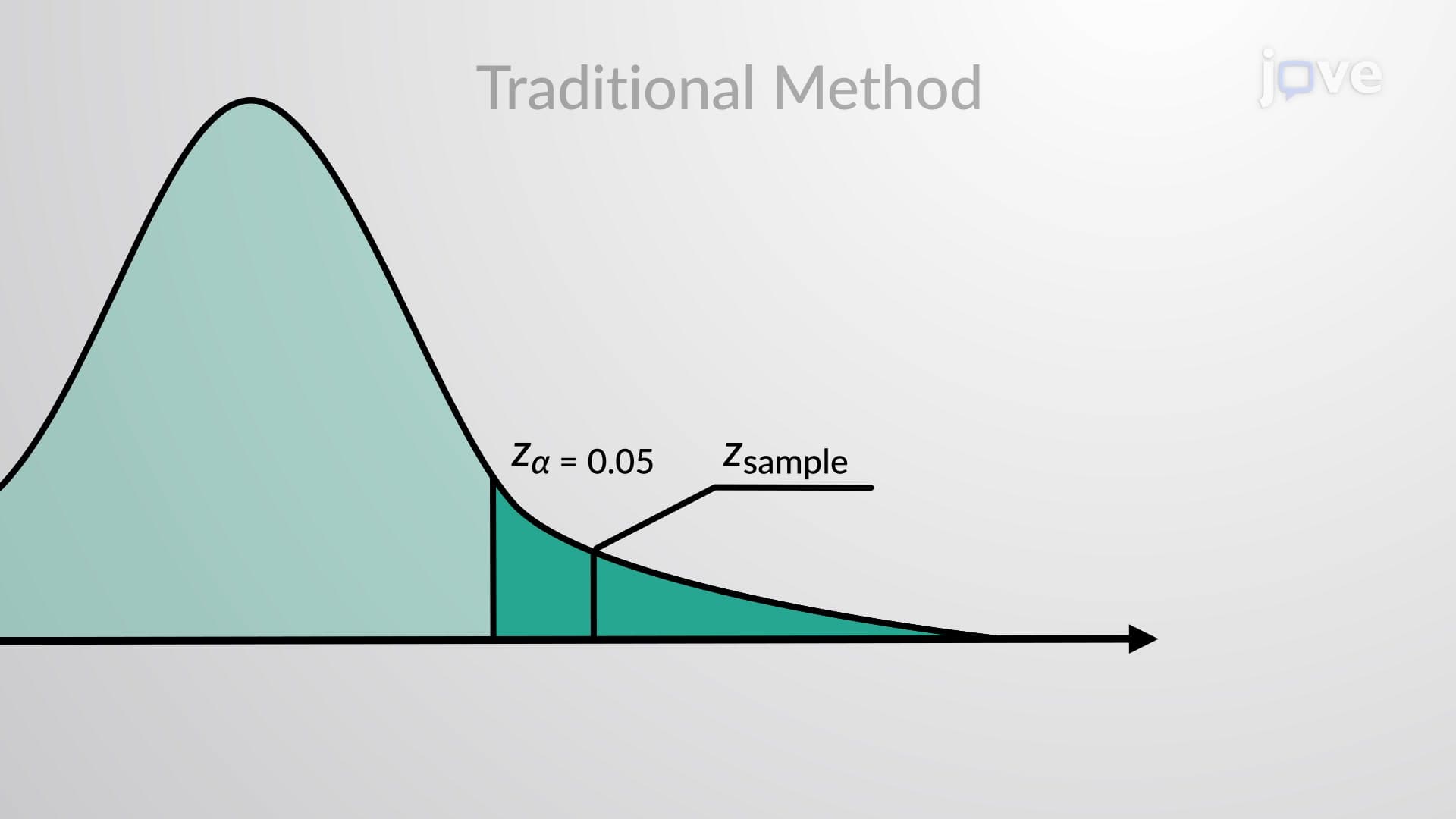
The significance level (α), typically set at 0.05 in most academic and industry applications, determines how extreme the evidence must be. This 5% threshold means researchers accept a 5% chance of incorrectly rejecting a true null hypothesis—a concept that frequently appears on MCAT and college statistics exams.
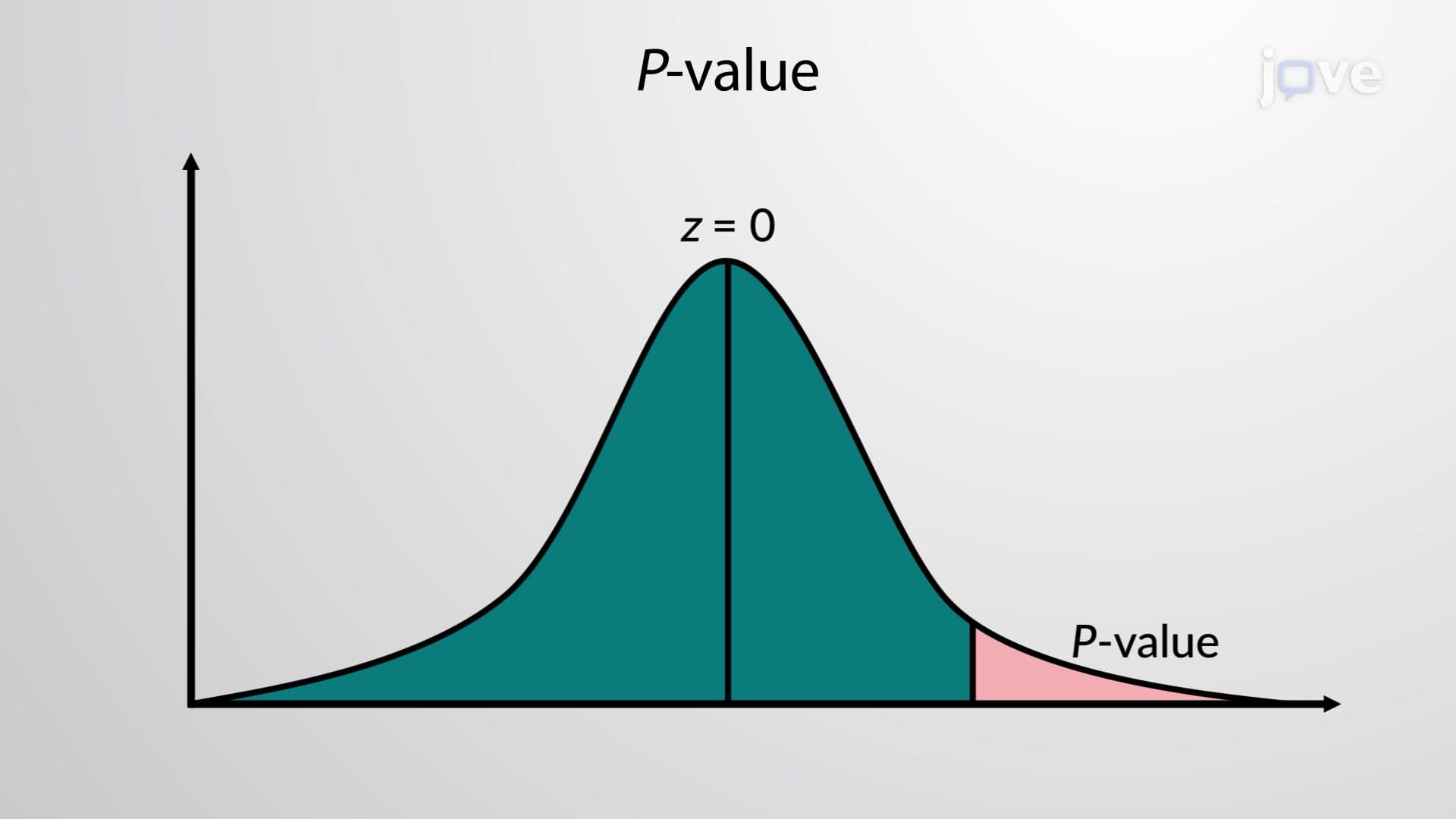
In practice, the decision making traditional method involves plotting critical values on probability distribution curves to create visual decision regions. Test statistics calculated from sample data are then compared to these boundaries. When a test statistic falls in the critical region (the tail areas beyond critical values), it indicates the observed data is sufficiently unlikely under the null hypothesis to warrant rejection.
Modern statistical software like R, SPSS, and Excel automate these calculations, but understanding the underlying traditional method remains crucial for proper interpretation. This knowledge proves invaluable for students preparing for standardized tests and professionals in fields ranging from quality control engineering to clinical research.
Frequently Asked Questions
The decision making traditional method is a classical statistical approach that uses critical values to make objective decisions about population parameters. It involves stating hypotheses, determining critical values from probability distributions, calculating test statistics from sample data, and rejecting or failing to reject the null hypothesis based on whether the test statistic falls in the critical region. This method provides a systematic, unbiased framework for scientific decision-making.
AP Statistics and college statistics exams frequently test this concept through problems requiring students to identify critical values, sketch critical regions, and make decisions based on test statistics. Students must demonstrate understanding of different probability distributions (z, t, chi-square) and properly interpret results using statistical language like "reject" or "fail to reject" rather than "accept." These problems often use real-world contexts like quality control or medical research.
The choice depends on what parameter you're testing and your sample characteristics. Use z-distributions for proportions or means with large samples (n ≥ 30) or known population standard deviations. Apply t-distributions for means with small samples and unknown population standard deviations. Chi-square distributions are used for testing variances, standard deviations, or conducting goodness-of-fit tests.
Pharmaceutical companies employ this method in clinical trials to determine drug effectiveness and safety. For example, when testing whether a new blood pressure medication reduces systolic pressure by more than 10 mmHg, researchers set up null and alternative hypotheses, establish critical values based on FDA requirements, collect patient data, and use the traditional method to decide if the drug meets efficacy standards for market approval.
While the concept requires understanding of probability distributions, most high school students can master it with proper foundation in basic statistics and algebra. The method follows logical steps that build on familiar concepts like normal curves and percentiles. Starting with simple z-test examples and gradually progressing to t-tests and chi-square applications makes the learning curve manageable.
Focus on understanding the logical flow rather than memorizing formulas. Practice identifying which distribution to use based on problem conditions, sketch critical regions for different significance levels, and interpret results in context. Work through past AP problems and use statistical tables until you're comfortable finding critical values. Understanding the "why" behind each step prevents common exam mistakes.
Progress to p-value approaches, confidence intervals, and two-sample hypothesis tests. Explore ANOVA for comparing multiple groups, regression analysis for examining relationships between variables, and non-parametric tests for situations where traditional assumptions aren't met. These advanced topics build directly on the traditional method's foundation and appear frequently in upper-level statistics courses and professional applications.
Related Micro-courses


Related Subjects
 Physics 33 micro-courses›
 Math Fundamentals 11 micro-courses›