Loading video…

 8 Concepts
 2.1K views

Video Summary: What are Colligative Properties
Why does adding salt to water make it boil at a higher temperature, and freeze at a lower one? These counterintuitive effects are explained by colligative properties, a foundational concept in chemistry. Colligative properties depend solely on the *number* of dissolved solute particles, not their identity, a principle behind everyday US practices like salting icy roads in winter. Watch the full video on JoVE Coach to master this concept with expert-led visuals and step-by-step explanations.
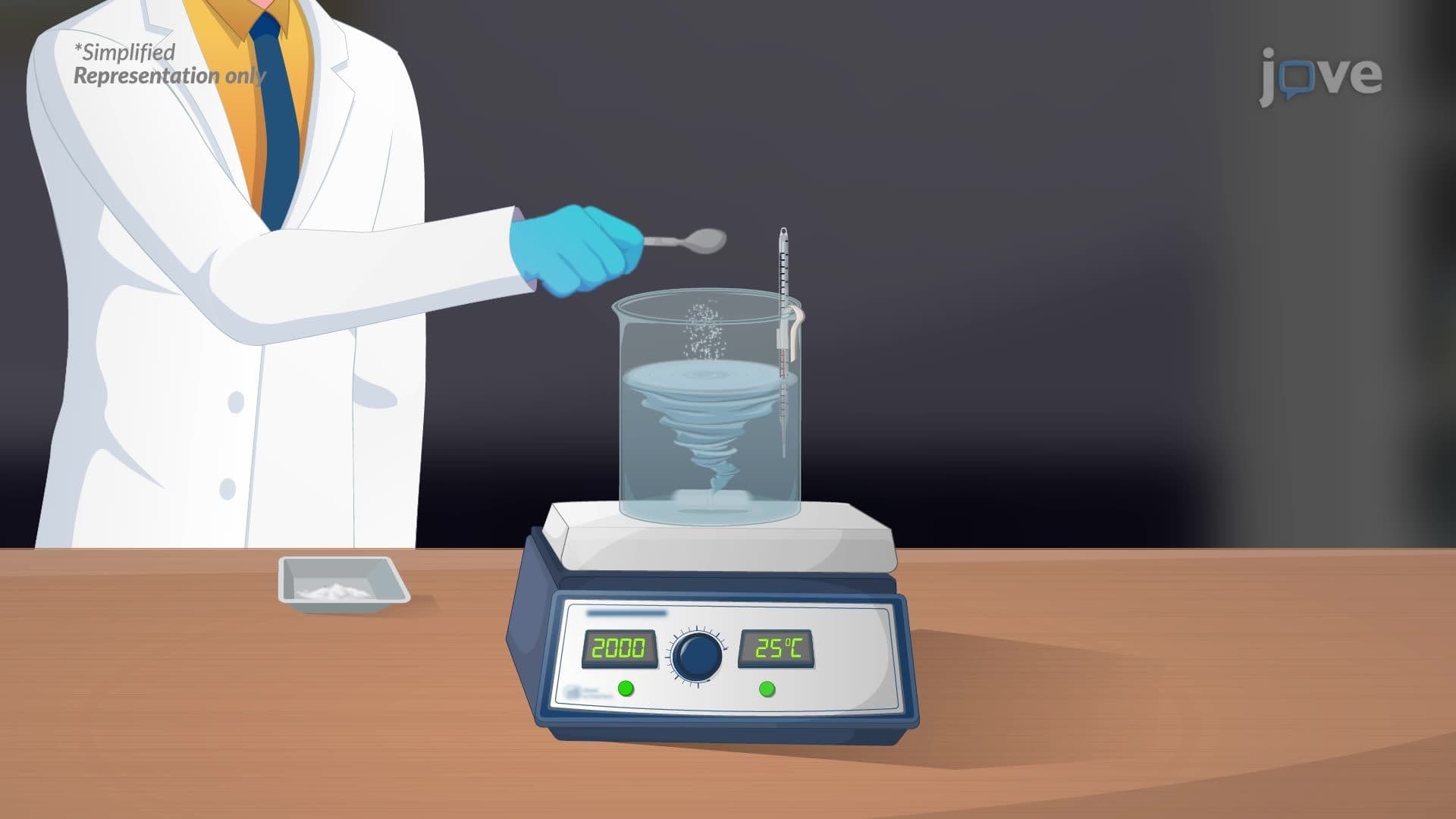
When a solute dissolves in a pure solvent, the physical behavior of that solvent changes in predictable ways. These changes, collectively called colligative properties, include vapor pressure lowering, boiling point elevation, freezing point depression, and osmotic pressure. What makes colligative properties unique is that they depend *only* on the number of solute particles present, not on the chemical identity of those particles. Whether you dissolve sugar or urea in water, the same concentration of particles produces the same magnitude of effect.
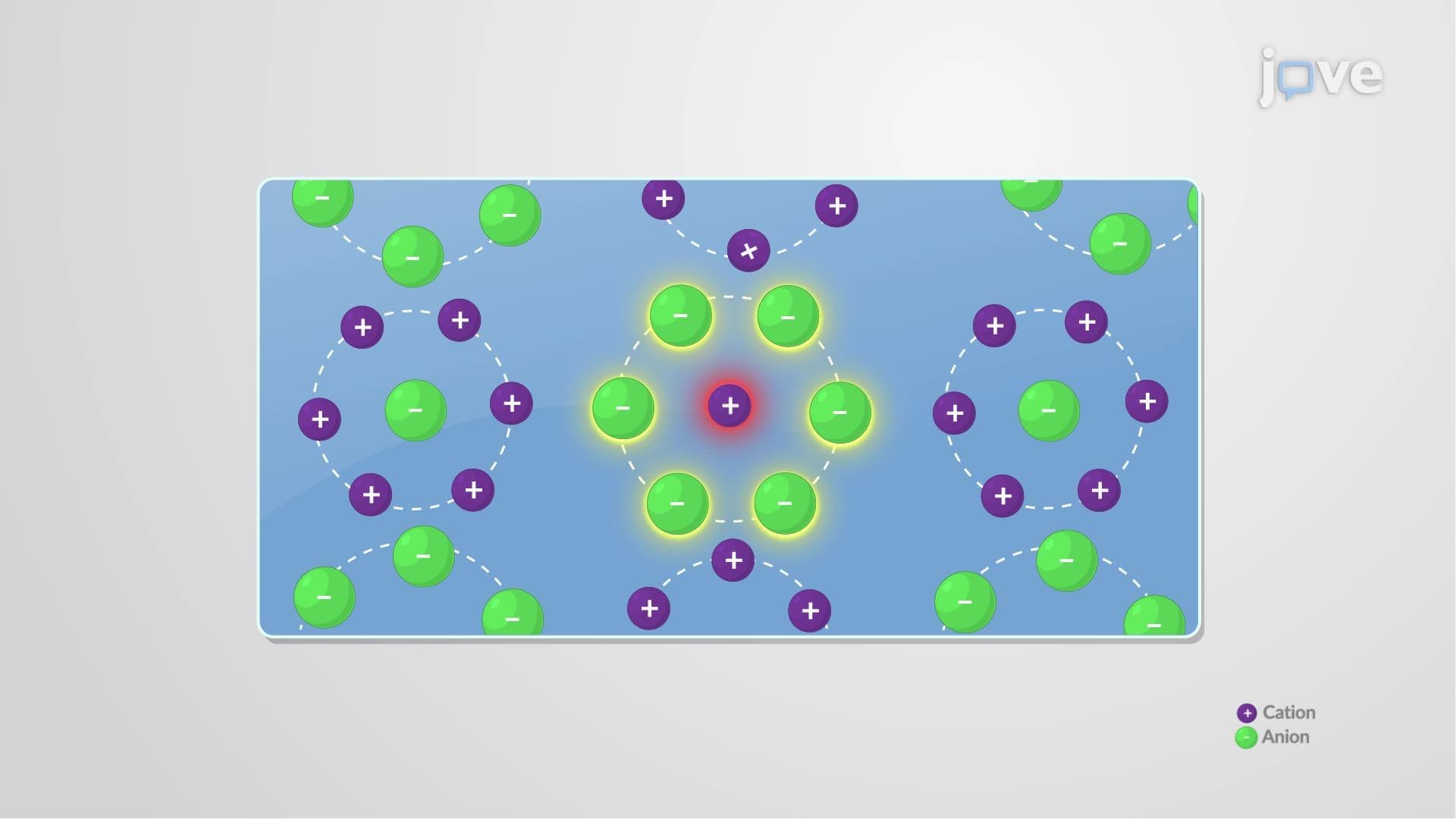
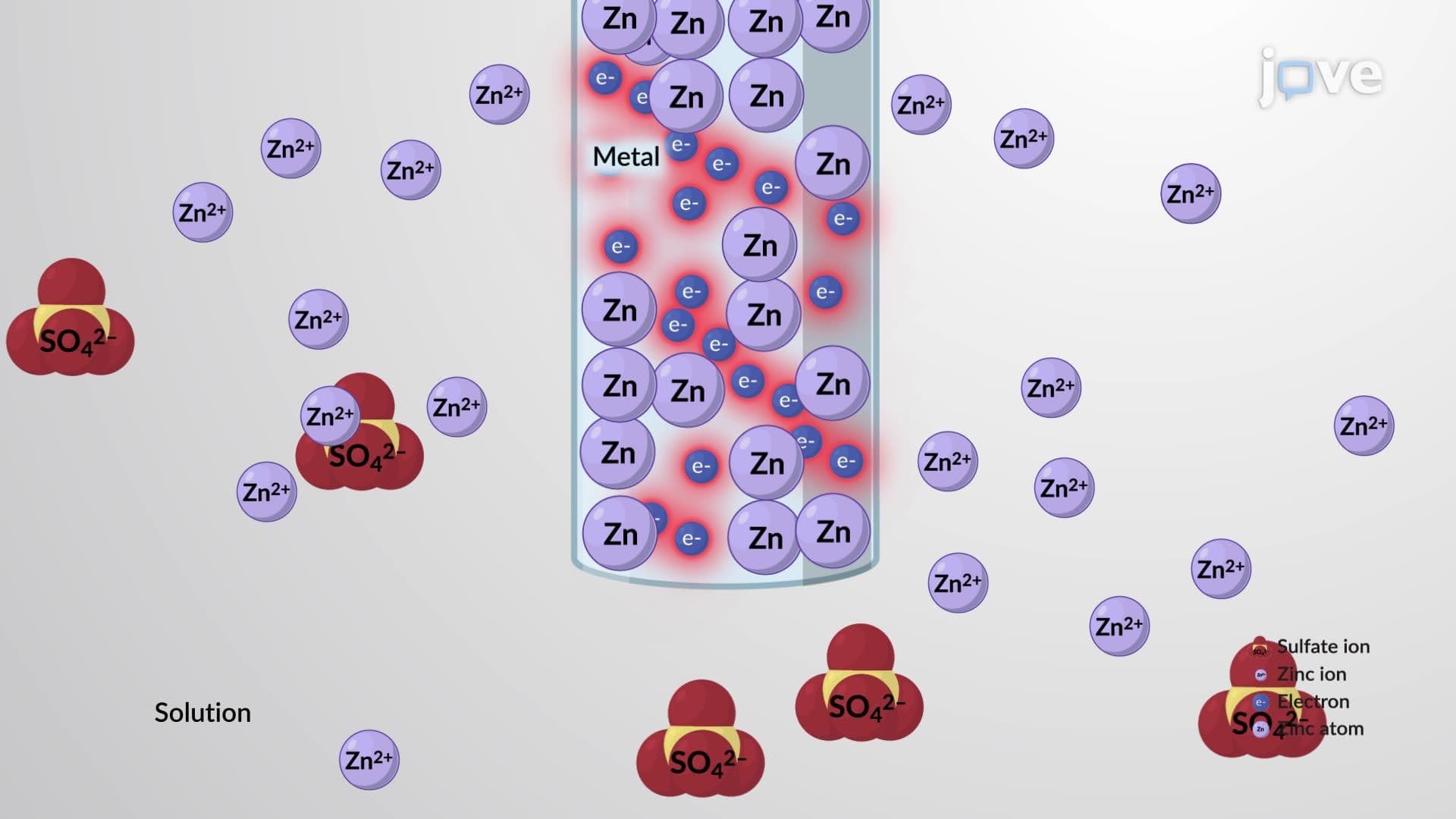
To understand colligative properties at a deeper level, you need to think about what happens to the solvent at the molecular level. Adding a solute to solvent A decreases A's mole fraction, its proportional share of all molecules in the solution. This reduction directly lowers the chemical potential of the solvent, which is a thermodynamic measure of the solvent's tendency to escape from the solution into the vapor phase. A lower chemical potential means the solvent molecules are less "eager" to evaporate, which explains why solutions behave differently from pure solvents.
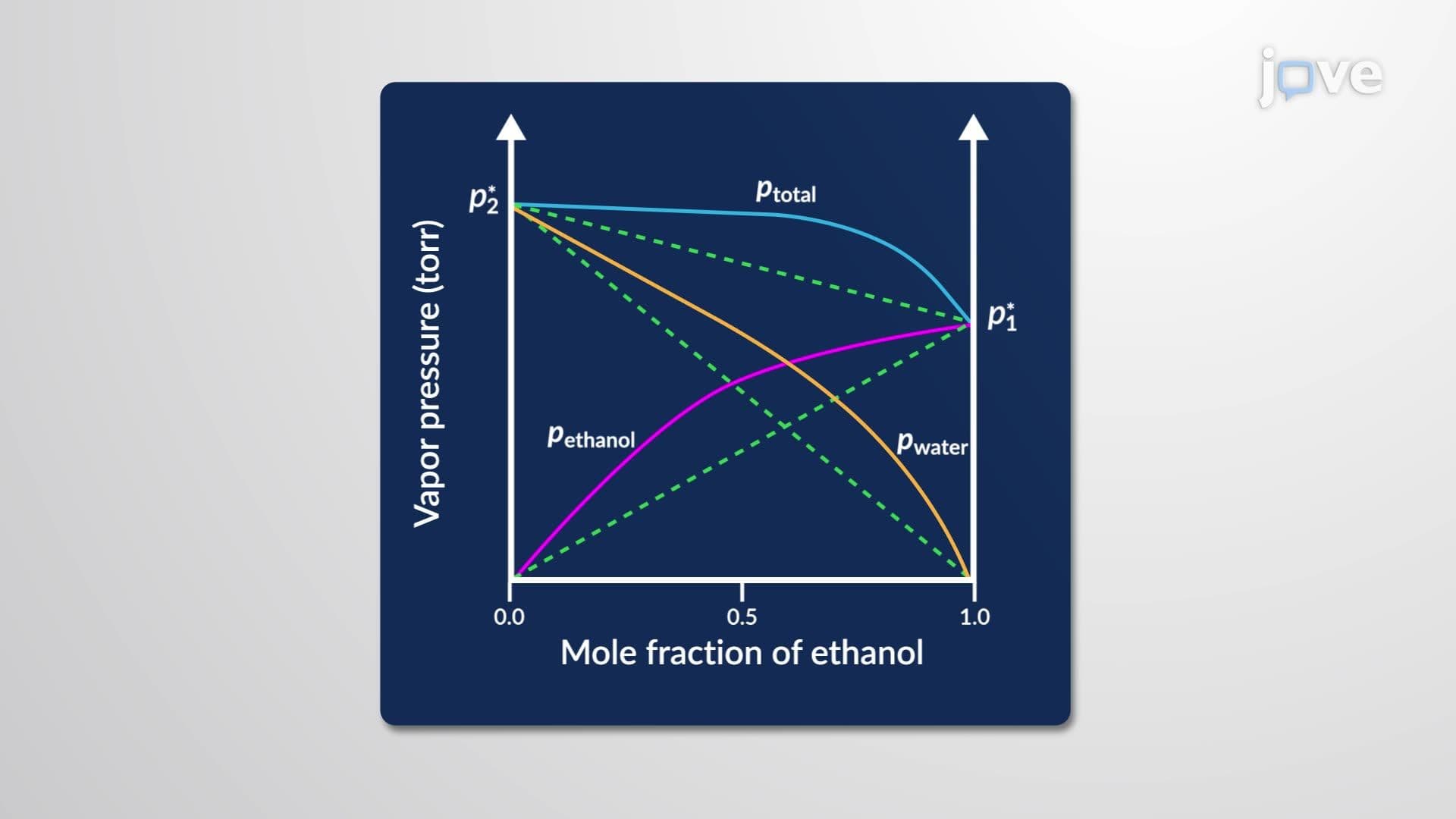
One of the most important colligative effects is vapor pressure lowering. The vapor pressure of a solution is expressed as the product of the solvent's mole fraction, its pure vapor pressure, and its activity coefficient. In very dilute solutions, the activity coefficient is approximated as 1 (unity), simplifying the math considerably. The result is Raoult's Law: the vapor pressure of a solution equals the mole fraction of the solvent multiplied by the vapor pressure of the pure solvent. The *change* in vapor pressure, the difference between pure solvent and solution, can also be written in terms of the solute's mole fraction, making it easy to calculate how much the vapor pressure drops as more solute is added.
For example, dissolving a nonvolatile solid like glucose into water at room temperature barely contributes to the overall vapor pressure of the solution because glucose itself has virtually no vapor pressure. The solution's vapor pressure is therefore lower than that of pure water, and the extent of this drop is directly proportional to how many glucose molecules are present.
Colligative properties show up constantly in real US contexts. Road crews in states like Minnesota and Michigan use salt (NaCl) to lower the freezing point of water on icy roads, a direct application of freezing point depression. In hospitals across the US, IV saline solutions are carefully formulated using osmotic pressure principles to match human blood plasma and prevent cell damage. Food preservation, antifreeze formulation (using ethylene glycol in cars), and kidney dialysis machines all rely on colligative principles.
On the AP Chemistry exam, colligative properties are a tested topic under thermodynamics and solution chemistry. Expect to calculate boiling point elevation and freezing point depression using the formulas delta-T(b) = i × K(b) × m and delta-T(f) = i × K(f) × m, where i is the van't Hoff factor, K is the molal constant, and m is molality. On the MCAT, colligative properties appear in the General Chemistry section and require conceptual understanding alongside calculation skills. College general chemistry courses (typically Chem 101 or Chem 102) test these concepts on midterms and finals.
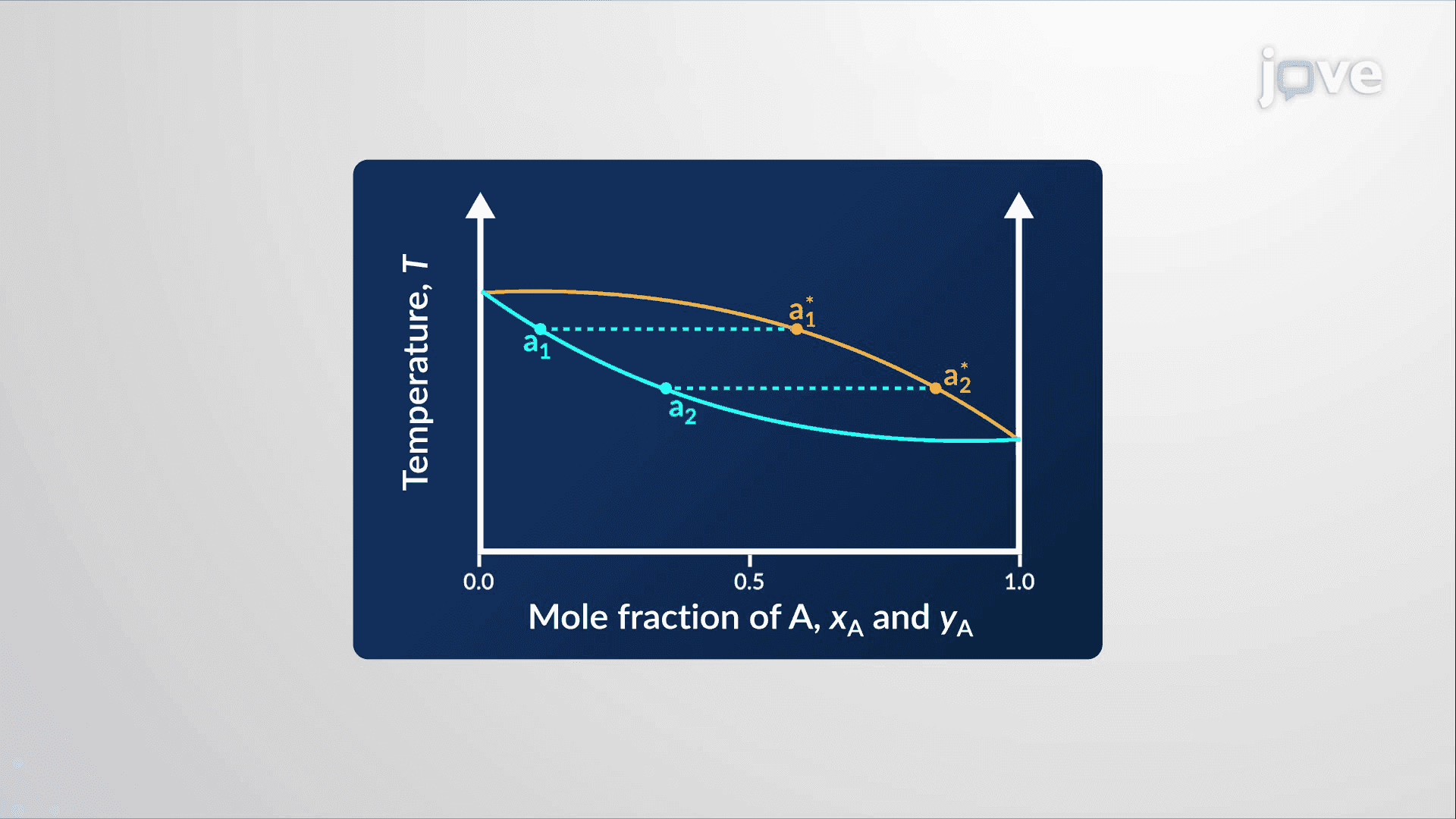
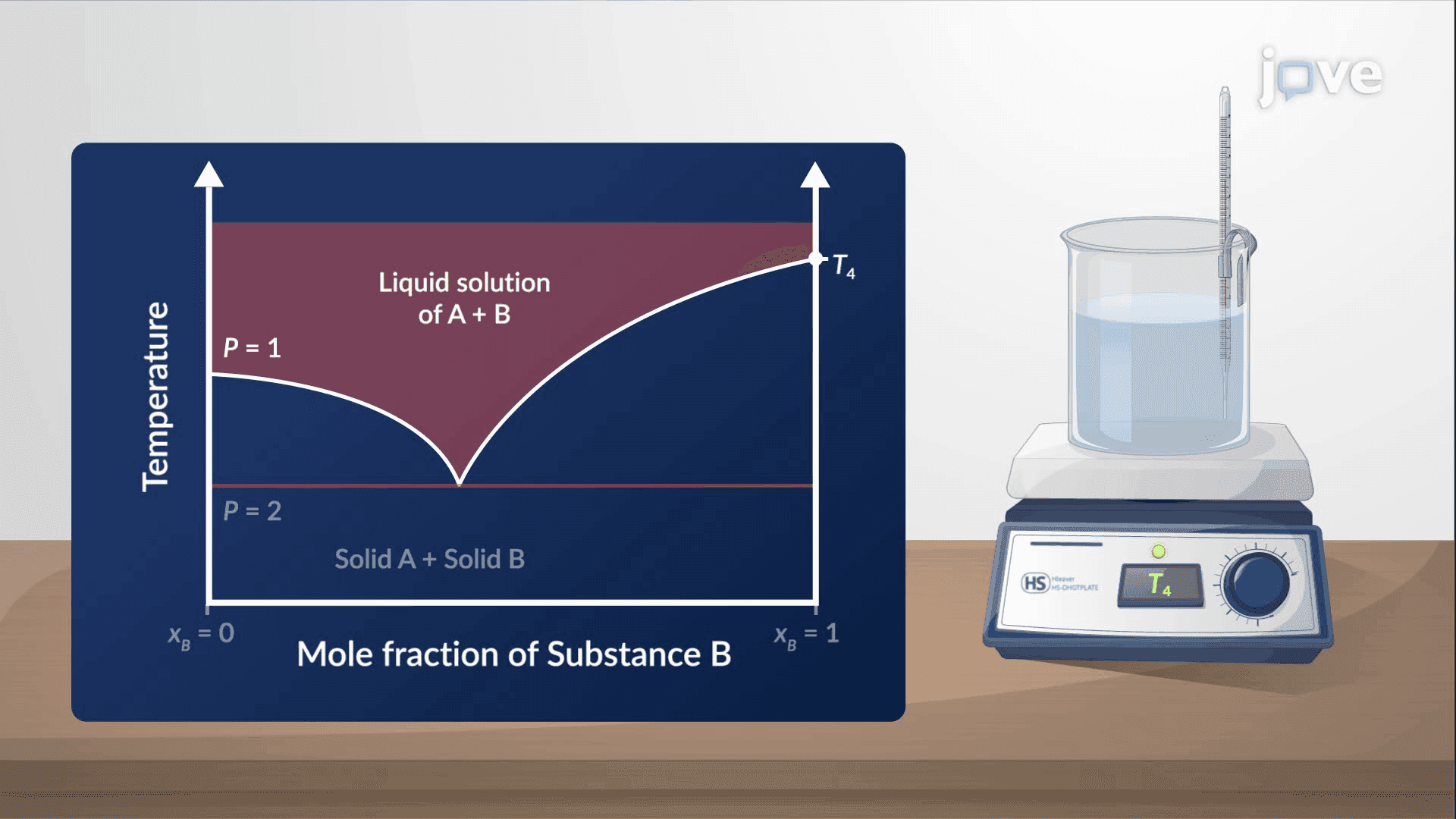
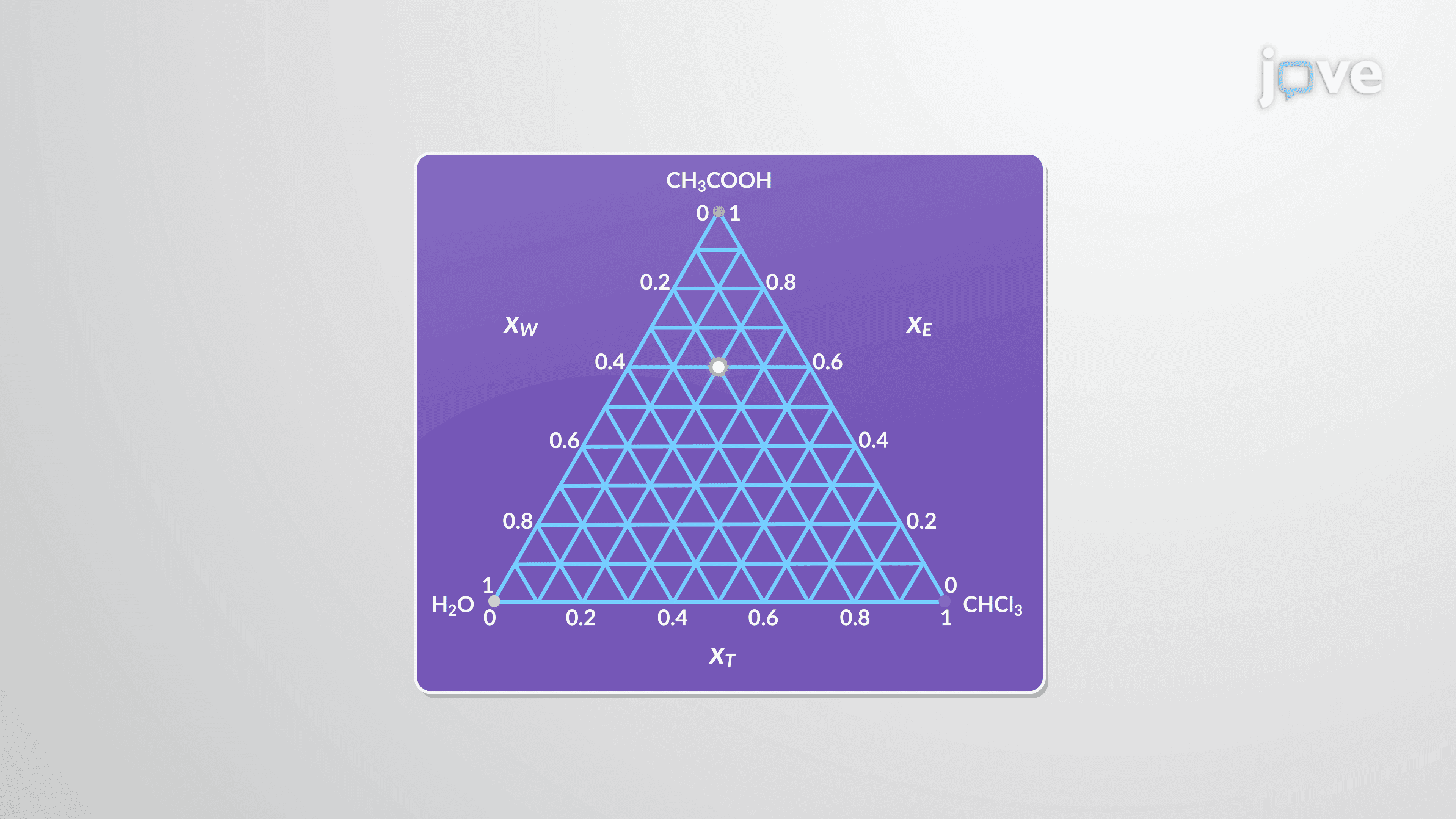
Understanding colligative properties also lays groundwork for more advanced topics, including phase diagrams for binary mixtures, liquid-liquid equilibrium, and how azeotropes behave during fractional distillation, making this a gateway concept well worth mastering early.
Related Micro-courses