Loading subject page…

2,128 views

Video Summary: What are Liquid Solid Solutions
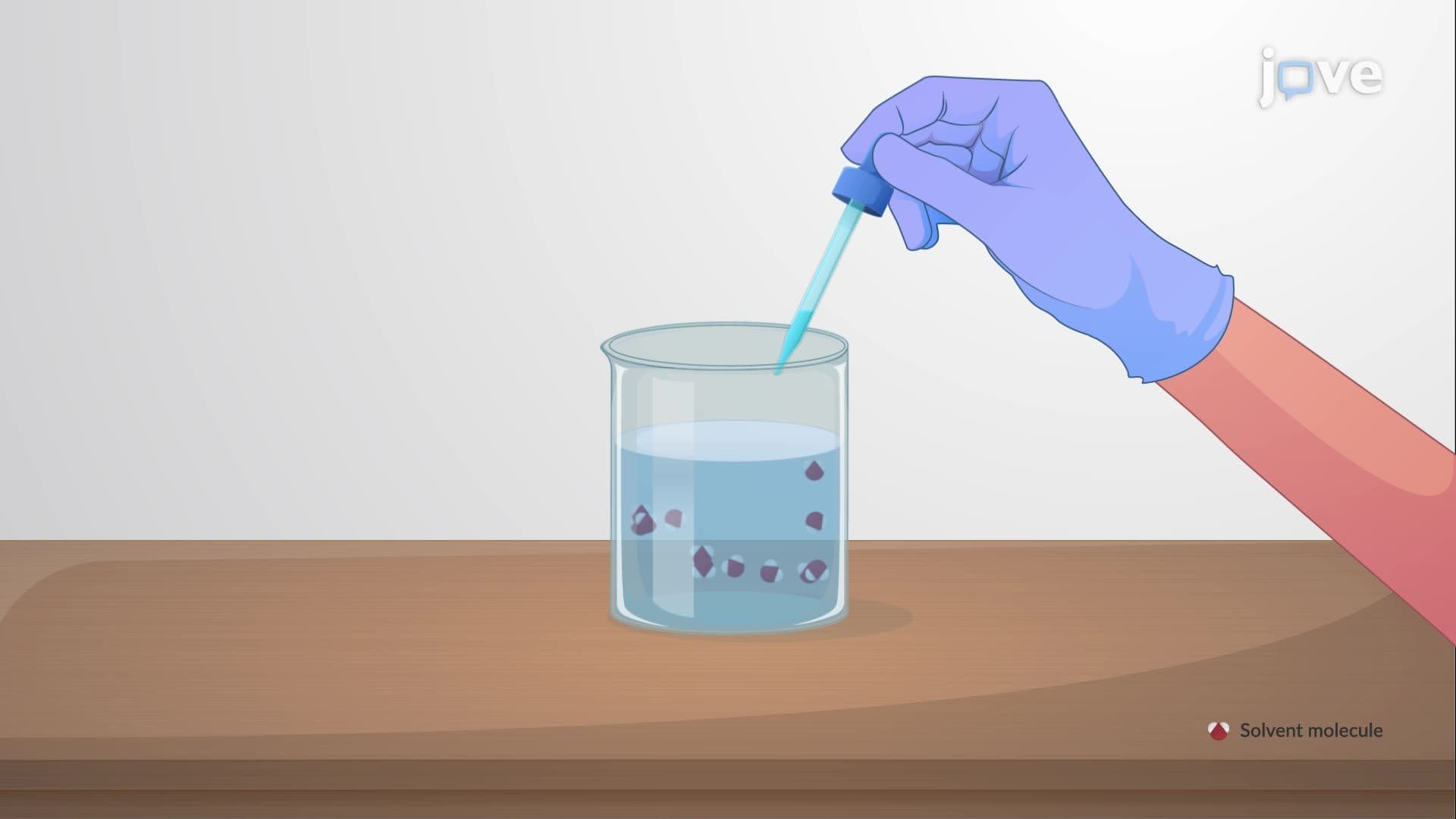
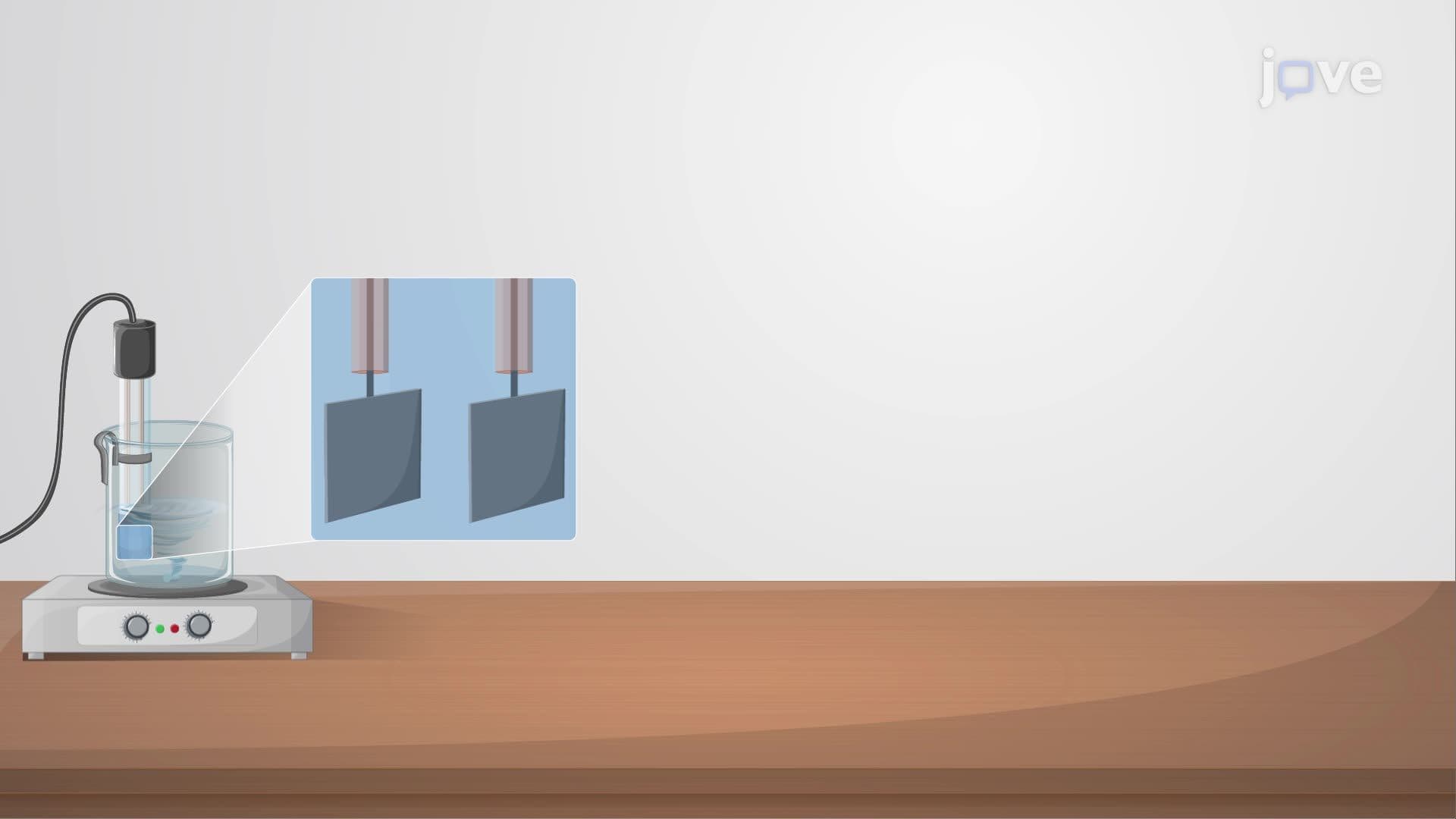
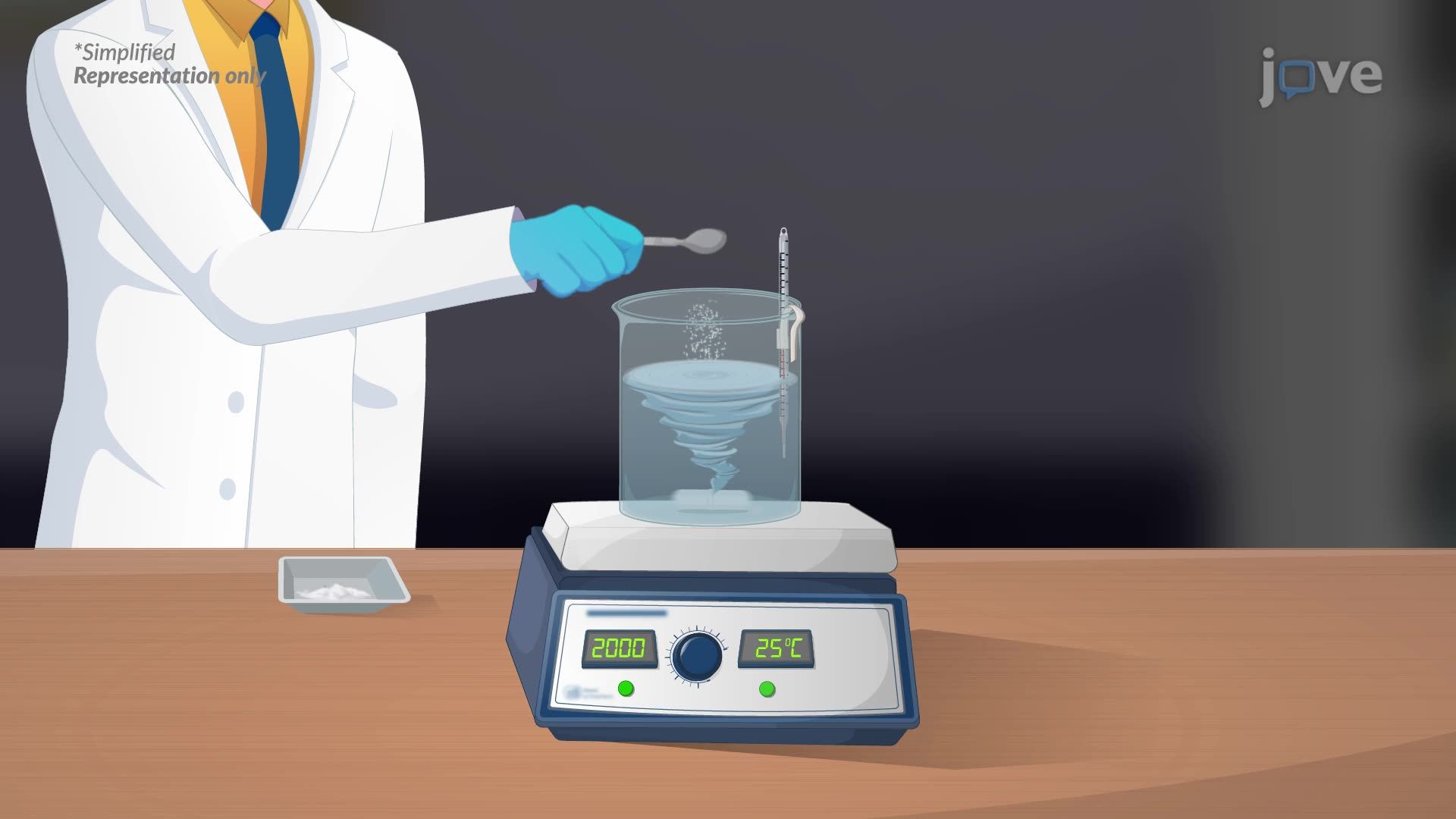
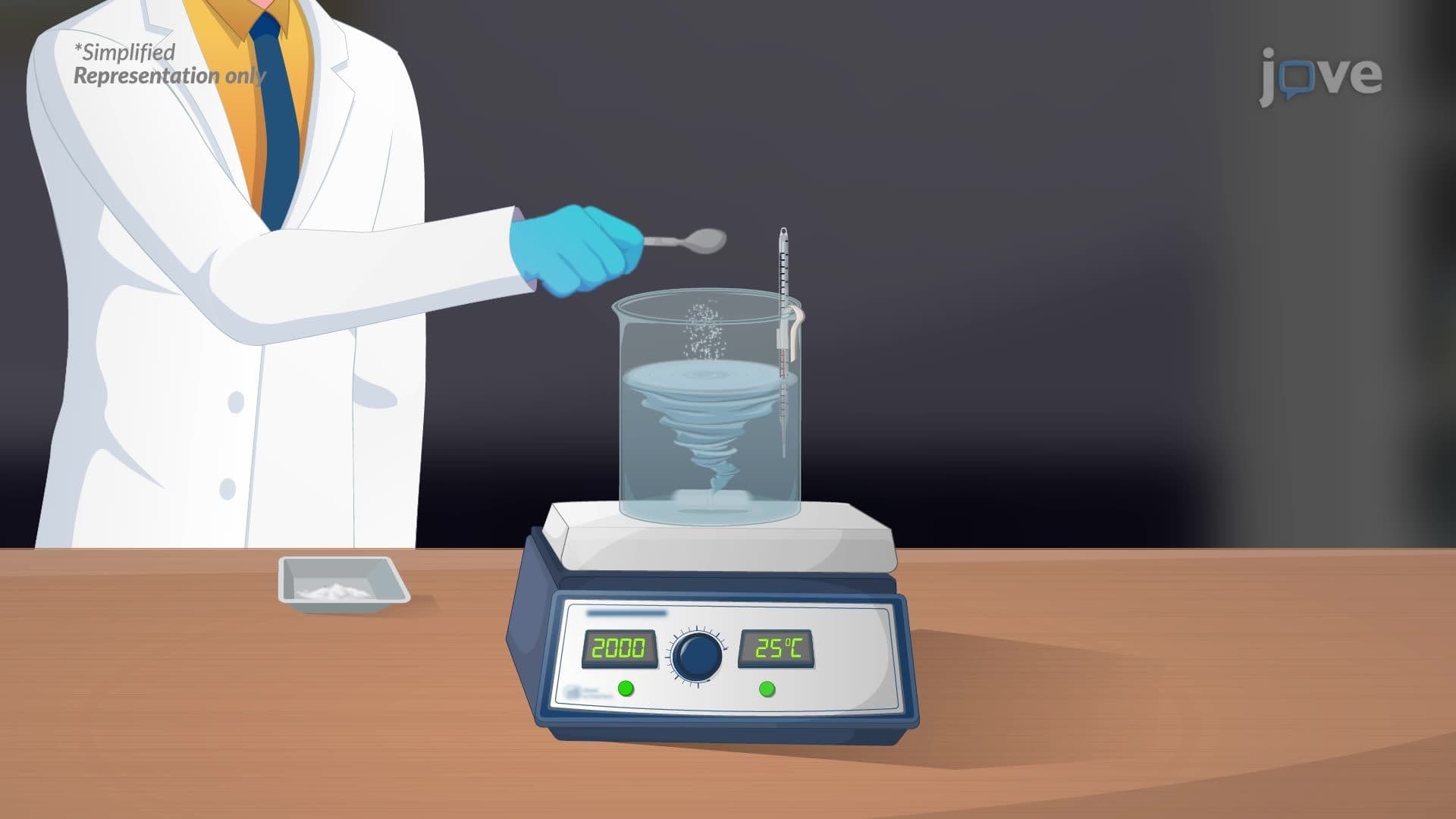
Ever wonder why sugar disappears into your iced tea but only up to a point? Liquid-solid solutions basics explain exactly that phenomenon. In a liquid-solid solution, a solid solute dissolves into a liquid solvent until it hits its solubility limit, producing saturated or supersaturated states governed by Gibbs energy and melting point thermodynamics. Watch the full video on JoVE Coach to master this concept with expert-led visuals and step-by-step explanations.
Liquid-solid solutions are one of the most common and practically important solution types you will encounter in chemistry. They form when a solid solute, such as salt, sugar, or a drug compound, dissolves into a liquid solvent like water or ethanol. Understanding liquid-solid solutions explained at the thermodynamic level gives students a powerful framework that appears across AP Chemistry, general college chemistry, and even the MCAT.
Every liquid-solid solution has a solubility limit: the maximum quantity of solute that can dissolve in a specific volume of solvent at a given temperature. Once this threshold is reached, the solution is saturated, adding more solute will not increase the dissolved amount under equilibrium conditions. If conditions change (such as heating the solution and then slowly cooling it), the solution can become supersaturated, holding more dissolved solute than the equilibrium limit normally allows. A classic US classroom demonstration uses sodium acetate "hot ice" kits to show supersaturation dramatically crystallizing on demand.
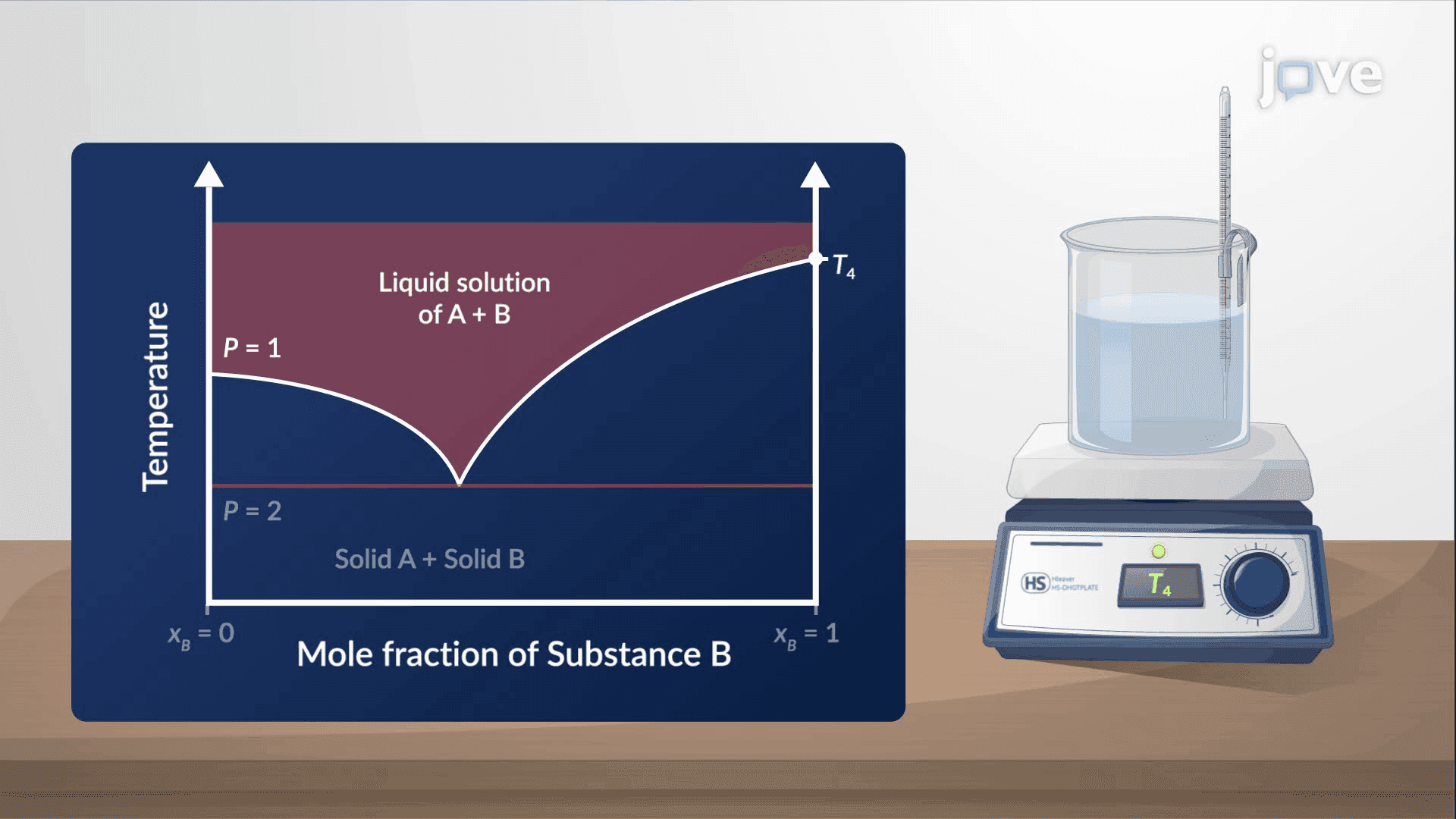
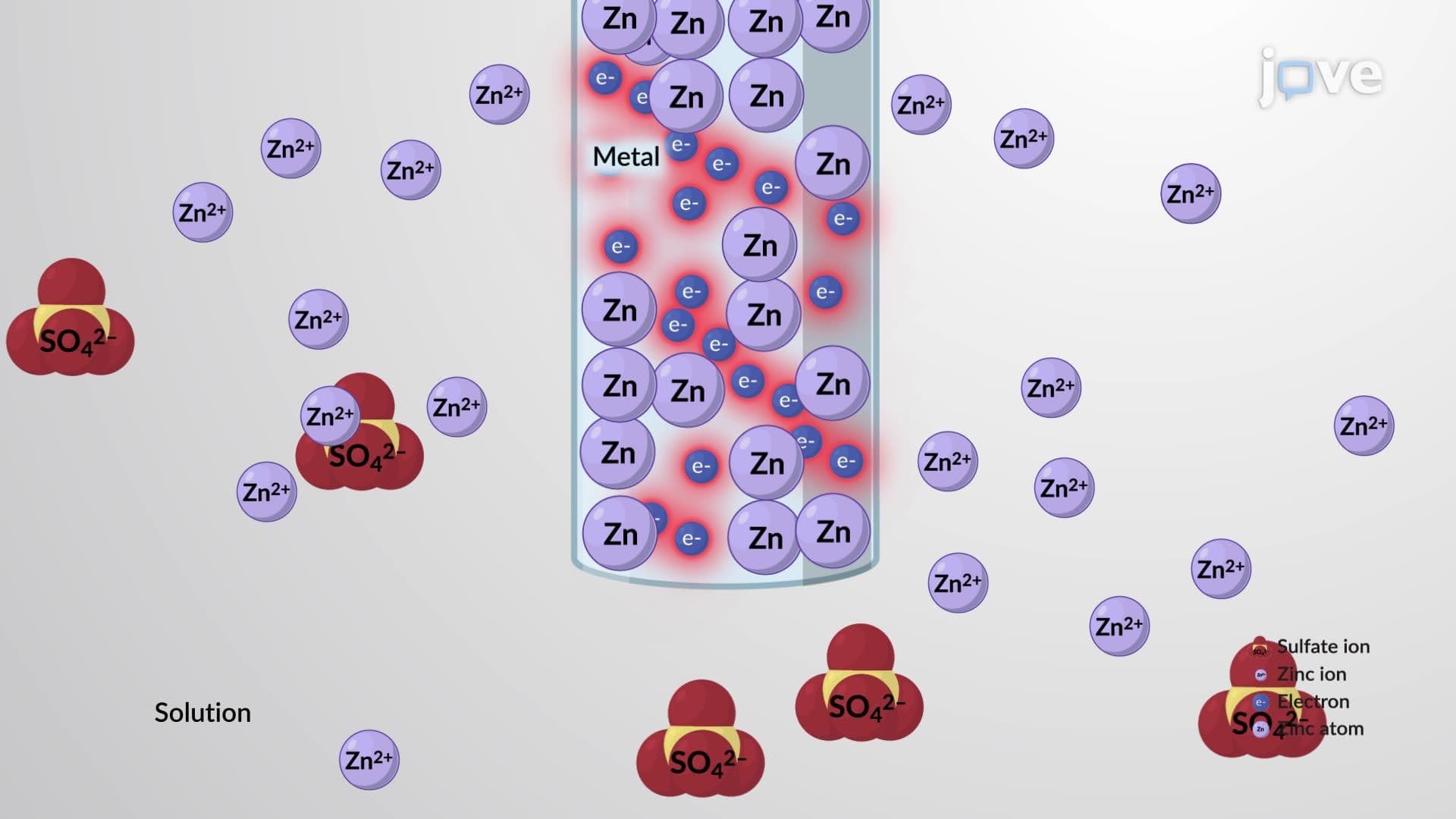
At equilibrium in an ideal liquid-solid solution, the chemical potential of the undissolved solid solute equals the chemical potential of the dissolved solute in the liquid phase. Because the dissolved solute behaves as a component in a liquid mixture, its chemical potential can be expressed using its mole fraction. Rearranging the equality between these two chemical potentials yields an expression for the equilibrium mole fraction of the solute, essentially a quantitative measure of solubility. This approach mirrors the solid-liquid equilibrium analysis found in phase diagrams for binary mixtures, a topic commonly tested in college-level physical chemistry and thermodynamics courses.
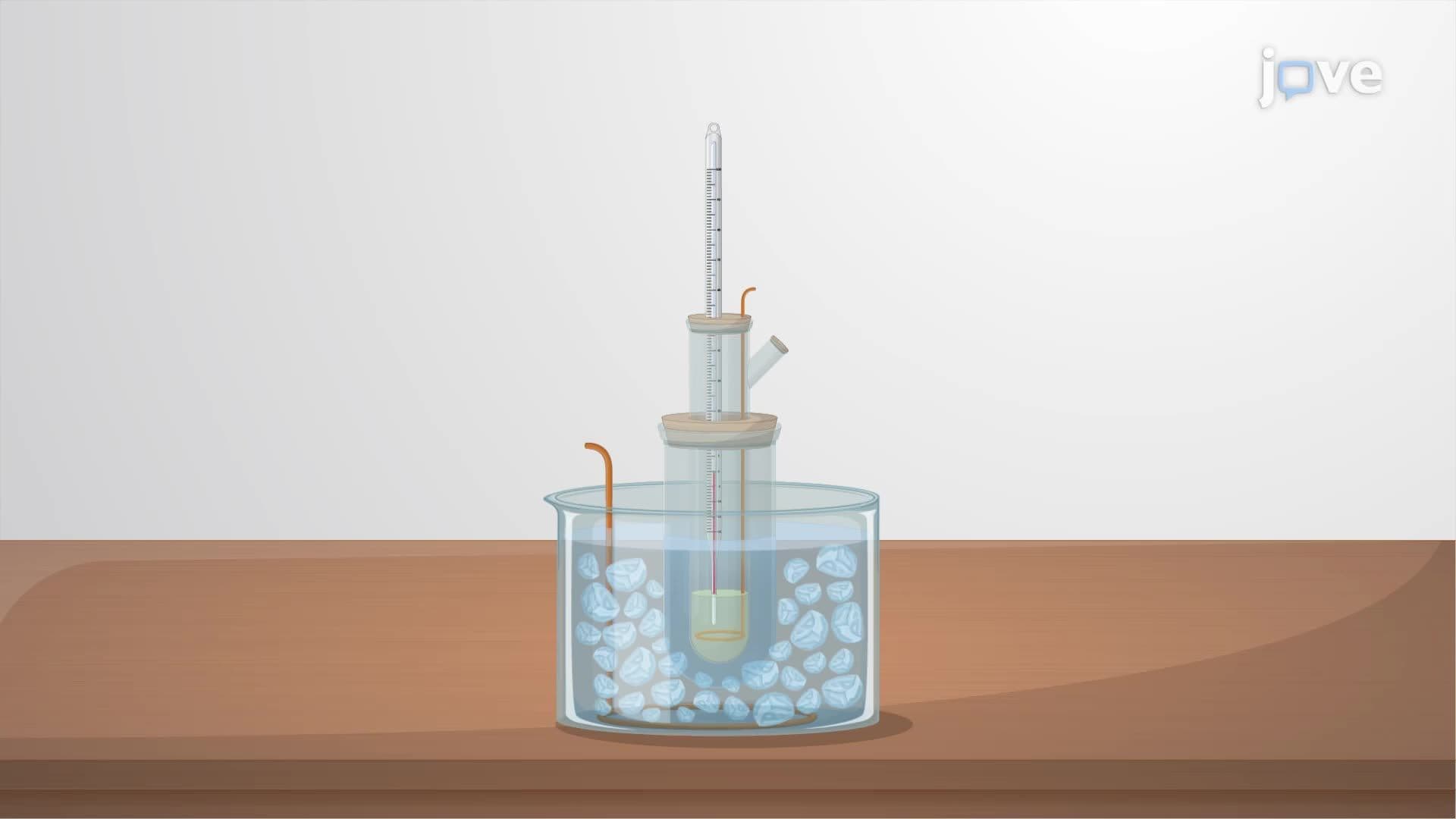
The chemical potential difference between the solid and dissolved forms of the solute relates directly to the Gibbs energy of fusion, the energy associated with melting the solid. Substituting this relationship introduces enthalpy and entropy of fusion into the solubility equation. Critically, including the solute's melting point separates the enthalpic and entropic contributions at different temperatures. This reveals a powerful insight: solutes with higher melting points tend to be less soluble, because more energy is required to break down their crystal lattice. This principle is why pharmaceutical scientists at US drug companies like Pfizer carefully engineer drug crystal forms (polymorphs) to optimize solubility and bioavailability.
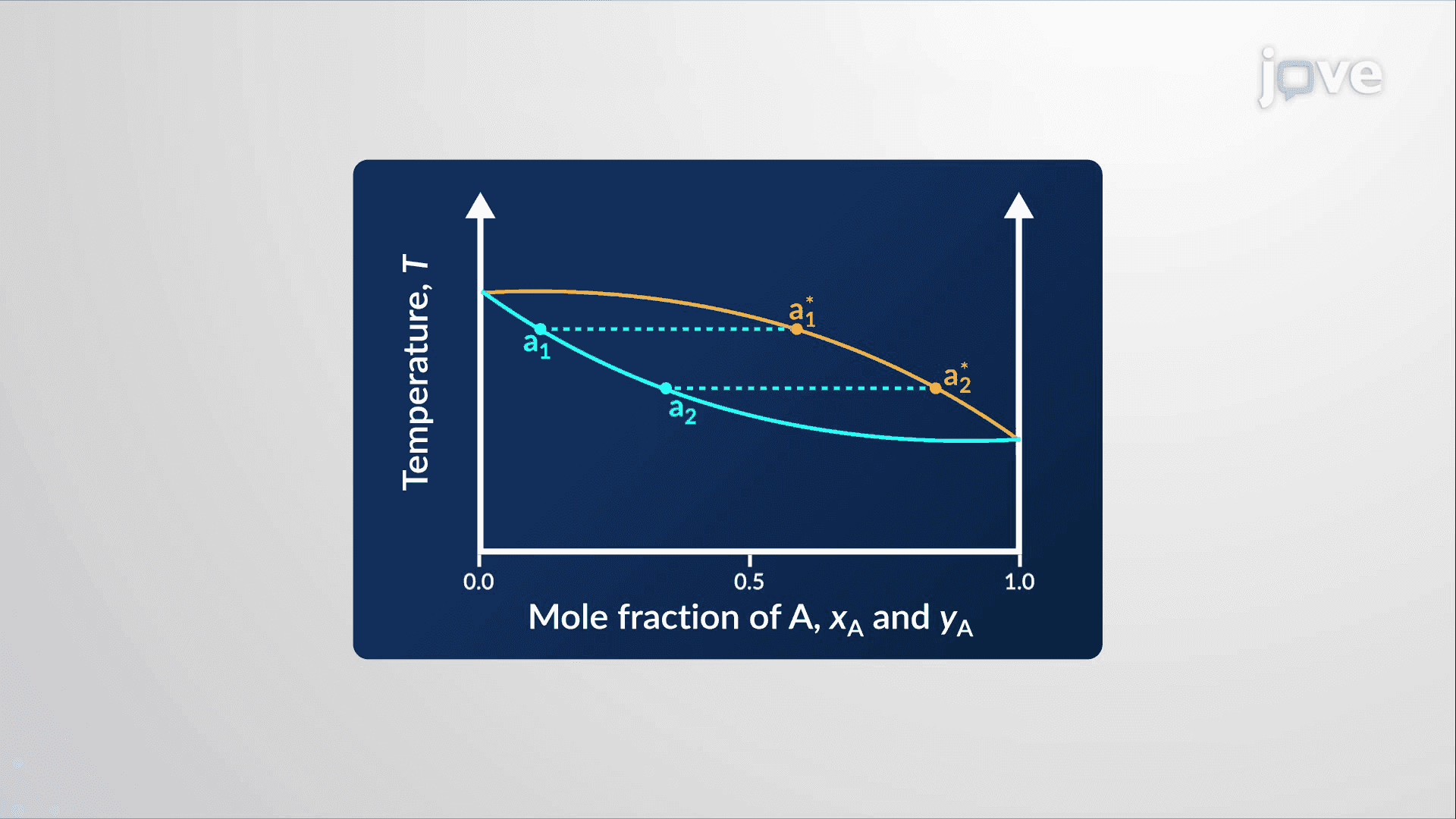
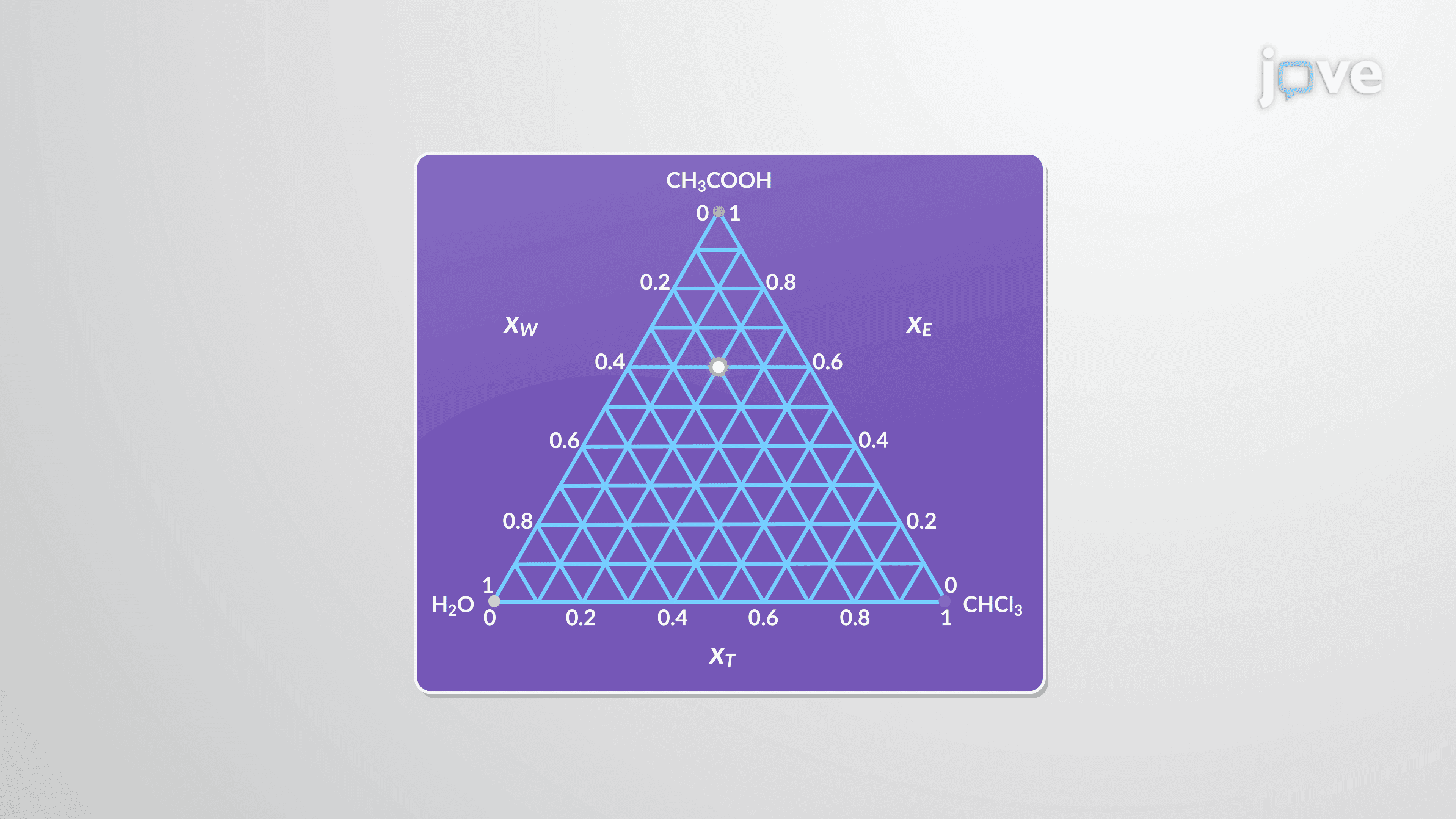
Liquid-solid solution theory does not exist in isolation. It connects naturally to the Gibbs phase rule (F = C − P + 2), which governs the degrees of freedom in multi-component systems. It also serves as a gateway to understanding liquid-liquid equilibrium and fractional distillation, since both involve balancing chemical potentials across phases. Students preparing for AP Chemistry exams or college midterms will find that mastering the mole fraction solubility equation strengthens their ability to interpret phase diagrams, apply the lever rule to two-phase regions, and analyze azeotrope behavior, including how an azeotrope behaves during distillation by maintaining a constant boiling composition.
Related Micro-courses