Loading video…

 8 Concepts
 2.1K views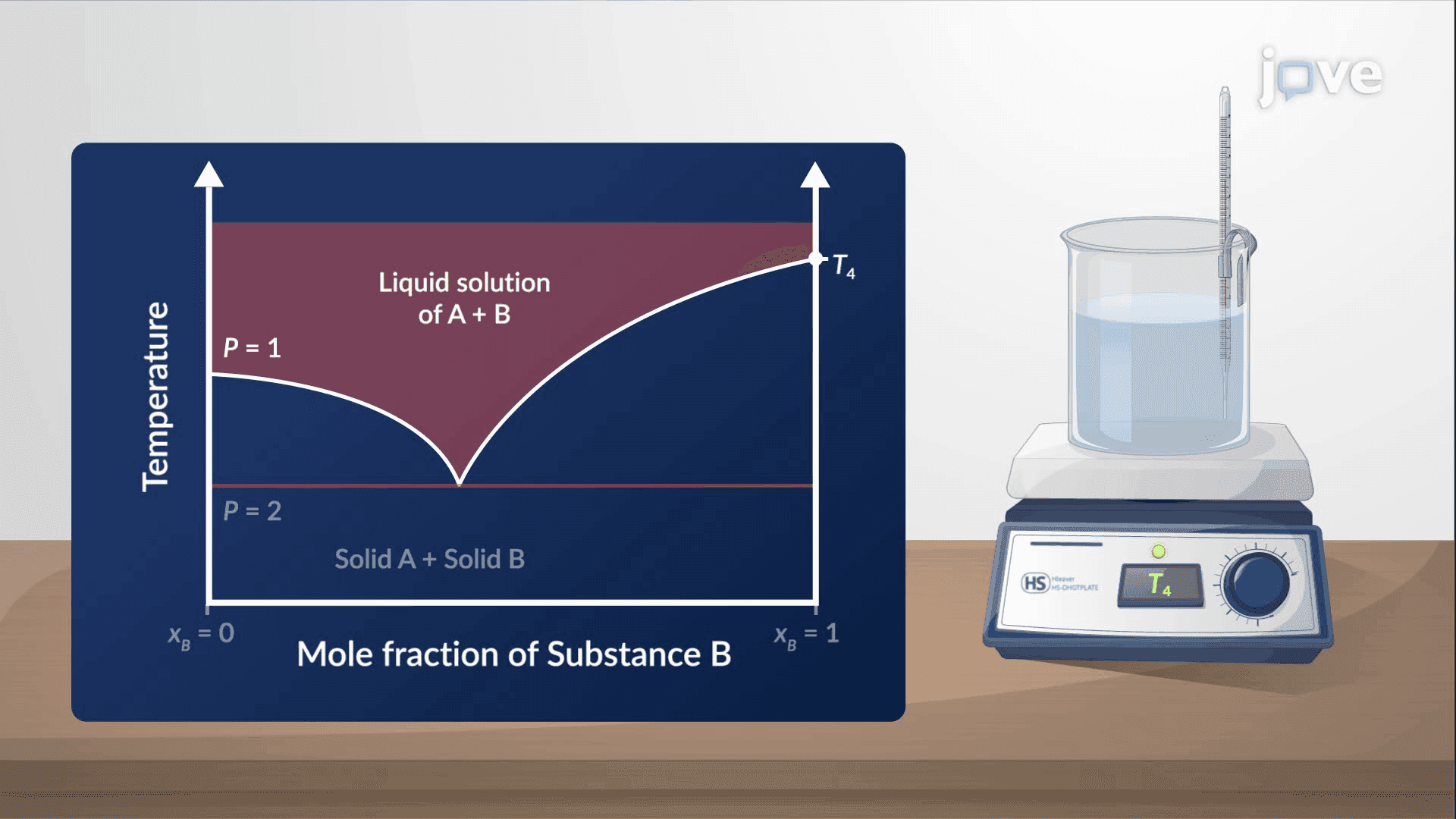

Video Summary: What are Solid Solid Solutions
Why do some metal alloys melt at temperatures far lower than either of their pure components? That's the power of solid-solid solutions, a core idea behind understanding what are solid-solid solutions in physical chemistry. Solder used in US electronics manufacturing is a classic real-world example. These binary mixtures follow predictable phase behavior, including the critical eutectic point. Watch the full video on JoVE Coach to master this concept with expert-led visuals and step-by-step explanations.
When two substances are mixed, they don't always behave the way pure components do. Solid-solid solutions describe systems where two solid components interact within a shared phase diagram, revealing how composition and temperature together determine whether a mixture is solid, liquid, or somewhere in between. Understanding this topic is essential for AP Chemistry, college-level physical chemistry, and standardized exams like the MCAT.
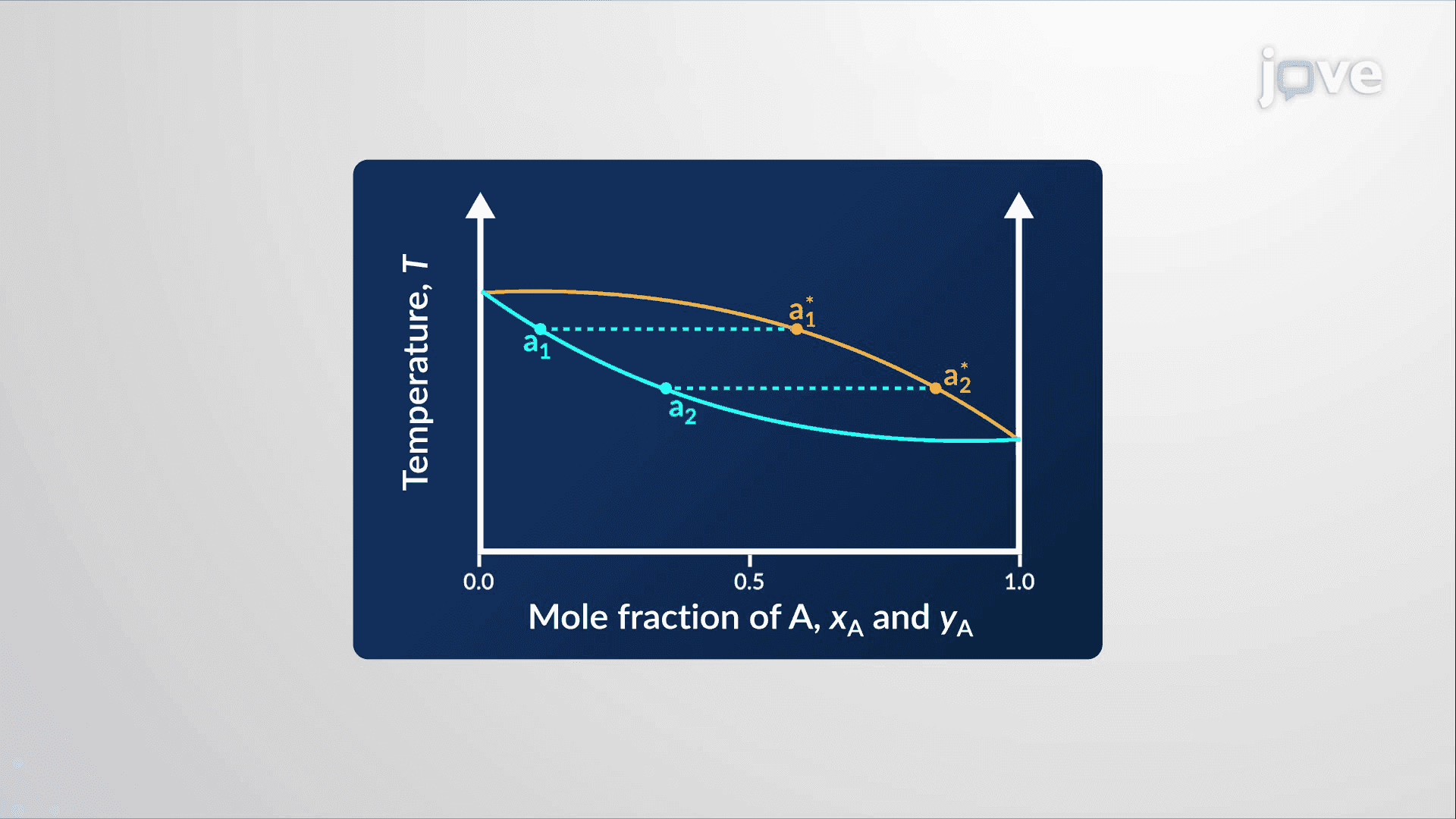
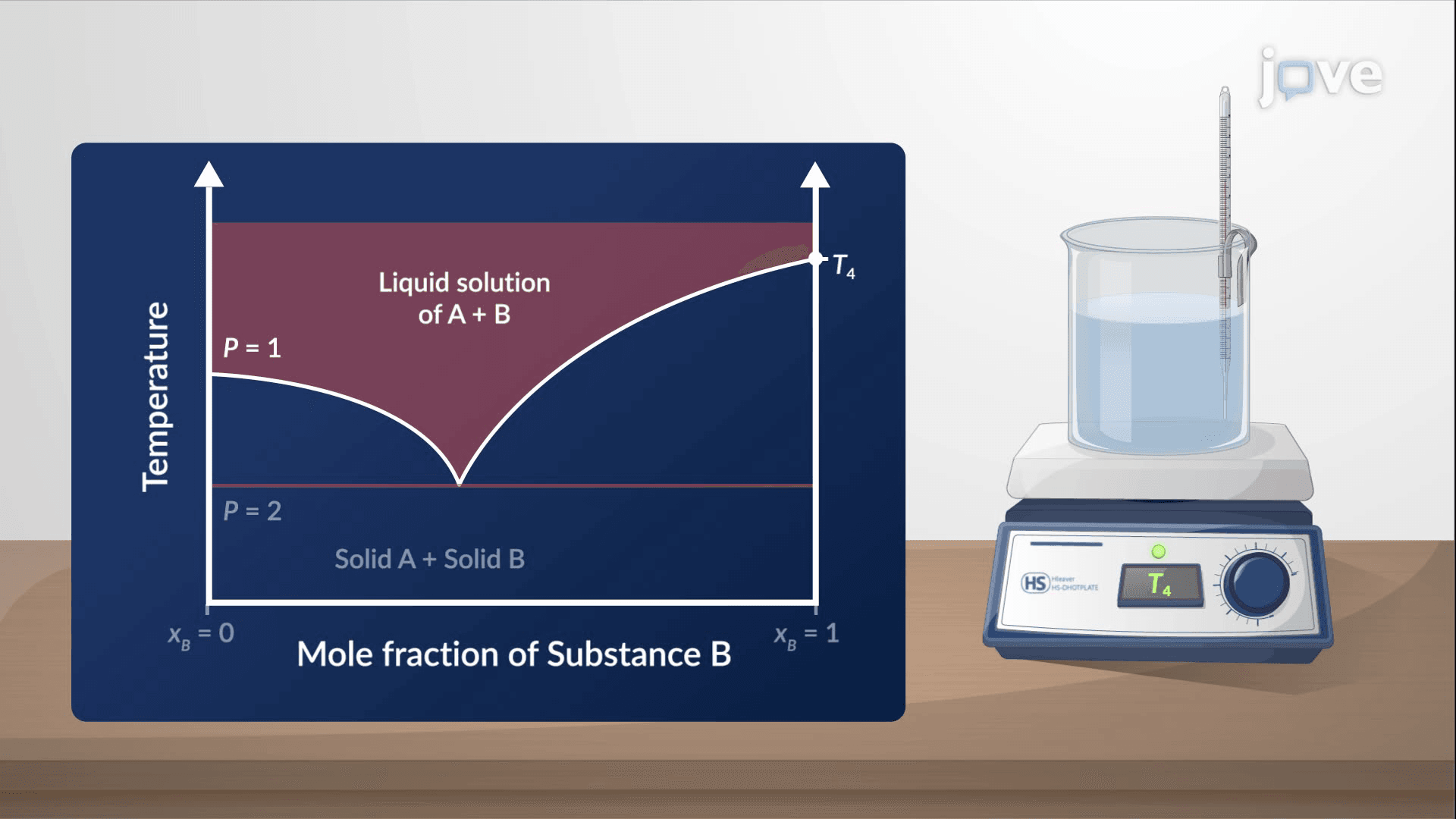
The primary tool for analyzing solid-solid solutions is the binary phase diagram, which plots temperature on the vertical axis and composition (mole fraction or weight percent) on the horizontal axis. For a system of two mutually insoluble solids whose liquids mix completely, the diagram is divided into distinct regions: a single-phase liquid zone at high temperatures, and a two-phase solid zone at lower temperatures.
As the system cools along a vertical path called an isopleth, the composition of the liquid phase shifts as one solid component precipitates out first. For example, imagine cooling a molten tin-bismuth alloy, a system studied in US materials science labs. Pure bismuth begins to crystallize from the liquid, leaving the remaining melt progressively richer in tin. This selective solidification continues until a critical composition is reached.
The eutectic point is one of the most important features in any binary phase diagram. It represents the single composition at which the mixture melts and freezes at the lowest possible temperature, lower than either pure component alone. At this point, the liquid doesn't gradually freeze; instead, it solidifies completely at one fixed temperature. The resulting solid is a fine, intimate mixture of both pure components simultaneously crystallizing together.
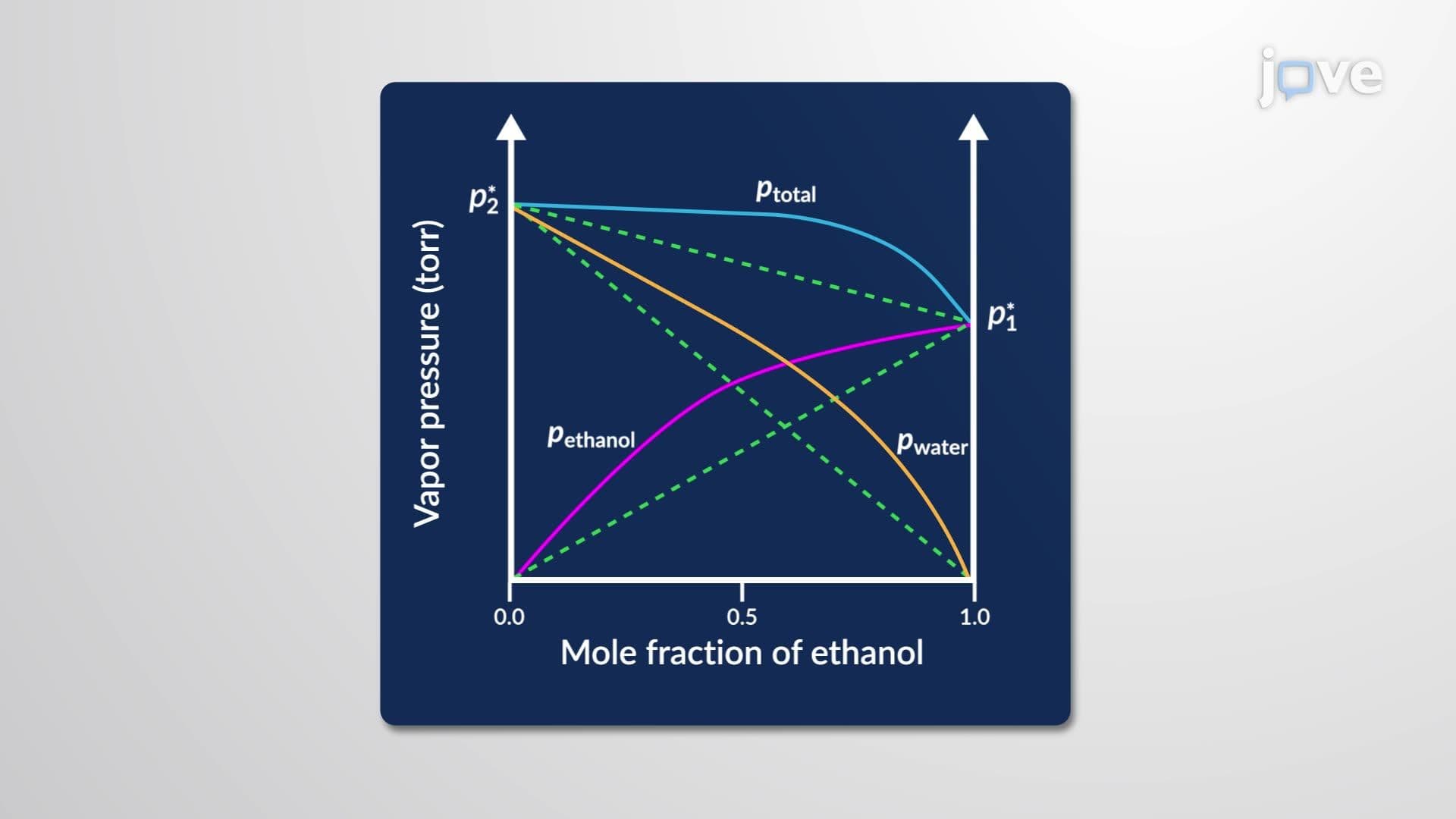
This behavior is analogous, in concept, to an azeotrope in vapor-liquid systems, where a specific mixture composition also behaves as if it were a pure substance during phase transitions. Just as azeotropes resist separation by fractional distillation, eutectic mixtures resist compositional change during melting or freezing.
During cooling at the eutectic composition, temperature remains constant for a period, this is called the eutectic halt. The Gibbs phase rule (F = C − P + 2) explains why. At the eutectic point in a two-component (C = 2) system, three phases coexist (liquid, solid A, and solid B), giving zero degrees of freedom (F = 0). This means temperature and pressure are fully fixed, the system cannot change temperature until one phase disappears completely.
This principle appears frequently on AP Chemistry free-response questions and college midterms focused on phase diagrams for binary mixtures. Students are often asked to identify the number of phases, degrees of freedom, or to apply the lever rule to determine phase proportions within a two-phase region.
Eutectic systems aren't just textbook abstractions. The solder used in American electronics (historically tin-lead, now often tin-silver-copper alloys) is chosen specifically for its eutectic or near-eutectic composition, ensuring consistent, low-temperature melting for reliable circuit board assembly. In the pharmaceutical industry, eutectic mixtures are used to improve drug solubility and bioavailability. Understanding solid-liquid equilibrium and how to analyze multiple-component systems gives students and professionals the tools to design better materials from the ground up.
Related Micro-courses