Loading video…


 13 Concepts
 29.6K views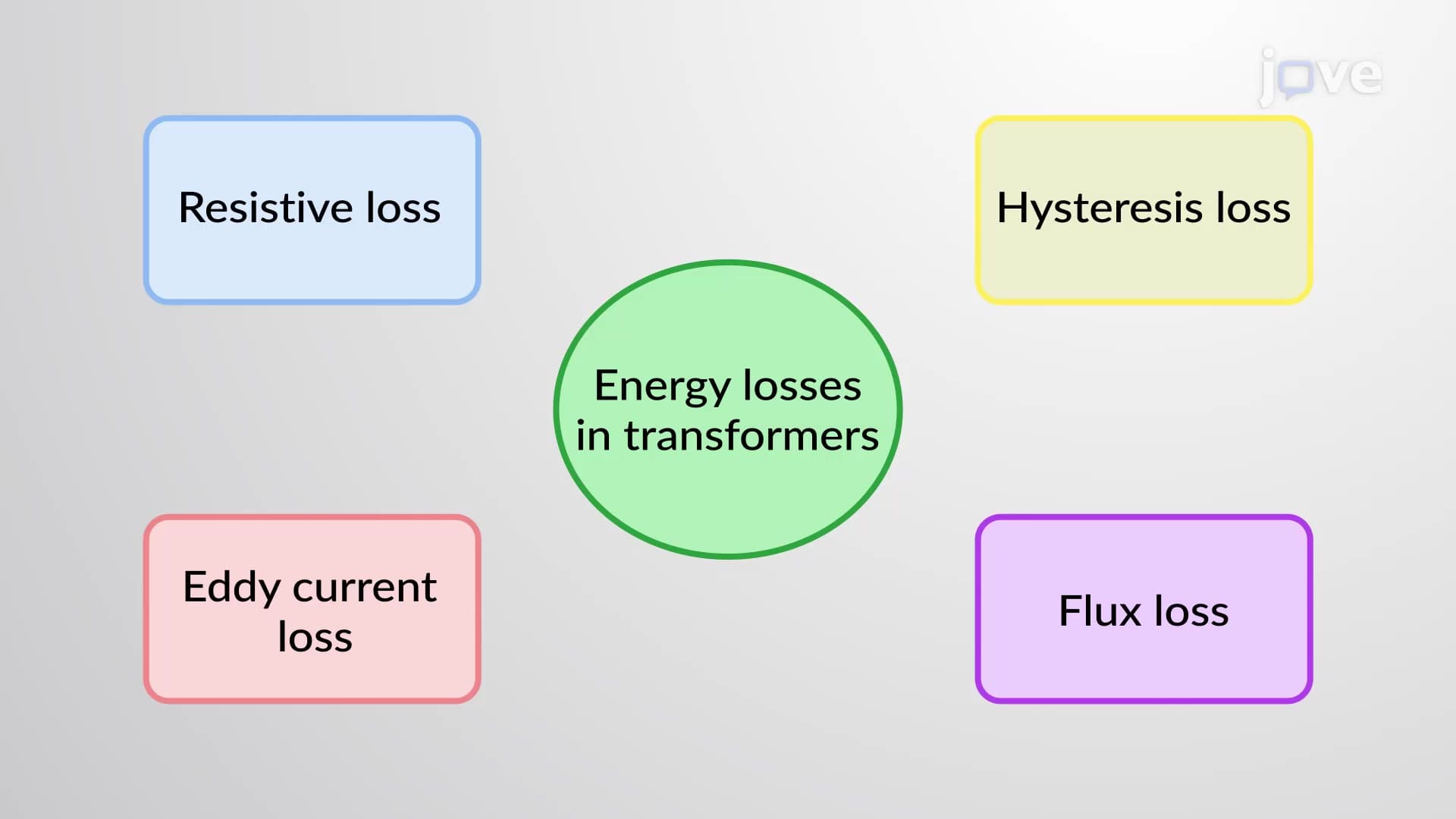

Video Summary: What are Energy Losses in Transformers
Ever wonder why your phone charger gets warm? Energy losses in transformers cause this heating, reducing efficiency in everything from cell phone adapters to massive power grid substations across the United States. These losses occur through four primary mechanisms: resistive heating in copper windings, eddy currents in iron cores, hysteresis effects from magnetic cycling, and flux leakage between coils. Understanding what are energy losses in transformers helps explain why power companies invest billions in efficient distribution systems. Watch the full video on JoVE Coach to master this concept with expert-led visuals and step-by-step explanations.
Energy losses in transformers represent unavoidable power dissipation that reduces efficiency and generates heat. These losses occur because real transformers cannot achieve perfect energy transfer due to physical limitations in materials and construction. In the United States, transformer losses account for approximately 2-3% of all electrical energy generated, making efficiency improvements economically significant for utilities serving millions of customers.
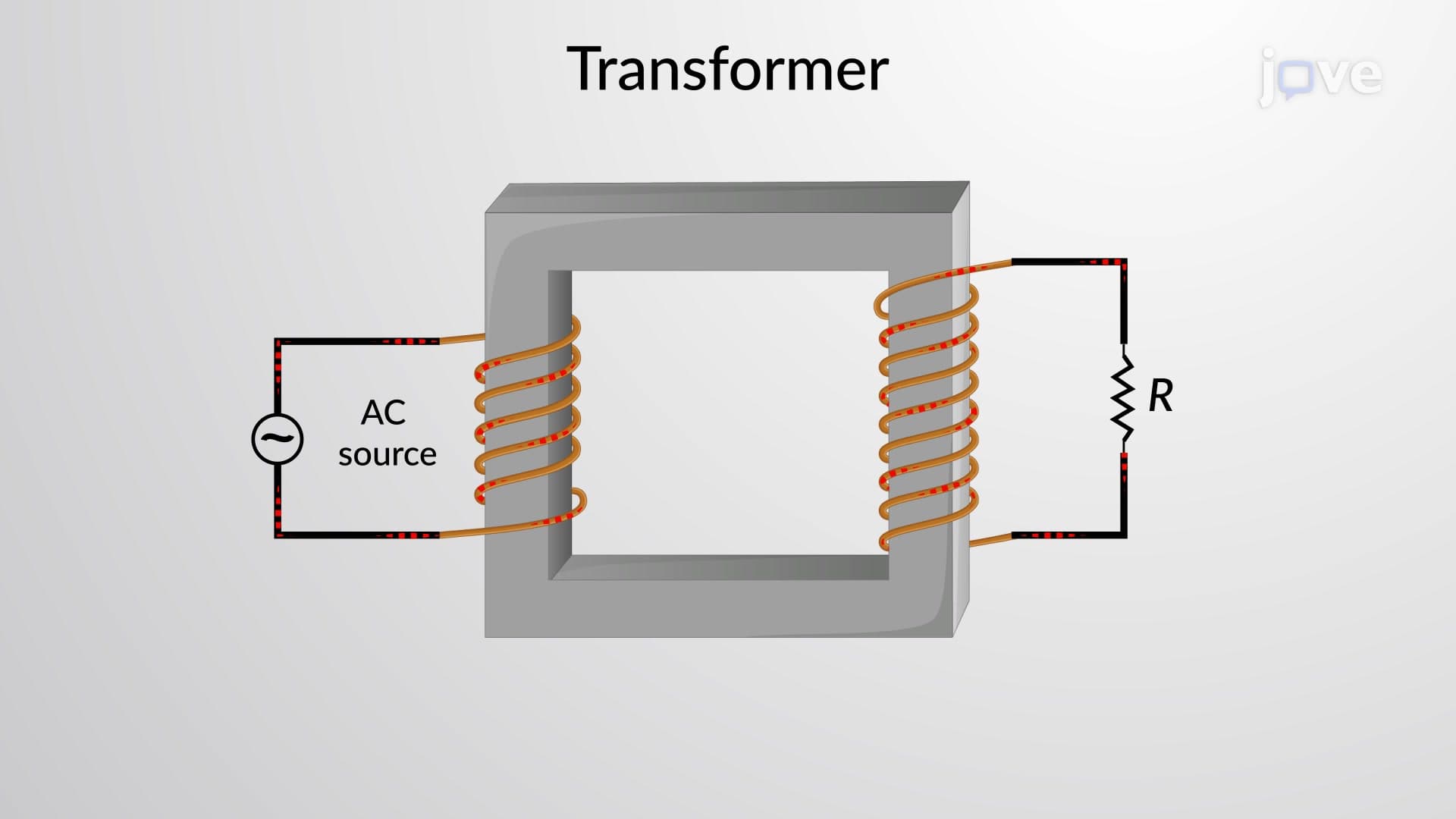
The four primary types of energy losses in transformers fall into two categories. Copper losses include resistive heating from current flow through windings. When electricity passes through transformer coils, the finite resistance of copper wire converts electrical energy to heat following Joule's law: P = I²R. Engineers minimize these losses by using larger wire gauges, reducing resistance, though this increases material costs and transformer size.
Core losses encompass eddy current, hysteresis, and flux losses. Eddy currents are circular currents induced in the iron core by changing magnetic fields. These currents serve no useful purpose but generate significant heat. US transformer manufacturers combat this by using laminated cores-thin steel sheets insulated from each other-which restrict eddy current paths and dramatically reduce losses.
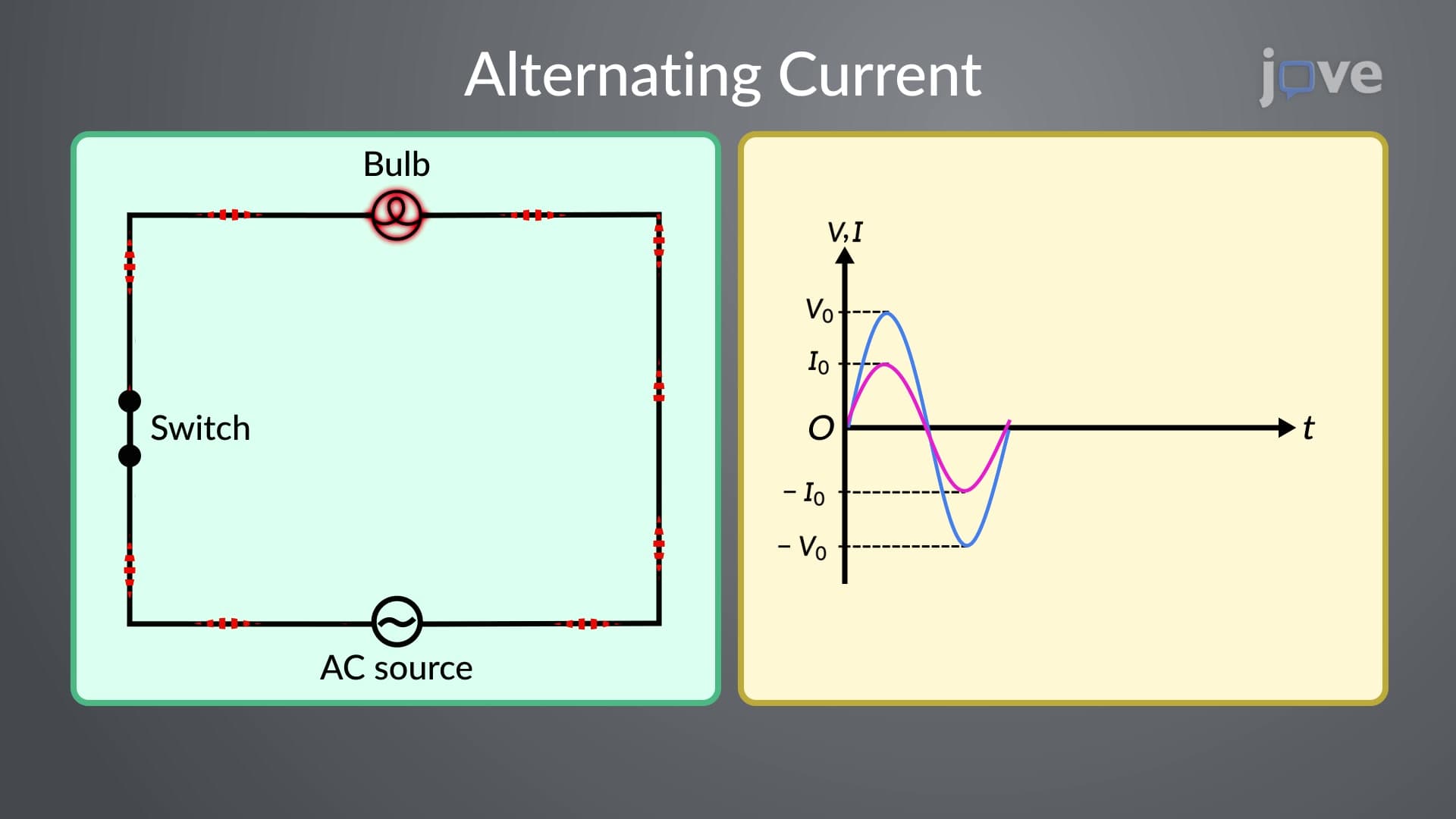
Hysteresis loss occurs during the magnetization-demagnetization cycle as AC current alternates direction 60 times per second in US power systems. Iron atoms resist changing magnetic alignment, dissipating energy as heat. High-permeability silicon steel reduces this loss by making magnetic domain switching easier. This concept frequently appears on AP Physics exams when students analyze transformer efficiency calculations.
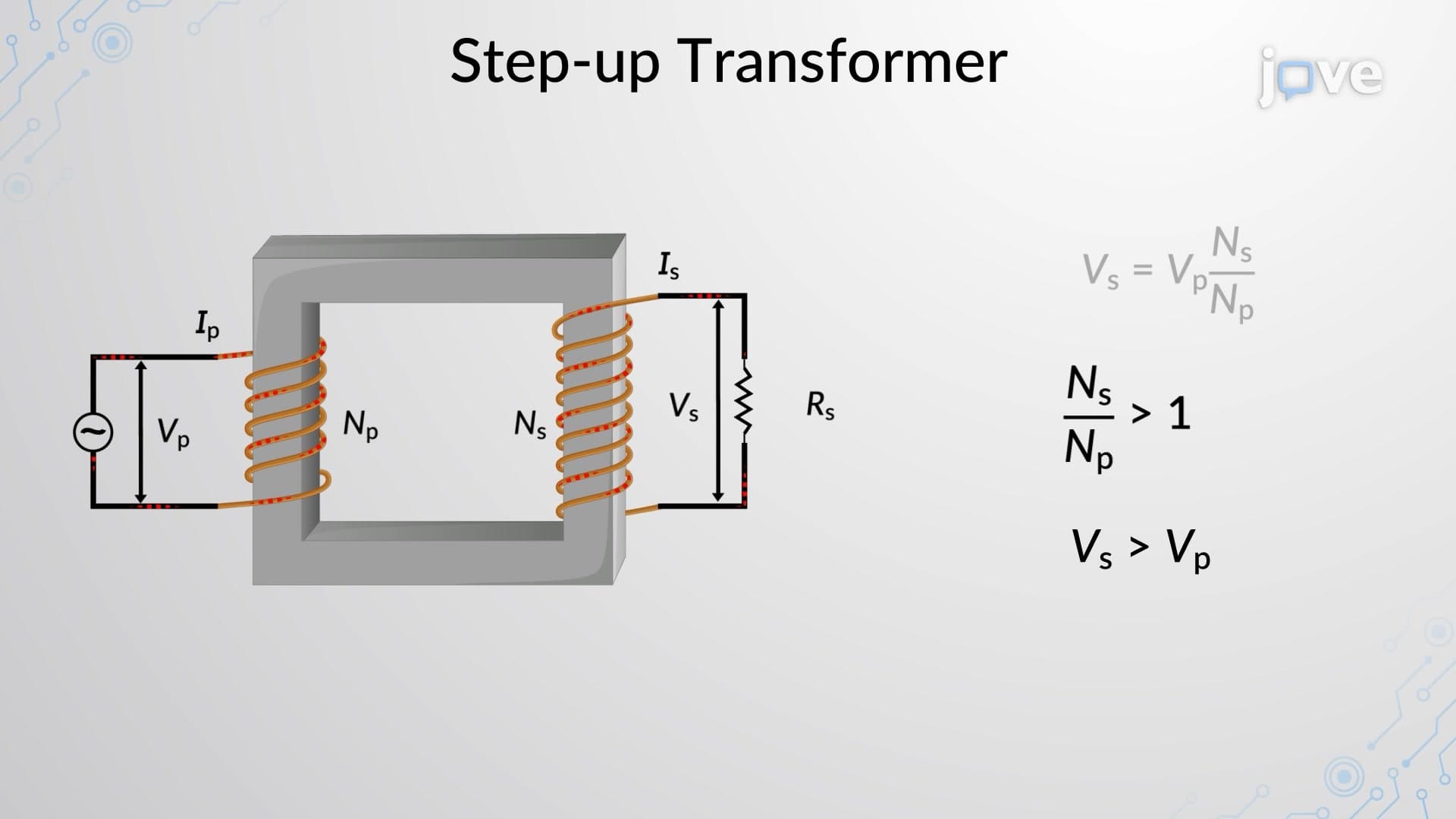
Flux loss happens when magnetic field lines fail to link primary and secondary windings completely. Some magnetic flux "leaks" into surrounding air rather than transferring energy. Shell-type transformer designs minimize this by surrounding windings with iron core material, providing a low-reluctance path for magnetic flux.
Transformer efficiency typically ranges from 95-99% in modern designs, with losses becoming more significant under heavy load conditions. For example, distribution transformers serving residential neighborhoods in California must maintain high efficiency standards to reduce grid strain during peak summer air conditioning demand. Students preparing for college engineering courses should understand that efficiency equals output power divided by input power, with losses representing the difference between these values.
Related Micro-courses