Loading video…


 13 Concepts
 29.6K views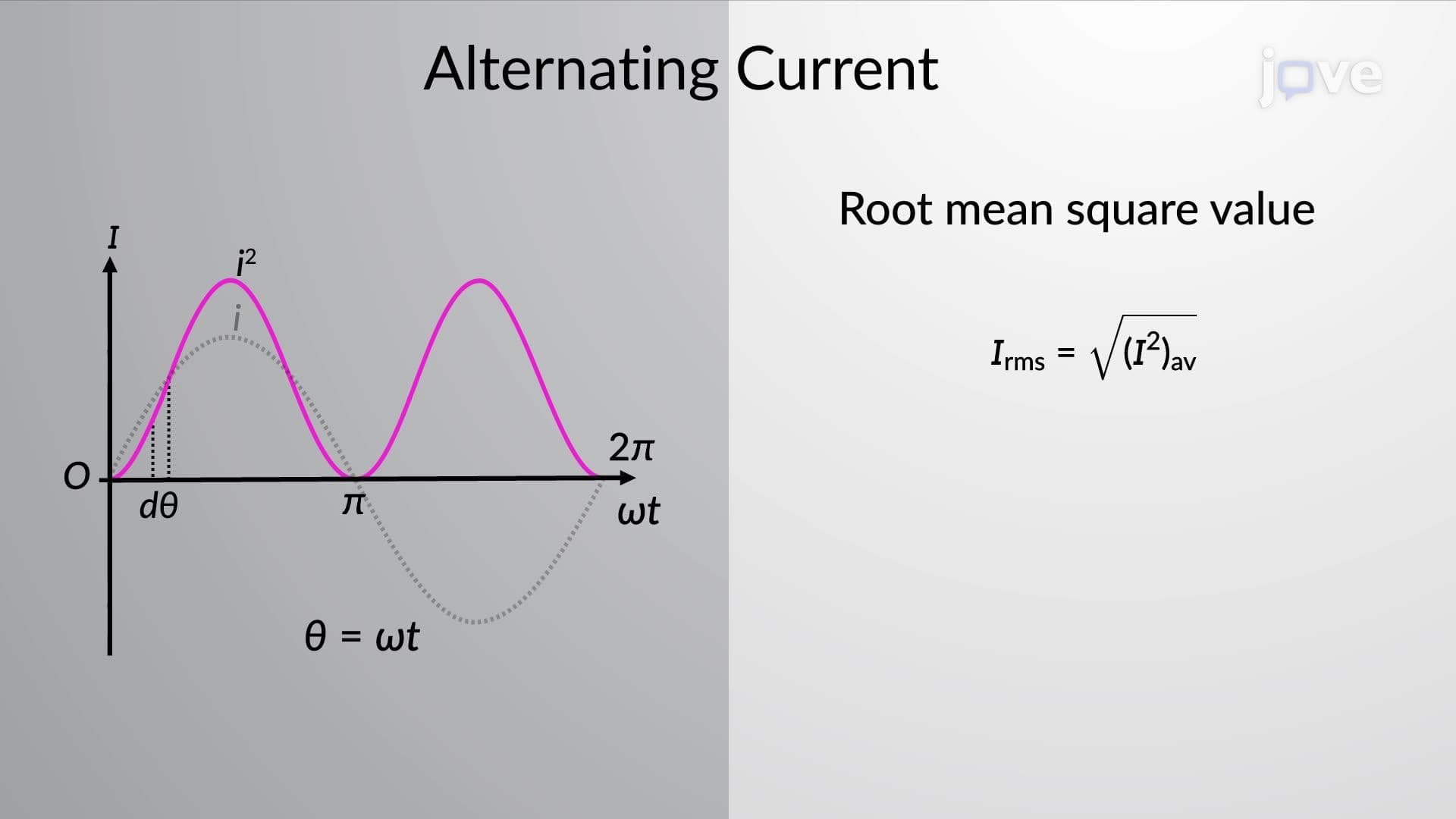

Video Summary: What Is Rms Value
Ever wondered why your home's electrical outlets are labeled 120V when the actual voltage constantly changes? The rms value provides the answer to this electrical mystery that powers everything from your smartphone charger to industrial motors across the United States. In alternating current (AC) circuits, the rms value represents the effective value that produces the same heating effect as an equivalent direct current, making it essential for understanding household electricity and electrical engineering applications. Watch the full video on JoVE Coach to master this concept with expert-led visuals and step-by-step explanations.
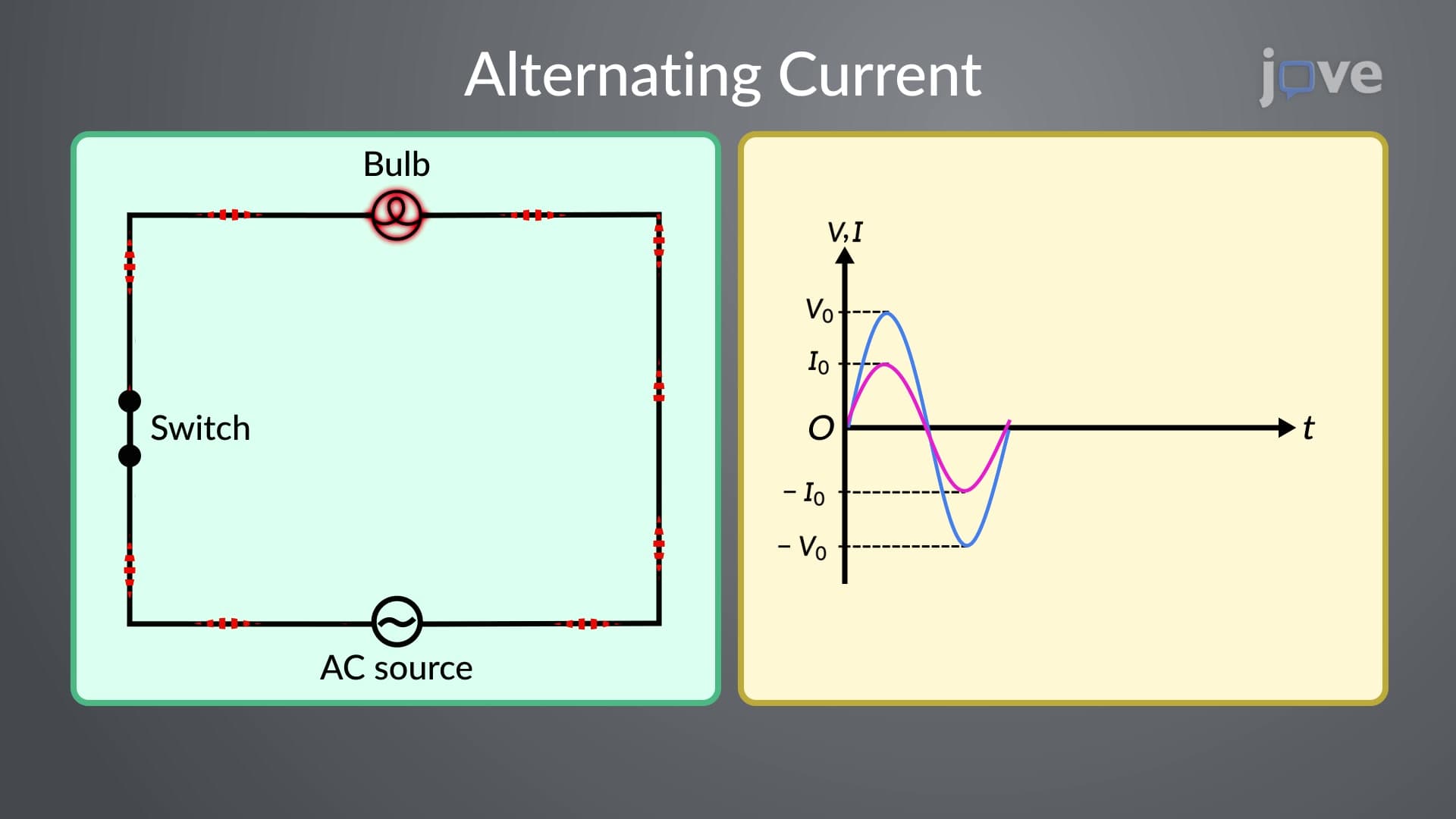
The rms value (root-mean-square value) represents one of the most important concepts in alternating current analysis. Unlike direct current, which maintains a constant value, alternating current continuously varies in magnitude and direction. This variation creates a unique challenge: how do we measure the "effective" value of a constantly changing quantity?
The rms value solves this problem by providing a single number that represents the equivalent heating effect of an AC signal compared to a DC signal. When electrical engineers specify that household voltage is 120V AC, they're referring to the rms value, not the peak voltage, which actually reaches approximately 170V.
The rms value definition stems from a three-step mathematical process. First, we square each instantaneous value of the alternating current or voltage. Second, we find the mean (average) of these squared values over one complete cycle. Finally, we take the square root of this mean value, hence the name "root-mean-square."
Mathematically, for a sinusoidal AC signal: Irms = Ipeak / √2 ≈ 0.707 × Ipeak. This relationship applies to pure sinusoidal waveforms commonly found in US power systems. For other waveforms, the calculation requires integration over the complete cycle period.
Understanding what is rms value in detail becomes crucial when analyzing real-world electrical systems. The 120V standard in American homes represents the rms value that safely delivers power to appliances while maintaining consistent performance. This standardization allows manufacturers to design equipment that operates reliably across the US electrical grid.
In industrial applications, three-phase power systems use rms values to calculate total power consumption. Engineers working on projects from California's semiconductor fabs to Texas oil refineries rely on rms calculations for motor sizing, transformer ratings, and power quality analysis.
The rms value concept frequently appears in AP Physics courses, college-level electrical engineering programs, and professional certification exams. Students should master the relationship between peak, average, and rms values for both sinusoidal and non-sinusoidal waveforms.
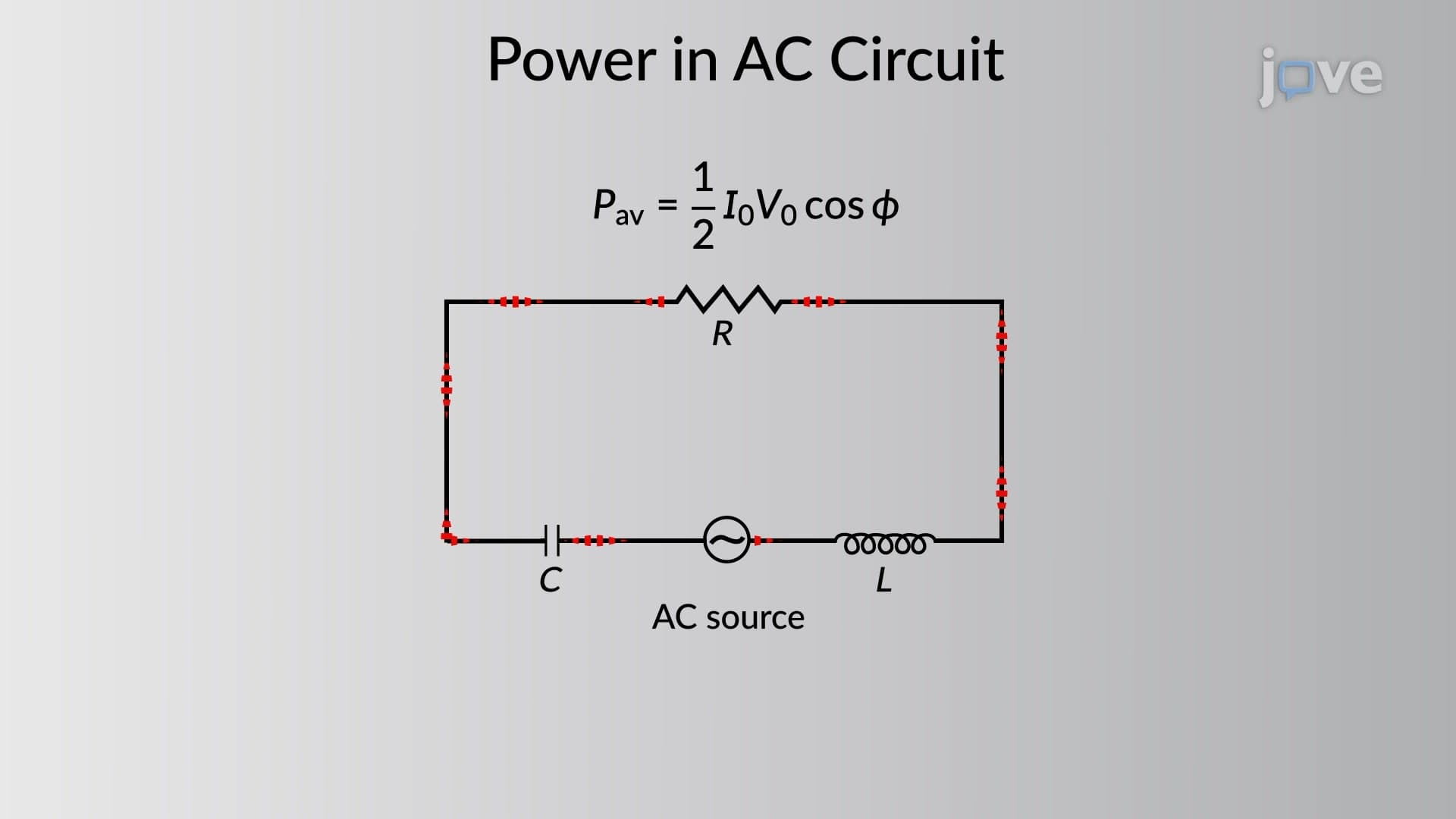
Common exam questions involve calculating power consumption, comparing AC and DC equivalent values, and analyzing circuit behavior under different loading conditions. Understanding that rms values provide the basis for power calculations (P = Vrms × Irms × cos φ for AC circuits) connects this concept to broader electrical engineering principles taught in US universities.
Related Micro-courses