Loading video…


 13 Concepts
 29.6K views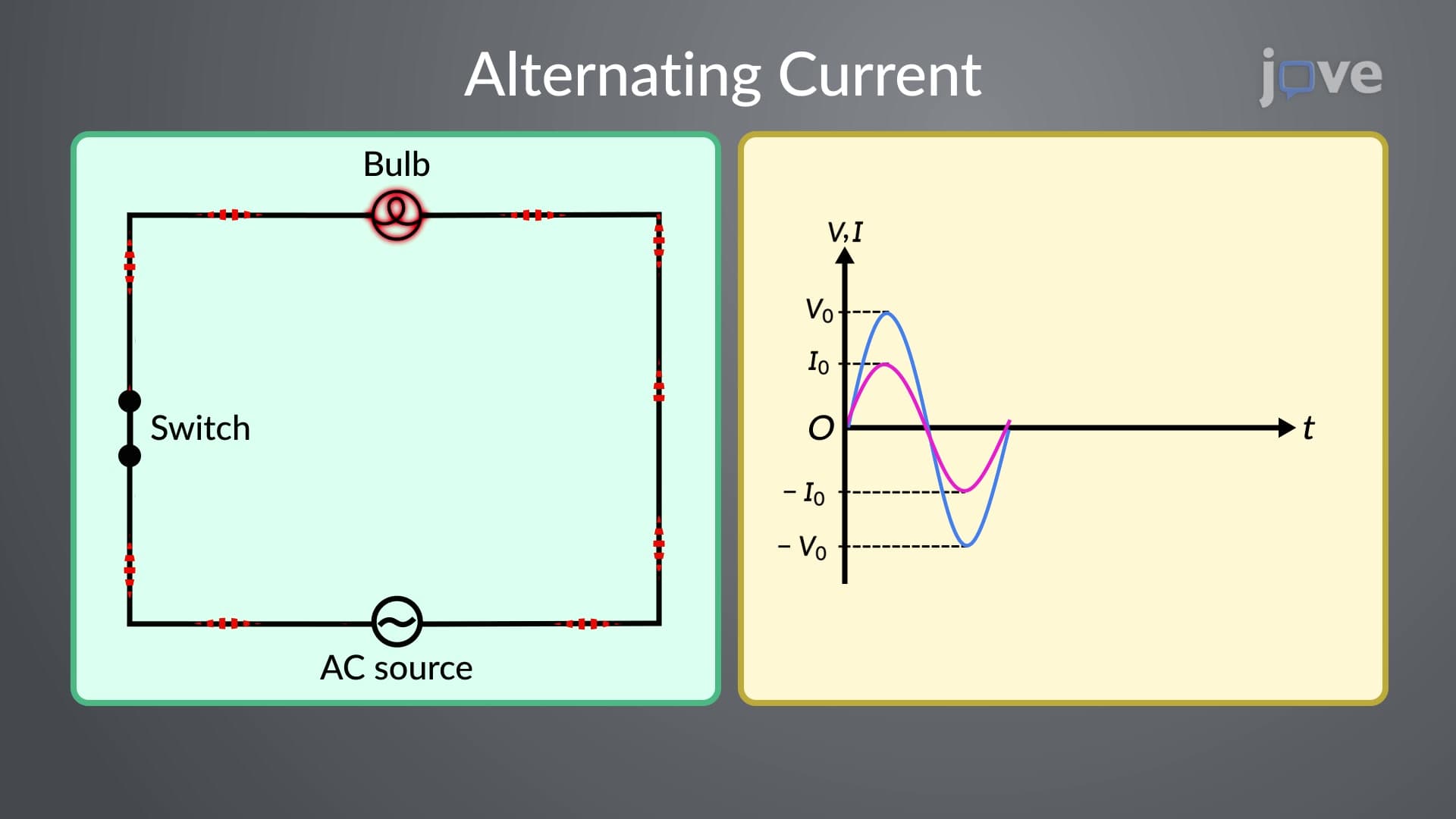

Video Summary: What are Ac Sources
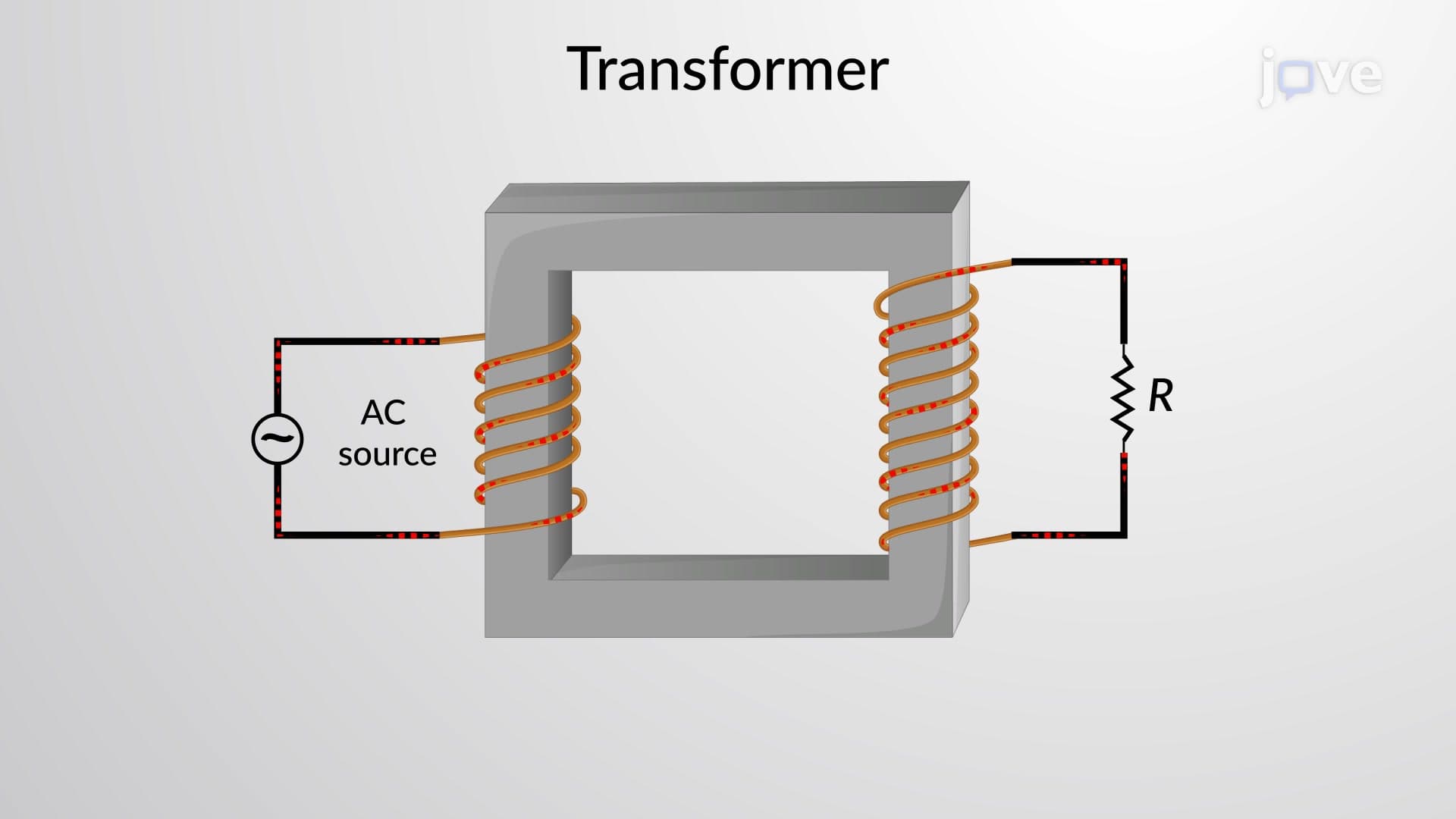
Ever wondered why your iPhone charger gets warm when plugged into the wall? AC sources power nearly every electrical device in American homes, from Tesla charging stations to kitchen microwaves. Unlike batteries that provide steady direct current, AC sources generate electricity that alternates direction periodically, creating the familiar 60 Hz frequency that powers the US electrical grid. Understanding what are AC sources reveals how generators, transformers, and power plants deliver energy efficiently across vast distances. Watch the full video on JoVE Coach to master this concept with expert-led visuals and step-by-step explanations.
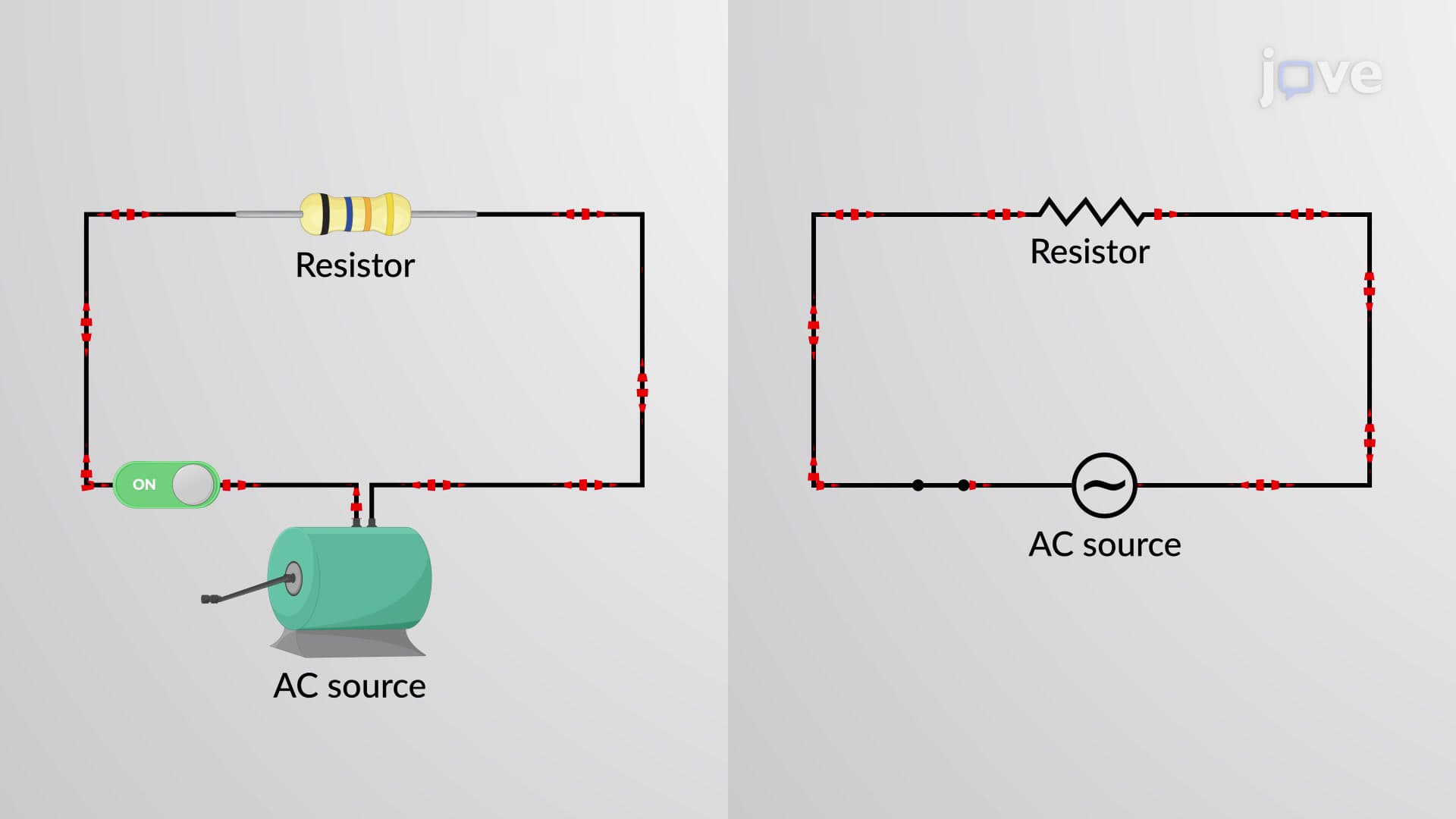
AC sources form the backbone of America's electrical infrastructure, generating power that changes direction periodically unlike the steady flow from batteries. These sources produce alternating current by rotating conductors through magnetic fields, creating the sinusoidal waveforms that characterize most electrical systems. The fundamental principle involves electromagnetic induction, where mechanical energy converts to electrical energy through generator systems.
Power plants represent the most significant AC sources, utilizing steam turbines, hydroelectric generators, and wind farms to produce the 120V/240V electricity standard in US homes. Residential outlets deliver 60 Hz AC power, meaning the current completes 60 complete cycles per second. Smaller AC sources include portable generators for construction sites, automotive alternators that charge car batteries while converting mechanical engine power, and uninterruptible power supplies (UPS) that provide backup AC power during outages.
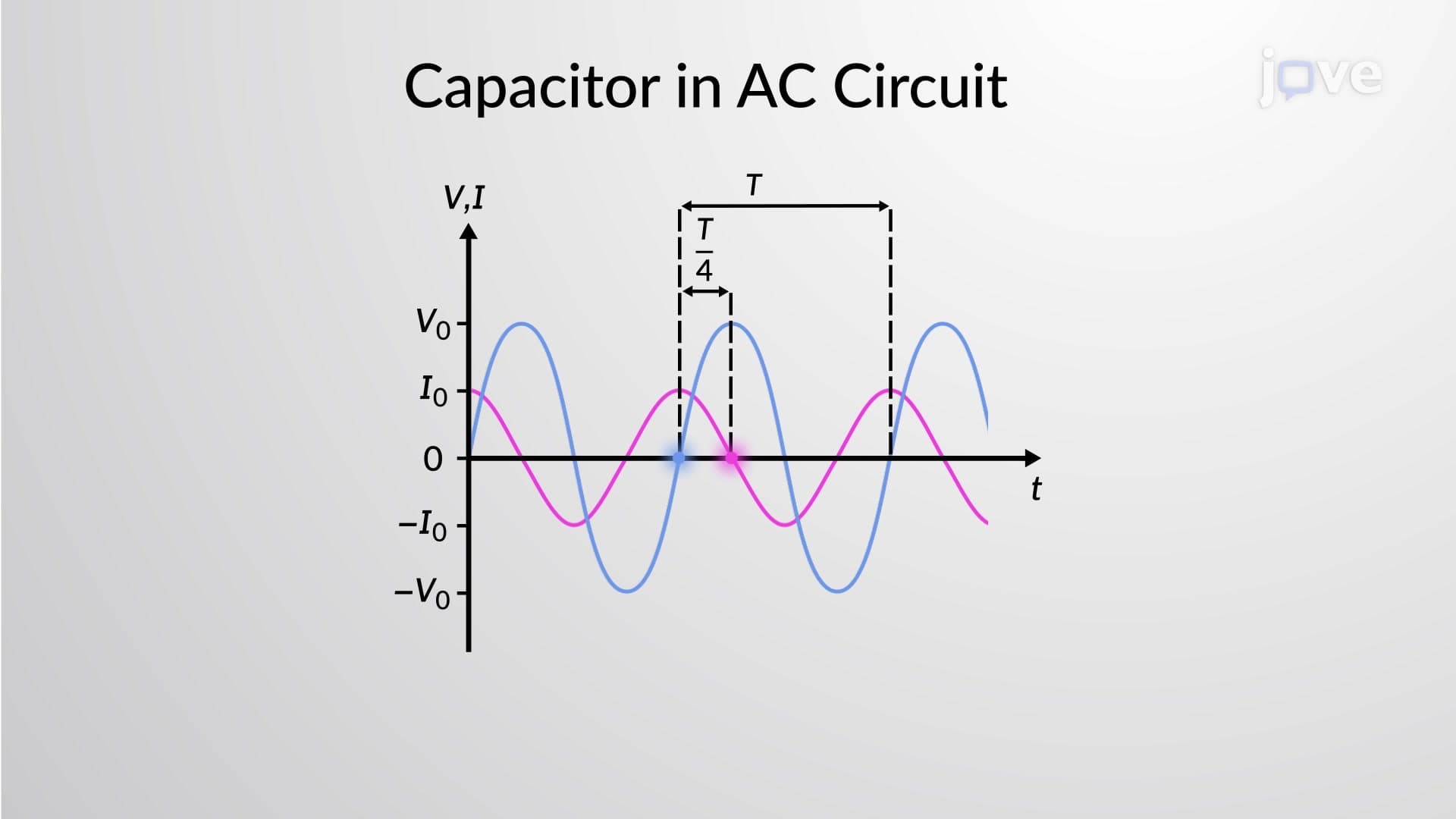
The amplitude of an AC source determines its peak voltage value, while frequency defines how rapidly the current alternates direction. US household current maintains 60 Hz frequency, contrasting with 50 Hz used internationally. Time period represents the duration of one complete cycle, calculated as T = 1/f. These parameters directly impact device compatibility-using 50 Hz appliances on 60 Hz systems can cause motor speed variations and potential damage.
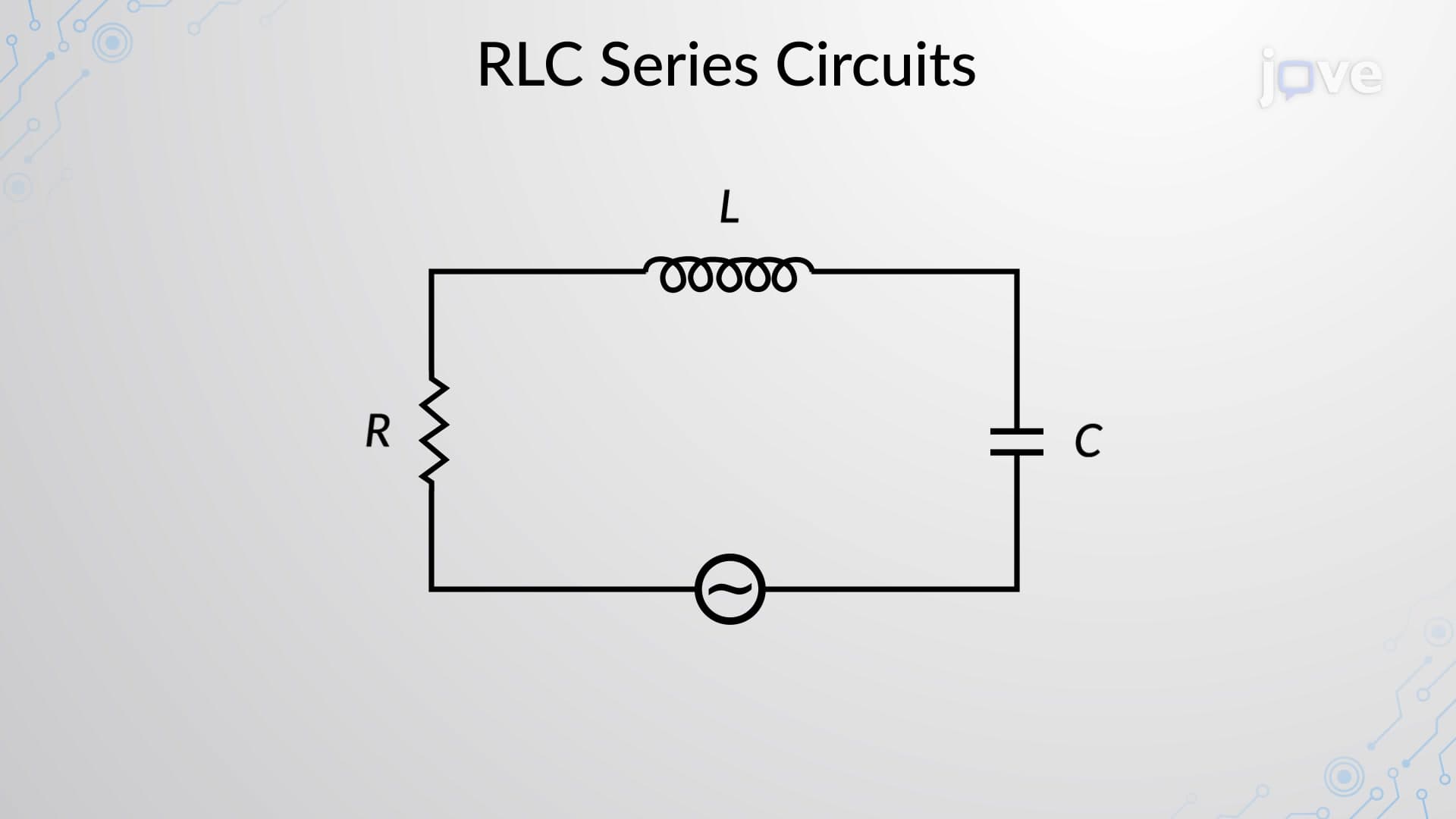
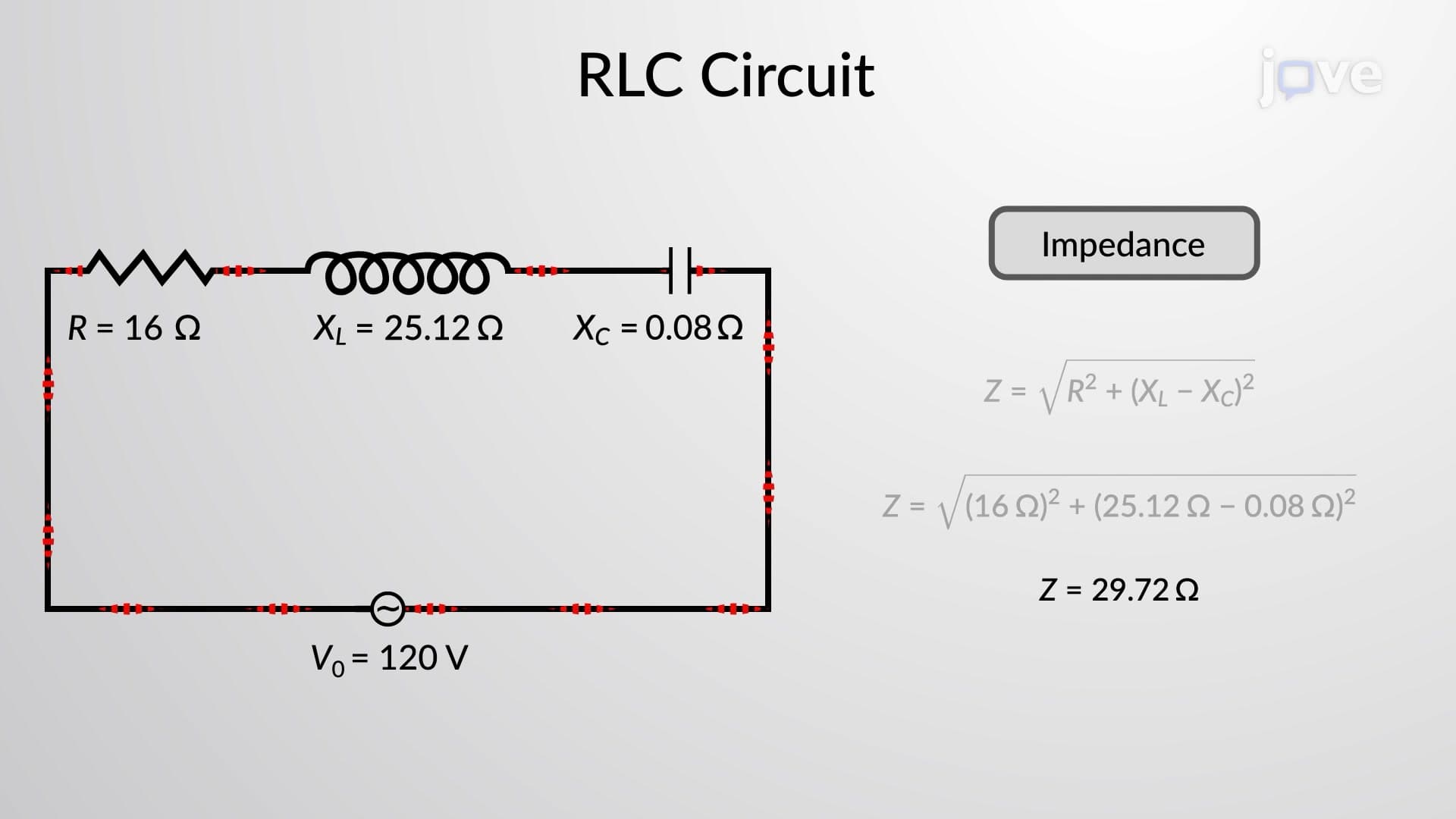
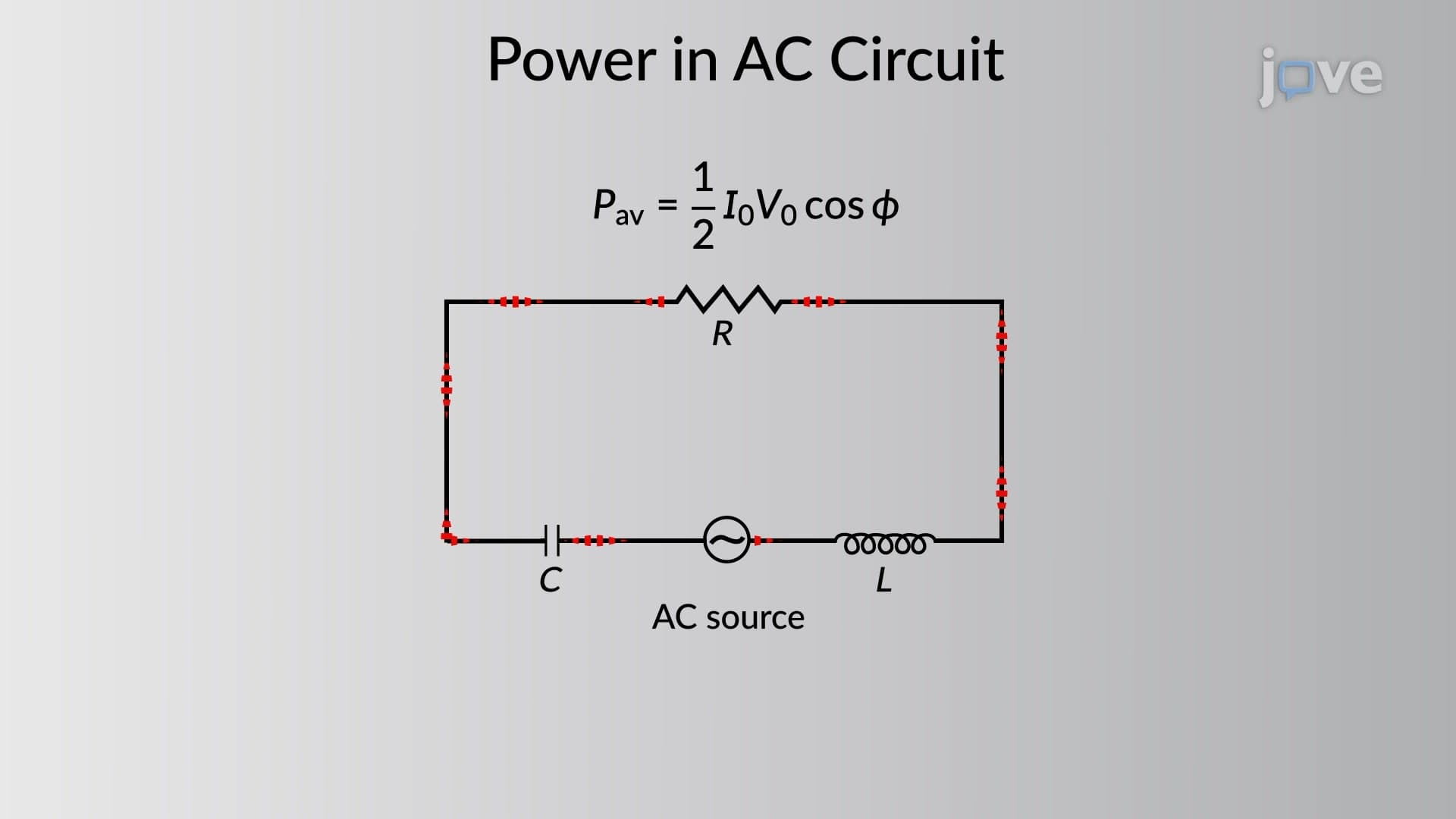
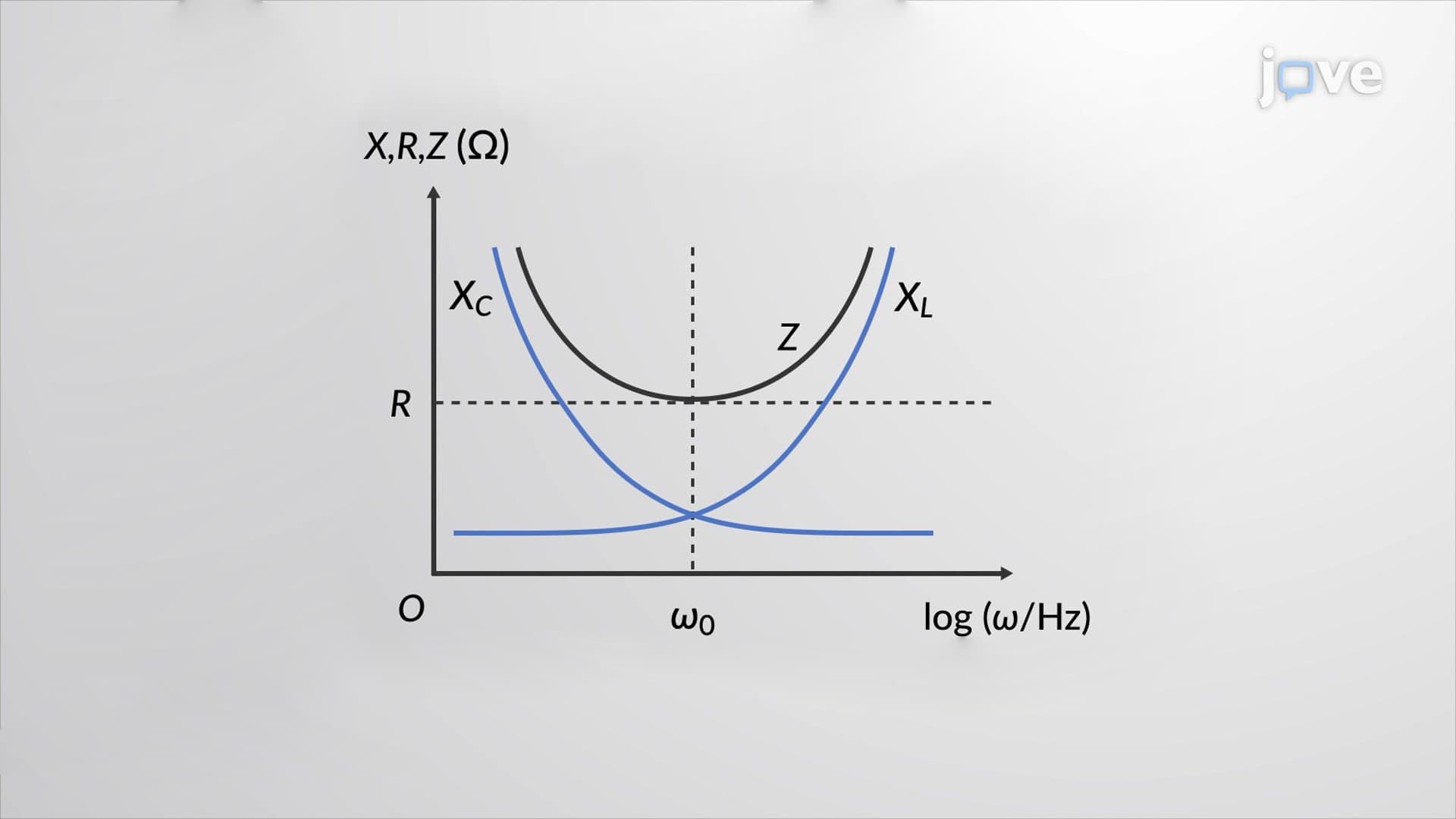
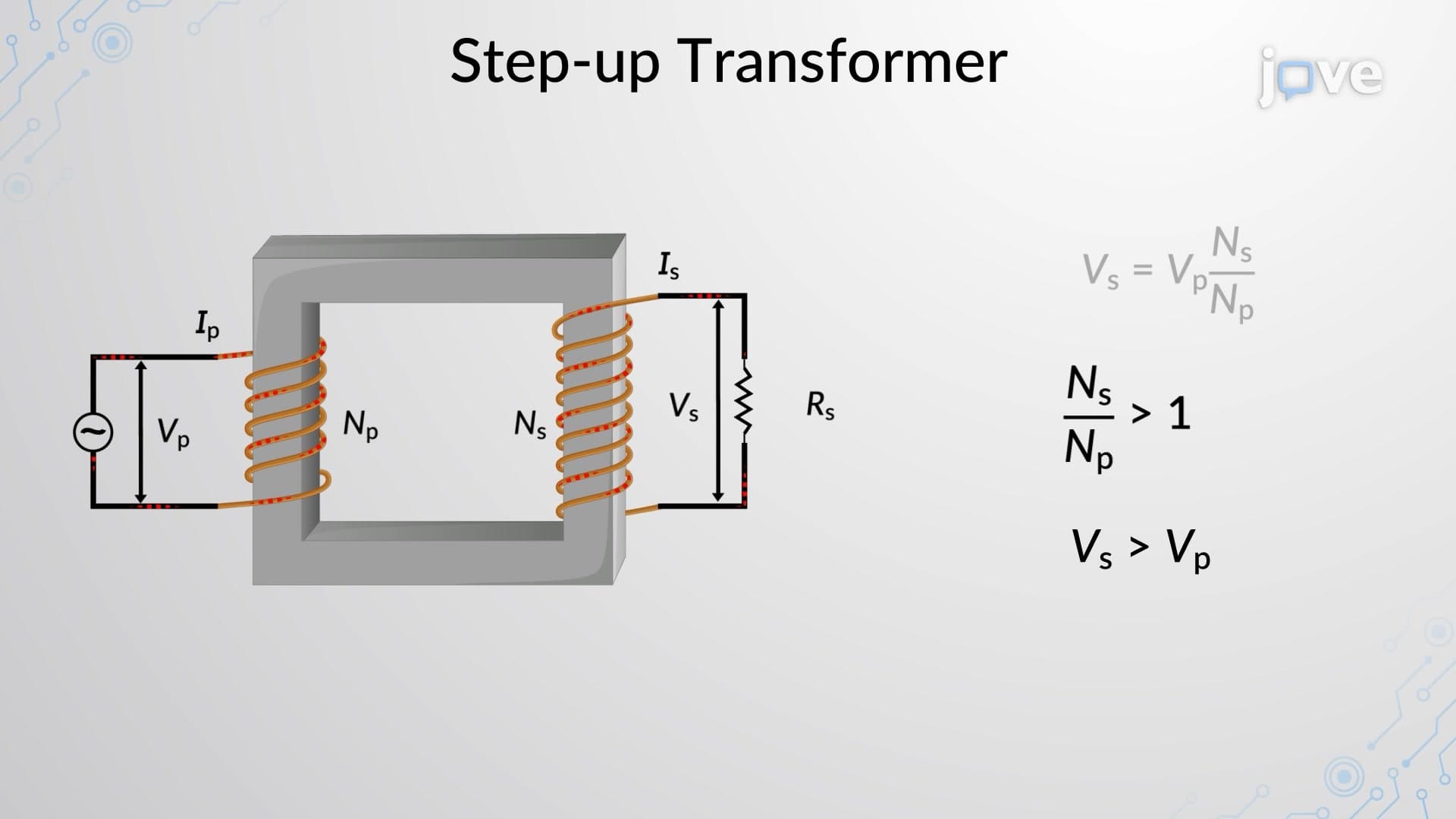
Rectifiers convert AC to DC for electronic devices like laptops and smartphones, while inverters perform the reverse conversion-essential for solar panel systems feeding power back into the grid. This conversion flexibility makes AC sources particularly valuable for power transmission over long distances, where high-voltage AC minimizes energy losses. Students preparing for AP Physics or college electrical engineering courses frequently encounter calculations involving AC source impedance, power factor corrections, and resonance frequencies in RLC circuits.
Related Micro-courses