Loading video…


 13 Concepts
 29.6K views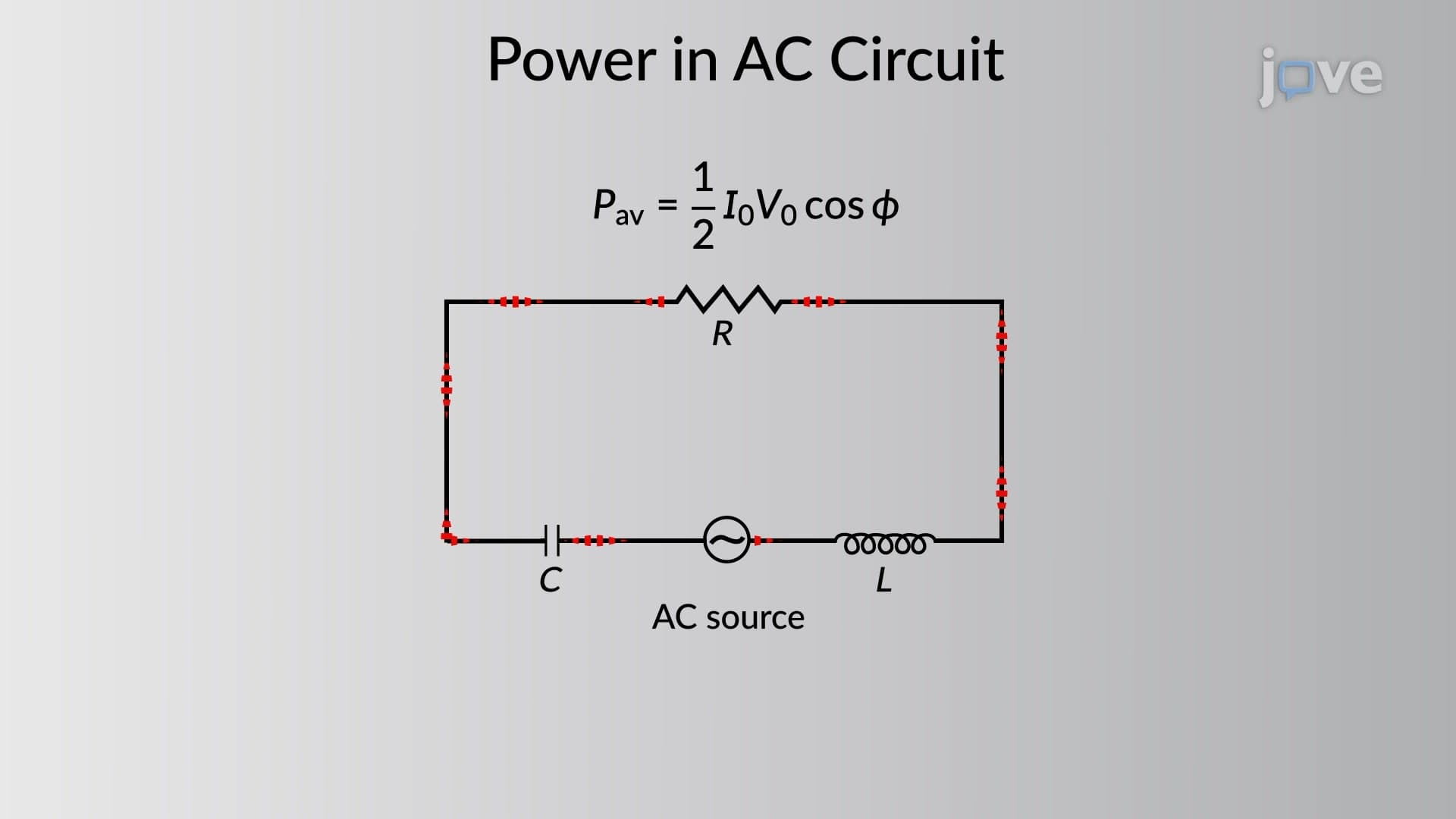

Video Summary: Power in an Ac Circuit Explained
Ever wonder why your smartphone charger gets warm while charging, but your LED lamp stays cool even after hours of use? Understanding power in an AC circuit reveals the fascinating physics behind everyday electrical devices. When alternating current flows through household circuits-like those powering California's electrical grid-the relationship between voltage, current, and time creates unique power characteristics that differ dramatically from simple DC circuits. Watch the full video on JoVE Coach to master this concept with expert-led visuals and step-by-step explanations.
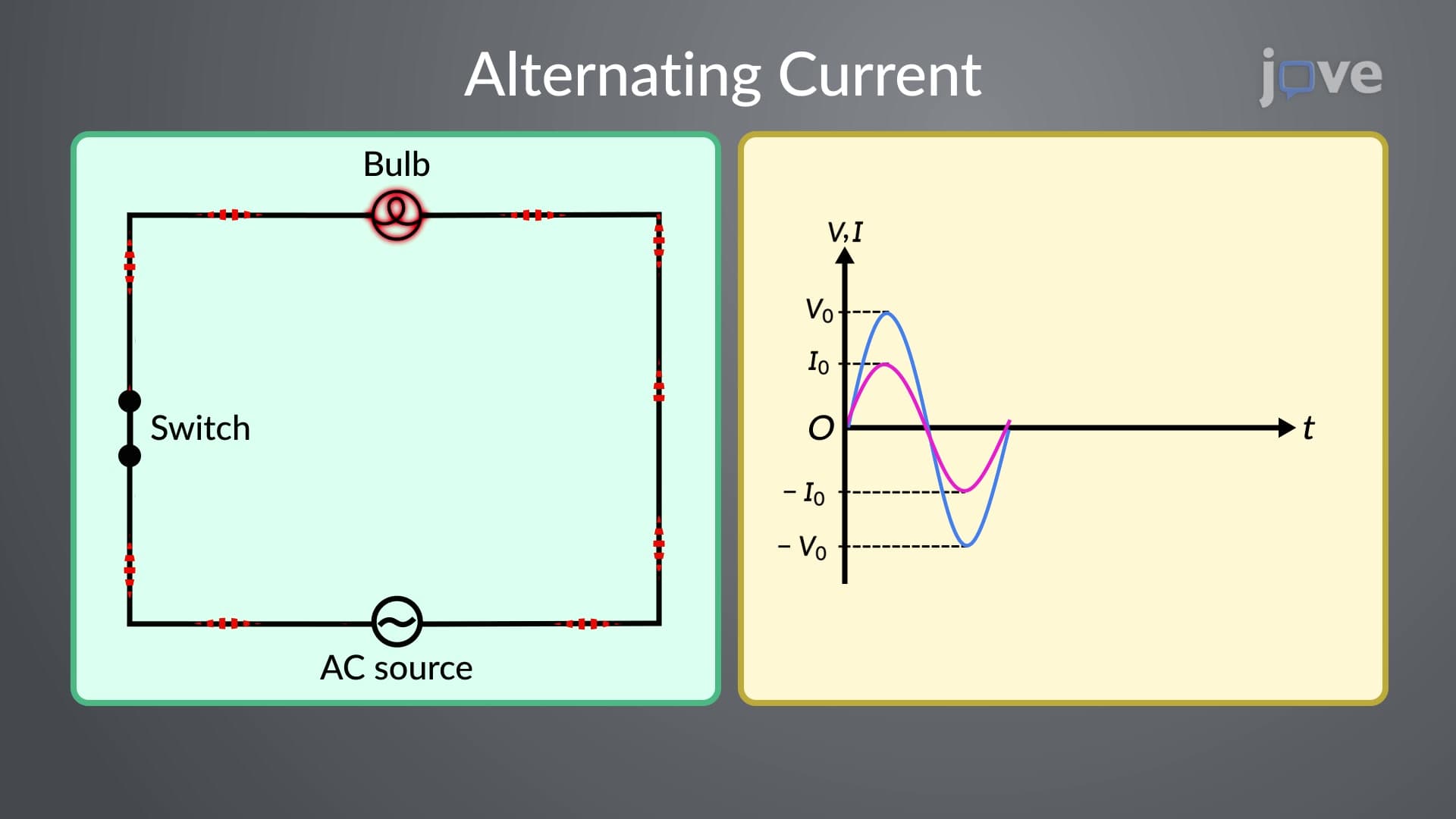
Unlike direct current circuits where power calculations remain constant over time, alternating current introduces a dynamic element that makes power analysis more complex. In AC circuits, both voltage and current oscillate sinusoidally, typically at 60 Hz in the United States electrical grid. This creates instantaneous power that fluctuates continuously, requiring us to focus on average power over complete cycles.
The instantaneous power equation P(t) = V(t) × I(t) reveals that power itself oscillates at twice the frequency of the voltage and current. For a 60 Hz AC system, power fluctuates at 120 Hz-a phenomenon you might notice as a subtle flicker in older fluorescent lights.
The power factor, represented as cos φ (where φ is the phase angle between voltage and current), determines how effectively an AC circuit converts electrical energy into useful work. When voltage and current are perfectly in phase (φ = 0°), the power factor equals 1, representing maximum power transfer efficiency. This occurs in purely resistive loads like electric heaters or incandescent bulbs.
Consider a typical American household: resistive appliances like toasters and hair dryers operate with power factors near 1.0, meaning they efficiently convert electrical energy to heat. However, motors in refrigerators and air conditioners have power factors between 0.7 and 0.9, requiring reactive power that doesn't perform useful work but still affects the electrical system.
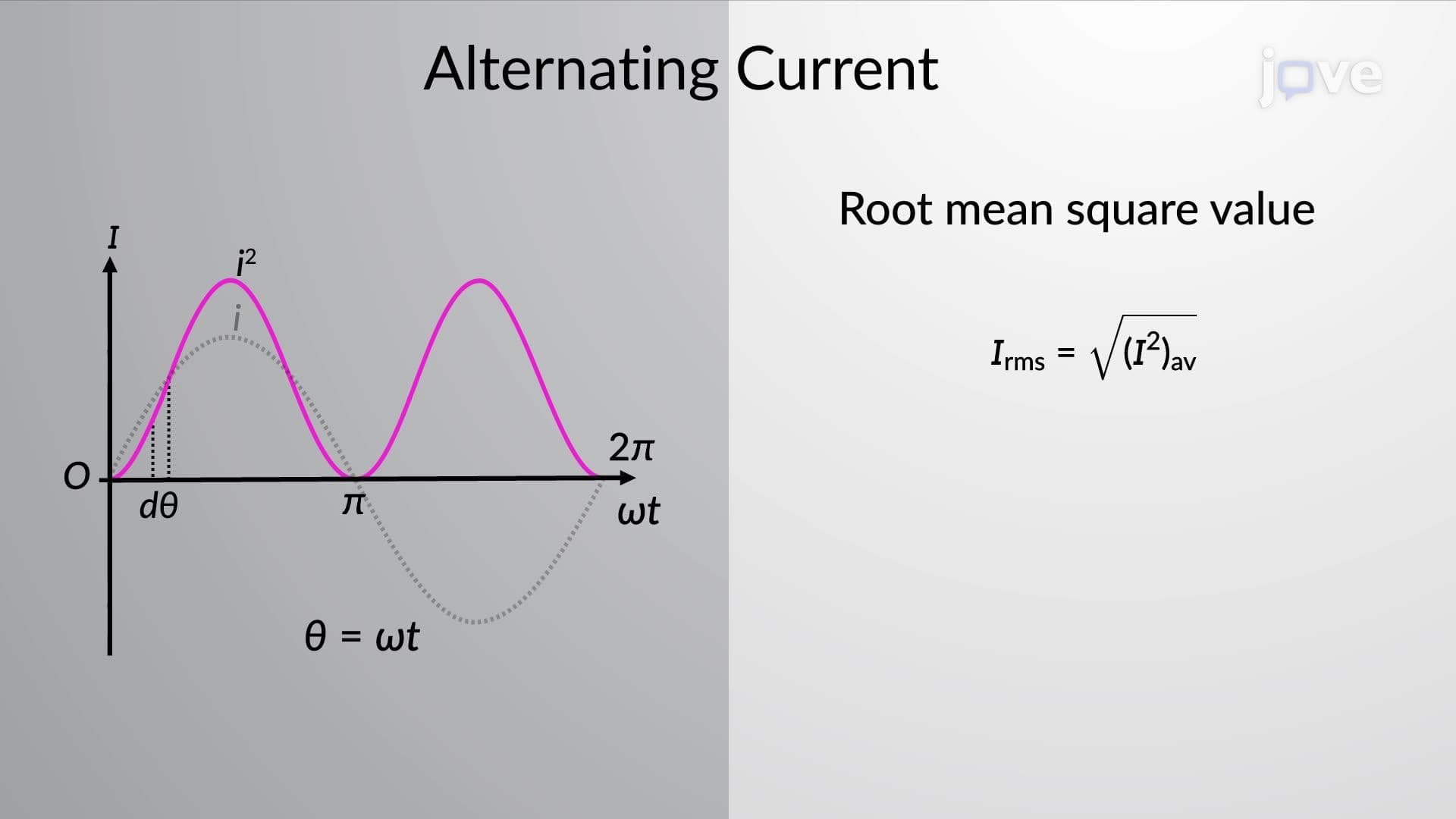
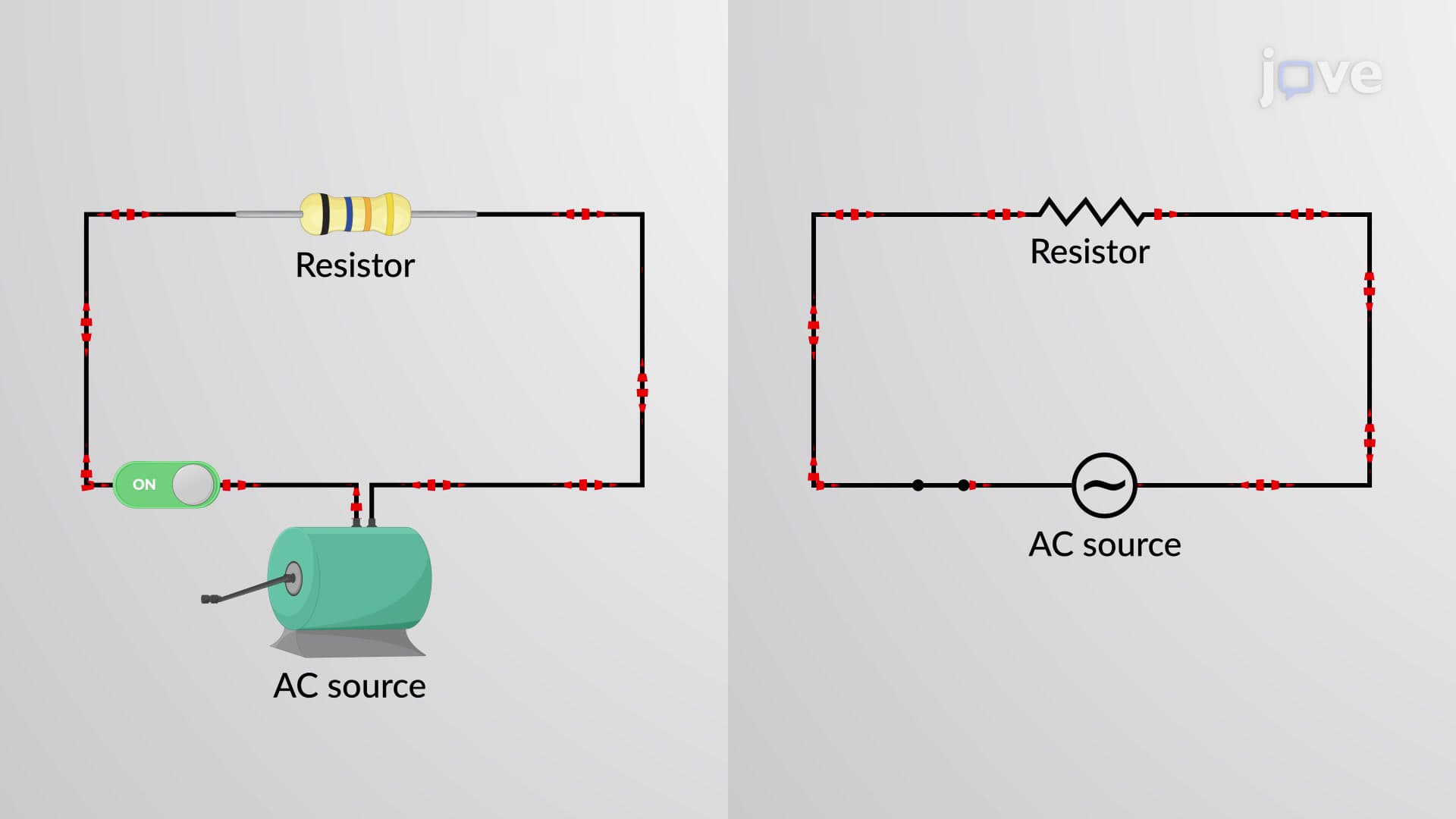
Resistive Elements: In purely resistive circuits, voltage and current remain in phase, resulting in continuous power dissipation. Using RMS values, the average power equals P = I²R = V²/R, identical to DC calculations. This explains why your electric space heater consistently produces heat.
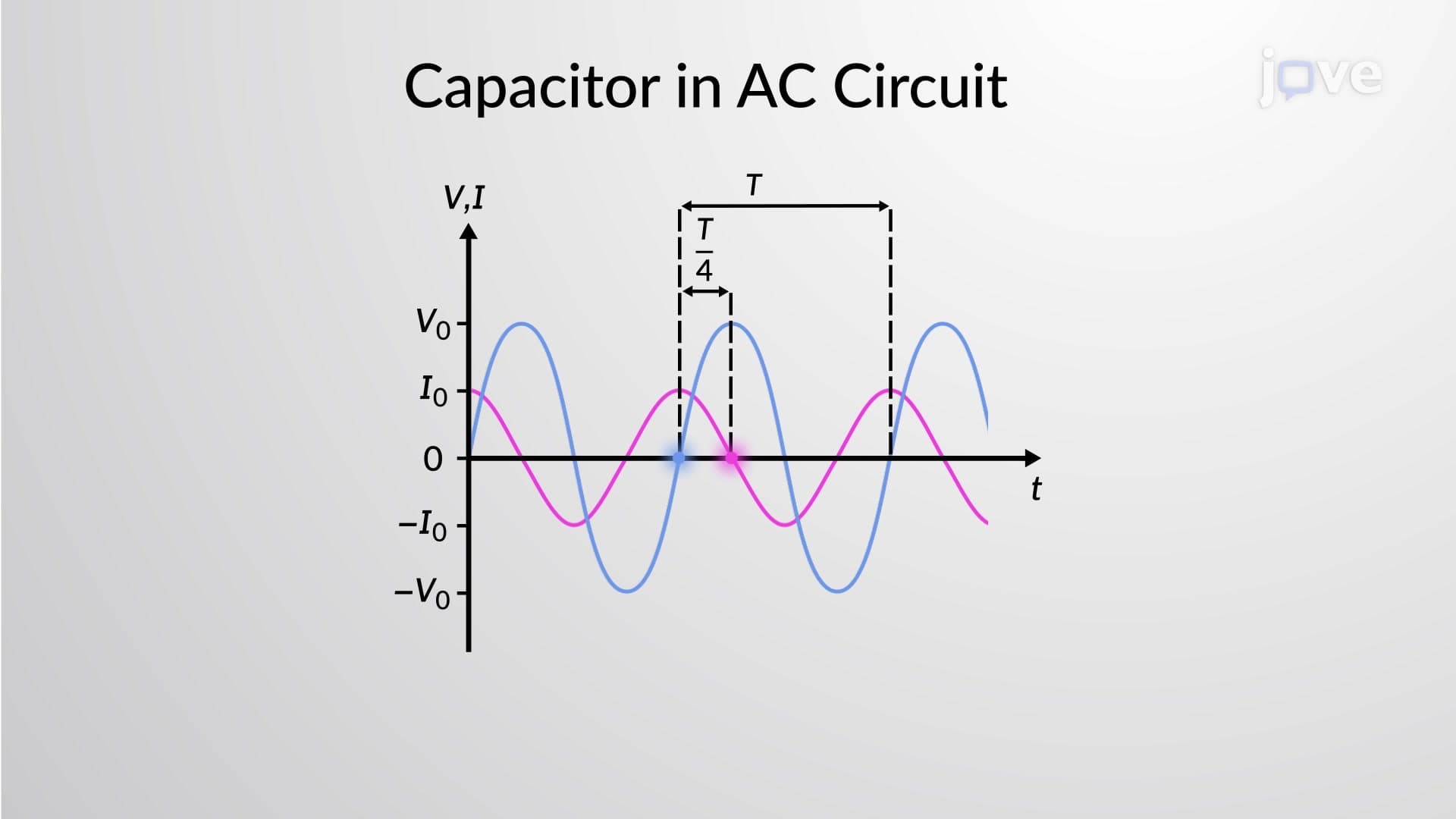
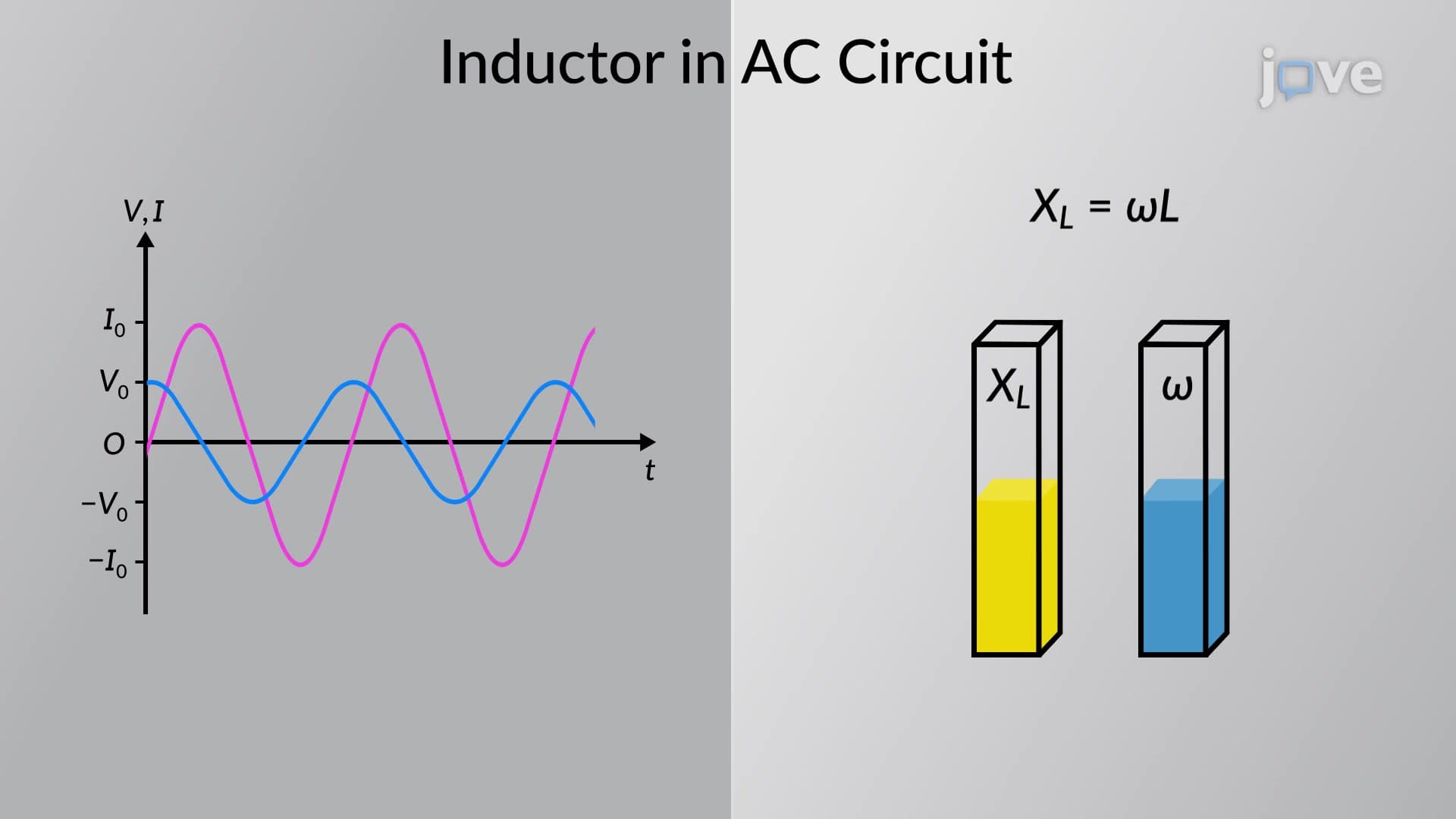
Reactive Elements: Pure capacitors and inductors present fascinating power behavior. While they alternately store and release energy, their average power consumption over complete cycles equals zero. The power factor becomes zero because voltage and current are 90° out of phase. This principle explains why adding capacitors to industrial systems can improve overall power factor without consuming additional energy.
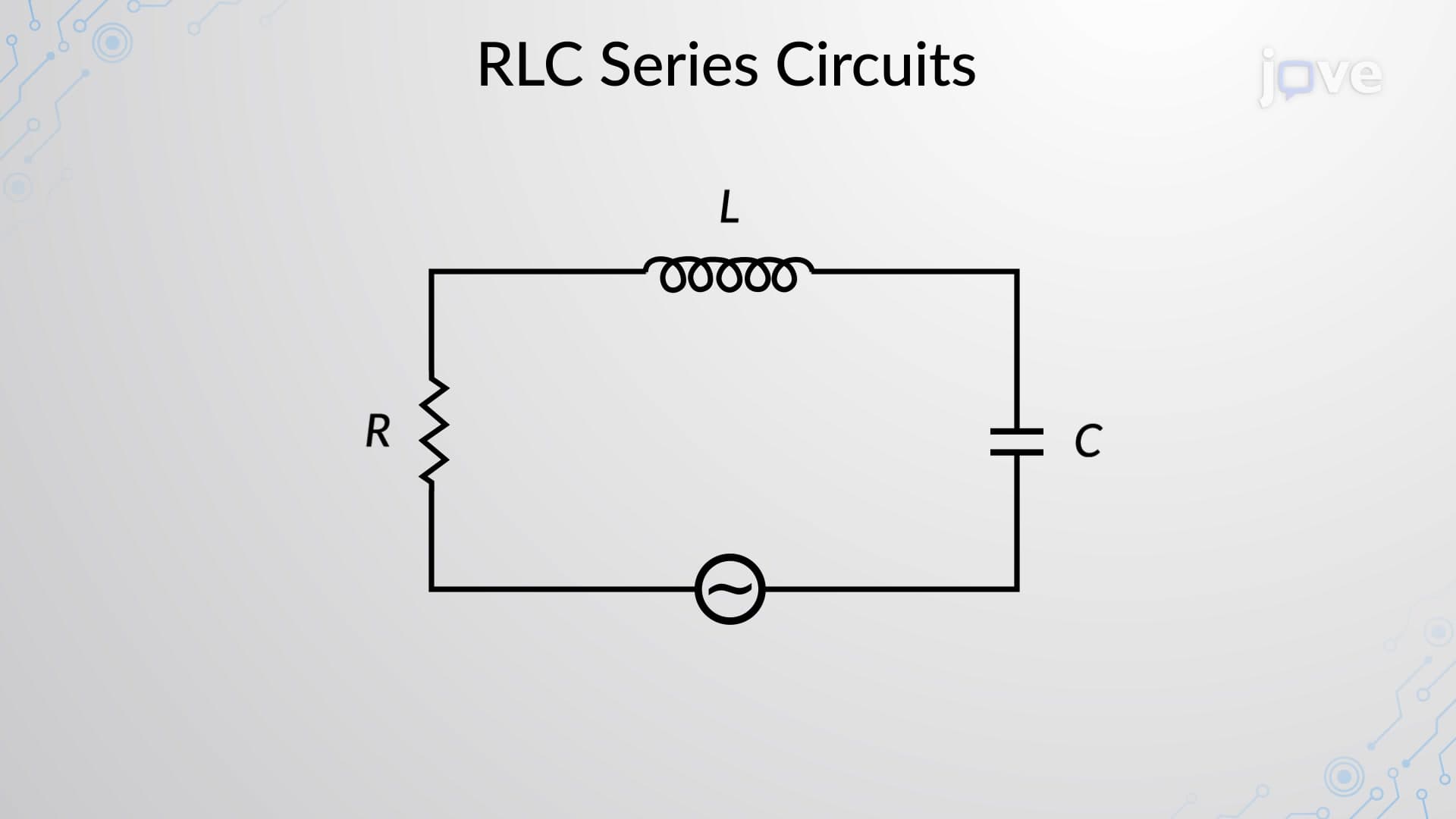
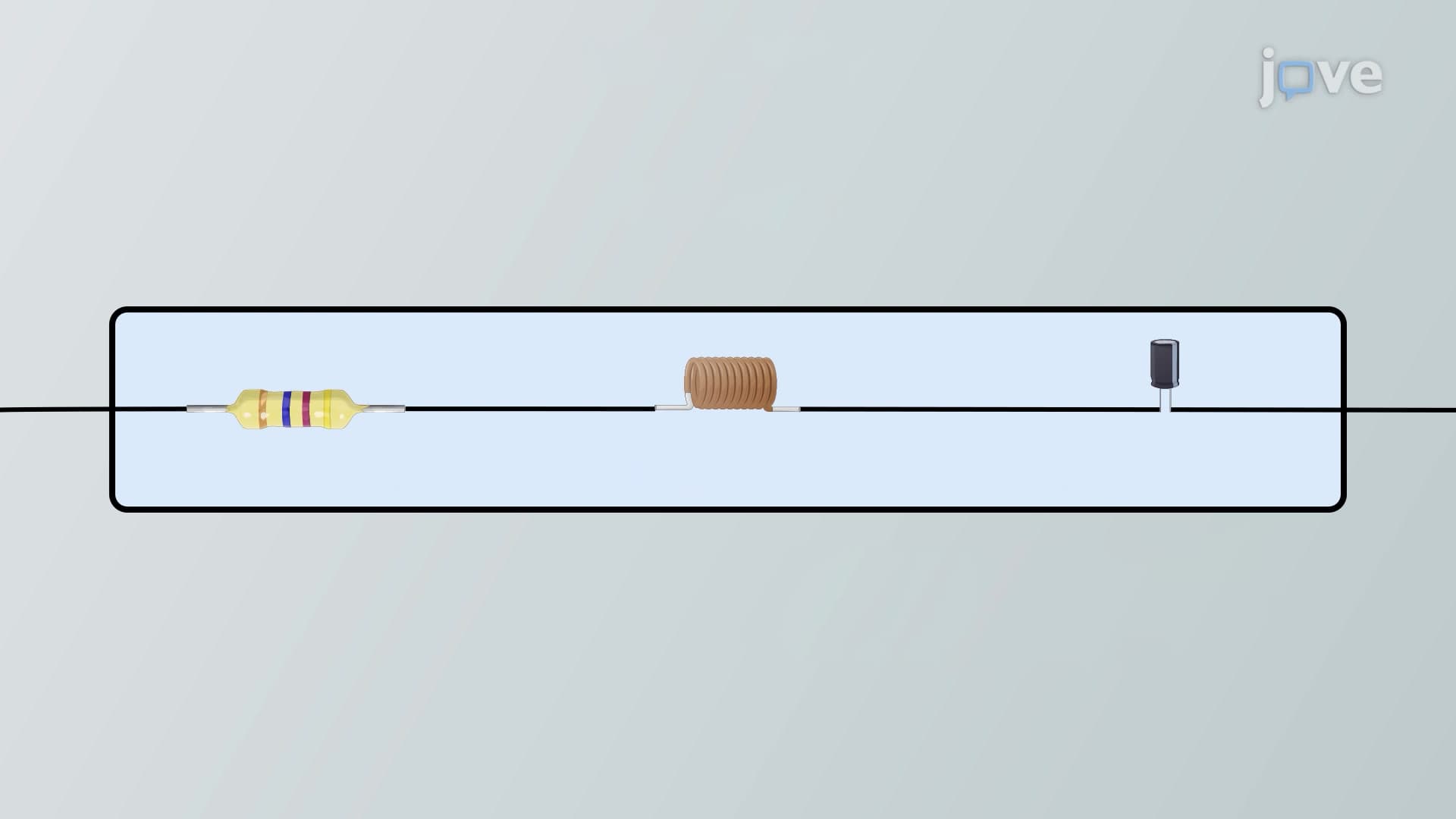
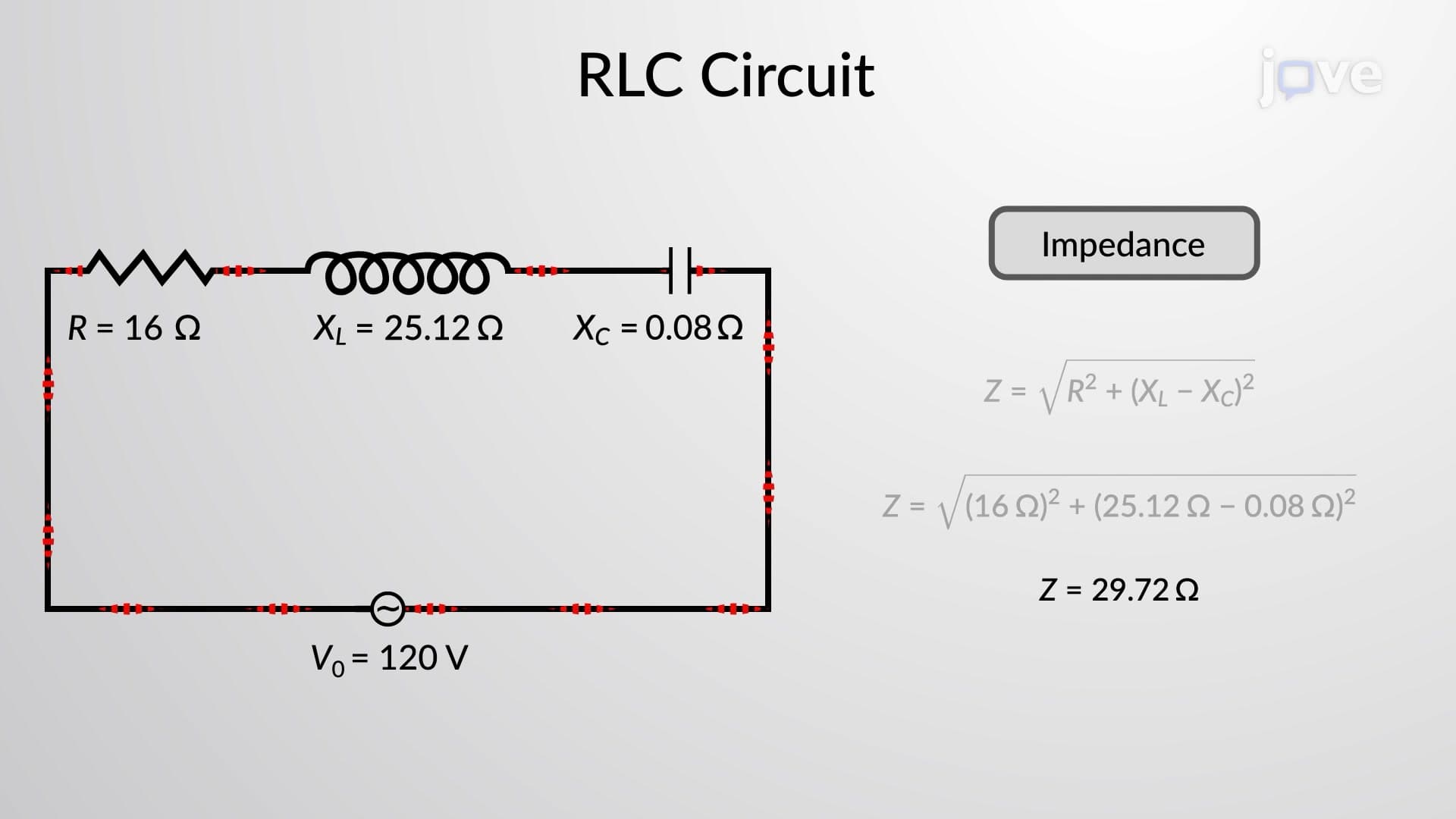
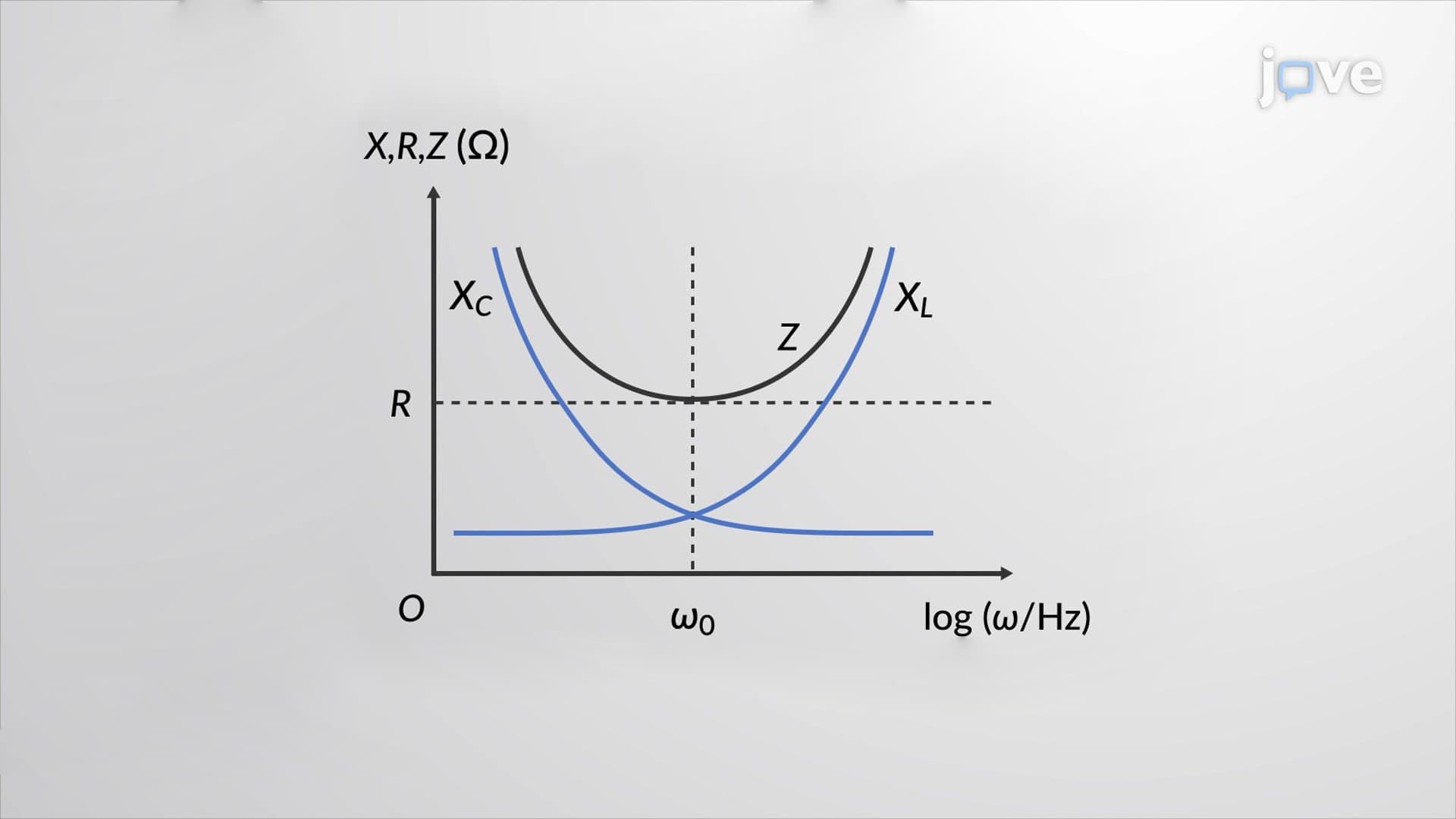
Real-world AC circuits typically combine resistance, inductance, and capacitance (RLC circuits). The net phase angle determines whether the circuit appears inductive or capacitive to the source. Power companies must account for these characteristics when designing distribution systems, as reactive power affects voltage regulation and transmission efficiency.
Students preparing for AP Physics exams should focus on calculating average power using P = VrmsIrmscos φ, where Vrms and Irms represent root mean square values. This formula appears frequently in college-level electrical engineering coursework and professional licensing examinations.
Related Micro-courses