Loading video…

 11 Concepts
 118.4K views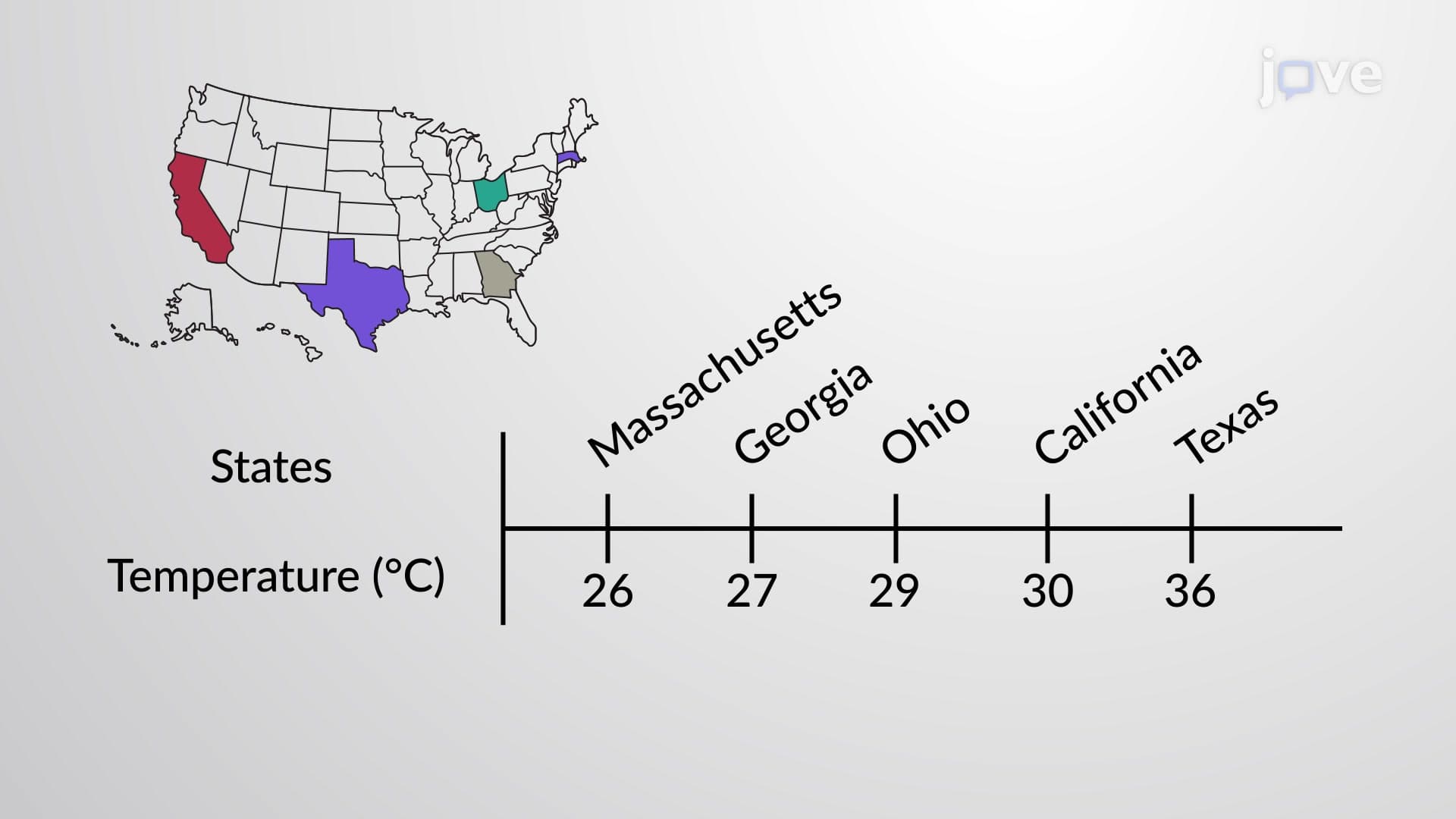

Video Summary: What Is Calculating Standard Deviation
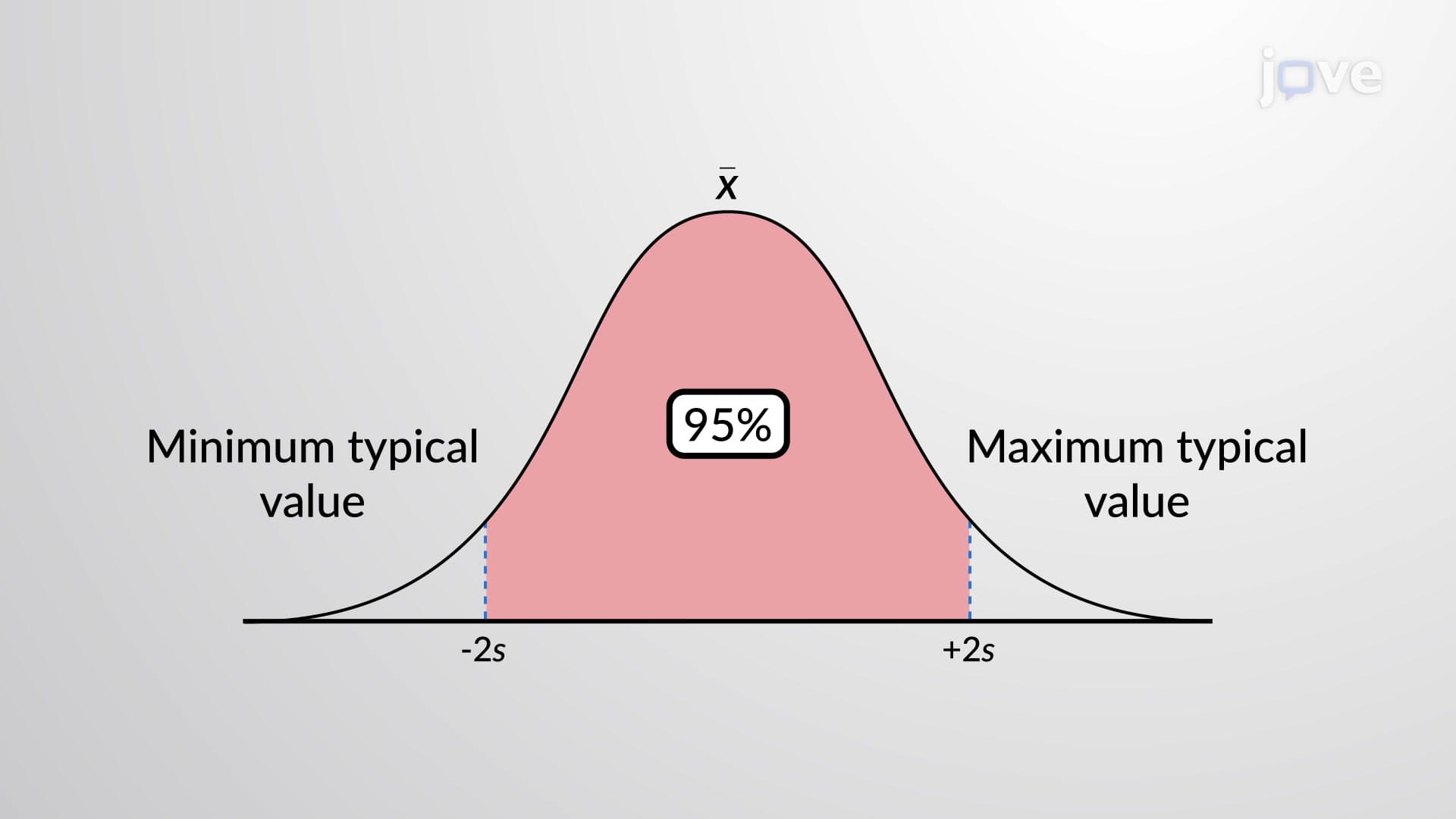
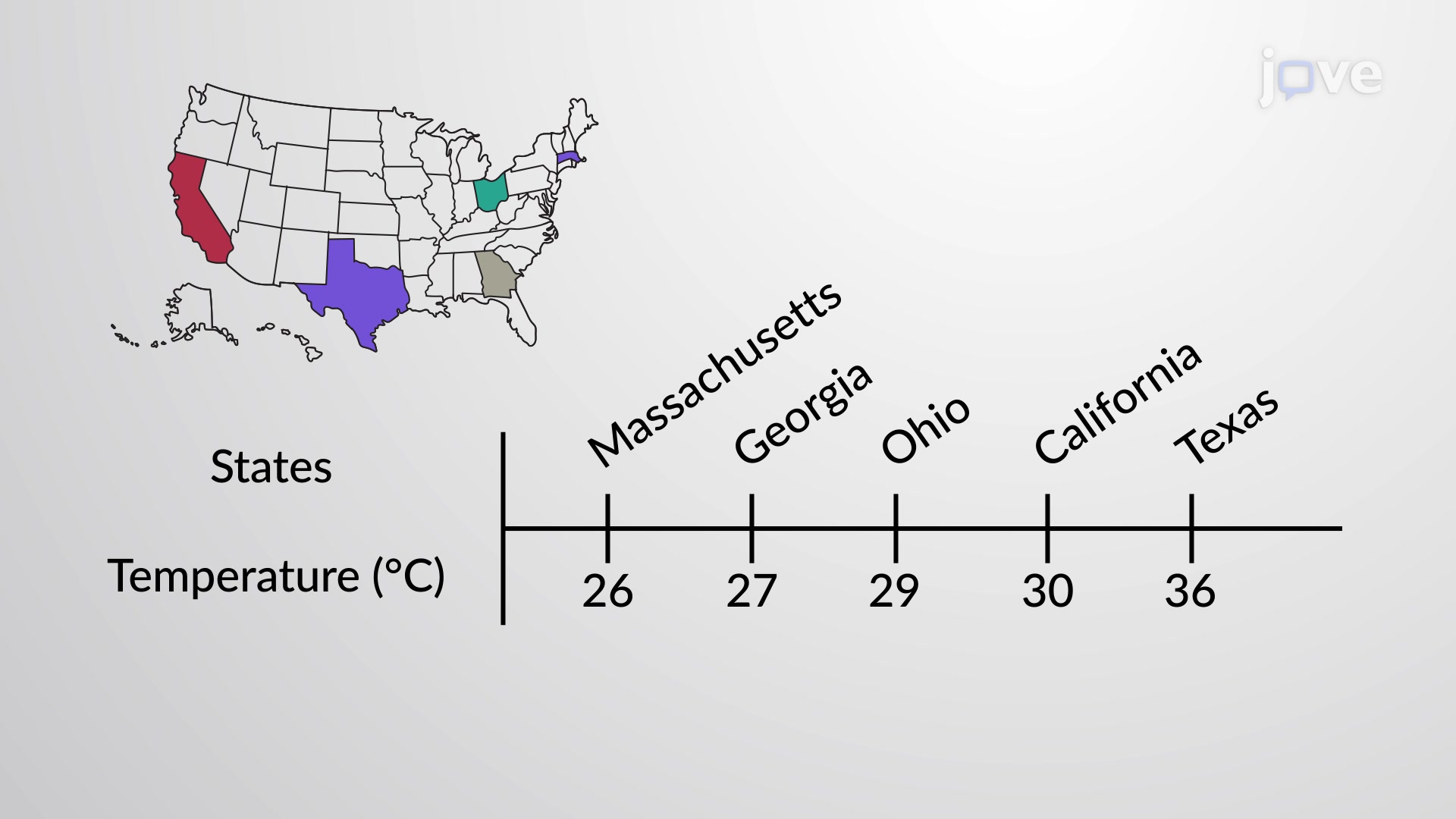
Ever wonder why some NBA players consistently hit their shots while others are unpredictable? Calculating standard deviation reveals the secret behind consistency by measuring how much data points vary from the average. This statistical tool helps us understand whether summertime temperatures across American states like Texas, Maine, and California cluster tightly around the mean or spread widely. Understanding what is calculating standard deviation empowers students to analyze real-world data patterns effectively. Watch the full video on JoVE Coach to master this concept with expert-led visuals and step-by-step explanations.
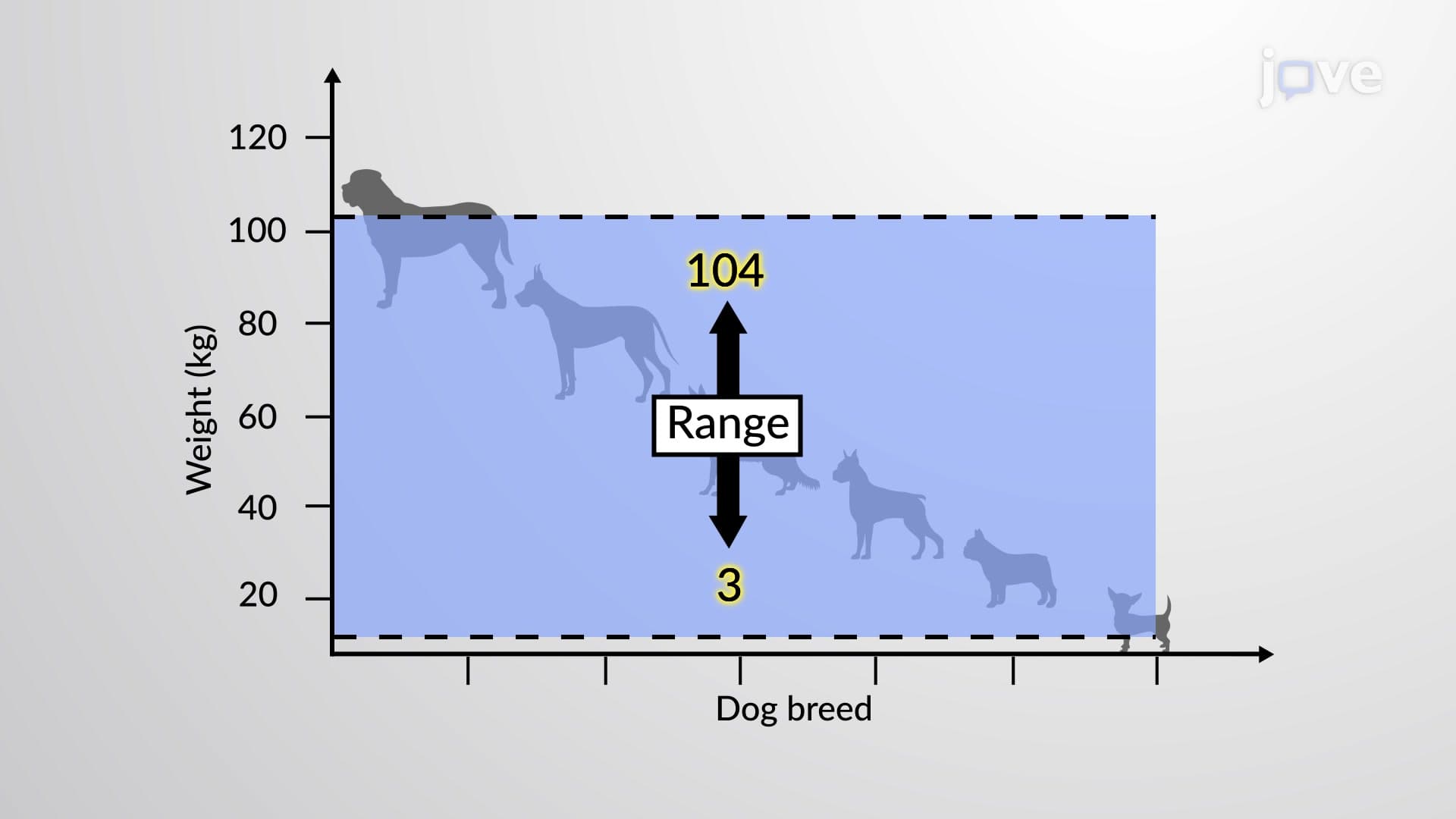
Calculating standard deviation serves as a fundamental statistical method for quantifying how much individual data points deviate from their group's average. Unlike simple range calculations that only consider extreme values, standard deviation incorporates every data point, providing a comprehensive picture of data variability. This makes it invaluable for students preparing for AP Statistics, college statistics courses, and standardized tests like the SAT Math section.
The sample standard deviation formula involves five distinct steps that build upon each other systematically. First, calculate the arithmetic mean (x̄) by summing all values and dividing by the sample size. Second, subtract this mean from each individual data point to find deviations. Third, square each deviation to eliminate negative values and emphasize larger differences. Fourth, sum these squared deviations and divide by (n-1), where n represents sample size-this adjustment corrects for sample bias. Finally, take the square root to return the result to original units.
Understanding when to use n-1 versus n in the denominator proves crucial for accurate calculations. When analyzing a sample drawn from a larger population-like measuring heights of 30 students to estimate variability for all high school students in California-use the sample formula with (n-1). This Bessel's correction accounts for the fact that samples typically underestimate population variability. However, when working with complete populations, such as analyzing test scores for an entire class, use the population formula with n as the denominator.
Standard deviation appears frequently in AP Statistics free-response questions, college midterm exams, and MCAT data interpretation sections. In quality control, manufacturing companies like Ford Motor Company use standard deviation to ensure consistent part dimensions. Financial analysts employ it to measure investment risk-stocks with higher standard deviations indicate greater price volatility. Weather services calculate standard deviation of historical temperatures to predict seasonal variations accurately. Medical researchers use it in clinical trials to assess treatment consistency across patient groups, making it essential knowledge for pre-med students preparing for the MCAT.
Related Micro-courses