Loading video…


 17 Concepts
 11.7K views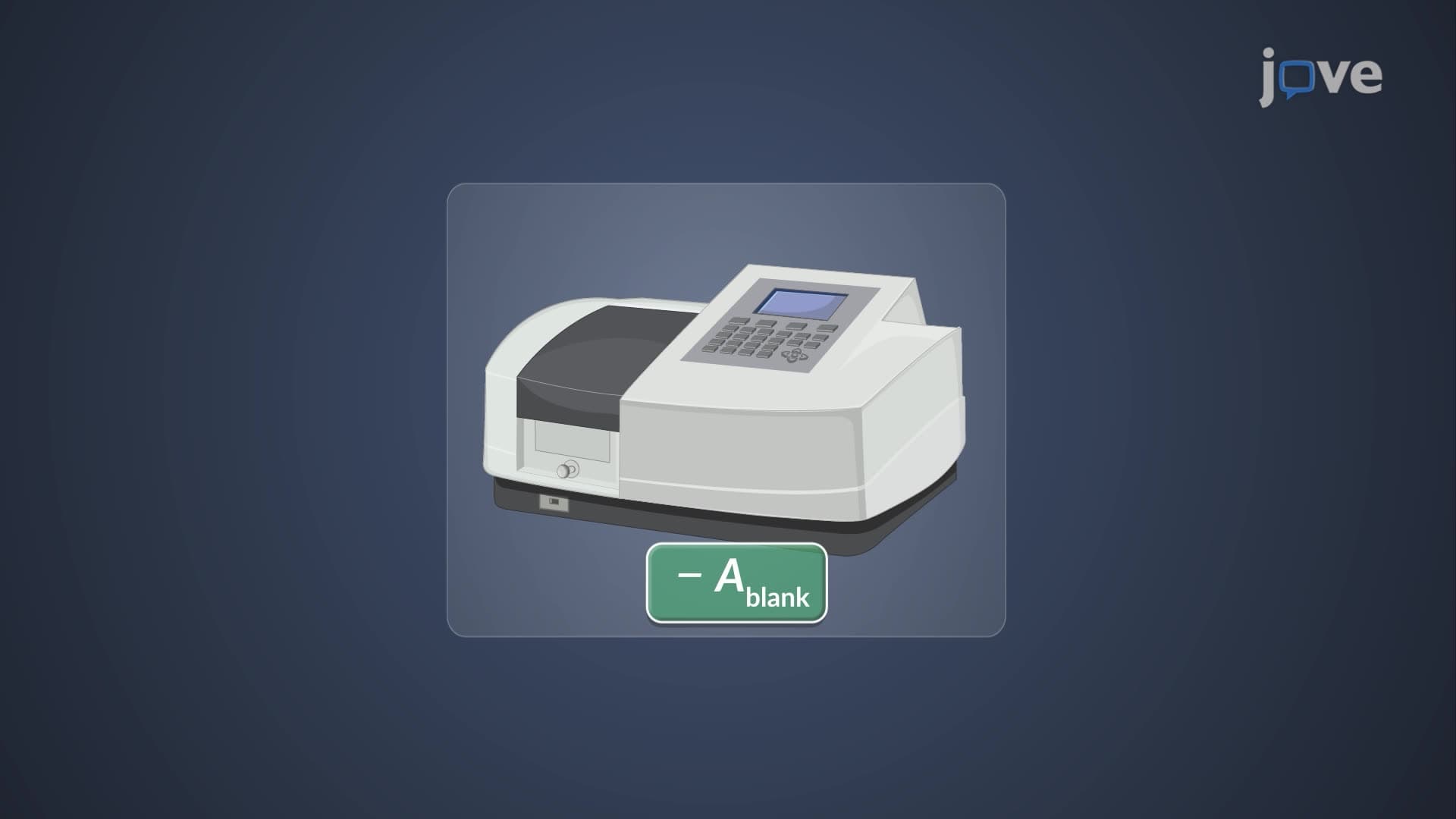

Video Summary: What are Blank Solutions
Ever wonder how laboratories ensure their measurements are accurate when testing drinking water quality across the US? Blank solutions chemistry plays a crucial role in eliminating measurement errors that could affect public health decisions. For example, when the EPA tests water samples for contamination, scientists use blank solutions containing all reagents except the target pollutant to identify and correct systematic errors. These control solutions ensure that any signal detected truly comes from the analyte, not from impurities in the testing materials themselves. Watch the full video on JoVE Coach to master this concept with expert-led visuals and step-by-step explanations.
Blank solutions serve as analytical chemistry's quality control mechanism, acting like a "negative control" that reveals hidden sources of error in chemical measurements. Think of them as the analytical equivalent of taking a photograph with the lens cap on-any signal you detect shouldn't be there, so it helps you identify problems with your camera (or in this case, your analytical method).
The field of analytical chemistry employs several blank solution types analytical laboratories use daily. A reagent blank solution contains only the solvents and reagents used in analysis, helping identify contamination from these materials. Method blank analysis involves running the entire analytical procedure without adding any sample, revealing errors introduced by the analytical process itself. Procedural blank chemistry applications extend to complex sample preparations where multiple steps could introduce contamination.
For instance, when environmental laboratories analyze soil samples for heavy metals using atomic absorption spectroscopy, they prepare procedural blanks that undergo the same acid digestion process as real samples. This approach helps distinguish between metals naturally present in reagents versus those actually in the soil sample.
The mathematical principle behind blank correction analysis is straightforward: subtract the blank reading from all other measurements. If your blank solution gives a reading of 0.05 absorbance units and your standard solution reads 0.45, the corrected standard reading becomes 0.40 absorbance units. This correction ensures that calibration curves accurately represent the relationship between analyte concentration and instrument response.
US students preparing for AP Chemistry exams frequently encounter blank solution problems in laboratory-based questions. The College Board emphasizes understanding how blank corrections improve analytical precision-a concept that appears regularly in both multiple-choice and free-response sections.
Consider how blank solutions protect public health in US drinking water analysis. When utilities test for chlorine residuals using colorimetric methods, blank sample preparation helps distinguish between color from chlorine reactions versus color from other water components. Similarly, clinical laboratories analyzing blood glucose levels use blank solutions to account for interference from hemoglobin or other blood components that might affect optical measurements.
Understanding what are blank solutions used for in chemistry becomes crucial for students planning careers in environmental science, clinical laboratory technology, or pharmaceutical quality control-all rapidly growing fields in the US job market.
Related Micro-courses