Loading video…


 17 Concepts
 11.7K views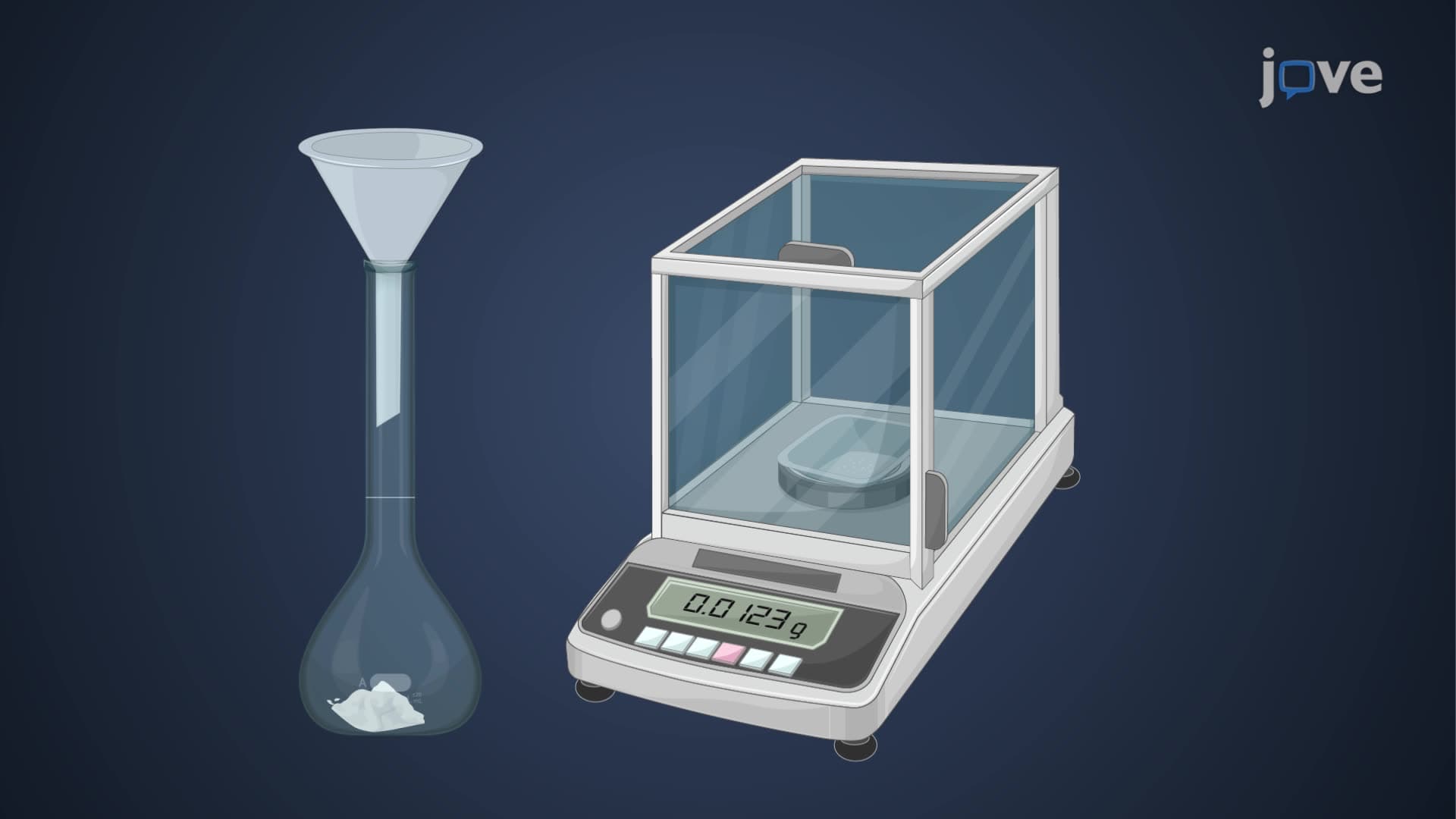

Video Summary: What are Standard Solutions
Ever wonder how pharmaceutical companies ensure every aspirin tablet contains exactly 325 mg of active ingredient? The answer lies in standard solutions chemistry, precisely prepared solutions with known concentrations that serve as chemical "rulers" for accurate measurements. From EPA water testing labs to hospital blood work at Mayo Clinic, standard solutions enable scientists to determine unknown concentrations with confidence. What are Standard Solutions? They're the foundation of quantitative analysis in chemistry, created from ultra-pure primary standards through meticulous preparation techniques. Watch the full video on JoVE Coach to master this concept with expert-led visuals and step-by-step explanations.
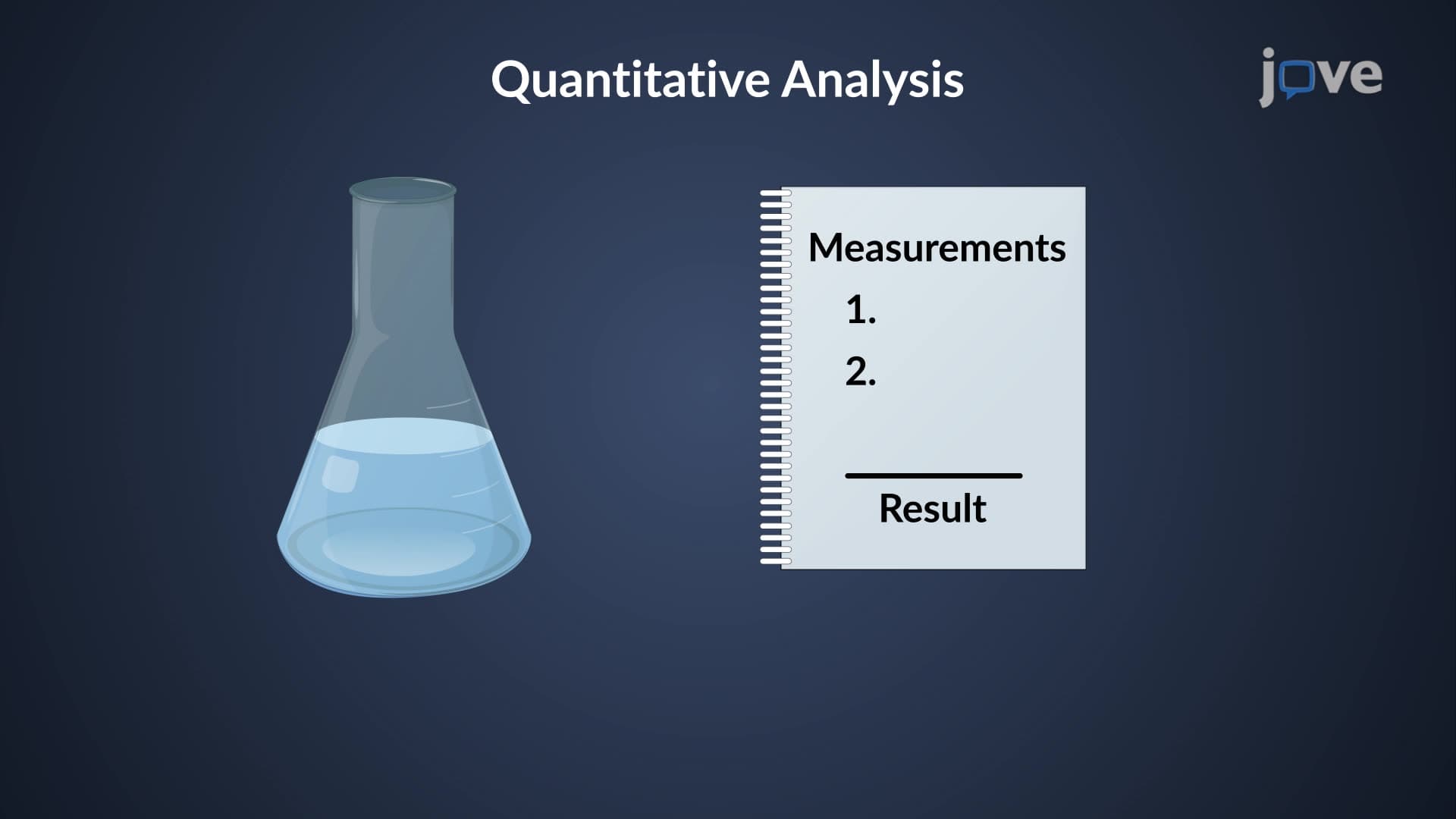
Standard solutions chemistry forms the backbone of quantitative chemical analysis, enabling scientists to determine unknown concentrations with remarkable precision. A standard solution contains a precisely known amount of solute dissolved in a specific volume of solvent, serving as a reference point for analytical measurements. These solutions are indispensable in laboratories across the United States, from FDA food safety testing facilities to university research labs conducting groundbreaking studies.
The foundation of any reliable standard solution lies in its preparation from primary standards, substances that meet stringent purity requirements. Primary standards must exhibit high purity (typically >99.9%), chemical stability under normal storage conditions, high molar mass to minimize weighing errors, and hydrophilic properties for complete dissolution. Common examples include potassium hydrogen phthalate (KHP) for acid-base titrations and sodium oxalate for permanganate standardizations.
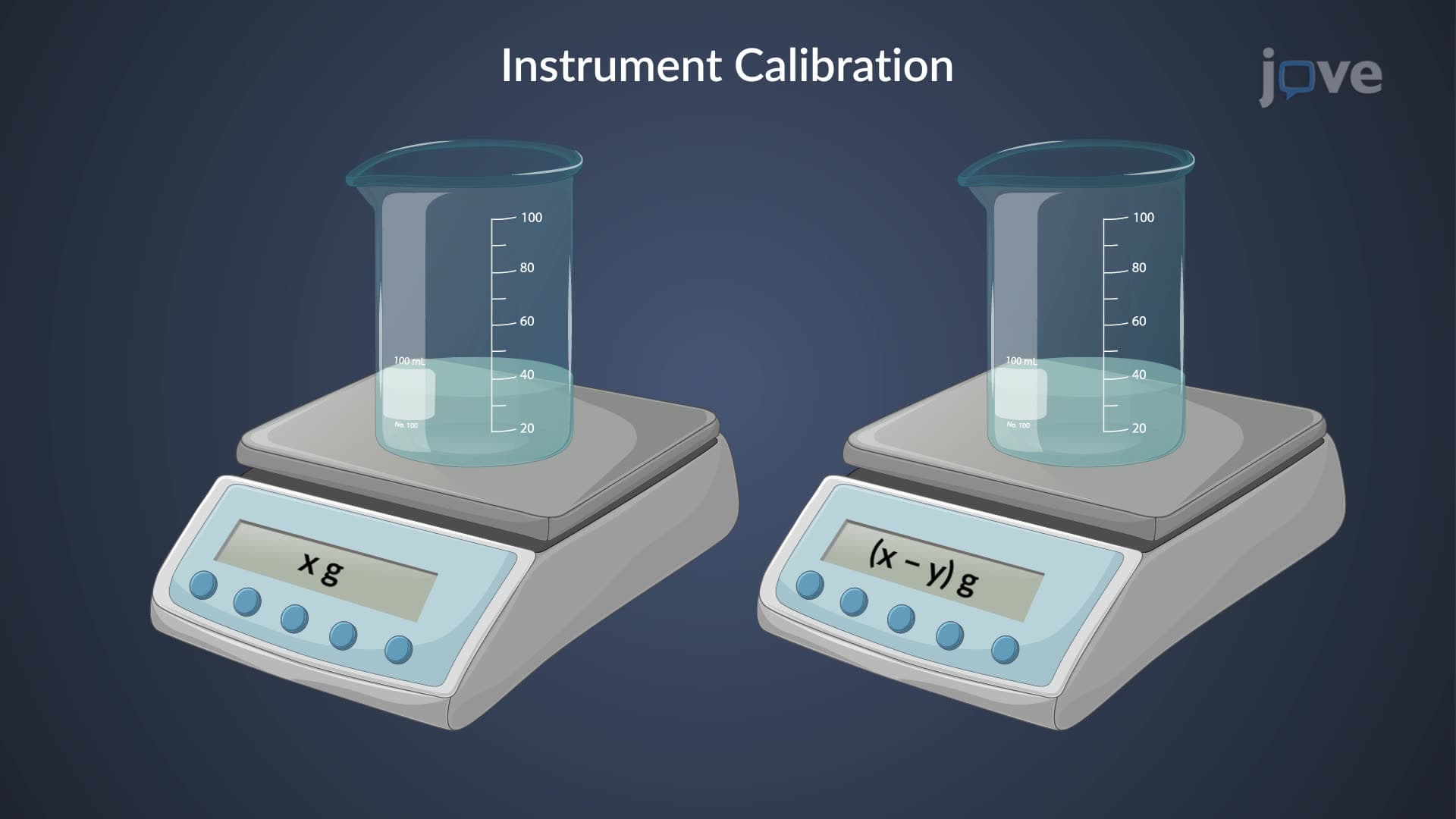
Standard solution preparation analytical protocols demand meticulous attention to detail and proper laboratory technique. The process begins with accurately weighing the calculated mass of primary standard using an analytical balance capable of measuring to ±0.0001 g. This precision is crucial because even small weighing errors propagate through calculations, affecting final results.
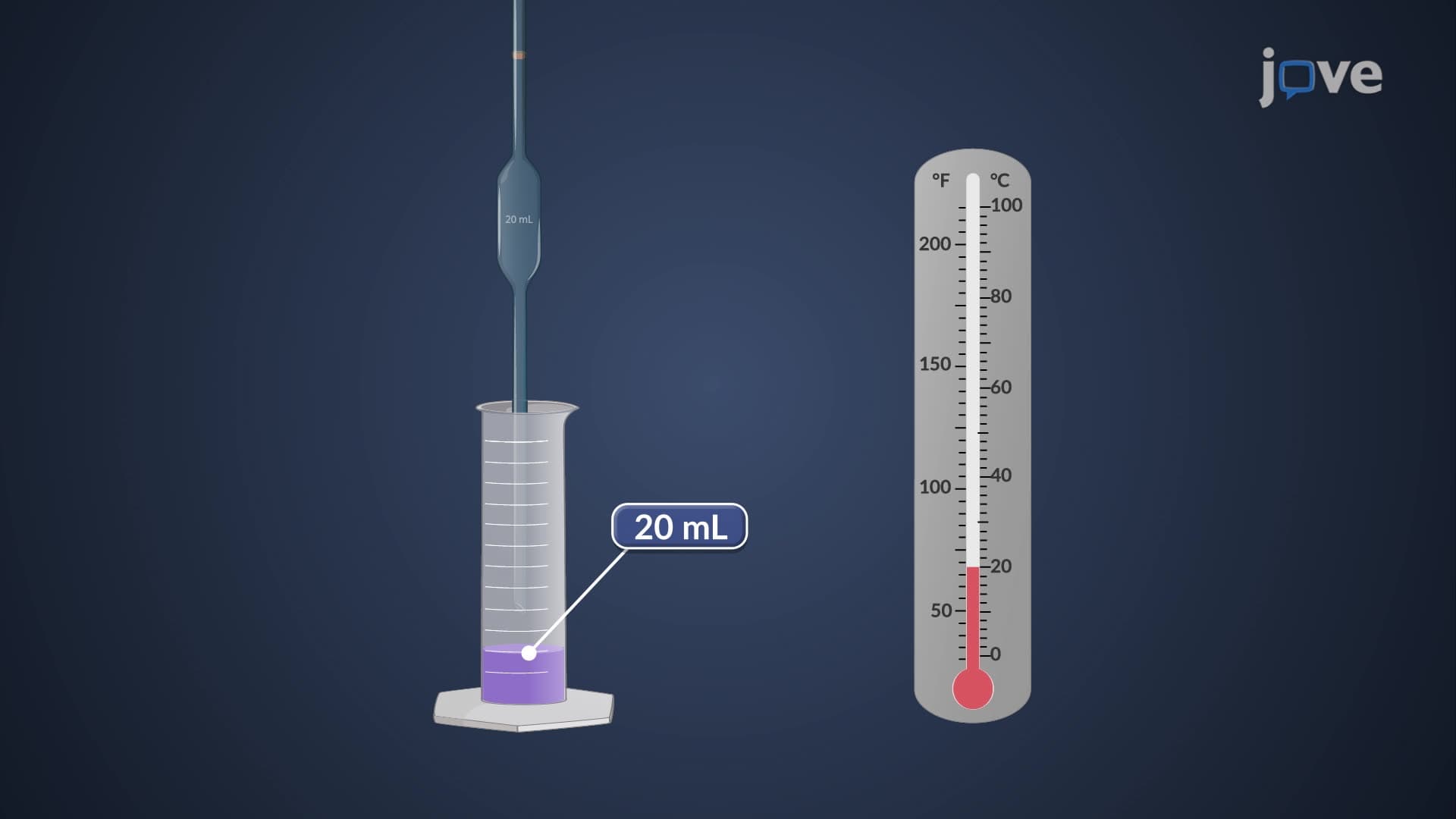
The transfer process requires specific glassware and techniques. Volumetric flasks, calibrated to contain precise volumes at 20°C, provide the accuracy needed for standard solution concentration work. The primary standard is transferred using a powder funnel to prevent material loss, with the empty weighing boat reweighed to account for any residual solid. This attention to detail reflects the quantitative nature of analytical chemistry, where "close enough" simply isn't acceptable.
Students preparing for AP Chemistry exams, MCAT sections, or college analytical chemistry courses encounter standard solutions in multiple contexts. The College Board's AP Chemistry curriculum specifically addresses solution preparation and concentration calculations, making this knowledge essential for achieving high scores. Medical students taking the MCAT face questions involving buffer preparation and concentration relationships that directly apply these principles.
Professional applications span numerous industries. Pharmaceutical companies like Pfizer and Johnson & Johnson rely on NIST traceable standard solutions for drug potency testing, ensuring each medication meets FDA specifications. Environmental laboratories use EPA-certified reference standards to monitor water quality compliance across municipal treatment facilities. Clinical laboratories employ standardized solutions for blood glucose measurements and other diagnostic tests that directly impact patient care.
Modern analytical chemistry emphasizes traceability to national standards, typically those maintained by the National Institute of Standards and Technology (NIST). Reference standard solution certificates provide detailed information about uncertainty, stability, and proper storage conditions. This documentation creates an unbroken chain of measurement traceability from laboratory bench to international standards, ensuring consistency across different laboratories and time periods.
Proper labeling becomes crucial for maintaining this traceability. Each primary standard solution must include chemical identity, exact concentration, preparation date, expiration date, and technician identification. This information enables laboratories to track solution performance over time and identify potential sources of error during method validation or troubleshooting procedures.
Related Micro-courses