Loading video…


 17 Concepts
 11.7K views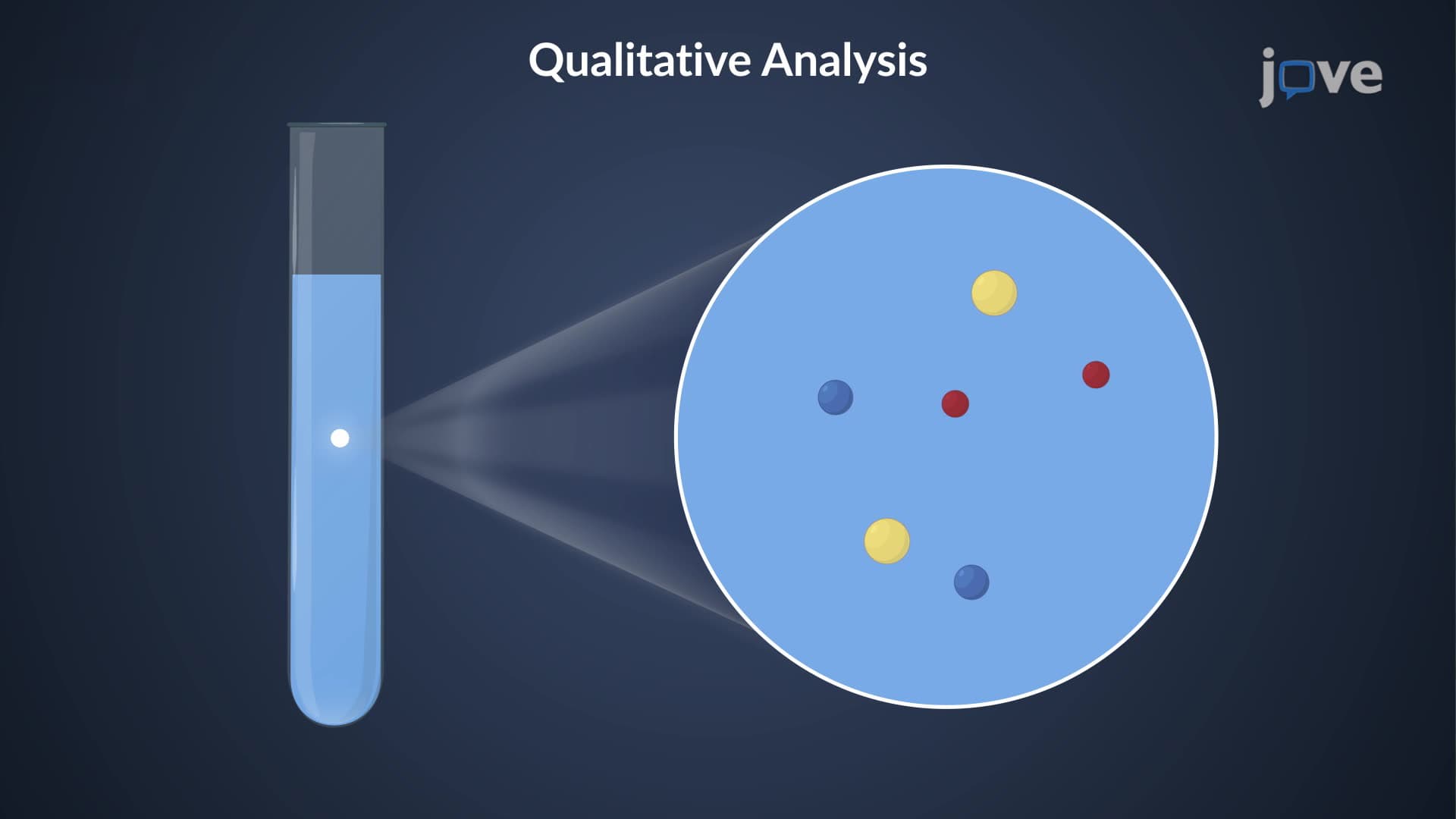

Video Summary: What Is Qualitative Analysis
Ever wonder how crime labs identify unknown powders or how environmental scientists detect pollutants in water samples? Qualitative analysis chemistry is the detective work of chemistry-determining what's actually in an unknown sample. For instance, when the EPA tests drinking water in Flint, Michigan, they use qualitative analysis to identify specific contaminants like lead ions. What is qualitative analysis forms the foundation of analytical chemistry, using both classical chemical reactions and modern instrumental techniques to solve real-world mysteries. Watch the full video on JoVE Coach to master this concept with expert-led visuals and step-by-step explanations.
Qualitative analysis chemistry serves as the foundation of analytical science, focusing on identifying the chemical composition of unknown samples rather than measuring quantities. This detective-like process answers the fundamental question: "What's in this sample?" Whether you're analyzing soil contamination near a Superfund site or identifying active ingredients in over-the-counter medications, qualitative analysis definition methods provide the essential first step in chemical investigation.
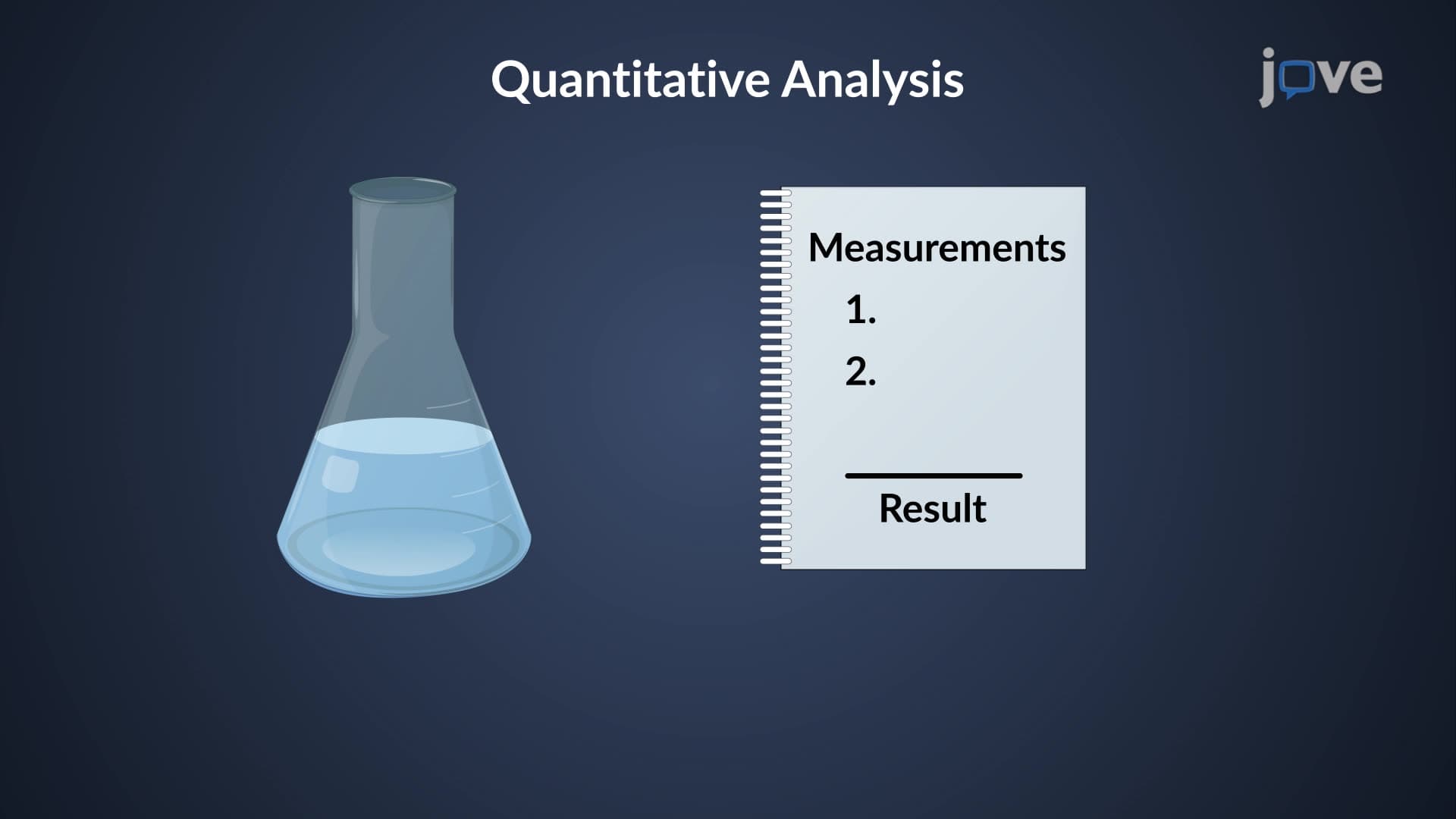
In AP Chemistry and college-level analytical courses, students learn that qualitative analysis precedes quantitative analysis in the analytical hierarchy. You must first know what compounds are present before you can measure how much of each component exists. This logical progression makes qualitative analysis a cornerstone topic in introductory chemistry curricula across US high schools and universities.
Classical qualitative chemical test procedures rely on observable chemical reactions that produce distinctive results detectable by human senses. These methods include color changes, precipitate formation, gas evolution, or characteristic odors. For example, the flame test-a staple of high school chemistry labs-identifies metal ions by their distinctive colors when heated: sodium produces yellow flames, while copper creates green flames.
Spot test qualitative analysis represents a particularly elegant classical approach. These tests involve placing a small sample on filter paper or a spot plate and adding specific reagents. The famous Benedict's test for reducing sugars, commonly performed in biochemistry labs, produces a characteristic brick-red precipitate when glucose is present. These visual cues make classical methods especially valuable for educational demonstrations and field testing where sophisticated instruments aren't available.
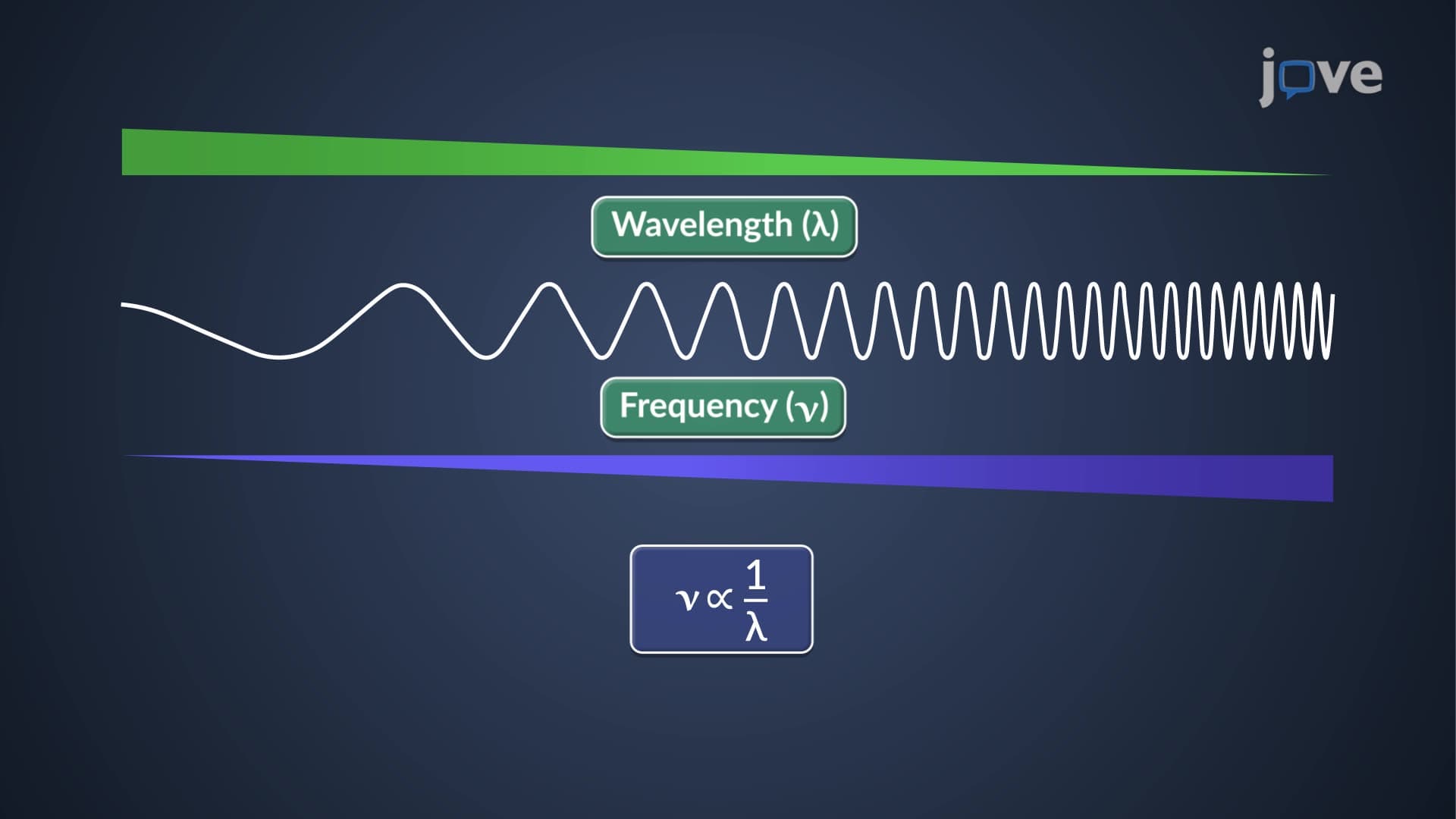
Modern qualitative analytical techniques measure specific physical properties unique to different compounds. Infrared (IR) spectroscopy, a technique covered extensively in organic chemistry courses and the MCAT, identifies functional groups by measuring molecular vibrations. Each bond type-whether C-H, O-H, or C=O-absorbs infrared light at characteristic frequencies, creating a unique "fingerprint" for molecular identification.
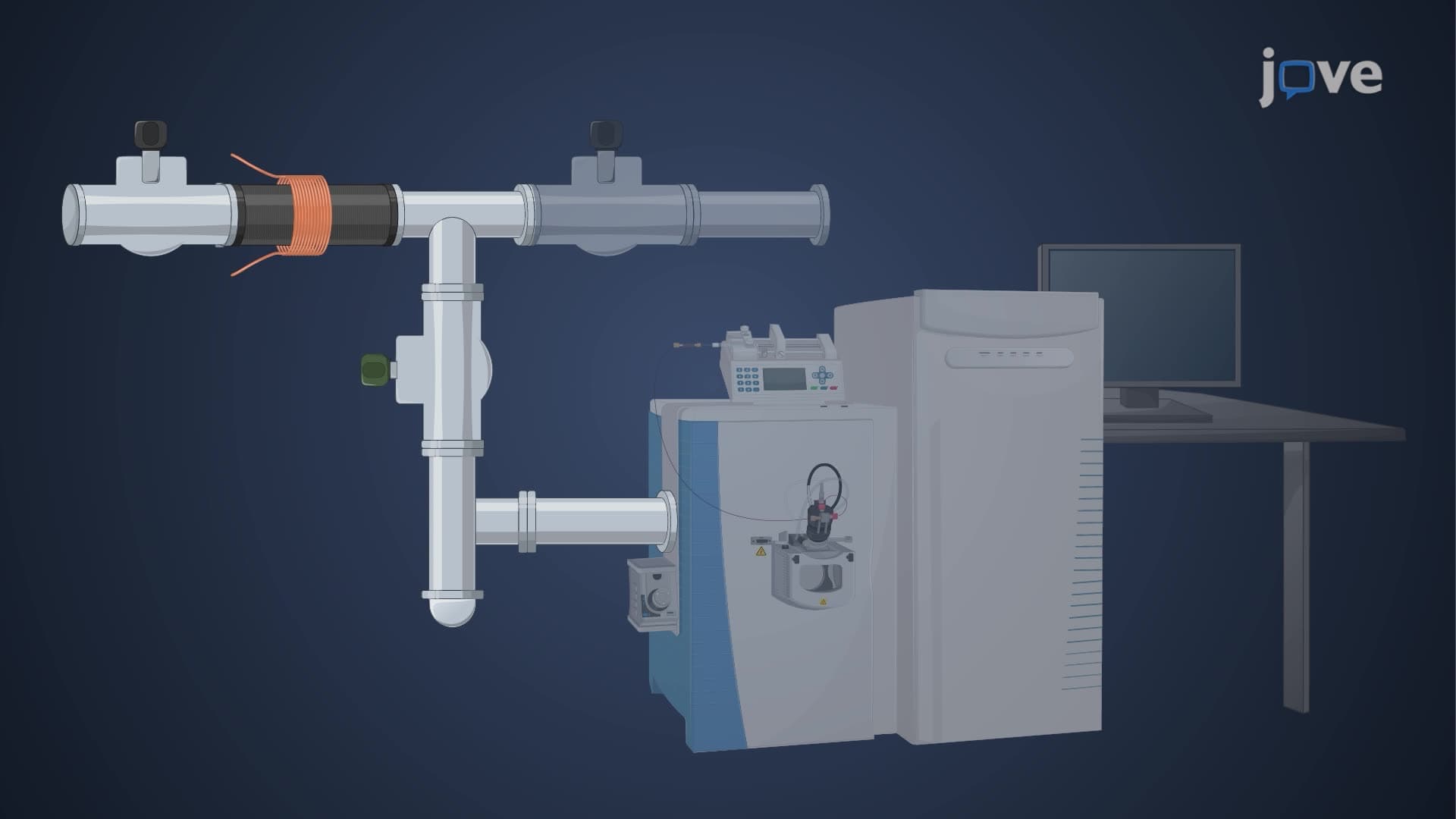
Mass spectrometry, another powerful instrumental method, determines molecular weights and fragmentation patterns. When pharmaceutical companies like Pfizer develop new drugs, they use these techniques to confirm molecular structures and identify impurities. Gas chromatography-mass spectrometry (GC-MS) combines separation and identification, making it the gold standard for forensic drug analysis in US crime laboratories.
The qualitative vs quantitative distinction is crucial for exam success and practical applications. Qualitative analysis answers "what" questions, while quantitative analysis addresses "how much" questions. Think of qualitative analysis as medical diagnosis (identifying the disease) and quantitative analysis as dosage determination (measuring treatment amounts). Both approaches are essential, but qualitative analysis must come first to guide subsequent quantitative measurements and ensure accurate analytical results.
Related Micro-courses