Loading video…


 17 Concepts
 11.7K views

Video Summary: What Is Quality Assurance
Did you know that a single error in pharmaceutical quality testing could cost companies millions and endanger patient lives? Quality assurance analytical chemistry forms the backbone of reliable scientific analysis, from FDA drug approvals to EPA environmental monitoring. What is Quality Assurance encompasses three critical cyclical activities: quality control (before/during analysis), quality assessment (during/after analysis), and internal corrective measures that ensure analytical methods perform exactly as intended. For example, when Pfizer develops new medications, their analytical labs must follow strict QA protocols to meet FDA standards. Watch the full video on JoVE Coach to master this concept with expert-led visuals and step-by-step explanations.
Quality assurance analytical chemistry represents a comprehensive framework ensuring that analytical methods deliver reliable, accurate results consistently. Unlike simple error-checking, QA encompasses systematic processes that begin before analysis starts and continue well after results are obtained. This holistic approach proves essential in high-stakes environments like clinical diagnostics, pharmaceutical manufacturing, and environmental monitoring where analytical errors can have serious consequences.
The foundation of any robust analytical QA system lies in establishing clear use objectives. Before conducting any analysis, scientists must define exactly how results will be used-whether for FDA drug approval submissions, EPA compliance reporting, or clinical patient diagnosis. This clarity drives all subsequent QA decisions and prevents costly misalignment between analytical capabilities and intended applications.
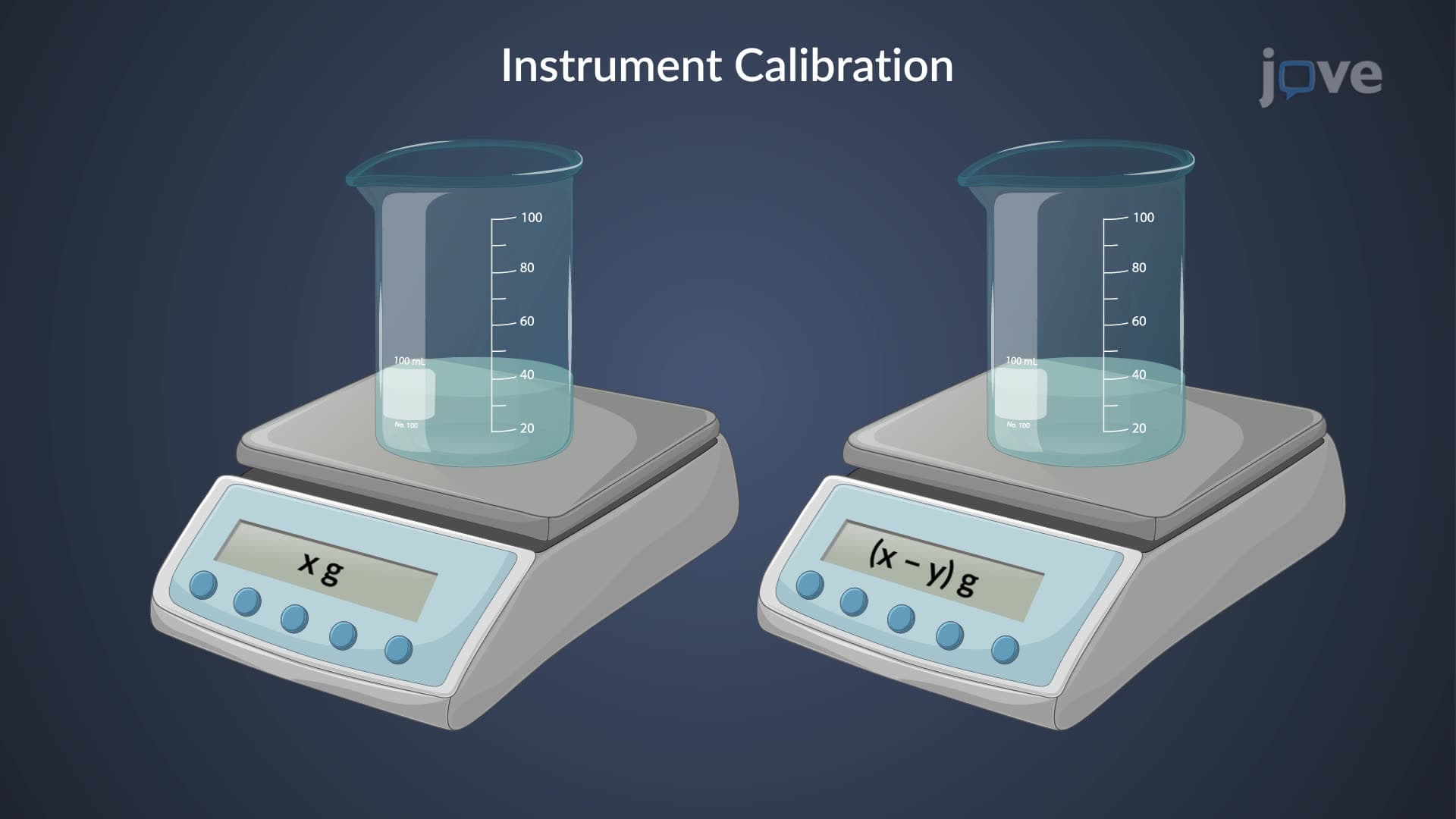
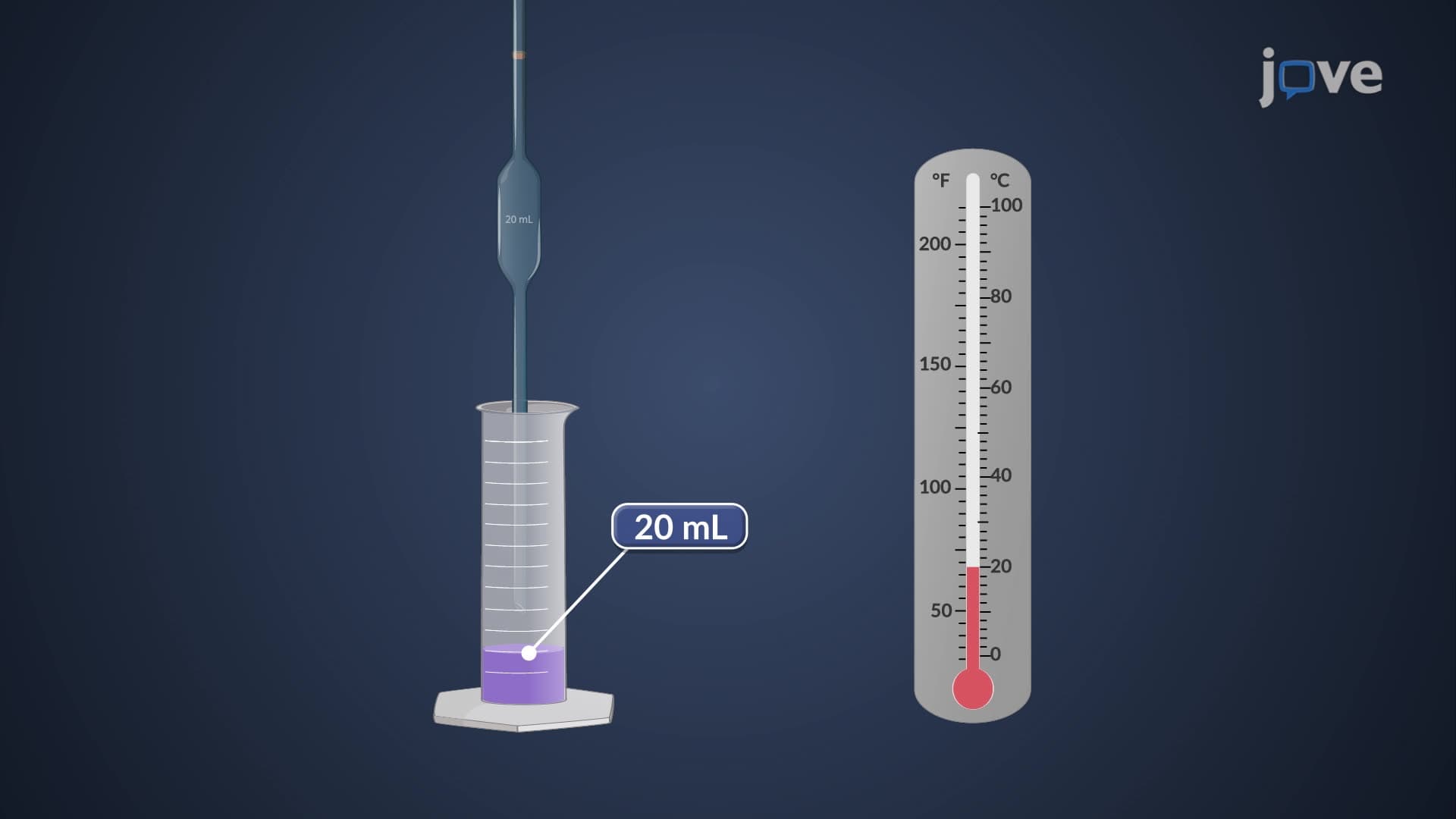
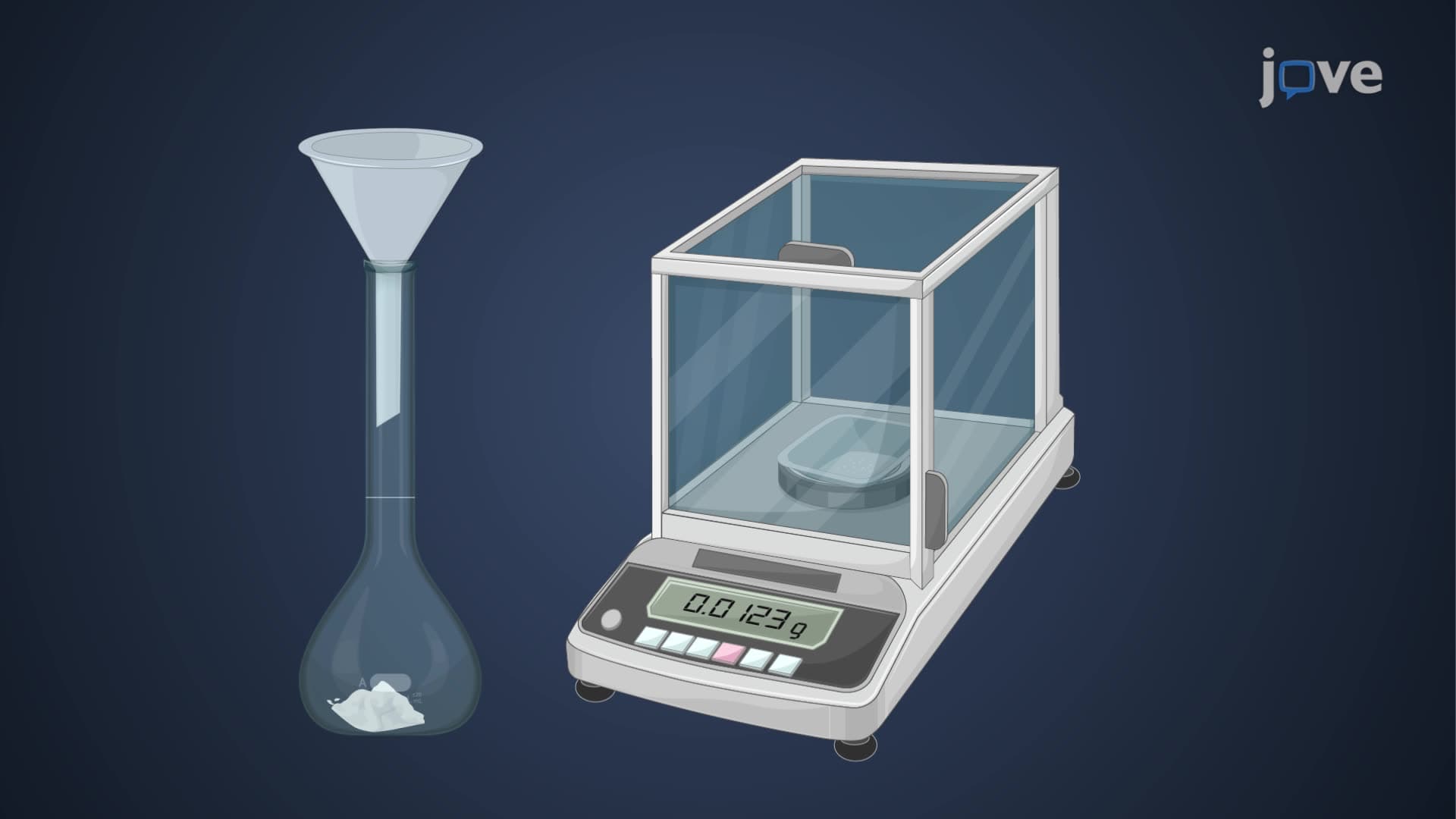
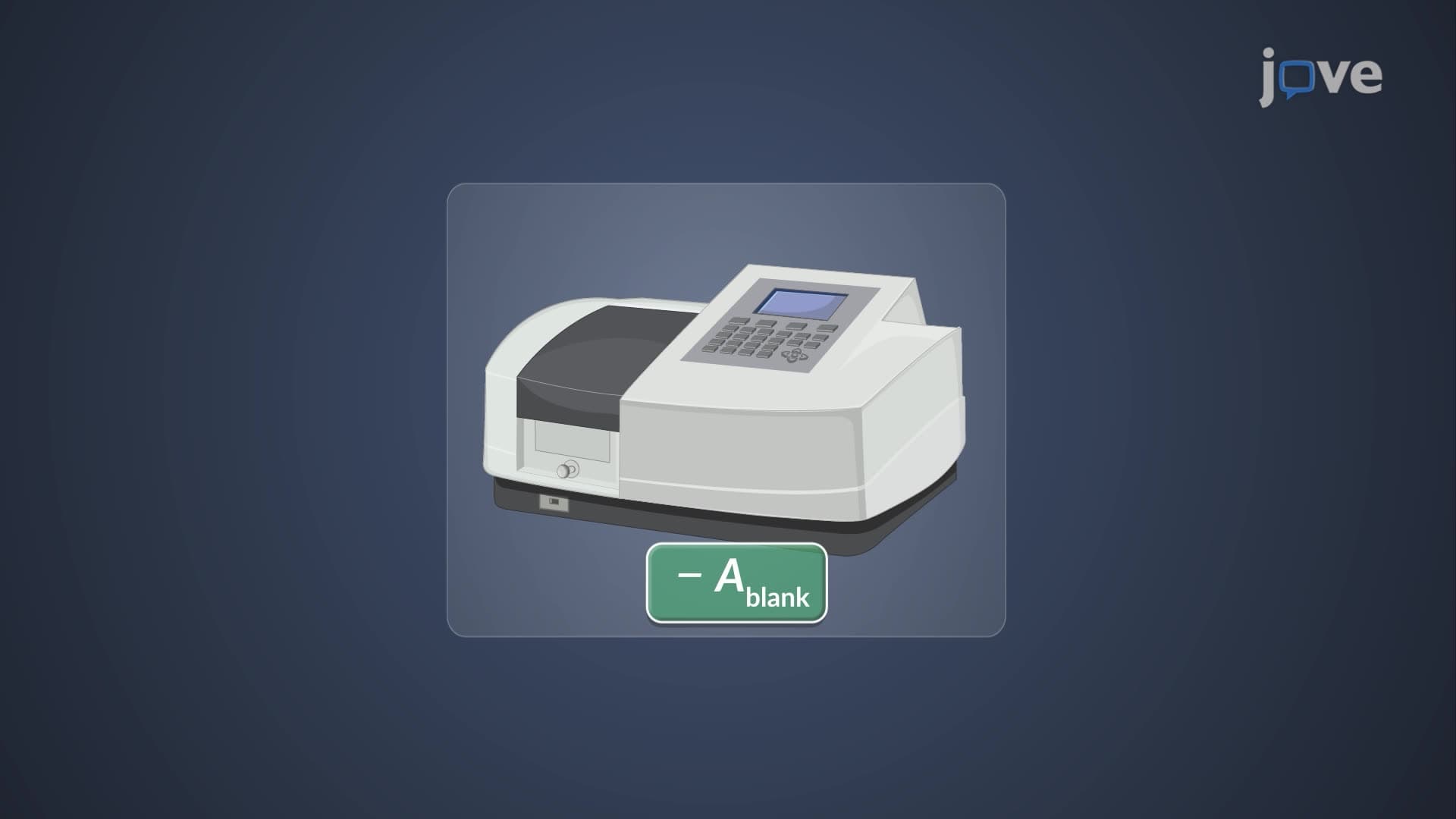
QA QC difference chemistry becomes clear when examining the temporal aspects of quality activities. Quality control occurs before and during analysis, encompassing activities like instrument calibration, blank tests, and real-time monitoring of analytical conditions. Think of QC as the preventive maintenance that ensures your analytical "engine" runs smoothly.
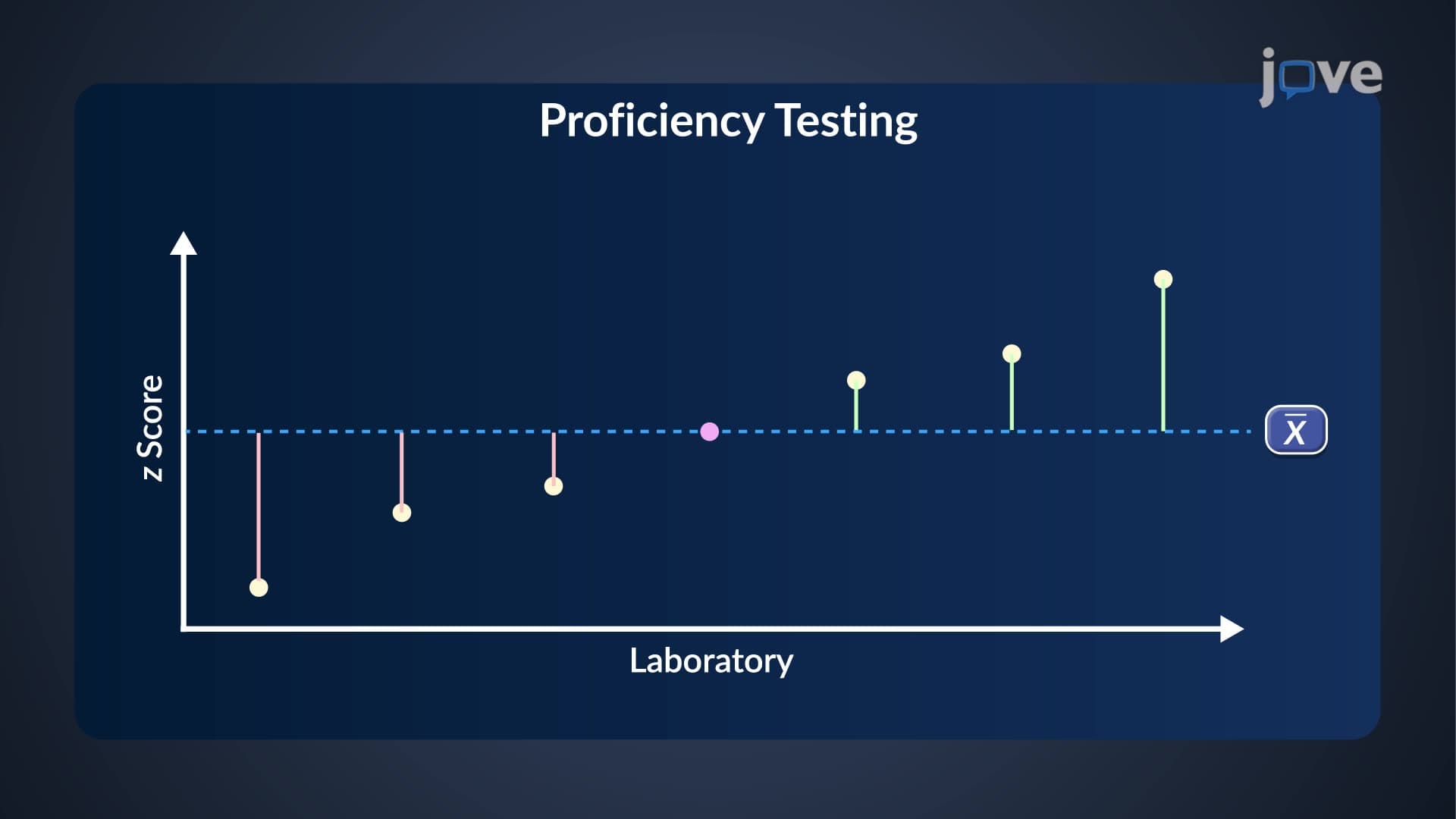
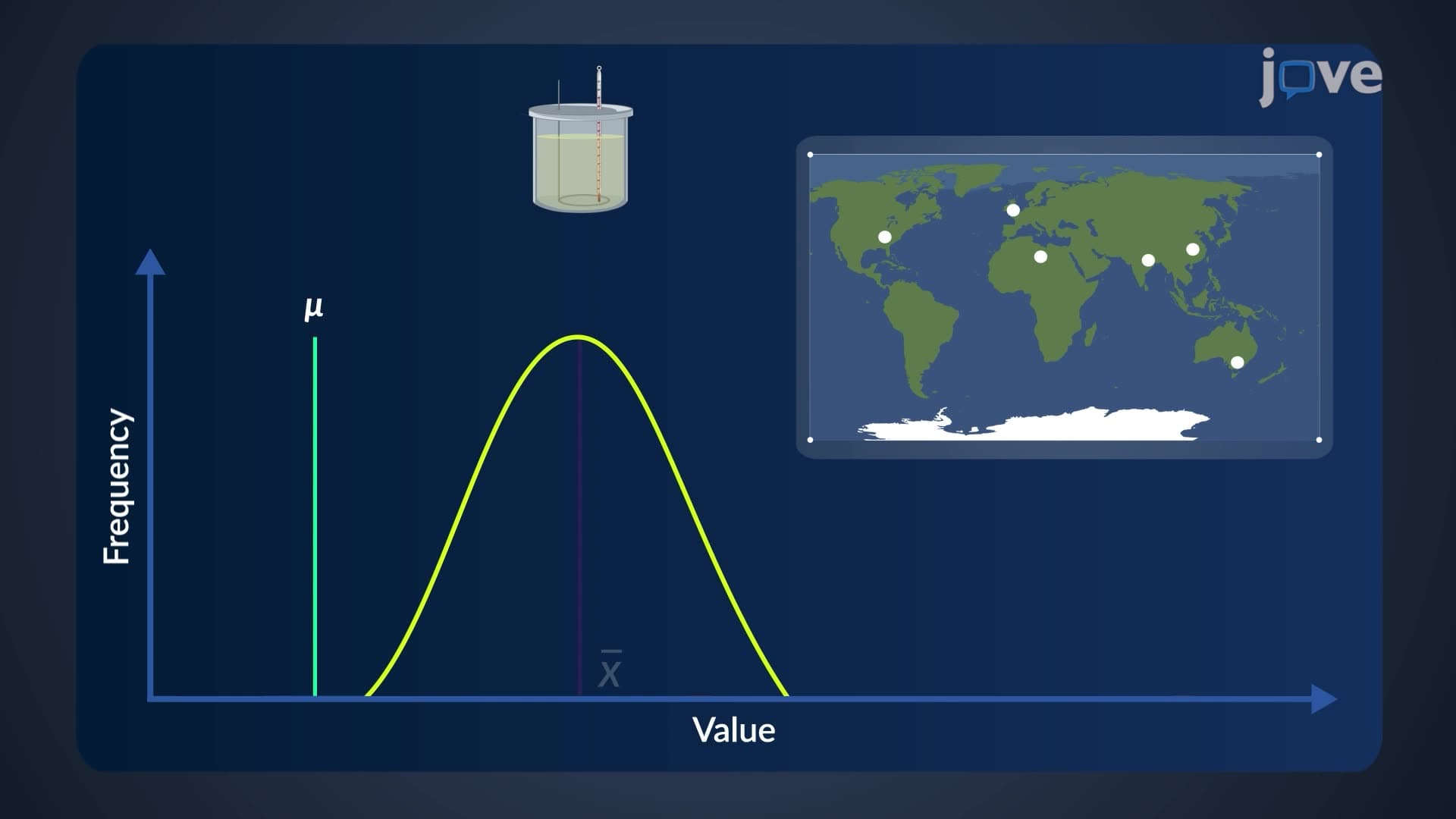
Quality assessment, conversely, happens during and after analysis completion. This involves evaluating whether results meet predetermined specifications and use objectives. For example, when Abbott Laboratories tests blood glucose monitors, quality assessment determines whether accuracy and precision meet FDA requirements for medical devices.
Internal corrective measures represent the feedback loop-modifications implemented when quality assessment reveals deficiencies. These corrections might involve recalibrating instruments, adjusting sample preparation procedures, or even redesigning analytical methods entirely.
Effective quality assurance protocol lab implementation requires meticulous documentation of analytical specifications. These specifications detail critical parameters including sampling procedures, calibration requirements, accuracy targets, precision limits, detection thresholds, selectivity criteria, sensitivity requirements, and acceptable false result rates.
Consider how Quest Diagnostics, one of America's largest clinical laboratories, maintains QA documentation chemistry standards. Their protocols specify exact procedures for everything from blood sample collection to instrument maintenance schedules, ensuring consistent results across thousands of daily tests.
Students preparing for AP Chemistry exams frequently encounter QA concepts in laboratory practical sections, while MCAT test-takers must understand QA principles for biochemistry and analytical chemistry questions. College analytical chemistry courses typically dedicate entire modules to QA implementation, recognizing its fundamental importance in professional scientific practice.
Related Micro-courses