Loading video…


 17 Concepts
 11.7K views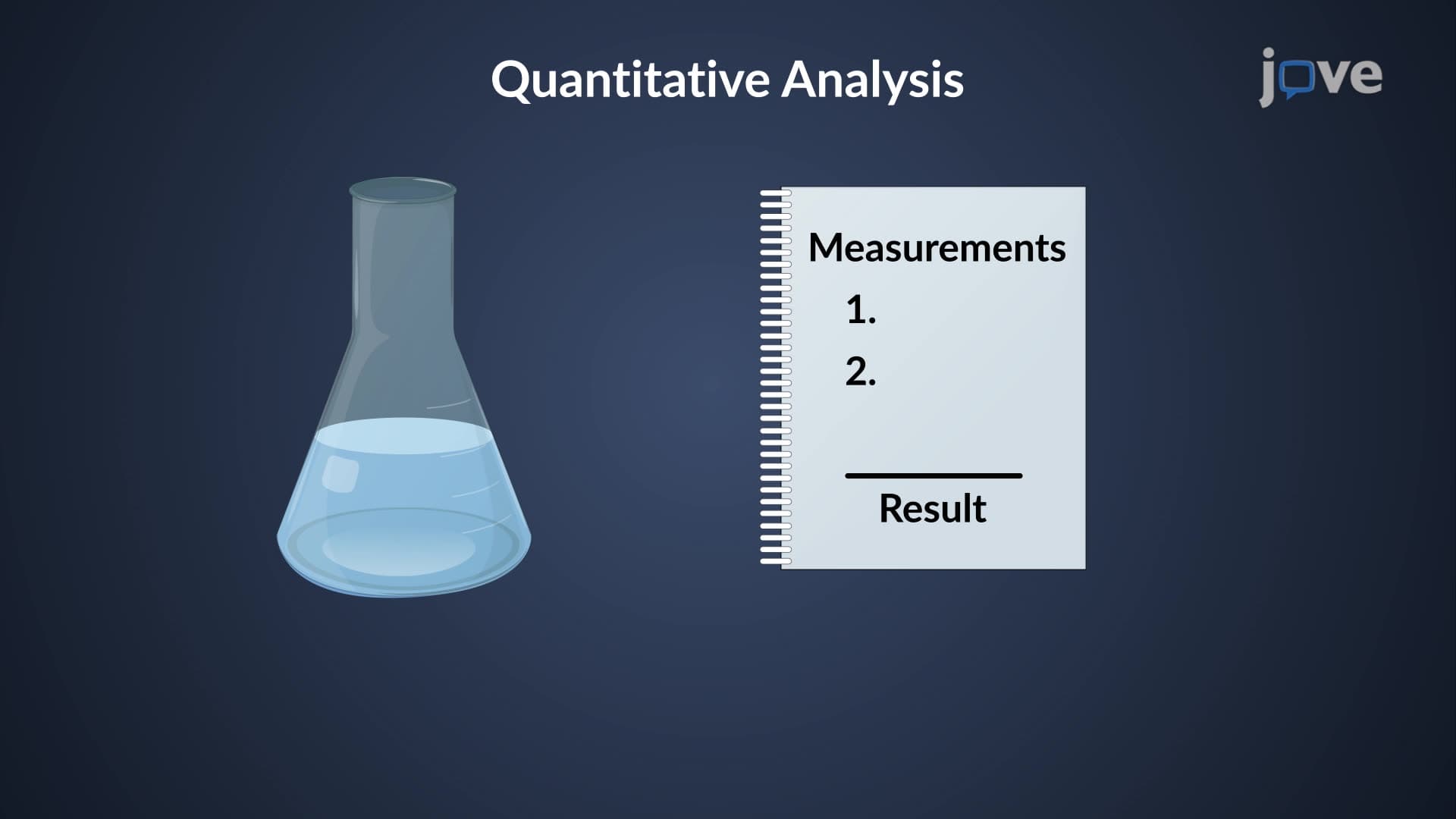

Video Summary: What Is Quantitative Analysis
Ever wondered how forensic scientists determine the exact amount of DNA at a crime scene or how pharmaceutical companies measure drug concentrations in medications? Quantitative analysis chemistry provides the precise measurement techniques that make these determinations possible. This analytical approach involves measuring the exact quantity of specific components in samples, from determining blood alcohol levels in DUI cases to measuring pollutant concentrations in drinking water. Understanding what is quantitative analysis opens the door to careers in forensics, pharmaceuticals, environmental science, and clinical diagnostics. Watch the full video on JoVE Coach to master this concept with expert-led visuals and step-by-step explanations.
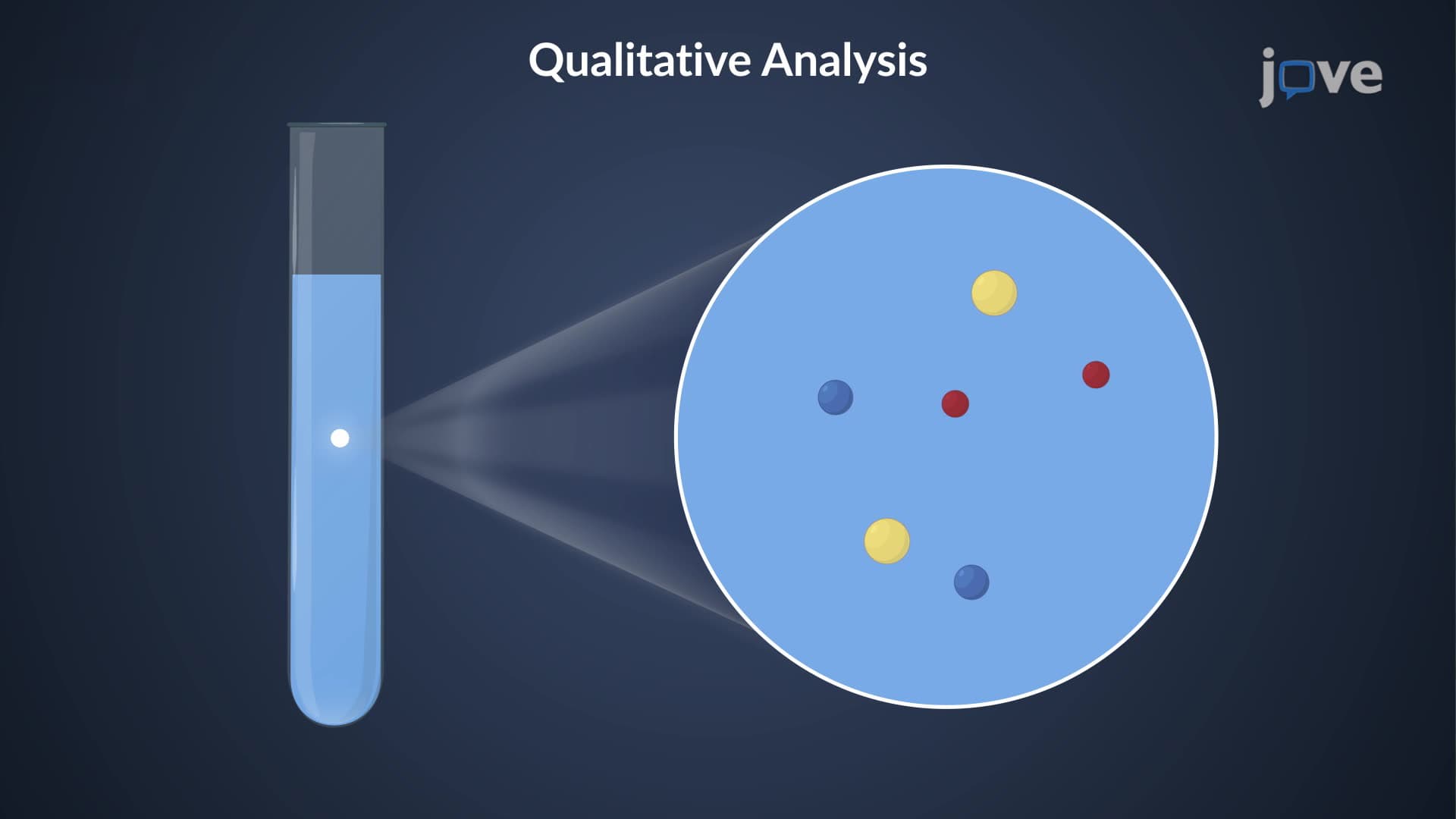
What is quantitative analysis represents one of the most practical and essential branches of analytical chemistry. Unlike qualitative analysis, which answers "what's there?", quantitative analysis addresses "how much is there?" This distinction becomes critical when precise measurements determine safety, efficacy, or compliance. For instance, when the FDA tests medications, knowing that aspirin is present isn't enough-they must verify that each tablet contains exactly 325 mg.
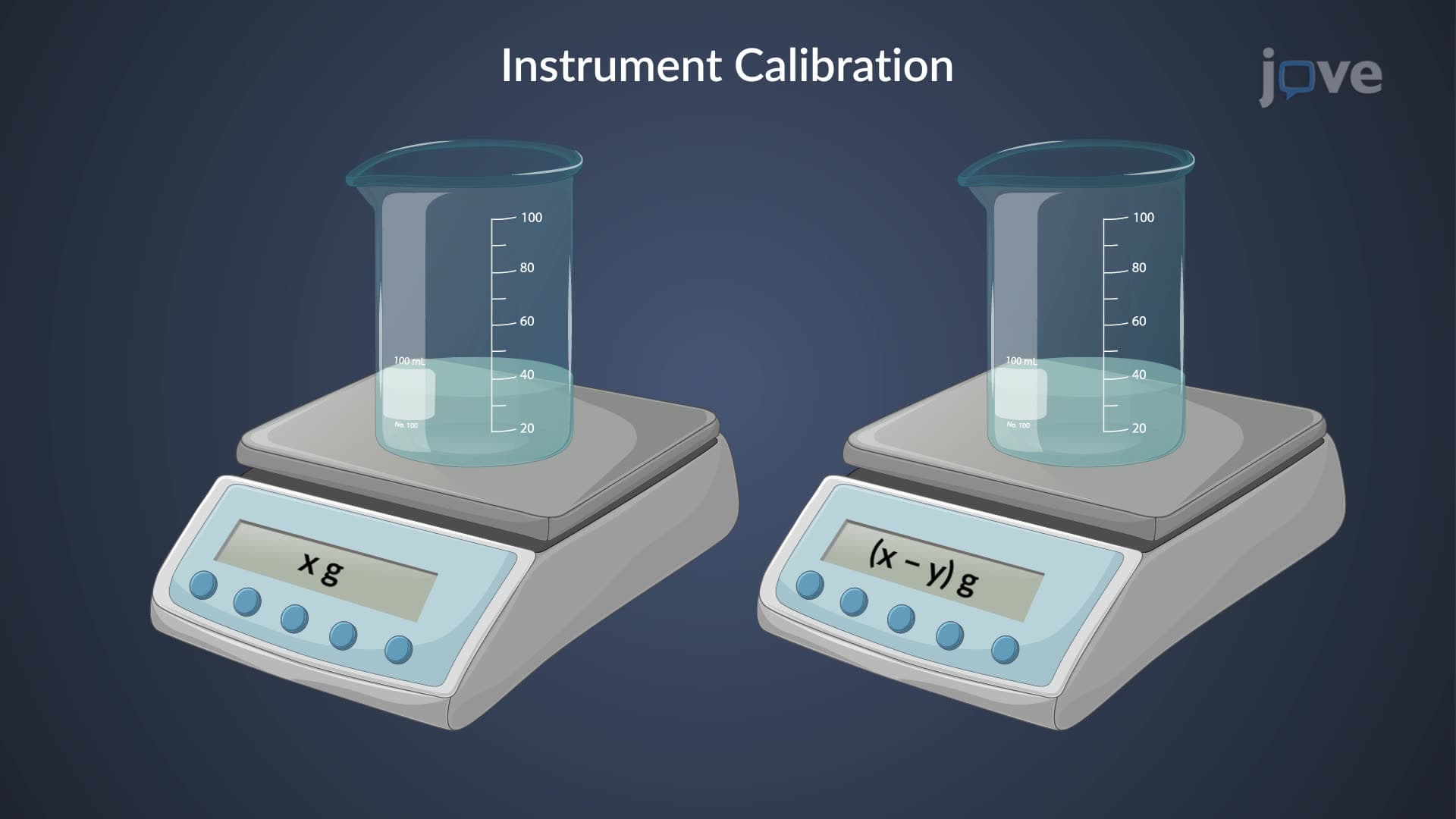
Quantitative analysis chemistry operates on a fundamental principle: relating an unknown concentration to a measurable property through calibration. This process requires two key measurements: the sample's response and a standard's response under identical conditions. The relationship between these measurements allows scientists to calculate exact concentrations with remarkable precision.
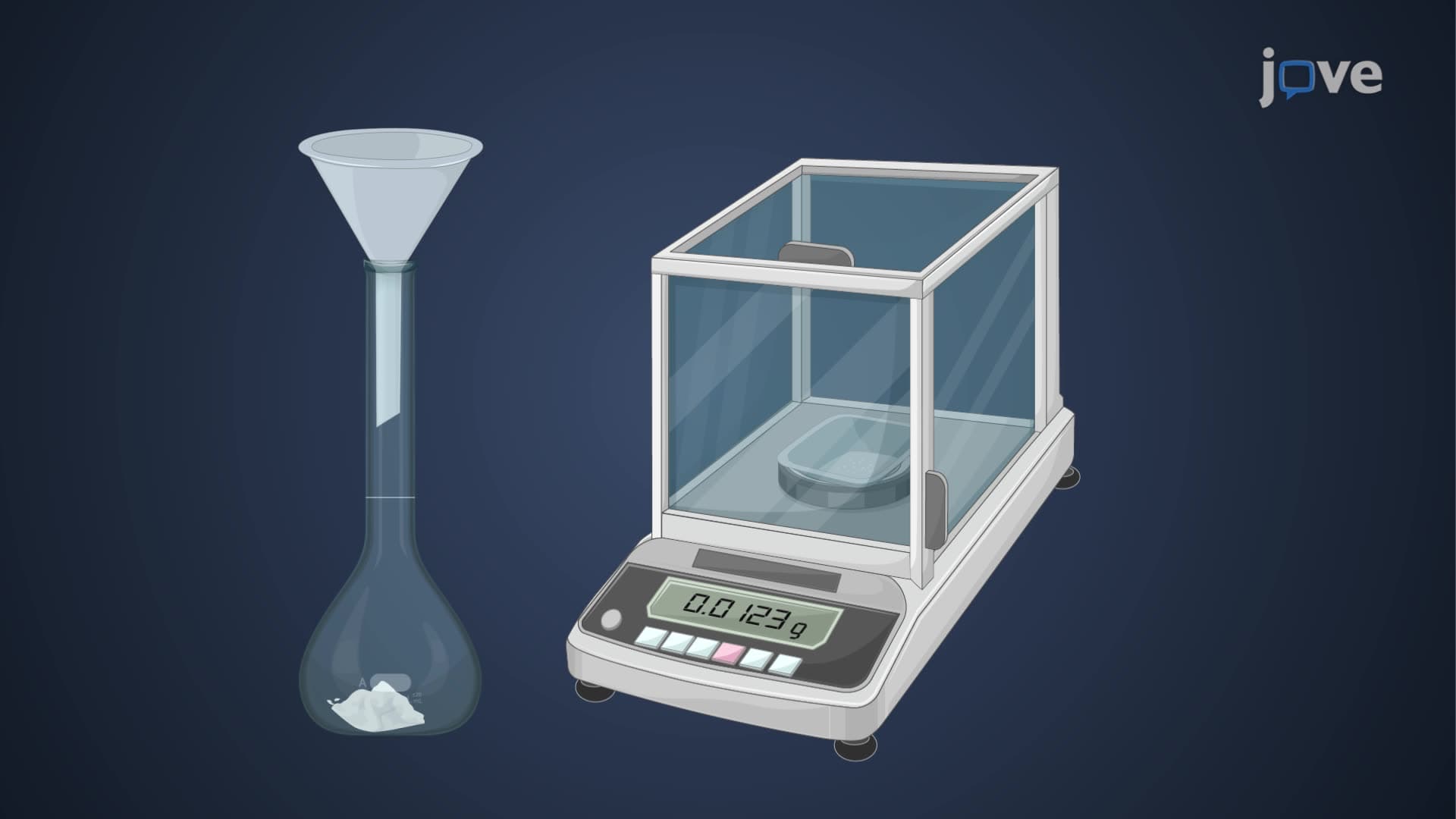
Classical quantitative analysis methods explained focus on direct measurement approaches that have been refined over centuries. Gravimetric analysis exemplifies this approach by measuring mass changes during chemical reactions. When environmental chemists analyze sulfate pollution in groundwater, they often precipitate sulfate ions as barium sulfate, then weigh the dried precipitate to calculate the original sulfate concentration.
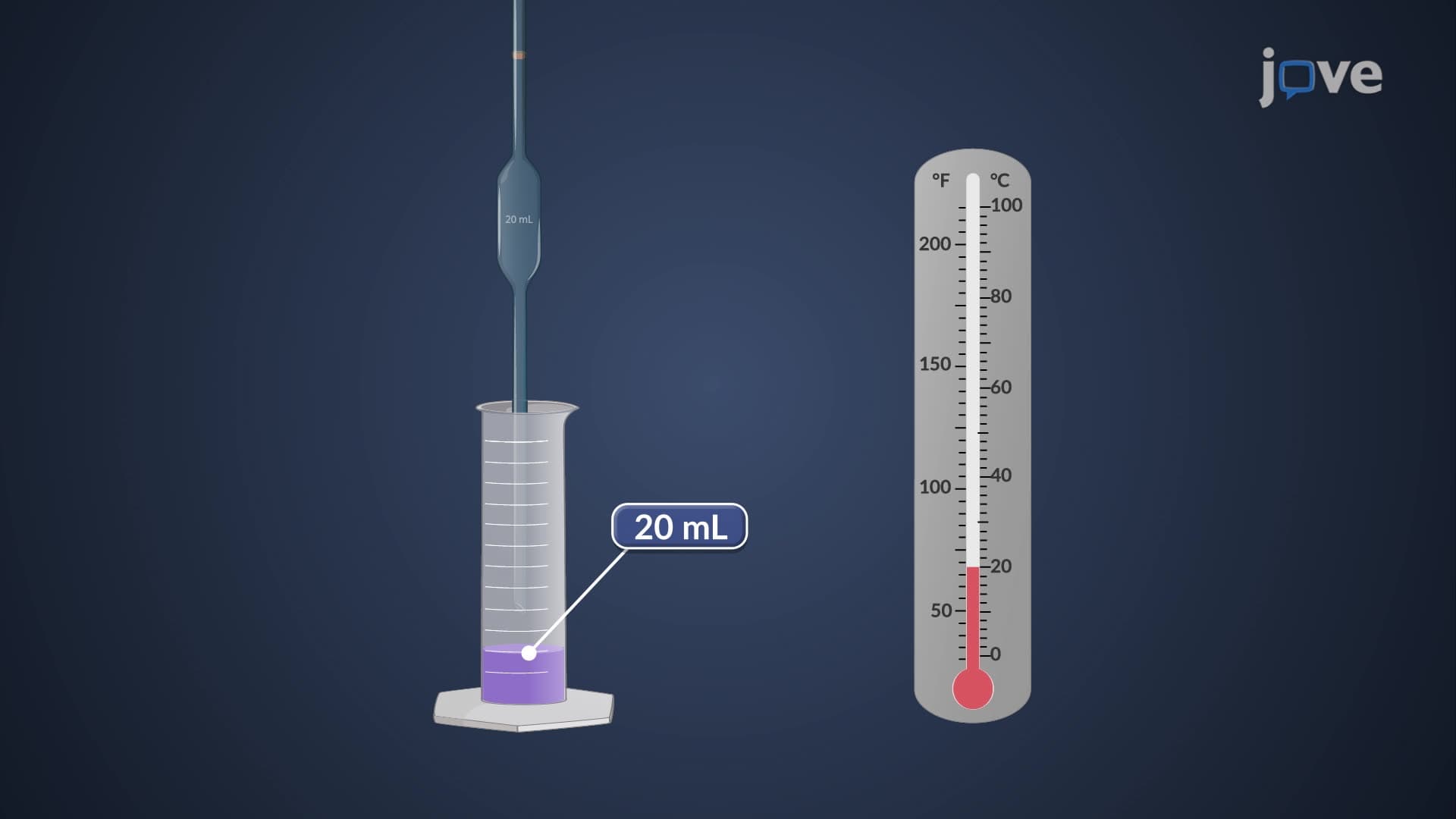
Volumetric analysis, another classical approach, measures volumes of solutions with known concentrations. Acid-base titrations represent the most common example, where students in AP Chemistry courses regularly determine unknown acid concentrations by measuring how much standardized base neutralizes the sample. These classical methods remain gold standards for accuracy, often serving as reference techniques for validating newer instrumental methods.
Modern quantitative determination method approaches leverage sophisticated instruments to measure physical properties proportional to concentration. Spectrophotometry, widely used in clinical laboratories across the United States, measures how much light samples absorb at specific wavelengths. When hospitals test blood glucose levels, spectrophotometric analyzers correlate light absorption with glucose concentration using pre-established calibration curves.
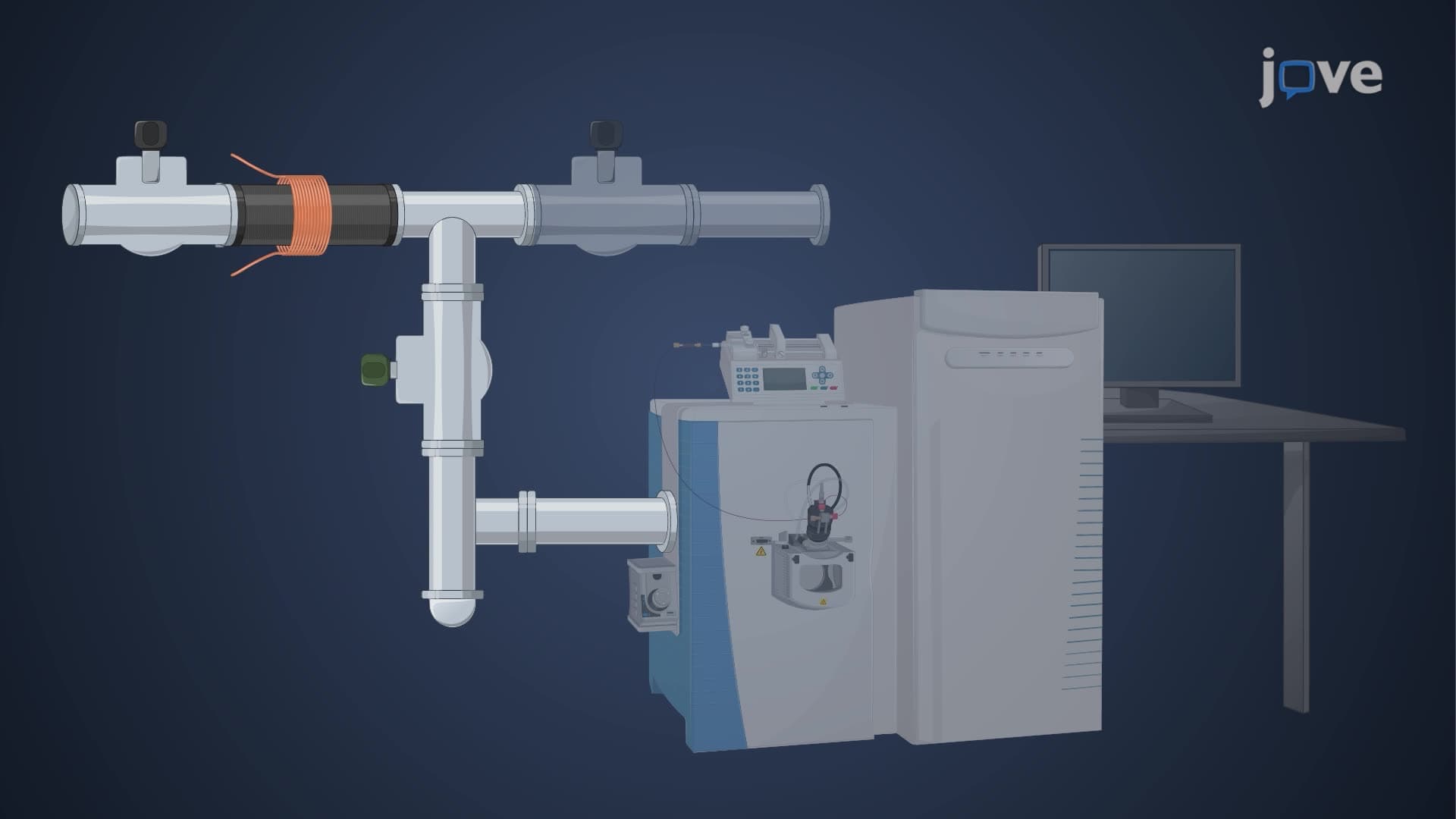
Chromatographic techniques separate mixture components before quantification, making them invaluable for complex samples. Gas chromatography-mass spectrometry (GC-MS) systems in forensic laboratories can identify and quantify multiple drugs simultaneously in biological samples. These analytical quantification methods provide the sensitivity and specificity required for trace-level measurements in criminal investigations and anti-doping tests.
Concentration measurement chemistry demands rigorous calibration procedures to ensure reliable results. Laboratory technicians prepare standard solutions containing known analyte concentrations, then measure instrument responses to create calibration curves. These plots establish the mathematical relationship between concentration and measured signal, enabling unknown sample quantification.
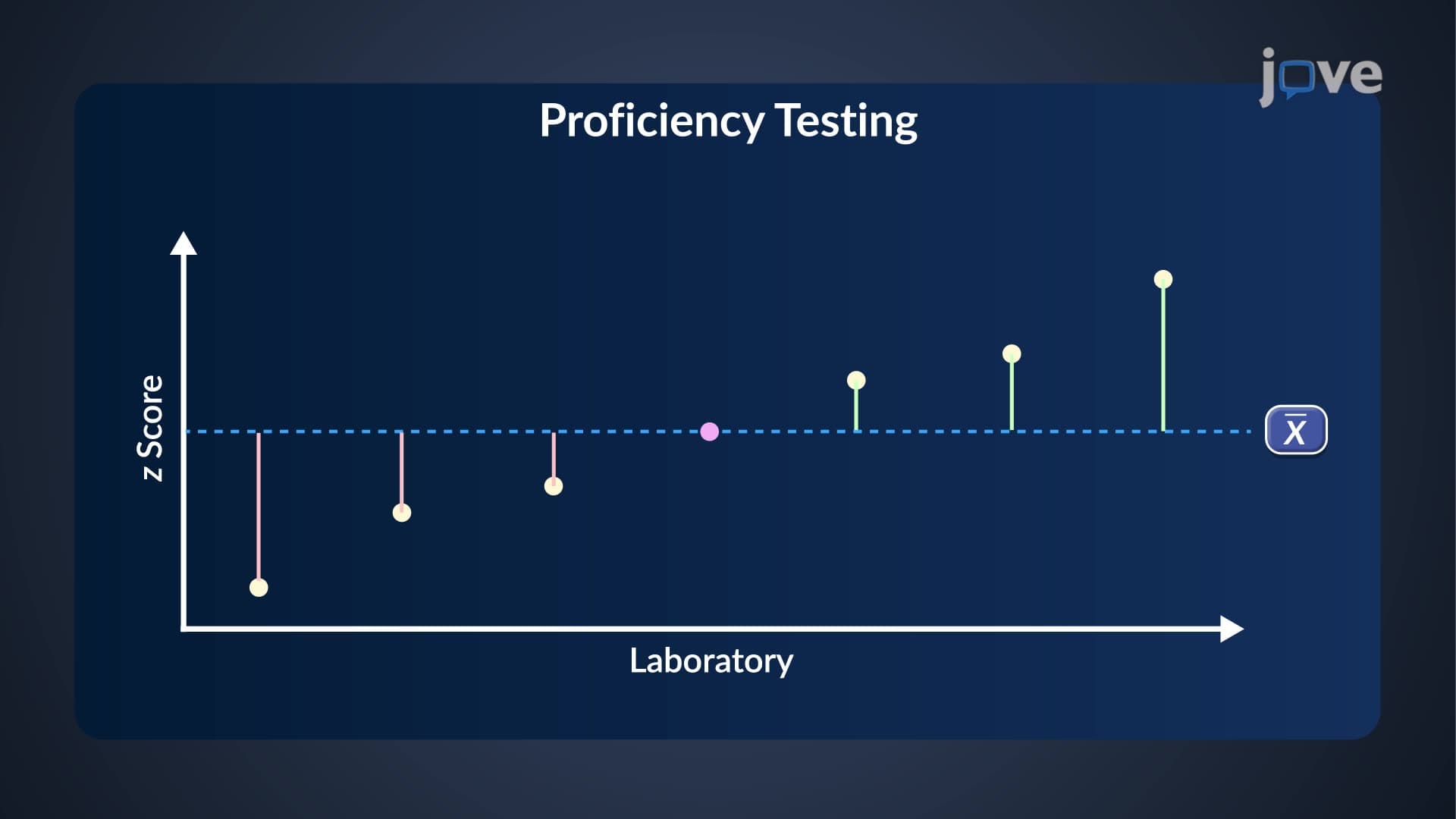
Quality control measures include analyzing blank samples (containing no analyte), duplicate samples, and certified reference materials with known concentrations. The College of American Pathologists requires clinical laboratories to participate in proficiency testing programs, where laboratories analyze identical samples and compare results to ensure accuracy and precision across different facilities.
Related Micro-courses