Loading video…

 17 Concepts
 11.7K views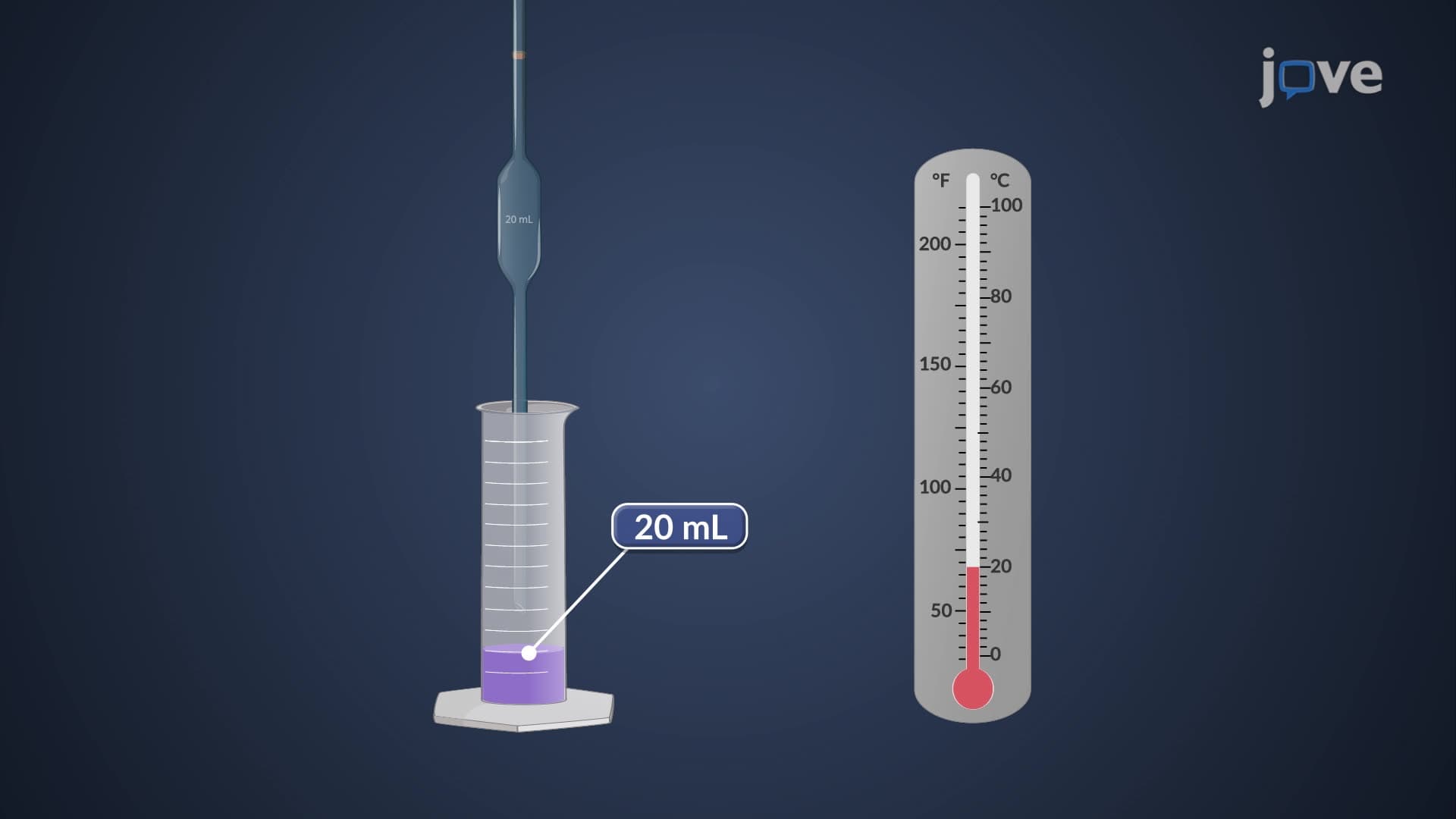

Video Summary: What Is Glassware Calibration
Did you know that a single drop of imprecise measurement can invalidate an entire pharmaceutical batch worth millions? Glassware calibration chemistry ensures laboratory equipment delivers exact volumes crucial for accurate analyses. When FDA inspectors evaluate drug manufacturing facilities across the United States, they scrutinize calibration records as rigorously as final products. What is glassware calibration? involves verifying that volumetric equipment like flasks, pipettes, and burettes deliver their stated volumes within acceptable tolerances. Watch the full video on JoVE Coach to master this concept with expert-led visuals and step-by-step explanations.
Glassware calibration chemistry forms the foundation of accurate quantitative analysis in every laboratory from high school classrooms to FDA-regulated pharmaceutical facilities. This critical process involves verifying that volumetric equipment delivers or contains the exact volume indicated on its markings, typically within tolerances measured in microliters.
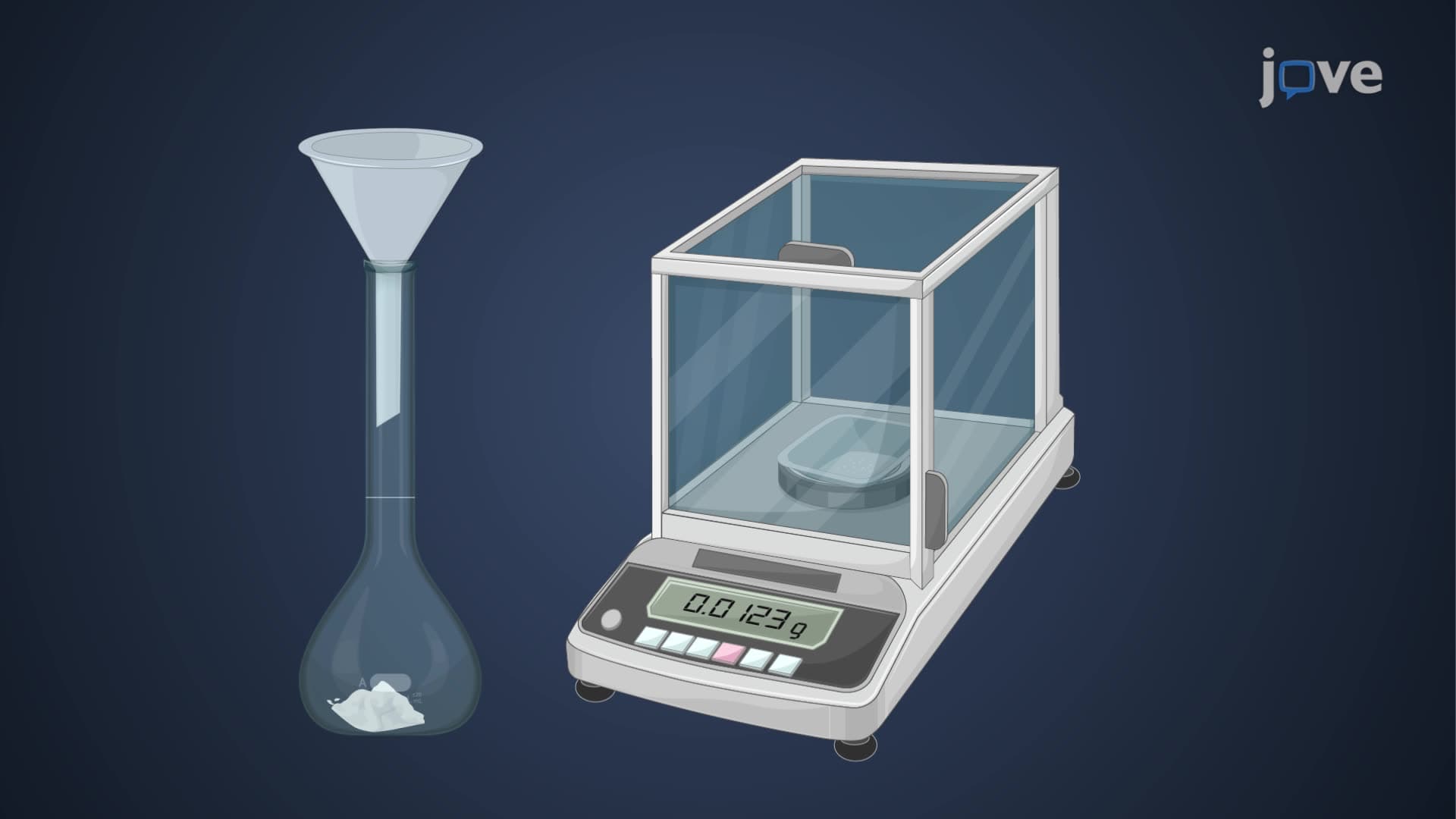
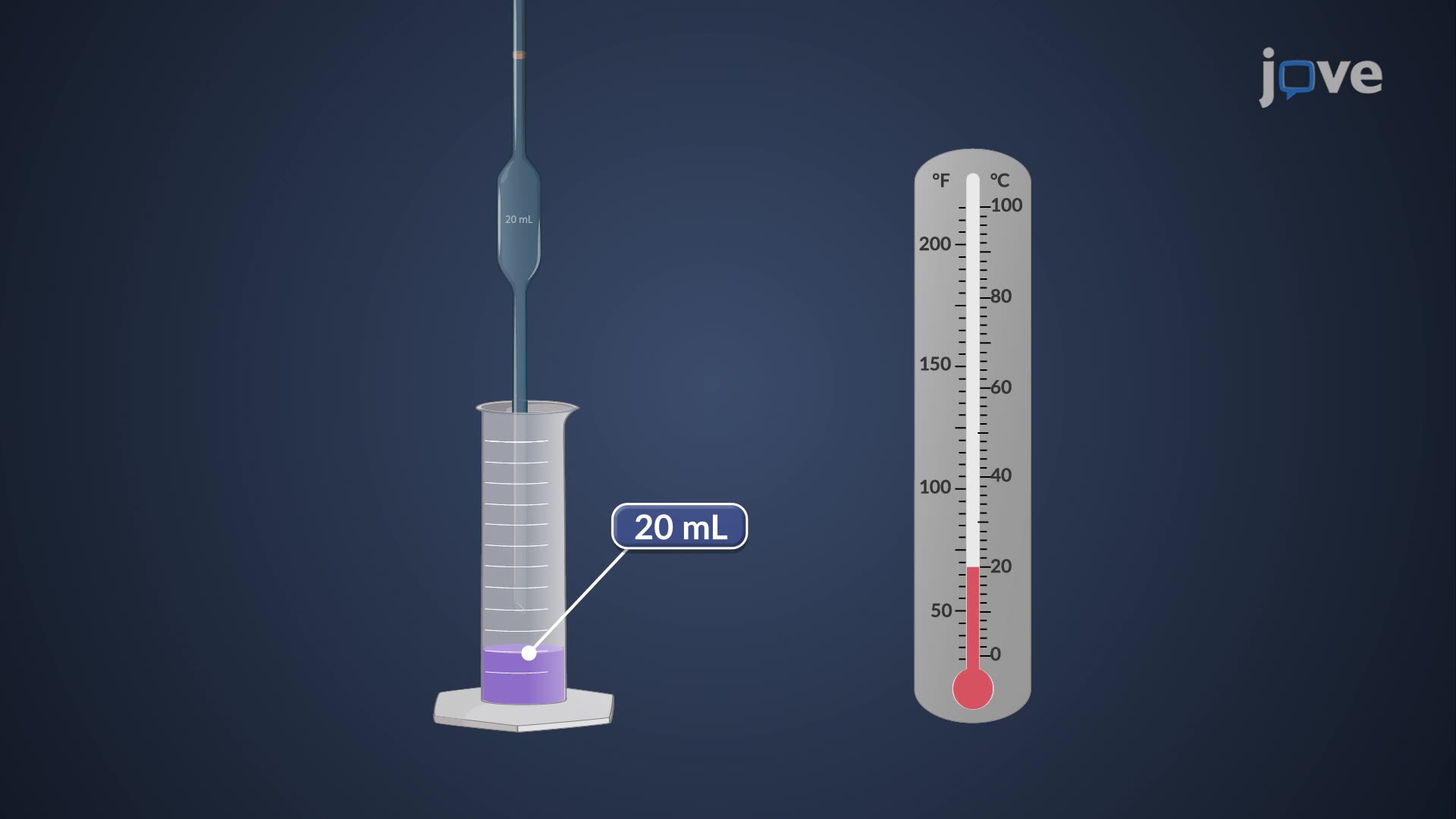
Volumetric flasks bear the marking "TC" (to contain), indicating they're calibrated to hold a precise volume at a specific temperature, usually 20°C. The volumetric glassware calibration process accounts for thermal expansion coefficients, ensuring that minor temperature fluctuations don't significantly affect volume accuracy. For example, a 250 mL Class A volumetric flask must contain 250.00 ± 0.12 mL to meet NIST standards. This precision proves essential when preparing standard solutions for EPA water quality testing or clinical laboratory analyses.
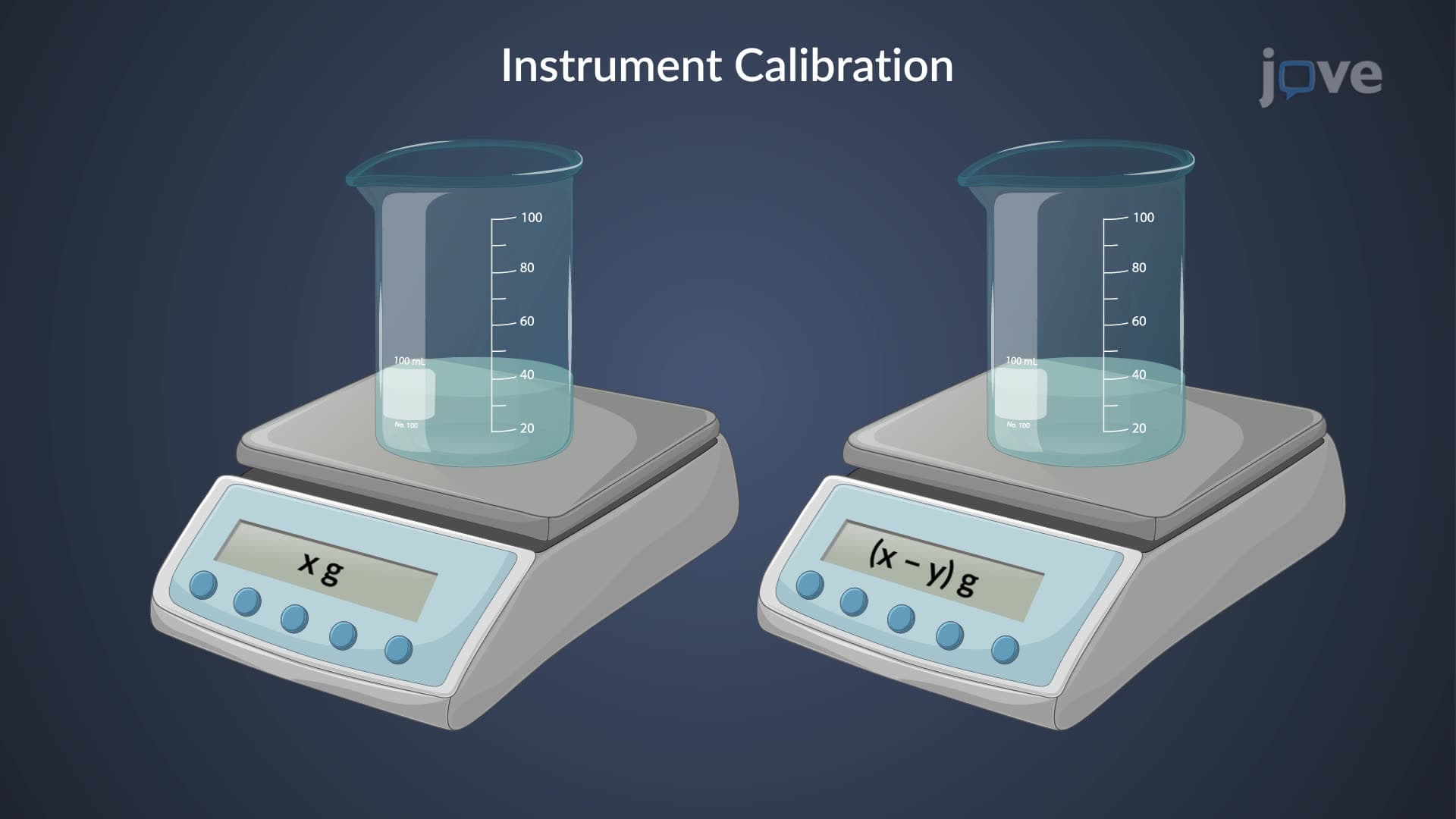
Pipette calibration method principles distinguish between "TD" (to deliver) and "TC" designations. TD pipettes account for the thin film of liquid that remains on glass walls after delivery, requiring specific drainage times-typically 15 seconds for most volumetric pipettes. How to calibrate laboratory glassware like pipettes involves gravimetric verification, where delivered volumes are weighed and converted to volume using water density values. Class A volumetric pipettes achieve remarkable precision, delivering volumes accurate to four or five significant figures, making them indispensable for preparing solutions in analytical chemistry courses and professional laboratories.
Burette calibration procedure ensures accurate titrant delivery in quantitative analyses. Class A burettes must meet stringent tolerances: a 50 mL burette allows only ±0.05 mL error at any graduation mark. Glassware tolerance calibration becomes particularly critical in acid-base titrations, where a 0.1 mL error can alter calculated concentrations by several percent. Students preparing for AP Chemistry exams must understand these precision requirements, as they directly impact stoichiometric calculations and experimental design.
This calibration knowledge proves invaluable for MCAT preparation, where understanding measurement uncertainty affects data interpretation questions, and for college analytical chemistry courses where gravimetric glassware calibration methods are routinely employed to validate experimental procedures.
Related Micro-courses