Loading video…


 17 Concepts
 11.7K views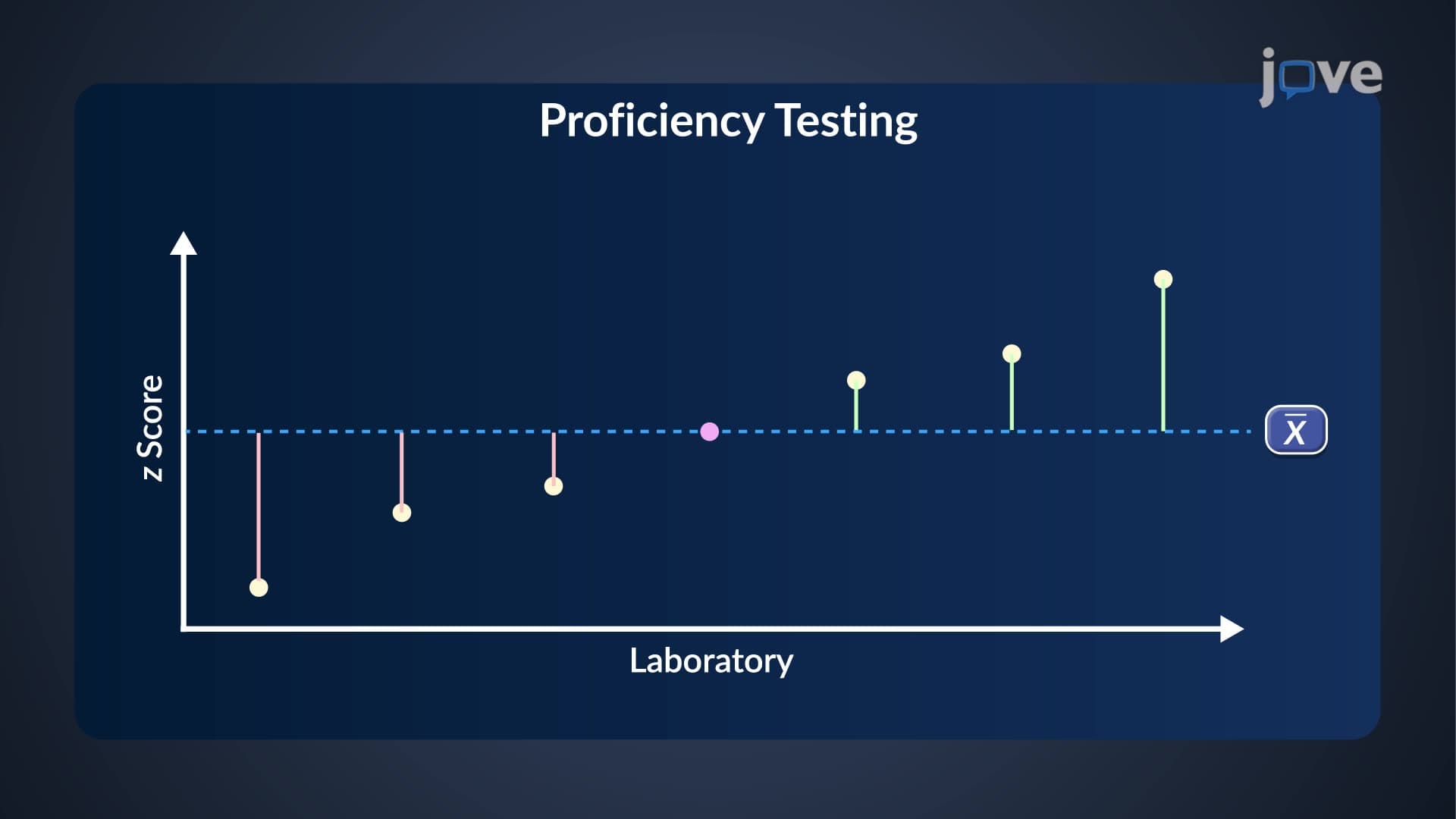

Video Summary: What Is Quality Control
Ever wonder how pharmaceutical companies ensure every aspirin tablet contains exactly 325mg of active ingredient? Quality control analytical chemistry forms the backbone of laboratory reliability, using systematic procedures to verify that analytical systems operate within acceptable limits. From FDA-regulated drug testing to environmental monitoring by the EPA, understanding what is quality control becomes crucial for maintaining scientific integrity. This comprehensive quality assurance process involves statistical control charts, proficiency testing, and rigorous documentation protocols. Watch the full video on JoVE Coach to master this concept with expert-led visuals and step-by-step explanations.
Quality control analytical chemistry represents a systematic approach to ensuring laboratory measurements remain accurate, precise, and reliable over time. Unlike quality assurance (which focuses on preventing errors) or quality improvement (which enhances processes), quality control specifically monitors ongoing analytical performance through statistical methods and standardized protocols.
In the United States, regulatory agencies like the FDA, EPA, and CDC mandate strict quality control requirements for laboratories conducting everything from pharmaceutical analysis to environmental testing. These requirements ensure public safety and scientific credibility across all analytical measurements.
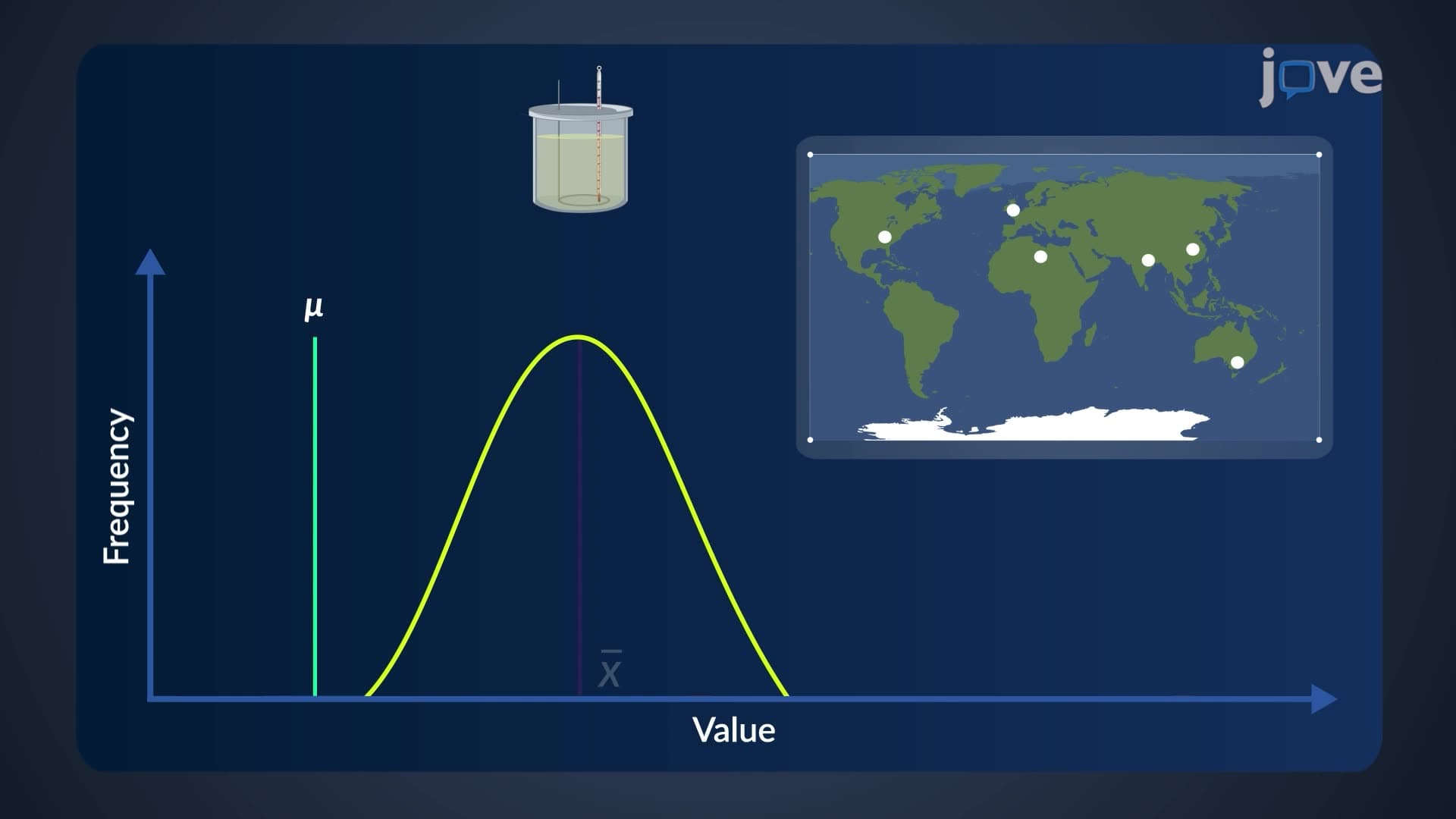
Quality control charts serve as the foundation of analytical monitoring systems. These consecutive plots track specific analytical characteristics over time, comparing each measurement against established reference values. For example, a clinical chemistry laboratory might plot daily glucose control results, immediately identifying when their analyzer drifts beyond acceptable limits.
Control sample analysis involves running known reference materials alongside unknown samples. When a hospital laboratory analyzes patient blood glucose, they simultaneously run high, normal, and low glucose controls. If control results fall outside predetermined ranges (typically ±2 or ±3 standard deviations), the entire analytical run gets rejected and repeated.
Proficiency testing provides external validation of laboratory performance by comparing results across multiple facilities. Organizations like the College of American Pathologists (CAP) distribute identical samples to thousands of laboratories nationwide. Each lab analyzes these samples using their standard procedures, then receives statistical comparisons showing how their results compare to peer laboratories.
The z-score calculation quantifies laboratory performance: z = (lab result - target value) / standard deviation. Z-scores between -2 and +2 indicate acceptable performance, while values beyond ±3 typically require immediate corrective action. This statistical approach helps laboratories identify systematic errors and maintain analytical quality.
Establishing appropriate QC acceptance criteria requires understanding both analytical requirements and regulatory expectations. Clinical laboratories often use Westgard rules, which define specific patterns of control failures that trigger investigative actions. Environmental laboratories follow EPA protocols that specify different acceptance criteria based on analyte types and concentration ranges.
Comprehensive documentation and archiving ensure traceability and regulatory compliance. Every QC result, corrective action, and method modification must be recorded and retained according to industry standards. This documentation proves essential during regulatory inspections and accreditation surveys.
Students preparing for the MCAT encounter quality control concepts in general chemistry and biochemistry sections, particularly regarding experimental design and data interpretation. AP Chemistry students apply these principles when designing laboratory experiments and analyzing measurement uncertainty. College analytical chemistry courses extensively cover quality control as fundamental to professional laboratory practice.
Related Micro-courses