Loading video…


 17 Concepts
 11.7K views

Video Summary: What Is Development of Analytical Methods
Ever wonder how scientists at the FDA determine if your prescription medication contains exactly the right dose? Analytical method development is the systematic process of creating reliable testing procedures that ensure everything from pharmaceuticals to environmental samples meets safety standards. The development of analytical methods involves building cascading frameworks-from basic scientific techniques to strict laboratory protocols-that laboratories across the United States use daily to protect public health. Watch the full video on JoVE Coach to master this concept with expert-led visuals and step-by-step explanations.
Analytical method development represents the cornerstone of modern scientific measurement, providing the foundation for everything from drug quality control to environmental monitoring. This systematic process transforms basic scientific principles into reliable, reproducible testing procedures that laboratories can implement with confidence.
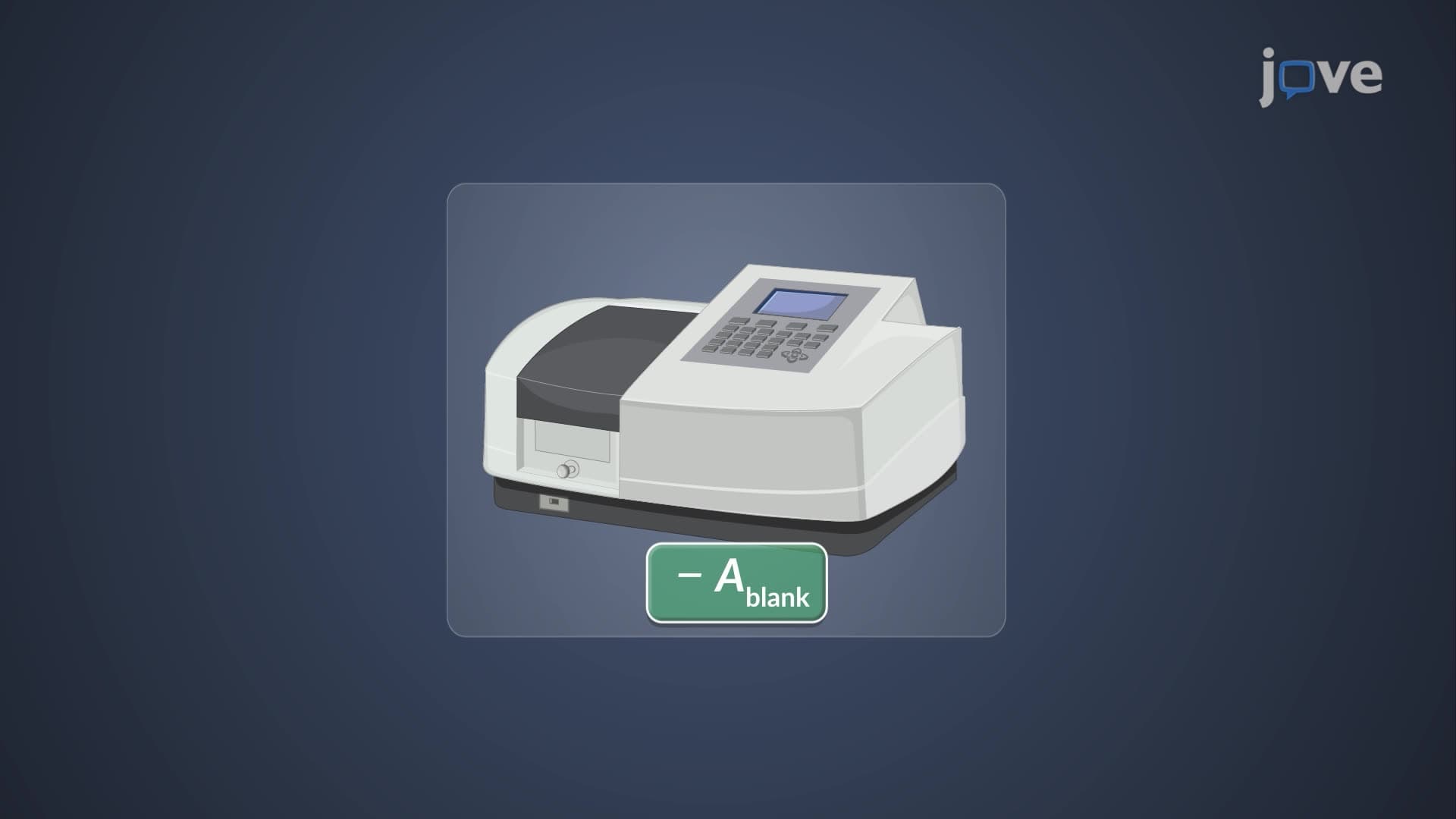
The development process follows a hierarchical structure with four distinct levels. At the foundation lies the technique-the fundamental scientific principle that explains how a measurement occurs. For example, spectrophotometry relies on the principle that different compounds absorb specific wavelengths of light. The method represents the practical adaptation of this technique for specific samples, such as using UV-Vis spectrophotometry to measure protein concentrations in blood samples.
Developing analytical methods chemistry requires careful consideration of procedural details and strict adherence to protocols. The procedure provides step-by-step directions that any qualified analyst can follow, while the protocol establishes the rigid guidelines that ensure consistency across different laboratories and operators.
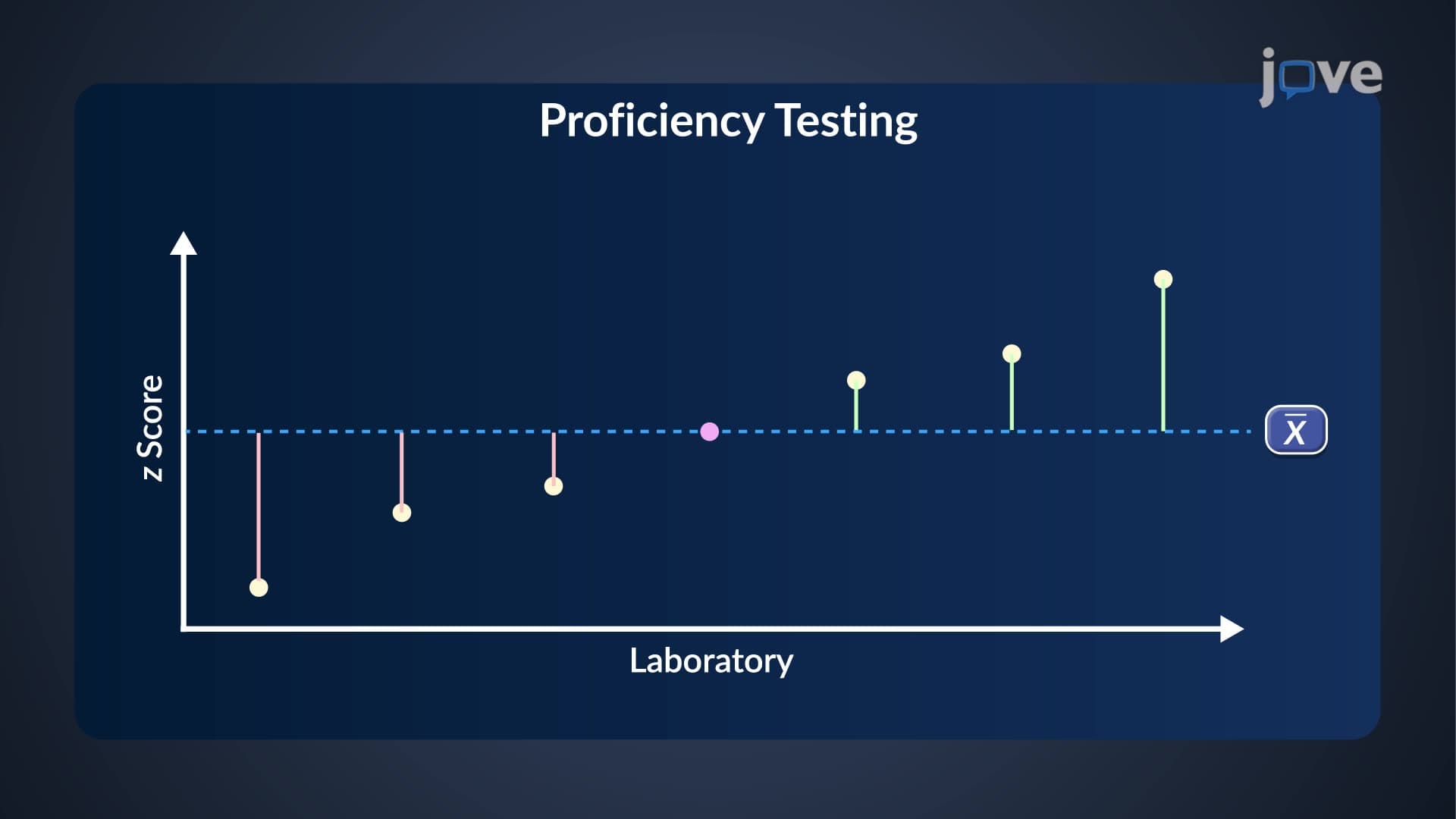
This systematic approach proves essential for standardized testing. When the EPA analyzes water quality across different states, or when pharmaceutical companies validate drug potency, they rely on rigorously developed methods that produce comparable results regardless of location or analyst.
Analytical procedure development traditionally divides into two major categories. Classical methods focus on physical separation techniques-precipitation removes unwanted compounds, extraction isolates target analytes, and distillation separates components based on boiling points. These time-tested approaches remain valuable for many applications, particularly in educational settings where students learn fundamental separation principles.
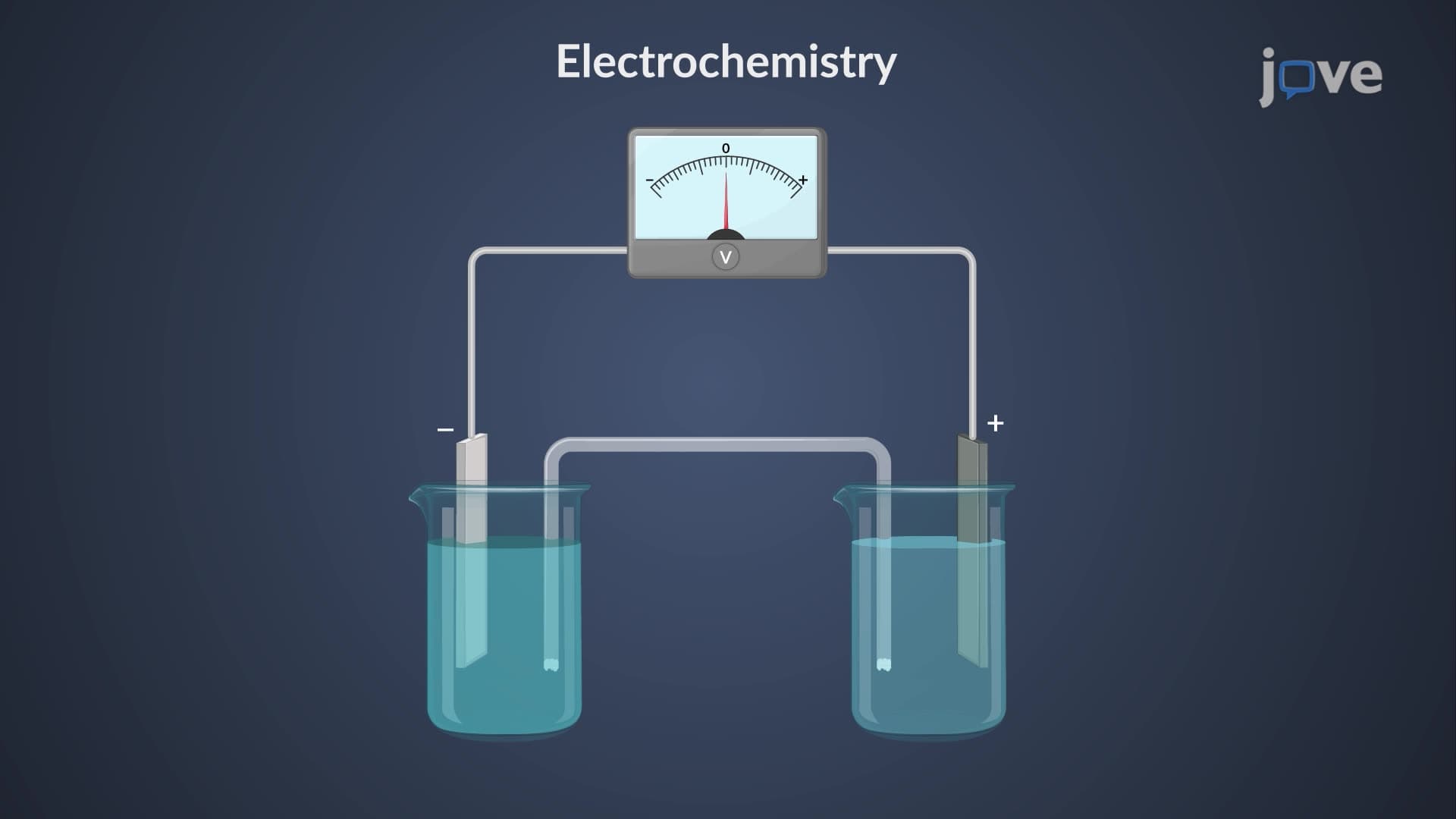
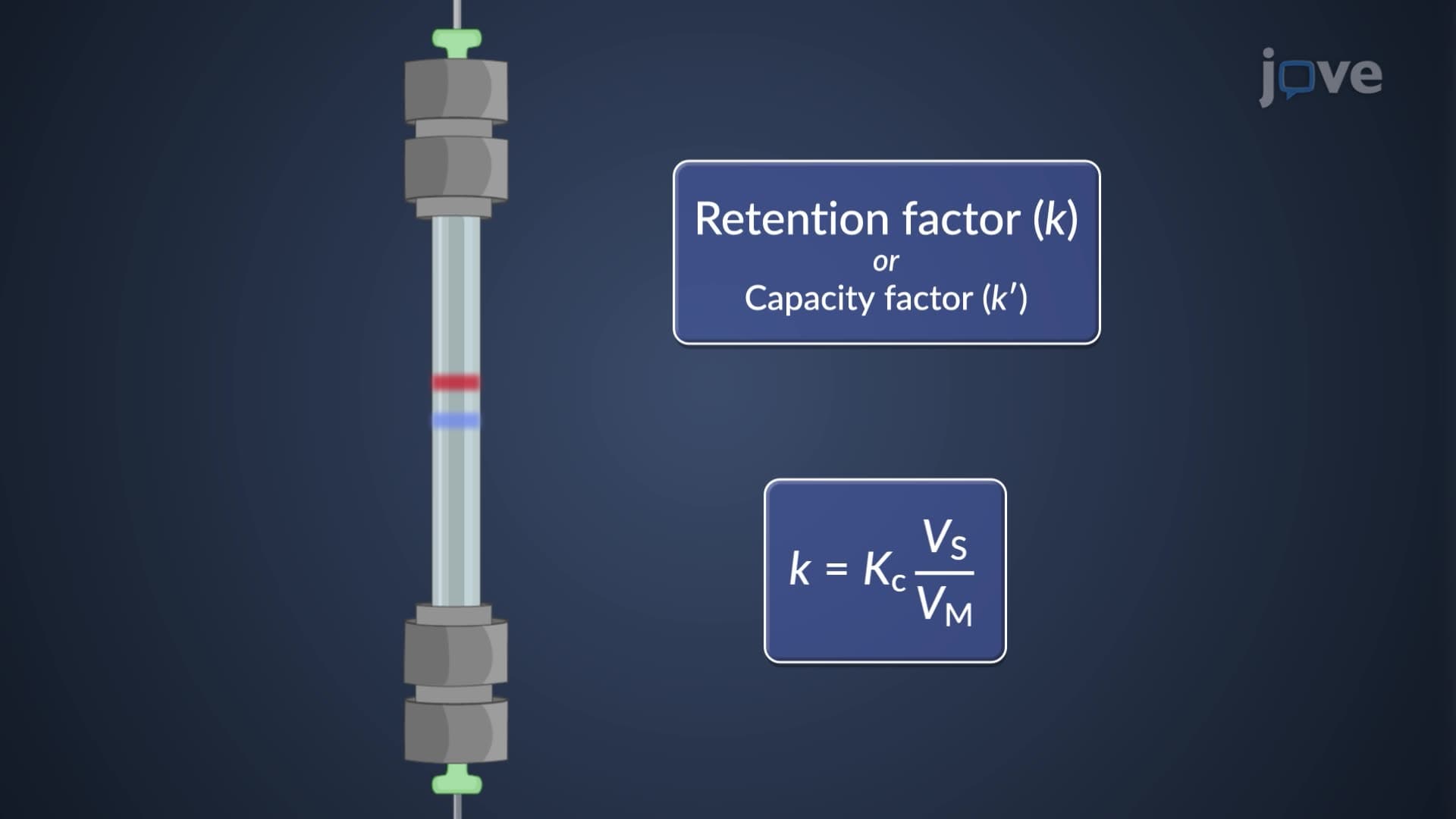
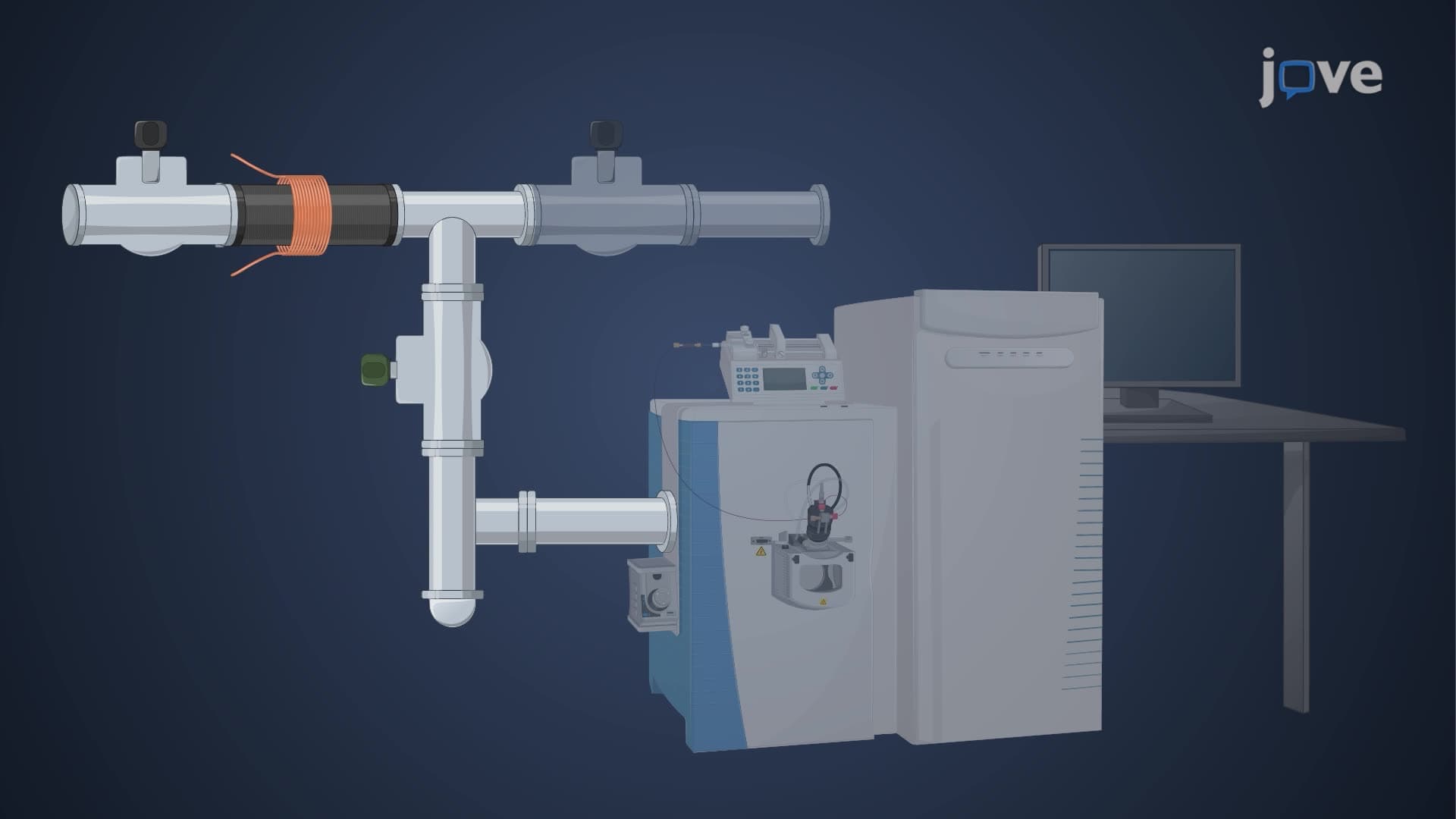
Instrumental methods, however, dominate modern analytical laboratories. These techniques measure physical properties like electrical conductivity, light absorption, or mass-to-charge ratios. High-performance liquid chromatography (HPLC) systems in pharmaceutical companies exemplify this approach, using sophisticated instrumentation to separate and quantify drug compounds with remarkable precision.
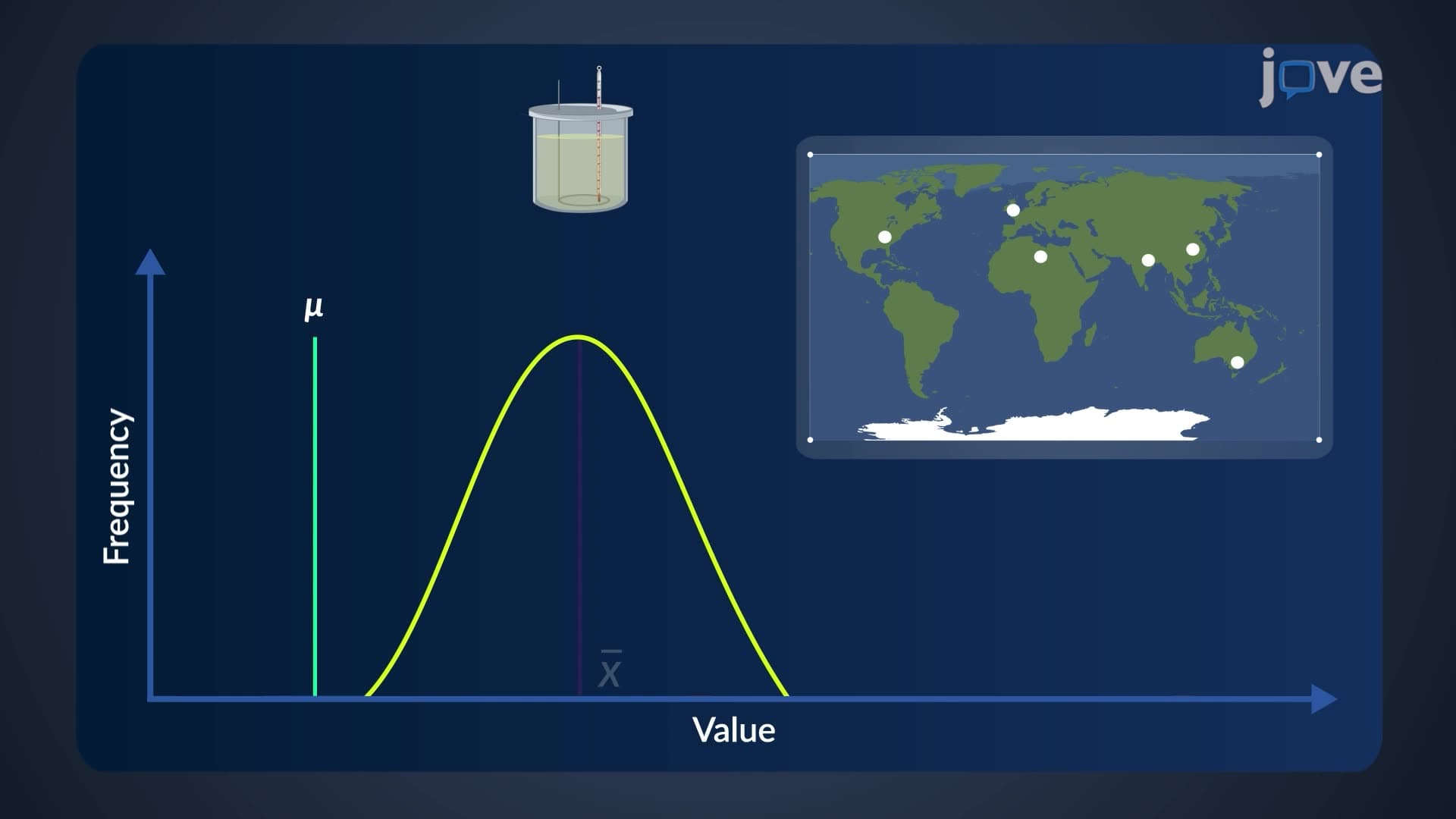
Method optimization chemistry requires balancing multiple competing factors. Accuracy and precision determine how close results come to true values and how reproducible they remain. Sensitivity establishes the lowest detectable concentrations, while selectivity ensures the method measures only the intended analyte without interference.
Practical considerations equally influence method selection. Equipment availability, analysis time, and cost constraints shape decisions in real laboratory environments. A hospital laboratory might prioritize rapid turnaround times for emergency blood tests, while a research facility might emphasize ultimate precision for groundbreaking studies. Understanding these trade-offs prepares students for AP Chemistry exams and college-level analytical chemistry courses, where method selection scenarios frequently appear as practical problem-solving questions.
Related Micro-courses