Loading video…


 17 Concepts
 11.7K views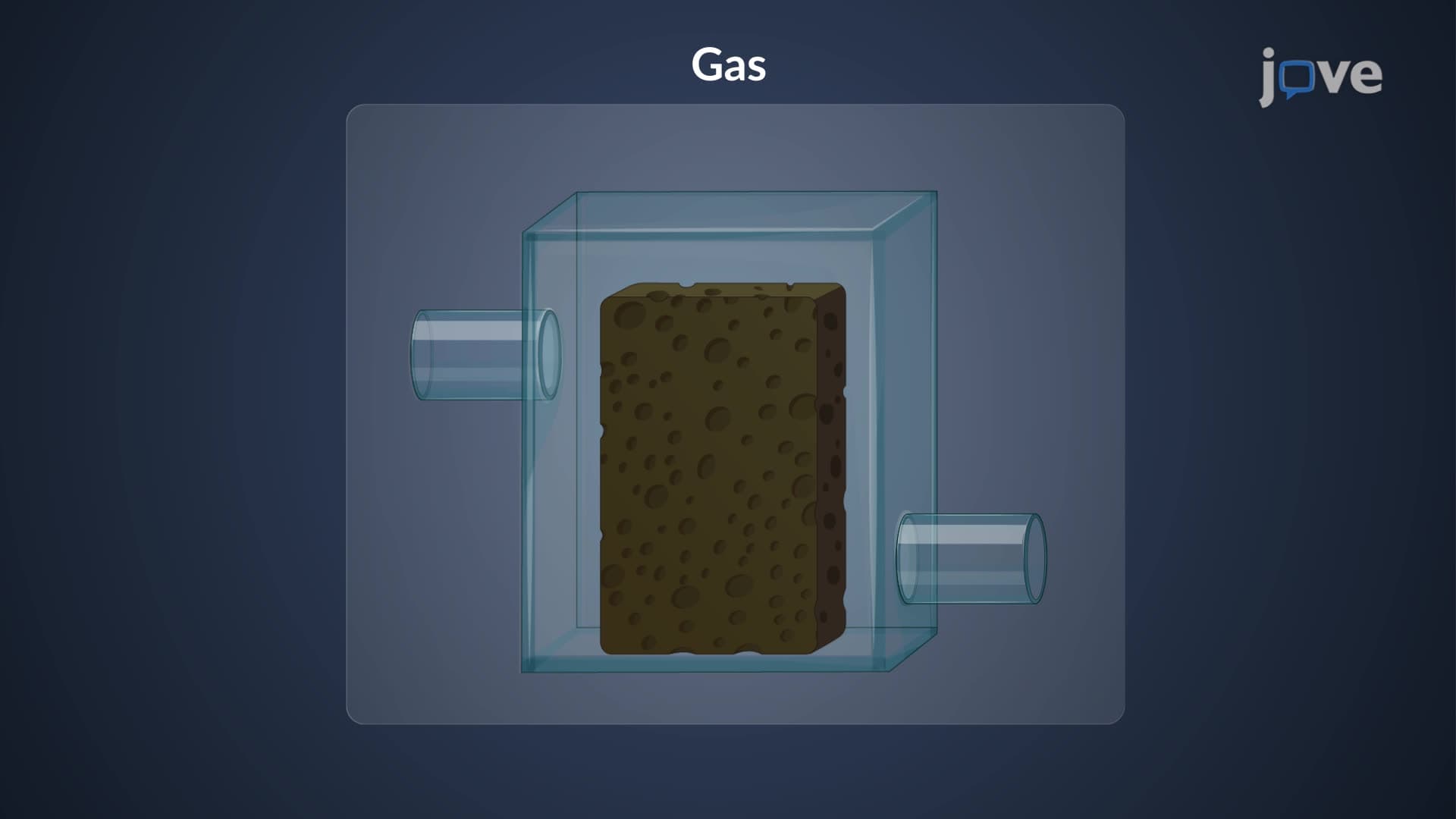

Video Summary: What Is Sample Preparation for Analysis
Ever wonder how scientists at the CDC can detect trace amounts of contamination in drinking water or how forensic labs identify microscopic evidence? The answer lies in sample preparation analysis, the crucial first step that transforms raw samples into forms suitable for accurate testing. For instance, when testing soil from a Superfund site in New Jersey for heavy metals, scientists must first extract, purify, and concentrate the contaminants before analysis can begin. Watch the full video on JoVE Coach to master this concept with expert-led visuals and step-by-step explanations.
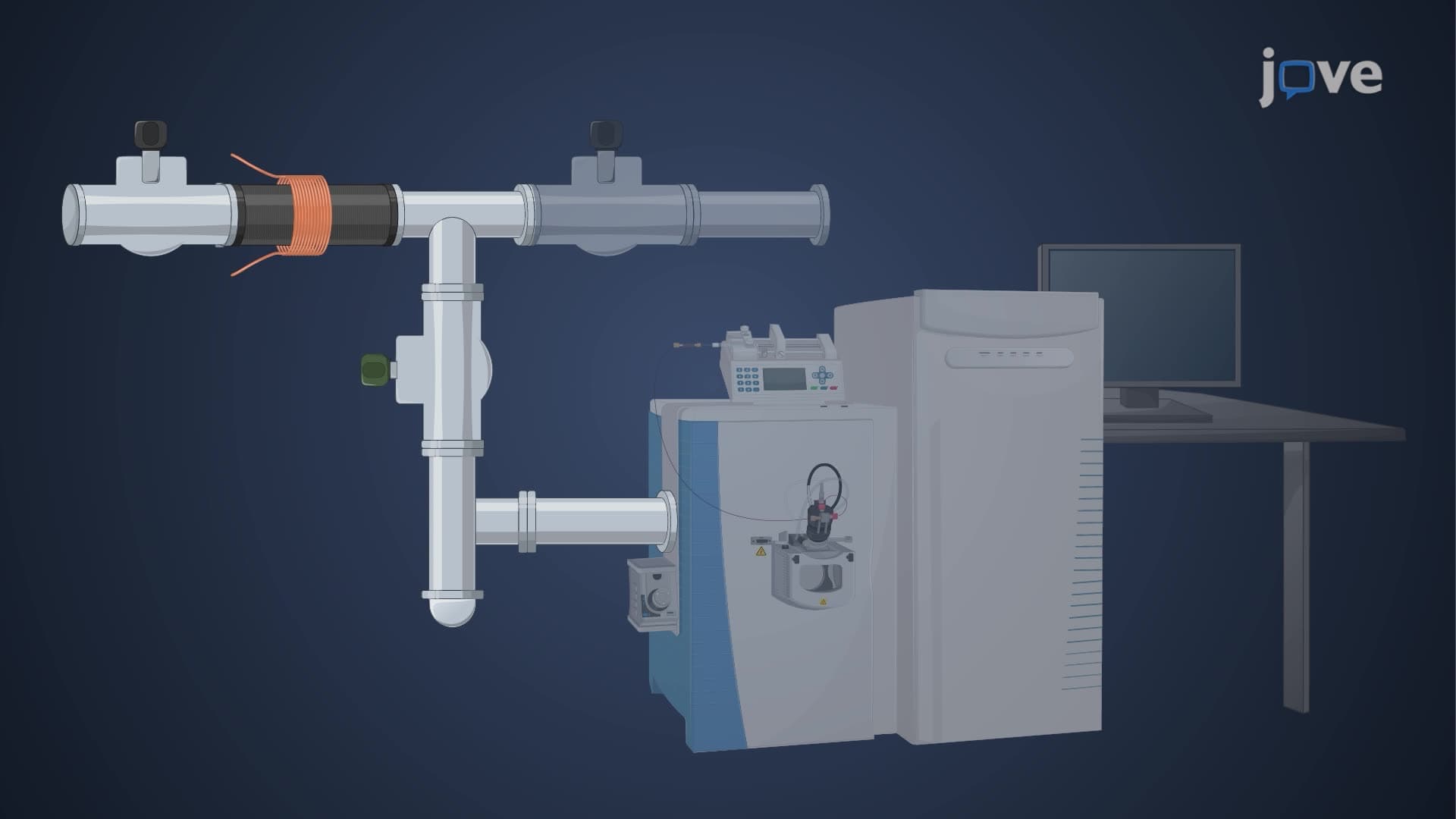
Sample preparation analysis serves as the foundation of reliable analytical chemistry, transforming raw samples into forms suitable for instrumental analysis. This critical process addresses three fundamental challenges that analysts face: extracting the target analyte from its original matrix, removing interfering substances, and concentrating dilute samples to detectable levels.
The importance of proper sample preparation cannot be overstated, studies show that 80% of analytical errors stem from inadequate sample preparation rather than instrumental limitations. This makes mastering these techniques essential for success in AP Chemistry, college analytical chemistry courses, and professional laboratory work.
The extraction phase focuses on separating the analyte of interest from its original sample matrix. Consider how environmental chemists analyze pesticide residues in agricultural produce from California's Central Valley. The pesticides must first be extracted from the complex plant tissue matrix using appropriate solvents before gas chromatography analysis can occur.
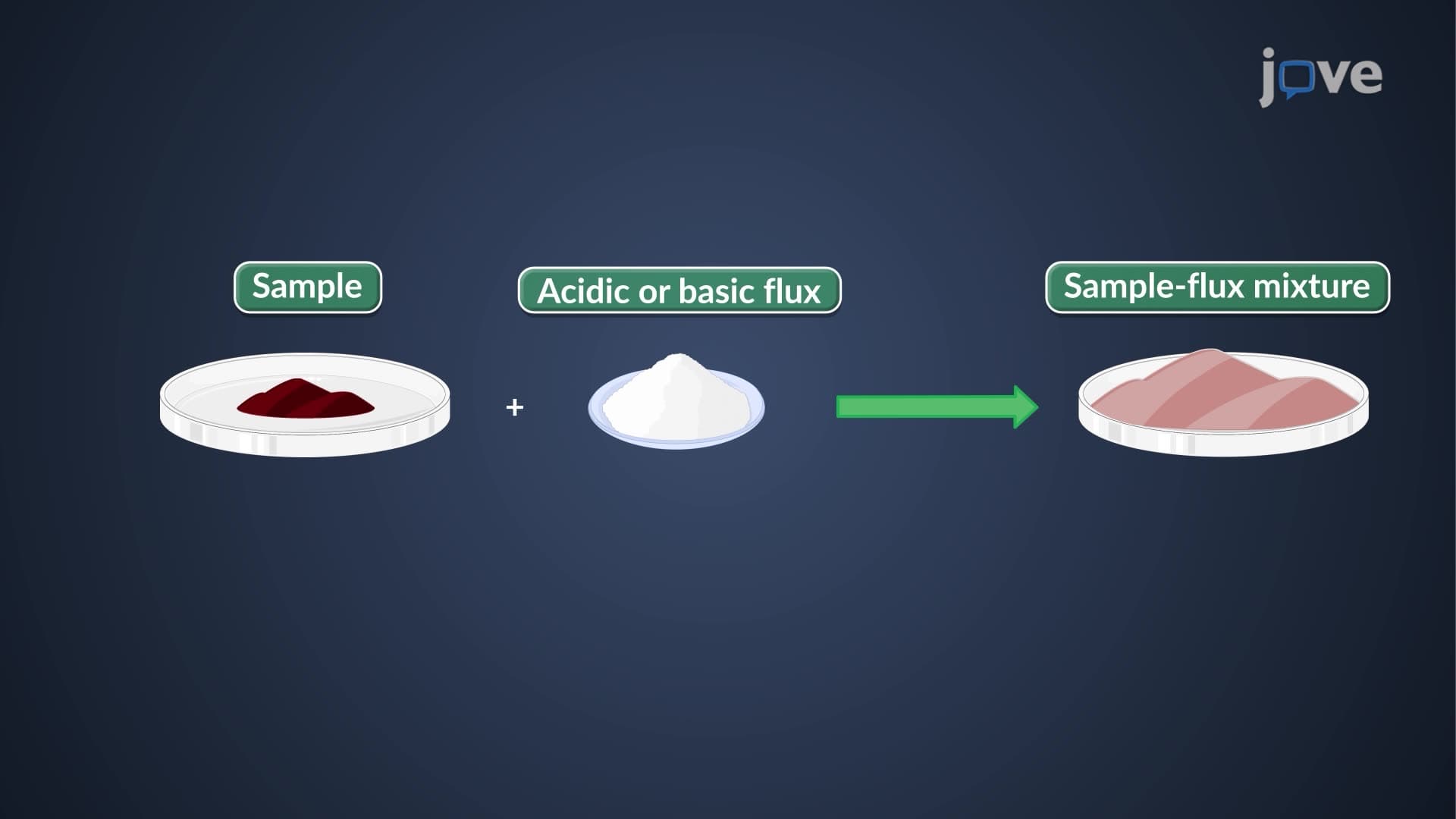
Sample extraction preparation varies significantly based on the analyte's chemical properties and the sample matrix. Polar compounds require polar solvents like methanol or water, while nonpolar compounds need organic solvents such as hexane or dichloromethane. This concept frequently appears on MCAT chemistry sections and college organic chemistry exams.
Once extracted, samples often contain interfering substances that can compromise analytical results. Matrix removal preparation and sample cleanup chemistry eliminate these interferences through various techniques. For example, when pharmaceutical companies test drug purity at facilities in Research Triangle Park, North Carolina, they must remove manufacturing byproducts and excipients that could interfere with HPLC analysis.
Common purification methods include solid-phase extraction (SPE), where samples pass through specialized cartridges that selectively retain either the analyte or interferents. This technique is particularly important in clinical chemistry, where blood and urine samples contain numerous potential interferents.
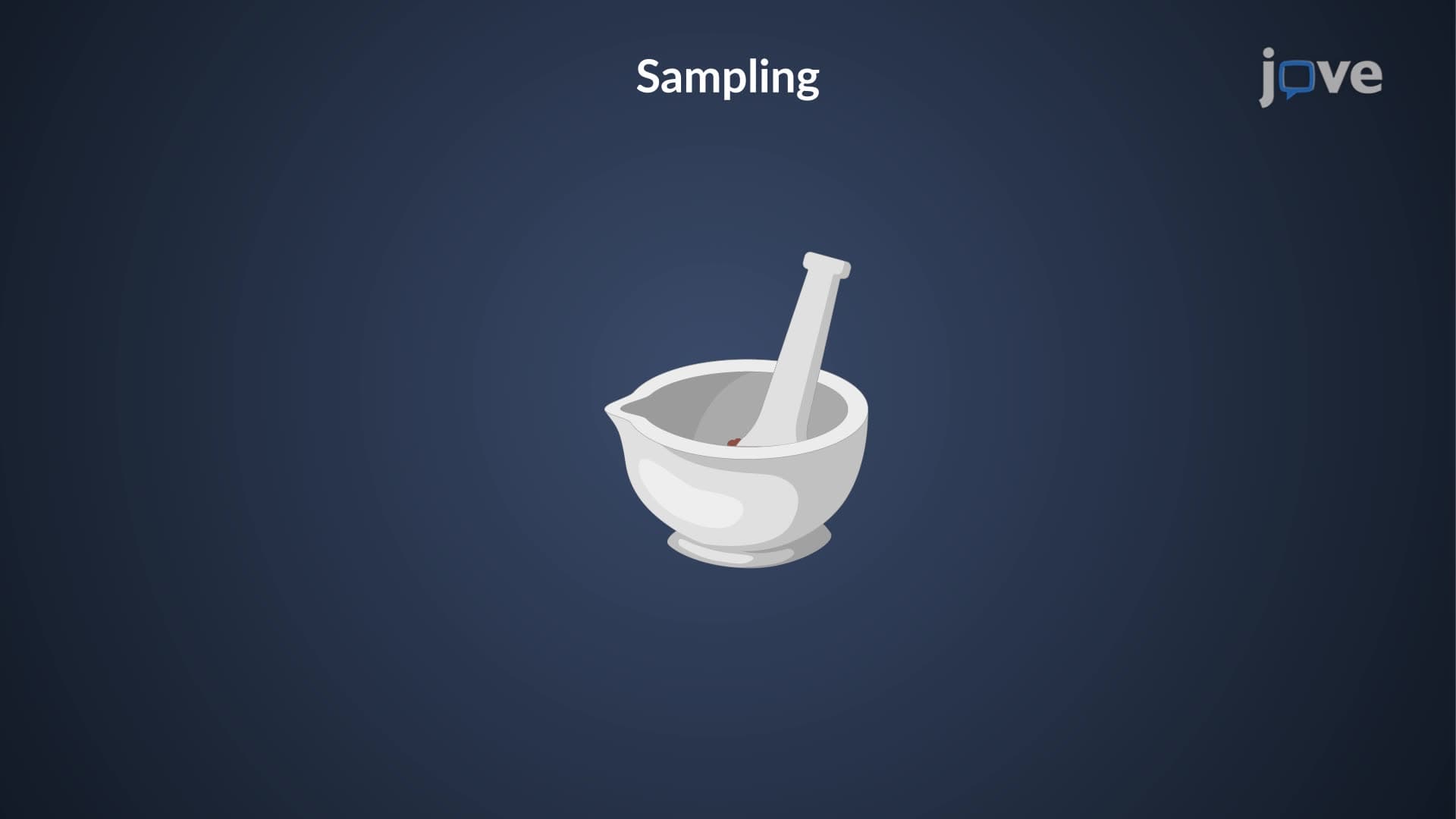
Sample digestion methods and physical preparation techniques vary by sample state. Solid samples require mechanical processing, grinding, crushing, and milling, to create homogeneous fine powders. This process, followed by sieving and blending, ensures representative sampling and consistent results.
The particle size reduction increases surface area, improving extraction efficiency. Food testing laboratories routinely employ these techniques when analyzing nutritional content or contaminant levels in processed foods. This topic commonly appears in analytical chemistry coursework and professional certification exams like those required for clinical laboratory scientists.
Related Micro-courses