Loading video…


 17 Concepts
 11.7K views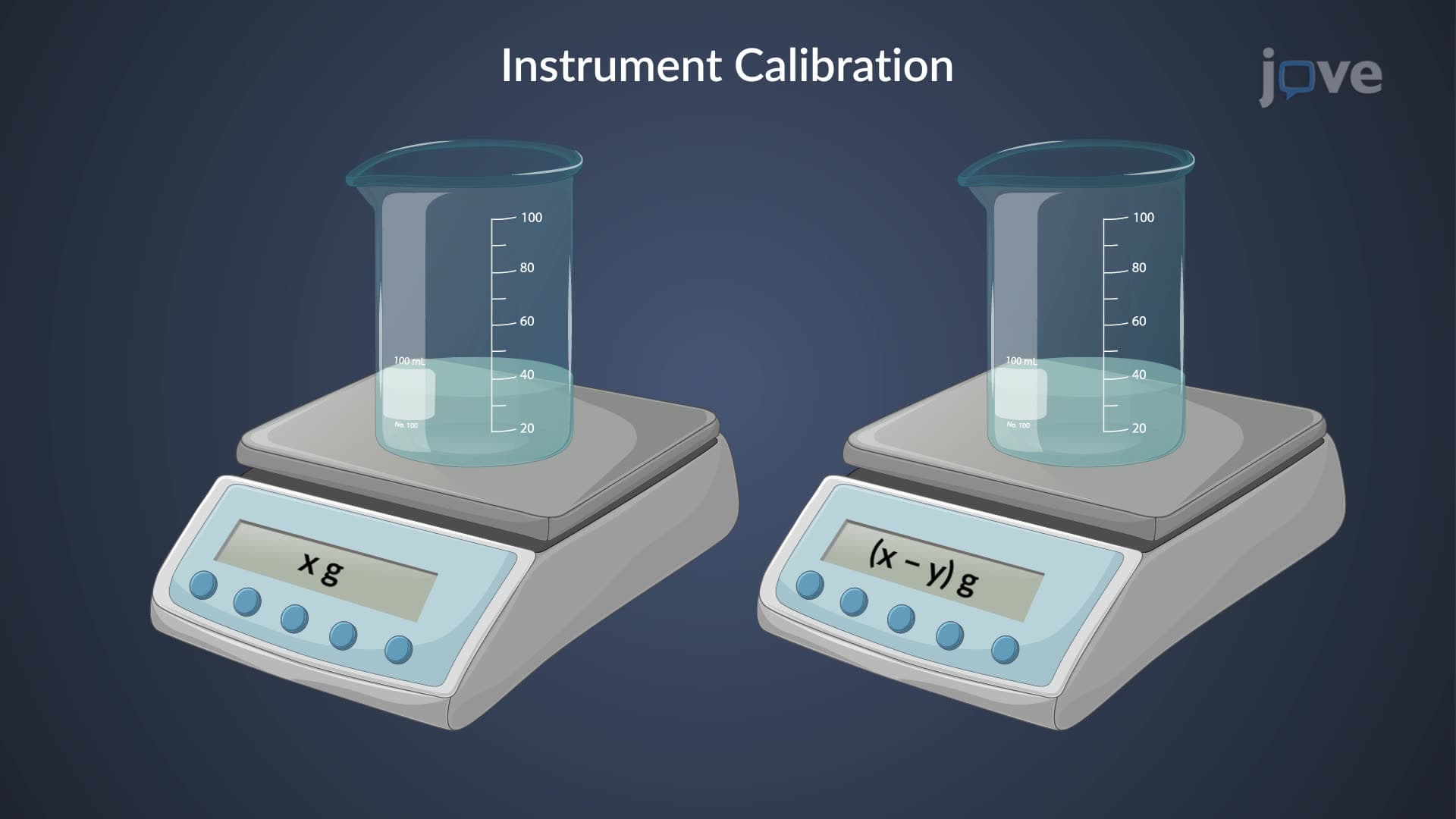

Video Summary: What Is Instrument Calibration
Did you know that the precision scales used by forensic labs in criminal cases must be calibrated daily to ensure evidence measurements are legally admissible in court? Instrument calibration chemistry forms the backbone of accurate scientific measurement, preventing systematic errors that could invalidate experimental results. For instance, analytical balances at FDA testing facilities require calibration against certified reference weights to maintain pharmaceutical quality standards. What is instrument calibration becomes crucial when understanding how scientists ensure measurement reliability across all analytical procedures. Watch the full video on JoVE Coach to master this concept with expert-led visuals and step-by-step explanations.
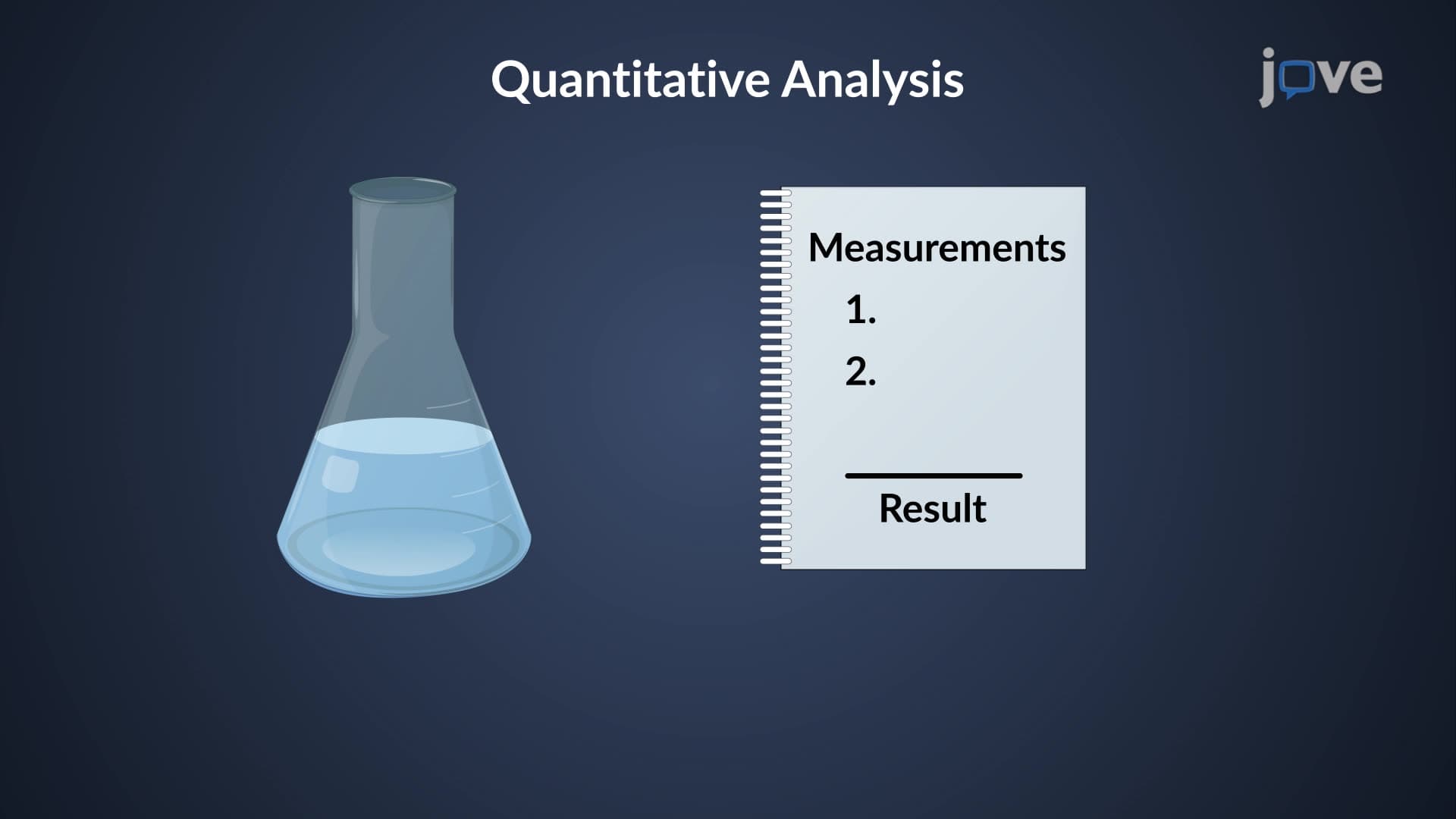
Instrument calibration chemistry represents the systematic process of adjusting analytical instruments to eliminate systematic errors and ensure measurement accuracy. This fundamental practice involves comparing instrument readings against known standards and applying necessary corrections to achieve true values. In analytical chemistry laboratories across the United States, from pharmaceutical companies to environmental testing facilities, calibration serves as the cornerstone of reliable data generation.
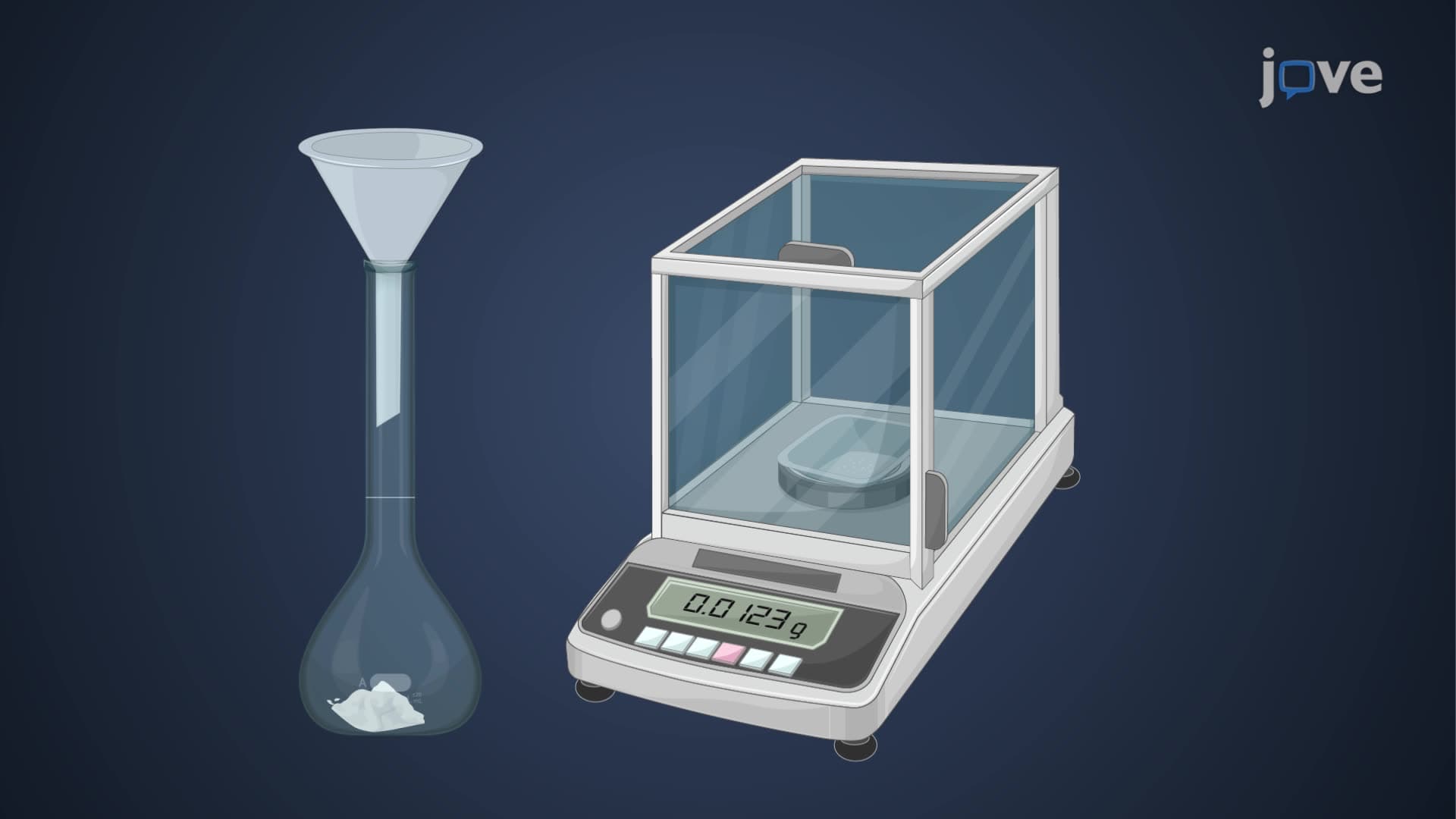
Analytical instrument calibration explained becomes particularly complex when considering air buoyancy effects in mass measurements. Modern analytical balances used in college chemistry labs and industrial settings must account for the fact that objects weigh less in air than in vacuum due to buoyant forces. The calibration procedure instrument requires applying density corrections based on the formula:
True Weight = Apparent Weight × (1 + (ρ_air / ρ_object) - (ρ_air / ρ_standard))
Where ρ represents density values for air, the measured object, and calibration standards. This correction becomes critical in pharmaceutical manufacturing where precise drug dosing depends on accurate mass measurements. Students preparing for AP Chemistry exams frequently encounter problems involving these density corrections, making this concept essential for academic success.
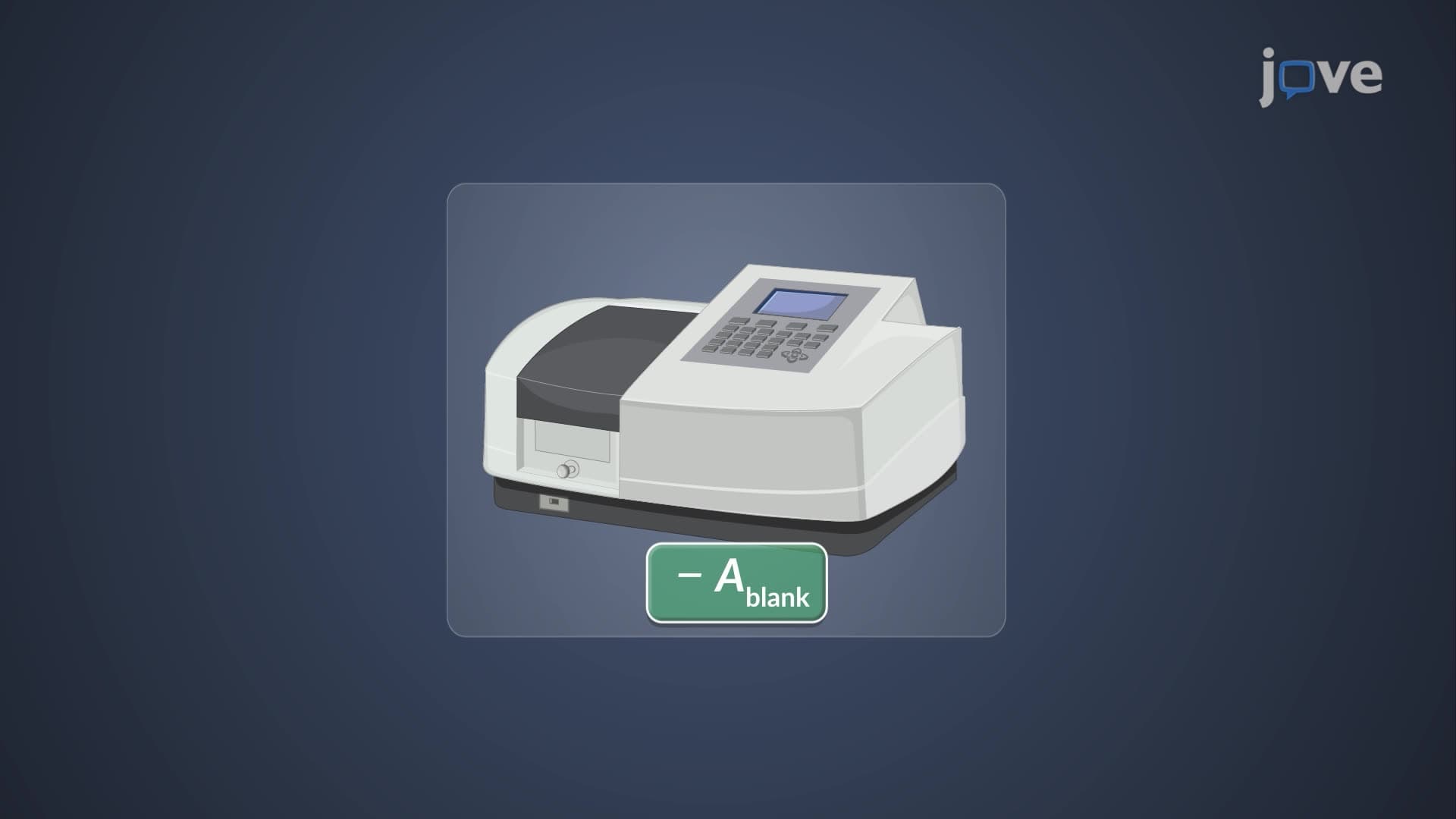
How to calibrate analytical instruments extends beyond mass measurements to optical analysis techniques. Spectrophotometer calibration involves preparing a series of standard solutions with known analyte concentrations, then measuring their absorbance values to construct calibration curves. These curves follow Beer's Law (A = εbc), relating absorbance to concentration through the molar absorptivity coefficient.
Environmental laboratories analyzing water quality for EPA compliance rely heavily on spectrophotometric calibration curves. For example, determining nitrate levels in groundwater samples requires constructing calibration curves using certified reference standards. College students in analytical chemistry courses regularly perform these calibrations, learning to assess curve linearity and calculate detection limits.
The external calibration method represents the most common approach in analytical laboratories, involving separate preparation of calibration standards distinct from sample matrices. Instrument calibration frequency depends on several factors including instrument stability, measurement accuracy requirements, and regulatory guidelines. Clinical laboratories following FDA regulations typically calibrate daily, while research facilities may calibrate weekly or monthly based on their quality assurance protocols.
Modern laboratory information management systems (LIMS) automatically track calibration schedules and alert technicians when instruments require recalibration, ensuring compliance with regulatory standards essential for data integrity.
Related Micro-courses