Loading video…


 17 Concepts
 11.7K views

Video Summary: What are Sampling Methods Sample Types
Did you know that NASA analyzes soil samples from Mars using the same fundamental sample types analytical chemistry principles used in your local water treatment plant? Understanding what are sampling methods sample types is crucial for any analytical work, whether you're testing drinking water in California or examining blood samples at the CDC. The three main categories-solid, liquid, and gas samples-each require specific collection techniques and equipment to ensure accurate results. From sediment grab samplers in the Mississippi River to automated liquid samplers in pharmaceutical manufacturing, proper sampling determines the reliability of all subsequent analysis. Watch the full video on JoVE Coach to master this concept with expert-led visuals and step-by-step explanations.
Sample types analytical chemistry encompasses the systematic classification and collection of materials for quantitative and qualitative analysis. The foundation of reliable analytical results begins with understanding the three primary types of samples in analytical chemistry: solid, liquid, and gaseous materials. Each category presents unique challenges and requires specialized approaches to obtain representative samples that accurately reflect the composition of the original material.
Solid samples represent the most diverse category in analytical chemistry, ranging from geological specimens to biological tissues. Environmental sample types like river sediments require specialized equipment such as grab samplers or piston corers. The US Environmental Protection Agency (EPA) uses these techniques extensively in Superfund site investigations, where contaminated sediments from rivers like the Hudson River are analyzed for PCB contamination.
Bulk surface sample collection involves gathering material from the top layer of soil or sediment, while composite sample techniques combine multiple grab samples to create a more representative specimen. This approach is particularly important in agricultural soil testing across states like Iowa and Nebraska, where farmers need accurate nutrient assessments for crop management. The grab sample composite sample methodology ensures that analytical results reflect the true variability of the sampling area rather than isolated hotspots or clean zones.
Liquid samples present unique challenges related to homogeneity and stability. Homogeneous liquids like distilled water or pharmaceutical solutions can be sampled using precise volumetric techniques with pipettes or syringes. However, representative sample types from heterogeneous liquids require more sophisticated approaches. Industrial wastewater treatment facilities across the United States employ automated samplers that collect specimens at regular intervals, ensuring that temporal variations in effluent composition are captured.
The matrix sample classification system helps analysts understand how the sample's physical and chemical properties affect both collection and analysis procedures. For instance, blood samples collected at hospitals like Johns Hopkins require different handling protocols than urine samples due to their complex protein matrix and coagulation properties.
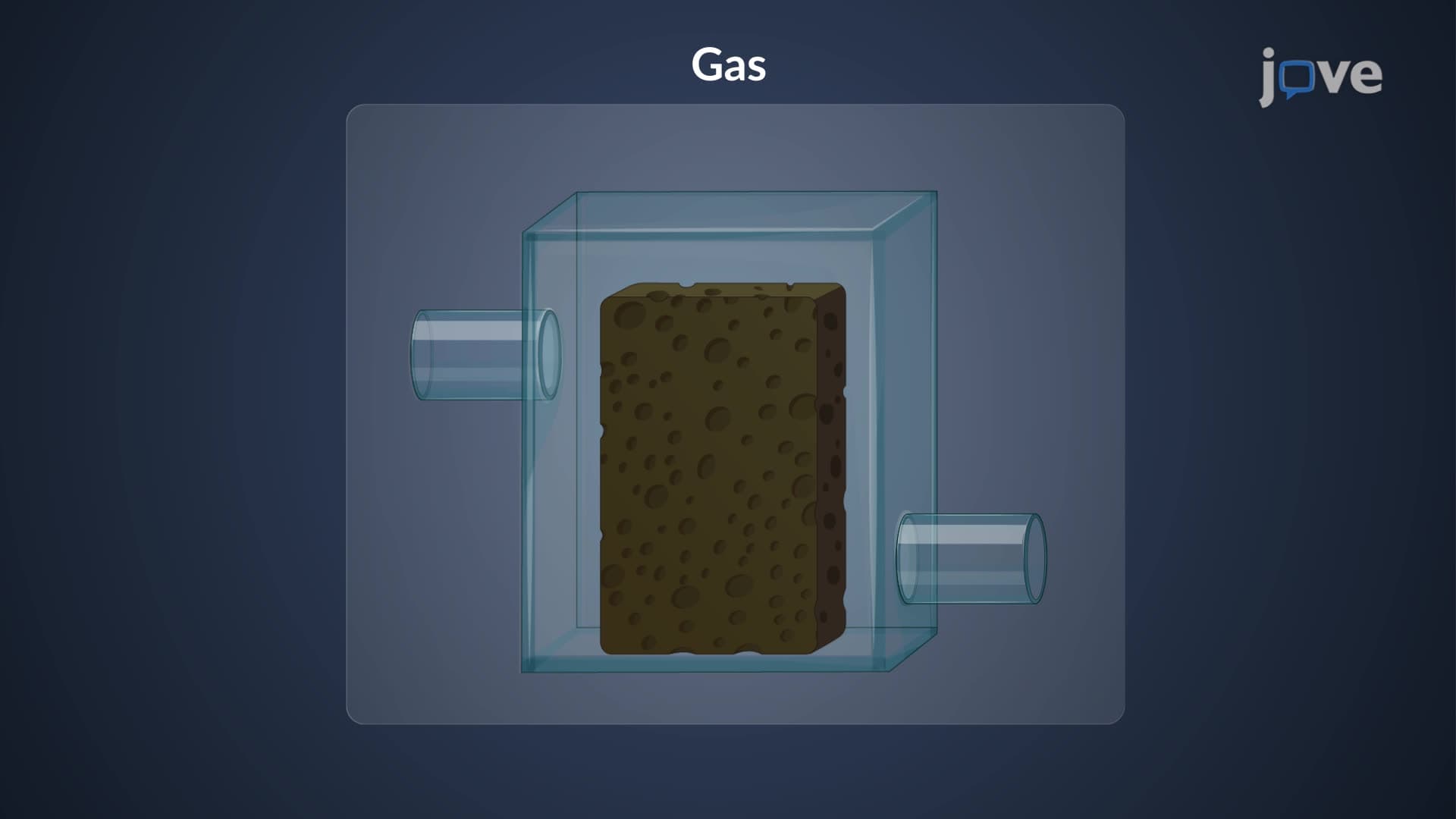
Gaseous samples present the greatest technical challenges due to their low density and high mobility. What are the different sample types in analysis becomes particularly relevant when considering air quality monitoring. The California Air Resources Board uses solid sorbent materials like activated carbon to selectively capture volatile organic compounds from atmospheric samples.
This approach, known as adsorption-desorption sampling, concentrates trace-level contaminants onto solid surfaces before thermal or solvent extraction releases them for analysis. Stack sampling at industrial facilities requires specialized equipment to handle high temperatures and corrosive environments while maintaining sample integrity.
These sampling methodologies form the foundation for standardized testing procedures used in AP Chemistry courses and appear frequently on college-level analytical chemistry exams. Understanding the relationship between sample type and collection method is essential for success in advanced chemistry coursework and professional analytical work.
Related Micro-courses