Loading subject page…


42,893 views

Video Summary: Gas Chromatography Overview of Detectors Guide
Ever wondered how forensic labs identify trace amounts of drugs in blood samples or how environmental agencies detect pollutants at parts-per-billion levels? The secret lies in choosing the right detector for gas chromatography analysis. Our GC detectors overview reveals how thermal conductivity detectors (TCD), flame ionization detectors (FID), and electron capture detectors (ECD) each offer unique advantages for different analytical challenges. For instance, EPA laboratories rely on ECDs to detect chlorinated pesticides in groundwater at incredibly low concentrations. Watch the full video on JoVE Coach to master this concept with expert-led visuals and step-by-step explanations.
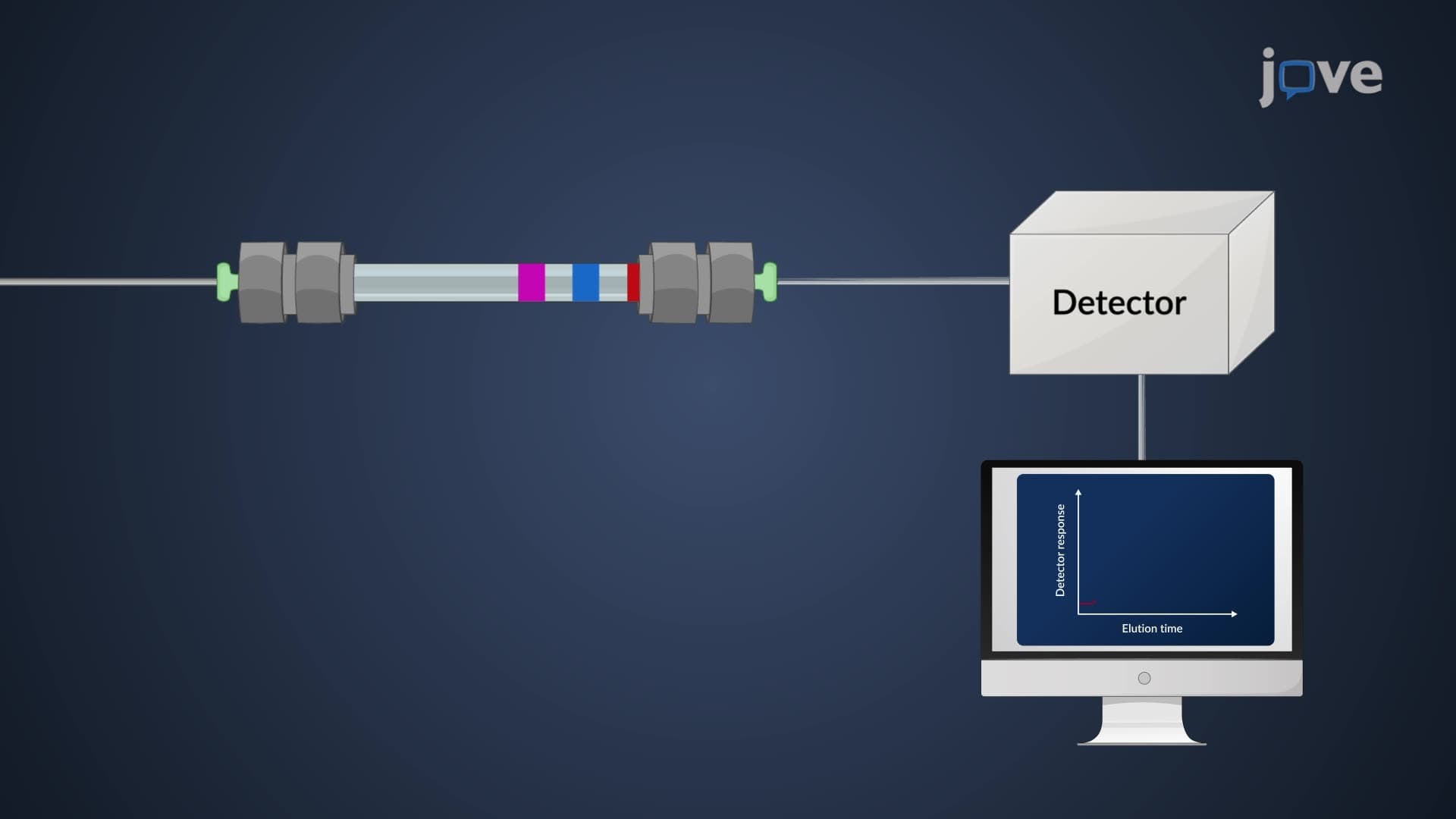
Gas chromatography detectors serve as the analytical "eyes" that transform separated chemical components into measurable signals. These sophisticated instruments must balance competing demands: detecting trace amounts of target compounds while maintaining stability across varying experimental conditions. The detector's position at the column exit makes it the critical final step that determines analytical success or failure.
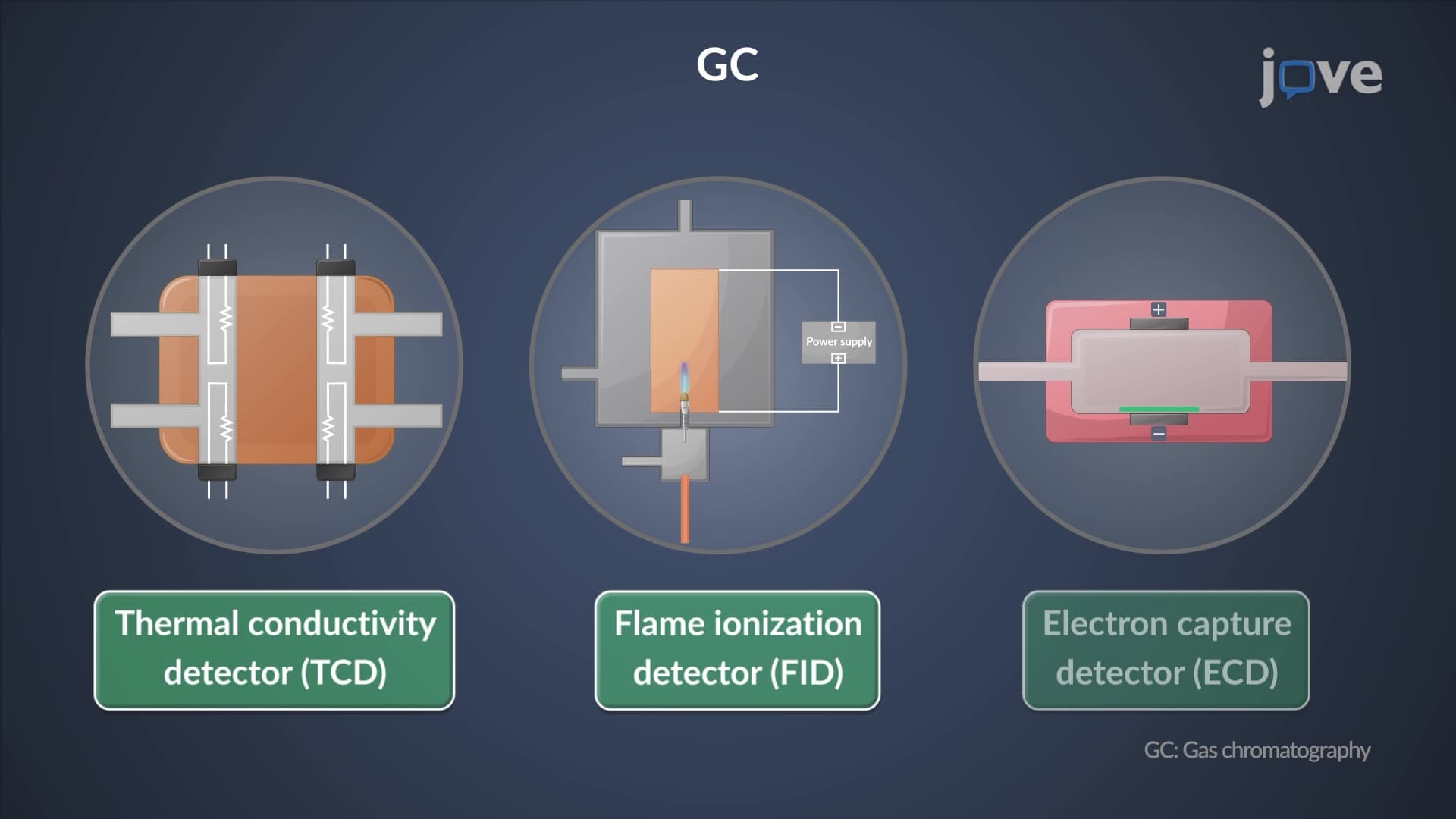
The thermal conductivity detector (TCD) represents the universal approach to GC detection. Operating on thermal conductivity differences between carrier gas and analytes, TCDs detect virtually any compound that alters the thermal properties of the gas stream. This universality makes TCDs invaluable for analyzing unknown mixtures or compounds lacking specific functional groups. However, their detection limits typically range from 10-100 ppm, making them unsuitable for trace analysis required in pharmaceutical quality control or environmental monitoring.
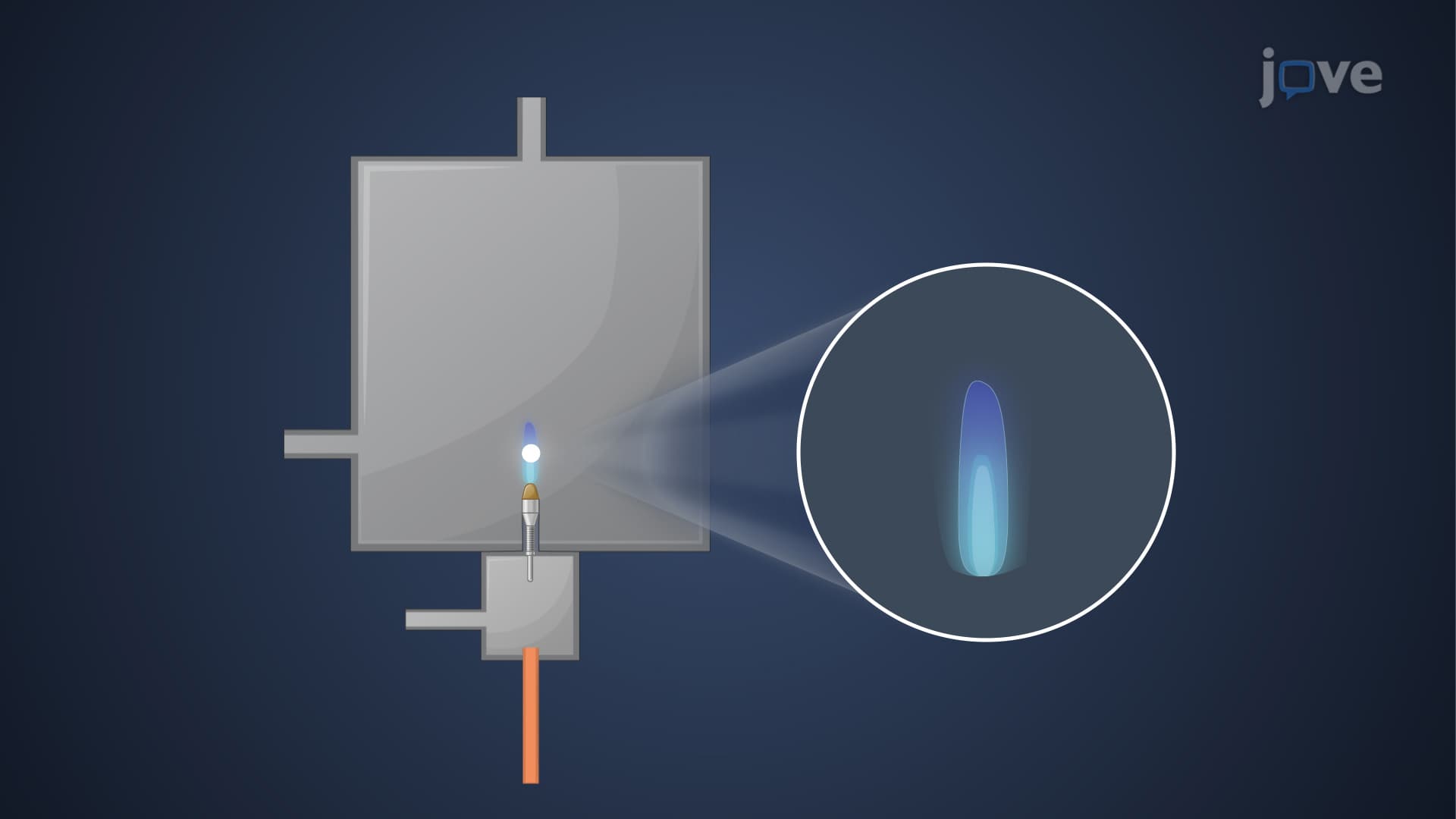
Flame ionization detectors (FID) strike a different balance, offering exceptional sensitivity for organic compounds containing C-H bonds. With detection limits often reaching parts-per-billion levels, FIDs excel in petrochemical analysis, where companies like ExxonMobil rely on them for hydrocarbon characterization. The trade-off involves sample destruction through combustion, eliminating possibilities for sample recovery or confirmatory testing.
Electron capture detectors (ECD) represent the pinnacle of selective sensitivity, particularly for halogenated compounds and molecules with electron-withdrawing groups. These detectors achieve femtogram-level detection limits, making them essential for environmental analysis of pesticides, PCBs, and other persistent organic pollutants. The EPA's Method 8081 specifically requires ECD detection for organochlorine pesticide analysis in drinking water, demonstrating its regulatory importance.
Students preparing for the MCAT encounter GC detector principles in analytical chemistry contexts, while AP Chemistry students explore detector selection as part of instrumental analysis units. College organic chemistry laboratories frequently use FID-equipped instruments for reaction monitoring and product identification. Professional applications span from forensic toxicology laboratories using ECDs for drug metabolite detection to pharmaceutical companies employing TCDs for residual solvent analysis in drug manufacturing, ensuring compliance with FDA guidelines.
Related Micro-courses