Loading subject page…


42,892 views

Video Summary: Gas Chromatography Types of Columns Guide
Did you know that choosing the wrong GC column type can completely ruin a pharmaceutical drug purity analysis? This Gas Chromatography Types of Columns Guide reveals how different column designs-from capillary to packed columns-determine separation success. For instance, when Pfizer analyzes aspirin purity, they rely on specific column polarity matching to separate active ingredients from impurities. Understanding column selection principles is crucial for accurate analytical results in research and industry applications. Watch the full video on JoVE Coach to master this concept with expert-led visuals and step-by-step explanations.
Gas chromatography column selection represents one of the most critical decisions in analytical method development. The column serves as the separation engine where volatile compounds partition between mobile (gas) and stationary phases. Modern analytical laboratories, from FDA testing facilities to university research centers, rely on systematic column selection to achieve reliable separations for everything from environmental pollutant analysis to pharmaceutical quality control.
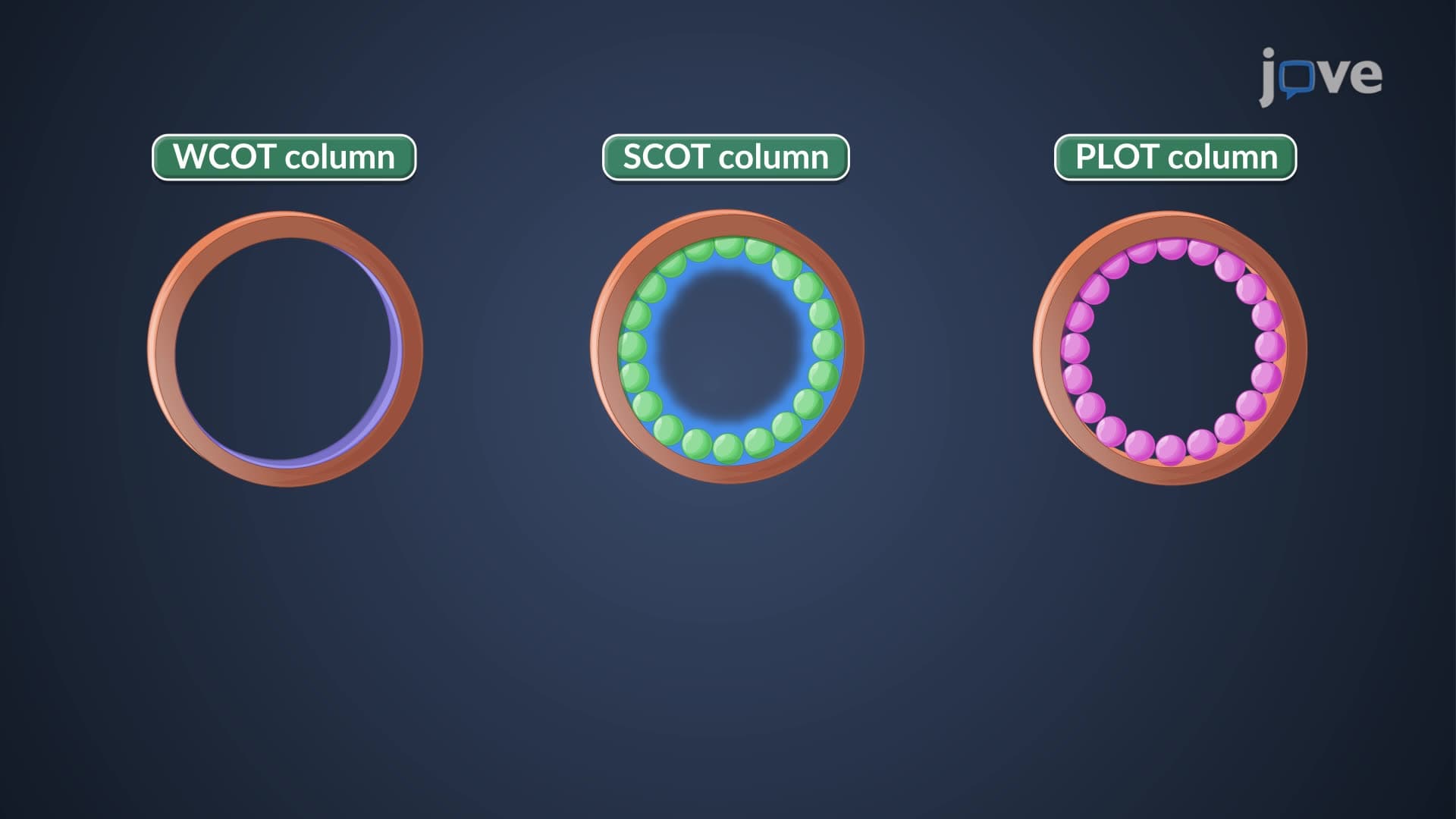
Capillary columns dominate modern gas chromatography due to their superior performance characteristics. Wall-Coated Open Tubular (WCOT) columns feature liquid stationary phase directly coated on the inner capillary wall, providing excellent efficiency for routine analyses. These columns excel in applications like analyzing volatile organic compounds in drinking water samples for EPA compliance testing.
Support-Coated Open Tubular (SCOT) columns incorporate a thin layer of solid support material bonded to the column wall before stationary phase application. This design increases surface area and sample capacity while maintaining capillary column advantages. Pharmaceutical companies often use SCOT columns when analyzing drug formulations requiring higher loading capacity than standard WCOT columns provide.
Porous-Layer Open Tubular (PLOT) columns contain solid stationary phase particles directly attached to the inner wall, enabling gas-solid chromatography. These specialized columns prove invaluable for separating small, highly volatile molecules like permanent gases and light hydrocarbons-critical for natural gas analysis in the petroleum industry.
Despite the popularity of capillary columns, packed columns remain essential for specific applications requiring high sample loading capacity. These columns consist of coiled tubes filled with solid support particles coated with liquid stationary phase. While packed columns sacrifice resolution compared to capillary systems, they excel in preparative applications and trace analysis where large sample volumes compensate for lower sensitivity.
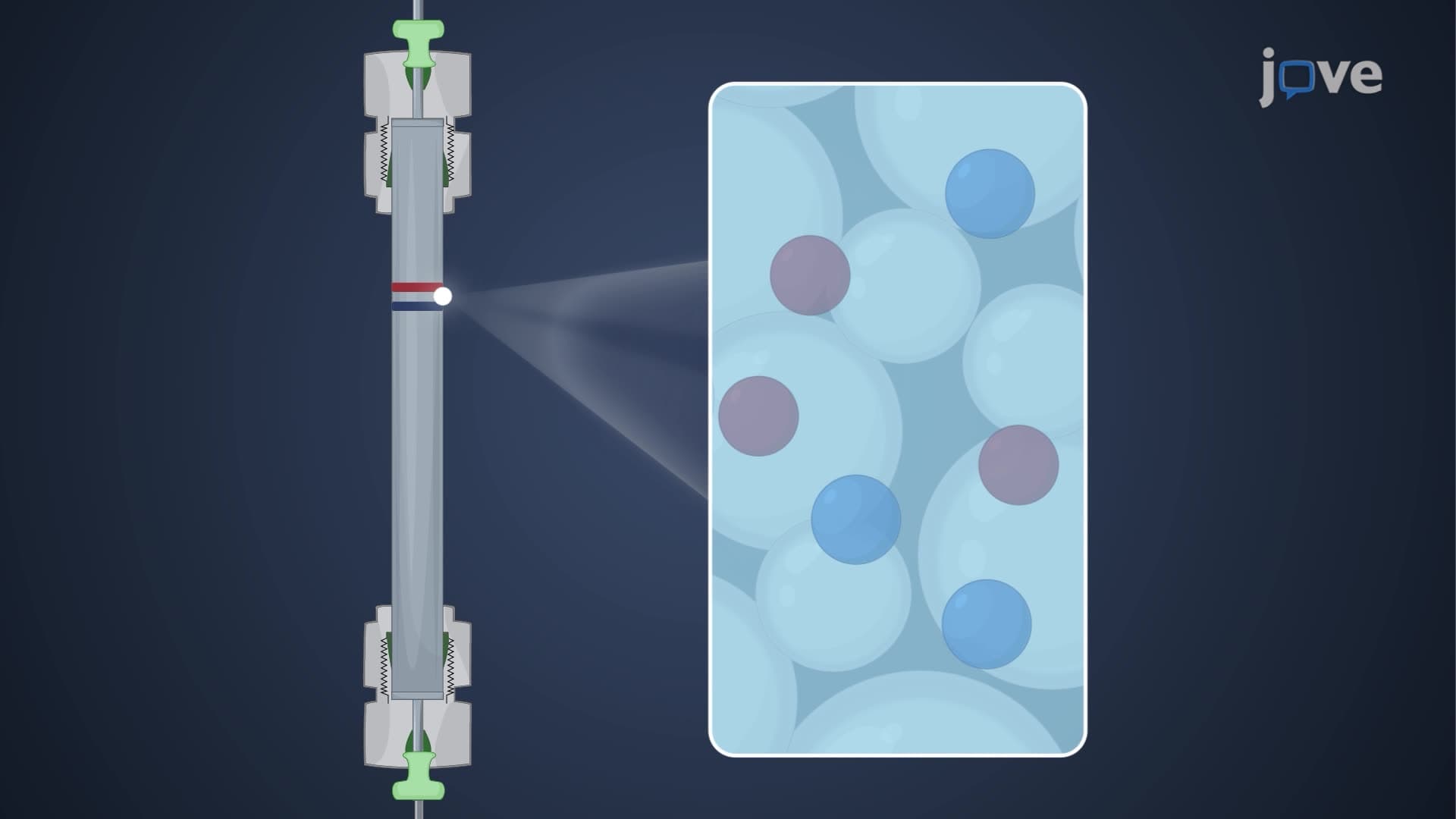
Column efficiency in packed systems directly correlates with particle diameter-smaller particles create more theoretical plates per unit length, improving separation quality. This principle appears frequently on Advanced Placement Chemistry exams and college analytical chemistry courses, where students calculate theoretical plate numbers and resolution factors.
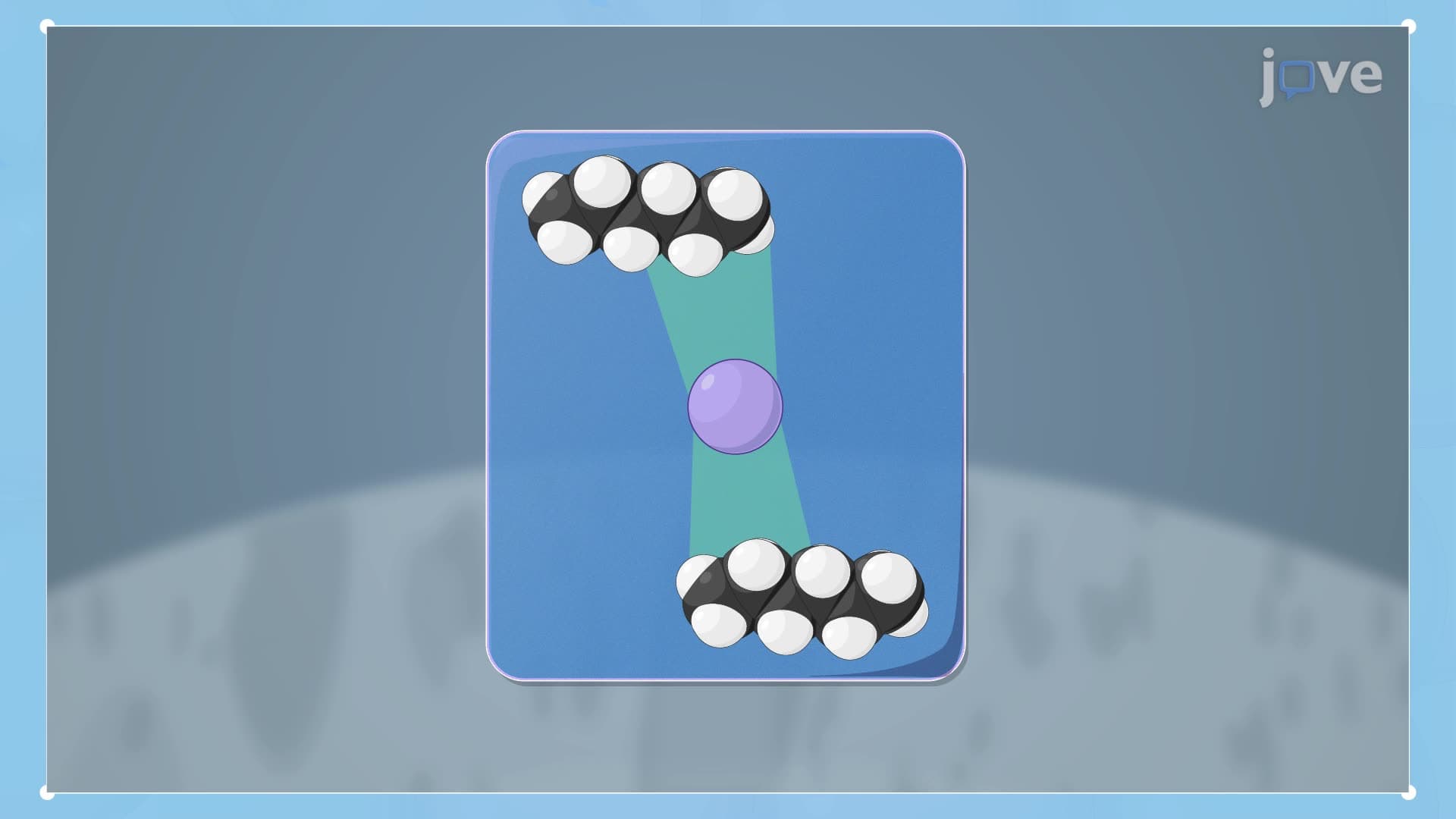
Successful GC analysis depends on matching stationary phase polarity to target analytes. The fundamental rule "like dissolves like" guides selection: nonpolar phases (dialkyl siloxanes) separate nonpolar compounds through dispersion interactions, while polar phases utilize dipole-dipole and hydrogen bonding mechanisms for polar analyte separation. This concept frequently appears on MCAT passages testing organic chemistry principles and analytical reasoning skills.
Related Micro-courses