Loading subject page…


42,894 views

Video Summary: Gas Chromatography Types of Detectors I Guide
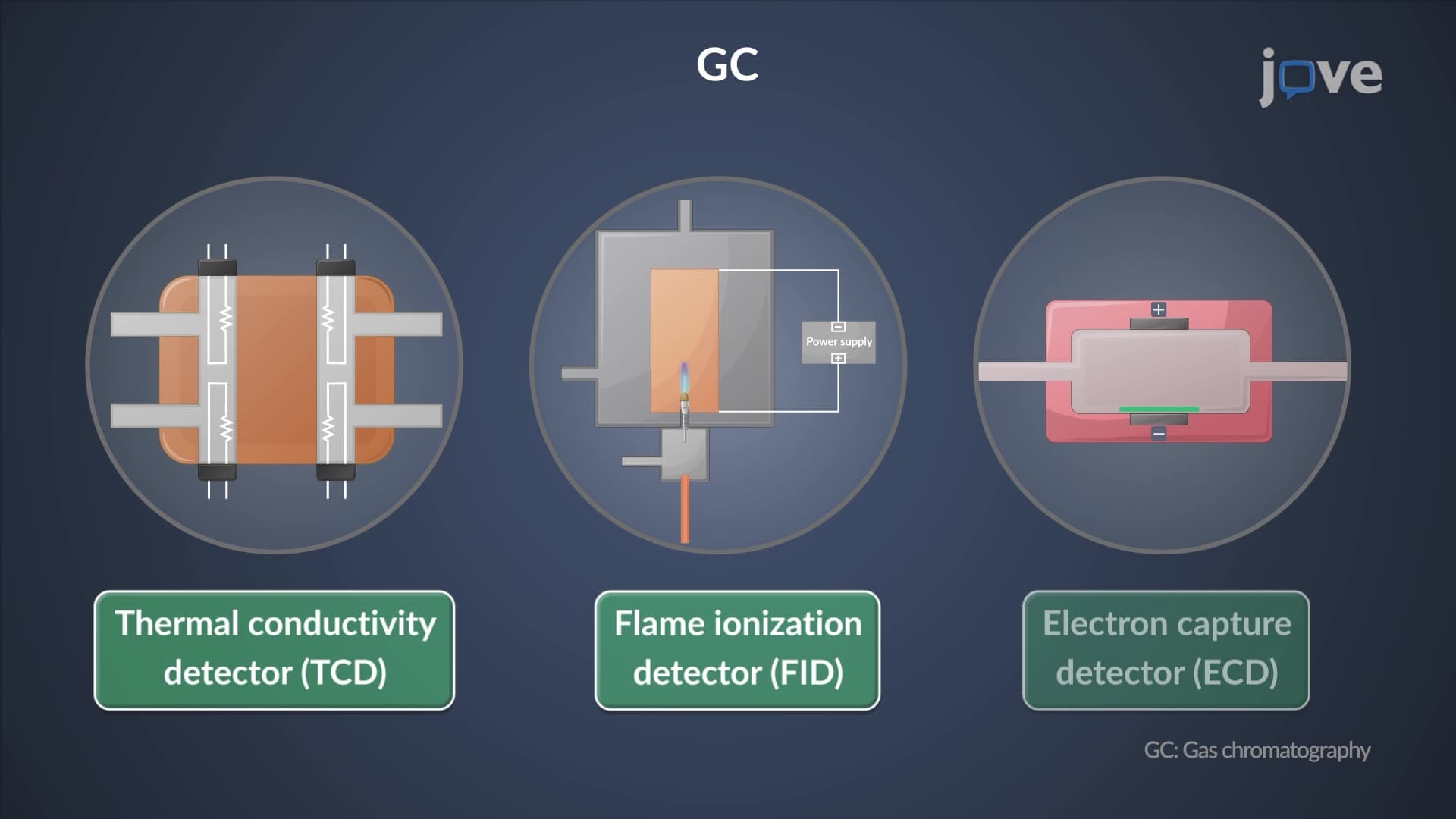
Did you know that the same gas chromatography detectors used by the FBI's forensic labs to analyze evidence are also found in high school chemistry classrooms? Understanding GC detector types part one is crucial for analytical chemistry success, whether you're analyzing environmental samples at the EPA or studying pharmaceutical compounds. The three fundamental detectors-thermal conductivity detector (TCD), flame ionization detector (FID), and electron capture detector (ECD)-each operate on distinct principles that make them suitable for different analytical challenges. Watch the full video on JoVE Coach to master this concept with expert-led visuals and step-by-step explanations.
Gas chromatography detectors serve as the "eyes" of the analytical instrument, converting separated chemical compounds into measurable electrical signals. The choice of detector significantly impacts analytical sensitivity, selectivity, and overall method performance. For students preparing for AP Chemistry or college analytical chemistry courses, mastering these detector principles is essential for understanding modern analytical instrumentation.
The thermal conductivity detector operates on a elegantly simple principle: different gases conduct heat at different rates. At its heart lies a Wheatstone bridge circuit containing four thermistors-temperature-sensitive resistors that change resistance with heat. Pure helium or hydrogen carrier gas flows through the reference side, while column effluent passes through the sample side.
When only carrier gas flows through both sides, the bridge remains balanced with zero voltage output. However, when sample compounds emerge from the column, they alter the thermal conductivity of the gas mixture, creating temperature differences that unbalance the bridge. This produces a measurable voltage signal proportional to analyte concentration.
TCD's greatest strength is its universality-it responds to virtually any compound that differs in thermal conductivity from the carrier gas. However, it suffers from relatively low sensitivity compared to other detectors, making it suitable primarily for major component analysis or when universal detection is required.
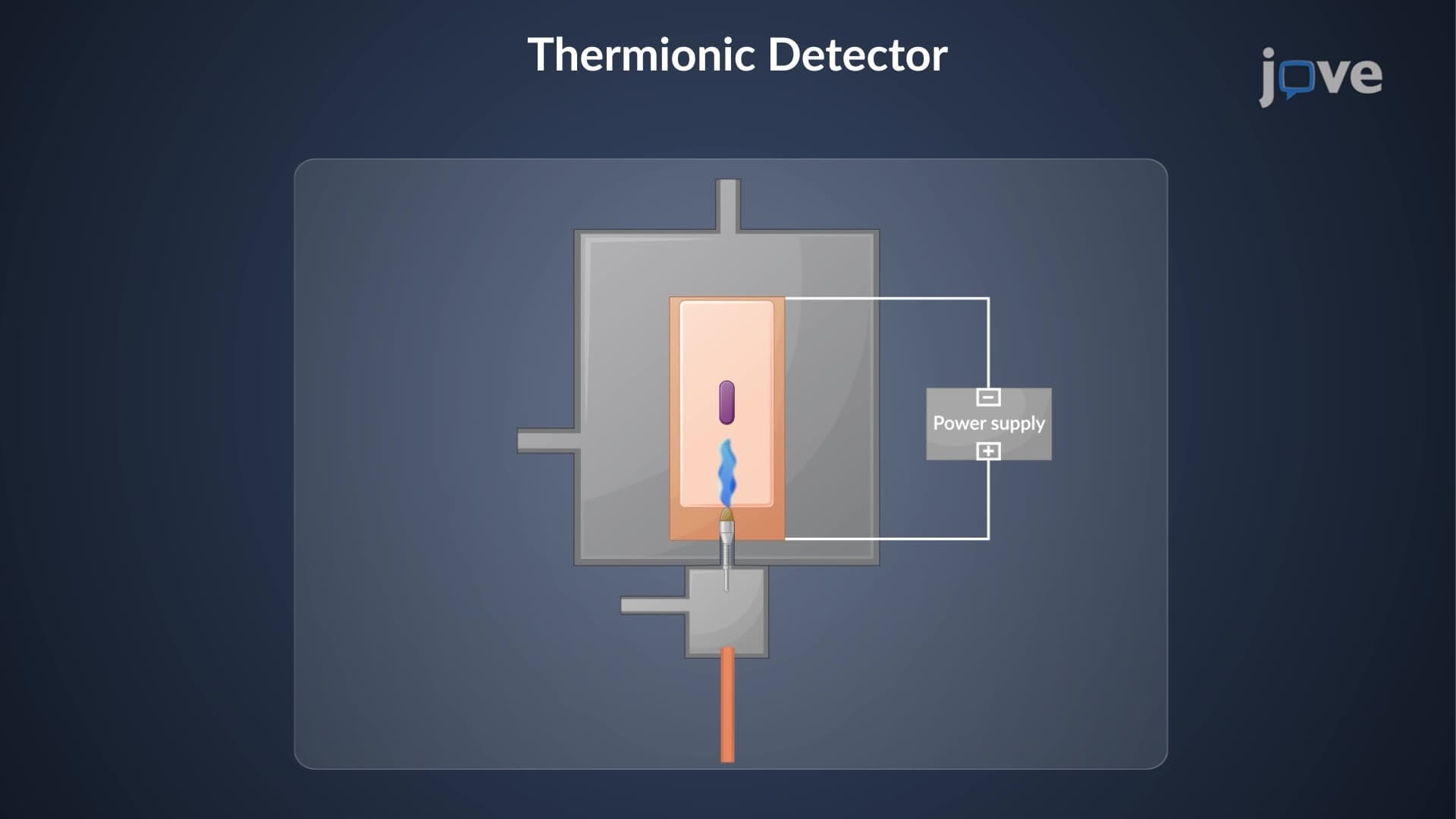
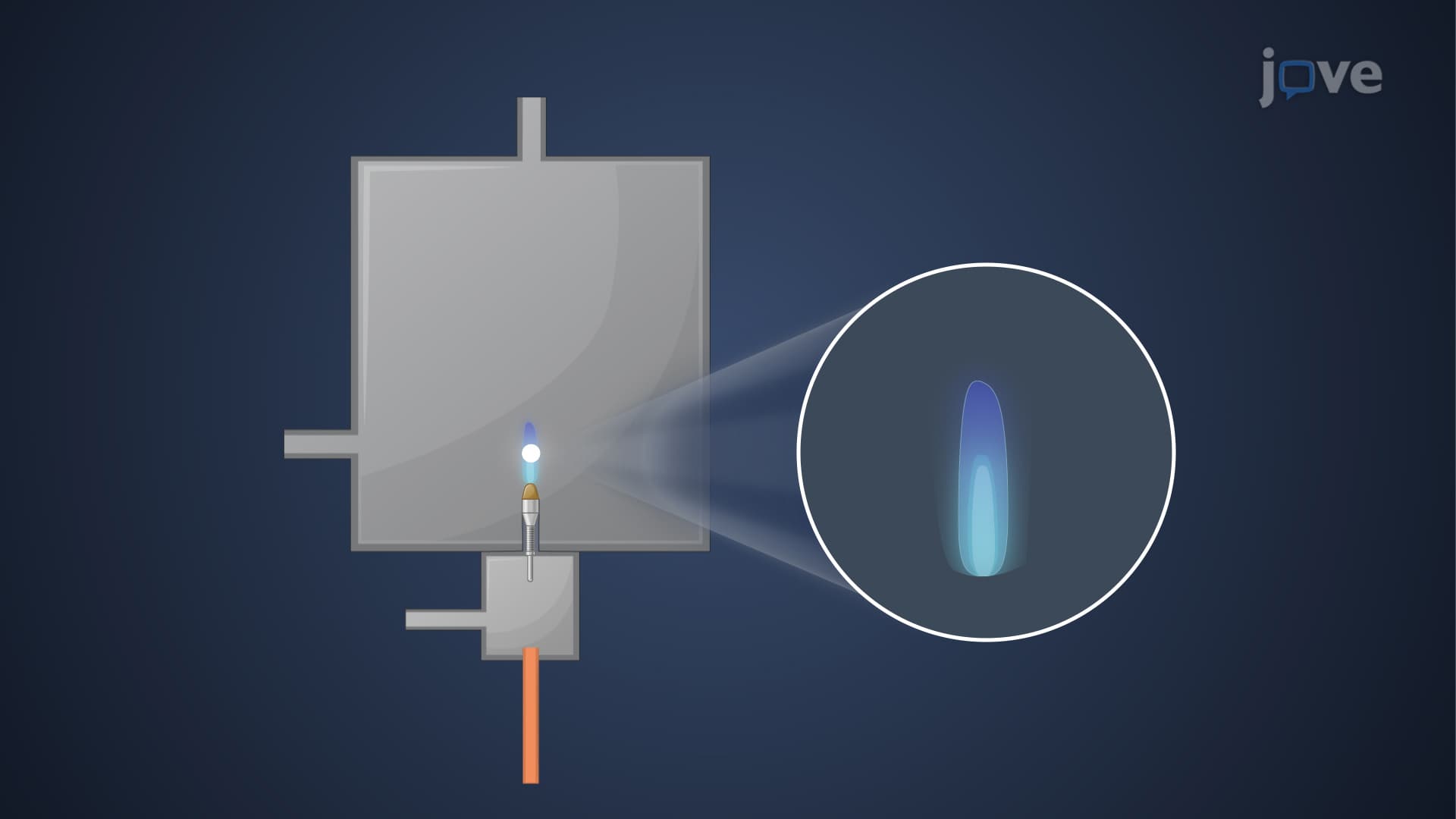
The flame ionization detector represents the workhorse of organic analysis in industries from petroleum refining to pharmaceutical manufacturing. Column effluent mixes with hydrogen fuel gas and burns in an air-fed flame positioned between two electrodes. This combustion process breaks organic molecules into carbon-containing ions and electrons.
When a voltage is applied across the electrodes, these charge carriers generate a small but measurable current proportional to the number of carbon atoms entering the detector. This carbon-specific response makes FID ideal for hydrocarbon analysis, environmental monitoring, and pharmaceutical quality control.
FID's exceptional sensitivity (detecting picogram quantities) and linear response over six orders of magnitude make it indispensable in analytical laboratories. Students studying for the MCAT will encounter FID applications in metabolism studies and drug analysis contexts.
The electron capture detector employs radioactive beta emission to create a unique detection mechanism highly selective for compounds containing electronegative atoms like halogens, nitrogen, or oxygen. A radioactive source (typically nickel-63) ionizes the carrier gas, producing a steady stream of free electrons that generate a constant baseline current between the detector electrodes.
When analytes with high electron affinity enter the detector, they capture these free electrons, reducing the baseline current. This current decrease serves as the analytical signal. ECD's exceptional sensitivity to halogenated compounds makes it invaluable for pesticide residue analysis, environmental monitoring, and forensic investigations-applications frequently referenced in college-level environmental chemistry courses.
Related Micro-courses