Loading subject page…

- Analytical Chemistry
- Principles of Chromatography
- Analyte Adsorption and Distribution
Micro-course: Principles of Chromatography
42,891 views
Learn key concepts and earn your certificate.

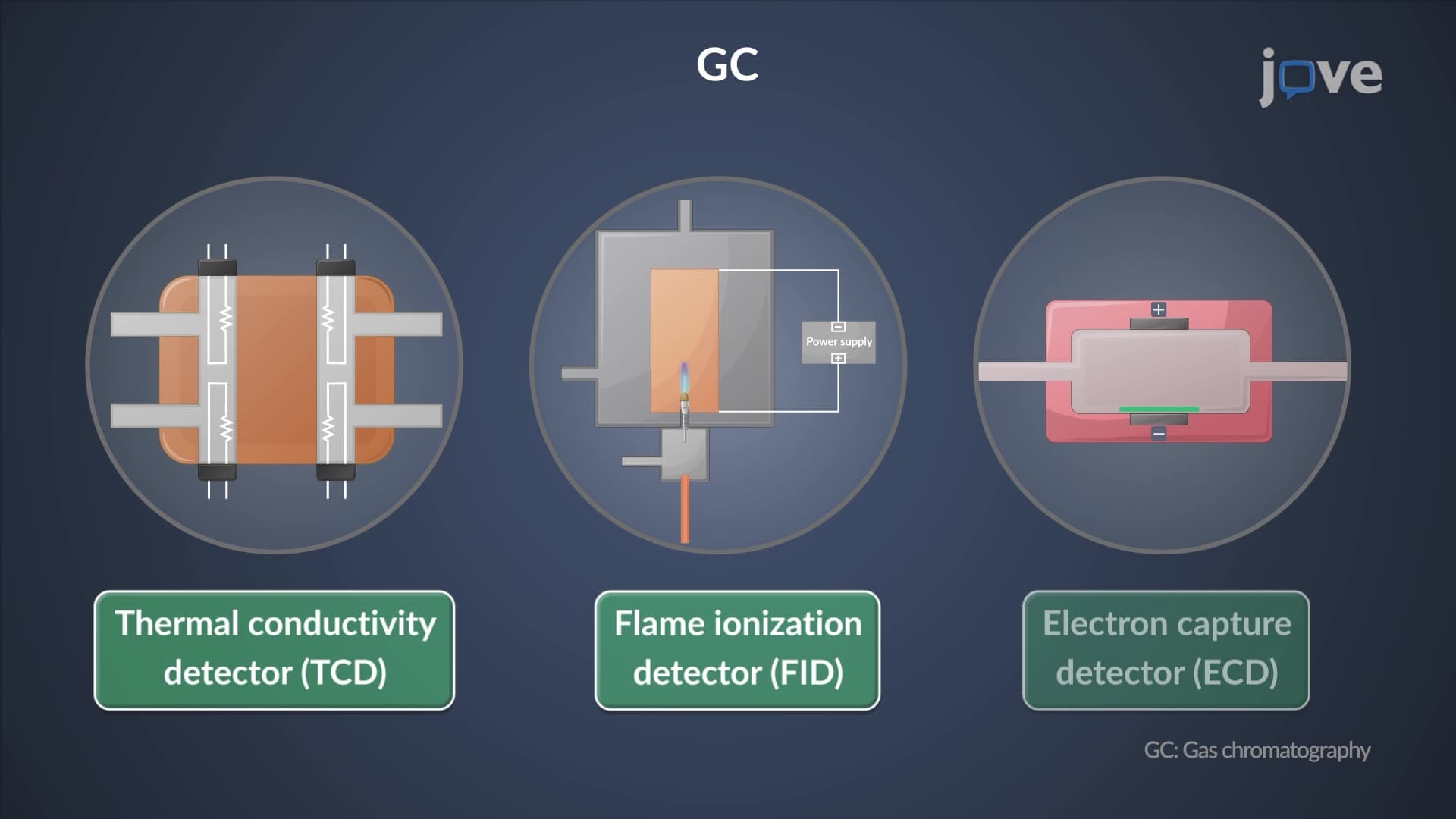
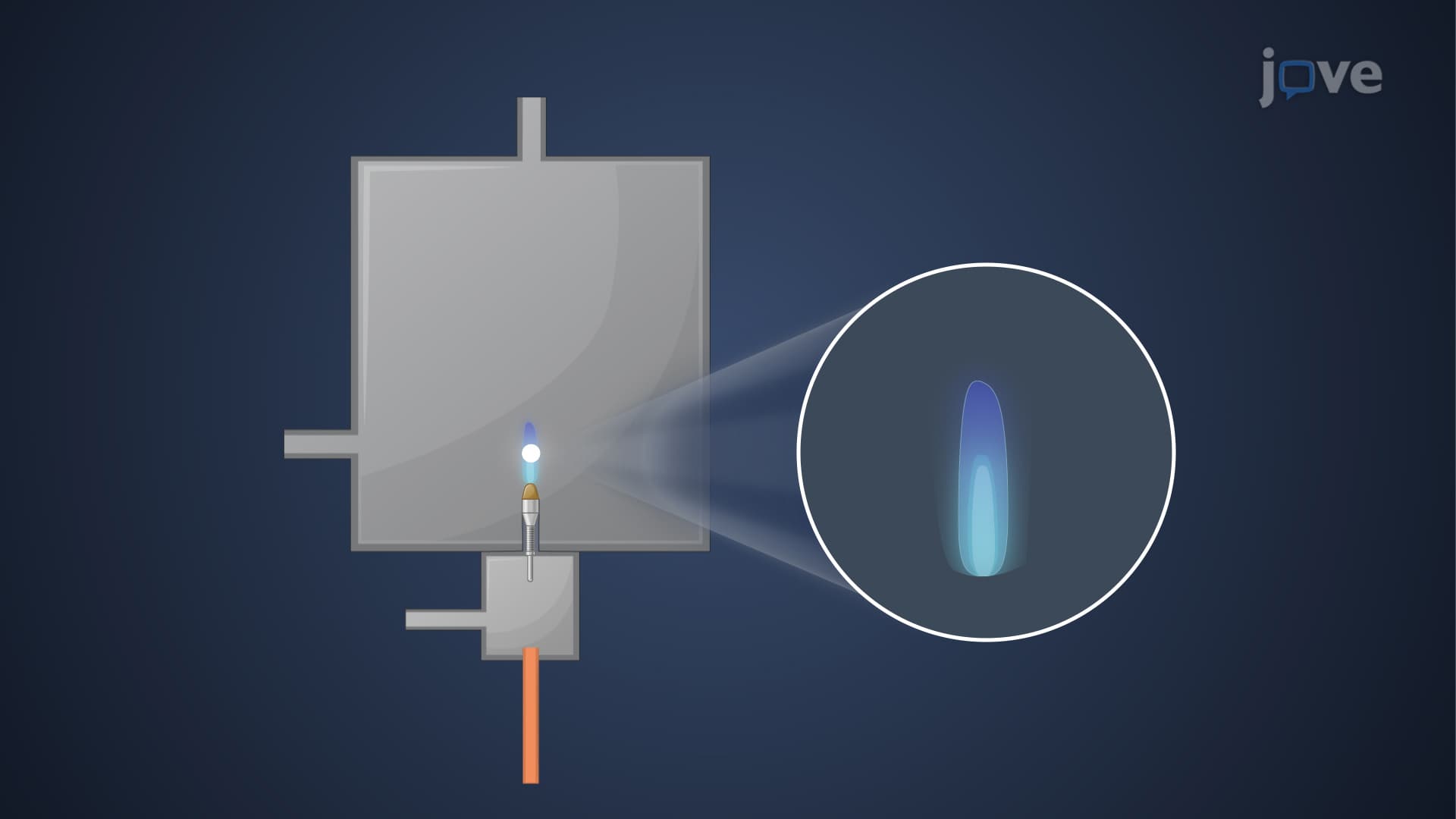
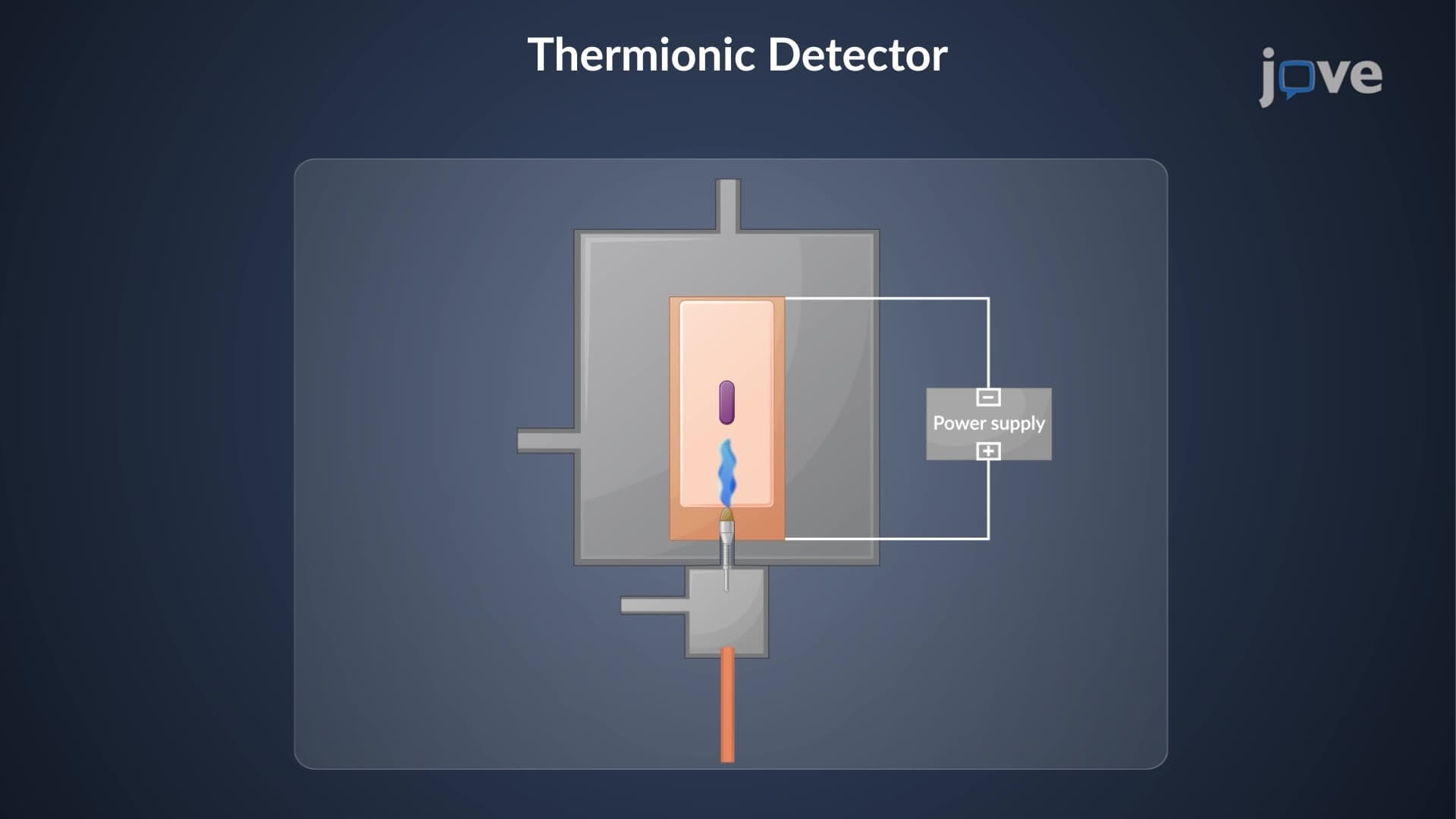
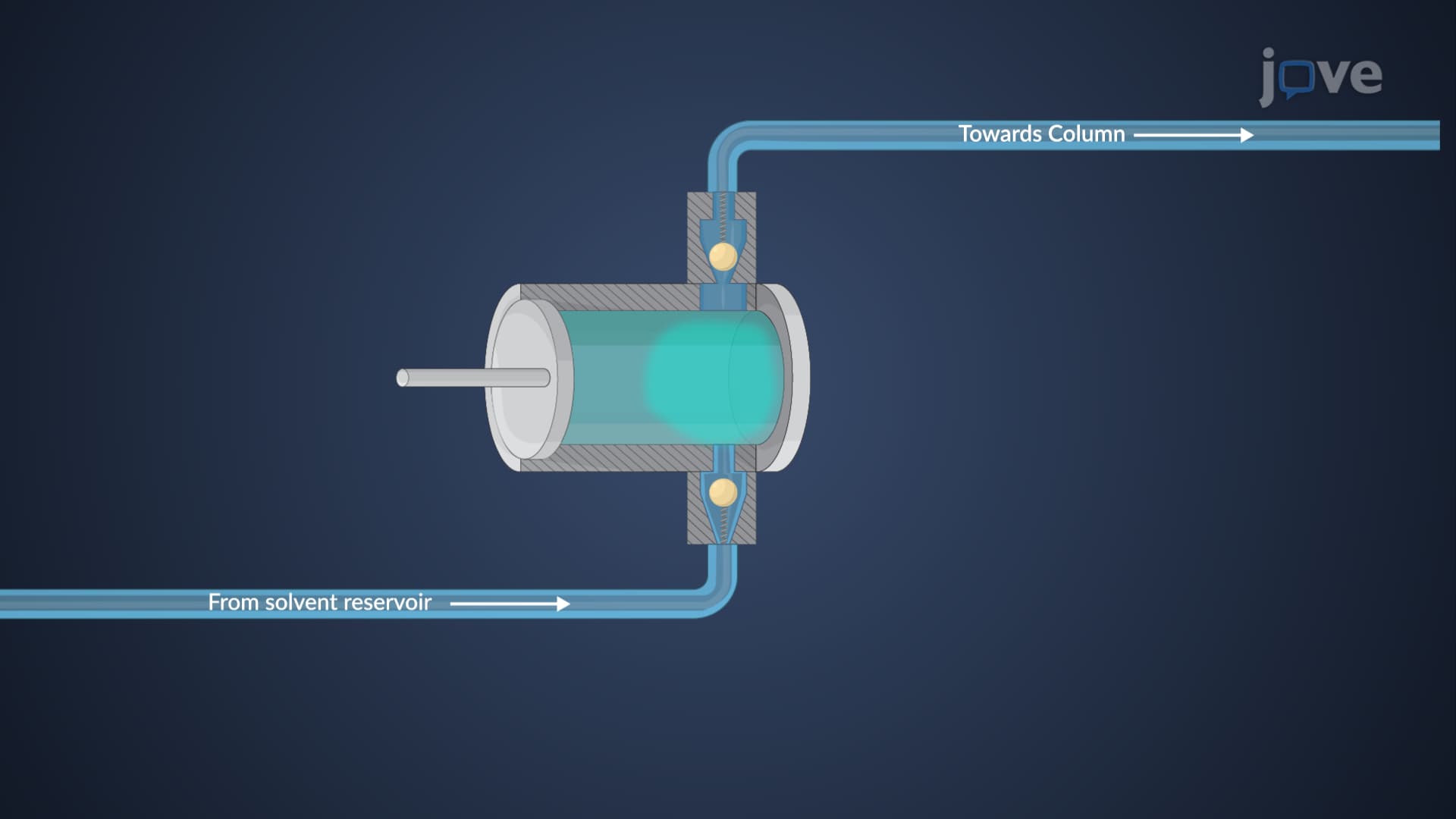
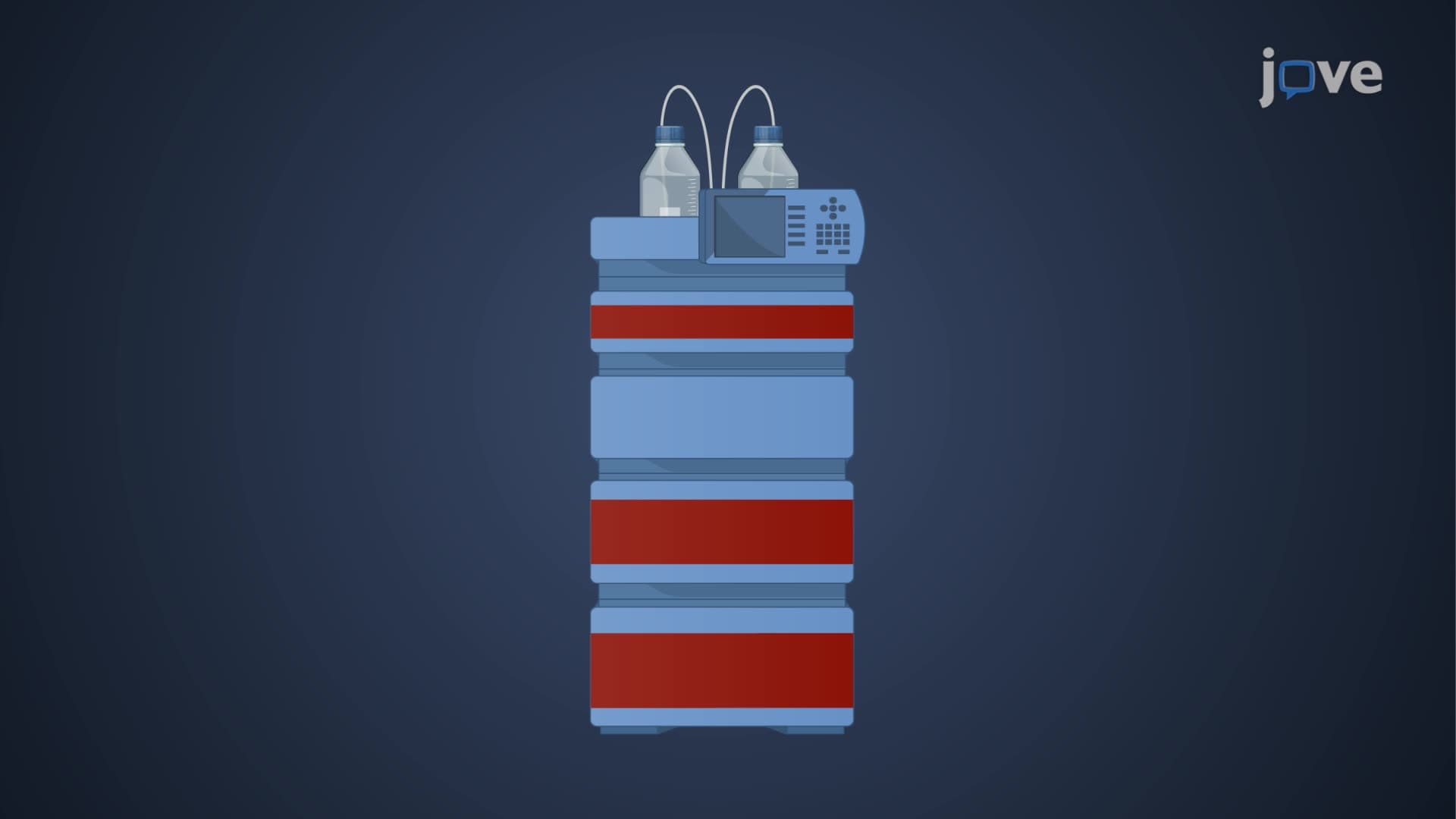
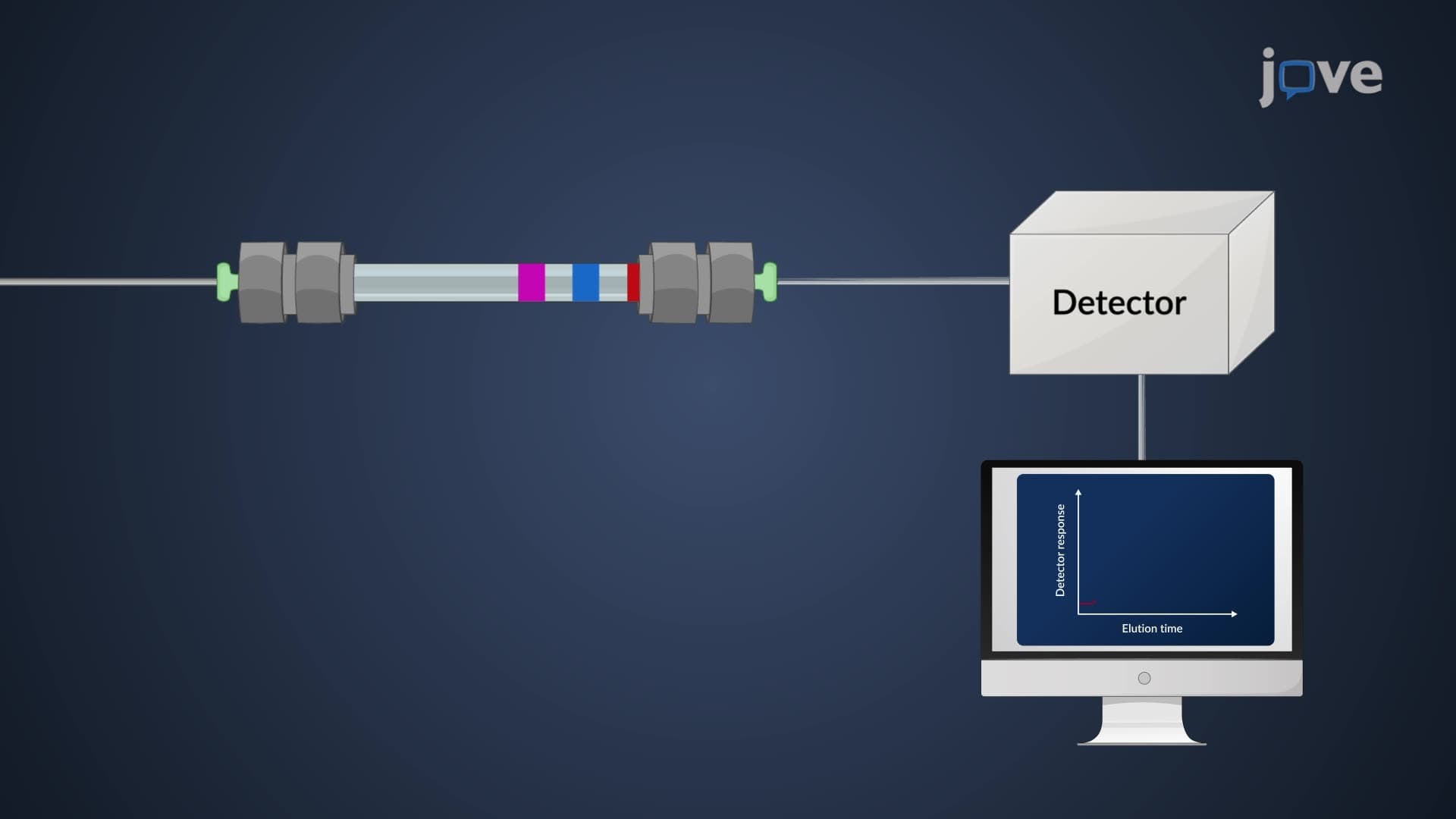
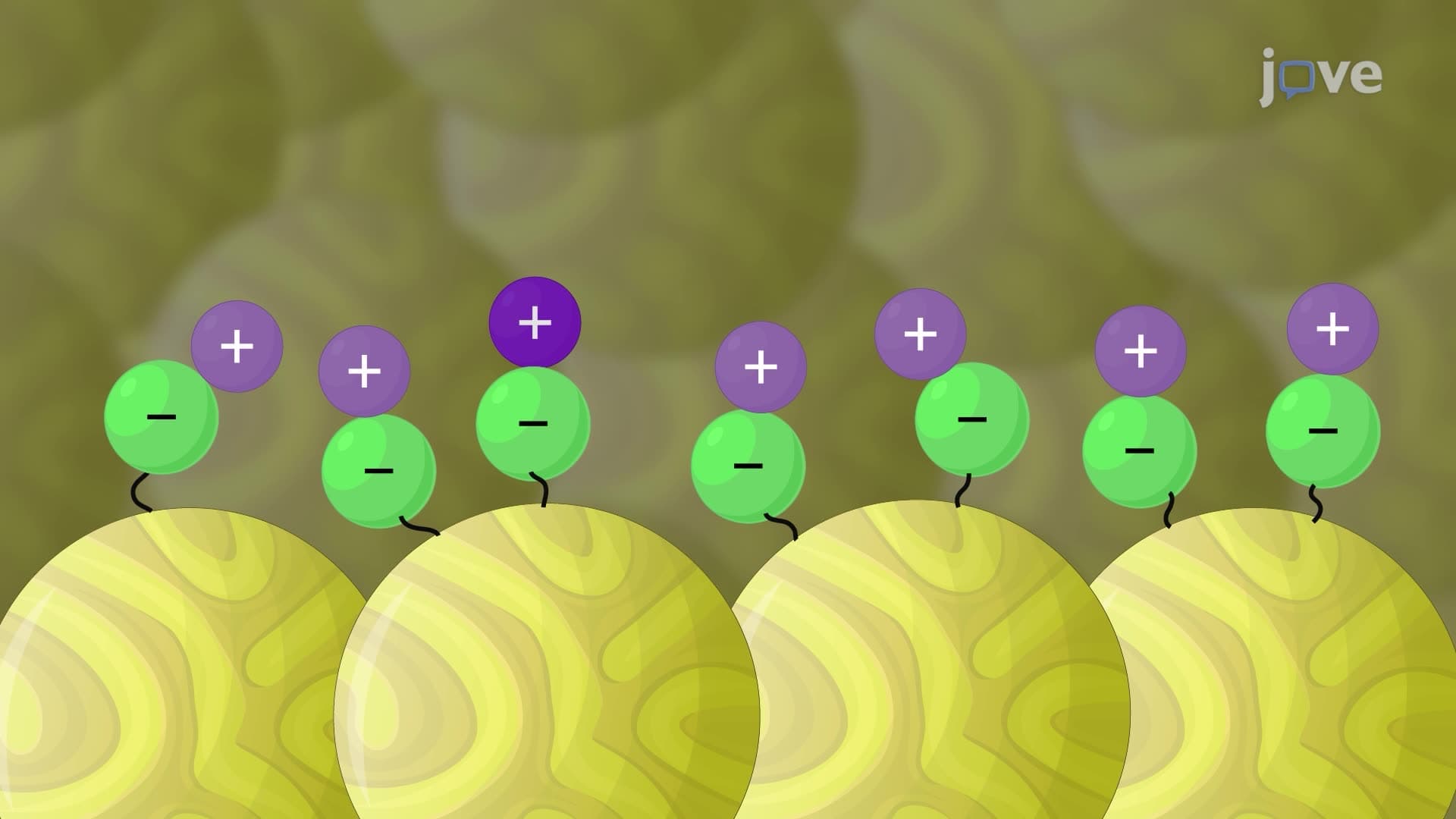

Analyte Adsorption and Distribution

00:00
01:09
Video Summary: What Is Analyte Adsorption and Distribution
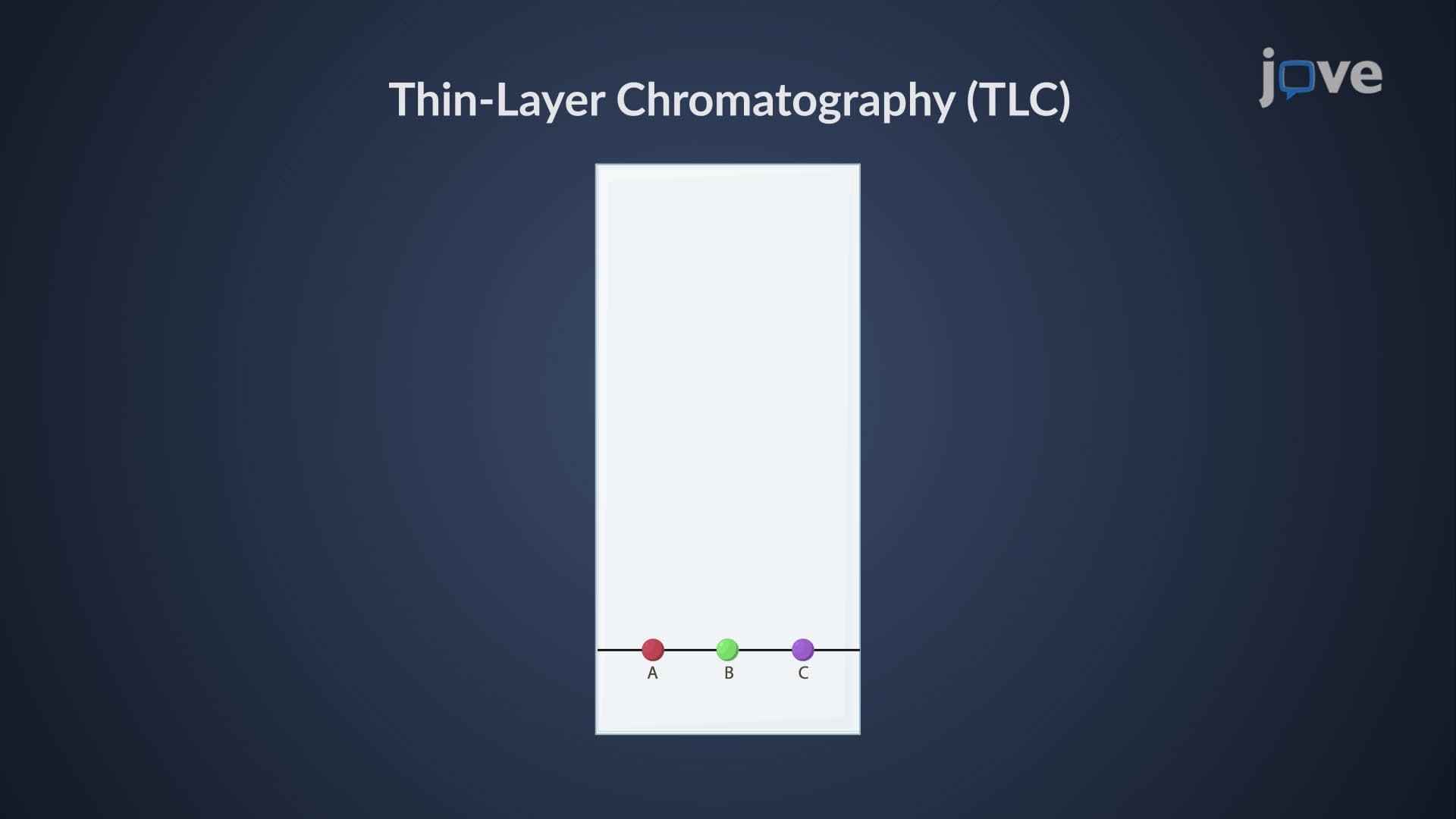
Ever wonder why a drop of food coloring separates into different colors when it hits wet paper? Analyte adsorption distribution chromatography explains this fascinating phenomenon that occurs when molecules interact differently with surfaces and solvents. In pharmaceutical labs across the US, scientists use this principle to purify medications and identify contaminants in drug samples. Understanding what is analyte adsorption and distribution reveals how molecules partition between stationary and mobile phases based on their chemical properties. Watch the full video on JoVE Coach to master this concept with expert-led visuals and step-by-step explanations.
- Understand what is analyte adsorption and distribution and how molecules transfer between mobile and stationary phases during chromatographic separation
- Identify the key factors that influence analyte retention, including polarity, molecular size, and chemical affinity for different phases
- Analyze how distribution coefficients determine migration rates and separation efficiency in chromatographic systems
- Compare the behavior of polar versus nonpolar compounds on different stationary phases like silica gel and alumina
- Evaluate optimal mobile phase conditions for achieving maximum separation of analyte mixtures
- Apply adsorption principles to predict chromatographic behavior and troubleshoot separation problems
- Recognize the relationship between analyte structure and retention time in various chromatographic methods
- Explore how partition coefficients and adsorption isotherms quantify analyte-phase interactions
Understanding Analyte Adsorption and Distribution in Chromatography
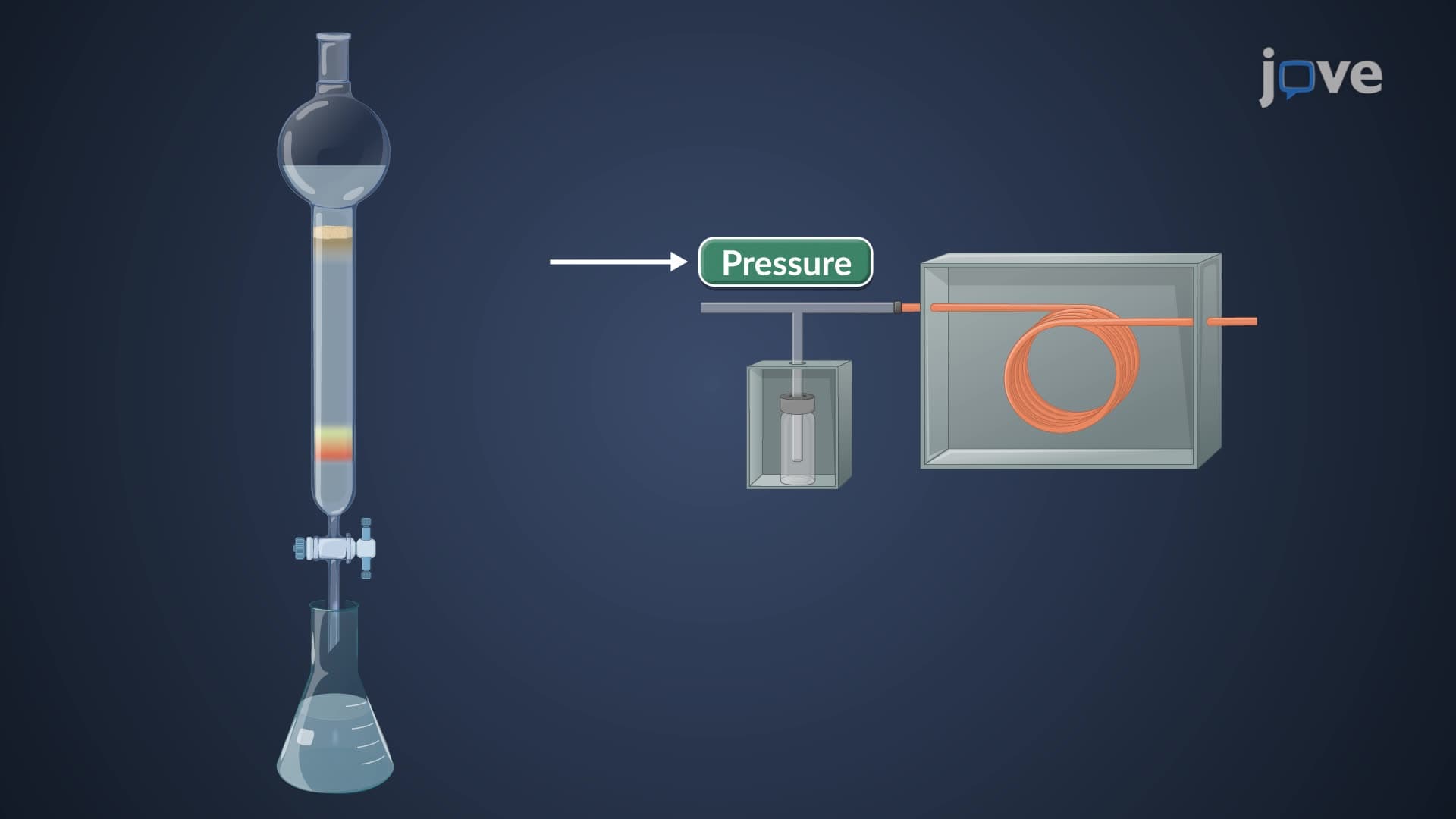
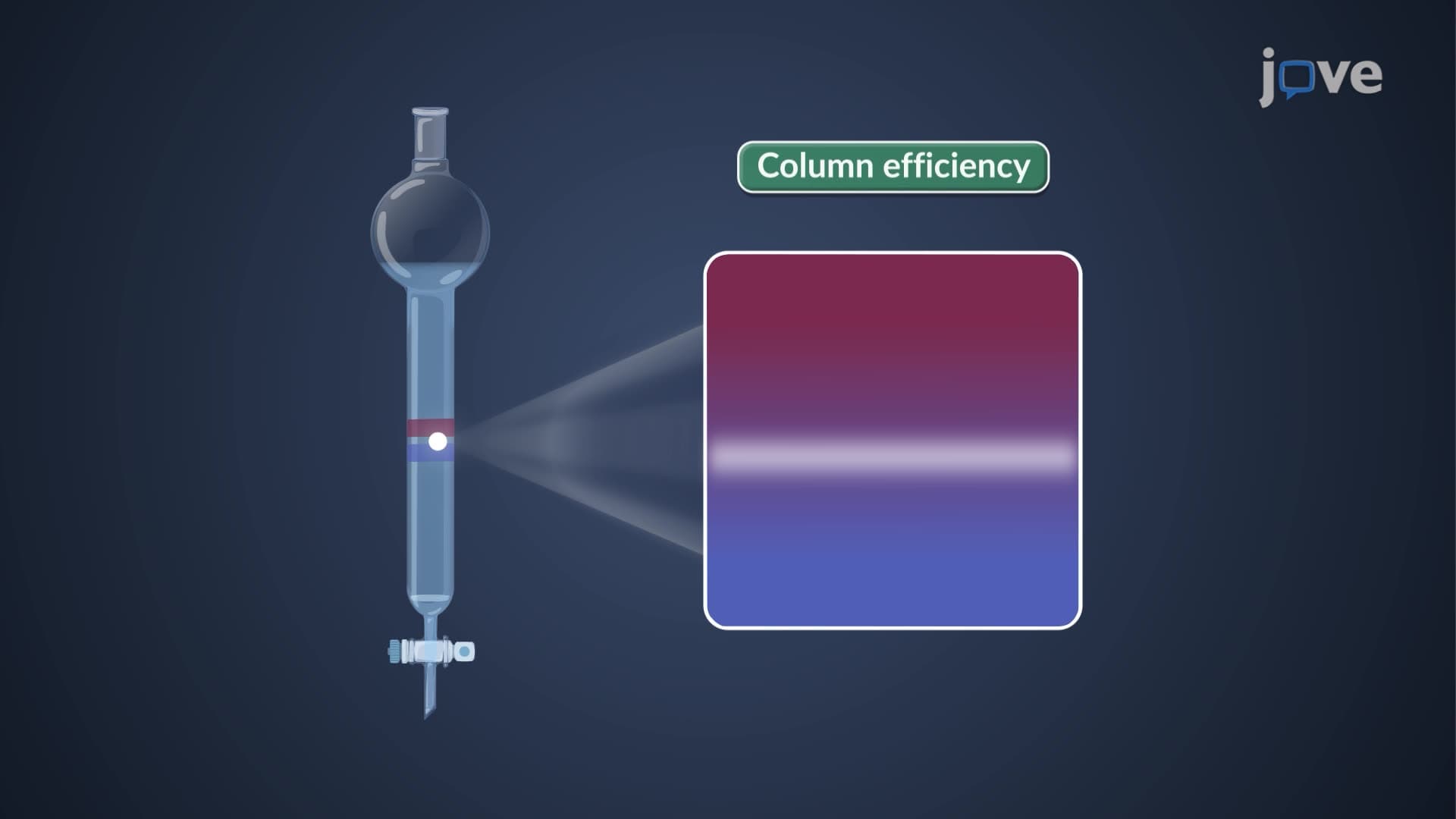
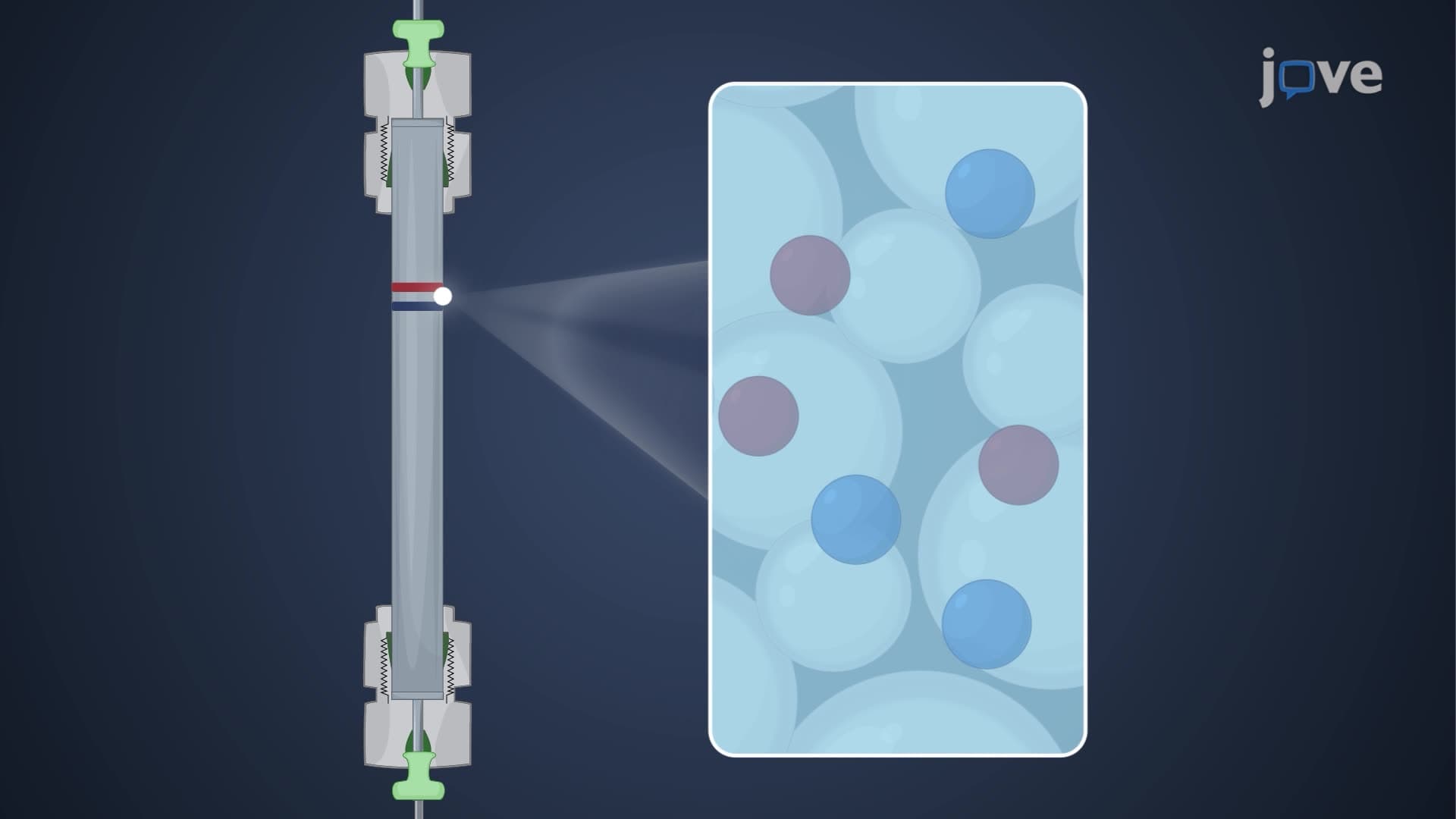
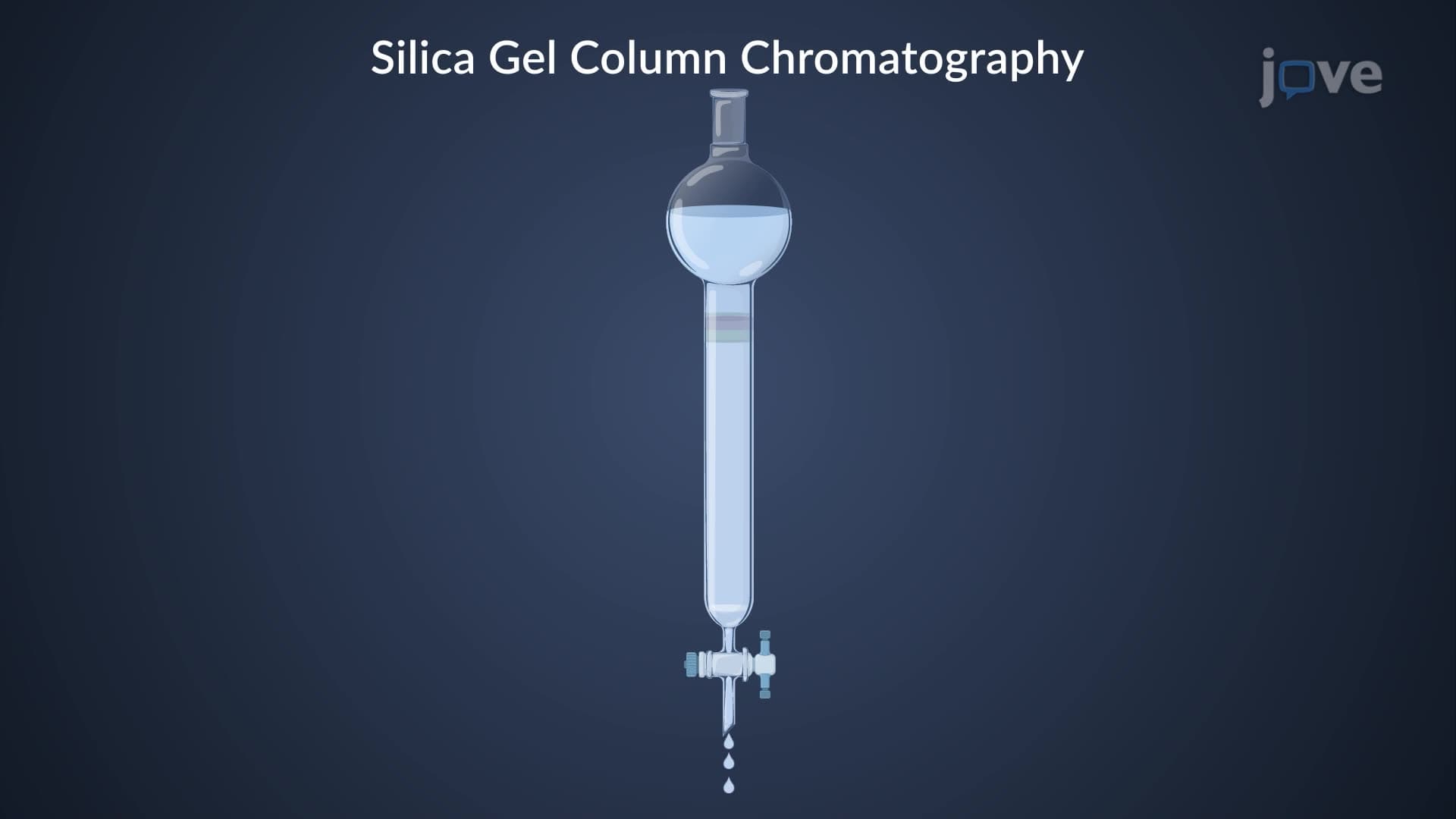
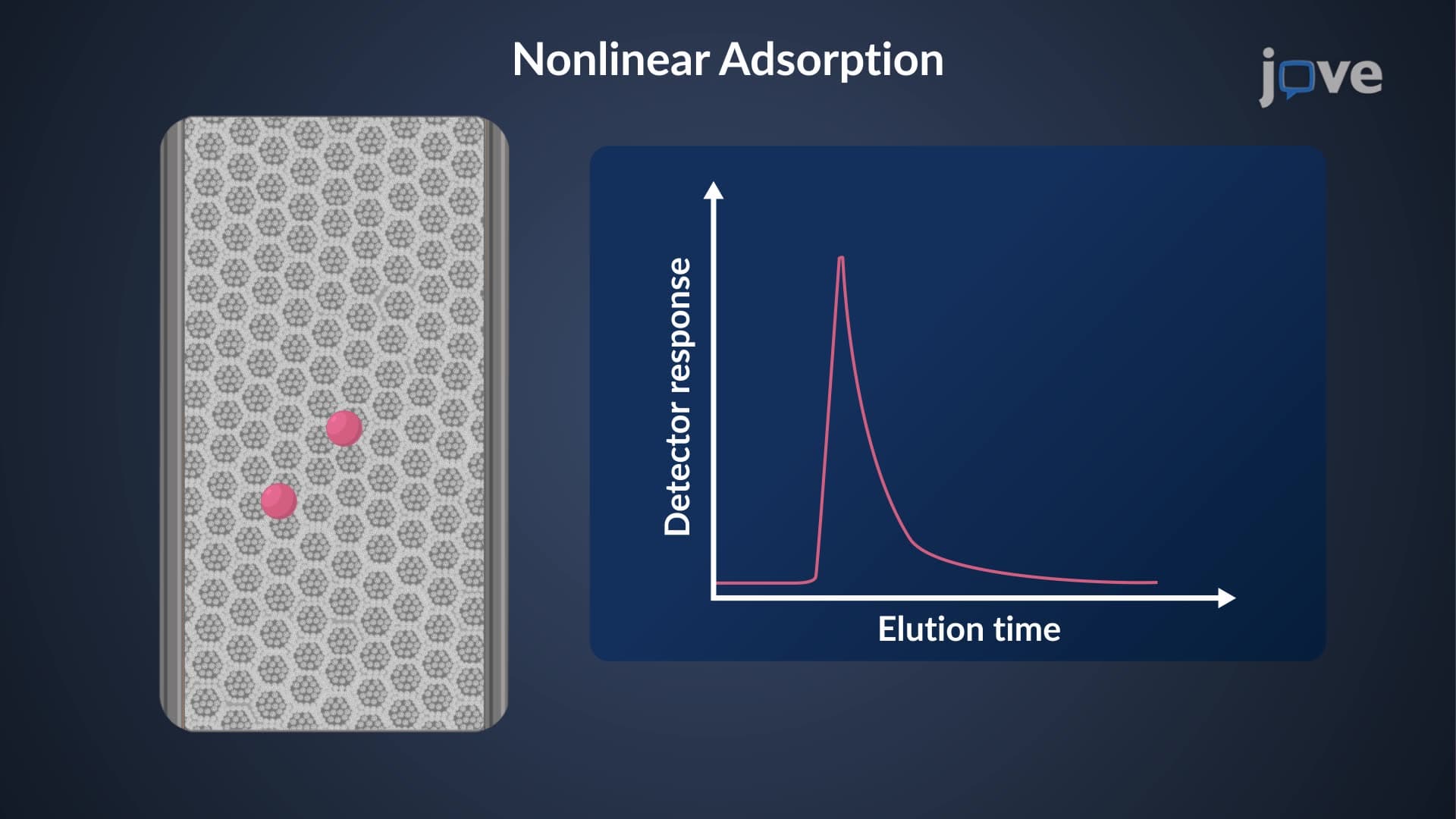
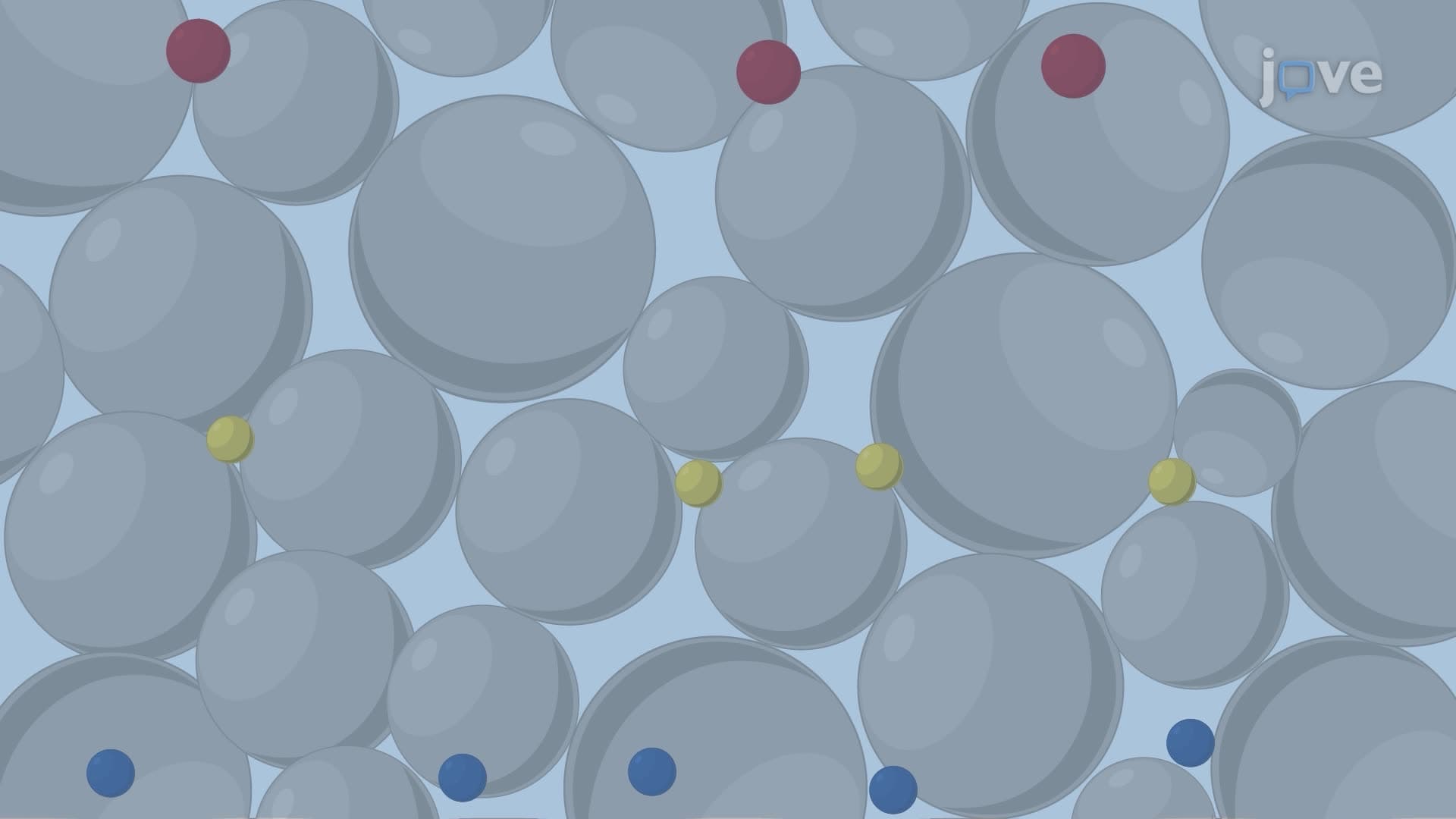
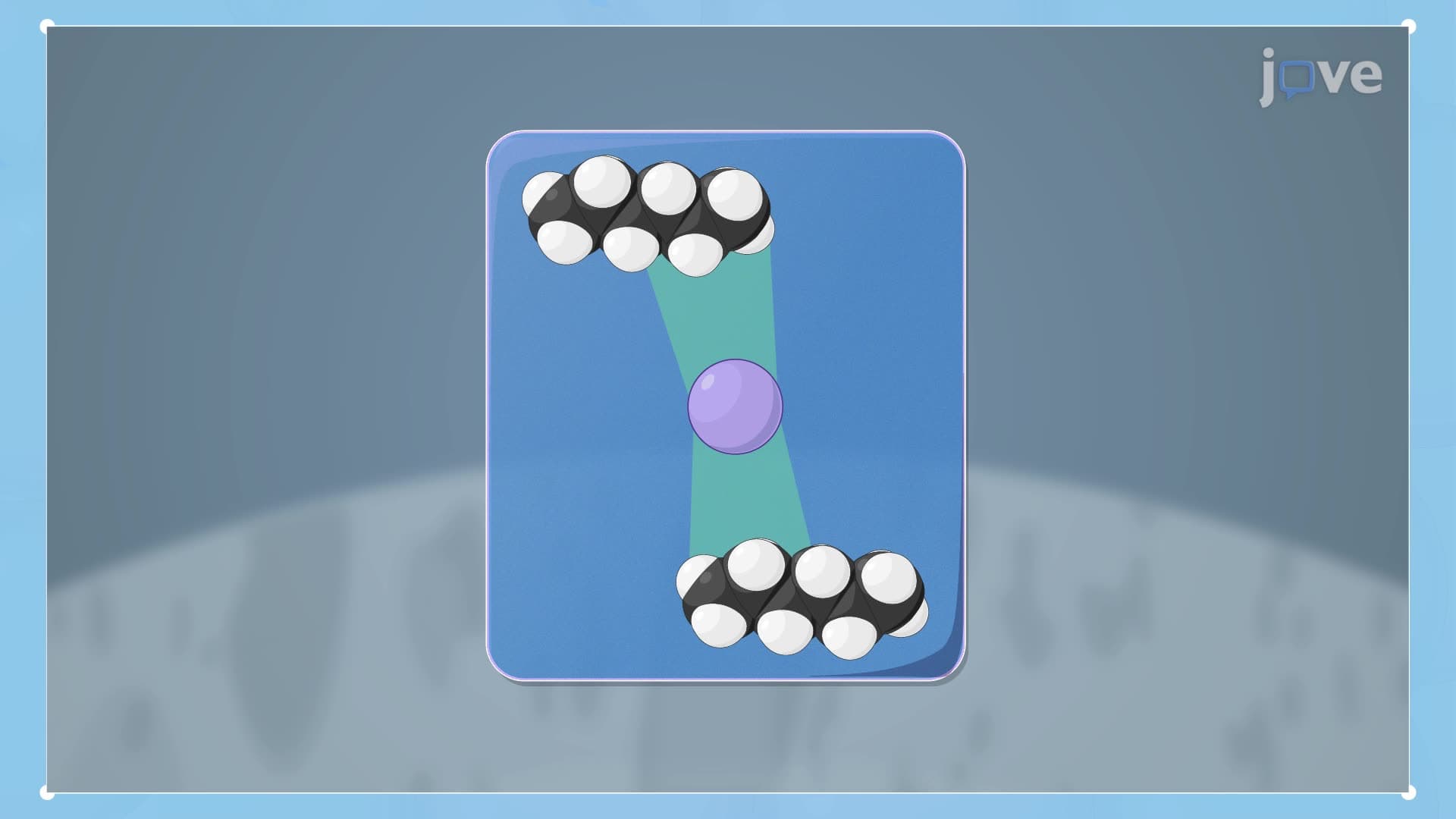
Analyte adsorption distribution chromatography represents one of the most fundamental separation techniques in analytical chemistry, relying on the differential interactions between sample components and two distinct phases. This process occurs when analytes continuously equilibrate between a stationary phase (such as silica gel packed in a column) and a mobile phase (liquid solvent or gas carrier) as they migrate through the chromatographic system.
The Science Behind Adsorption Distribution in Chromatography
The core principle governing adsorption distribution in chromatography lies in the varying affinities that different molecules exhibit toward the stationary and mobile phases. Polar compounds, such as alcohols and carboxylic acids, demonstrate strong attraction to polar stationary phases like silica gel through hydrogen bonding and dipole-dipole interactions. Conversely, nonpolar hydrocarbons prefer nonpolar environments and spend more time dissolved in nonpolar mobile phases.
At major US pharmaceutical companies like Pfizer and Johnson & Johnson, this principle enables the purification of drug compounds. For instance, when separating aspirin from its synthesis byproducts, the polar carboxylic acid group in aspirin interacts more strongly with silica gel than nonpolar impurities, allowing for effective separation using a moderately polar mobile phase.
How Analyte Adsorption Affects Chromatographic Separation
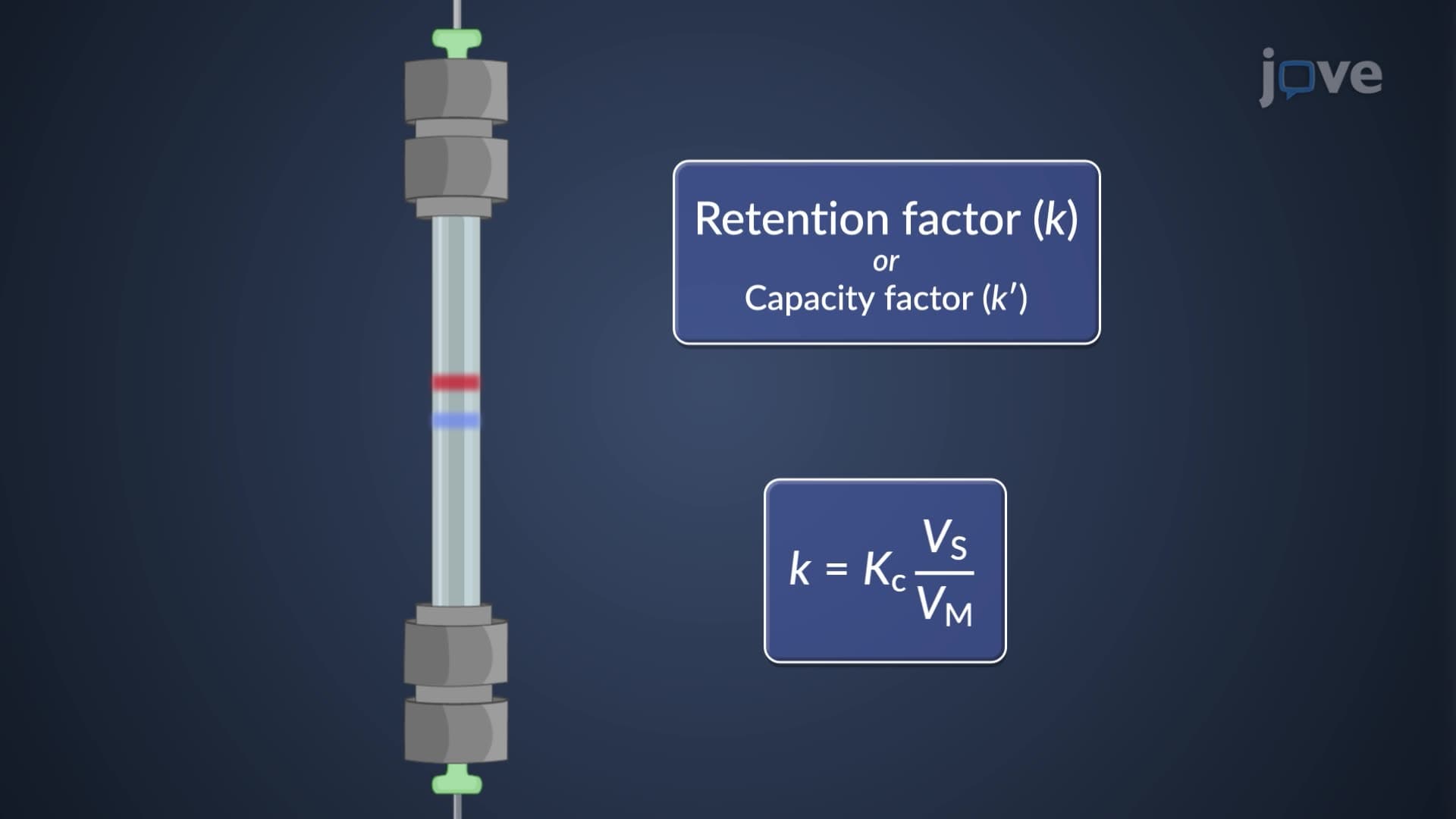
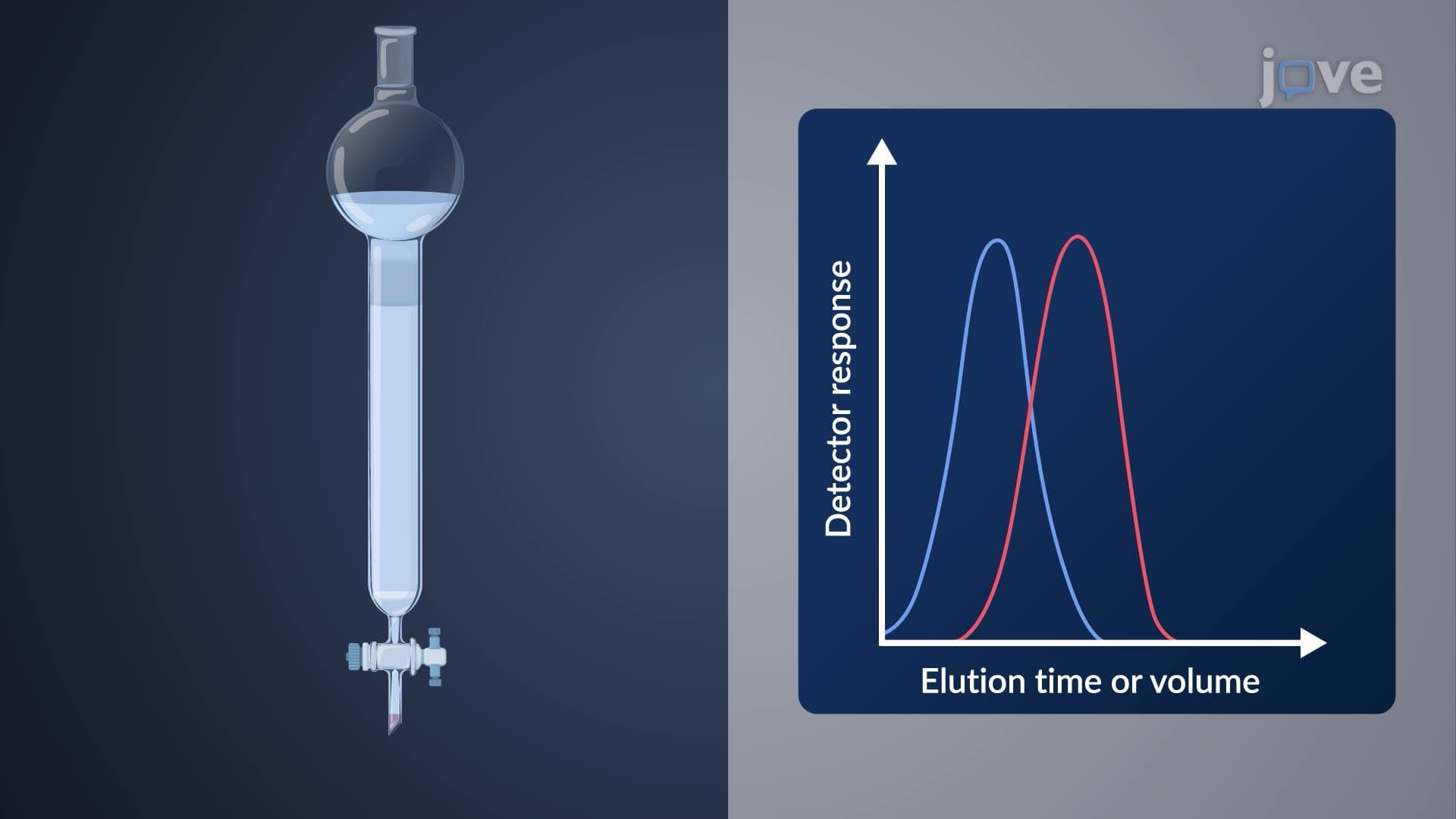
How analyte adsorption affects chromatographic separation depends critically on the distribution coefficient (K), which quantifies the equilibrium concentration ratio between stationary and mobile phases. Components with larger K values spend more time adsorbed to the stationary phase, resulting in longer retention times and slower migration. This relationship enables predictable separations based on molecular properties.
Students preparing for AP Chemistry exams or college organic chemistry courses must understand that retention time directly correlates with the strength of analyte-stationary phase interactions. The distribution coefficient provides a quantitative framework for predicting separation outcomes and optimizing experimental conditions.
Practical Applications and Optimization Strategies
Environmental testing laboratories across the US routinely employ these principles when analyzing water samples for pesticide contamination. The EPA requires specific chromatographic methods that rely on controlled adsorption distribution to separate and quantify trace organic pollutants. By carefully selecting stationary phase materials and mobile phase compositions, analysts can achieve the sensitivity and selectivity needed for regulatory compliance.
Success in chromatographic separations often requires balancing competing factors: increasing mobile phase polarity reduces retention times but may compromise resolution between similar compounds. This optimization process, fundamental to analytical method development, illustrates the practical importance of understanding analyte adsorption and distribution principles.
Frequently Asked Questions
Analyte adsorption and distribution describes how sample molecules continuously transfer between stationary and mobile phases during chromatographic separation. This process occurs based on the relative affinities of different compounds for each phase, with polar molecules preferentially interacting with polar stationary phases like silica gel. The differential distribution rates enable the separation of complex mixtures into individual components.
AP Chemistry frequently tests chromatography principles, including how molecular polarity affects retention times and separation efficiency. Understanding distribution coefficients helps predict which compounds will elute first and explain separation mechanisms. Practice problems often involve comparing retention times of different organic molecules based on their structural features and expected phase interactions.
Yes, MCAT Organic Chemistry and General Chemistry sections regularly include chromatography questions requiring knowledge of adsorption principles. Test-takers must understand how molecular structure influences chromatographic behavior and predict separation outcomes. These concepts also appear in laboratory technique passages that assess scientific reasoning skills.
Major US pharmaceutical companies like Merck and Bristol Myers Squibb rely on chromatographic separations throughout drug development, from initial compound purification to final quality control testing. Adsorption distribution principles guide method development for isolating active pharmaceutical ingredients from synthesis byproducts and ensuring product purity meets FDA standards.
While the mathematical aspects require some chemistry foundation, the core concepts build logically on basic principles like "like dissolves like" that students learn in introductory courses. Visual analogies and hands-on laboratory exercises help students grasp how molecular properties influence chromatographic behavior without requiring extensive mathematical calculations.
Focus on connecting molecular structure to chromatographic behavior rather than memorizing numerical values. Practice predicting retention order for compound series based on functional groups and polarity. Create concept maps linking molecular features (hydrogen bonding capability, aromatic rings, alkyl chain length) to expected chromatographic behavior.
Environmental analytical laboratories use adsorption distribution principles to separate and quantify pollutants in air, water, and soil samples. EPA-approved methods for pesticide analysis, petroleum hydrocarbon detection, and industrial chemical monitoring all rely on controlled chromatographic separations. Understanding these principles helps environmental scientists develop methods for detecting trace contaminants.
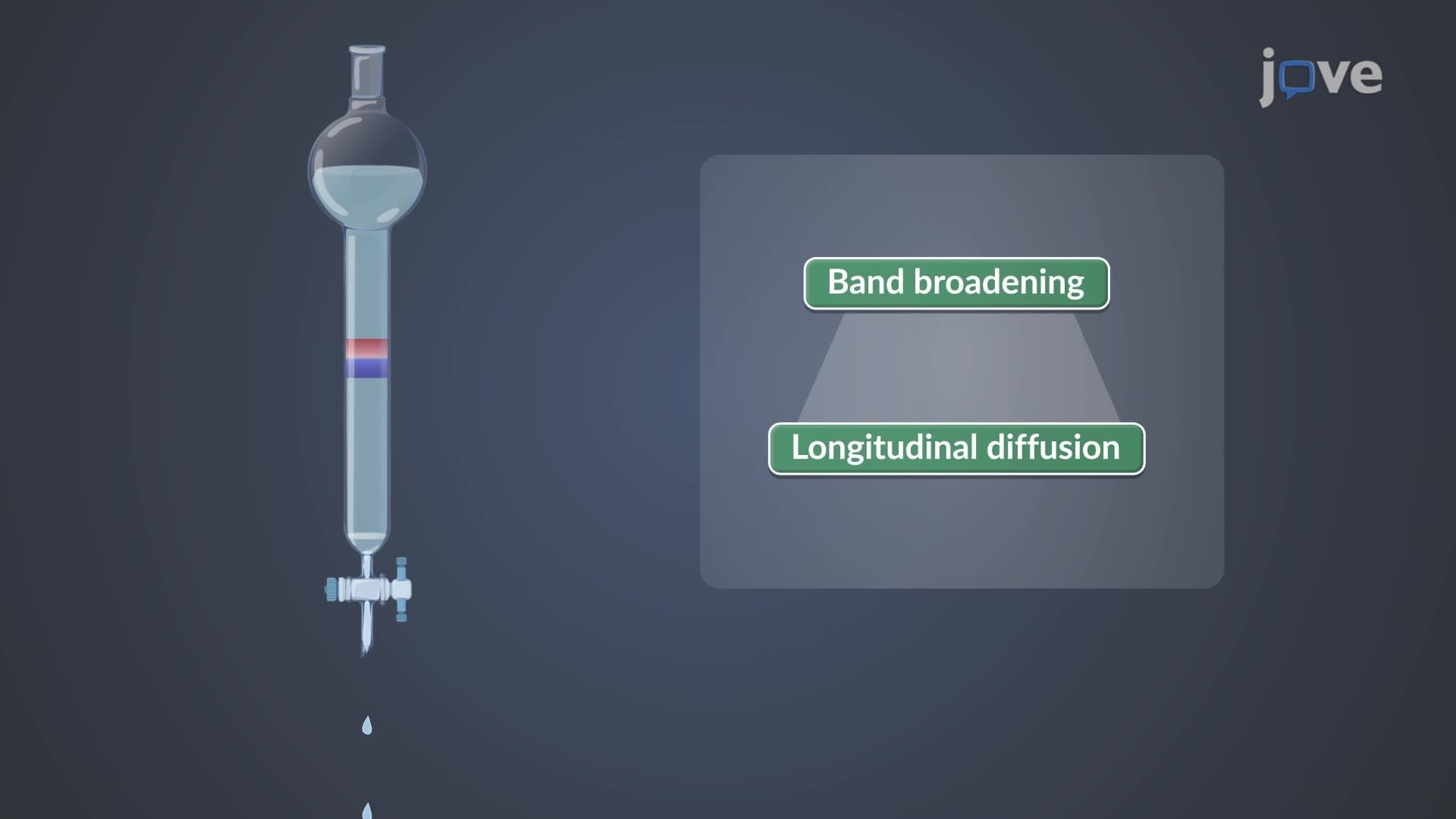
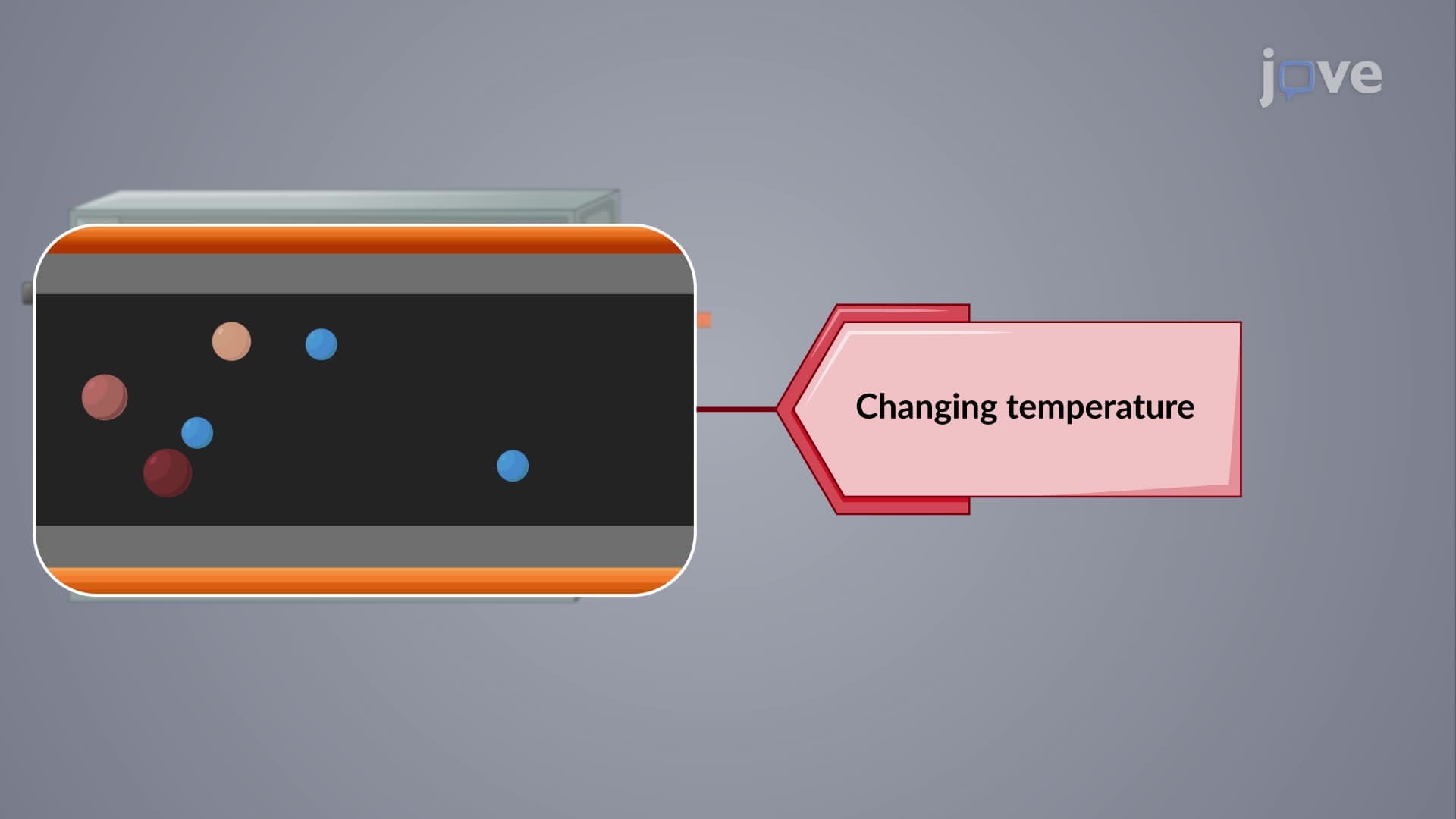
Advance to kinetic factors affecting peak shape and resolution, including van Deemter equation parameters and optimization strategies. Explore specialized techniques like gradient elution, temperature programming, and two-dimensional chromatography that build on fundamental adsorption principles to achieve enhanced separations.
Related Micro-courses

14 Concepts

19 Concepts

17 Concepts