Loading subject page…


42,892 views

Video Summary: What Is Capillary Electrophoresis Applications
Did you know that forensic labs across the US use capillary electrophoresis applications to analyze DNA evidence in criminal cases within hours instead of days? This powerful analytical technique separates charged molecules using electric fields in tiny glass tubes, revolutionizing everything from pharmaceutical quality control to environmental monitoring. What is capillary electrophoresis applications spans six distinct modes, each designed for specific molecular separation challenges. Watch the full video on JoVE Coach to master this concept with expert-led visuals and step-by-step explanations.
Capillary electrophoresis (CE) represents one of the most versatile analytical techniques in modern chemistry, with applications spanning forensic science, pharmaceutical development, and clinical diagnostics. The fundamental principle involves applying an electric field across a narrow capillary tube filled with buffer solution, causing charged molecules to migrate at different rates based on their size-to-charge ratio. This elegant separation method has revolutionized analytical chemistry since its development in the 1980s.
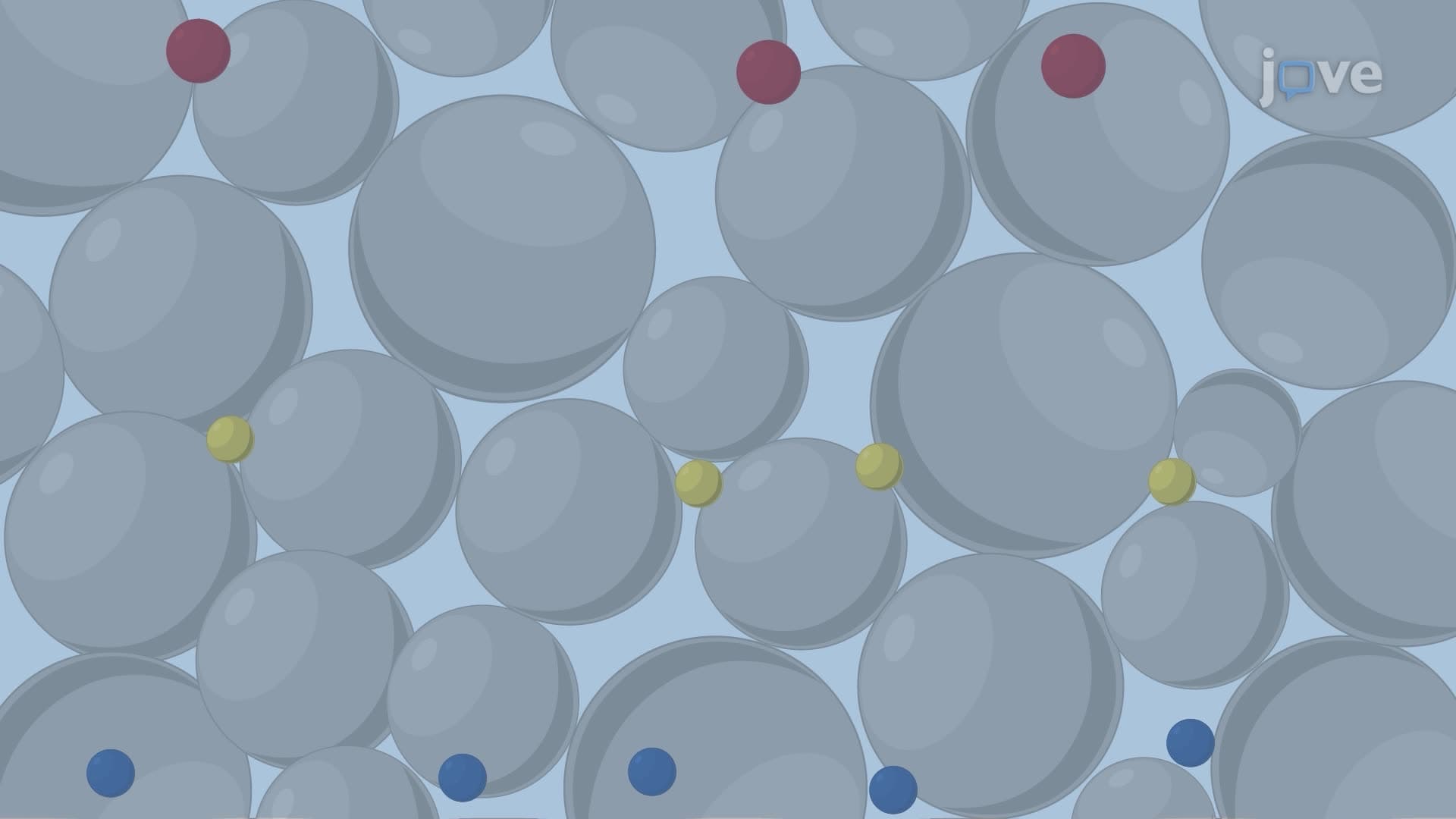
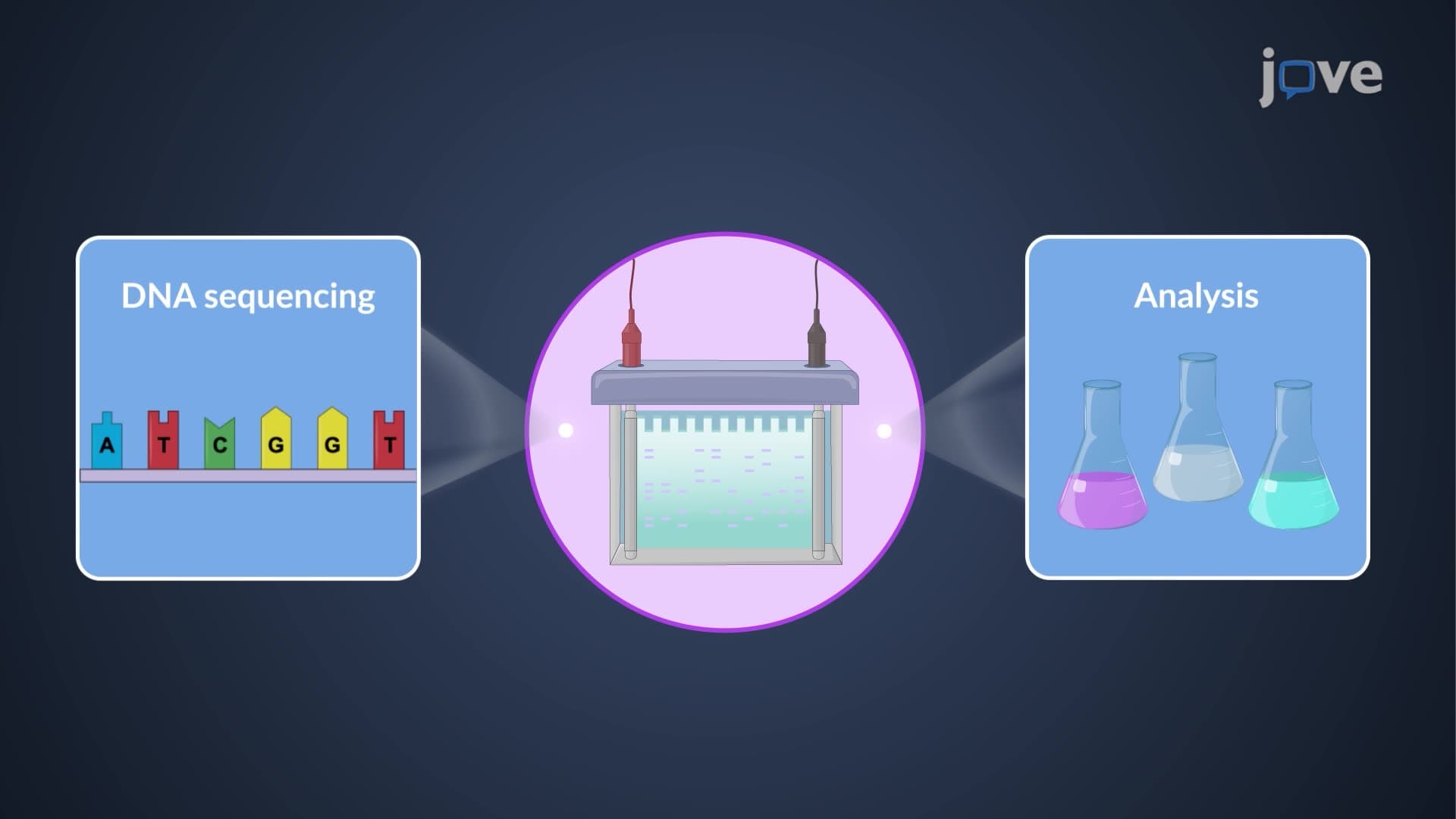
Capillary Gel Electrophoresis (CGE) fills the capillary with a porous polymer matrix that acts as a molecular sieve. Large molecules like DNA fragments move slowly through the gel pores, while smaller fragments migrate faster. The FBI's Combined DNA Index System (CODIS) relies heavily on CGE for STR (Short Tandem Repeat) analysis in criminal investigations. This application is particularly relevant for AP Biology students studying DNA fingerprinting and genetic analysis.
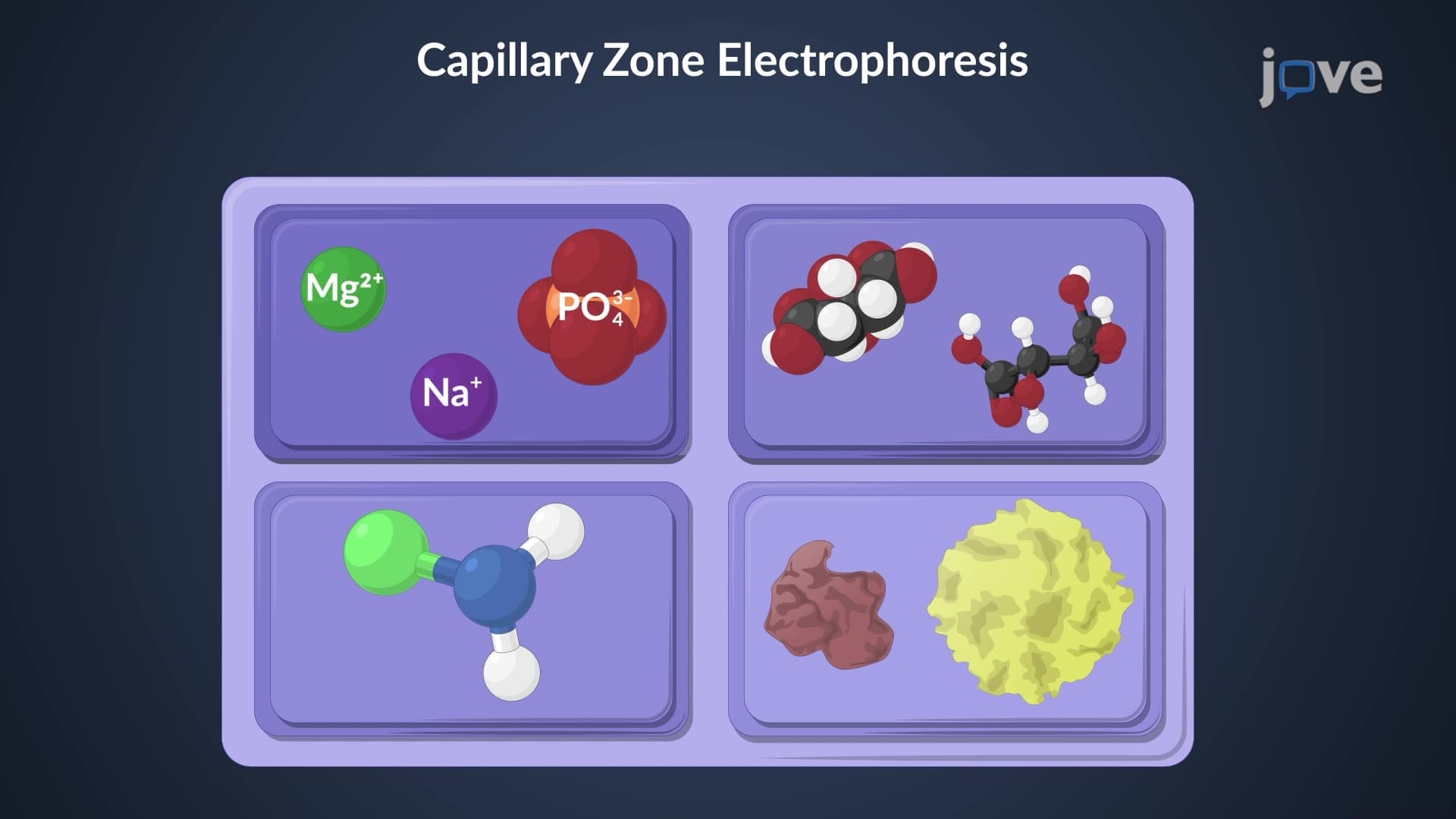
Capillary Zone Electrophoresis (CZE) operates in free solution without gel matrices, separating molecules purely based on their electrophoretic mobility. Pharmaceutical companies like Pfizer and Johnson & Johnson use CZE for drug purity analysis and quality control. The technique excels at separating inorganic ions, organic acids, and proteins, making it essential for MCAT preparation when studying amino acid analysis.
Micellar Electrokinetic Capillary Chromatography (MEKC) adds surfactants to create charged micelles that act as pseudo-stationary phases. Neutral molecules partition between the micelle core and surrounding buffer, enabling separation of compounds that wouldn't migrate in standard CZE. Environmental Protection Agency (EPA) laboratories use MEKC for analyzing neutral pollutants in water samples.
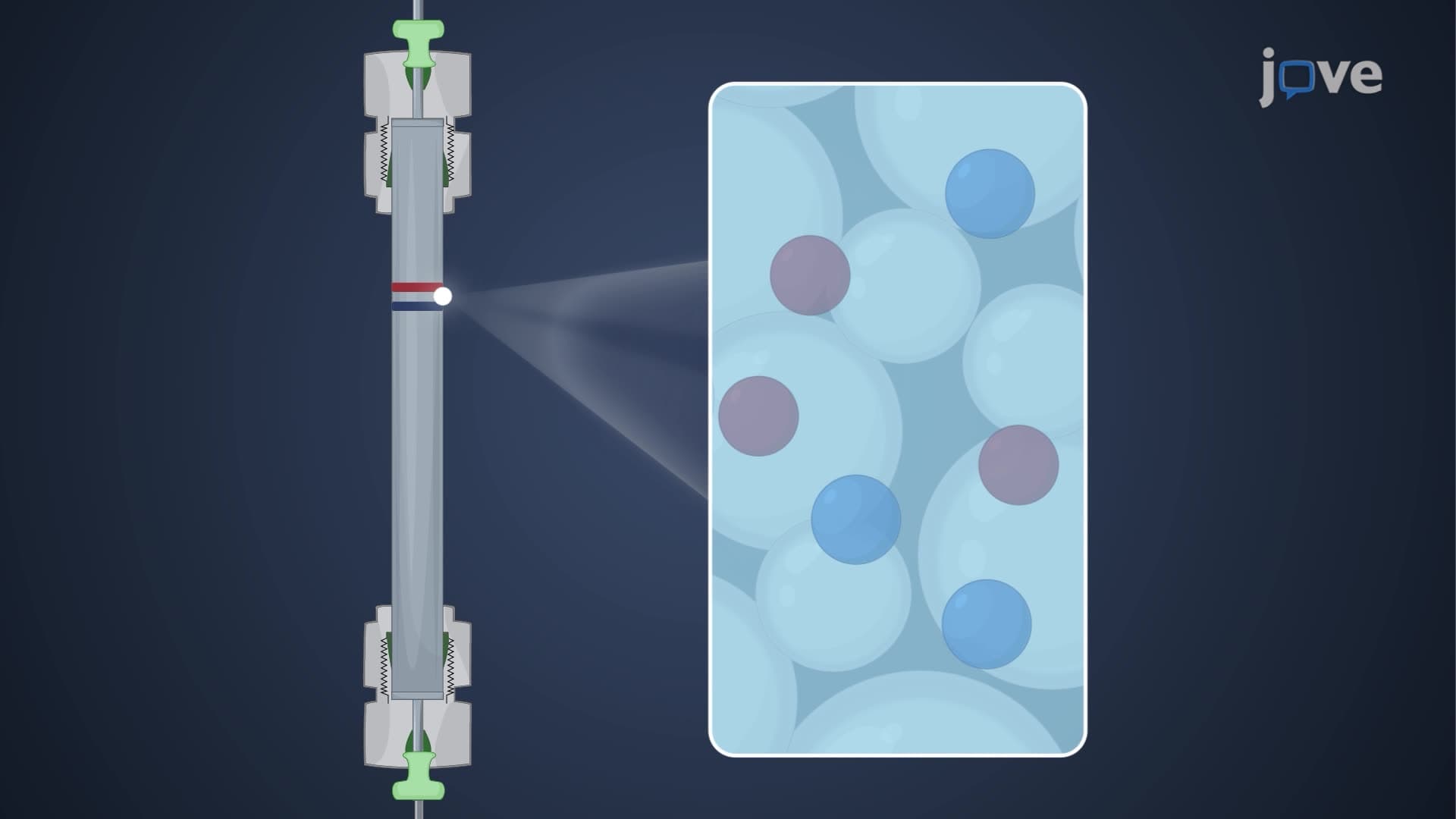
Capillary Electrochromatography (CEC) combines electrophoresis with chromatography by packing the capillary with stationary phase particles. This hybrid approach provides exceptional resolution for chiral drug separations, crucial for pharmaceutical development where drug enantiomers can have vastly different biological effects.
Capillary Isotachophoresis (CITP) creates conditions where all analytes migrate at identical velocities, forming sharp concentration boundaries. Clinical laboratories use CITP for protein analysis and therapeutic drug monitoring, particularly valuable for students preparing for clinical chemistry sections of the MCAT.
Capillary Isoelectric Focusing (CIEF) establishes pH gradients that cause amphiprotic molecules to migrate toward their isoelectric points where they become neutrally charged and stop moving. This technique is indispensable for protein characterization in biotechnology companies throughout California's Silicon Valley.
Related Micro-courses