Loading subject page…


42,892 views


Video Summary: What Is Capillary Electrophoresis Instrumentation
Did you know that the same principle used to detect DNA in criminal investigations relies on specialized equipment no bigger than a desktop computer? Capillary electrophoresis instrumentation forms the backbone of analytical chemistry labs across the United States, from the FBI's forensic laboratories to university research facilities. This sophisticated system uses high-voltage electricity and microscopic capillary tubes to separate and identify chemical compounds with incredible precision. Understanding what is capillary electrophoresis instrumentation opens doors to careers in forensics, pharmaceuticals, and biotechnology. Watch the full video on JoVE Coach to master this concept with expert-led visuals and step-by-step explanations.
What is capillary electrophoresis instrumentation at its core? It's a sophisticated analytical system that combines electrical engineering with analytical chemistry to separate and detect molecules with extraordinary precision. The instrumentation represents a marvel of miniaturization, performing complex separations in capillary tubes thinner than human hair while maintaining laboratory-grade accuracy.
The heart of CE instrumentation lies in its high-voltage power supply, typically capable of generating 20,000-30,000 volts across the capillary system. This isn't just high voltage for its own sake-the electric field strength directly determines separation efficiency and analysis speed. The power supply connects to platinum electrodes positioned in buffer reservoirs at each end of the capillary, creating a controlled electrical pathway that drives the entire separation process.
Students preparing for the MCAT or advanced placement chemistry exams should understand that this voltage creates an electric field strength of approximately 300-600 V/cm along the capillary length. This intense field enables rapid separations, often completing complex analyses in under 30 minutes compared to traditional techniques requiring hours.
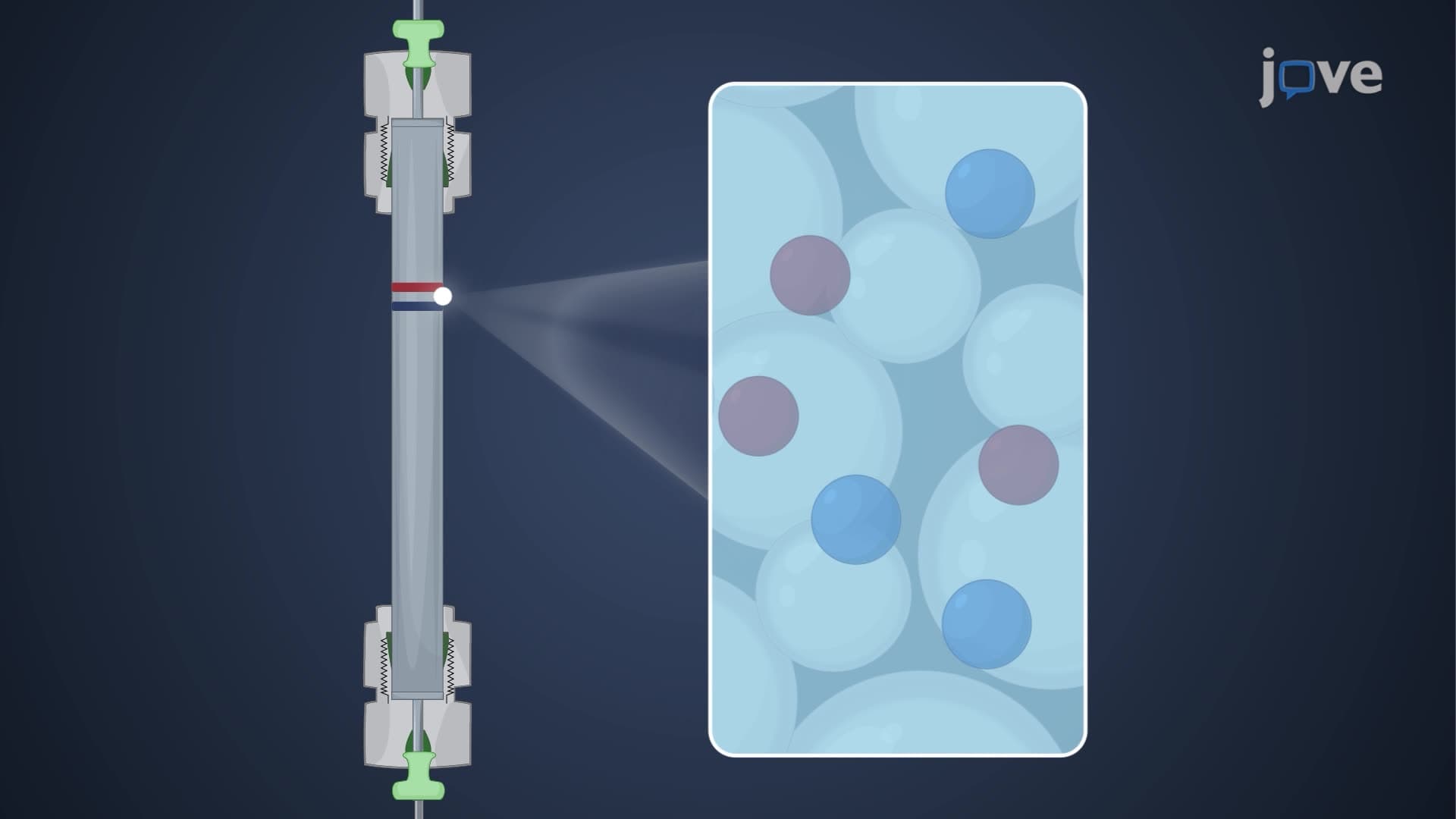
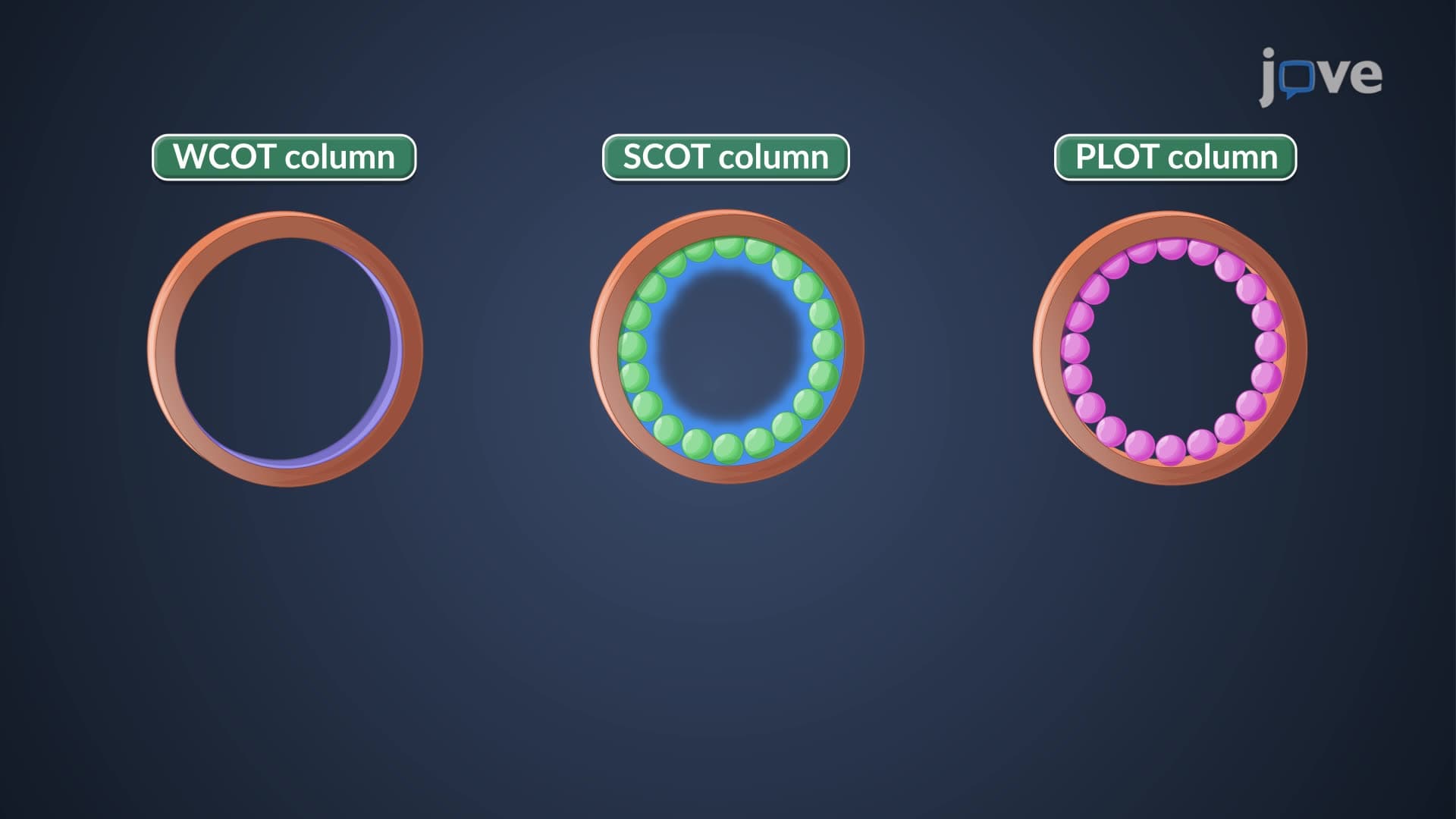
The fused silica capillary represents precision engineering at the microscopic level. With internal diameters typically ranging from 25-100 micrometers, these columns provide enormous surface area relative to their volume. The polyimide coating isn't merely protective-it prevents the brittle silica from breaking during routine handling while maintaining optical transparency for detection systems.
The buffer system serves multiple critical functions beyond simple electrical conduction. It maintains stable pH conditions, provides consistent ionic strength, and creates the electroosmotic flow that acts as a microscopic conveyor belt moving samples through the capillary. Universities like Stanford and MIT extensively use these systems in their analytical chemistry curricula, emphasizing how buffer composition directly affects separation quality.
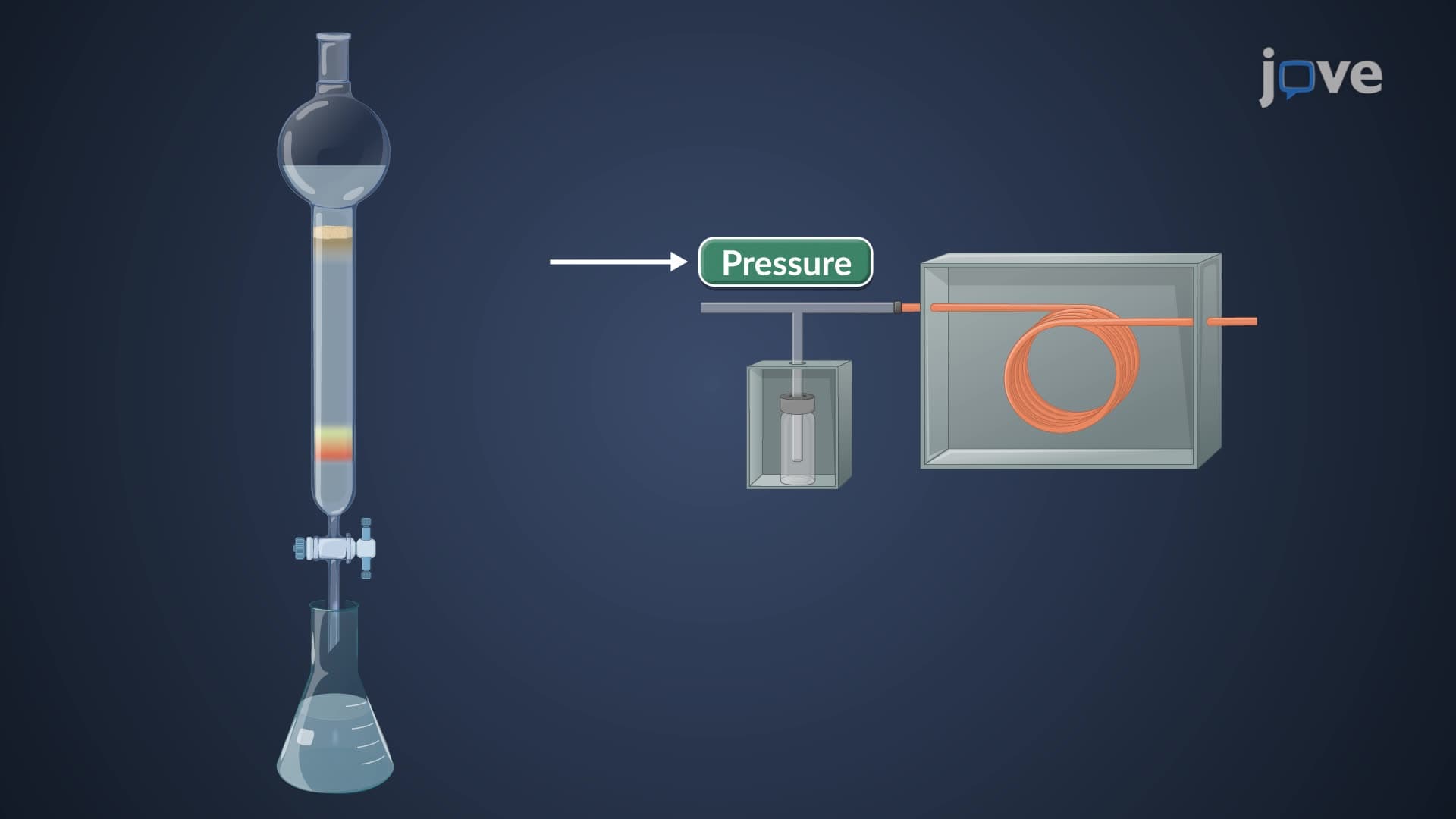
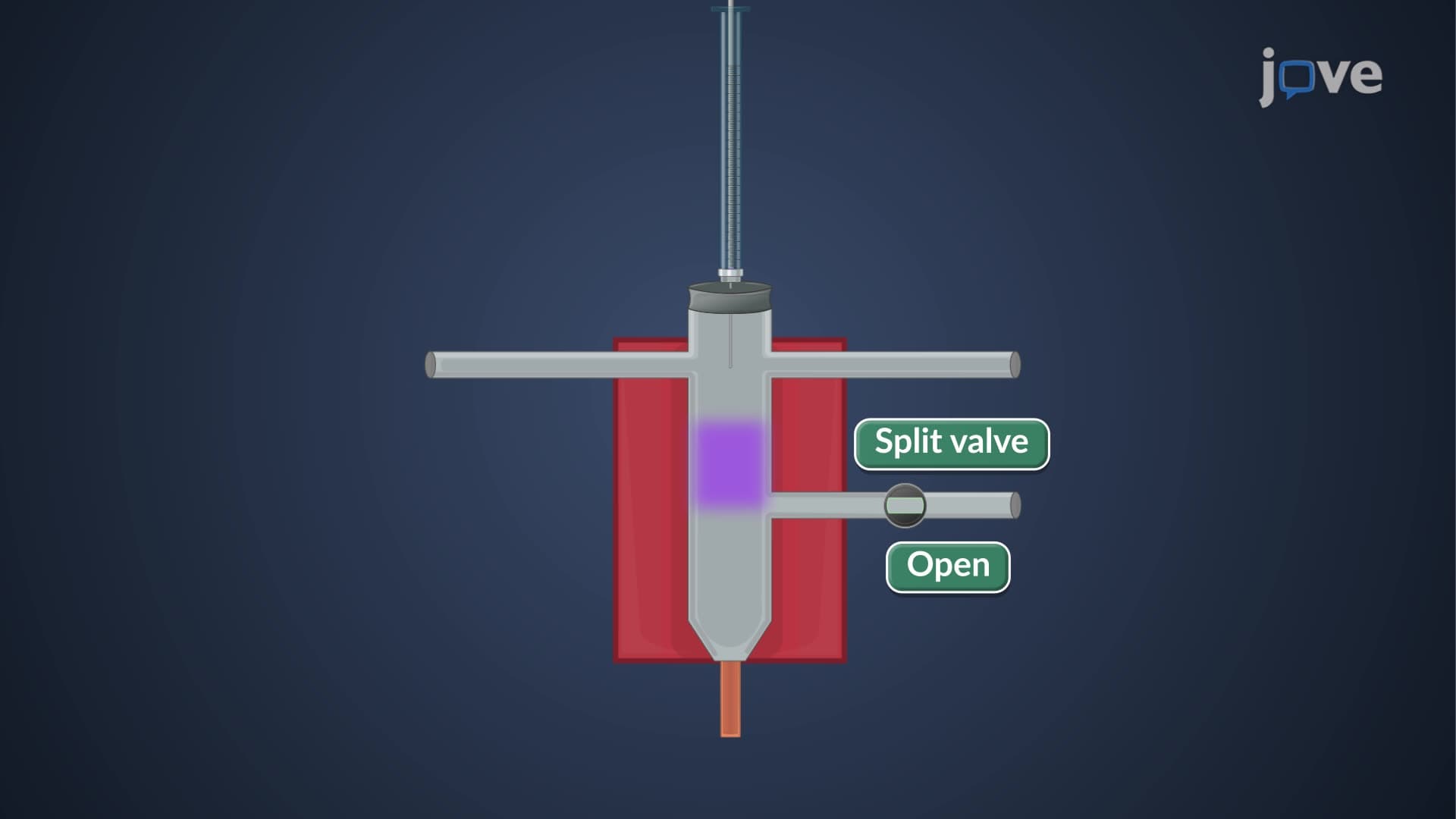
Sample introduction methods-hydrodynamic and electrokinetic injection-each offer distinct advantages depending on analytical requirements. Hydrodynamic injection uses controlled pressure to introduce precise sample volumes, while electrokinetic injection selectively enriches charged species based on their mobility. This selectivity proves invaluable in pharmaceutical analysis, where drug compounds must be separated from complex biological matrices.
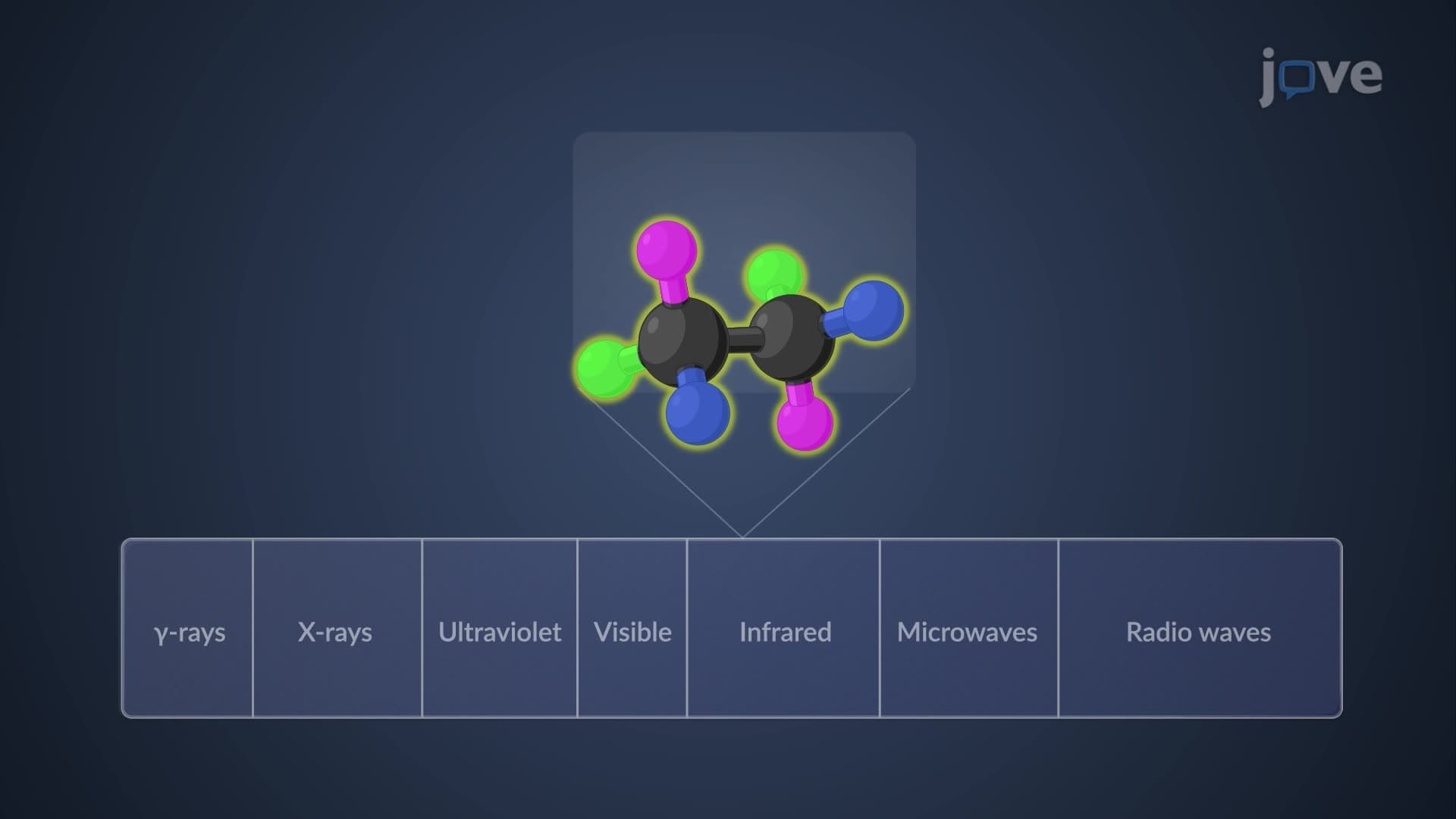
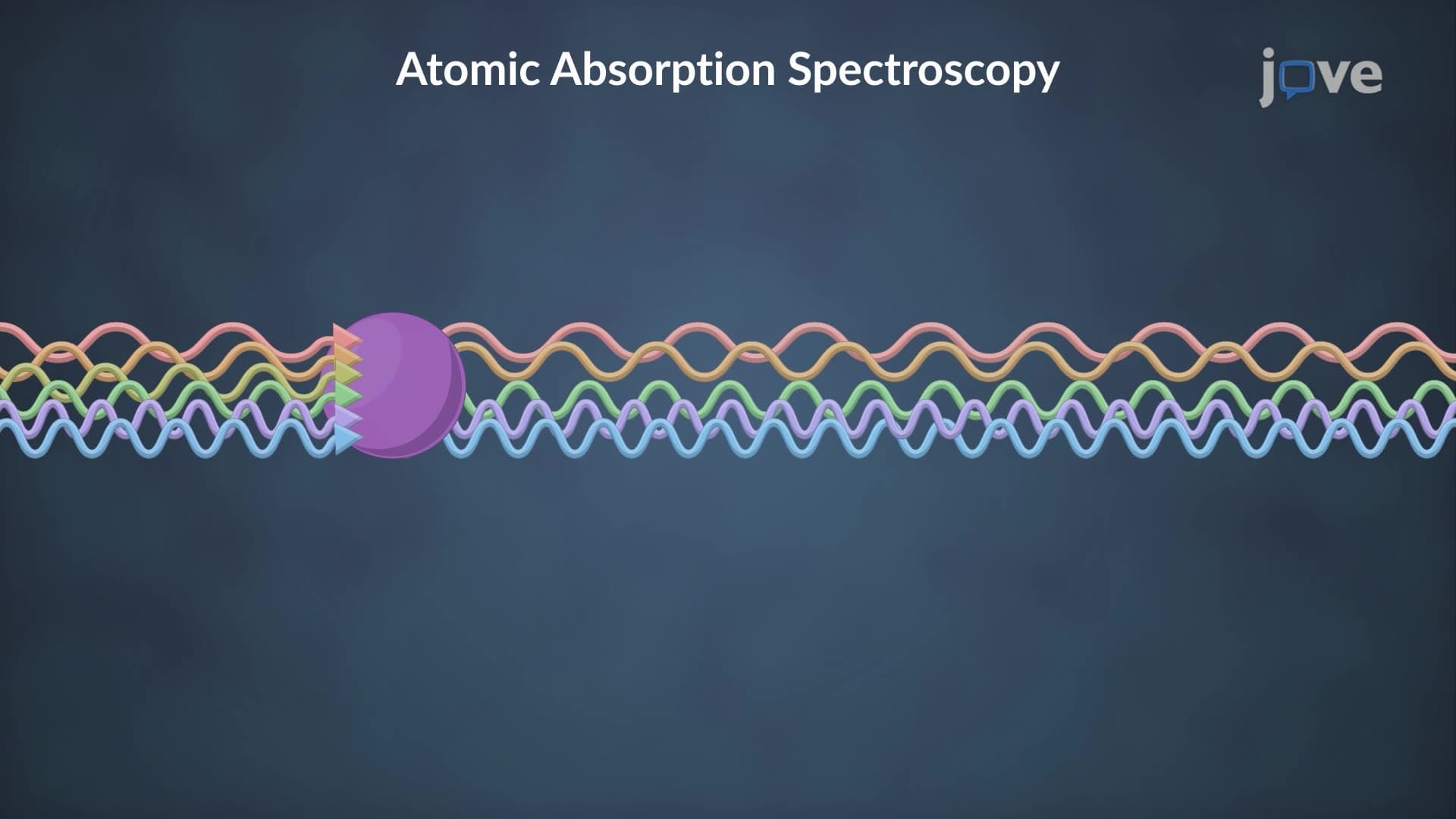
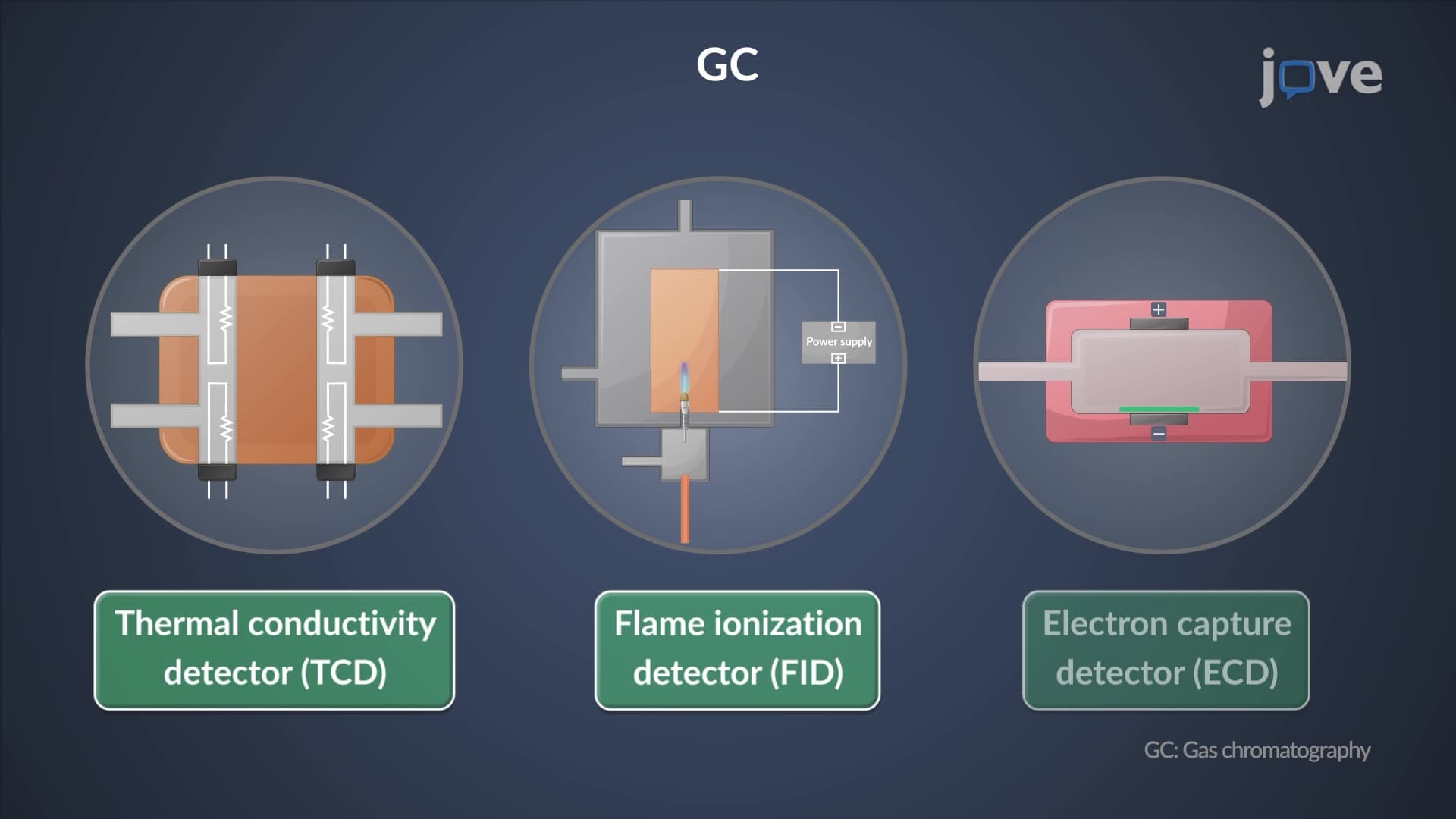
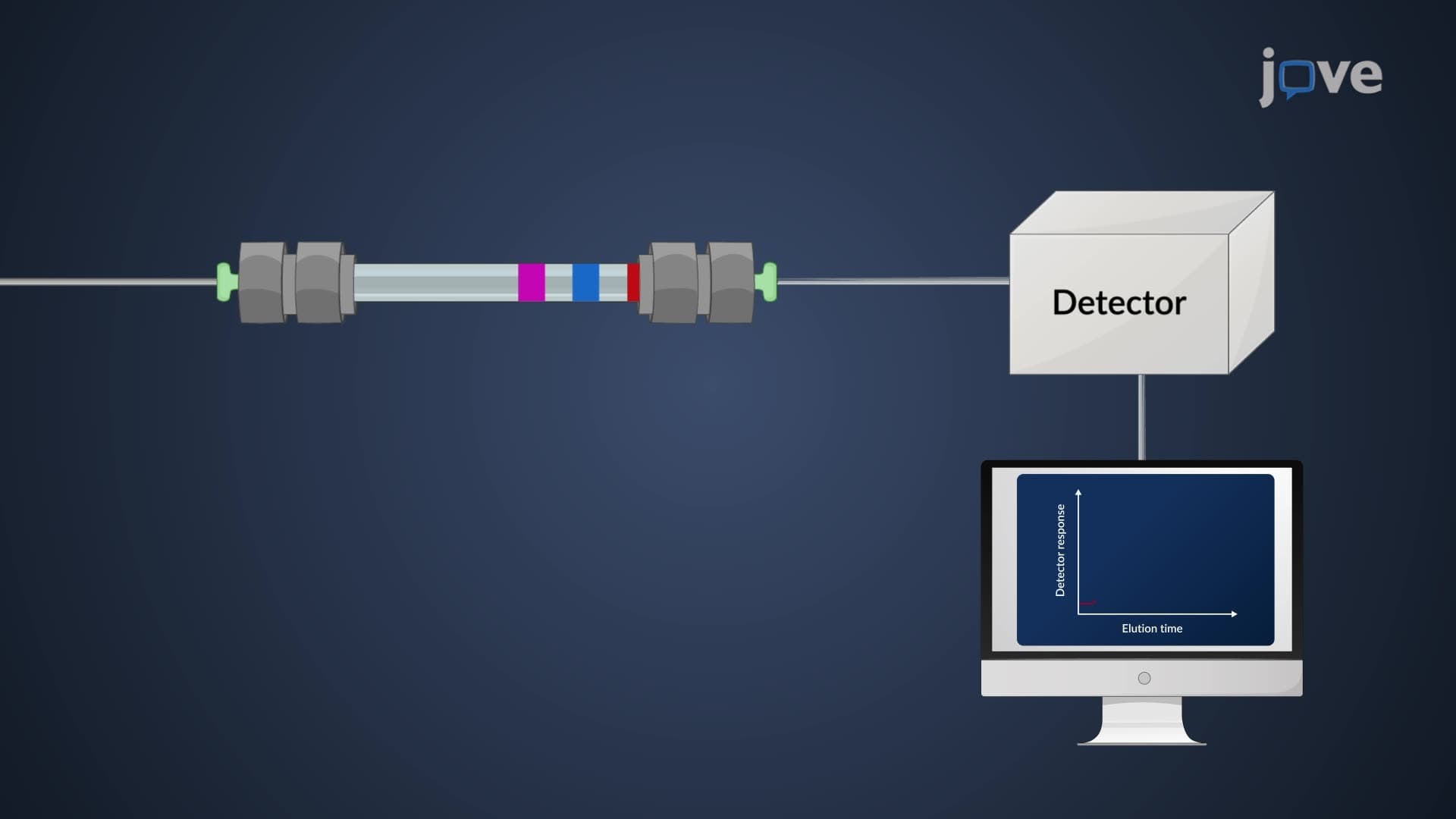
Detection systems have evolved beyond simple UV absorption to include fluorescence detection (achieving detection limits in the attomolar range) and mass spectrometry coupling for definitive molecular identification. Major pharmaceutical companies like Pfizer and Johnson & Johnson routinely employ these advanced detection schemes for drug purity analysis and metabolite identification studies.
Related Micro-courses