Loading subject page…

- Analytical Chemistry
- Principles of Chromatography
- Column Efficiency: Plate Theory
Micro-course: Principles of Chromatography
42,891 views
Learn key concepts and earn your certificate.







Column Efficiency: Plate Theory

00:00
01:10
Video Summary: What Is Column Efficiency Plate Theory
Ever wonder how pharmaceutical companies ensure your medications are pure? Column efficiency plate theory revolutionized how scientists understand chromatographic separations, the same technique used to test drug purity at companies like Pfizer and Johnson & Johnson. This foundational concept in analytical chemistry explains why some chromatographic columns separate compounds better than others by visualizing the column as containing thousands of tiny "theoretical plates" where molecules equilibrate between phases. Understanding what is column efficiency plate theory is crucial for anyone studying analytical chemistry or preparing for advanced science courses. Watch the full video on JoVE Coach to master this concept with expert-led visuals and step-by-step explanations.
- Understand the fundamental principles of column efficiency plate theory and how it describes solute band broadening during chromatographic separation
- Identify the key parameters used to measure column efficiency, including plate number (N) and height equivalent to a theoretical plate (HETP)
- Analyze the relationship between theoretical plates, retention time, and peak width in chromatographic separations
- Compare different chromatographic columns based on their efficiency using plate theory calculations
- Evaluate how column length and plate number affect separation quality in analytical applications
- Apply plate theory concepts to predict and optimize chromatographic separations in laboratory settings
- Recognize the historical connection between distillation plates and modern chromatographic theory
- Explore how Gaussian peak shapes relate to variance and standard deviation in analytical measurements
Understanding Column Efficiency Plate Theory Fundamentals
Column efficiency plate theory serves as the cornerstone for understanding how chromatographic separations work at a molecular level. Originally developed by drawing parallels to fractional distillation columns used in petroleum refineries, this theory provides a simplified yet powerful model for predicting and optimizing separations. The concept emerged from early 20th-century work by chemists who noticed similarities between how compounds separate in distillation towers and chromatographic columns.
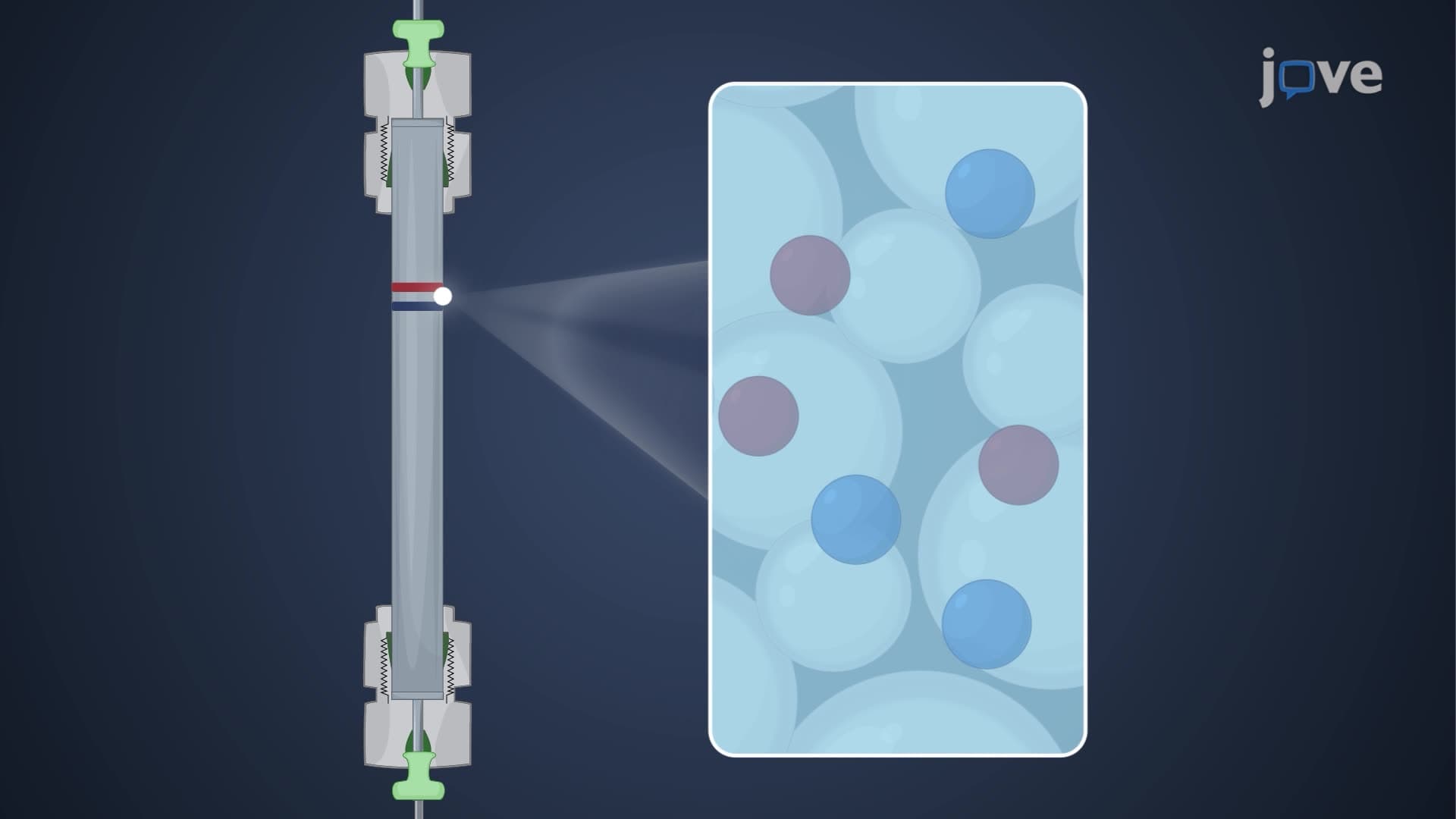
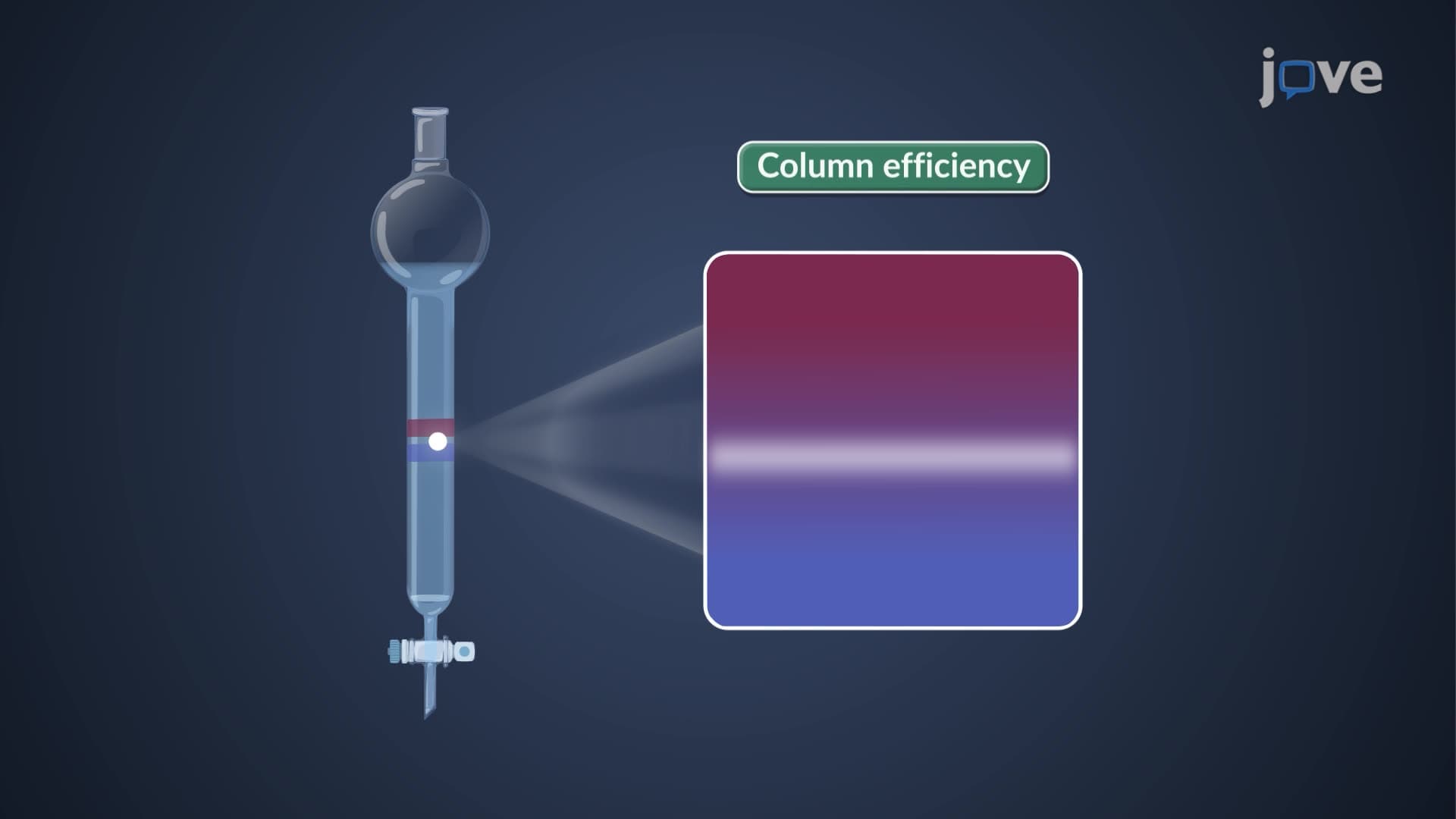
The theory conceptualizes a chromatographic column as containing thousands of discrete sections called theoretical plates. While we now know that actual equilibration steps don't occur in these imaginary plates, this visualization remains invaluable for understanding separation efficiency. Each theoretical plate represents a zone where solute molecules theoretically achieve complete equilibrium between the mobile phase (liquid or gas flowing through the column) and stationary phase (material packed in the column).
Plate Number and Column Performance
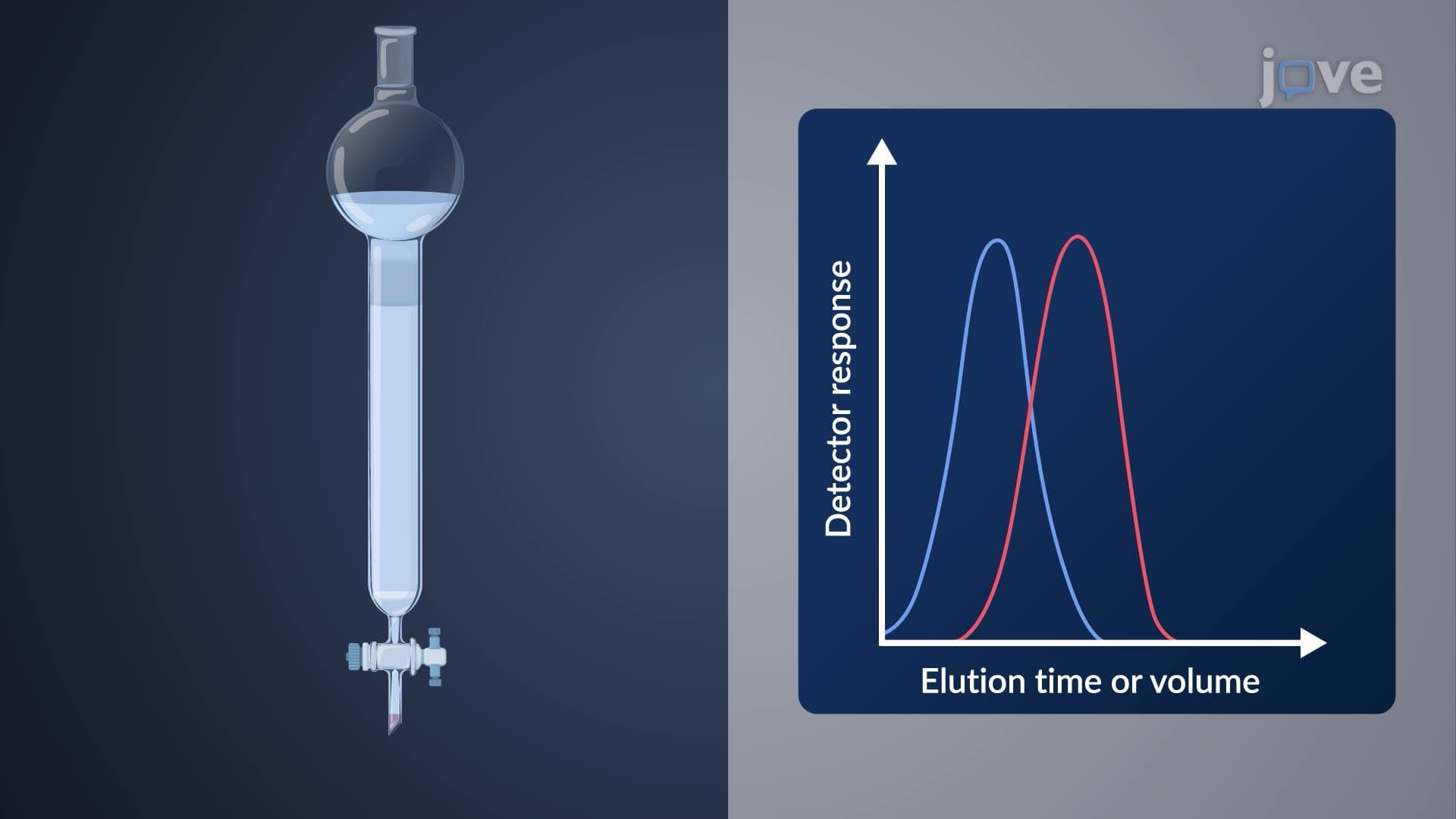
The plate number (N) quantifies column efficiency by measuring how much a chromatographic peak broadens as it travels through the column. Since chromatographic peaks exhibit nearly perfect Gaussian distributions, statisticians can apply variance calculations to determine N. A higher plate number indicates better column efficiency, meaning sharper, more defined peaks and superior separation of closely related compounds.
For students preparing for the AP Chemistry exam or college analytical chemistry courses, understanding that N = 16(tR/wb)² is crucial, where tR represents retention time and wb is peak width at the base. This relationship demonstrates how peak sharpness directly correlates with separation quality. Pharmaceutical companies routinely use these calculations to validate that their HPLC columns meet regulatory standards for drug analysis.
Height Equivalent to a Theoretical Plate (HETP)
HETP represents another critical parameter in plate theory separation, calculated by dividing column length by plate number (HETP = L/N). This measurement provides insight into column packing quality and efficiency per unit length. Lower HETP values indicate superior column performance, essentially meaning each centimeter of column length contributes more effectively to the separation.
Students often encounter HETP calculations in laboratory courses and standardized exams like the MCAT. Understanding that shorter HETP values correlate with better separations helps explain why expensive, high-efficiency columns used in forensic laboratories and clinical testing facilities outperform basic educational columns.
Practical Applications and Modern Relevance
Despite its theoretical limitations, plate theory remains indispensable in modern analytical chemistry. Environmental testing laboratories use these principles to optimize separations when analyzing water contamination, while food safety inspectors rely on plate theory calculations to ensure accurate pesticide residue detection. The FDA requires pharmaceutical manufacturers to demonstrate adequate column efficiency using plate number calculations for drug release testing and stability studies.
Frequently Asked Questions
Column efficiency plate theory is a fundamental model that explains how chromatographic columns separate compounds by visualizing the column as containing thousands of theoretical plates where solutes equilibrate between mobile and stationary phases. This theory is crucial because it provides quantitative measures (plate number and HETP) to evaluate and compare column performance, helping scientists optimize separations for applications ranging from pharmaceutical analysis to environmental testing.
Understanding plate theory helps students master key analytical chemistry concepts tested on AP Chemistry exams and college courses, including Gaussian distributions, variance calculations, and separation optimization. Exam questions often require calculating plate numbers from chromatograms or explaining why certain columns provide better separations. This knowledge builds foundation skills for advanced chemistry coursework and laboratory work.
Key formulas include N = 16(tR/wb)² for plate number calculation and HETP = L/N for height equivalent to a theoretical plate. MCAT questions typically provide chromatogram data and ask students to calculate these values or compare column efficiencies. Practice identifying retention times, peak widths, and applying these relationships to evaluate separation quality.
Pharmaceutical companies like Merck and Bristol Myers Squibb use HETP calculations to validate that their chromatographic methods meet FDA requirements for drug purity testing. Lower HETP values indicate more efficient columns, allowing better separation of drug compounds from impurities. This ensures patient safety by guaranteeing accurate quantification of active ingredients and contaminants in medications.
Not at all! While the mathematical concepts require basic algebra and understanding of Gaussian curves, the core principles are accessible to high school students in chemistry or AP Chemistry courses. Starting with the visual analogy of distillation plates helps students grasp the fundamental concept before introducing calculations. Many students successfully learn these concepts as preparation for college analytical chemistry.
Focus on understanding the relationship between peak shape and column efficiency rather than memorizing formulas. Practice interpreting chromatograms by identifying retention times and peak widths, then calculating plate numbers and HETP values. Create visual aids showing how sharper peaks indicate higher efficiency, and work through sample problems involving column comparisons to build confidence.
Build on this foundation by exploring van Deemter equation theory, which explains factors affecting HETP including mobile phase velocity, diffusion, and mass transfer kinetics. Advanced topics include resolution calculations, gradient elution theory, and method development strategies used in pharmaceutical and environmental laboratories.
Related Micro-courses

14 Concepts

19 Concepts

17 Concepts