Loading subject page…

- Analytical Chemistry
- Principles of Chromatography
- Diffusion on Chromatography Columns
Micro-course: Principles of Chromatography
42,891 views
Learn key concepts and earn your certificate.


Diffusion on Chromatography Columns

00:00
01:07
Video Summary: What Is Diffusion on Chromatography Columns
Ever wonder why pharmaceutical companies at Pfizer or Merck can separate thousands of compounds with pinpoint accuracy? The secret lies in understanding diffusion chromatography columns and how molecular movement creates predictable separation patterns. When analyzing drug purity in FDA-regulated labs, scientists must account for how diffusion effects in chromatography cause analyte bands to spread as they travel through columns. Watch the full video on JoVE Coach to master this concept with expert-led visuals and step-by-step explanations.
- Understand what diffusion on chromatography columns means and how Brownian motion causes analyte band broadening during separation processes
- Identify the key difference between longitudinal diffusion and other band-broadening mechanisms in both gas and liquid chromatography systems
- Analyze how diffusion coefficients relate to concentration gradients and determine the flux of analytes moving through column cross-sections
- Compare diffusion effects between gaseous and liquid mobile phases to predict separation efficiency in different chromatographic methods
- Evaluate how diffusion effects in chromatography impact peak shape and resolution in analytical separations
- Apply diffusion principles to explain why gas chromatography shows more significant band broadening than liquid chromatography
- Recognize the Gaussian profile that results from diffusion-induced band broadening in chromatographic peaks
- Explore how understanding diffusion helps optimize column performance in pharmaceutical and environmental analysis
Understanding Diffusion On Chromatography Columns
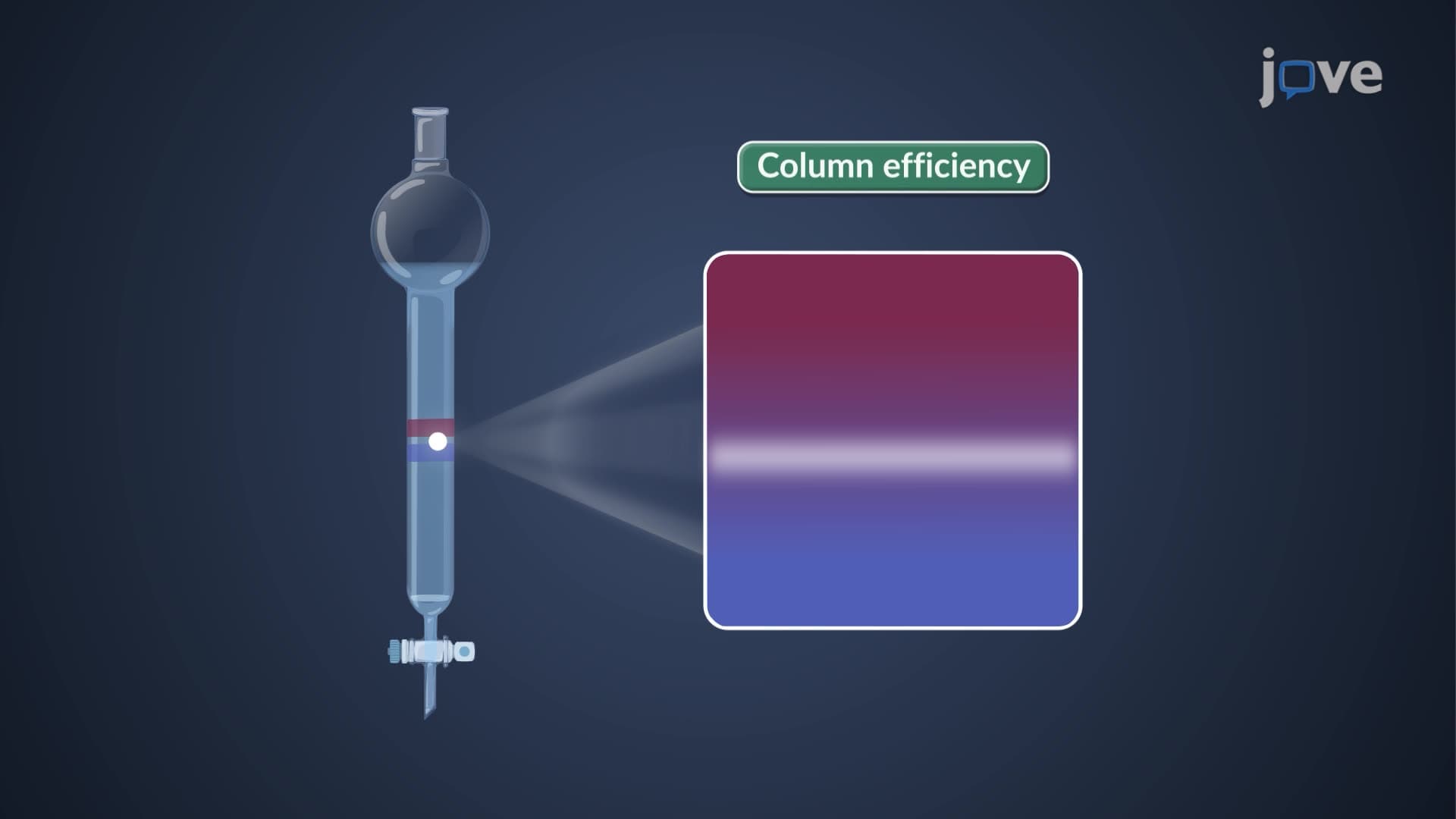
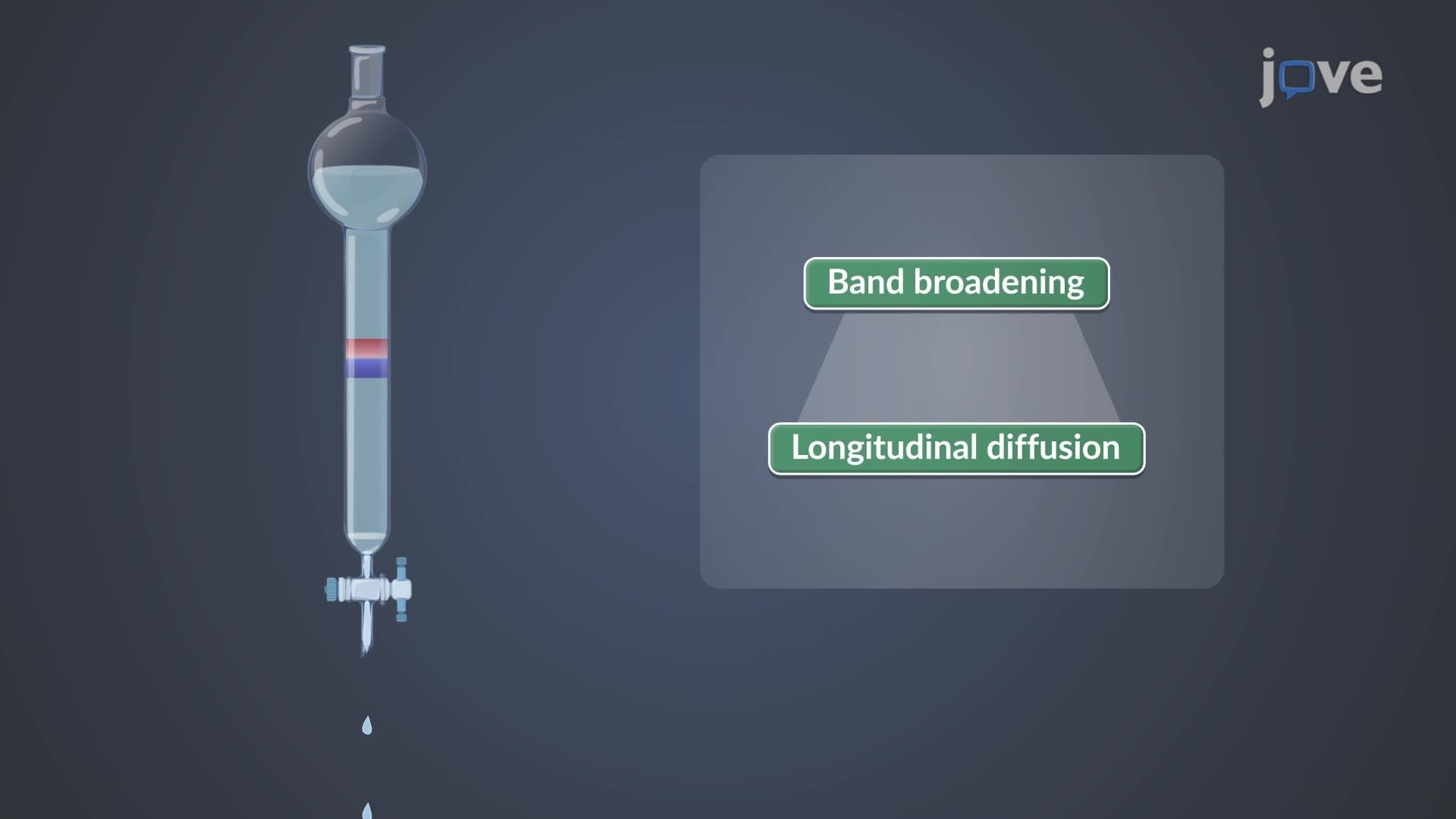
Diffusion on chromatography columns represents one of the fundamental phenomena that determines separation quality in analytical chemistry. When analytes travel through a chromatographic column, they don't move as discrete, sharp bands. Instead, molecular-level random motion causes these bands to spread out, creating broader peaks that can impact separation resolution.
Longitudinal Diffusion Mechanisms
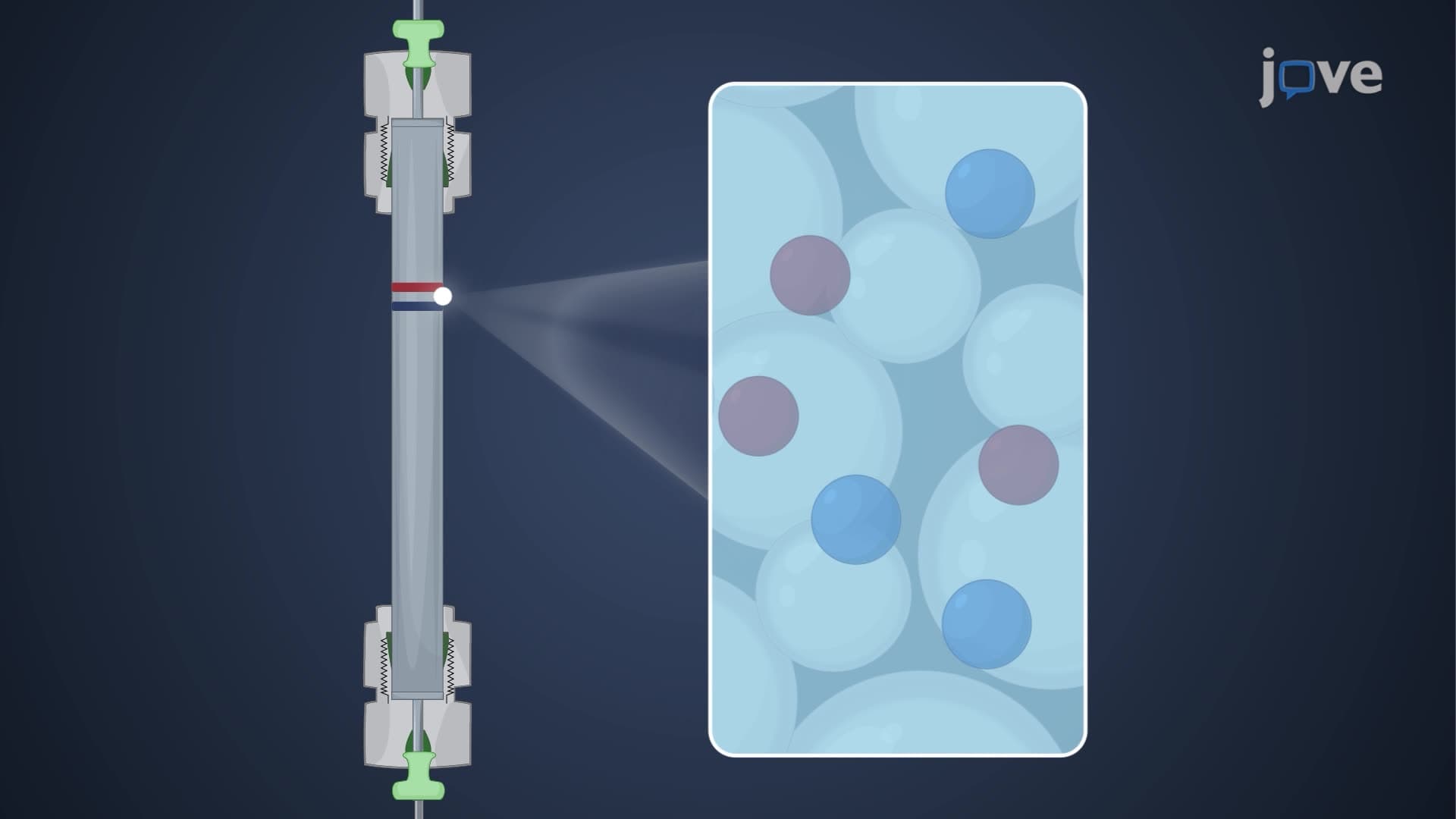
Longitudinal diffusion chromatography occurs when analyte molecules randomly migrate from high-concentration regions to low-concentration regions along the column length. This process follows Fick's laws of diffusion, where the diffusion coefficient (D) quantifies how quickly molecules spread. In practical terms, imagine injecting a small plug of caffeine extract into an HPLC column at a pharmaceutical company like Johnson & Johnson. As the caffeine moves down the column, random molecular motion causes some molecules to move faster and others slower than the average, broadening the initially narrow band.
The mathematical relationship governing this process involves flux-the amount of analyte crossing a column cross-section per unit time. Students preparing for the MCAT or AP Chemistry should remember that flux increases with both the diffusion coefficient and the concentration gradient steepness.
Mobile Phase Effects on Diffusion
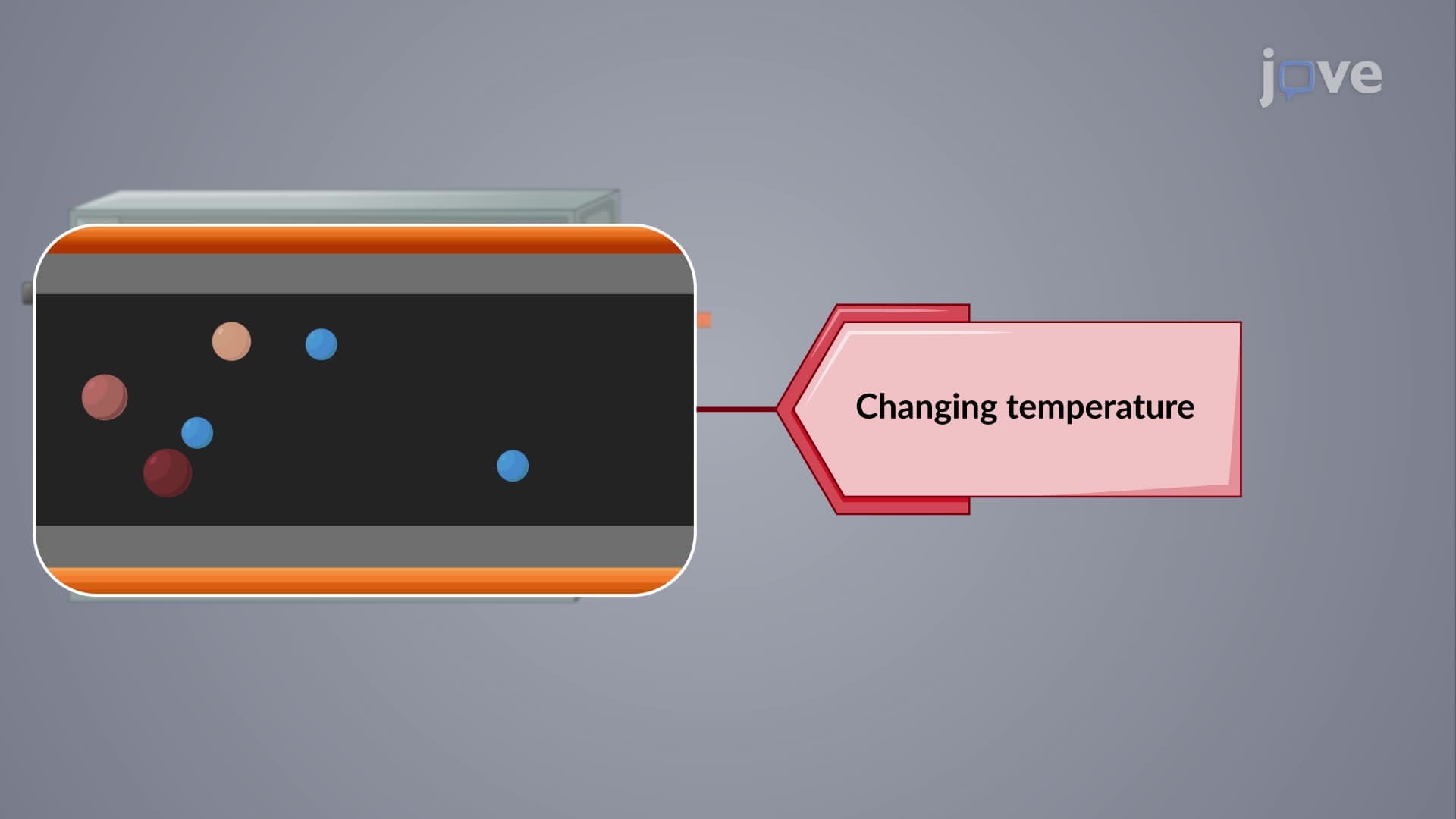
How diffusion affects chromatographic column performance depends heavily on whether you're using gas or liquid chromatography. Gas chromatography (GC) systems, like those used by the EPA for environmental pollutant analysis, experience much greater diffusion effects than liquid chromatography (LC) systems. This occurs because diffusion coefficients in gases are typically 10,000 times larger than in liquids.
For college students taking analytical chemistry, this explains why GC peaks often show more tailing and broader profiles compared to HPLC peaks. At companies like Agilent Technologies in California, instrument designers must account for these diffusion differences when optimizing column dimensions and operating conditions.
Band Broadening and Peak Shape
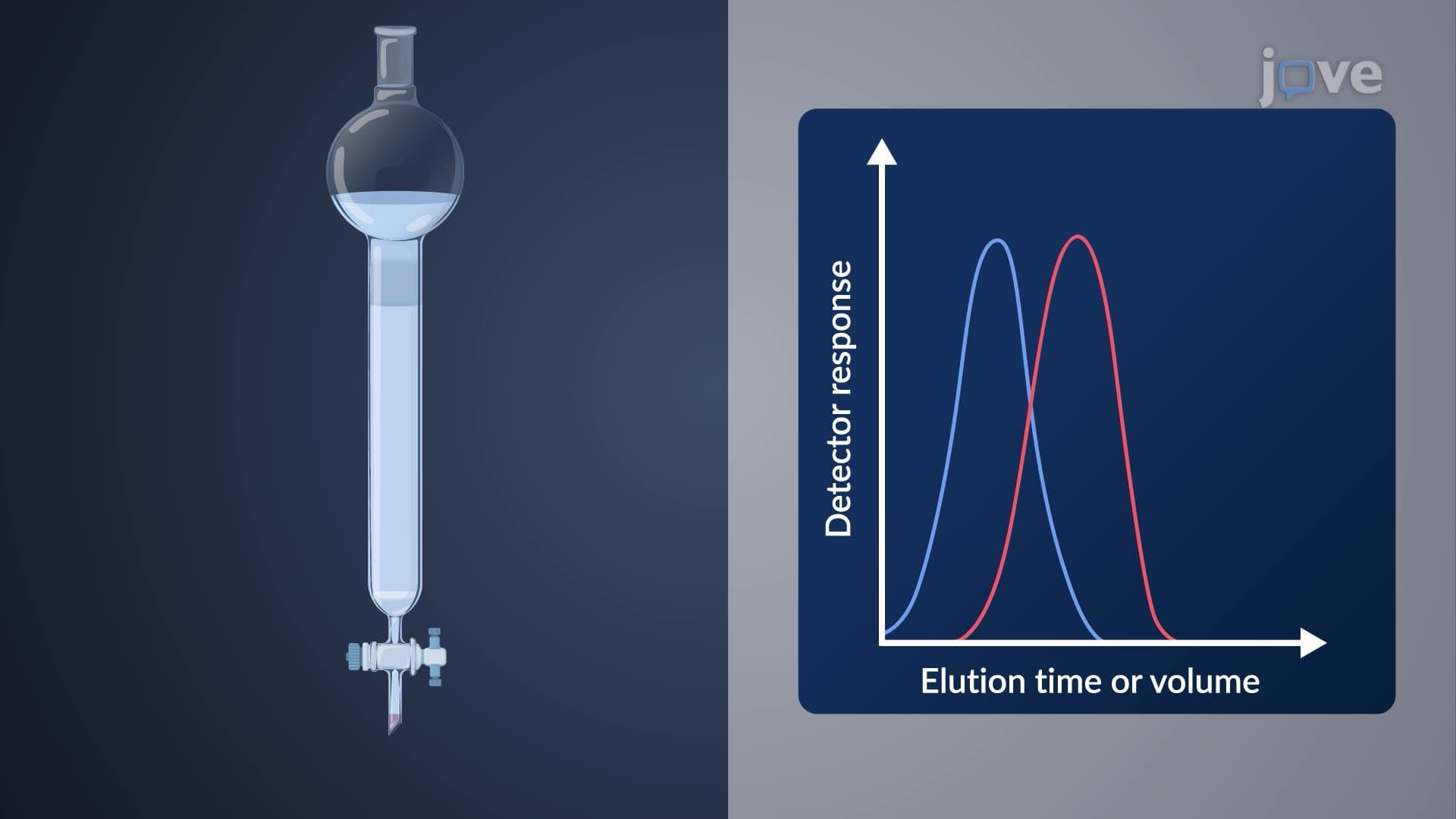
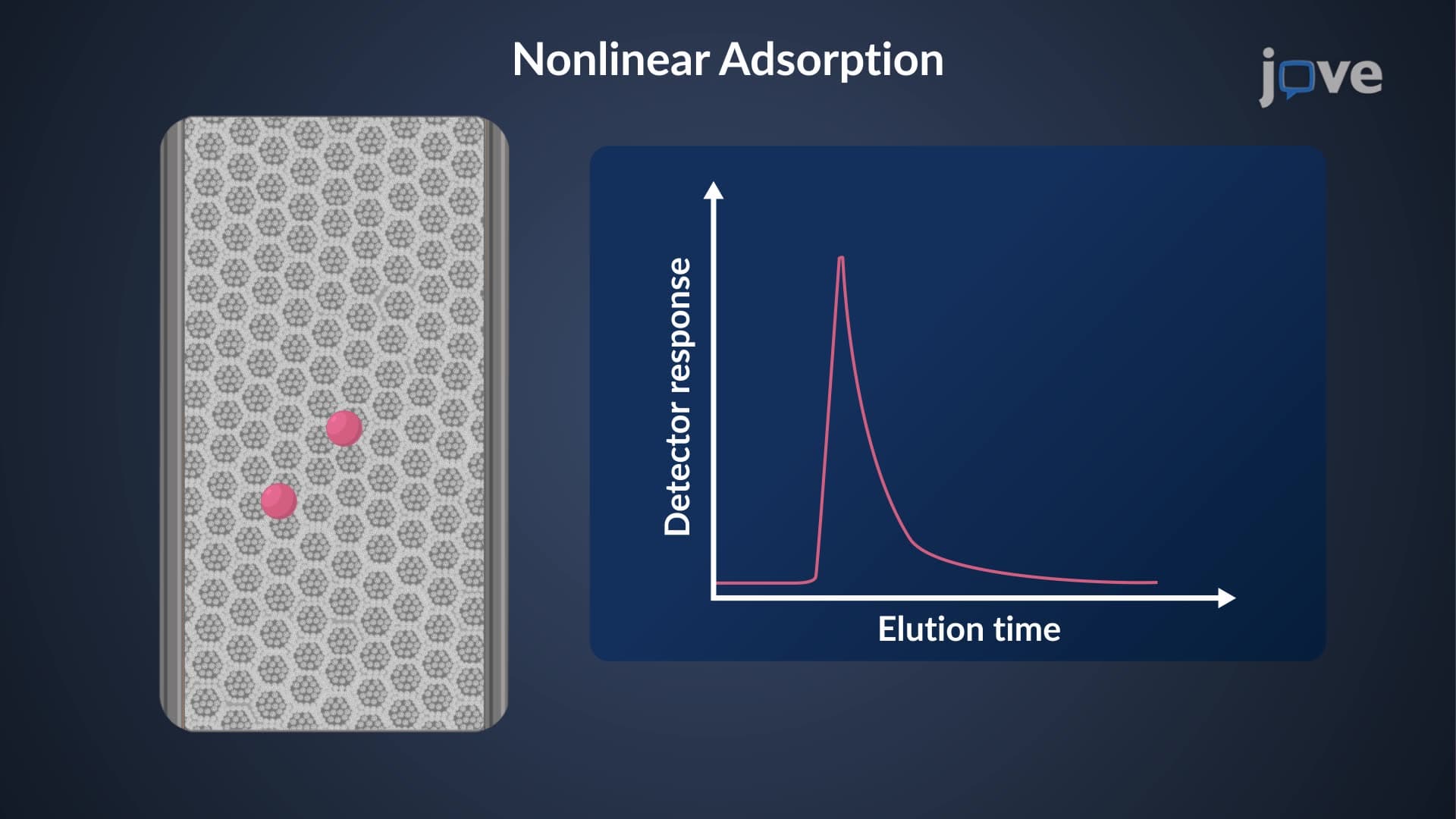
Mass transfer diffusion chromatography contributes to the characteristic Gaussian (bell-shaped) peak profiles seen in chromatograms. This mathematical relationship appears frequently on standardized exams, where students must predict how changing mobile phase composition affects peak width and resolution.
Understanding these principles helps analytical chemists at pharmaceutical companies optimize separations for drug purity testing required by FDA regulations, making this knowledge essential for students pursuing careers in chemistry, biochemistry, or pharmaceutical sciences.
Frequently Asked Questions
Diffusion on chromatography columns is the random molecular movement that causes analyte bands to broaden as they travel through the separation medium. This broadening directly affects peak resolution and separation quality, making it crucial for accurate quantitative analysis in pharmaceutical and environmental testing labs.
These concepts typically appear as questions about peak broadening mechanisms, comparing GC vs. LC separation efficiency, or calculating diffusion coefficients from chromatographic data. Students should focus on understanding the relationship between mobile phase properties and diffusion rates for exam success.
The MCAT Chem/Phys section frequently tests chromatography principles, while AP Chemistry includes separation techniques in Unit 1. College analytical chemistry courses cover these topics extensively, and they appear on chemistry graduate school entrance exams at institutions like UC Berkeley and MIT.
At companies like Pfizer in New York or Genentech in California, analytical chemists use diffusion principles to optimize HPLC methods for drug purity testing. Understanding how mobile phase composition affects diffusion helps them achieve FDA-required separation standards for drug approval processes.
Not at all! High school students can grasp the basic concept that molecules move randomly and spread out over time. Starting with everyday examples like food coloring spreading in water makes the transition to chromatographic applications much more manageable.
Focus on understanding the relationship between diffusion coefficients and mobile phase properties rather than memorizing equations. Practice comparing GC and LC systems, and work through problems involving peak broadening calculations using real pharmaceutical examples.
Explore van Deemter equation applications, which quantify the relationship between diffusion and column efficiency. Also study eddy diffusion and mass transfer effects, which combine with longitudinal diffusion to determine overall chromatographic performance in industrial applications.
Related Micro-courses

14 Concepts

19 Concepts

17 Concepts