Loading subject page…


42,892 views
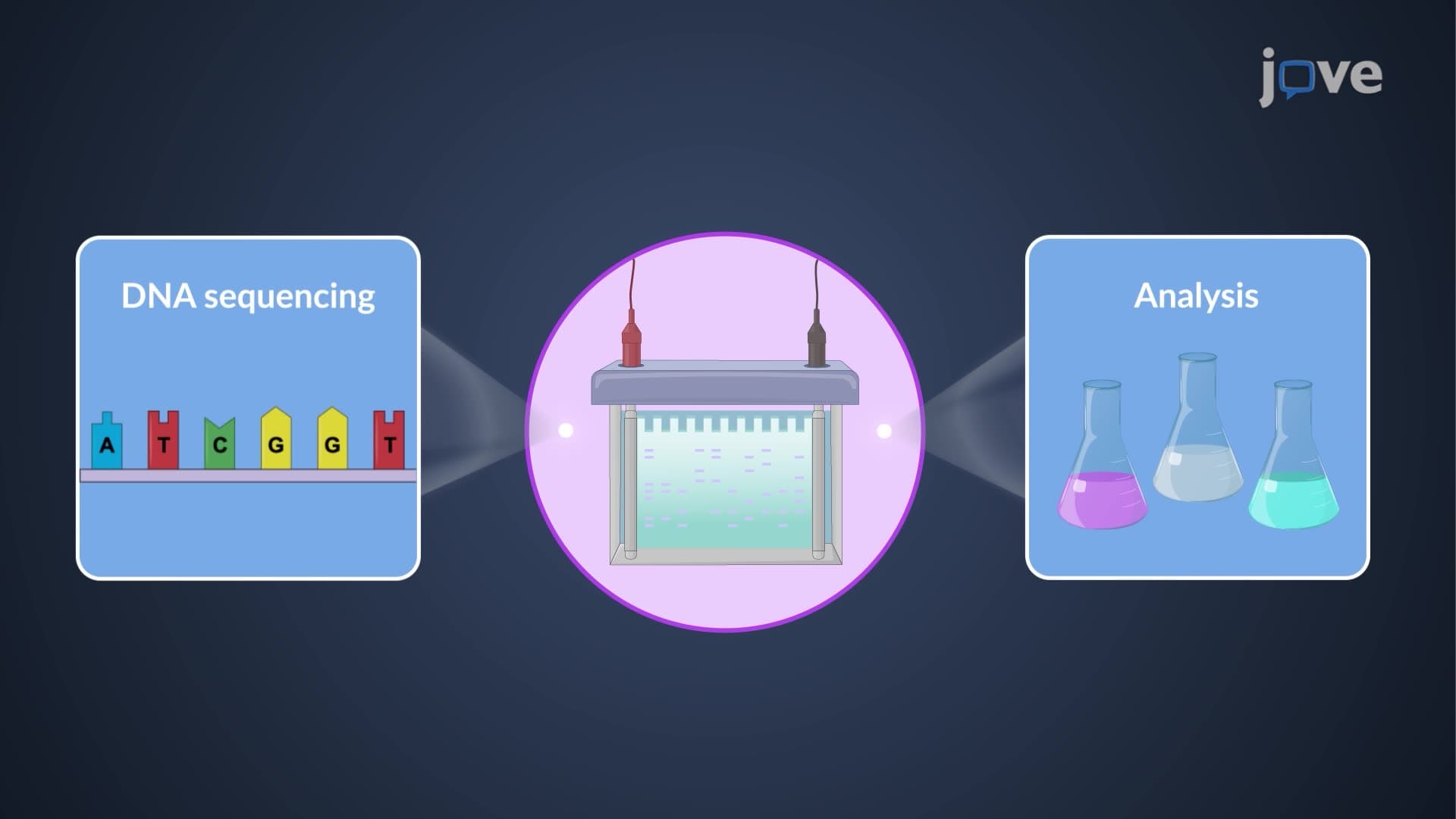

Video Summary: What Is Electrophoresis
Ever wonder how FBI crime labs separate DNA fragments to solve cases? Electrophoresis basics explained reveal that this powerful technique uses electric fields to separate charged molecules based on their size and charge. At Stanford University's medical labs, researchers use electrophoresis daily to analyze protein samples and genetic material. Understanding what is electrophoresis opens doors to careers in forensics, medicine, and biotechnology research. Watch the full video on JoVE Coach to master this concept with expert-led visuals and step-by-step explanations.
Electrophoresis technique in chemistry represents one of the most versatile separation methods available to scientists today. This analytical technique exploits the fundamental property that charged particles move when placed in an electric field. The principle is elegantly simple: apply voltage across a medium, and charged molecules migrate toward the electrode of opposite charge at rates determined by their individual characteristics.
The heart of electrophoresis lies in how molecules respond differently to electric fields. Smaller, highly charged molecules race through the separation medium like sports cars on a highway, while larger, less charged molecules lumber along like freight trucks. This charge-based separation creates distinct bands or peaks that scientists can analyze. The charge-to-size ratio becomes the molecular fingerprint, DNA fragments with identical charges separate purely by size, while proteins separate based on both charge and molecular weight.
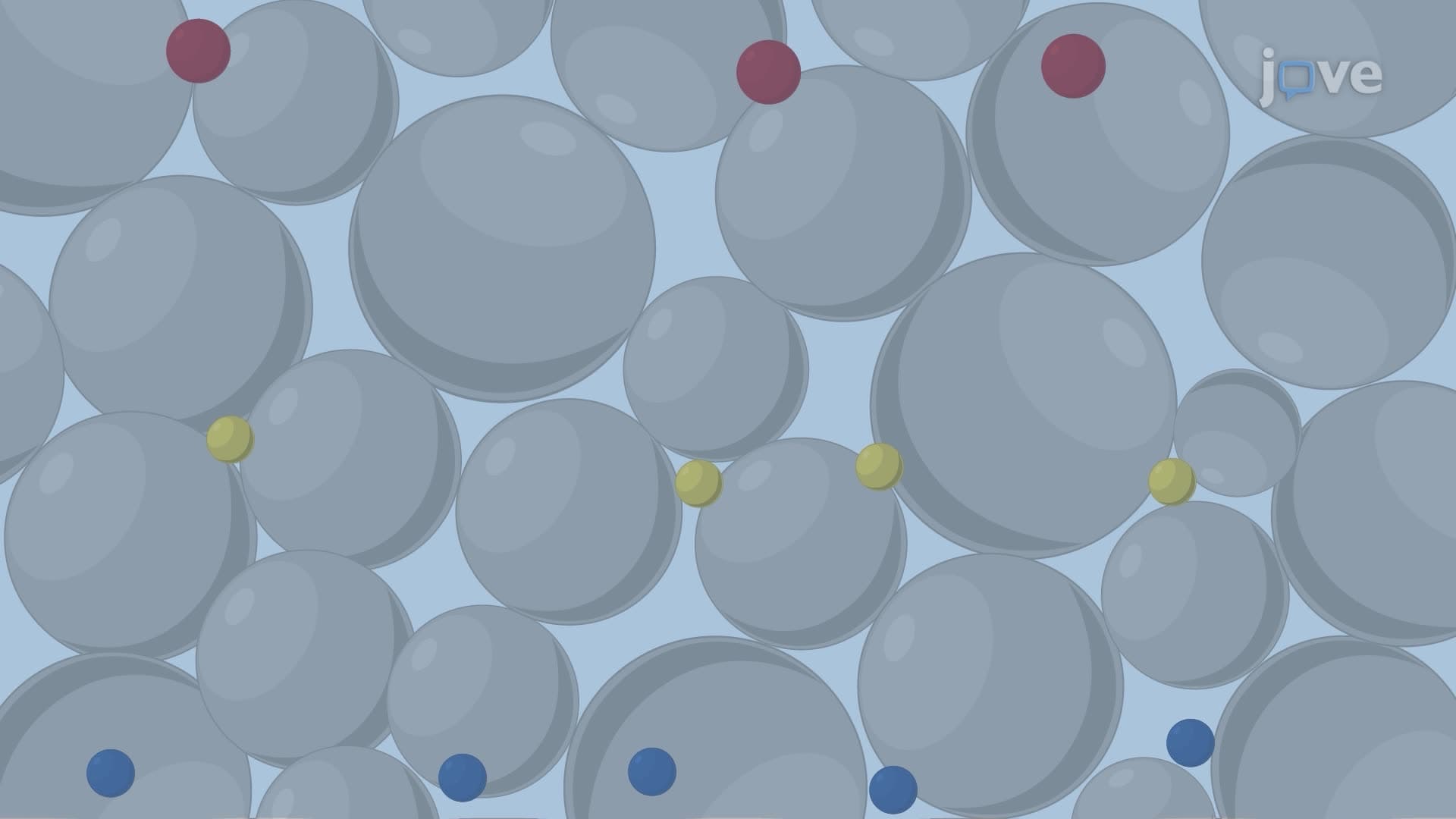
Gel electrophoresis principle governs most routine laboratory separations. Agarose gel electrophoresis dominates DNA analysis, from high school AP Biology labs studying PCR products to NIH research facilities mapping genetic variations. The gel matrix acts like a molecular sieve, smaller DNA fragments navigate the pores easily while larger fragments struggle through. SDS PAGE electrophoresis revolutionized protein analysis by coating proteins with uniform negative charges, allowing separation purely by size. Harvard Medical School researchers use this technique daily to verify protein purity and molecular weight.
Modern electrophoresis DNA protein analysis extends far beyond academic laboratories. The FBI's Combined DNA Index System (CODIS) relies heavily on capillary electrophoresis to process criminal evidence. At Mayo Clinic, physicians use protein electrophoresis to diagnose multiple myeloma and other blood disorders. Students preparing for the MCAT encounter electrophoresis questions testing both theoretical understanding and practical applications.
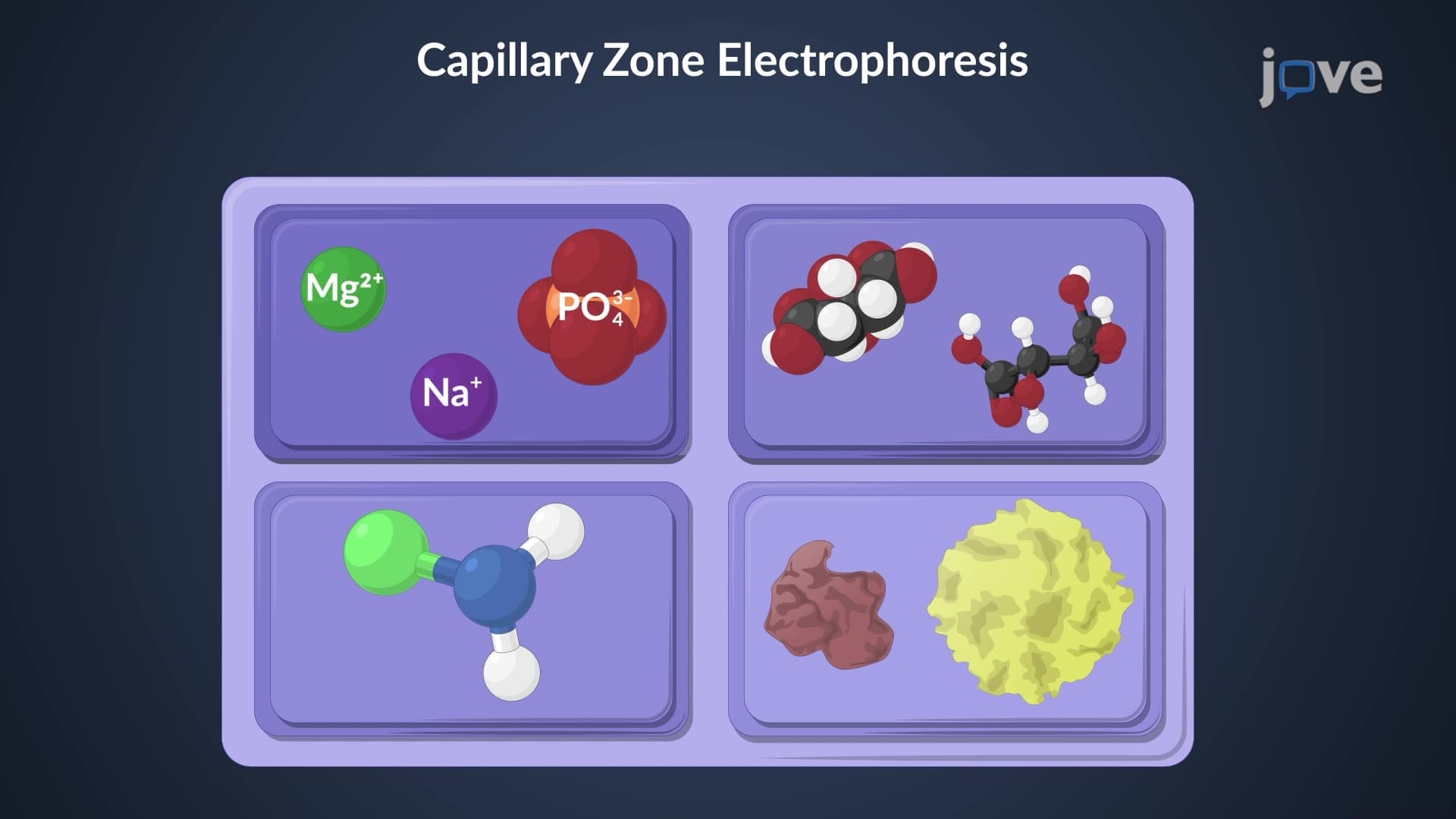
Capillary electrophoresis offers superior resolution and automation compared to traditional slab gels. The narrow capillary tubes provide efficient heat dissipation, enabling higher voltages and faster separations. Electroosmotic flow, the bulk movement of buffer solution through the capillary, adds complexity but also versatility to the separation process.
Understanding electrophoresis proves essential for success in advanced placement chemistry, college biochemistry courses, and professional school entrance exams. The technique's applications span from quality control in pharmaceutical manufacturing to environmental monitoring of pollutants.
Related Micro-courses