Loading subject page…


42,892 views

Video Summary: What Is Gas Chromatography Introduction
Ever wonder how forensic scientists identify trace drugs in crime scene samples or how environmental labs detect pesticide residues in drinking water? Gas chromatography introduction reveals the powerful analytical technique that makes these discoveries possible. The FDA uses GC daily to ensure food safety by separating and analyzing volatile compounds in everything from vanilla extract to cooking oils. This separation method works by vaporizing samples and using carrier gases like helium to transport them through specialized columns. Watch the full video on JoVE Coach to master this concept with expert-led visuals and step-by-step explanations.
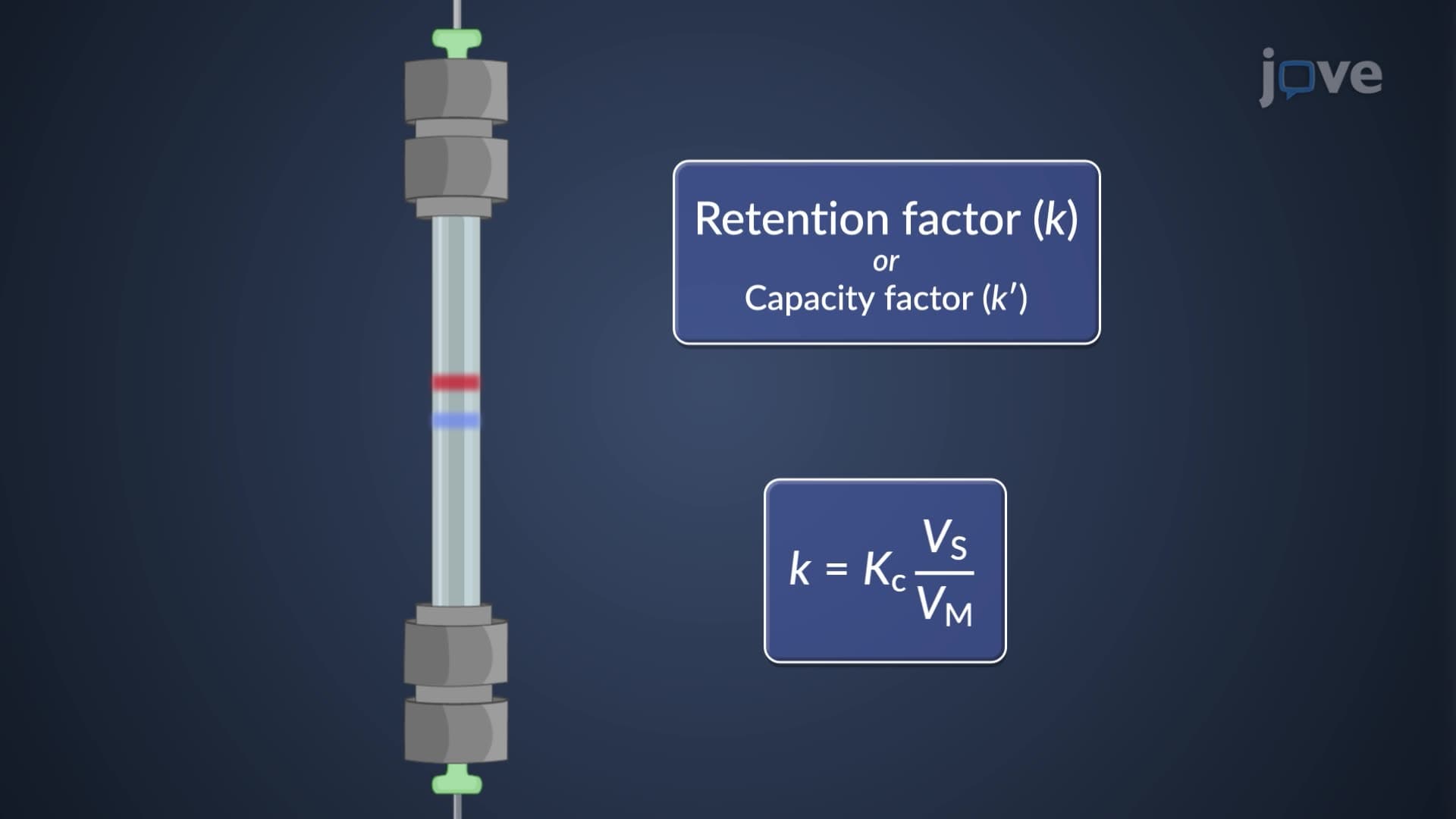
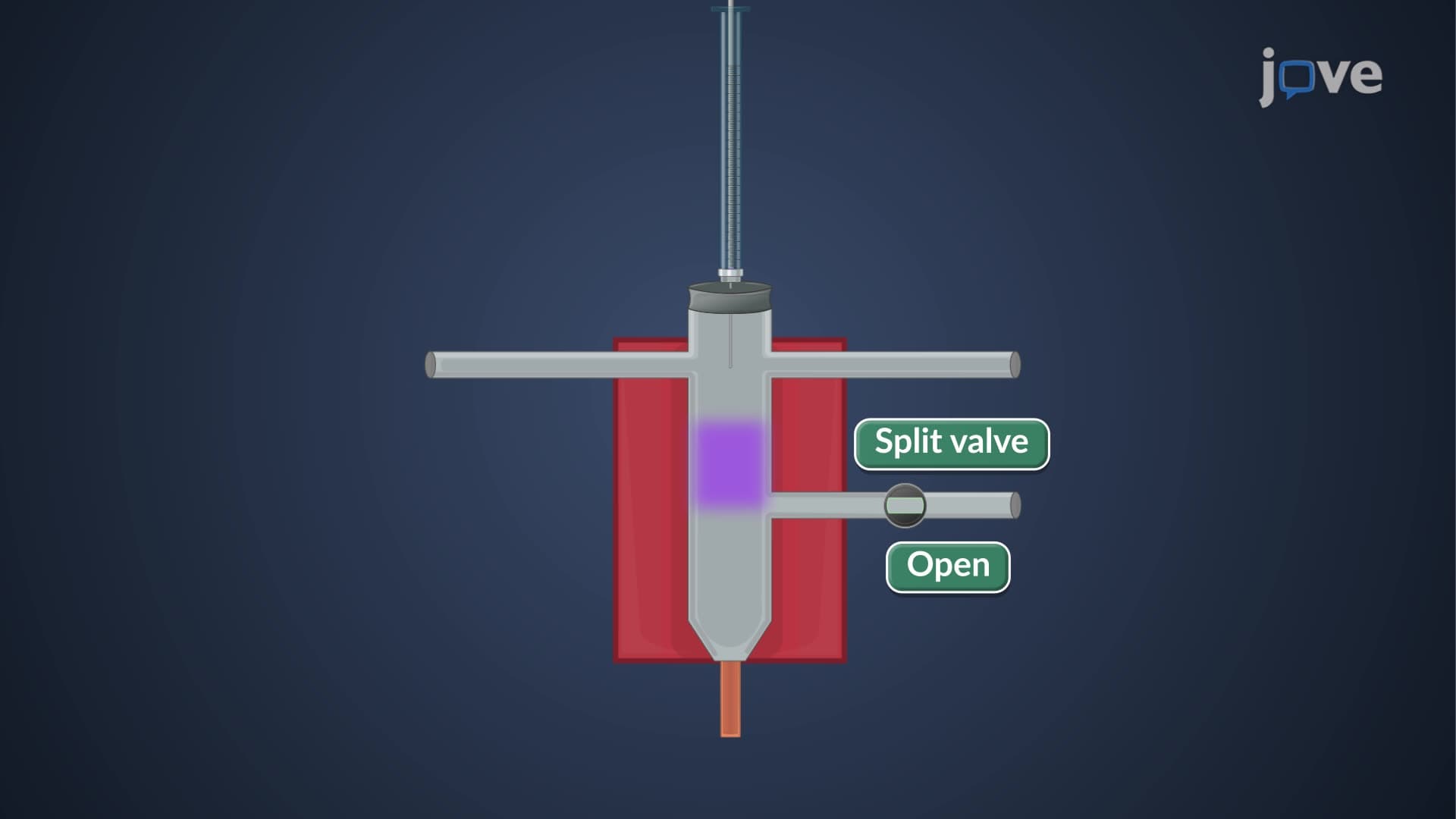
Gas chromatography introduction encompasses one of analytical chemistry's most versatile separation techniques. At its core, GC operates on the principle of differential partitioning between a gaseous mobile phase and a stationary phase contained within a column. The process begins when samples are injected into a heated injection port, instantly vaporizing volatile compounds that mix with an inert carrier gas-typically helium for its optimal flow properties and chemical inertness.
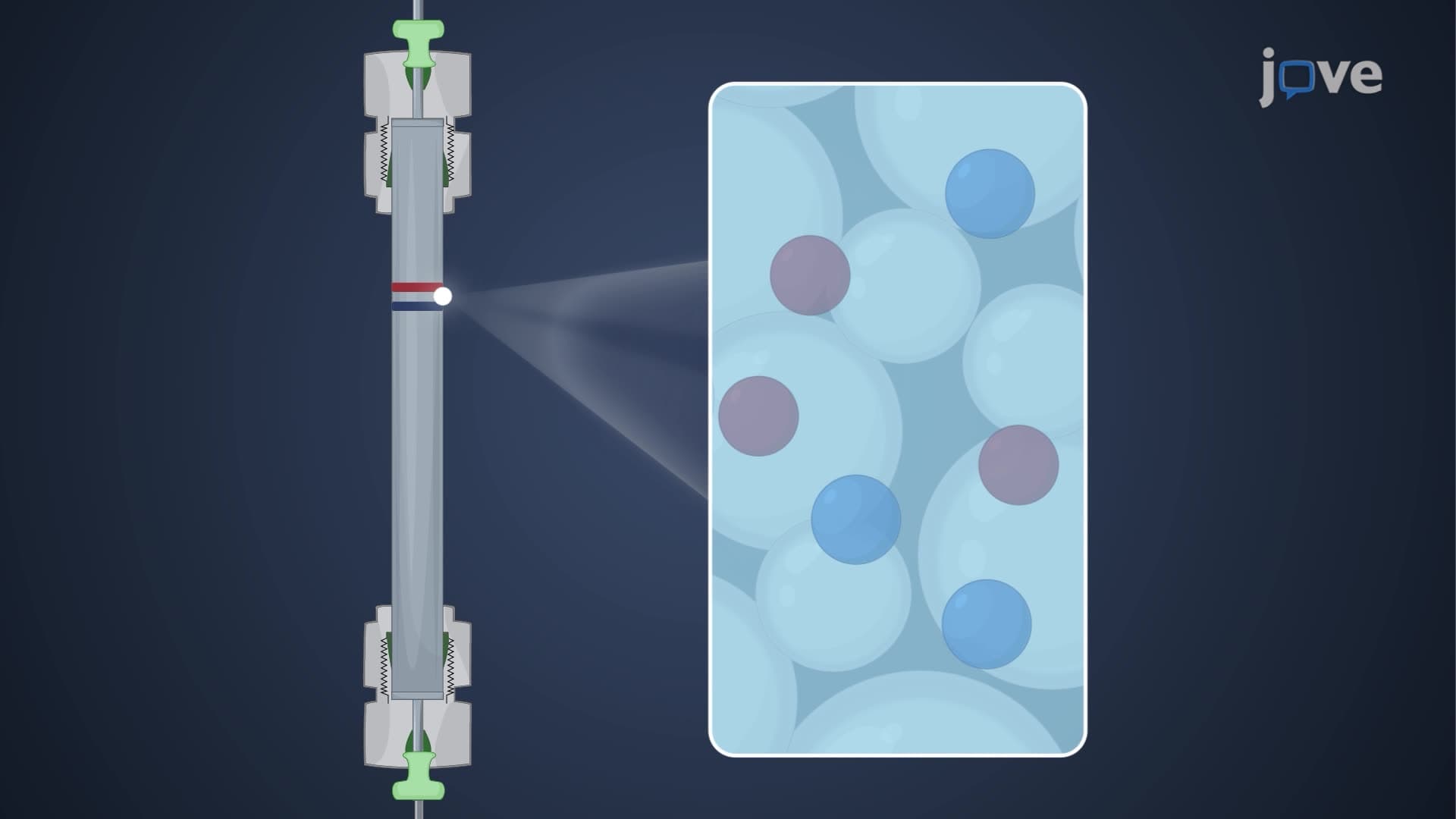
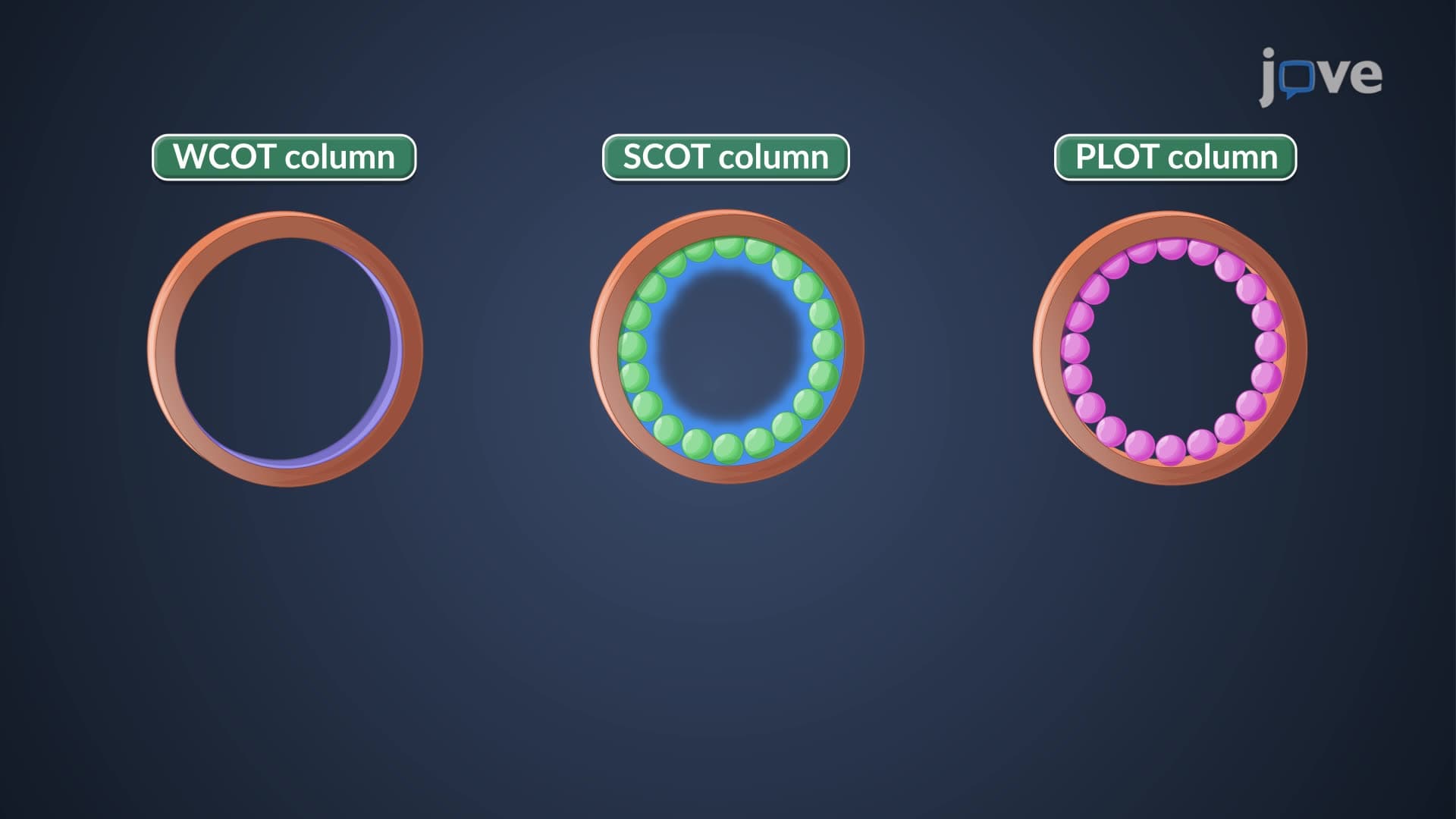
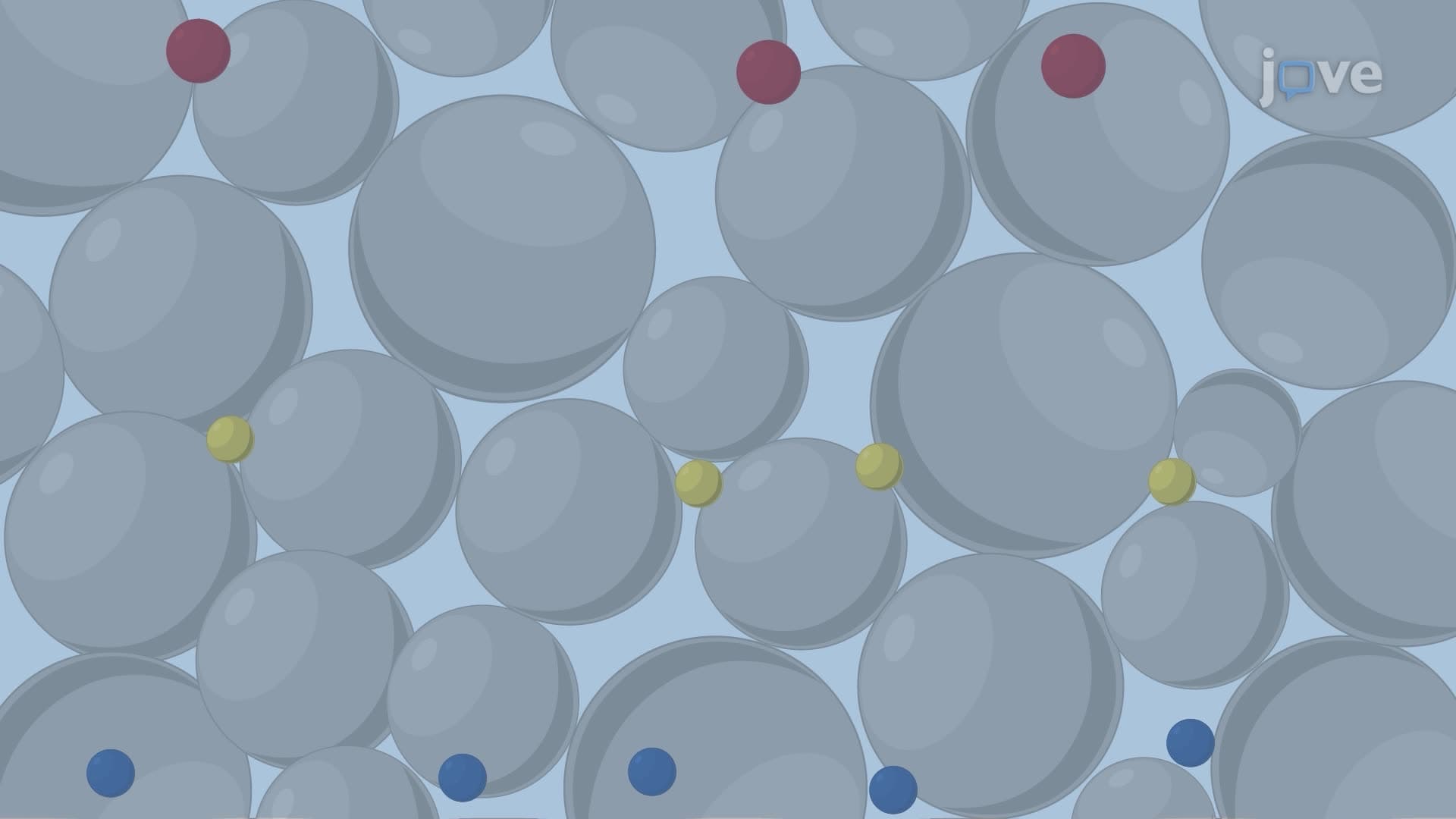
Gas-liquid chromatography represents the most common GC variant, utilizing liquid stationary phases coated onto solid support particles. These supports, often made from diatomaceous earth or specialized polymers, provide high surface area while the liquid phase-carefully selected for thermal stability and chemical compatibility-performs the actual separation. The EPA routinely employs GLC for analyzing volatile organic compounds (VOCs) in air quality monitoring, while pharmaceutical companies use it for drug purity testing. The separation mechanism relies primarily on boiling point differences: compounds with lower boiling points spend more time in the gas phase, eluting earlier than higher-boiling analytes.
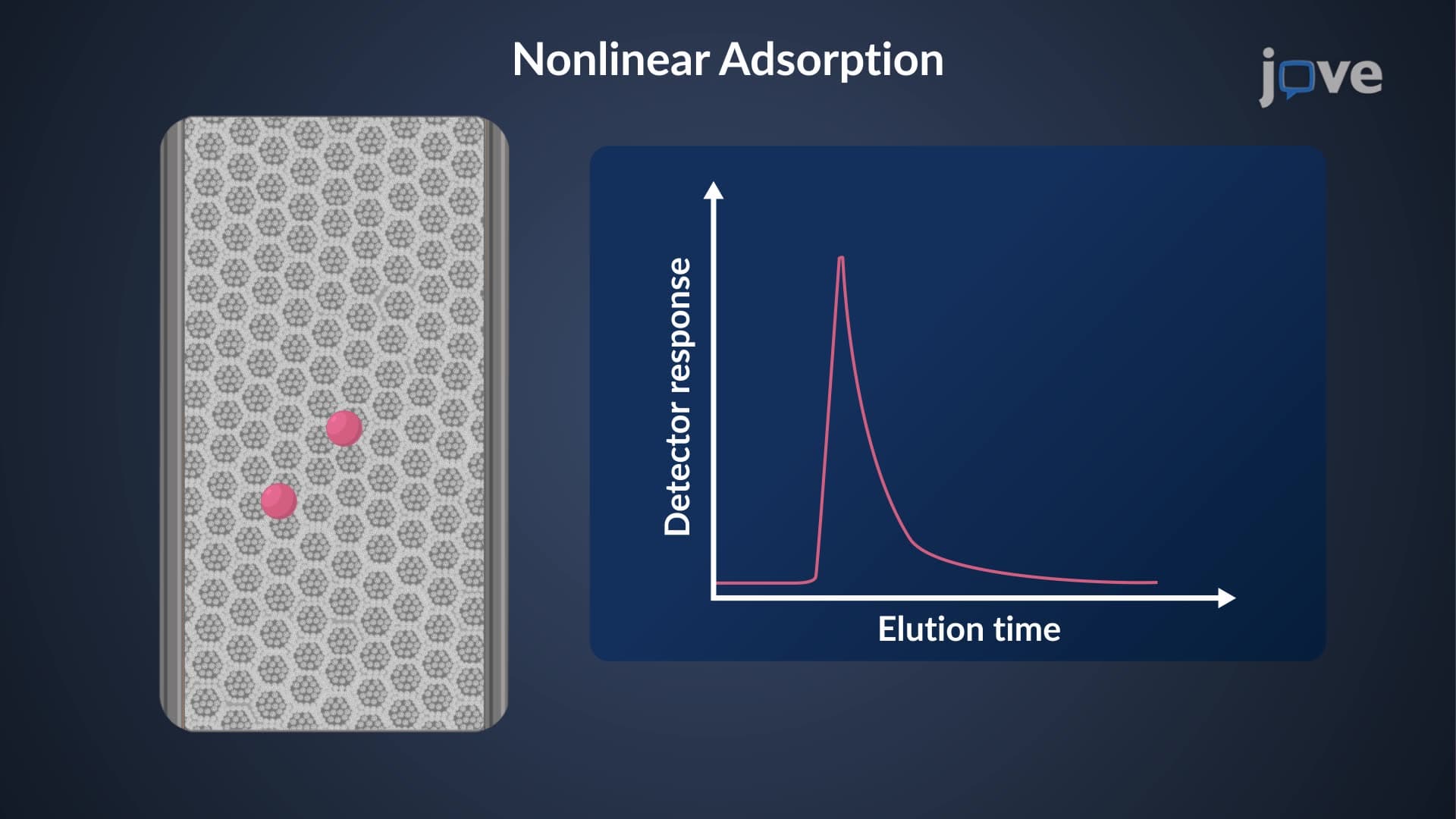
Gas-solid chromatography utilizes solid adsorbent materials as the stationary phase, creating separation through surface adsorption rather than liquid partitioning. Materials like molecular sieves, activated alumina, and porous polymers offer exceptional surface areas reaching hundreds of square meters per gram. This technique excels at separating permanent gases (hydrogen, oxygen, nitrogen) and small polar molecules that GLC cannot effectively retain. However, the strong adsorption interactions often create asymmetric, tailing peaks that complicate quantitative analysis.
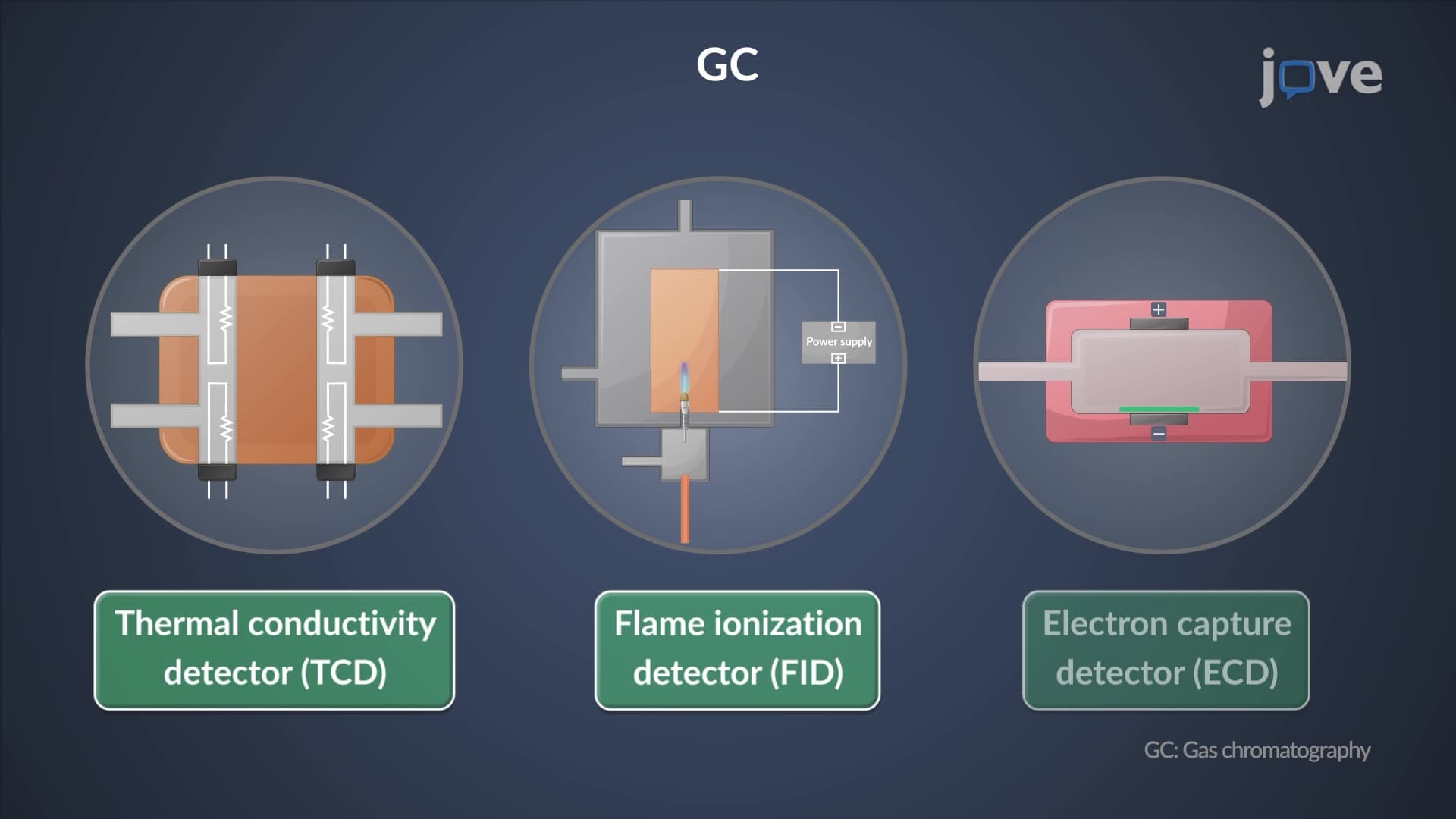
Students preparing for AP Chemistry or college analytical chemistry courses should understand how retention time relates to molecular properties. The MCAT frequently tests GC principles in organic chemistry passages, particularly regarding separation of stereoisomers and functional group effects on volatility. Real-world applications span from quality control in petrochemical refineries to detecting banned substances in Olympic drug testing laboratories. Understanding carrier gas selection, temperature programming, and detector compatibility provides essential foundation knowledge for advanced instrumental analysis coursework and professional laboratory work.
Related Micro-courses