Loading subject page…


42,892 views
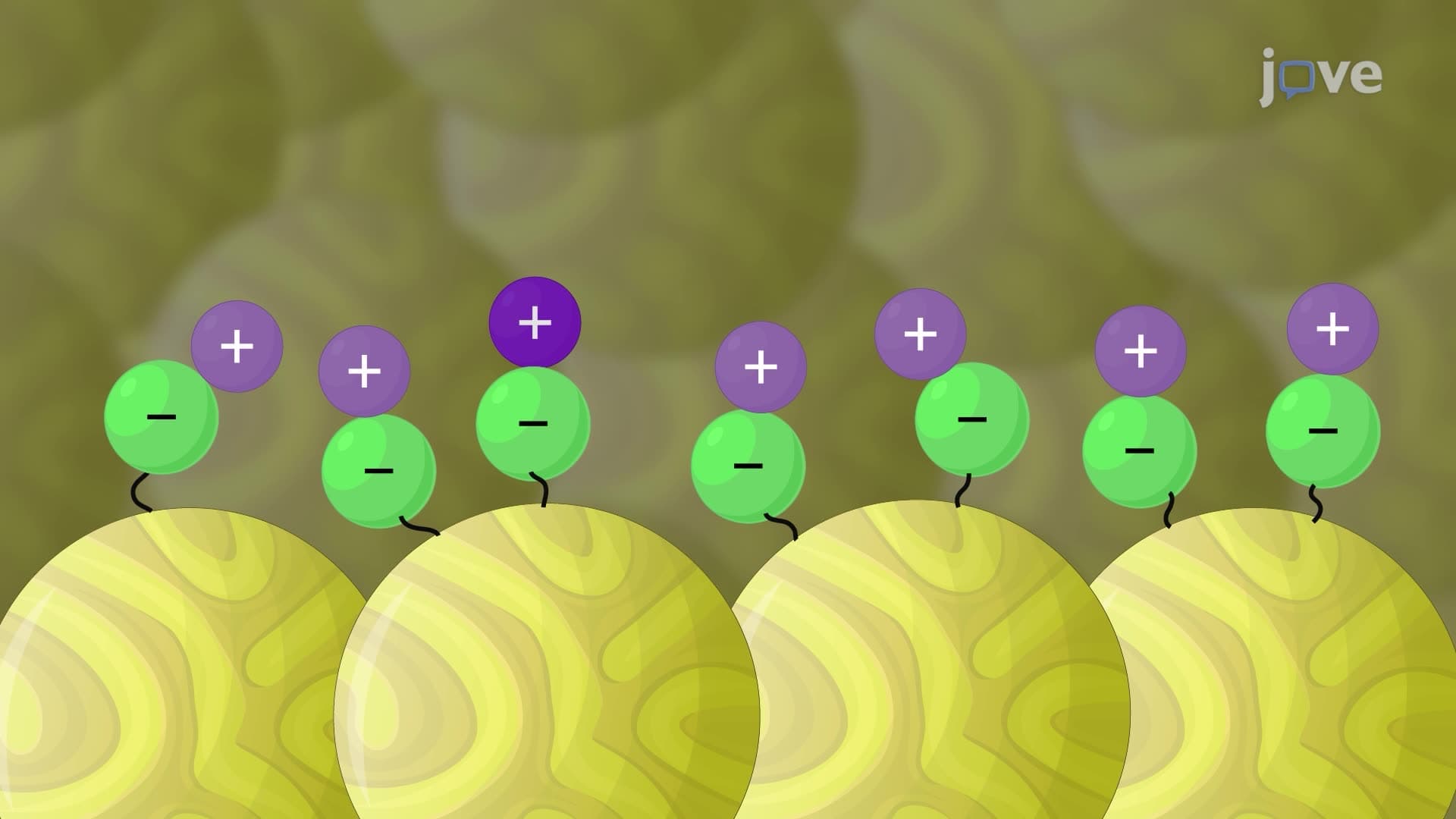

Video Summary: What Is Ion Exchange Chromatography
Ever wonder how scientists purify drinking water or isolate life-saving proteins for medicines? Ion exchange chromatography is the powerful separation technique behind these critical processes, using electrically charged resins to selectively capture and separate different molecules based on their ionic properties. From cleaning contaminated groundwater in California to purifying insulin for diabetic patients, this method plays a vital role in both environmental protection and pharmaceutical manufacturing across the United States. Watch the full video on JoVE Coach to master this concept with expert-led visuals and step-by-step explanations.
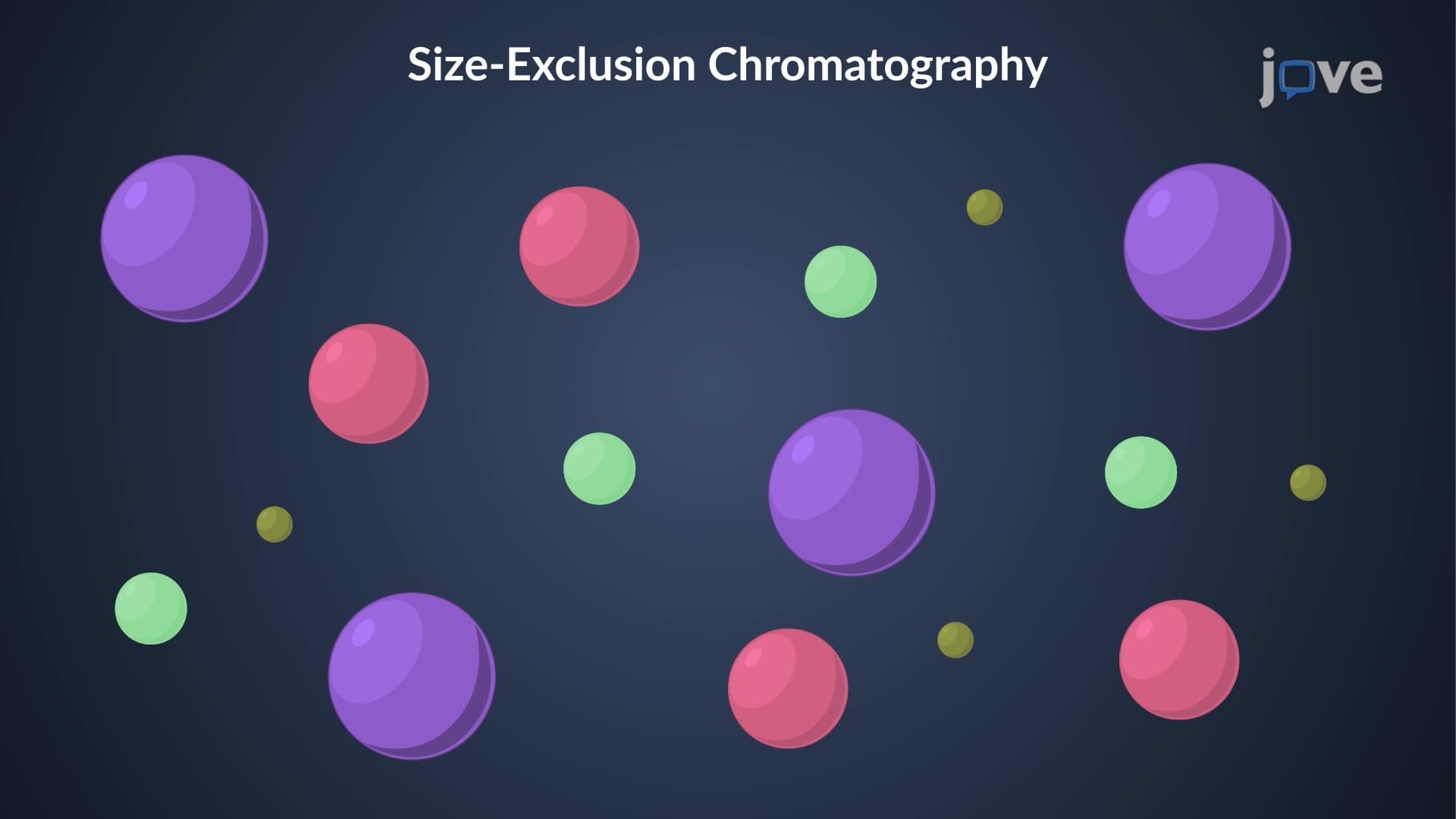
Ion exchange chromatography represents one of the most widely used separation techniques in analytical chemistry and biotechnology. This method exploits the electrostatic interactions between charged analytes and oppositely charged functional groups covalently attached to a solid support matrix. Unlike other chromatographic techniques that rely on size exclusion or hydrophobic interactions, ion exchange specifically targets the ionic properties of molecules, making it exceptionally powerful for separating proteins, nucleic acids, and small ionic compounds.
The technique finds extensive application in AP Chemistry curricula and forms a cornerstone of analytical chemistry courses at universities like MIT, Stanford, and UC Berkeley. Students preparing for the MCAT often encounter ion exchange principles in biochemistry passages, particularly when analyzing protein purification strategies or understanding how charged amino acid residues affect separation behavior.
Ion exchange systems utilize four primary resin types, each designed for specific separation challenges. Strong-acid cation exchangers contain sulfonic acid groups (-SO3H) that remain ionized across a wide pH range, making them ideal for separating proteins and peptides in pharmaceutical manufacturing. Companies like Genentech and Amgen routinely employ these resins to purify therapeutic antibodies and recombinant proteins.
Weak-acid cation exchangers feature carboxylic acid groups (-COOH) that exhibit pH-dependent ionization, providing gentler separation conditions for pH-sensitive biomolecules. Conversely, anion exchange resins use positively charged groups to attract negative analytes. Strong-base anion exchangers incorporate quaternary ammonium groups, while weak-base systems utilize primary, secondary, or tertiary amines.
The mobile phase in ion exchange chromatography consists of carefully buffered aqueous solutions where pH and ionic strength directly control separation selectivity. Buffer systems like phosphate, Tris, or HEPES maintain stable pH conditions while salt gradients (typically NaCl or KCl) facilitate controlled elution of bound analytes.
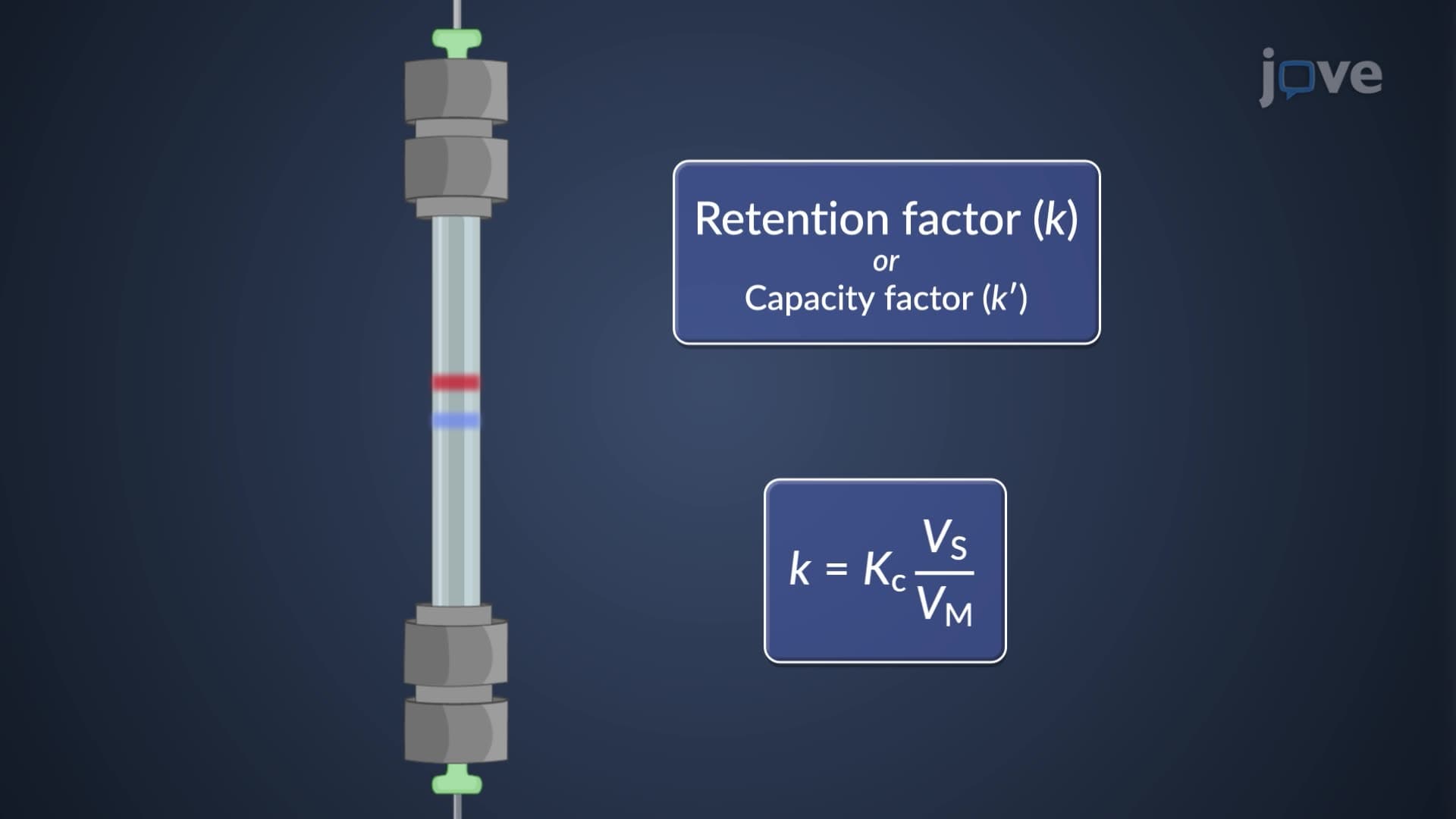
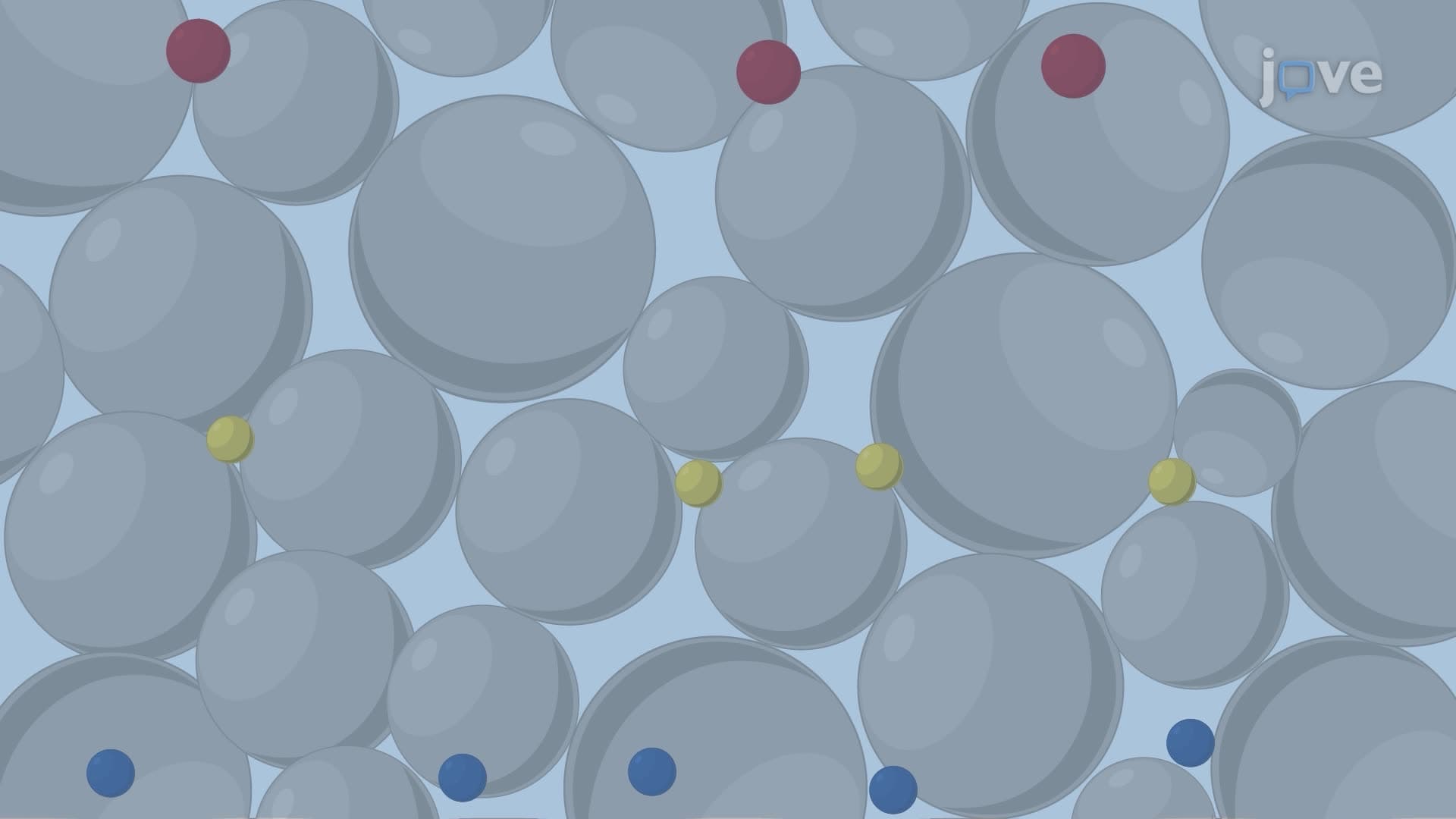
Retention behavior follows predictable patterns based on fundamental molecular properties. Highly charged molecules experience stronger electrostatic attractions to the resin, resulting in longer retention times. Smaller hydrated radii allow closer approach to exchange sites, enhancing binding strength. Additionally, molecules with higher polarizability exhibit increased retention due to enhanced ion-dipole interactions.
Water treatment facilities across the United States, from Los Angeles to New York City, rely on these principles to remove ionic contaminants like heavy metals, nitrates, and phosphates from drinking water supplies. Environmental laboratories use ion exchange methods to analyze groundwater contamination and monitor compliance with EPA regulations.
Related Micro-courses