Loading subject page…


42,892 views
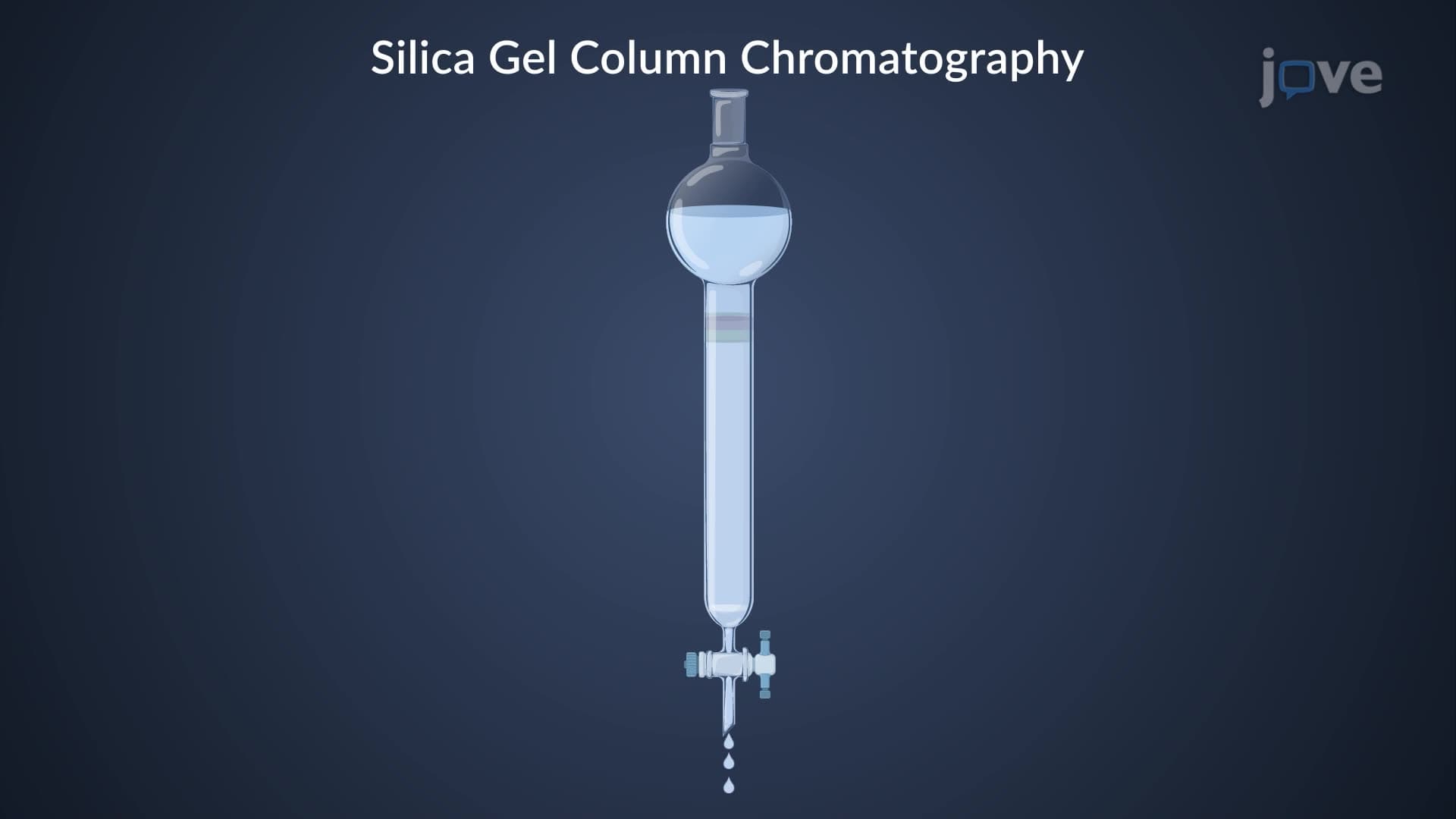

Video Summary: What Is Silica Gel Column Chromatography
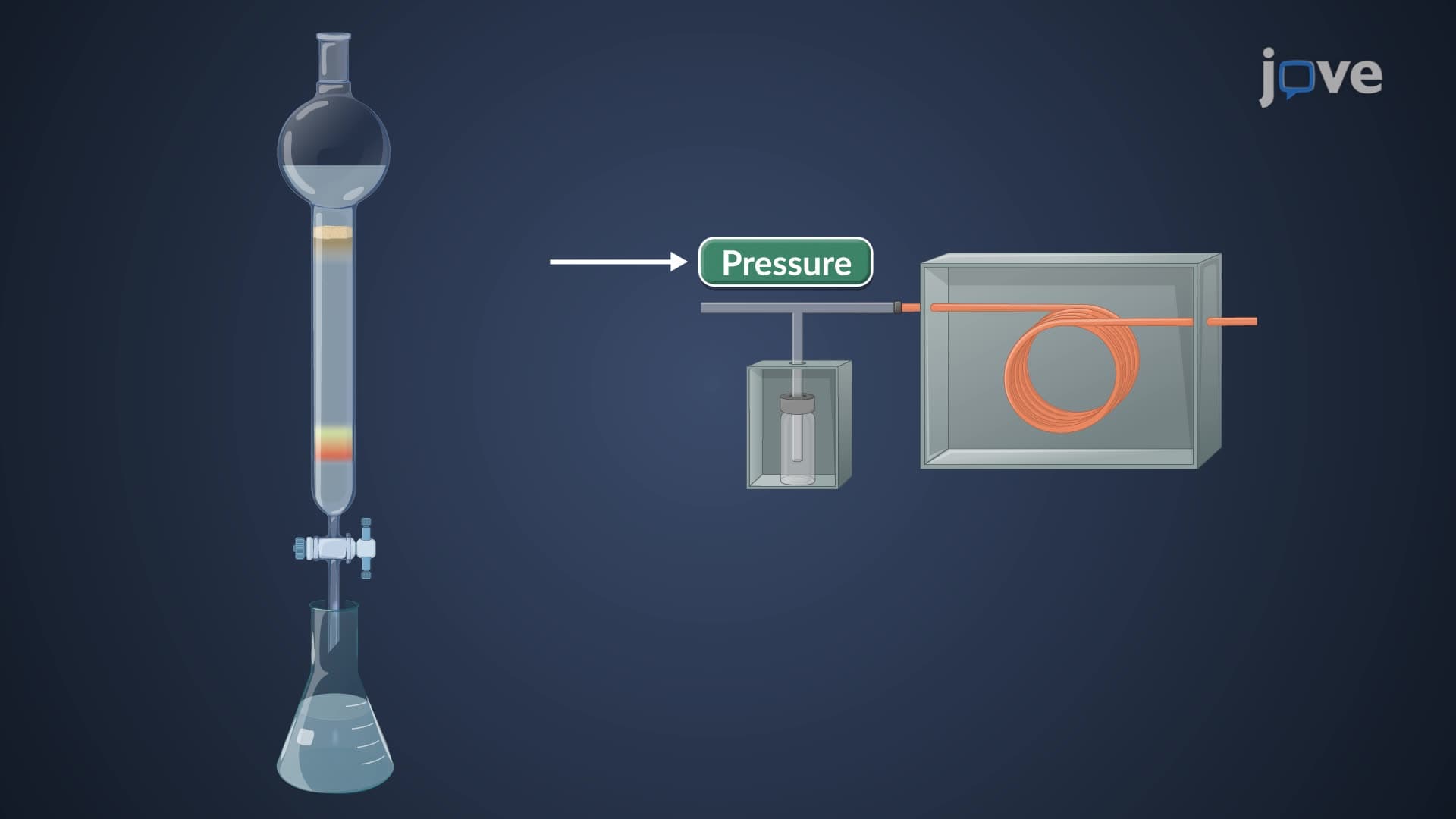
Ever wonder how pharmaceutical companies purify medications or how forensic labs separate drug compounds? Silica gel column chromatography is the workhorse technique that makes this possible, using polarity differences to separate mixtures into pure components. For example, FDA labs use this method to analyze food additives and ensure consumer safety. This powerful separation technique relies on silica gel column chromatography principles where polar compounds stick strongly to the silica surface while nonpolar molecules flow through quickly. Watch the full video on JoVE Coach to master this concept with expert-led visuals and step-by-step explanations.
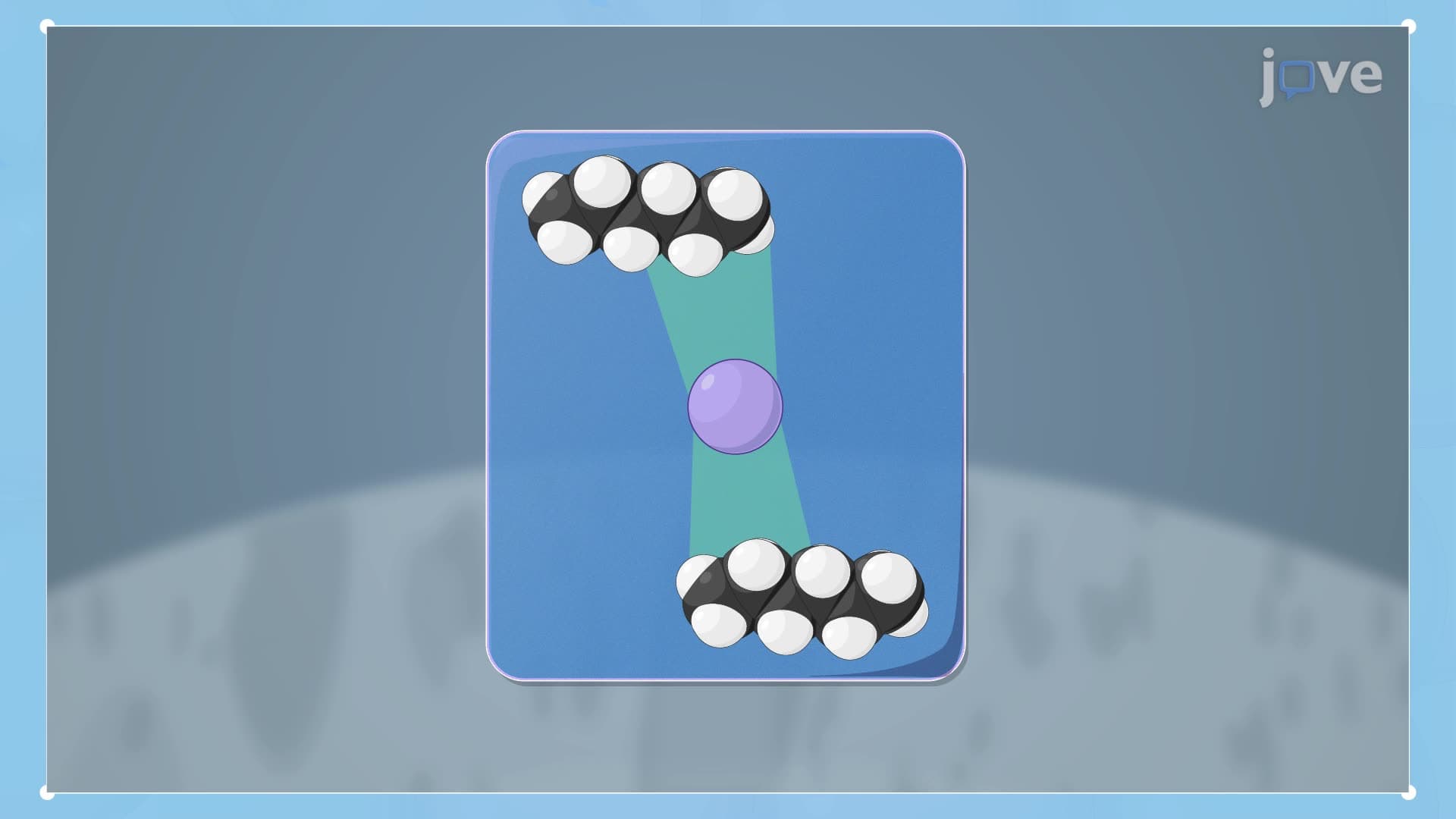
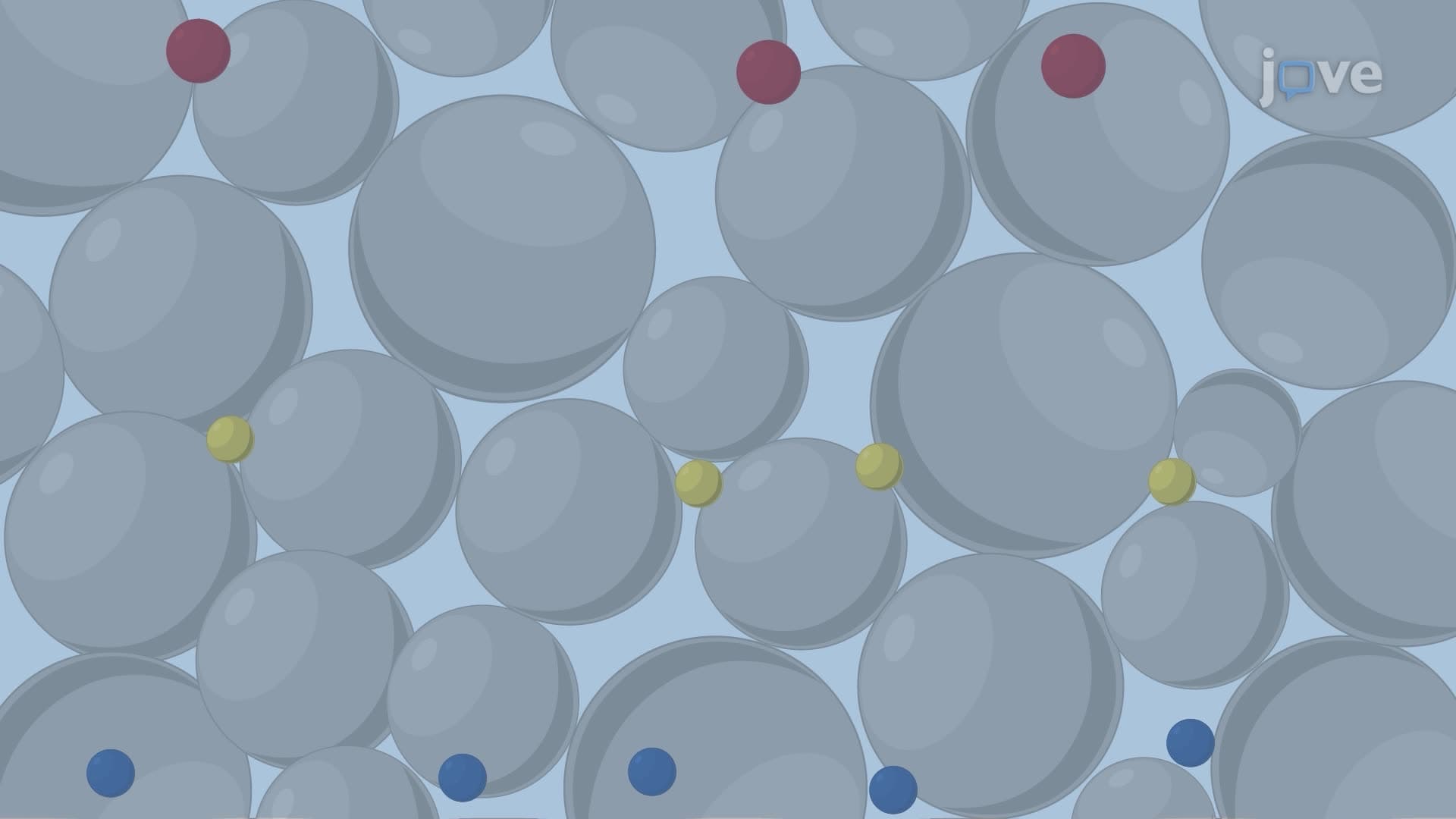
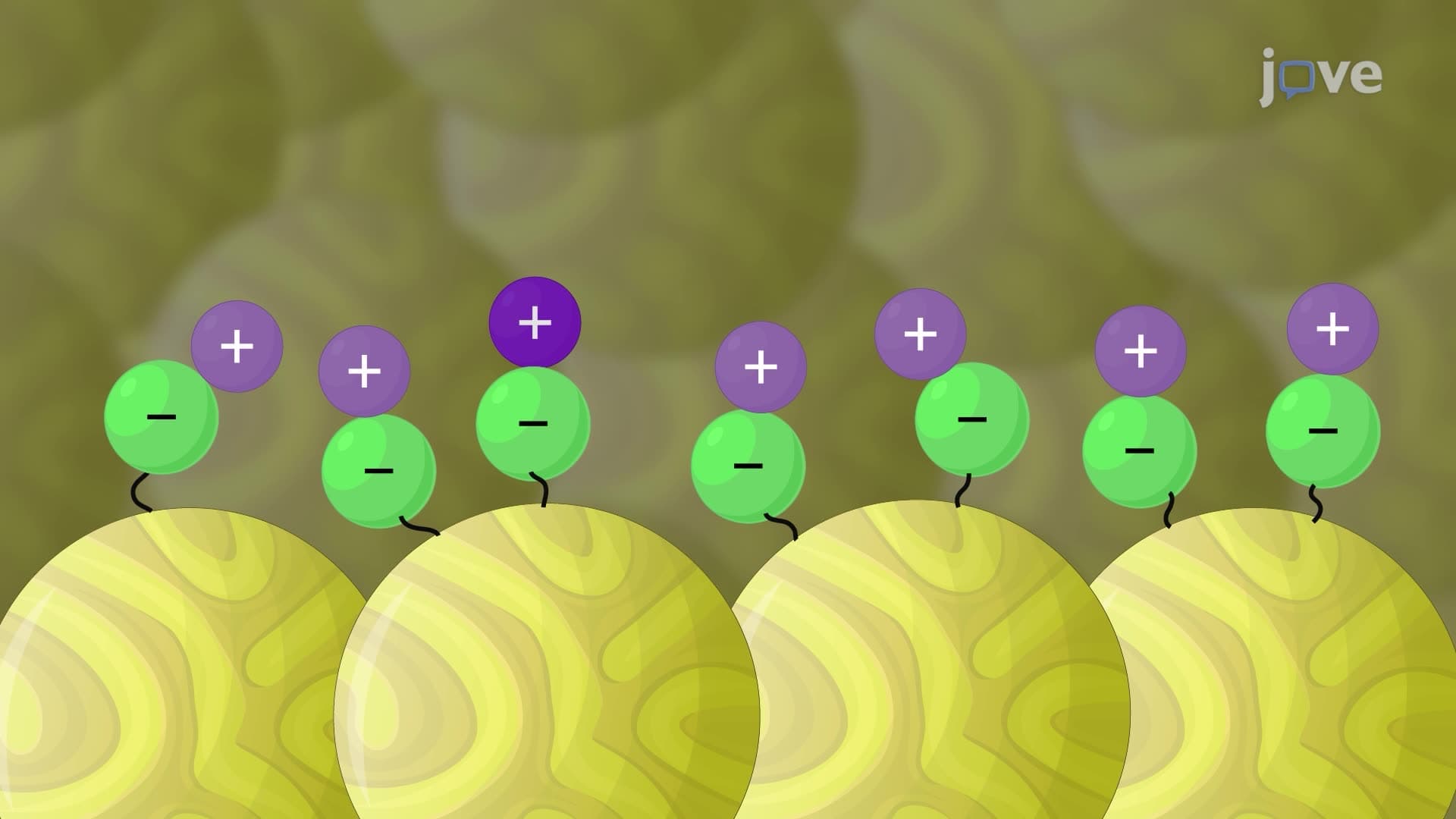
Silica gel column chromatography represents one of the most versatile and widely used separation techniques in analytical and preparative chemistry. This method exploits the unique surface chemistry of silica gel, which contains abundant silanol (Si-OH) groups that create a highly polar stationary phase. These surface hydroxyl groups act as interaction sites for polar molecules through hydrogen bonding and dipole-dipole interactions, making silica gel chromatography particularly effective for separating compounds based on their polarity differences.
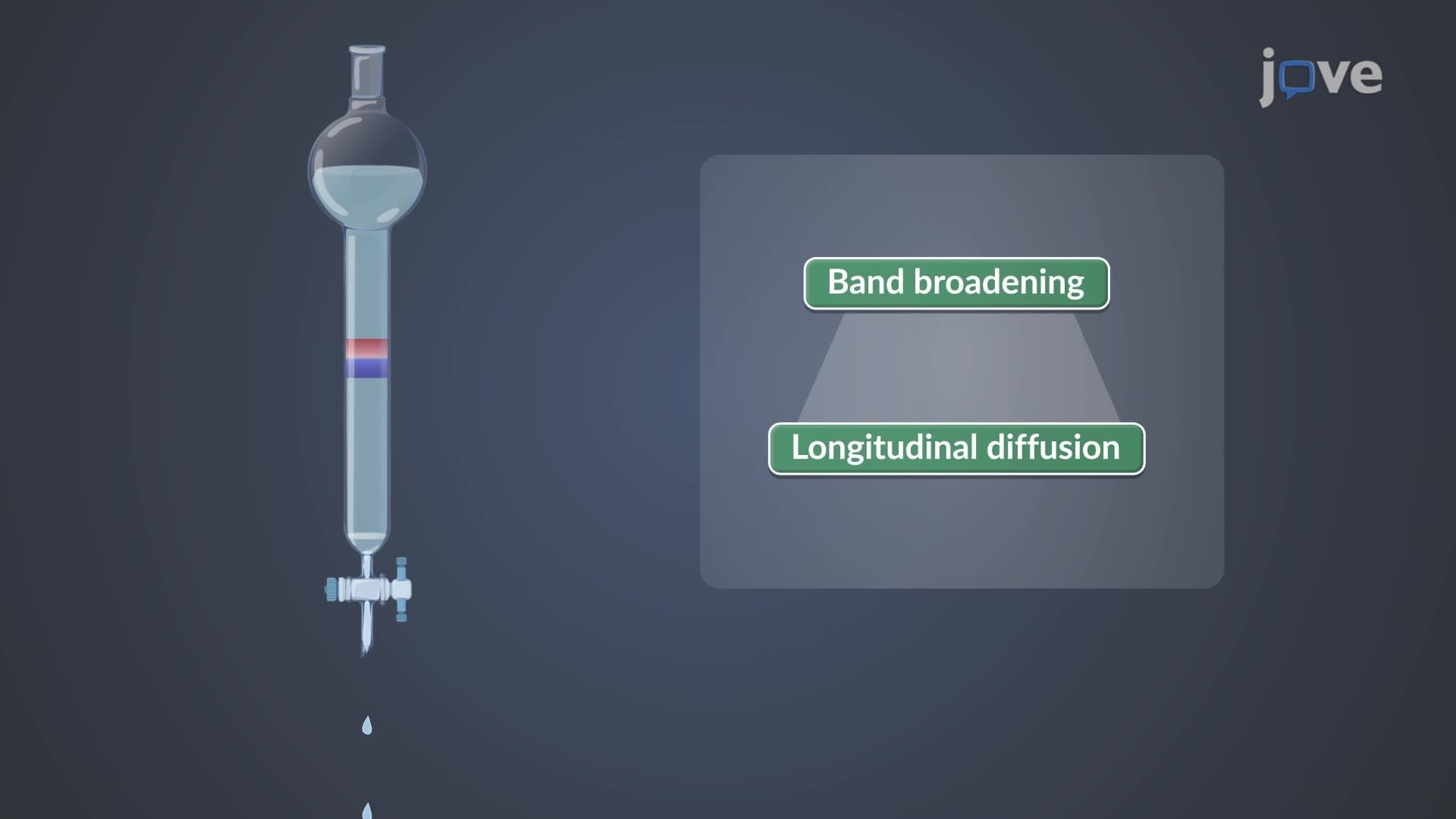
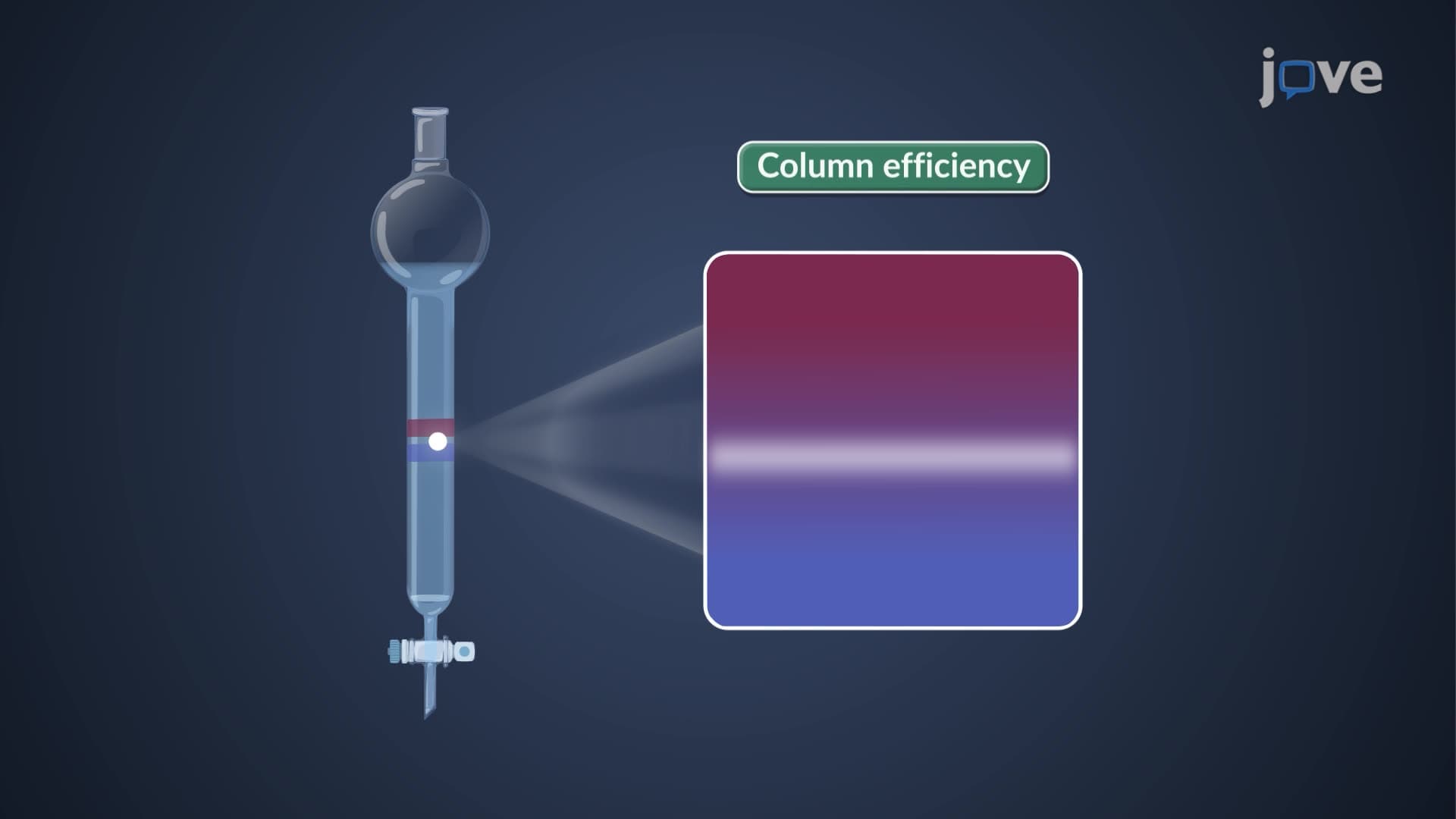
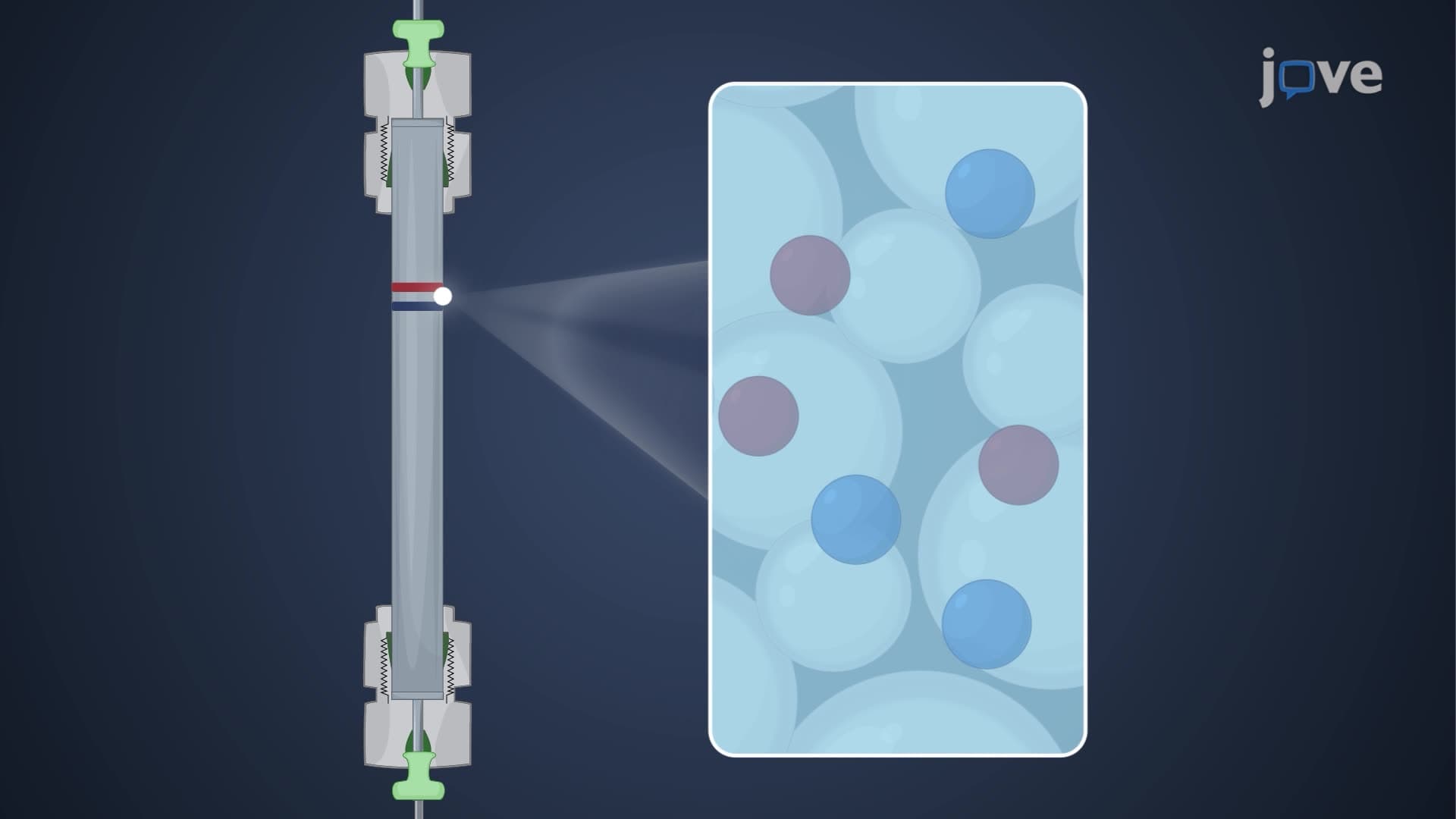
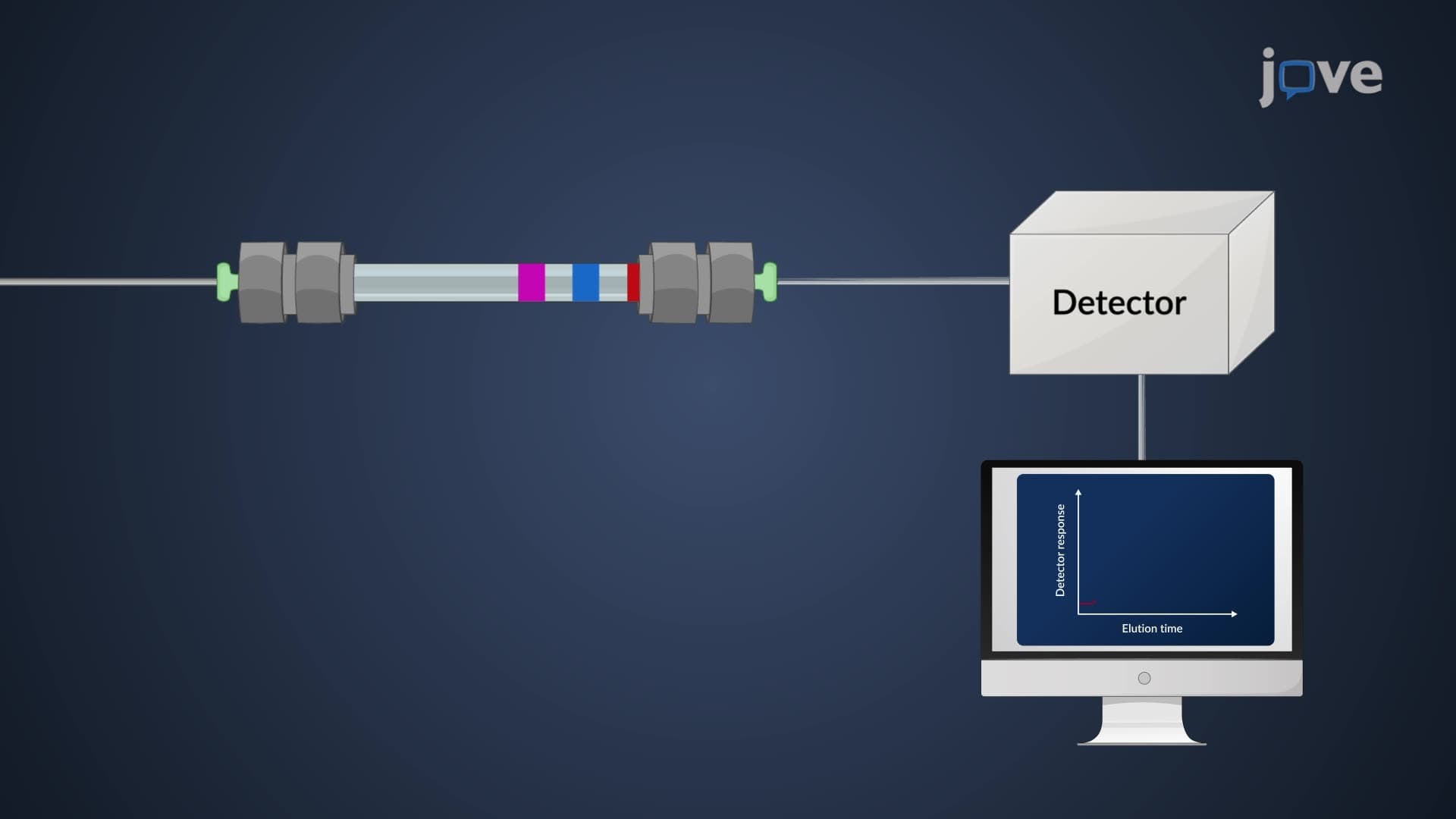
The separation mechanism in silica gel chromatography explained centers on the competitive binding between sample compounds and the mobile phase for active sites on the silica surface. Polar compounds experience strong attractive forces with the silica gel stationary phase, causing them to migrate slowly through the column. These molecules must be displaced by a sufficiently polar mobile phase solvent to continue moving. Conversely, nonpolar compounds show weak affinity for the silica surface and travel rapidly through the column with minimal retention.
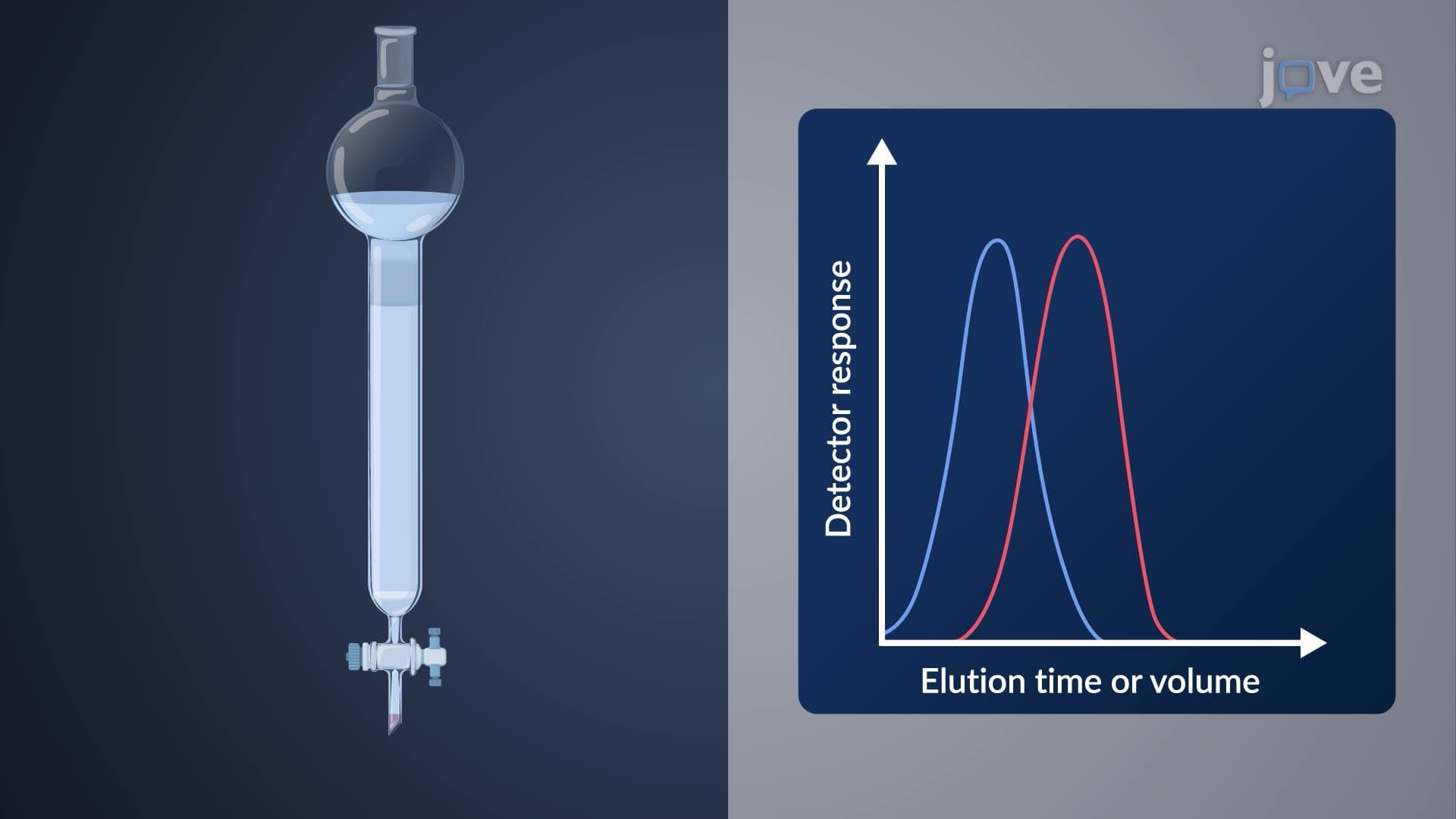
This selectivity makes silica gel ideal for normal phase silica chromatography, where the stationary phase is more polar than the mobile phase. Students preparing for AP Chemistry exams or college organic chemistry courses should understand that elution order follows a predictable pattern: nonpolar compounds elute first, followed by increasingly polar compounds.
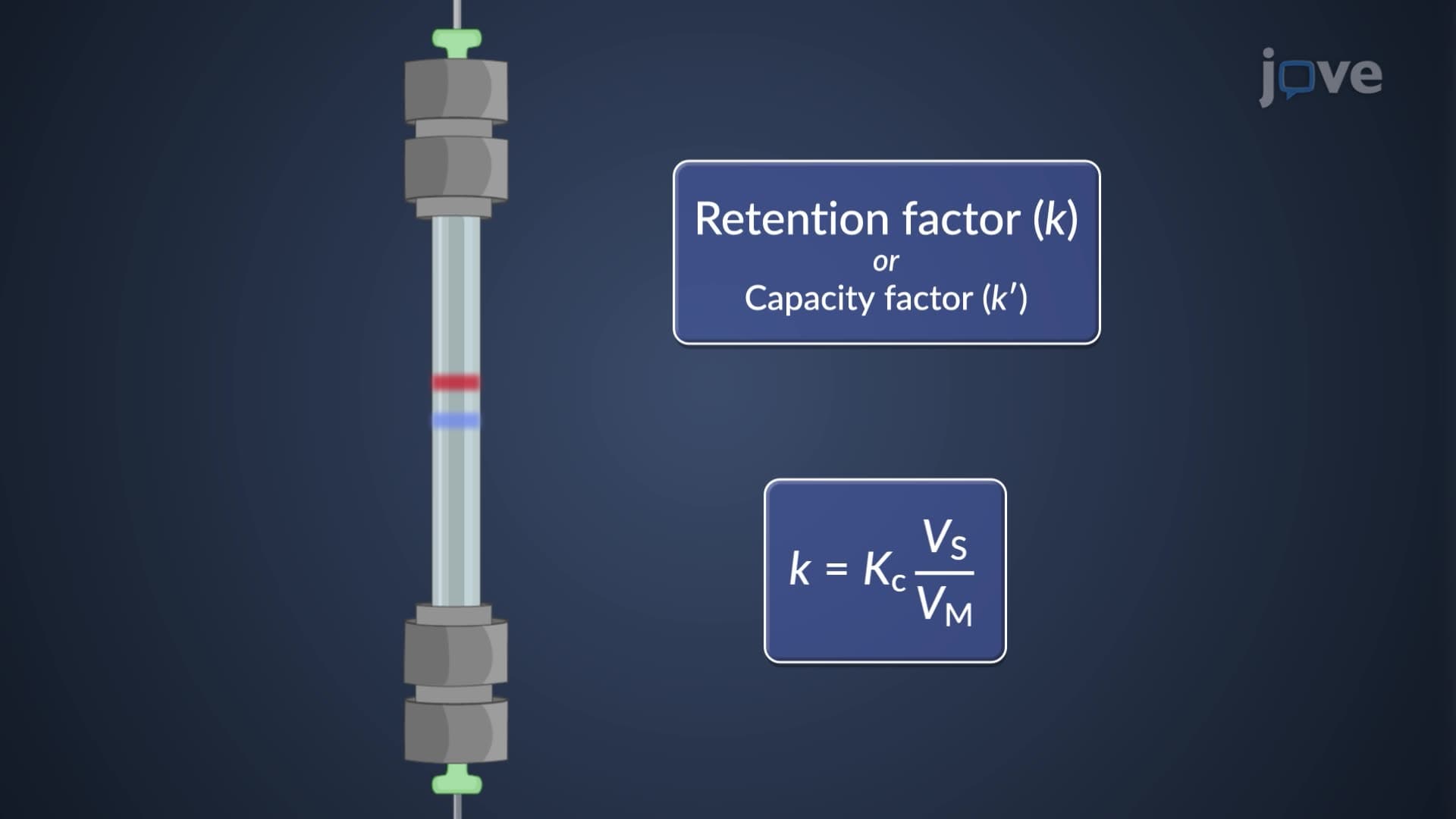
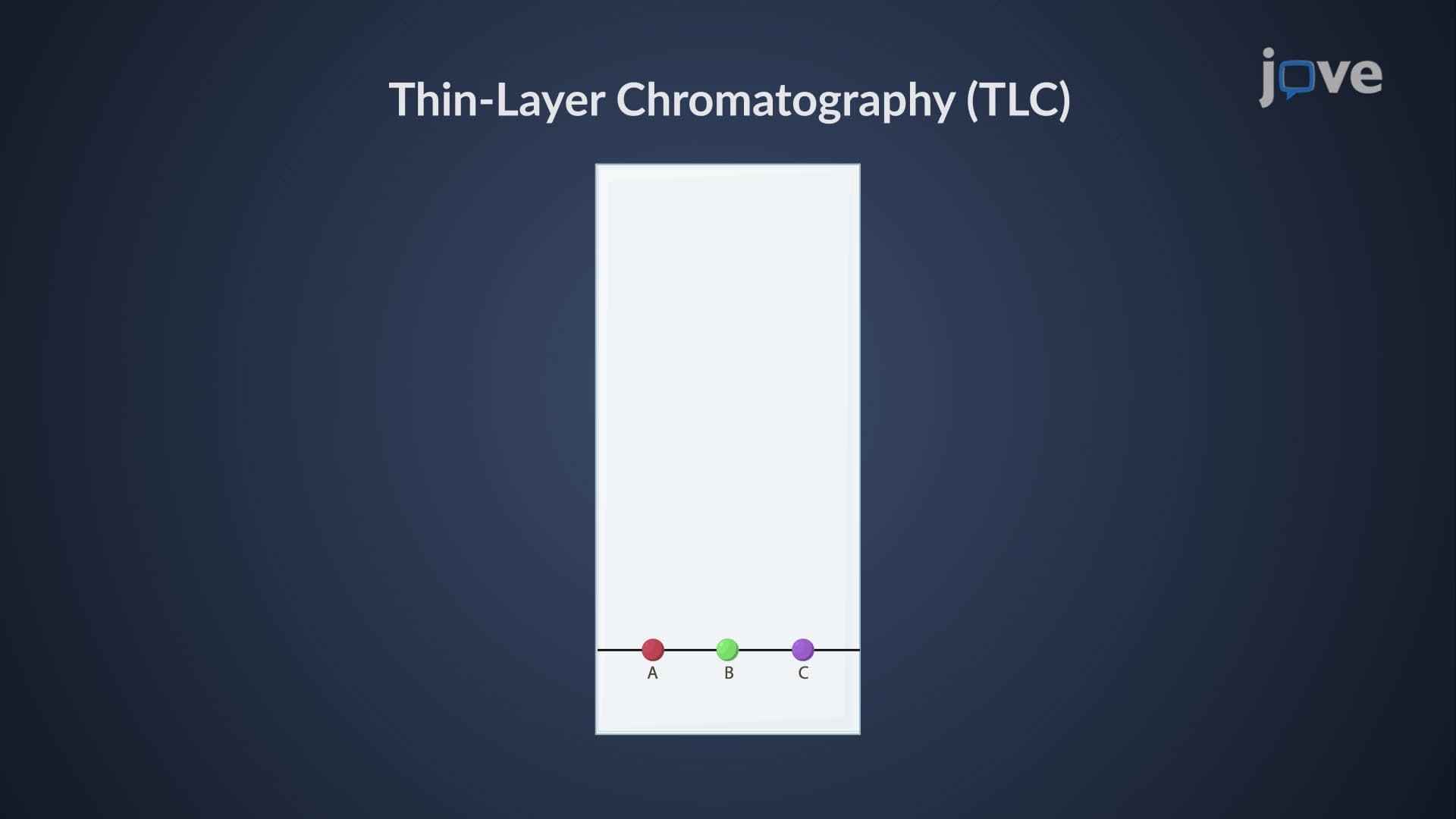
The quantitative measure of compound-stationary phase interaction is expressed through the retention factor (k), which directly correlates with TLC R(f) values under identical conditions. This relationship proves invaluable for method development, as reconnaissance TLC experiments can predict how silica gel column chromatography works for specific separations before committing to larger-scale column work.
Pharmaceutical companies like Pfizer routinely use this approach when developing purification methods for new drug compounds. For MCAT preparation, students should recognize that retention factor calculations appear frequently in passage-based questions about chromatographic separations.
Column packing silica gel requires careful attention to particle size, pore structure, and surface area to achieve optimal separations. Environmental testing laboratories use silica gel columns to separate pesticide residues from food samples, while research institutions employ this technique for natural product isolation. The elution order silica chromatography follows depends on both the analyte properties and mobile phase composition, requiring systematic optimization for complex mixtures.
Understanding these principles prepares students for advanced coursework in analytical chemistry and provides foundation knowledge essential for careers in pharmaceuticals, environmental science, and forensic analysis.
Related Micro-courses