Loading subject page…


42,892 views
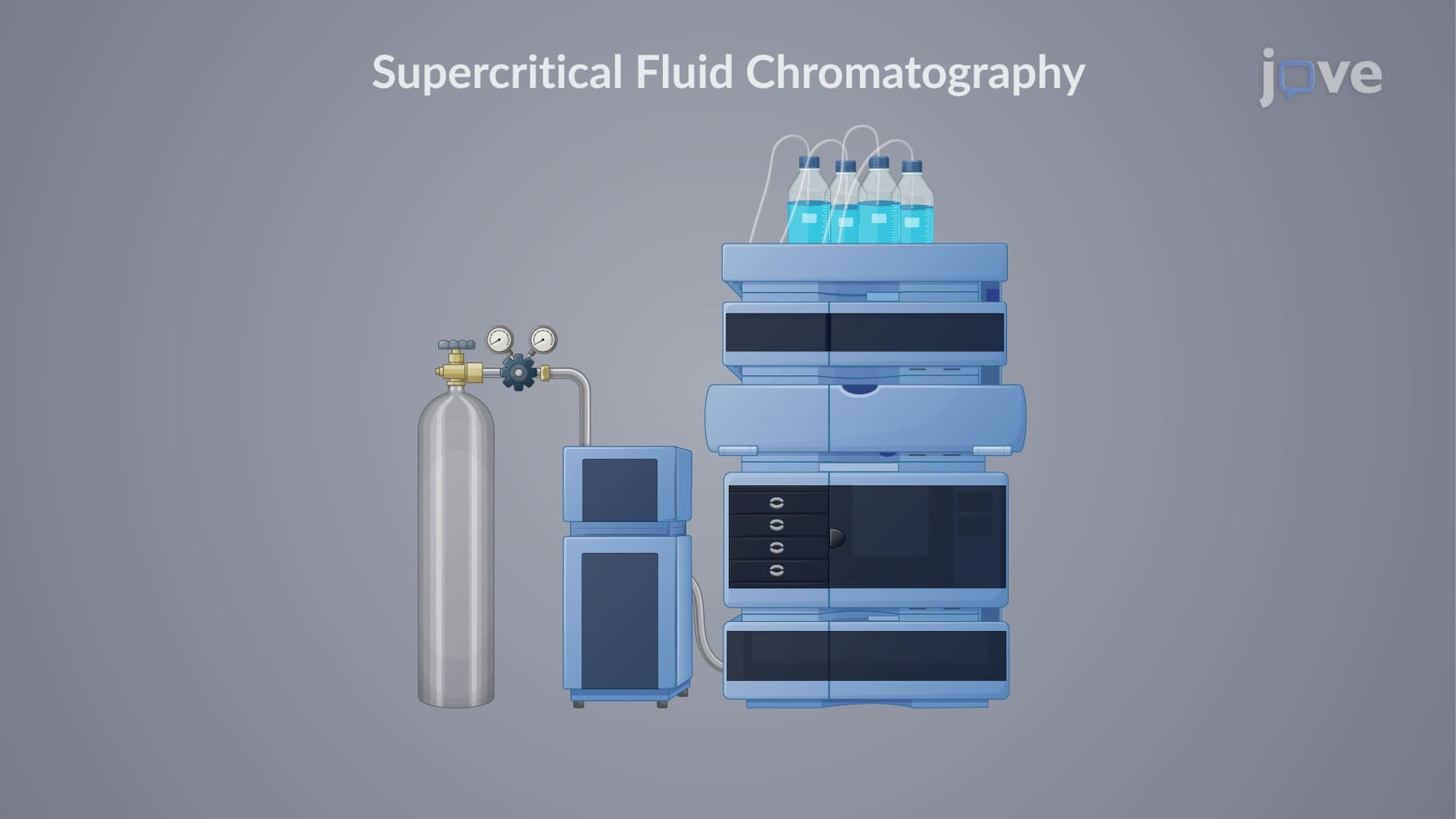

Video Summary: What Is Supercritical Fluid Chromatography
Did you know that pharmaceutical companies can now separate complex drug compounds using CO2 at pressures over 1,000 times atmospheric pressure? Supercritical fluid chromatography combines the best features of liquid and gas chromatography techniques, using pressurized carbon dioxide as a mobile phase to achieve faster, more efficient separations than traditional HPLC methods. Major US pharmaceutical labs like Pfizer use this green technology for analyzing everything from vitamins to complex drug metabolites. Watch the full video on JoVE Coach to master this concept with expert-led visuals and step-by-step explanations.
What is supercritical fluid chromatography represents a revolutionary analytical technique that emerged in the 1980s as scientists sought more efficient and environmentally friendly separation methods. Unlike traditional chromatography that relies on distinct liquid or gas phases, SFC operates in a unique thermodynamic region where substances exhibit hybrid properties. When carbon dioxide reaches its critical point (31.1°C and 73.8 bar), it becomes a supercritical fluid with remarkable characteristics: the low viscosity of a gas enabling rapid mass transfer, combined with the high density of a liquid providing excellent solvating power.
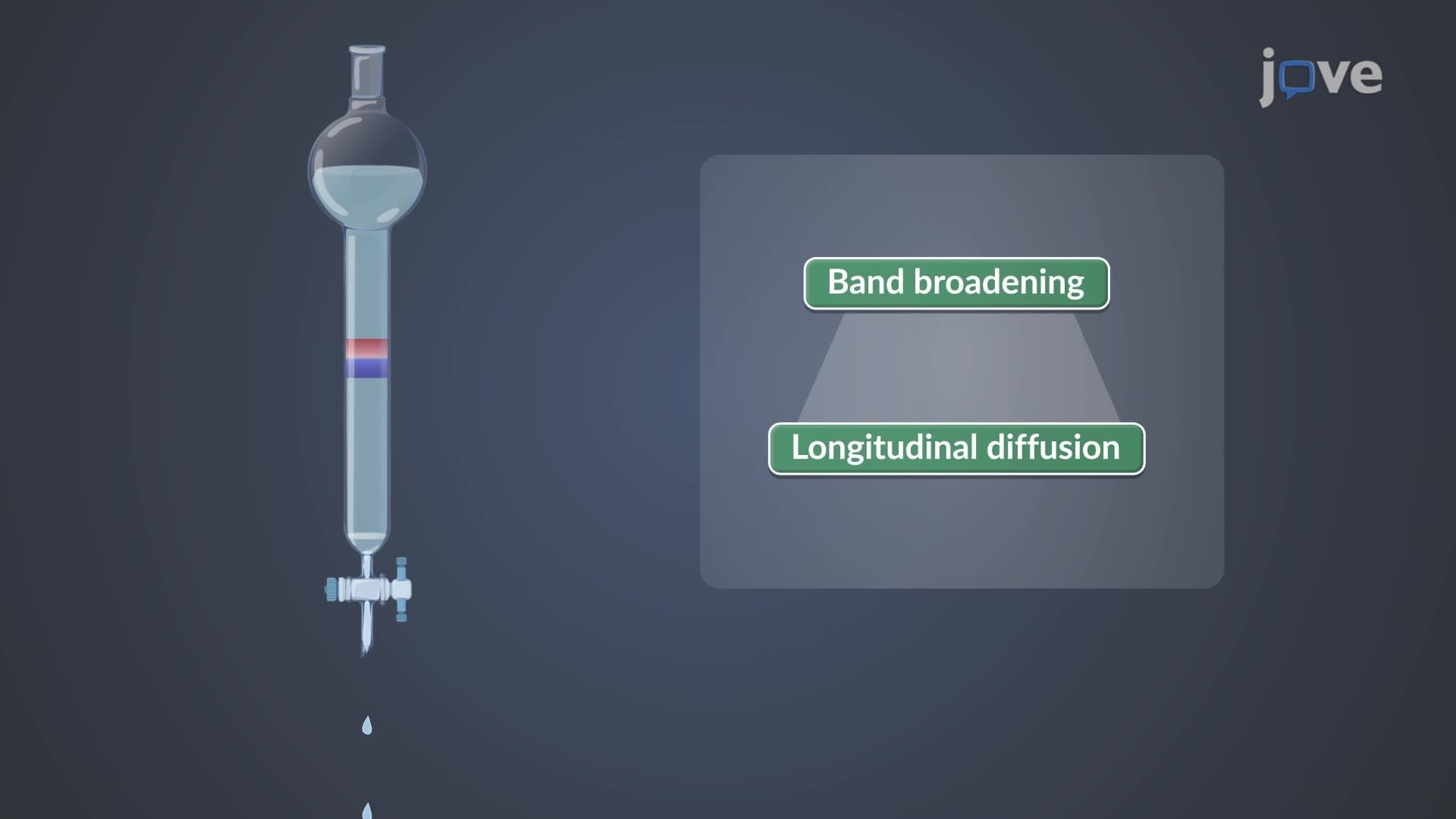
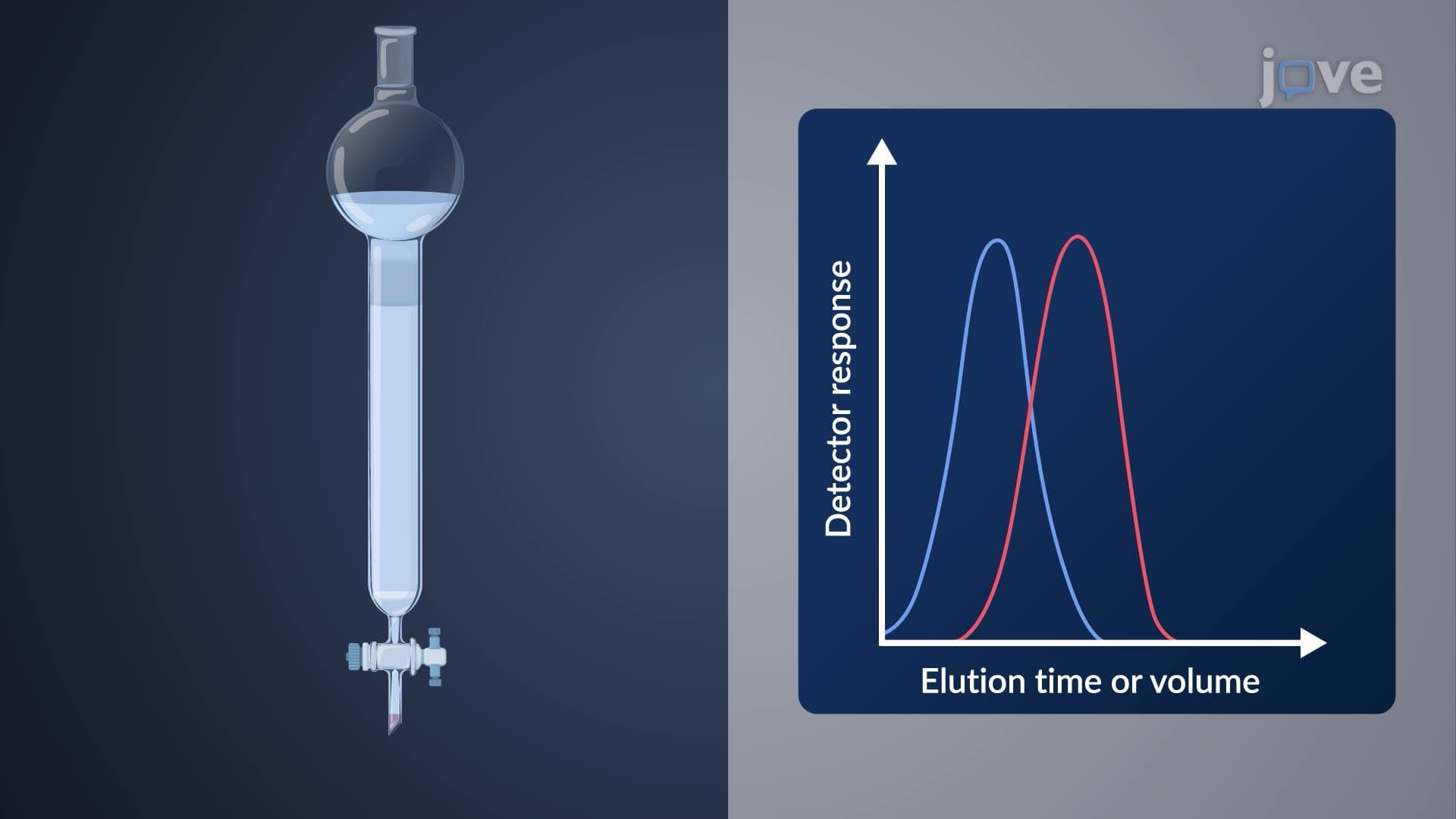
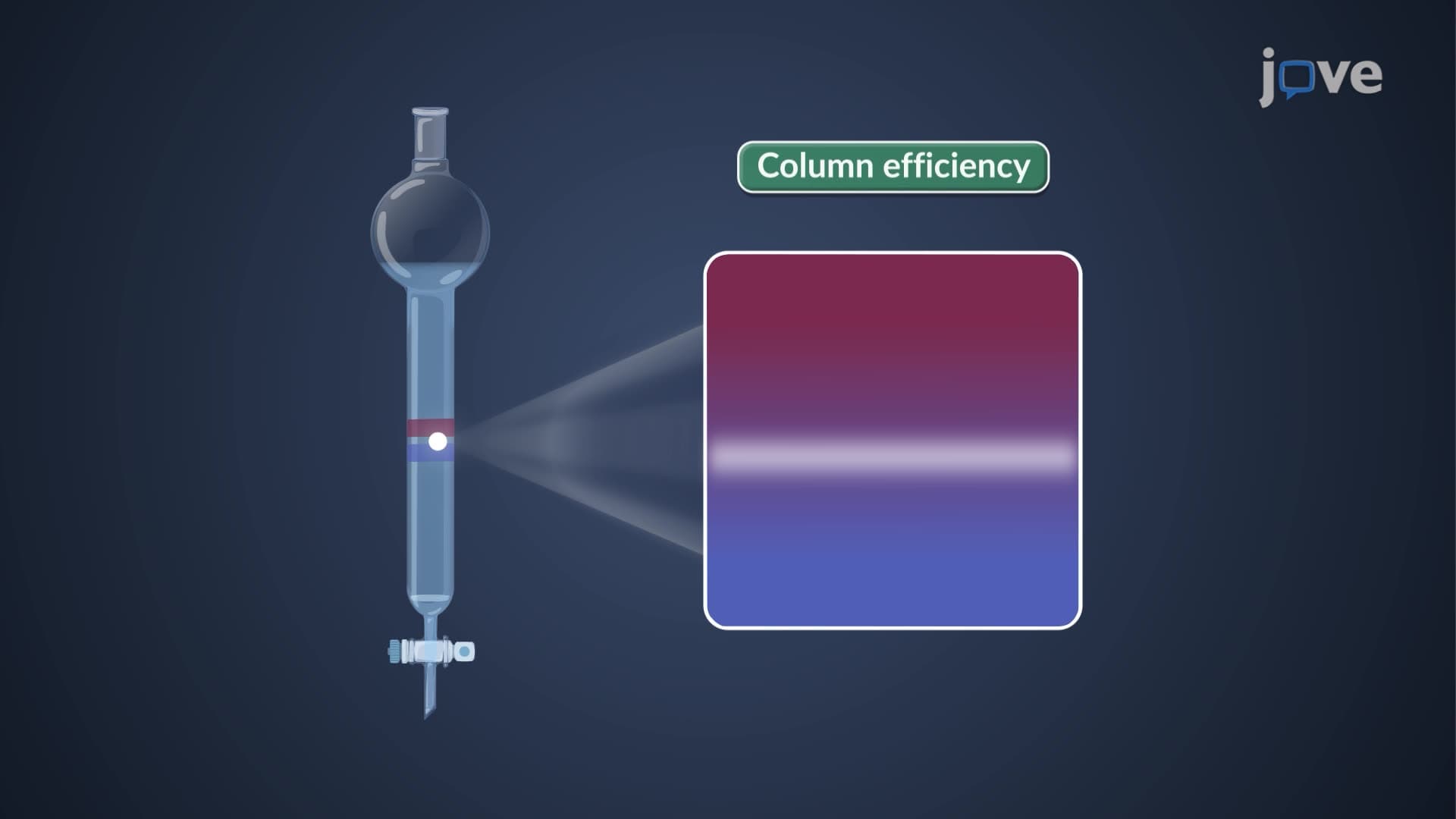
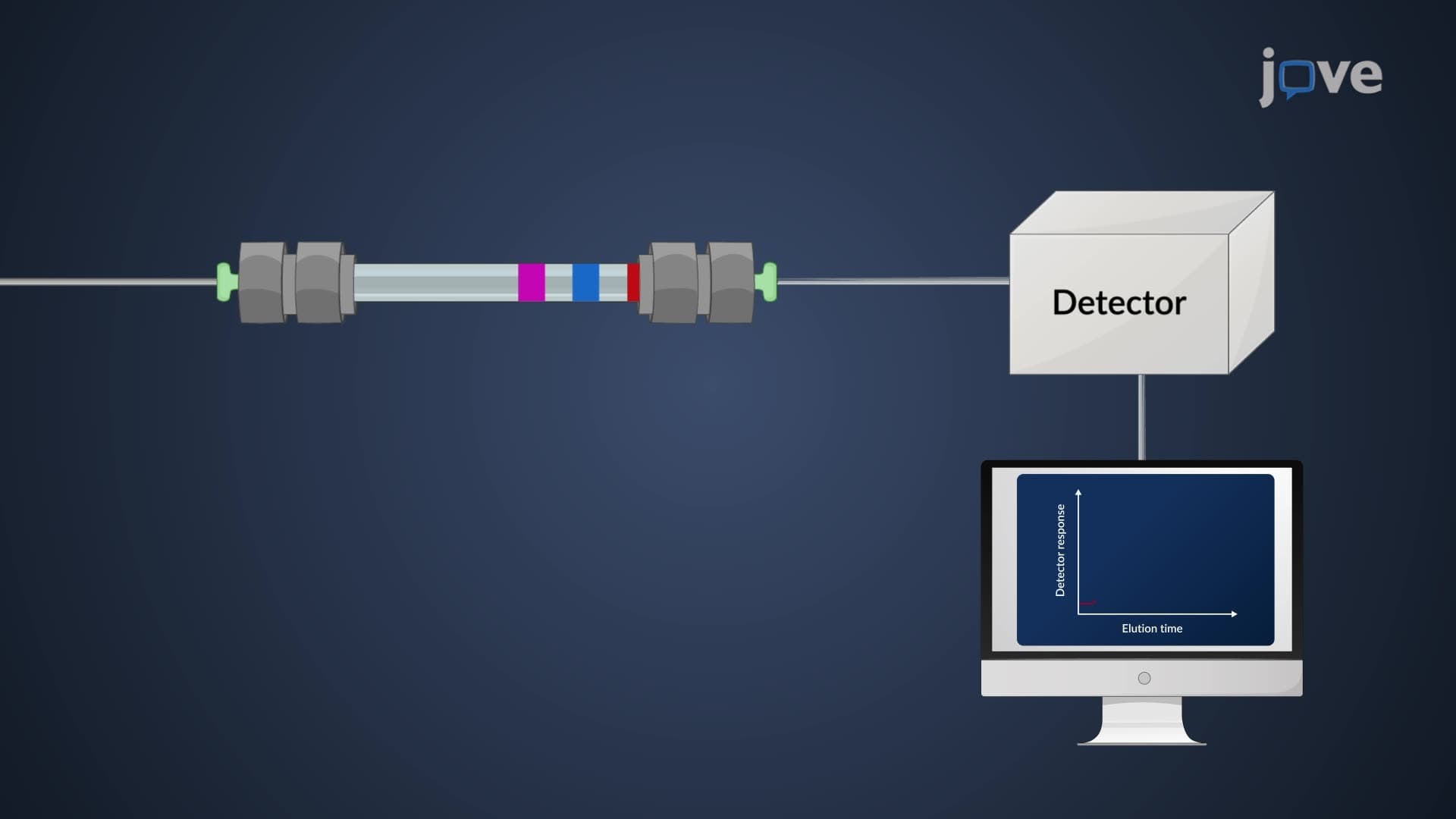
The SFC vs HPLC comparison reveals significant performance benefits that make SFC increasingly popular in US analytical laboratories. While HPLC typically requires 10-30 minutes for complex separations, SFC can achieve similar results in 2-8 minutes due to superior mass transfer kinetics. The diffusion coefficient of supercritical CO2 is roughly 10 times higher than typical HPLC mobile phases, leading to sharper peaks and better resolution. Additionally, SFC eliminates the need for extensive method development with gradient elution, as pressure programming often provides adequate selectivity control. This efficiency translates to higher sample throughput-critical for pharmaceutical companies conducting bioequivalence studies for FDA submissions.
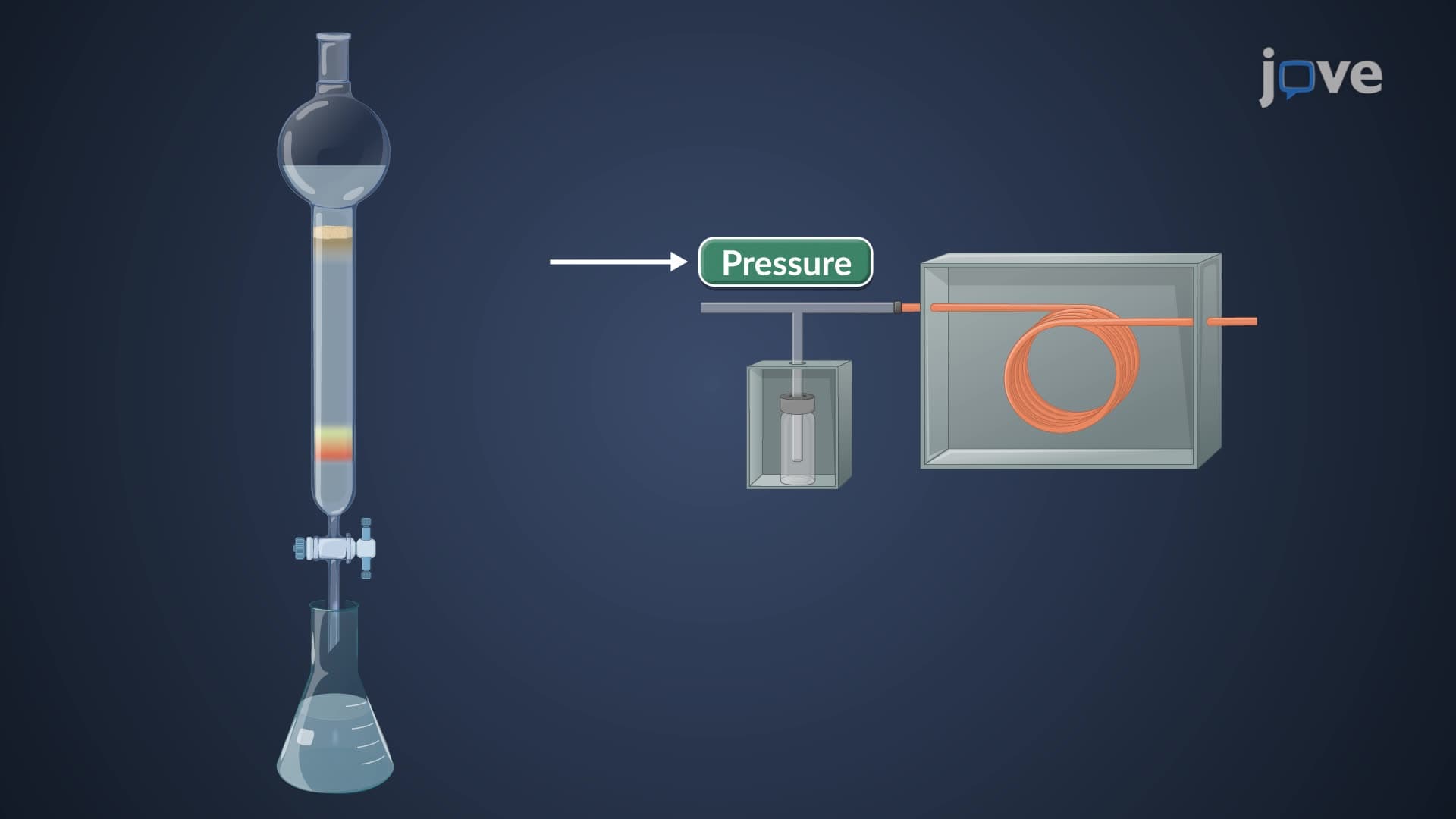
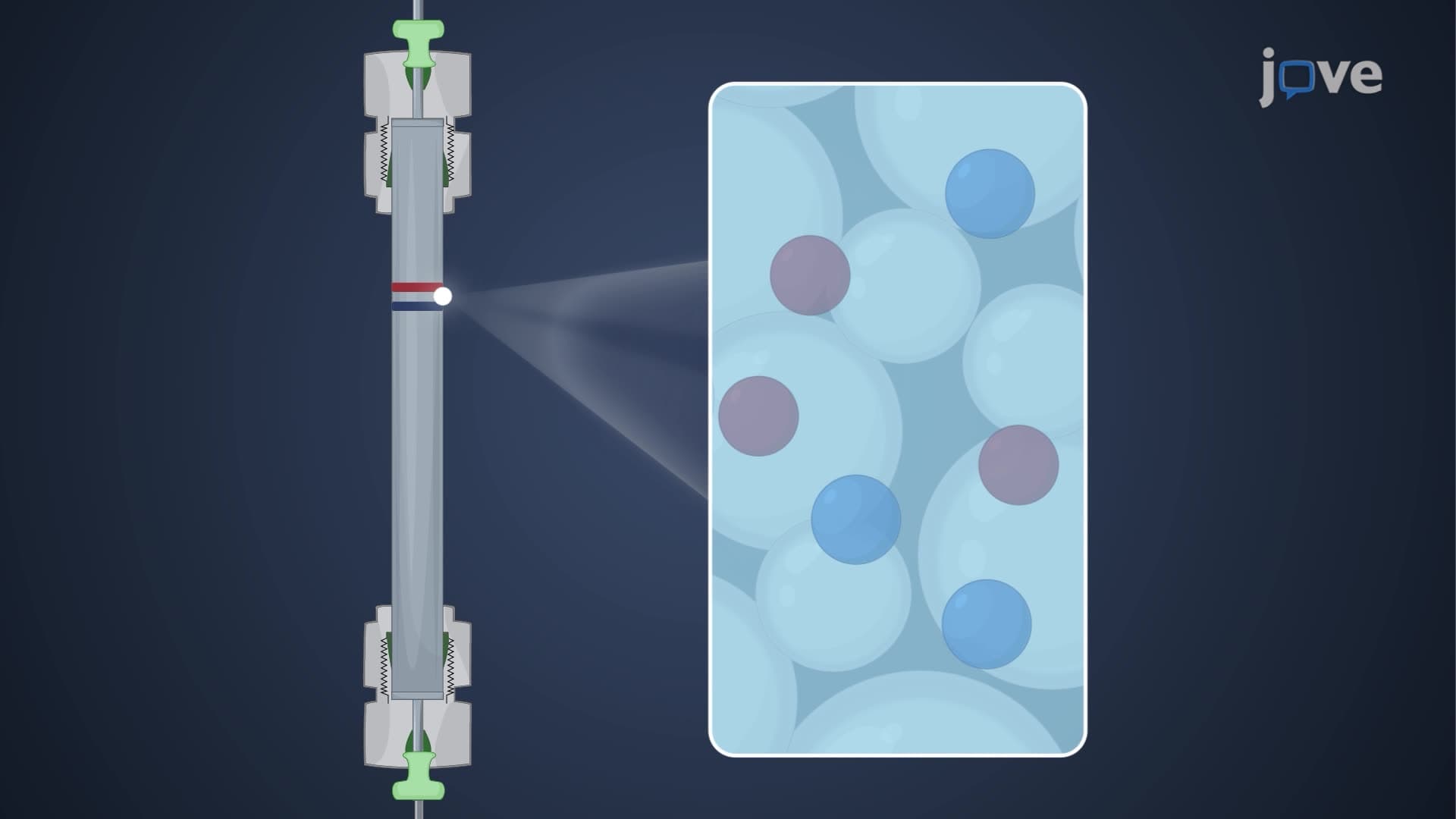
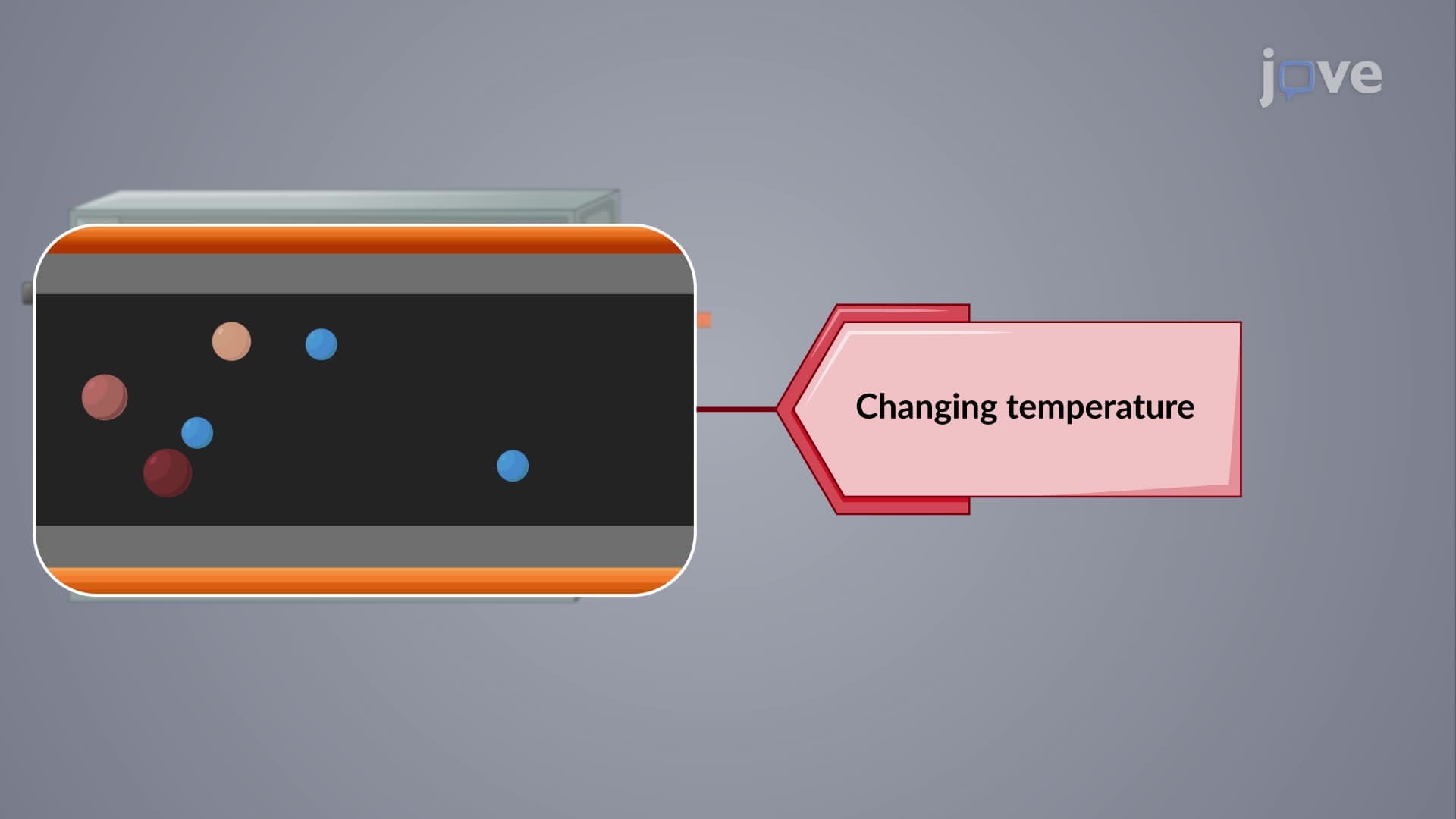
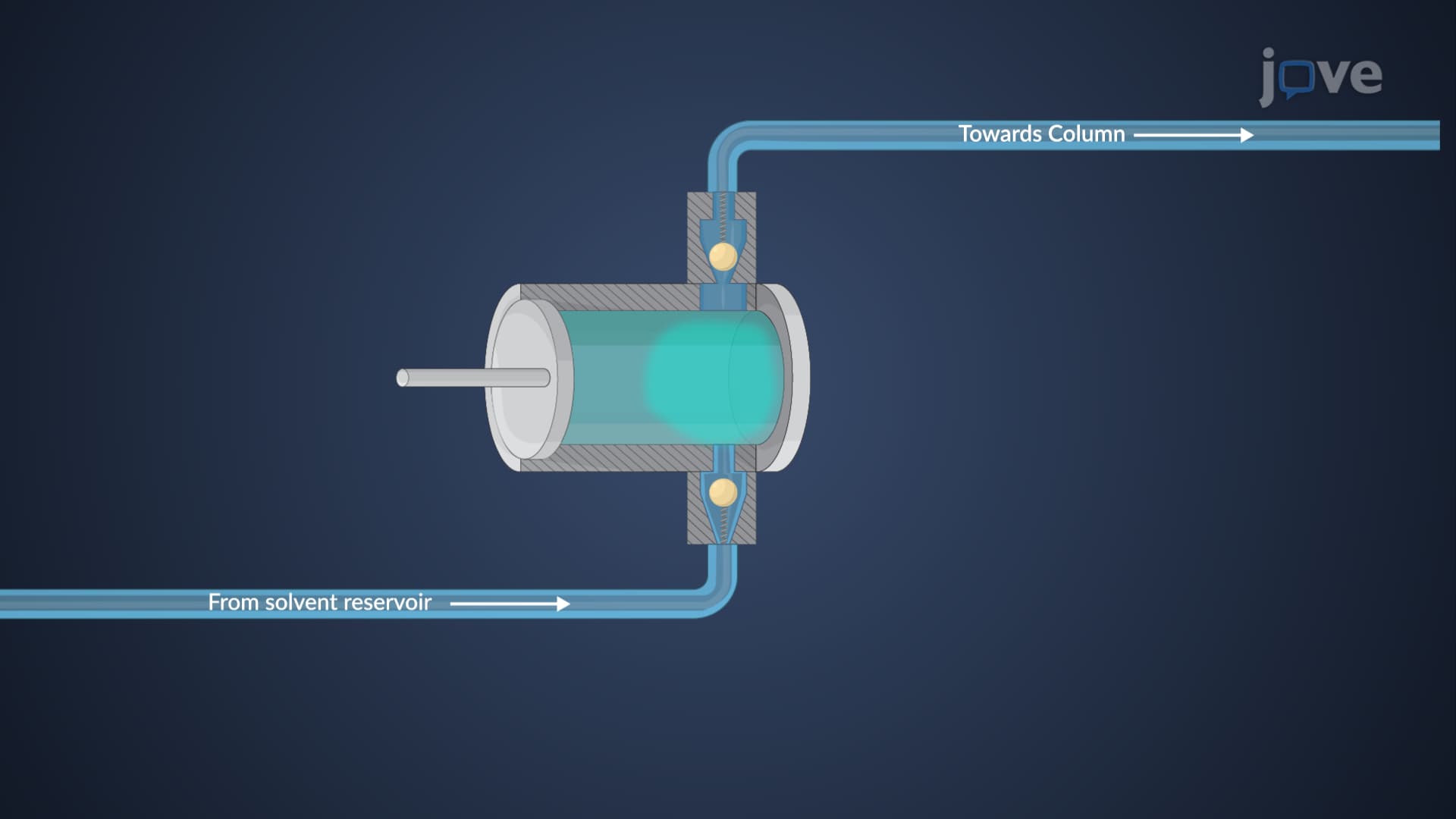
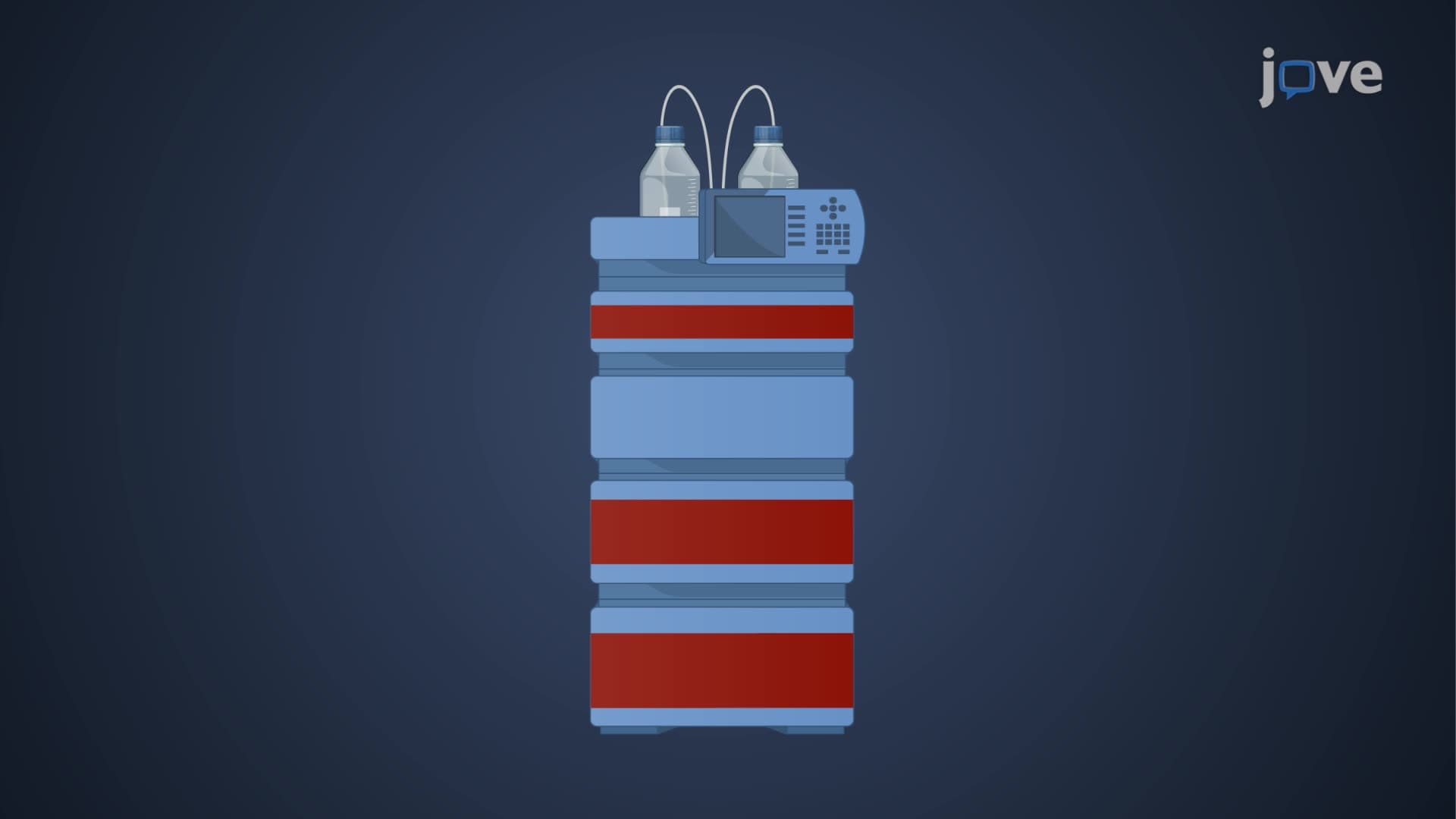
CO2 supercritical fluid SFC systems require specialized components beyond standard HPLC instrumentation. The pressure restrictor maintains supercritical conditions throughout the separation, while the thermostatted column oven provides precise temperature control. US companies like Waters and Agilent manufacture dedicated SFC systems capable of pressures up to 400 bar. The environmental advantages are substantial: replacing acetonitrile and methanol with recyclable CO2 reduces hazardous waste by up to 95%. This aligns with EPA Green Chemistry principles and helps laboratories achieve sustainability goals while reducing disposal costs.
SFC chiral separation capabilities make it invaluable for pharmaceutical development, where drug stereoisomers often exhibit different biological activities. The FDA requires separate testing of enantiomers, making SFC's rapid chiral analysis essential for companies like Johnson & Johnson and Merck. For students preparing for AP Chemistry or college analytical chemistry courses, understanding SFC demonstrates knowledge of advanced separation science. MCAT test-takers benefit from recognizing how SFC principles apply to drug metabolism studies, while undergraduate chemistry majors encounter SFC applications in instrumental analysis coursework at universities like MIT and UC Berkeley.
Related Micro-courses