Loading subject page…
- Microbiology
- Microbial Diversity
- Three-Domain System of Life
Micro-course: Microbial Diversity
13,350 views
Learn key concepts and earn your certificate.

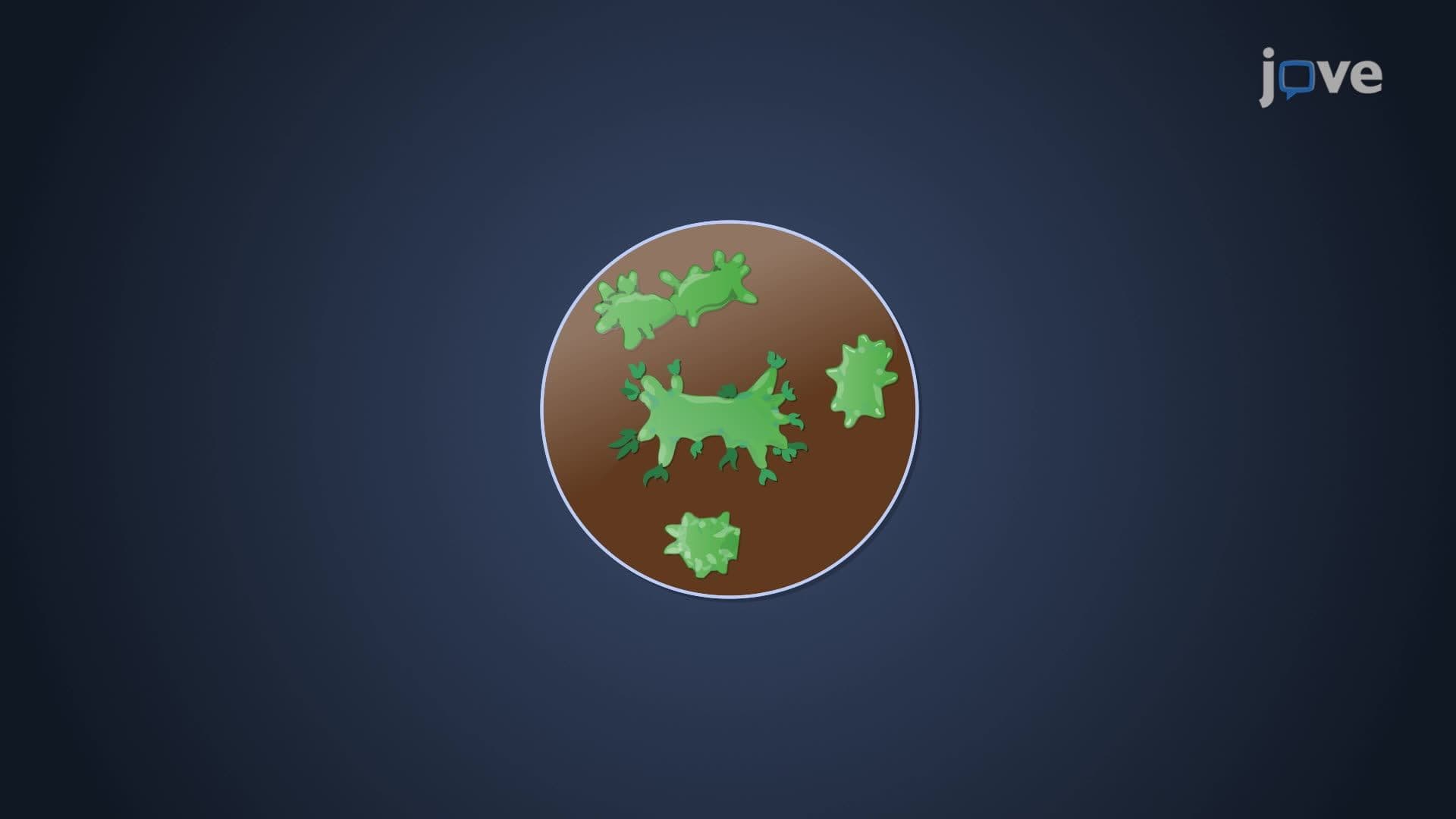
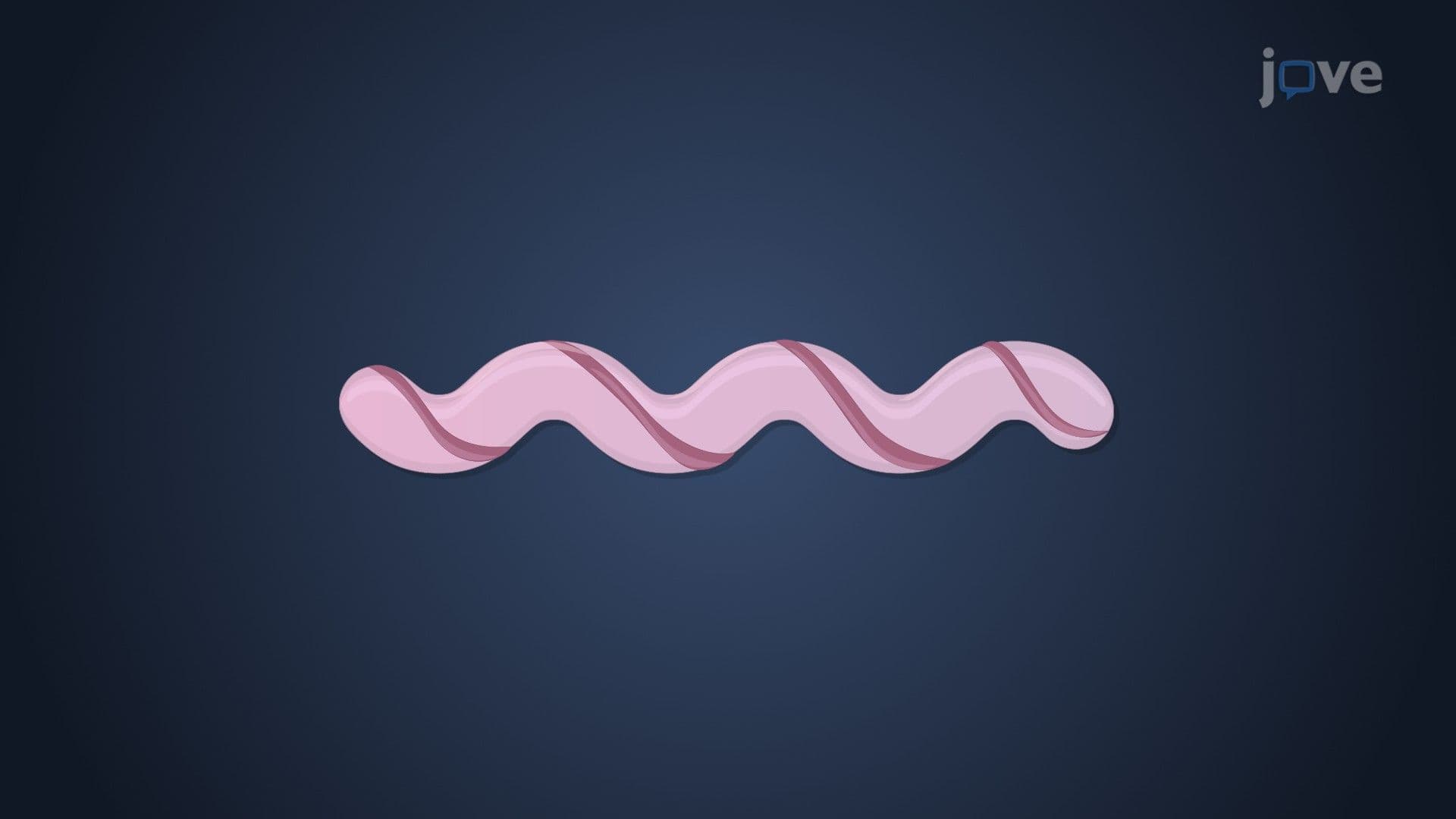
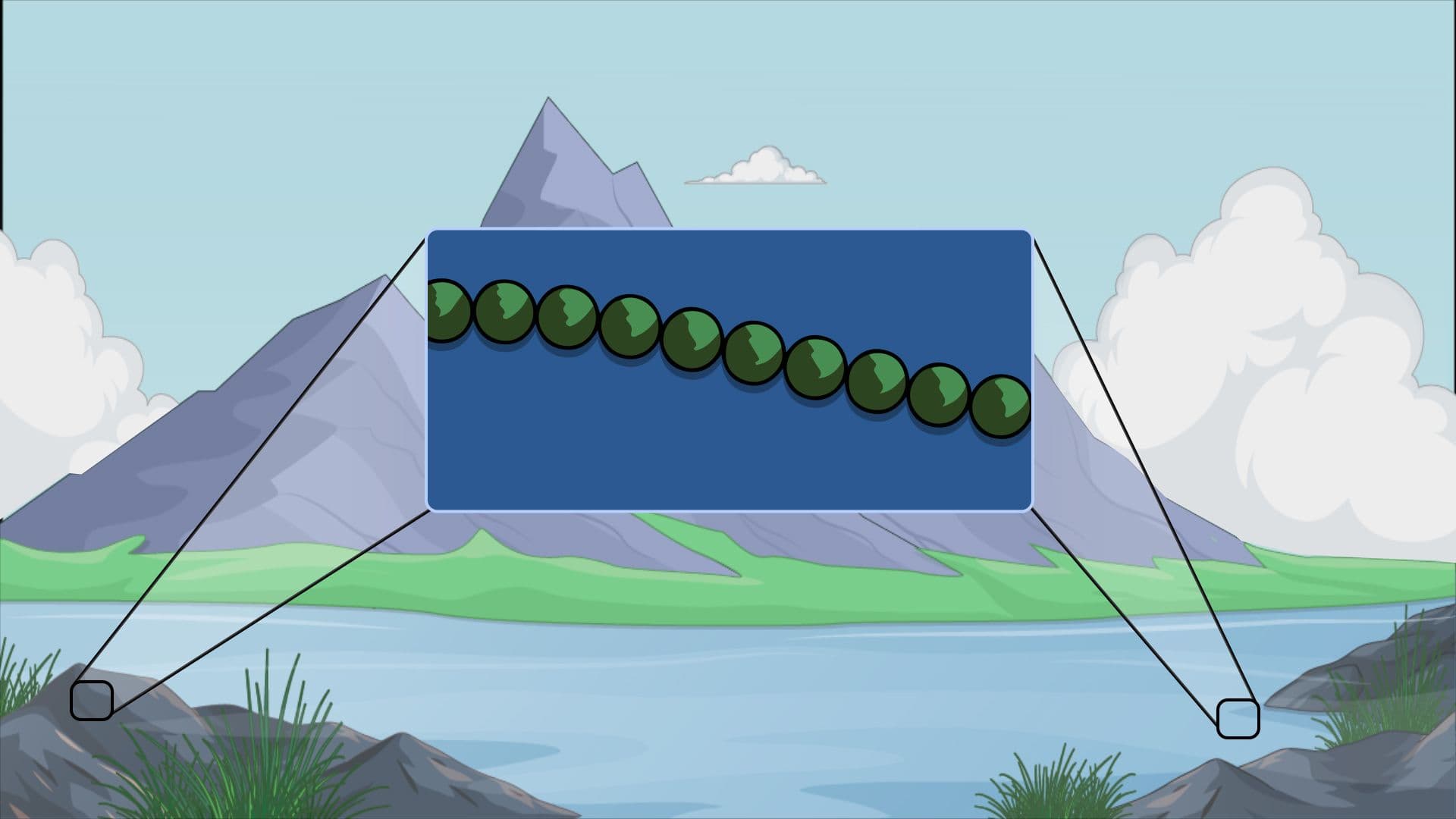
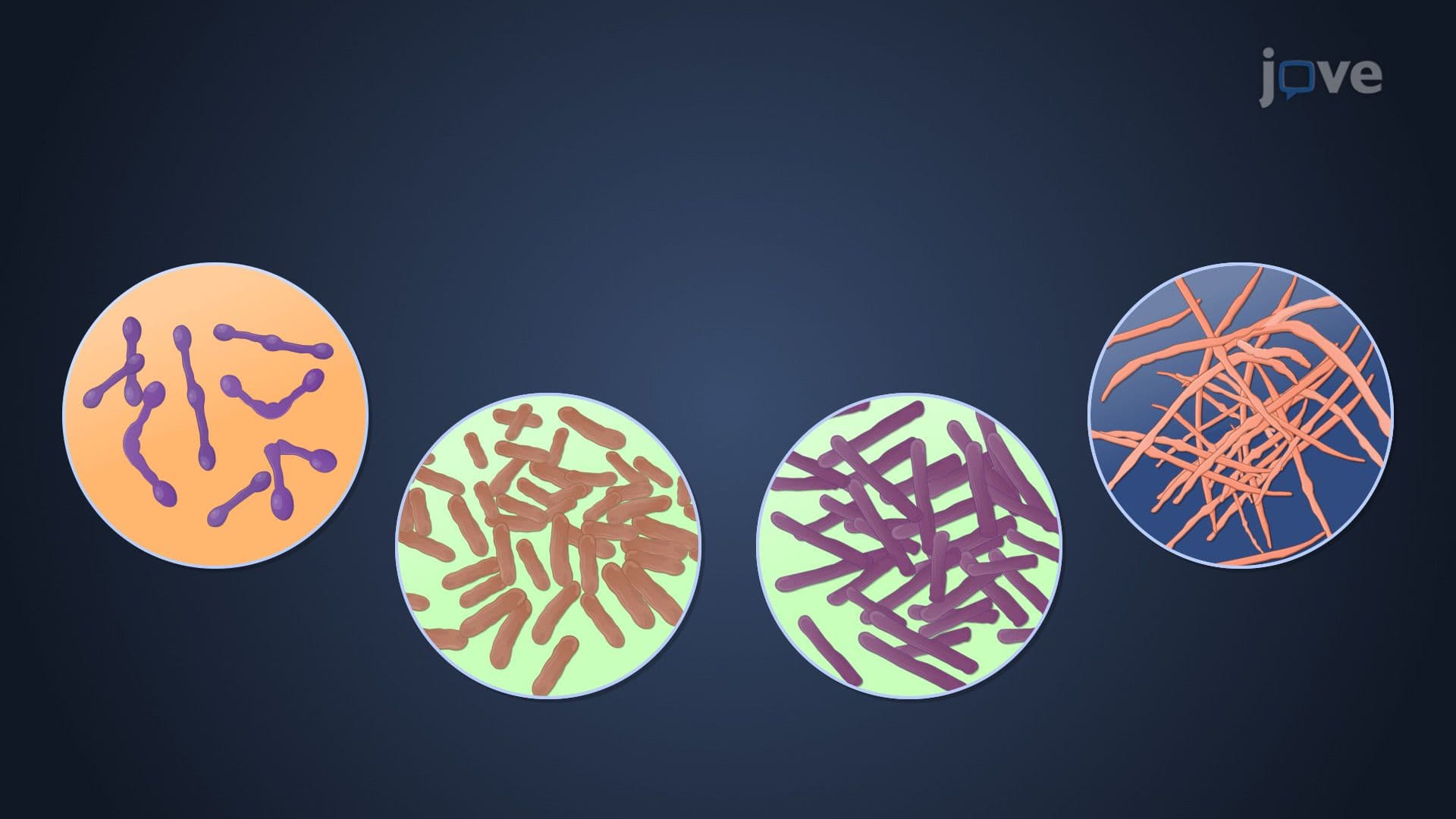
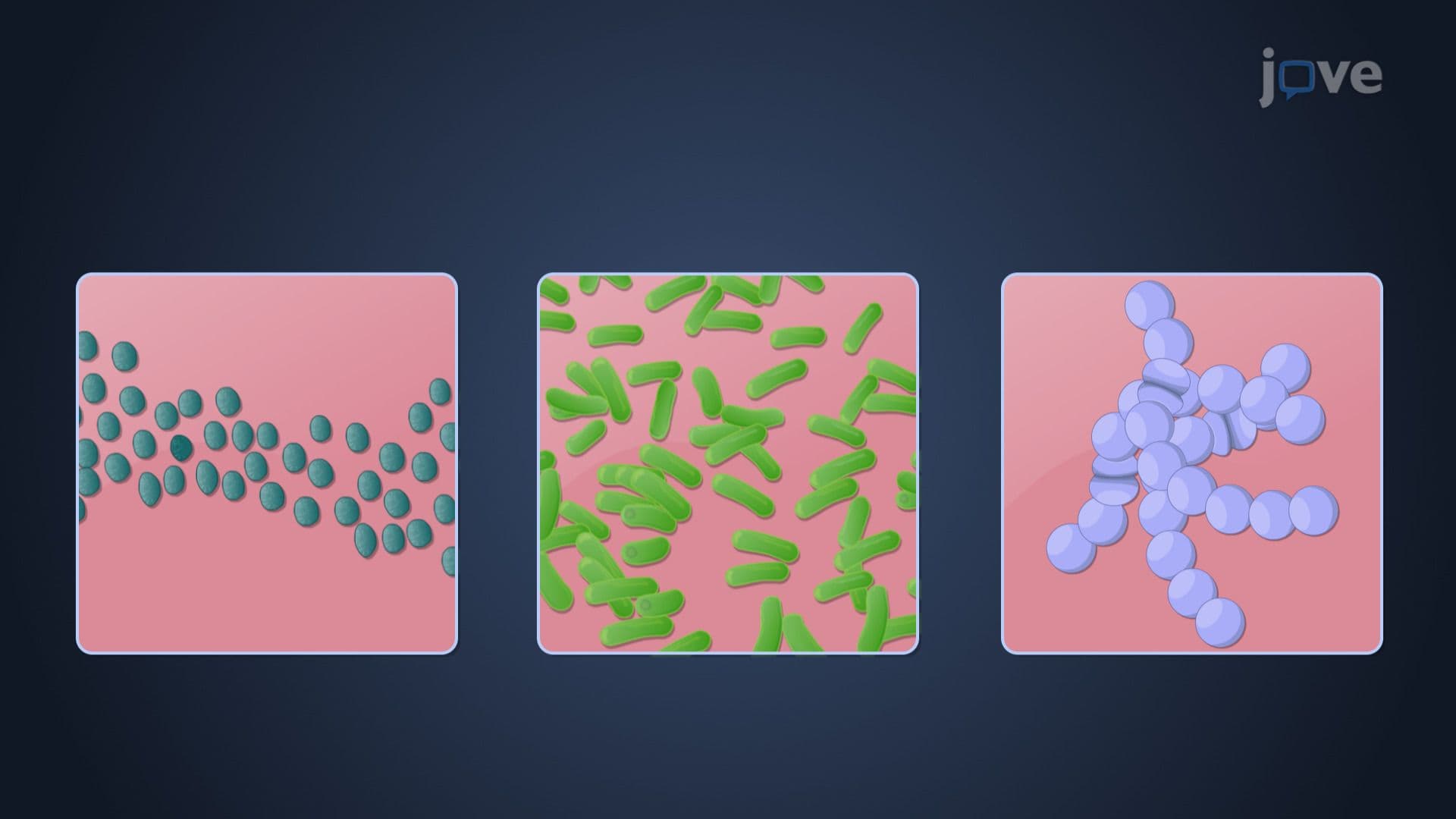
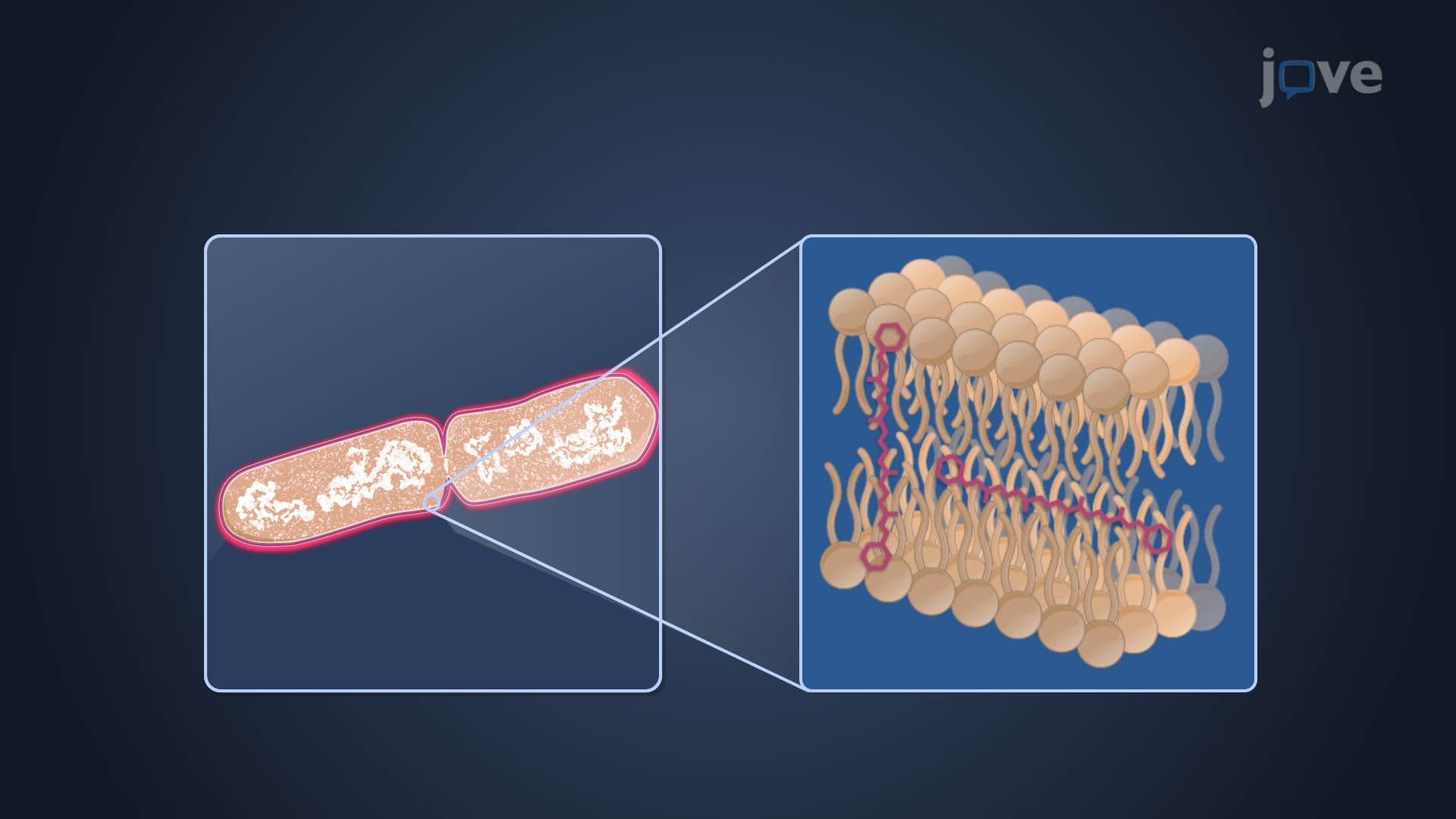
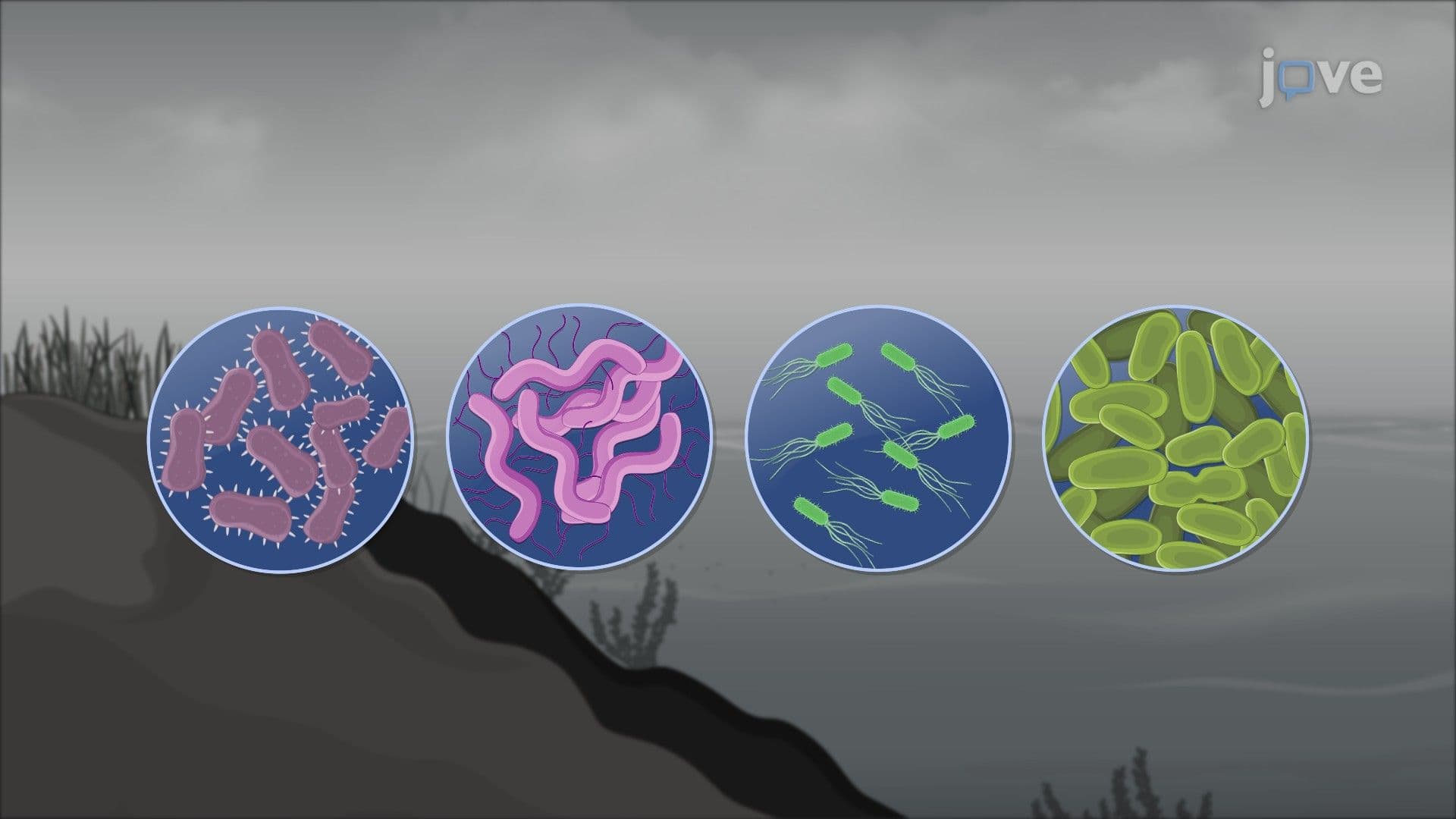
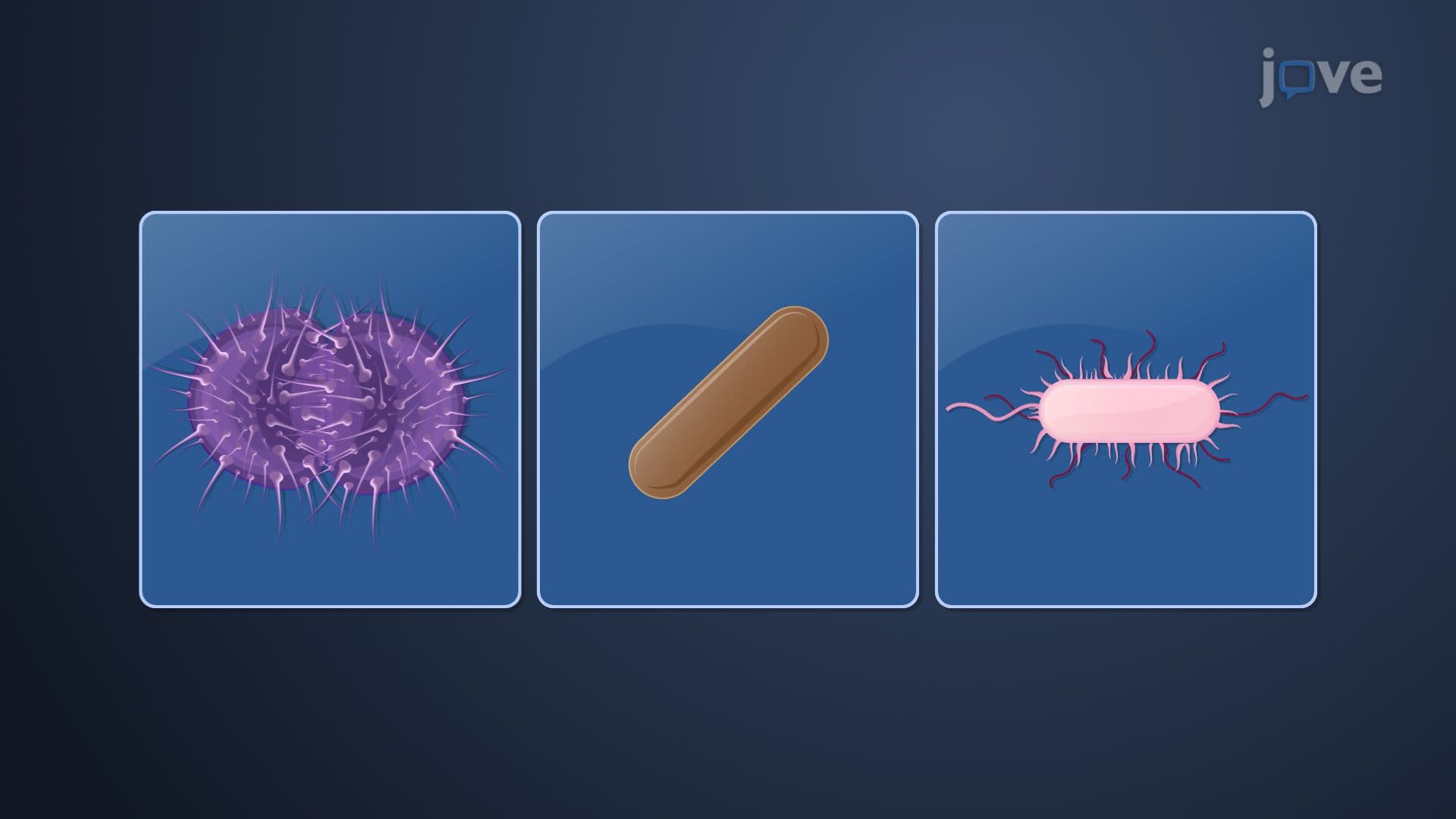
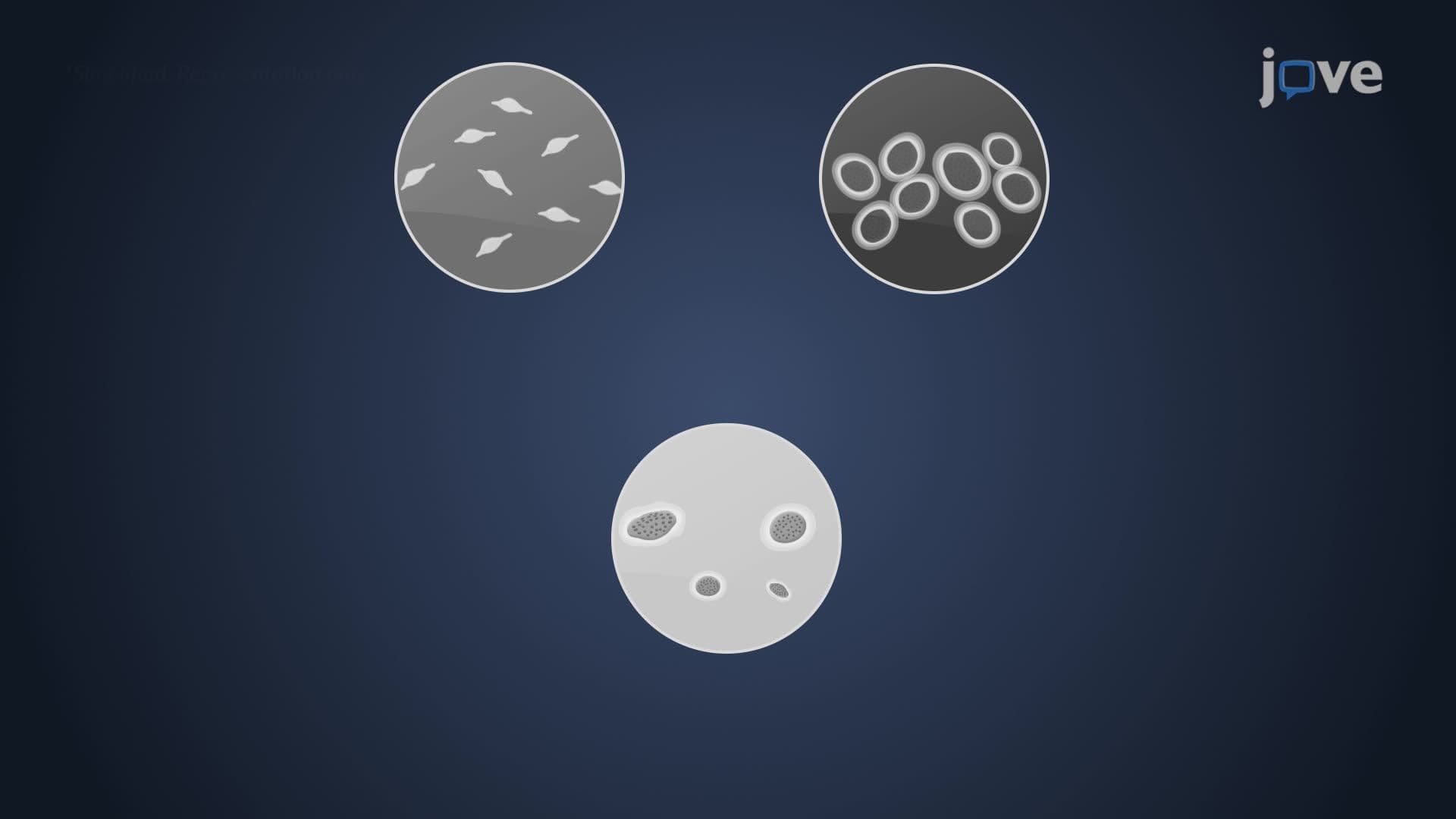
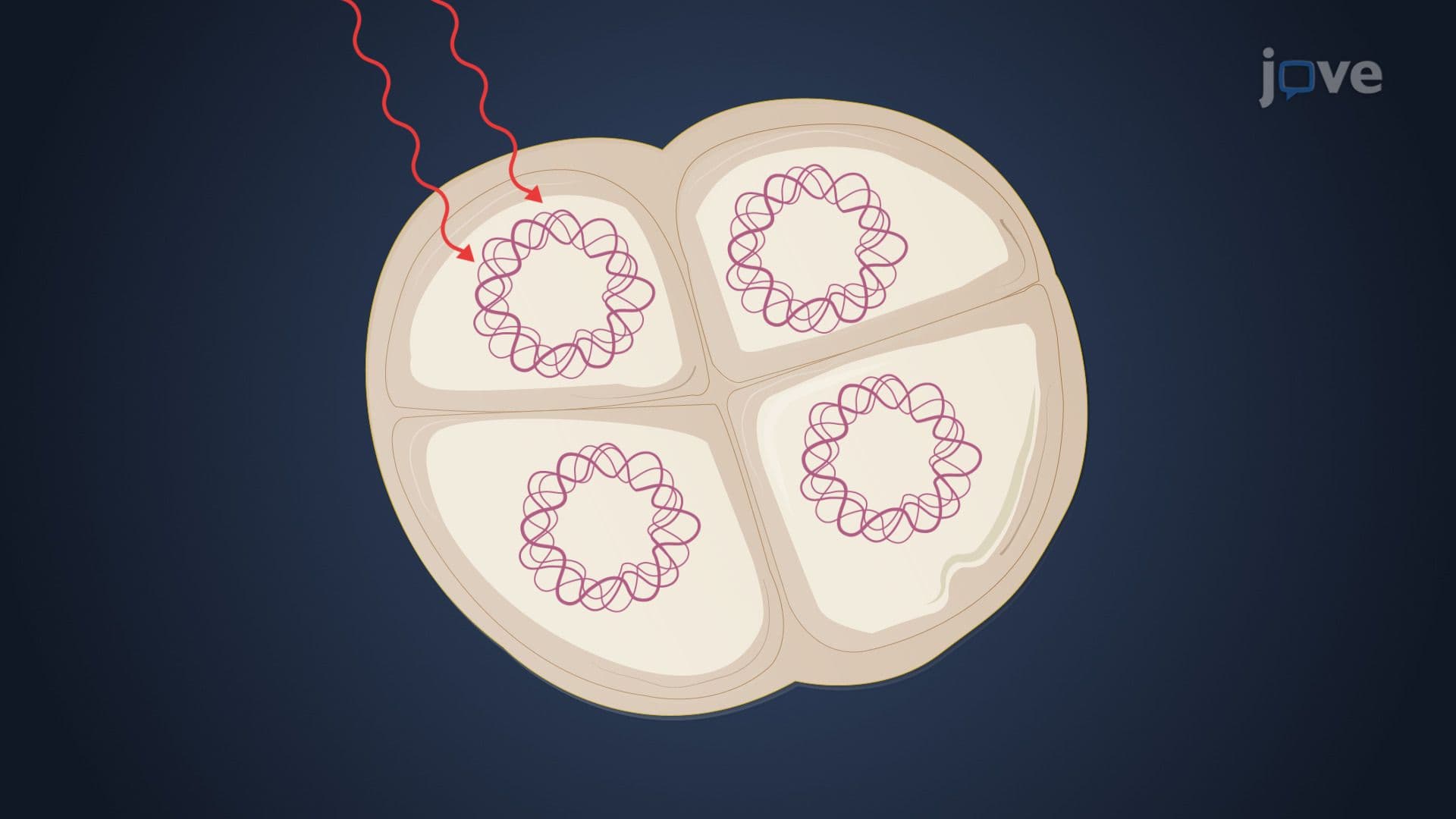
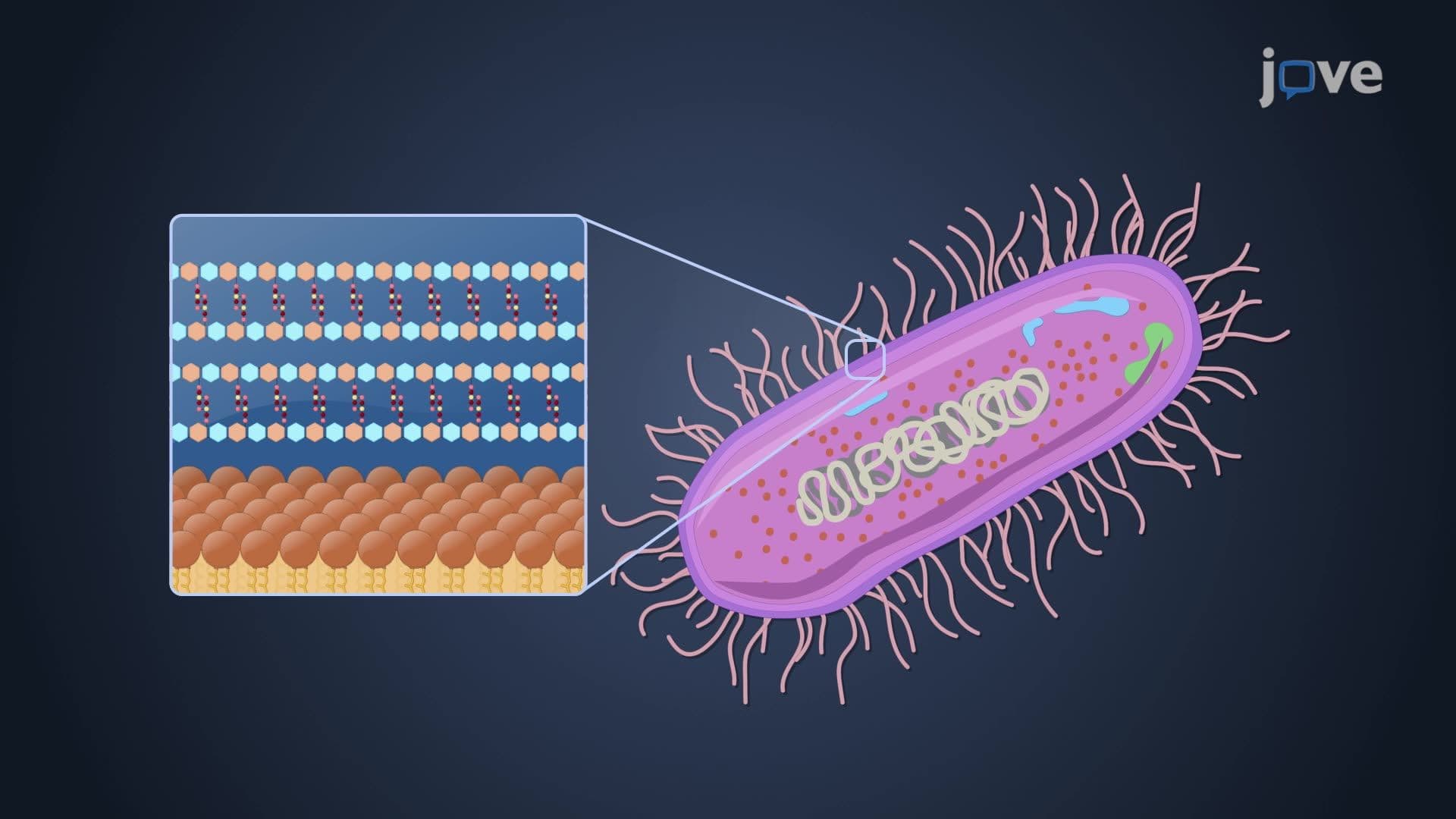
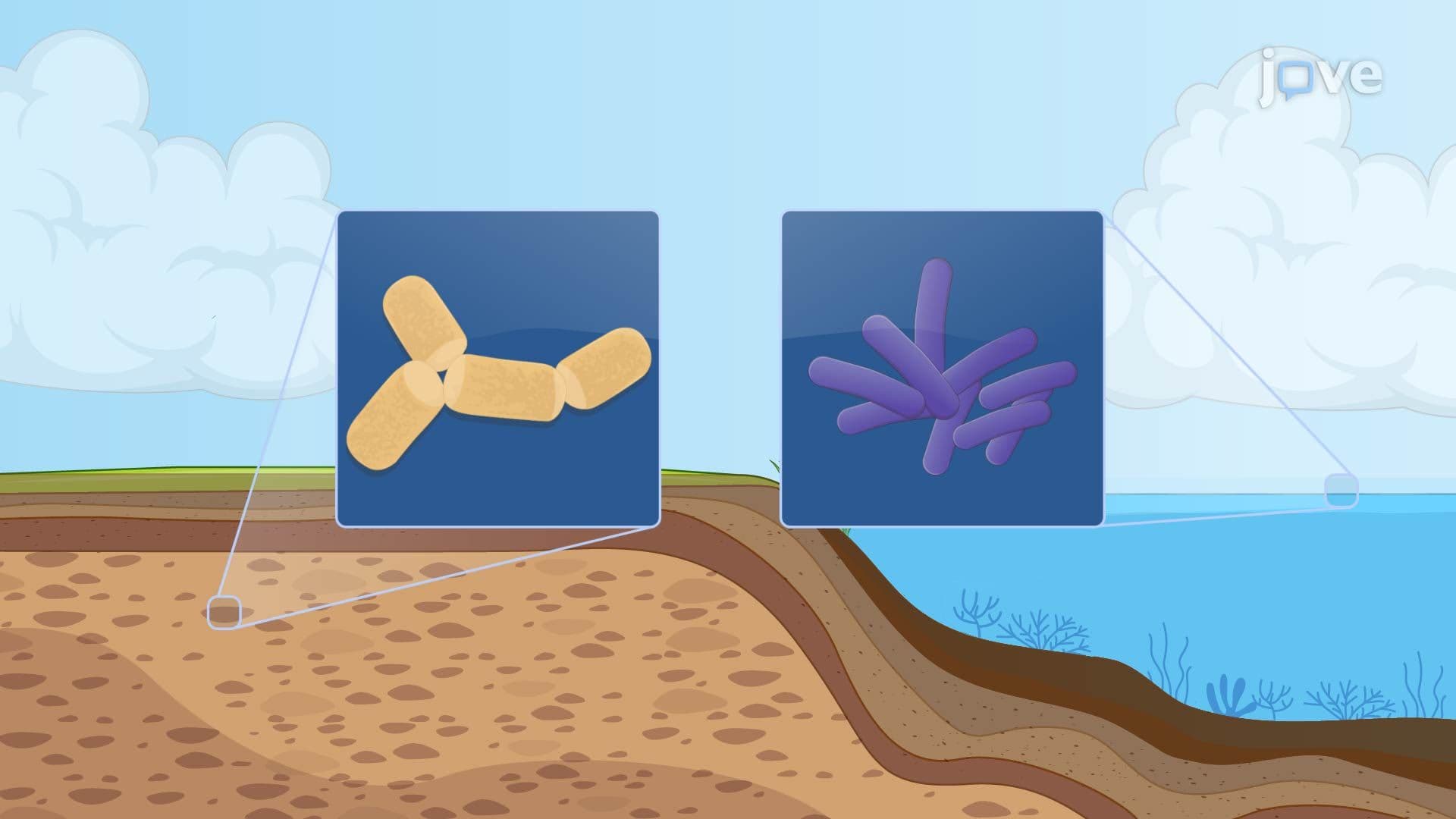

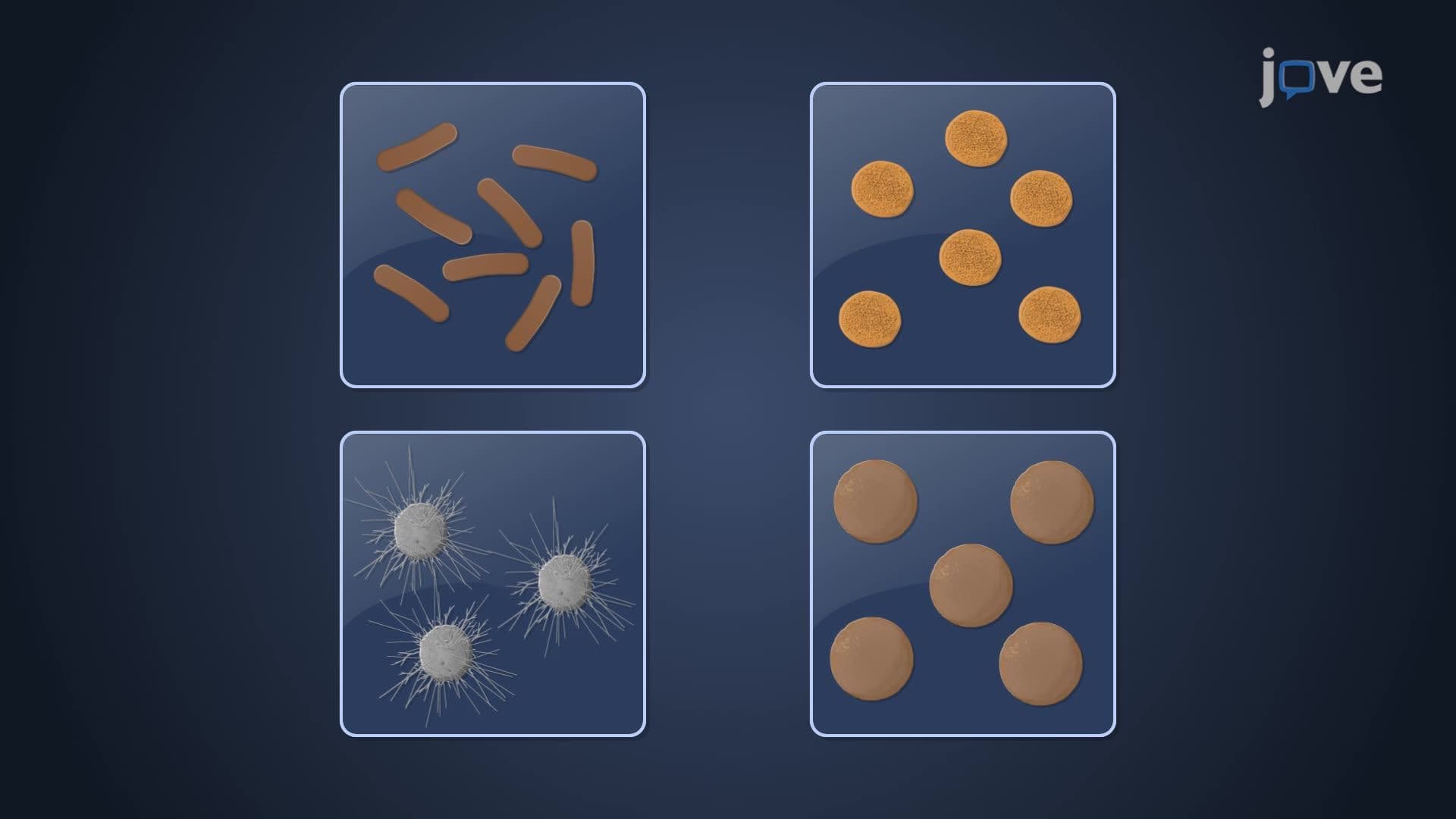
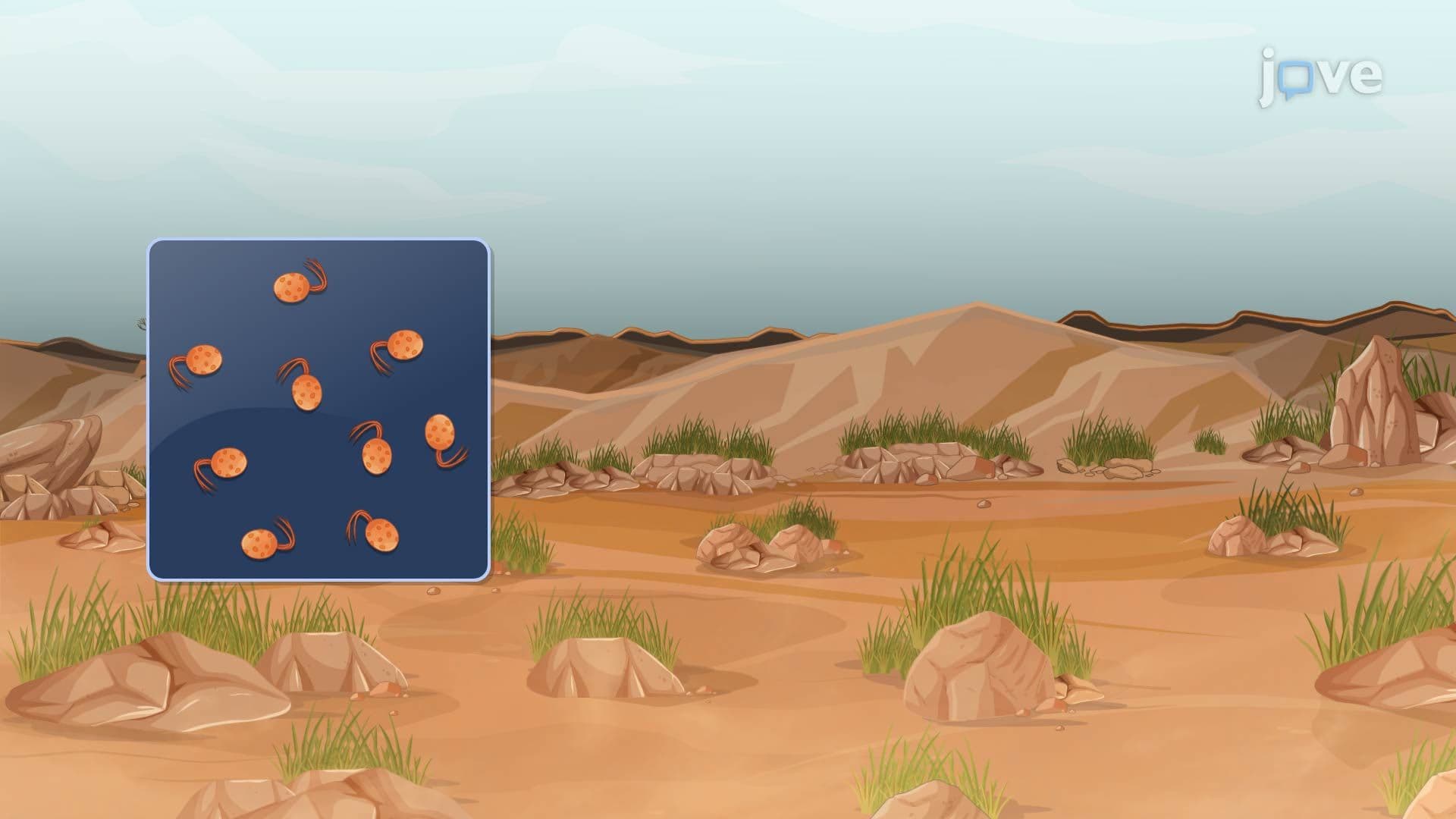
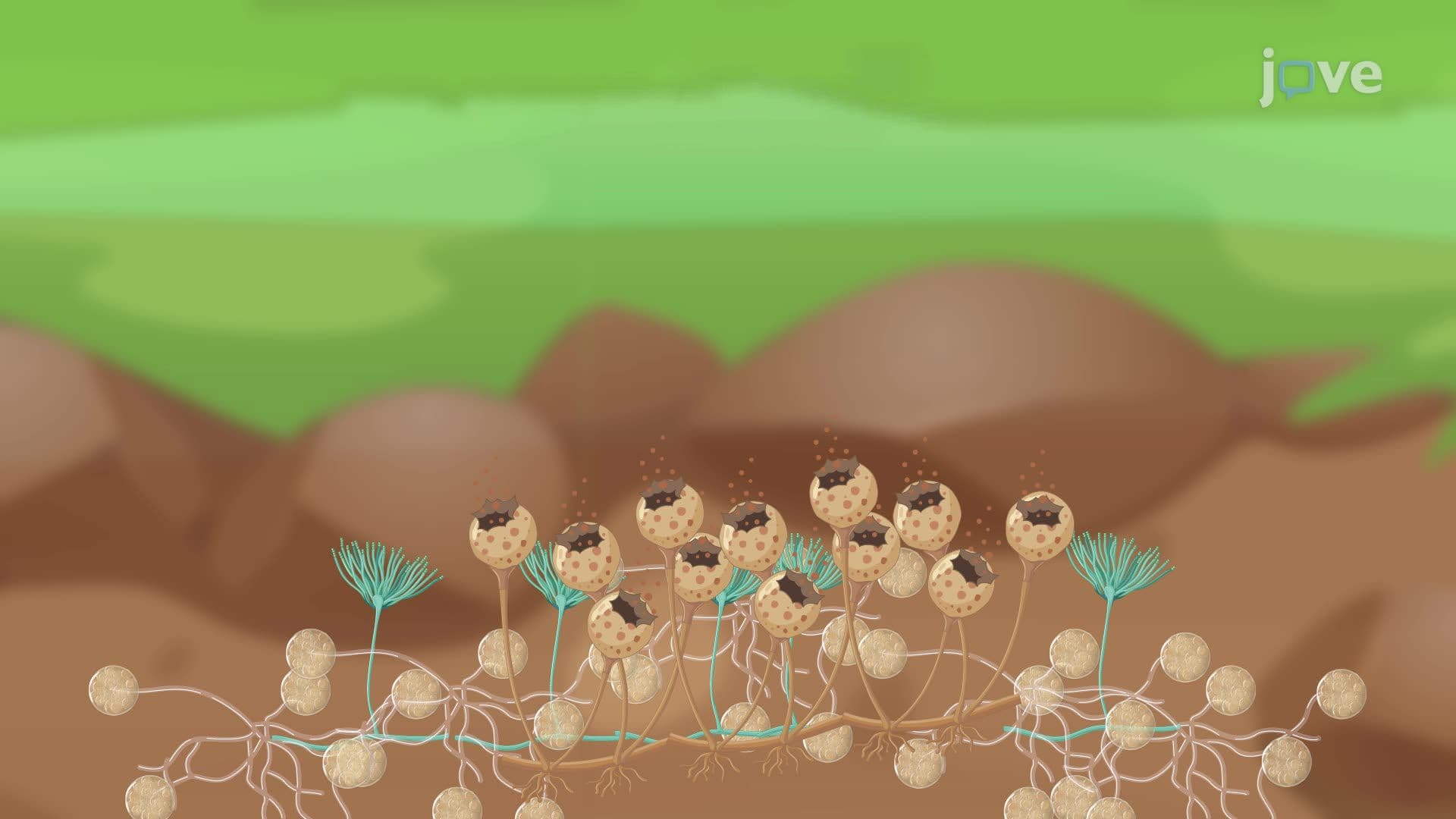
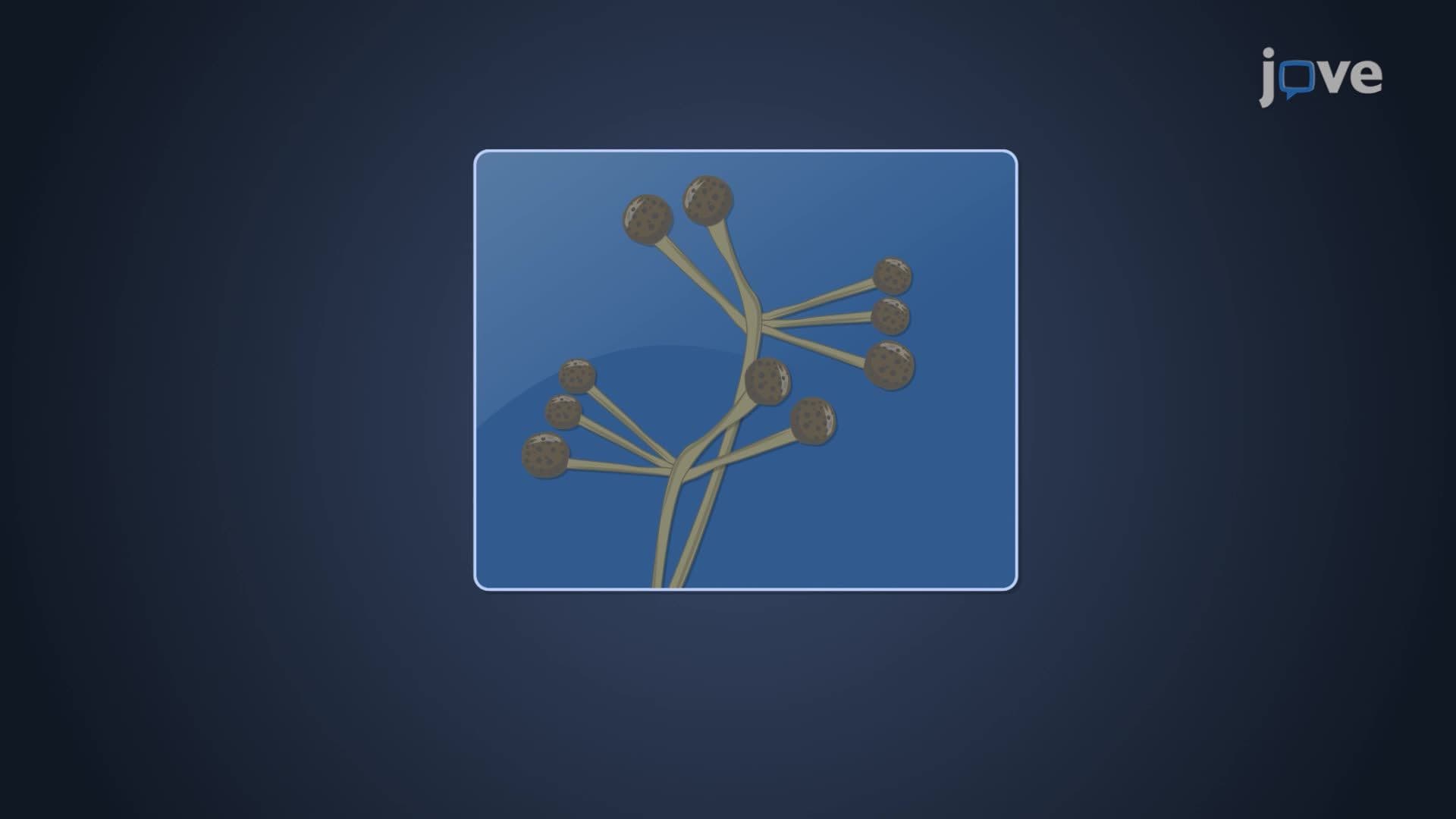
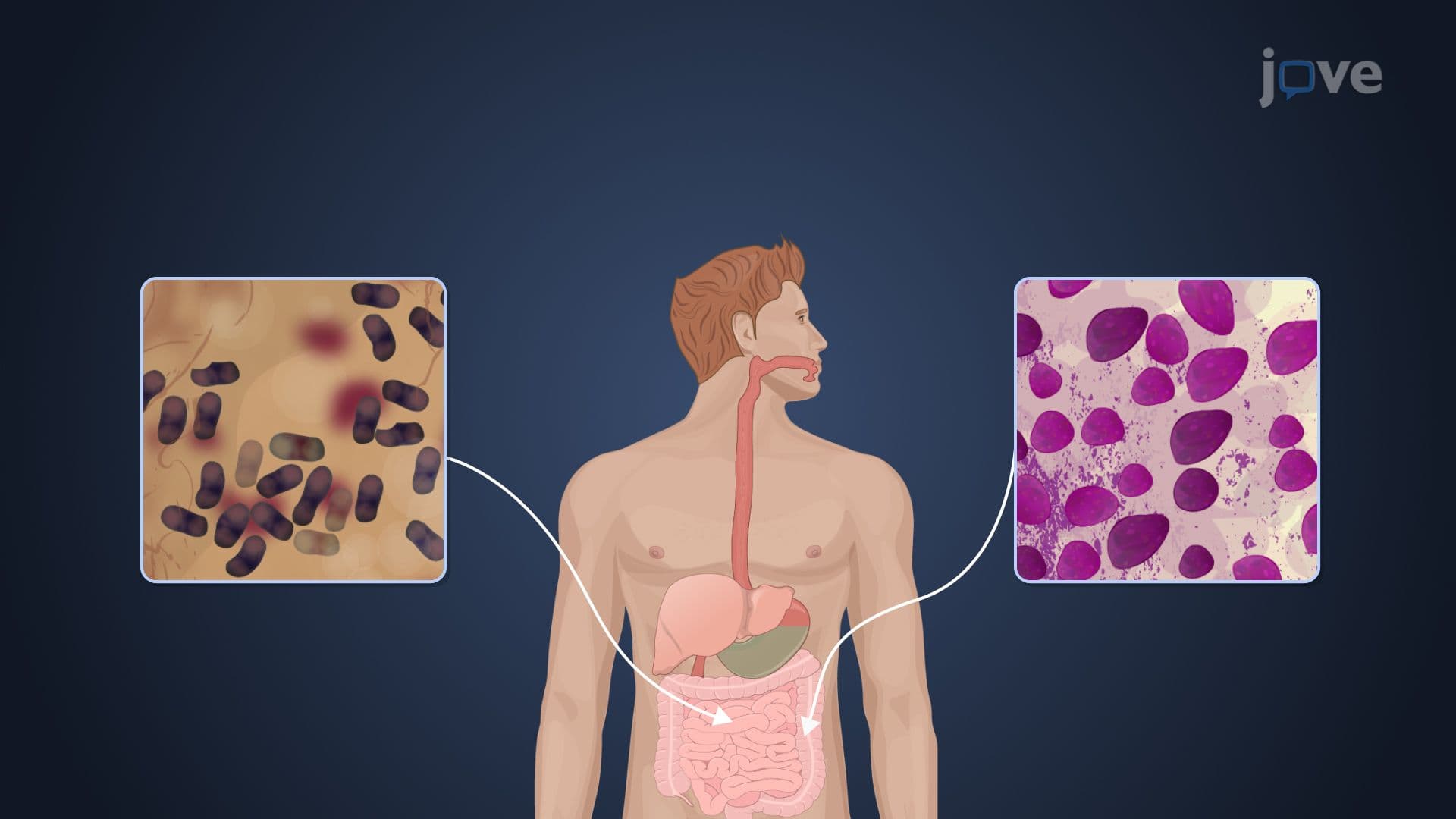
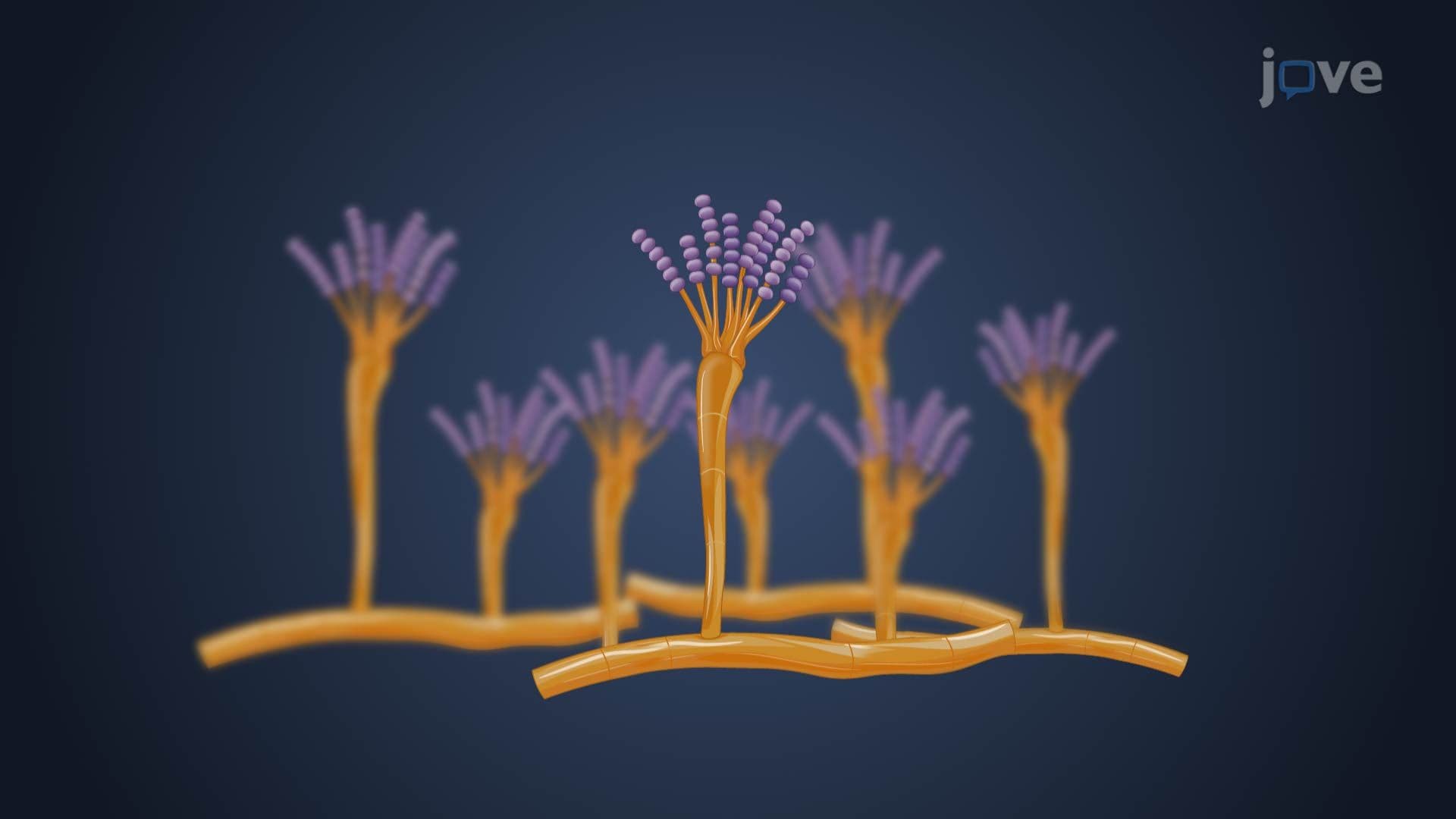


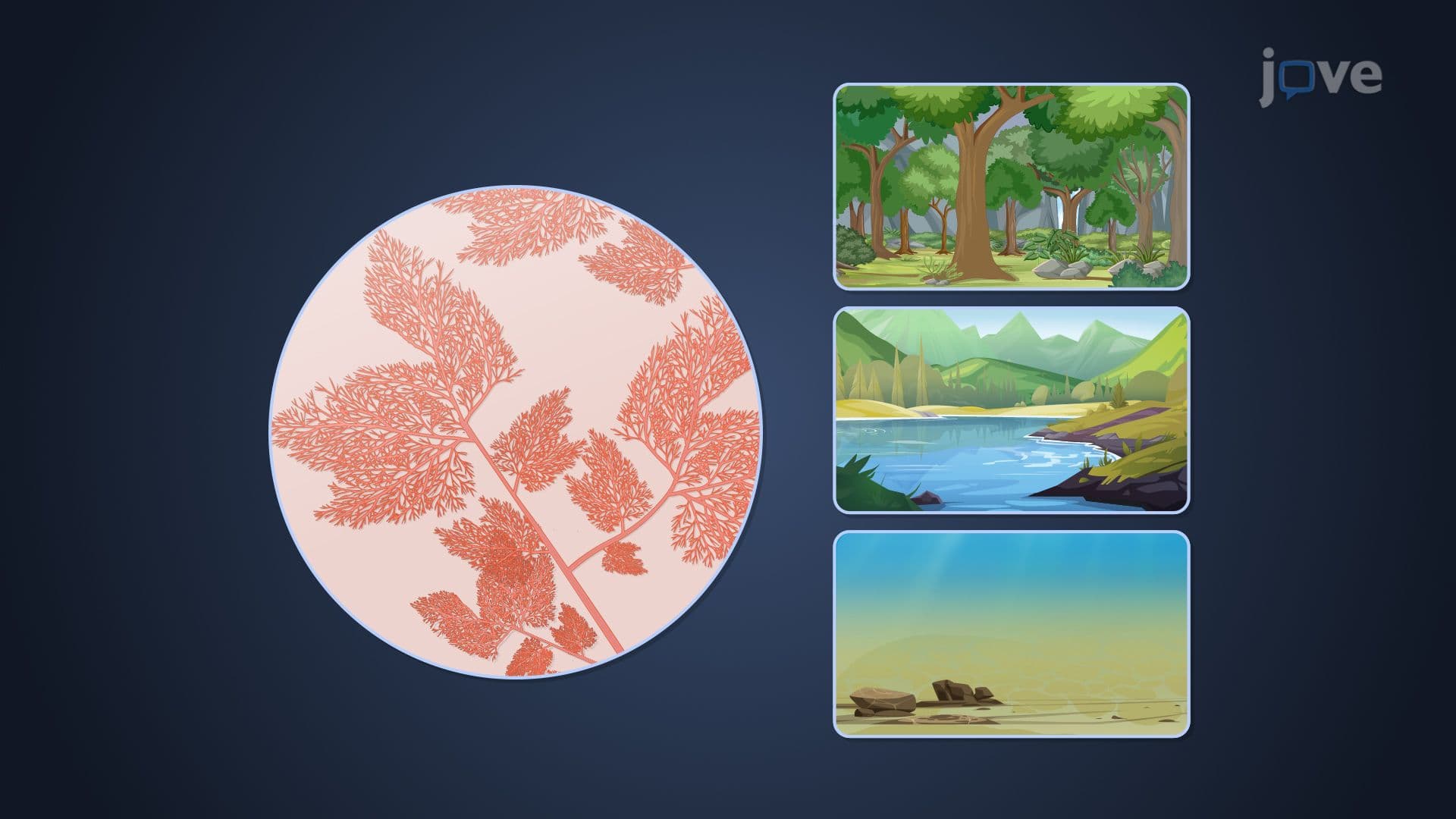
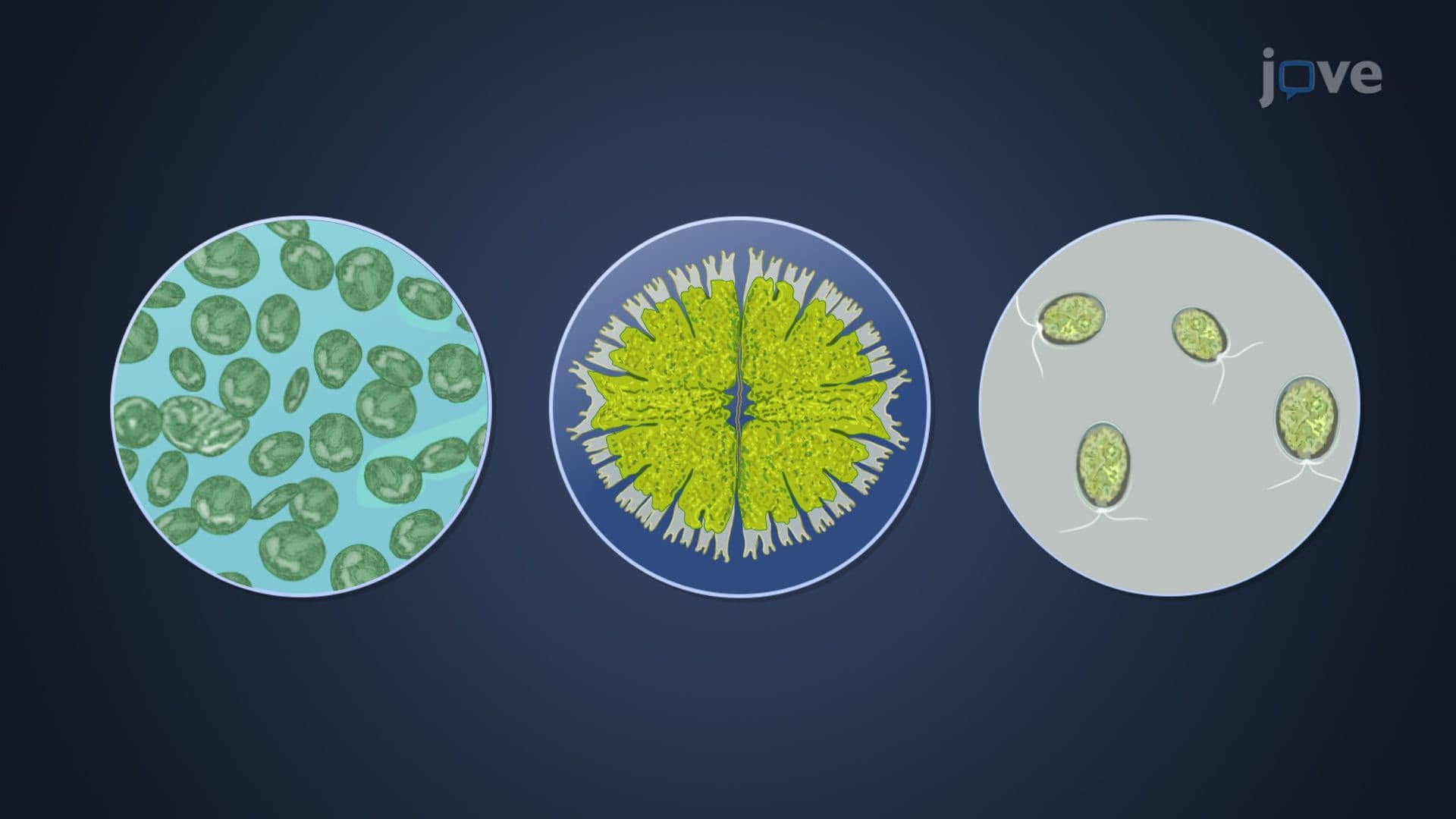
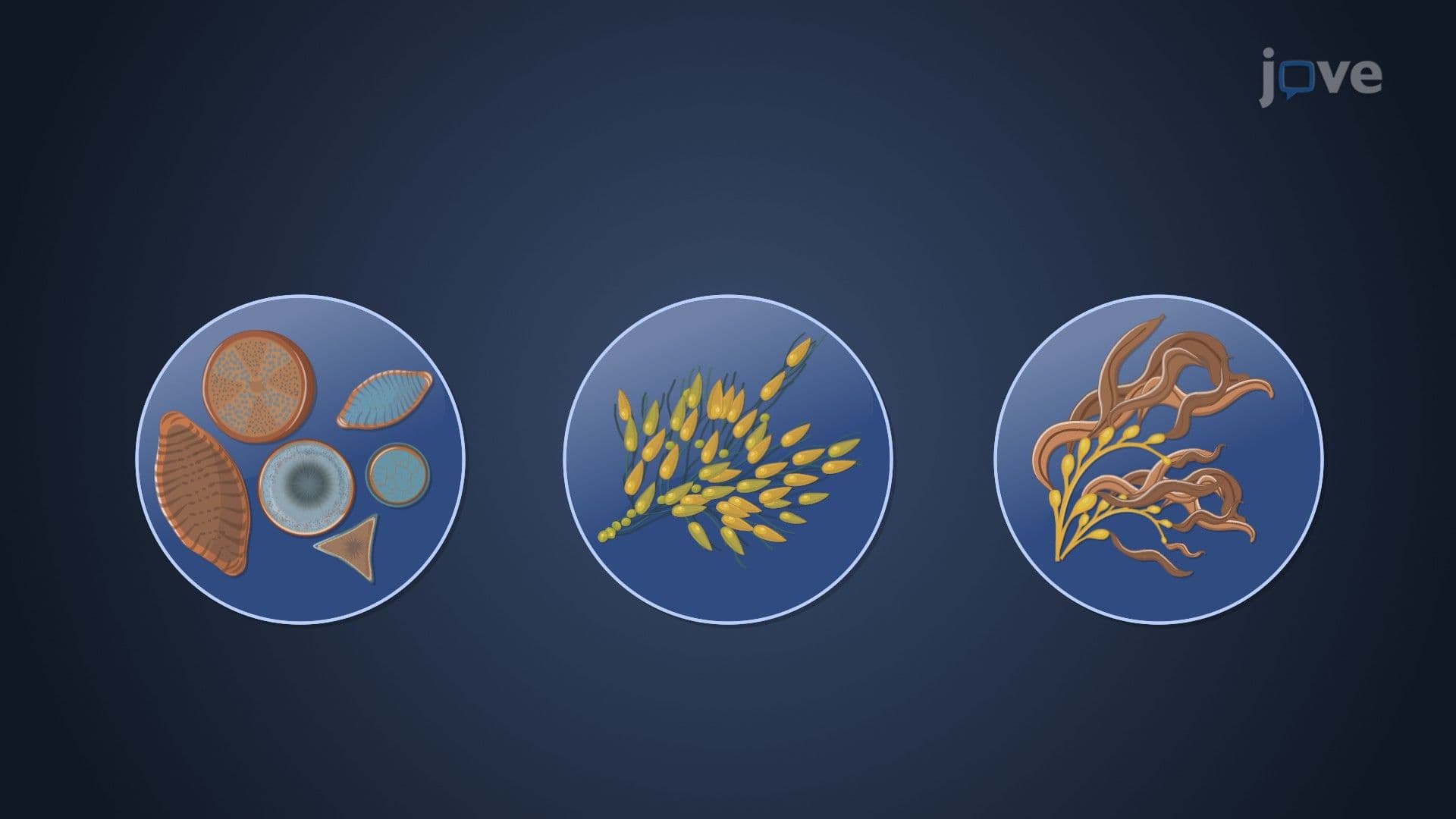
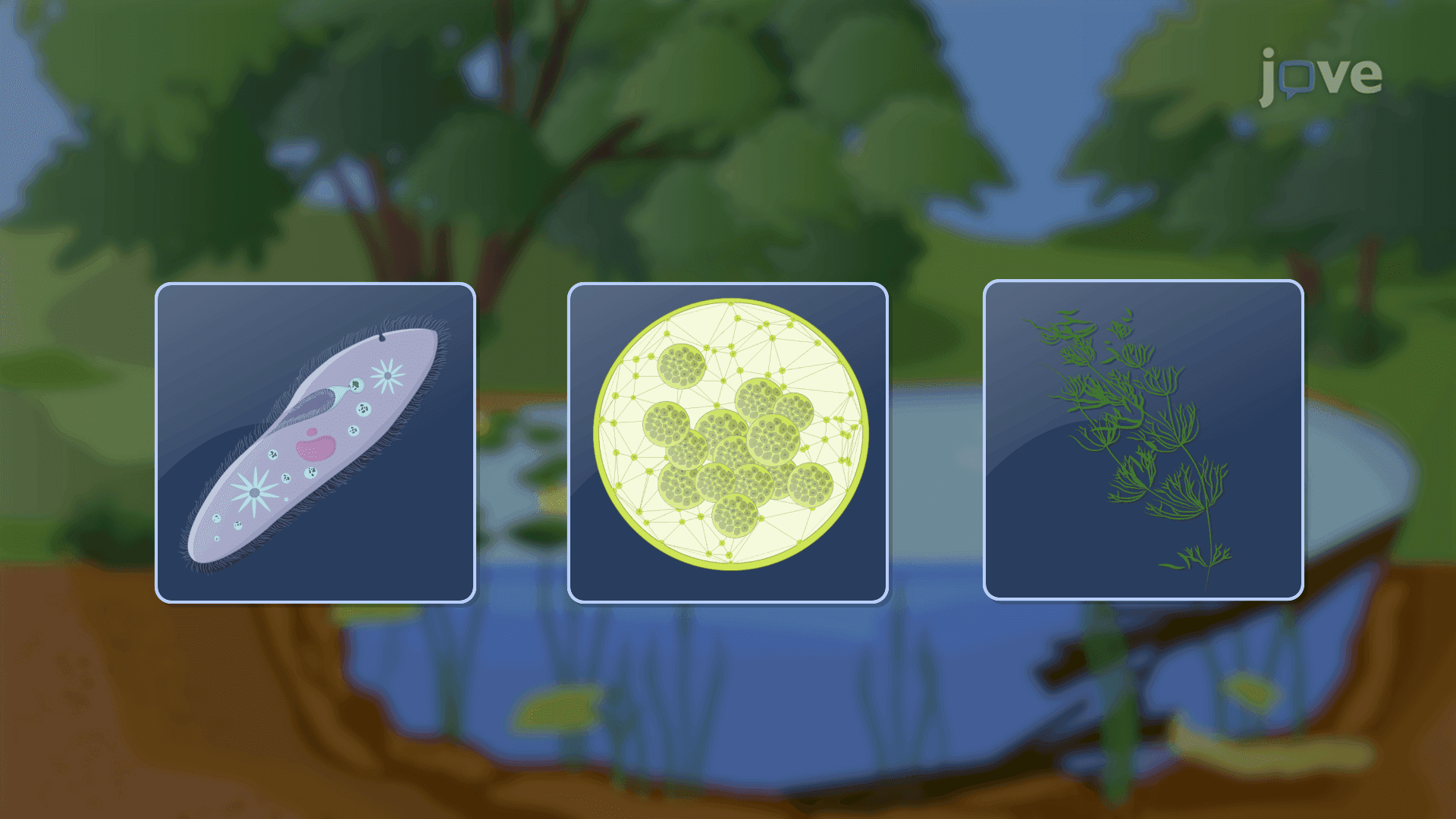
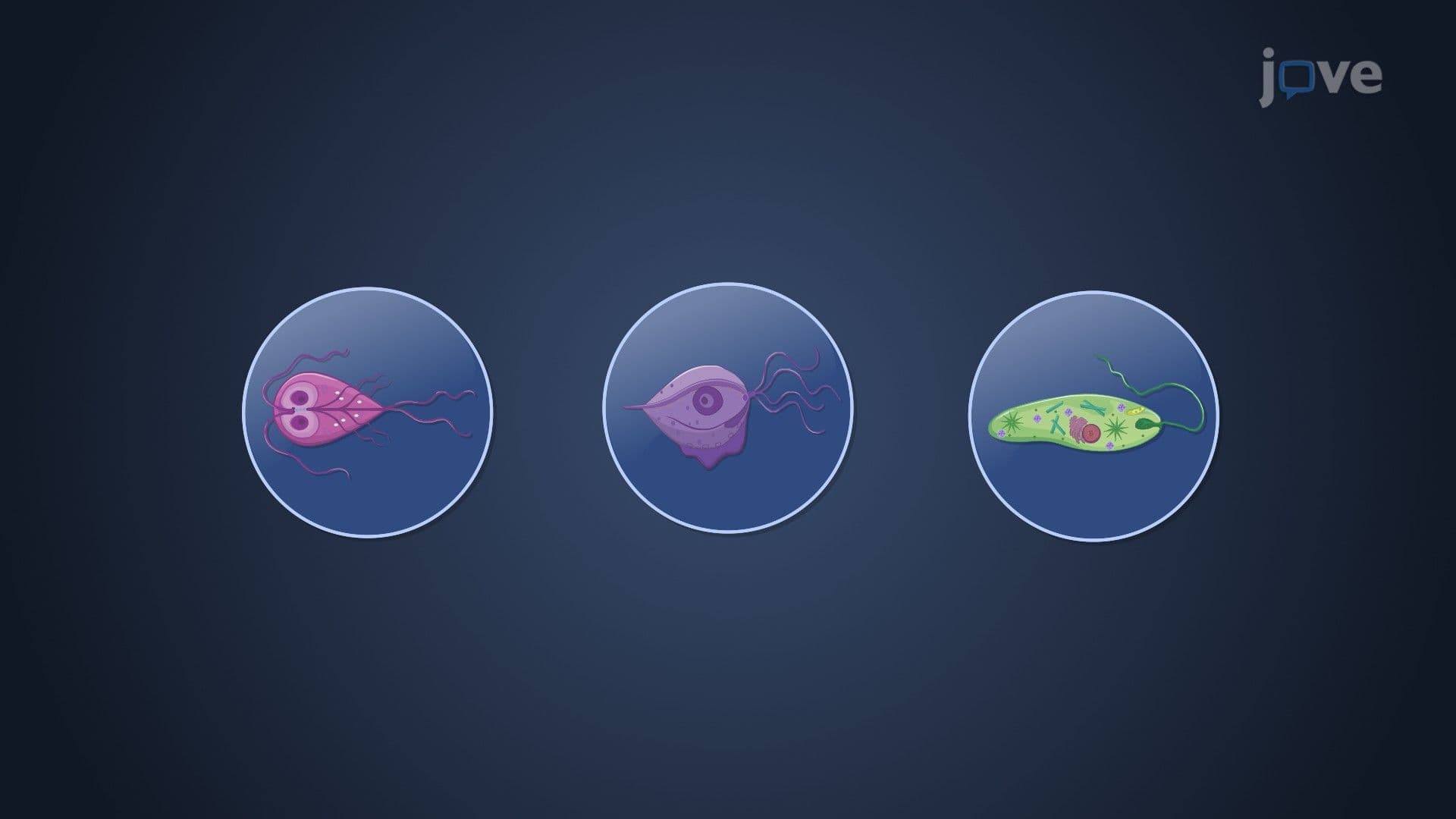
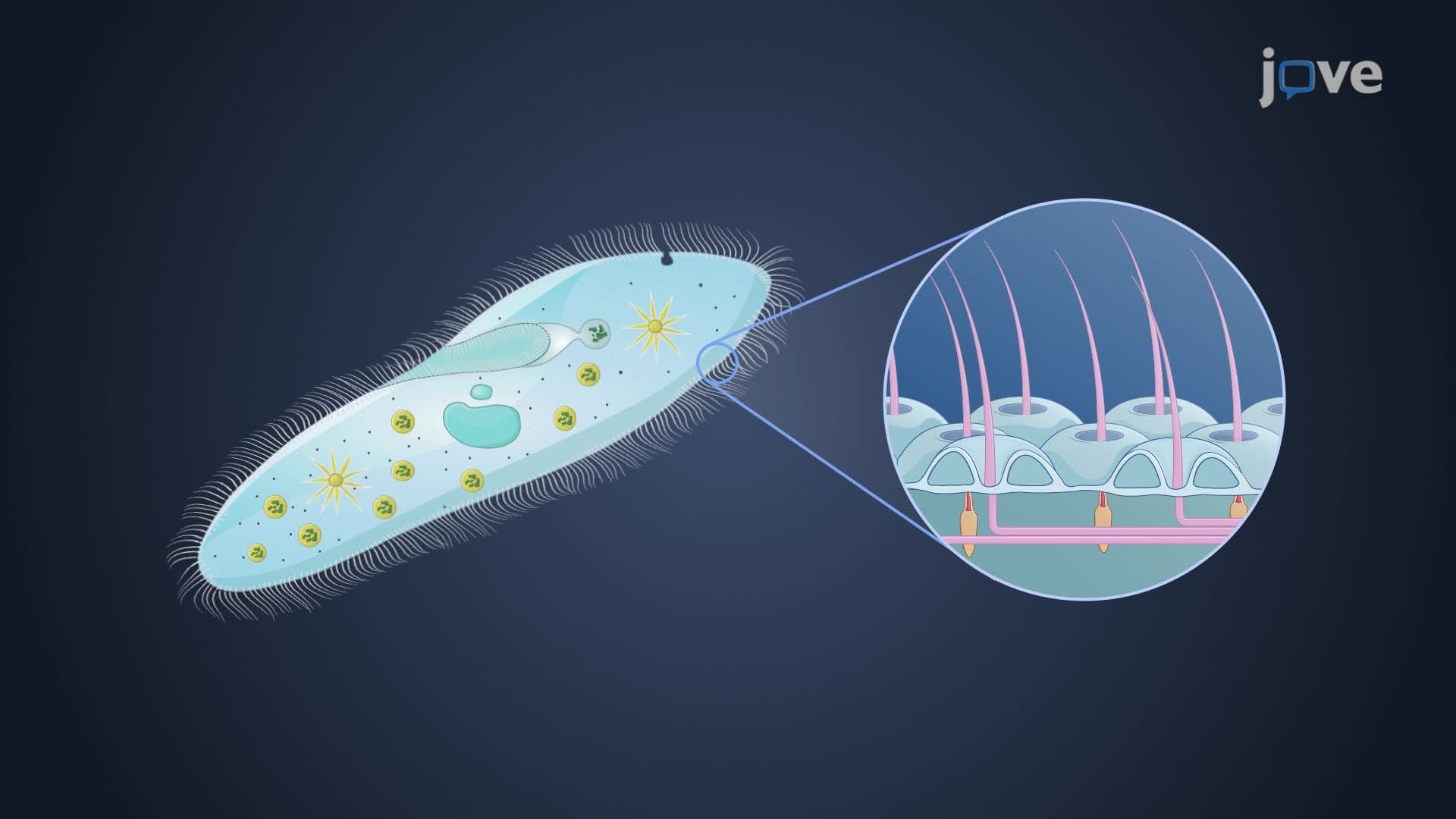
Three-Domain System of Life

00:00
01:21
Video Summary: Three Domain System of Life Explained
Did you know that every living cell on Earth-from the bacteria causing strep throat to the yeast in your kitchen bread-belongs to one of just three fundamental groups? The three domain system life classification revolutionized biology by organizing all cellular life into Bacteria, Archaea, and Eukarya based on ribosomal RNA differences. Consider how antibiotic-resistant MRSA infections in US hospitals highlight the importance of understanding bacterial domain characteristics for effective treatment strategies. Watch the full video on JoVE Coach to master this concept with expert-led visuals and step-by-step explanations.
- Understand the Three Domain System of Life Explained and how it categorizes all cellular organisms into Bacteria, Archaea, and Eukarya based on ribosomal RNA sequences
- Identify the distinguishing characteristics of each domain, including cell wall composition, cellular organization, and environmental preferences
- Analyze the evolutionary relationships between domains, tracing their common ancestry approximately 3.5 billion years ago
- Compare prokaryotic domains (Bacteria and Archaea) with the eukaryotic domain (Eukarya) in terms of cellular complexity and organization
- Evaluate how horizontal gene transfer influenced early domain evolution and continues to impact bacterial genetics today
- Apply domain classification principles to categorize unknown organisms based on their cellular and molecular characteristics
- Recognize the ecological roles of each domain, from extremophile archaea to pathogenic bacteria to multicellular eukaryotes
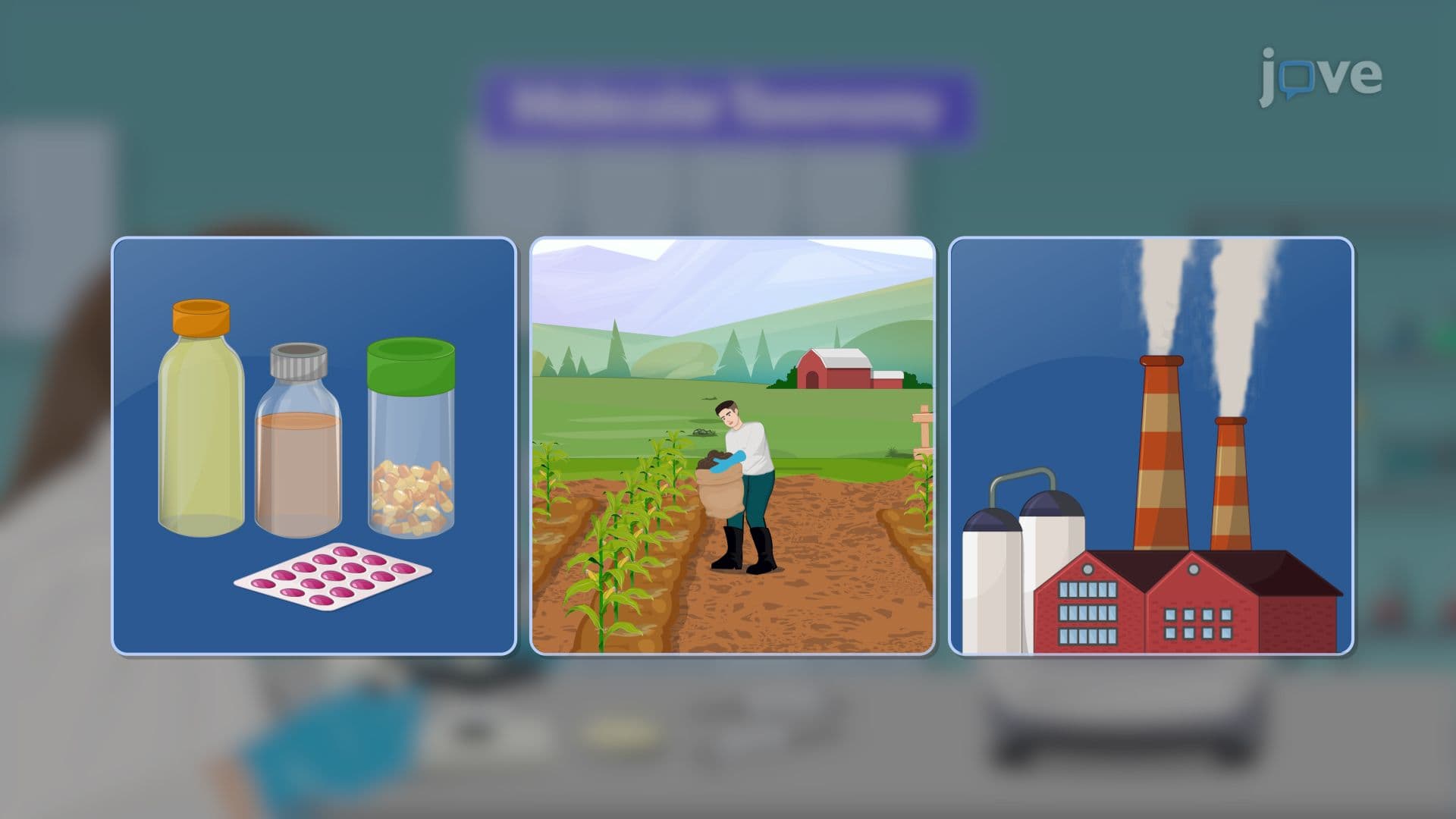
- Explore real-world applications of domain knowledge in medicine, biotechnology, and environmental science
Understanding the Three Domain System of Life Explained
The three domain system of life represents one of biology's most significant organizational frameworks, fundamentally changing how scientists classify and understand cellular life. Developed by Carl Woese in the 1970s, this system replaced the traditional prokaryote-eukaryote division by recognizing that what scientists previously called "prokaryotes" actually comprised two evolutionarily distinct groups. This classification system appears extensively on the MCAT Biology section and forms a cornerstone of AP Biology curriculum standards.
Domain Bacteria: The Familiar Prokaryotes
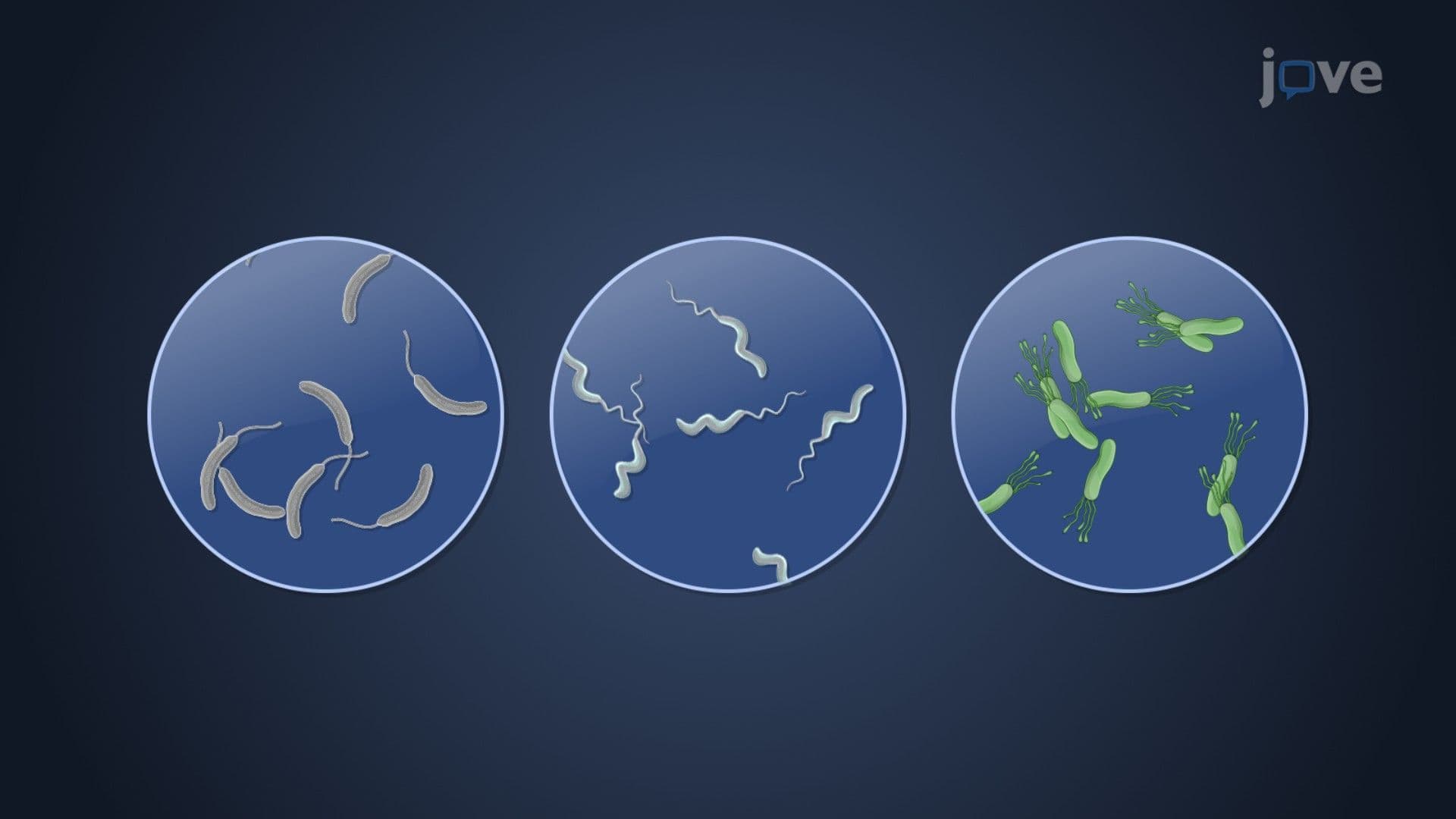
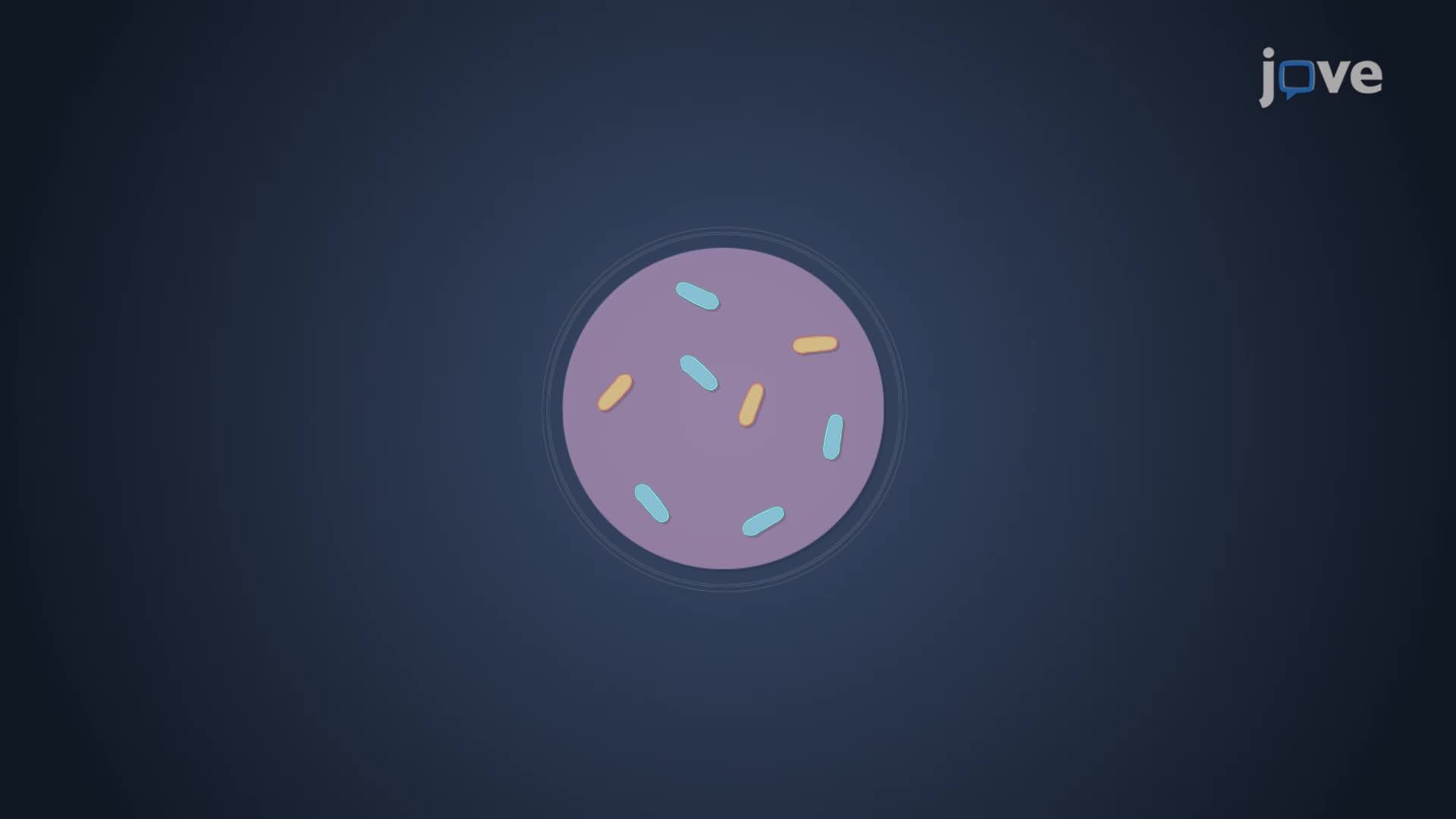
Domain Bacteria encompasses the prokaryotes most familiar to students and healthcare professionals. These organisms possess peptidoglycan in their cell walls, a critical distinguishing feature that makes them susceptible to antibiotics like penicillin, which targets peptidoglycan synthesis. US medical students studying for the USMLE Step 1 must master bacterial classification, as pathogenic bacteria cause significant diseases including tuberculosis, pneumonia, and foodborne illnesses that affect millions of Americans annually. The domain also includes beneficial bacteria like *Lactobacillus* species used in yogurt production and *Rhizobium* species that fix nitrogen in agricultural soils across the Midwest.
Domain Archaea: The Extremophile Prokaryotes
Archaea represent perhaps the most fascinating domain, comprising prokaryotes that lack peptidoglycan cell walls and often inhabit extreme environments. Methanogens produce methane in environments like landfills and cattle digestive systems, contributing to greenhouse gas emissions that concern US environmental agencies. Extreme halophiles thrive in salt-rich environments like Utah's Great Salt Lake, while hyperthermophiles flourish in Yellowstone's hot springs, where temperatures exceed 80°C. These organisms' unique biochemistry has revolutionized biotechnology, with heat-stable enzymes from hyperthermophiles enabling PCR techniques used in COVID-19 testing across US laboratories.
Domain Eukarya: Complex Cellular Organization
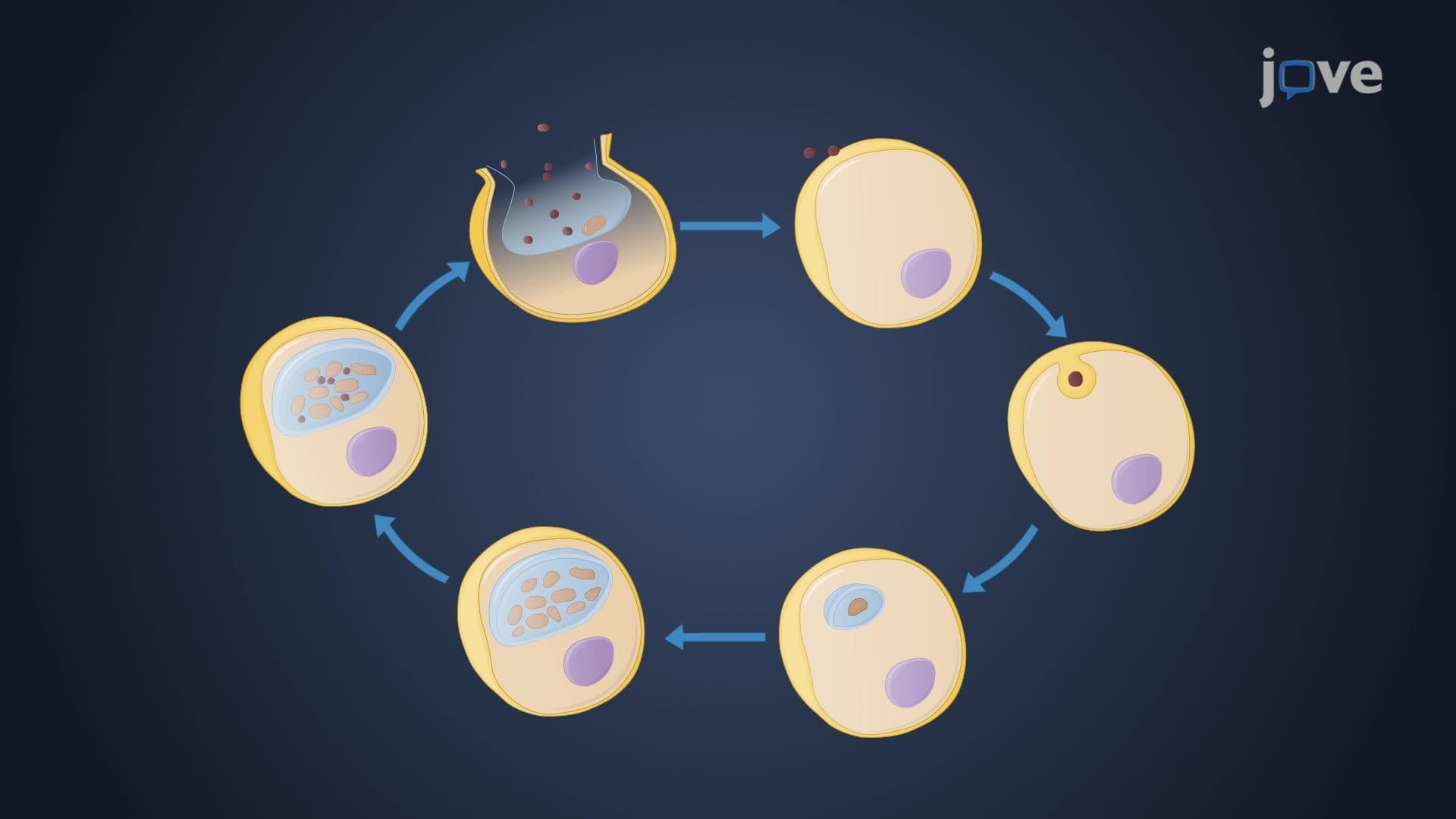
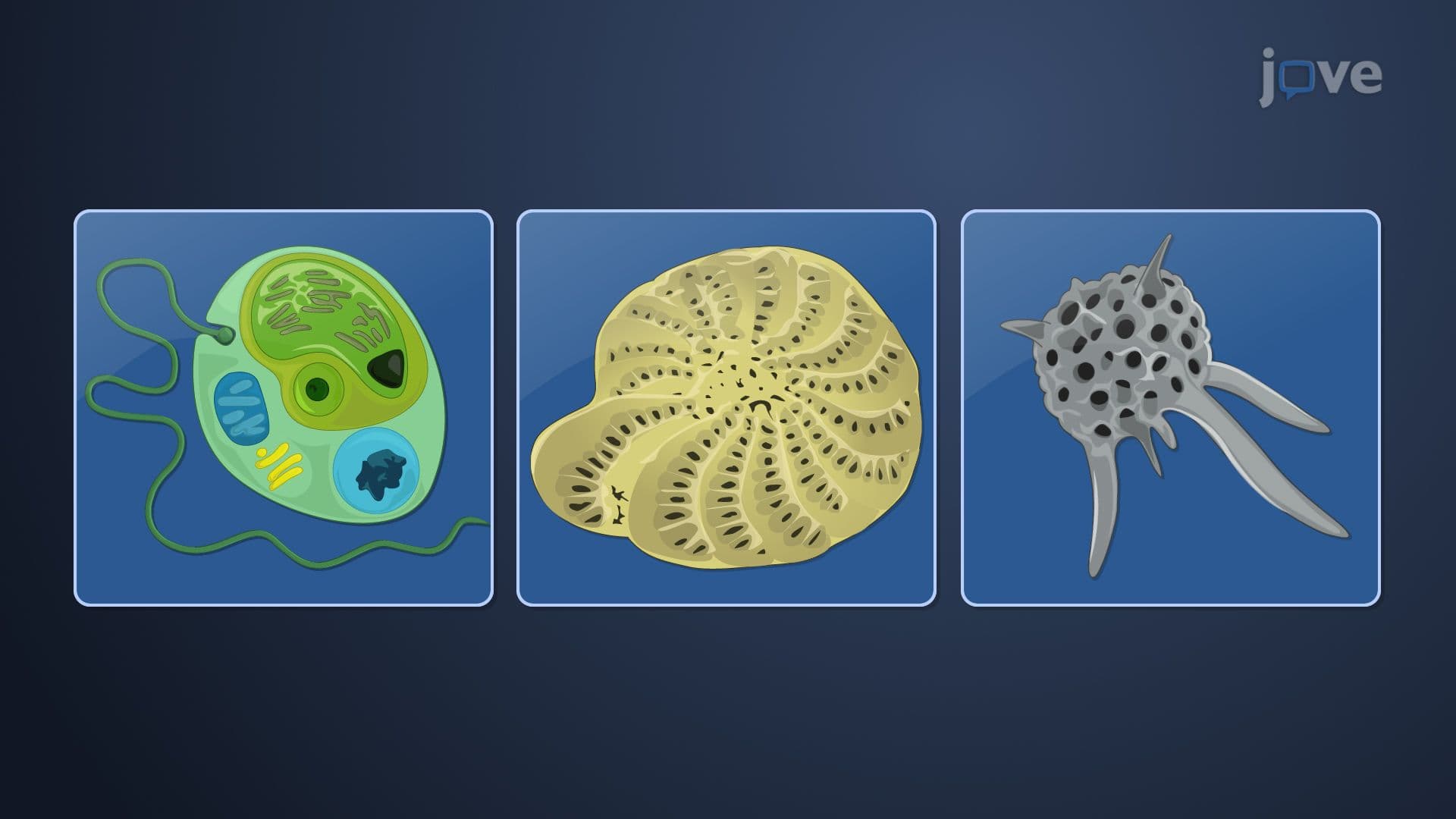
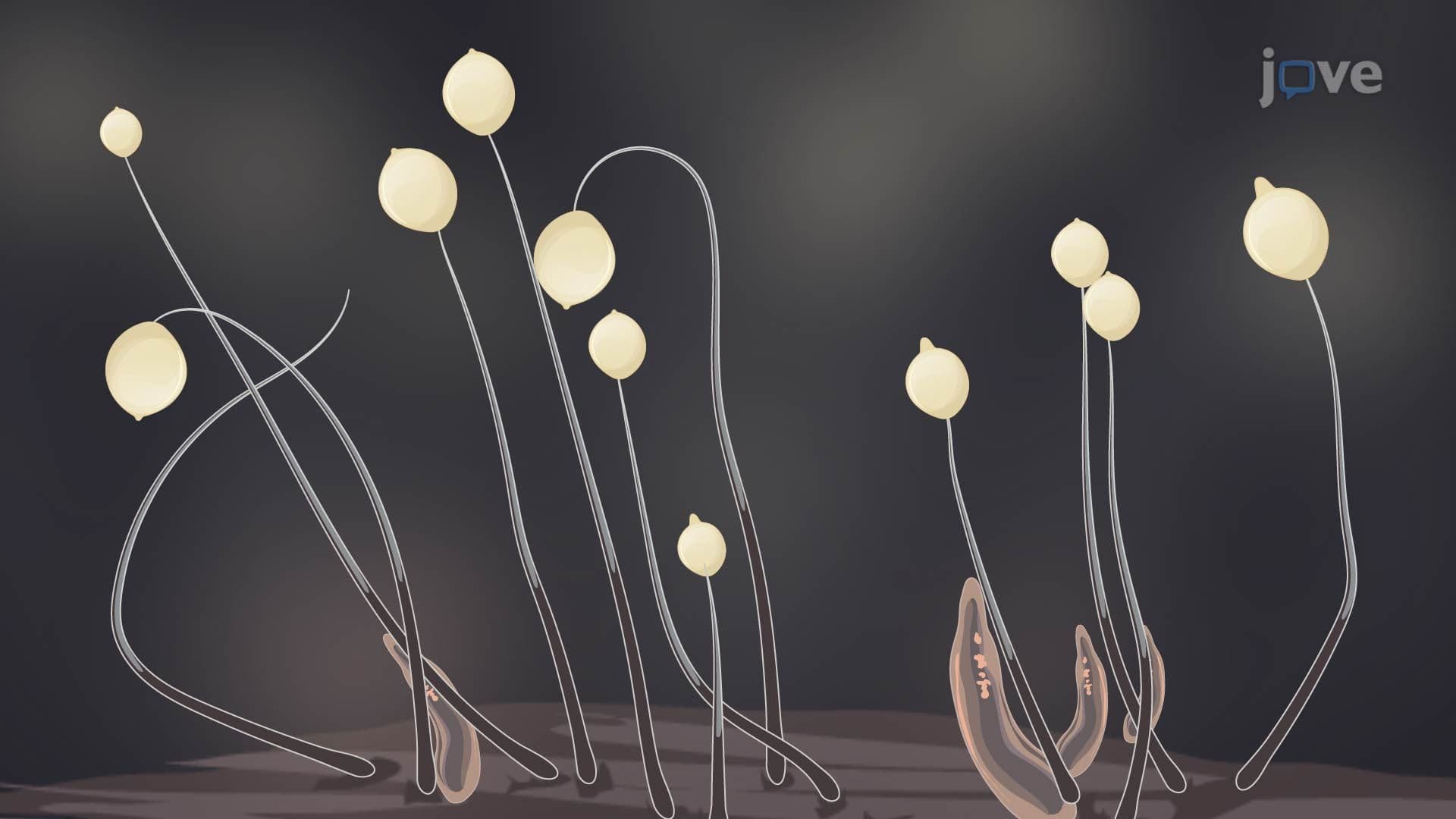
The eukaryotic domain encompasses all nucleated organisms, from microscopic protozoans to complex multicellular organisms like humans. This domain's defining feature-membrane-bound organelles including the nucleus-enables compartmentalization that supports complex cellular processes. College genetics courses emphasize how eukaryotic cellular organization allows for sophisticated gene regulation mechanisms absent in prokaryotic domains. Understanding eukaryotic cell biology proves essential for nursing students preparing for the NCLEX-RN, particularly when studying human physiology and disease processes.
Frequently Asked Questions
The three domain system of life is a biological classification framework that organizes all cellular organisms into three fundamental groups: Bacteria, Archaea, and Eukarya, based on ribosomal RNA sequence differences. This system revolutionized biology by revealing that life's diversity stems from three distinct evolutionary lineages, not just the traditional prokaryote-eukaryote division. It's crucial for understanding evolutionary relationships, antibiotic mechanisms, and biotechnology applications.
The three domain system frequently appears on both MCAT and AP Biology exams through questions about evolutionary relationships, cellular organization, and organism classification. MCAT questions often connect domain characteristics to antibiotic resistance mechanisms or biotechnology applications. AP Biology exams typically test domain-specific features and evolutionary evidence supporting the three-domain model, particularly molecular data from ribosomal RNA comparisons.
College microbiology exams challenge students to distinguish between domains based on multiple criteria including cell wall composition, genetic organization, and metabolic pathways. Students often confuse Bacteria and Archaea since both are prokaryotic, but mastering the peptidoglycan difference and environmental preferences helps. Understanding horizontal gene transfer between domains adds complexity but explains antibiotic resistance patterns crucial for pre-med students.
Healthcare professionals use domain knowledge daily when prescribing antibiotics, which target bacterial peptidoglycan but don't affect human eukaryotic cells or archaeal pathogens. Understanding why antibiotics work against bacteria but not viruses or fungi prevents inappropriate prescribing that contributes to antibiotic resistance. This knowledge proves essential for infection control in US hospitals and clinical decision-making.
Basic high school chemistry sufficiently supports understanding the three domain system concept. While ribosomal RNA sequencing involves complex molecular techniques, grasping the fundamental principle-that genetic similarities reveal evolutionary relationships-requires only introductory biology knowledge. Focus on memorizing domain characteristics rather than detailed molecular mechanisms for most high school and introductory college courses.
Create comparison charts highlighting each domain's key features: cell wall composition, cellular organization, and typical environments. Use mnemonics like "Bacteria Build peptidoglycan Barriers" and "Archaea Avoid peptidoglycan, Adore extremes." Practice with flashcards covering specific examples from each domain, and connect characteristics to real-world applications like antibiotic mechanisms or biotechnology uses that frequently appear on standardized exams.
Build upon domain knowledge by exploring phylogenetic trees and molecular evolution, which explain how scientists determine evolutionary relationships between organisms. Study antibiotic mechanisms and resistance patterns, particularly relevant for pre-health students. Investigate extremophile adaptations and their biotechnology applications, connecting to enzyme function and protein structure concepts essential for advanced biology courses.
Related Micro-courses
10 Concepts

11 Concepts

13 Concepts