Loading subject page…

13,350 views

Video Summary: What are Applications of Molecular Taxonomy
Did you know that DNA fingerprinting once helped trace a hospital infection outbreak to a single nurse? Applications molecular taxonomy revolutionizes how scientists identify and classify microorganisms, going far beyond traditional visual methods. This powerful approach helped distinguish deadly E. coli O157:H7 from harmless laboratory strains, preventing countless foodborne illness cases across the United States. What are applications of molecular taxonomy in solving real-world biological mysteries? Watch the full video on JoVE Coach to master this concept with expert-led visuals and step-by-step explanations.
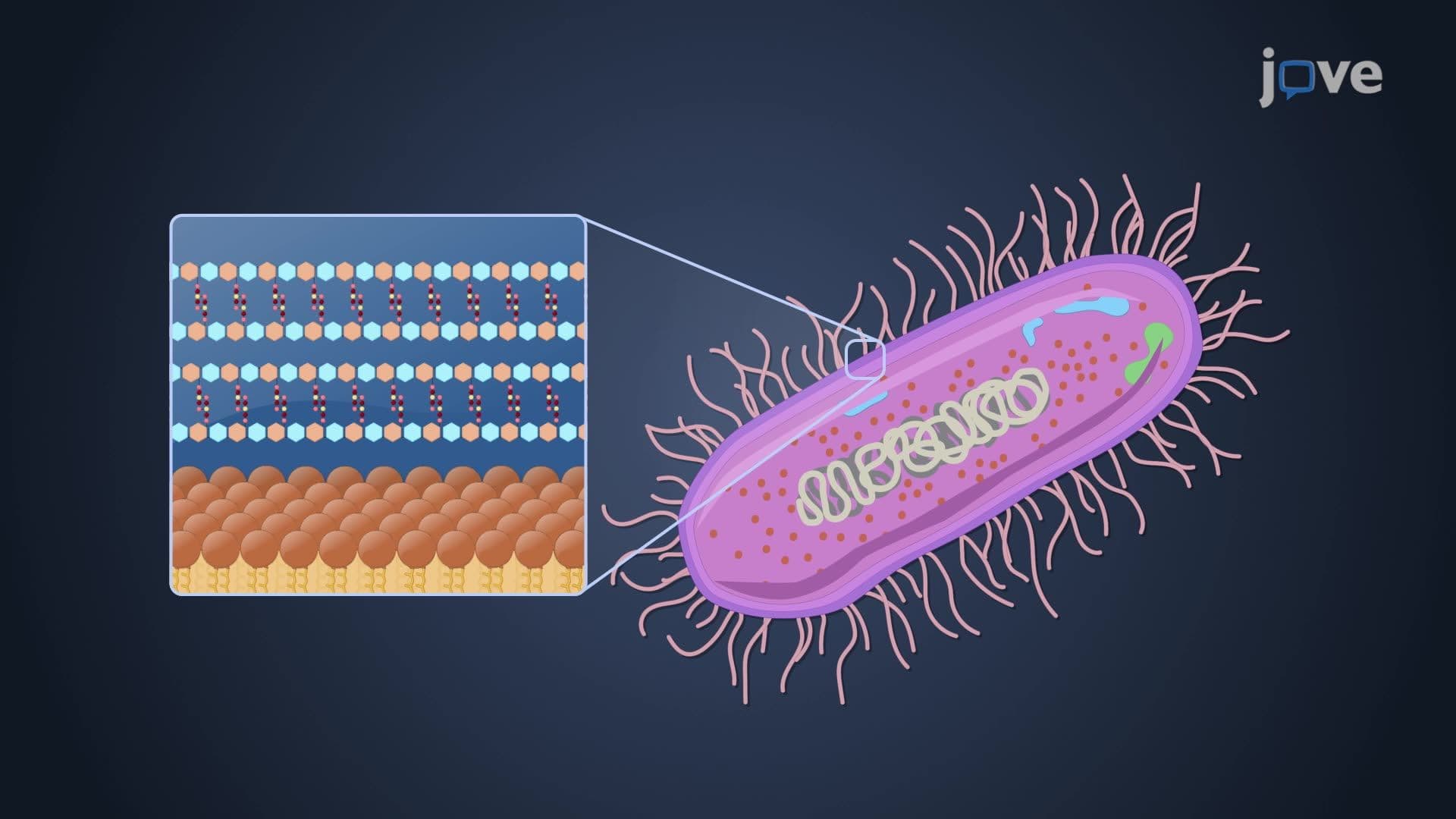
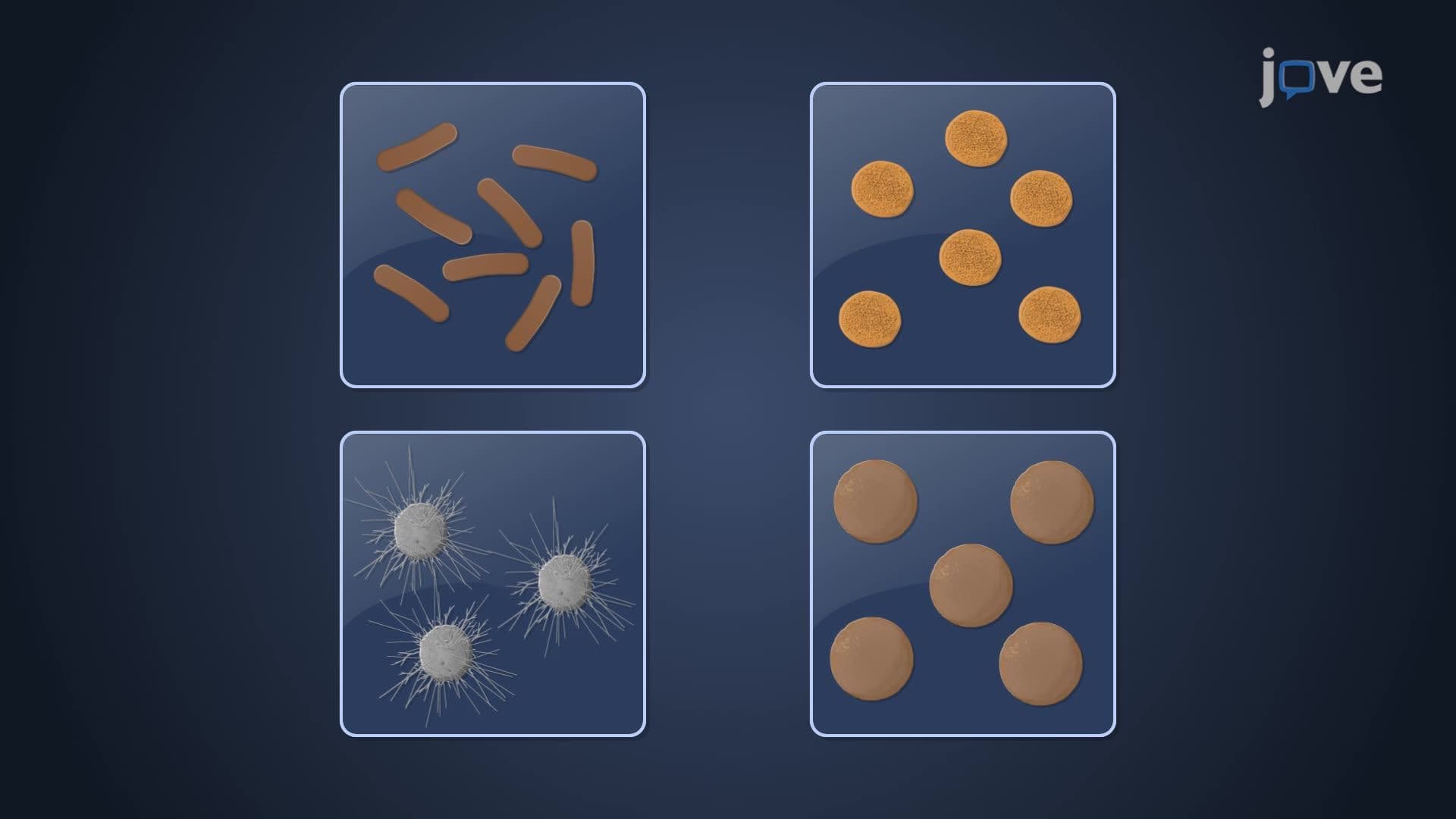
Applications molecular taxonomy represents a revolutionary approach to biological classification that uses DNA, RNA, and protein sequences to identify and categorize organisms. Unlike traditional taxonomy that relies on observable physical characteristics, molecular taxonomy examines genetic material to reveal evolutionary relationships and species boundaries with unprecedented accuracy. This field has transformed how scientists approach species identification, particularly in microbiology where morphological differences may be minimal or misleading.
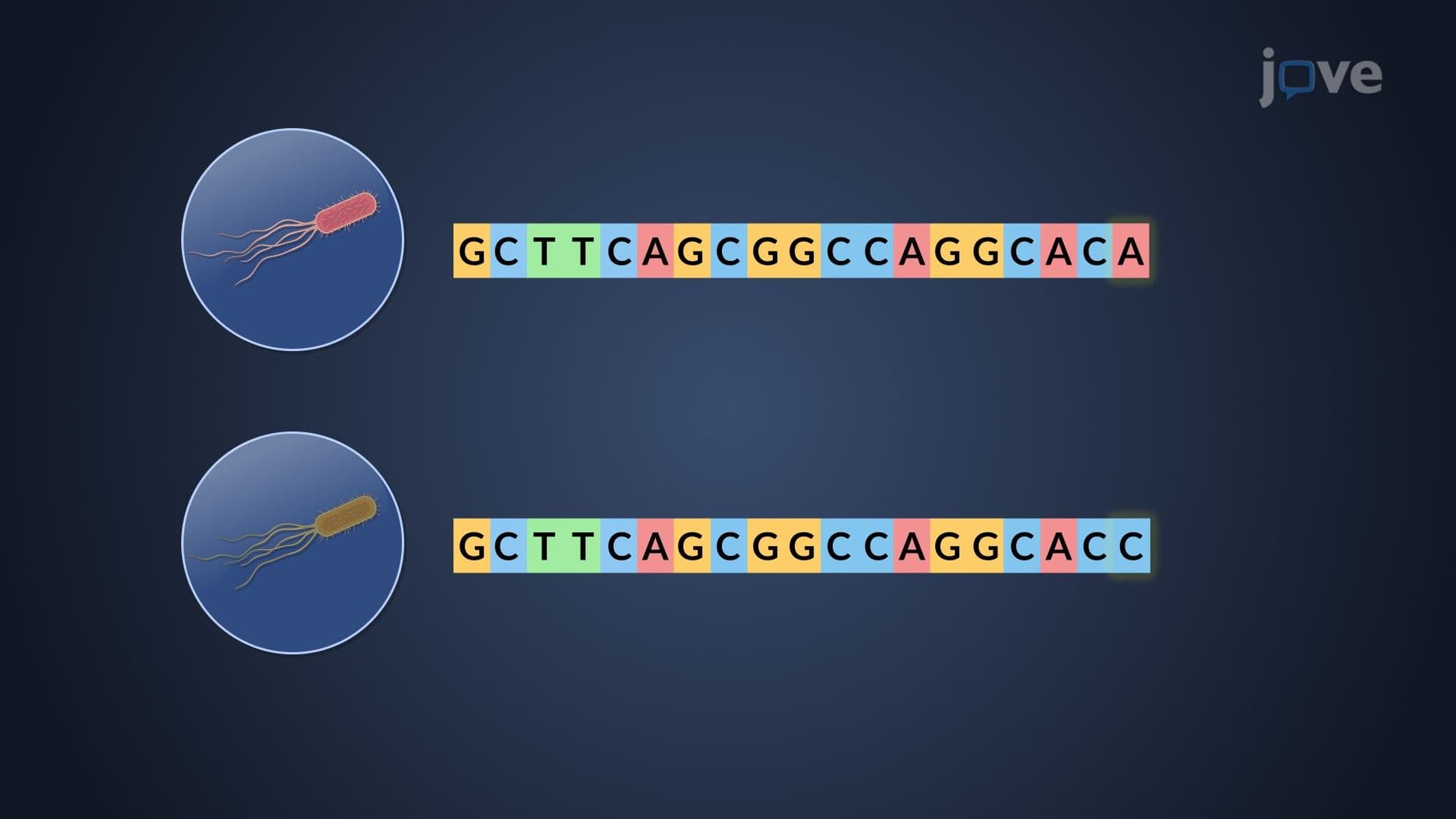
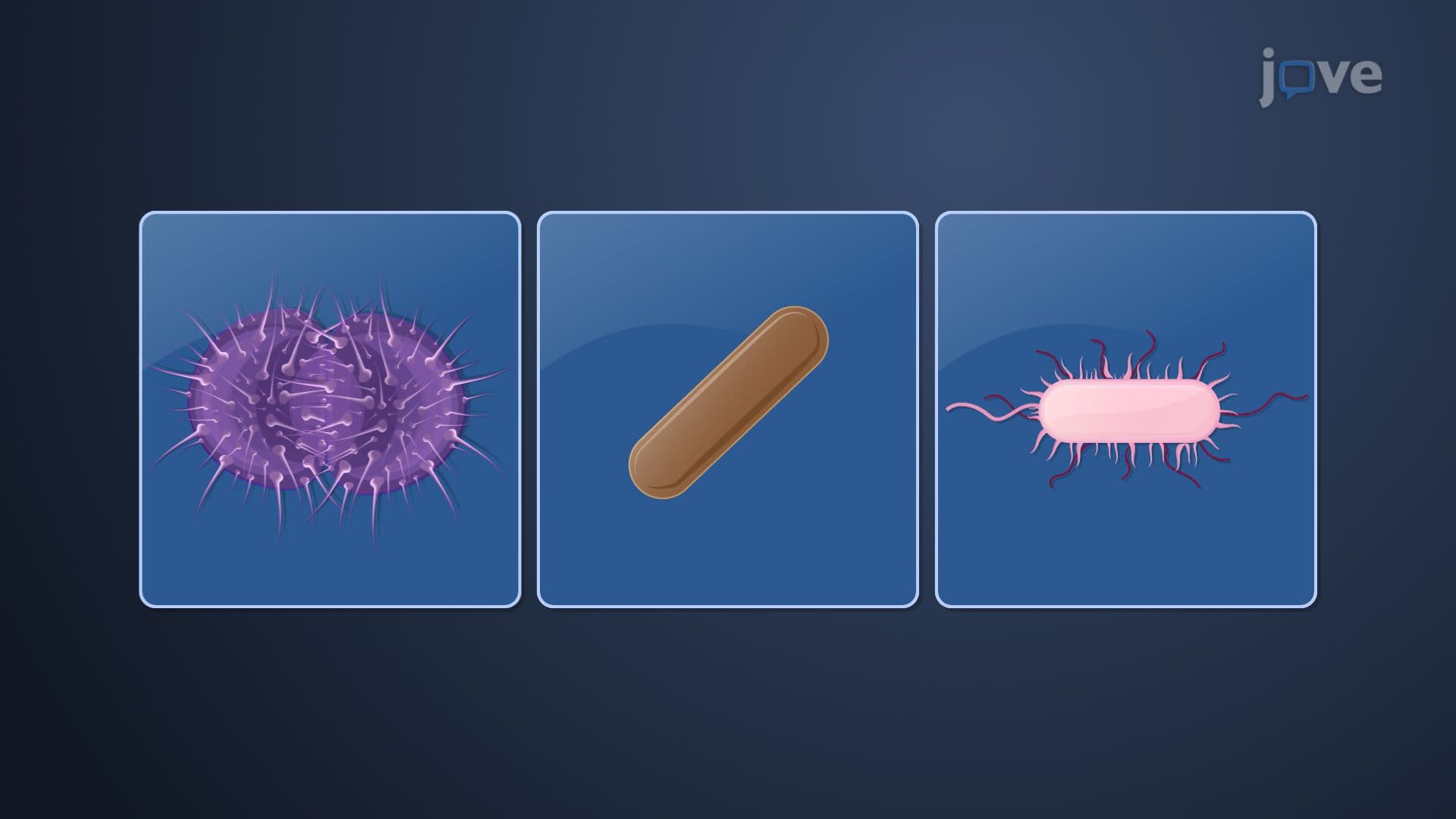
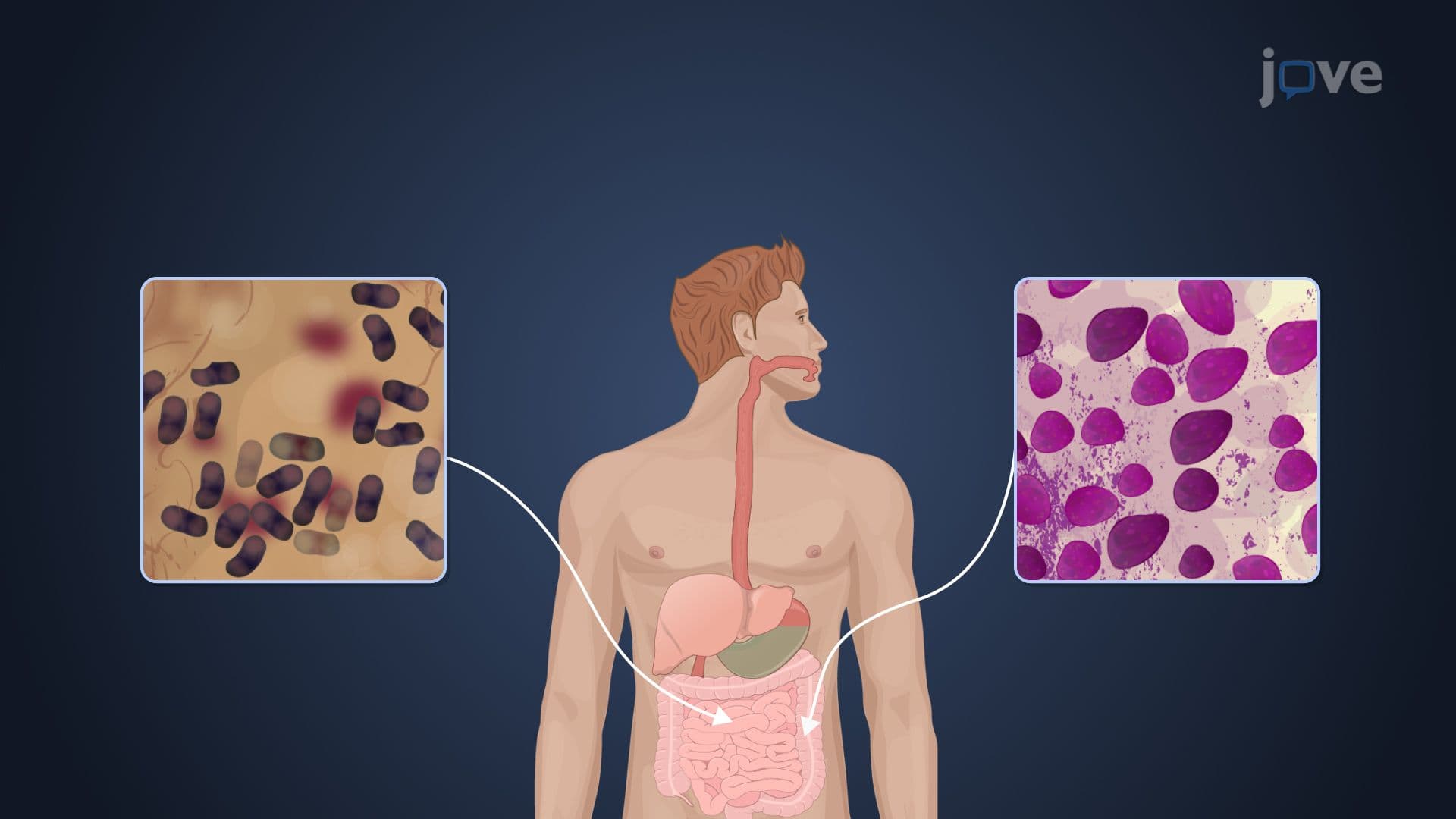
In clinical settings, applications of molecular taxonomy definition explained centers on distinguishing pathogenic organisms from harmless relatives. The technique proved invaluable when differentiating Escherichia coli O157:H7, responsible for severe food poisoning outbreaks across the United States, from laboratory strain E. coli K-12. Traditional identification methods often failed to make this critical distinction, but molecular approaches like multilocus sequence typing (MLST) examine multiple gene sequences simultaneously, providing definitive identification.
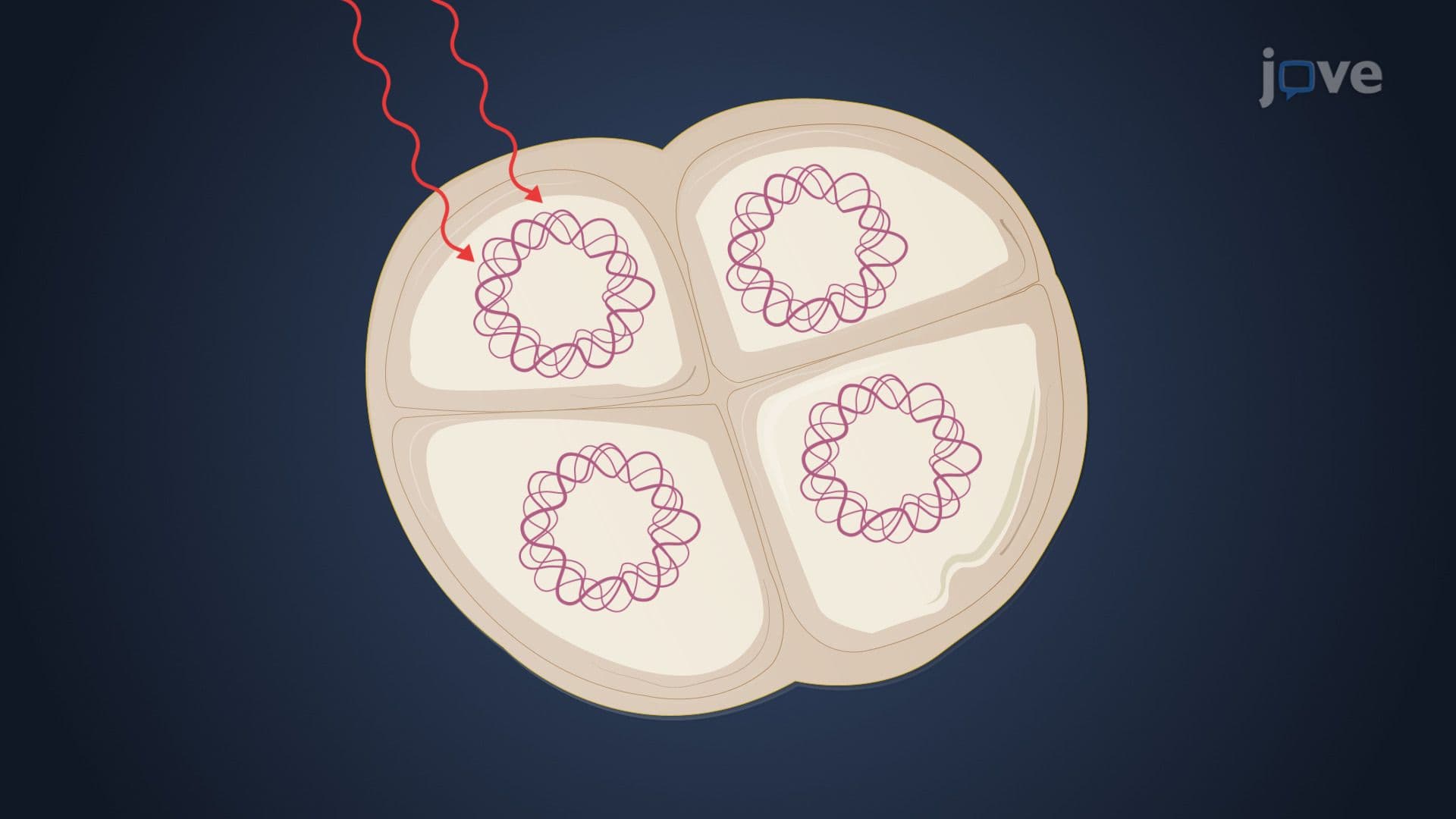
Healthcare-associated infections present another crucial application. When patients at a cardiac surgery center contracted Gordonia bronchialis infections, molecular fingerprinting techniques traced the outbreak source to a healthcare worker, enabling targeted intervention. This demonstrates how molecular taxonomy applications extend beyond simple identification to epidemiological investigation and infection control.
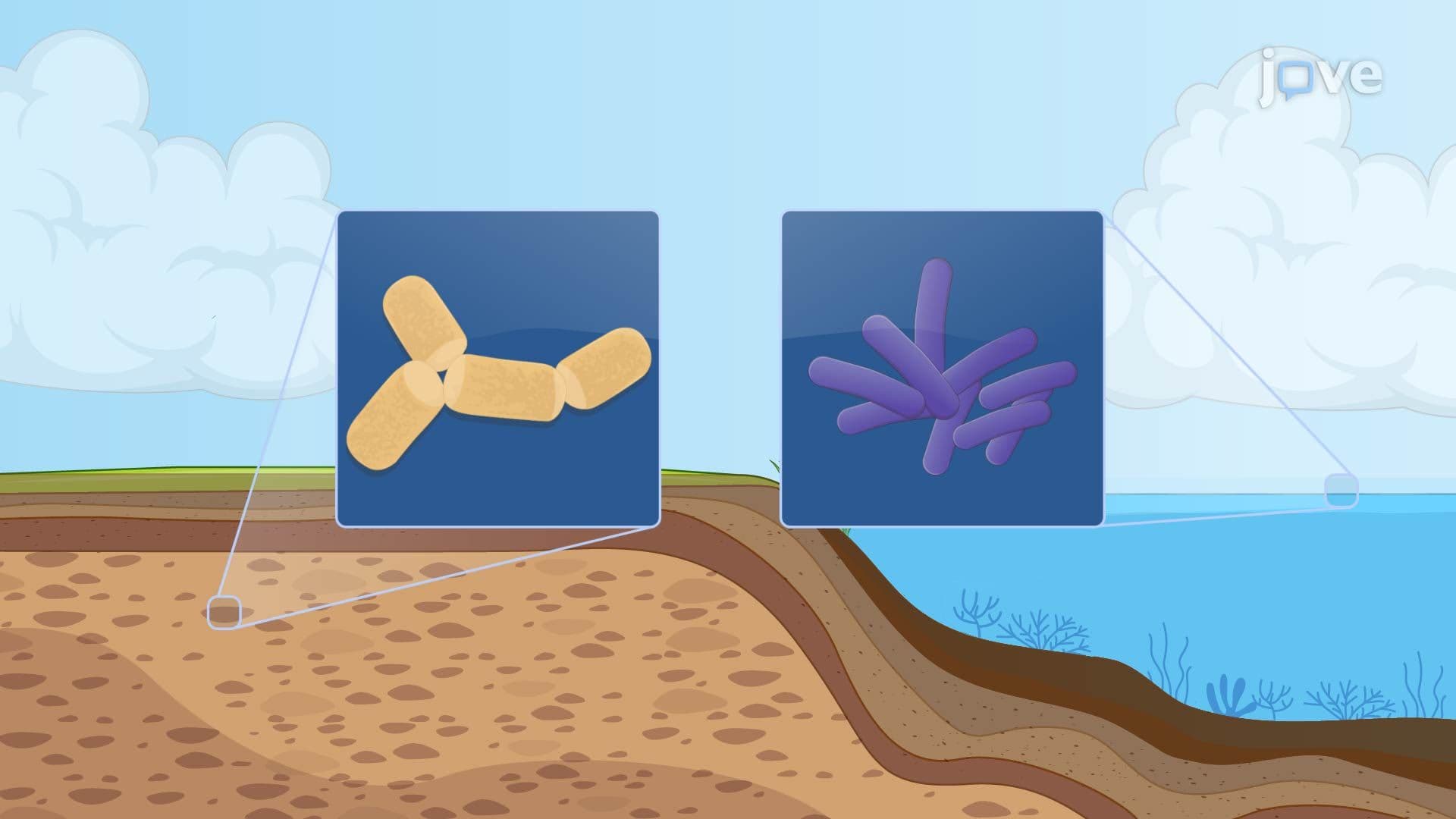
Applications molecular taxonomy notes reveal significant contributions to environmental microbiology. Scientists have analyzed 16S ribosomal DNA sequences from over 10,000 samples across diverse American ecosystems, from Yellowstone's hot springs to coastal marine environments. This approach uncovered previously unknown bacterial diversity patterns and helped identify species that cannot be cultured in laboratory conditions, such as Akkermansia muciniphila, now recognized as important for human gut health.
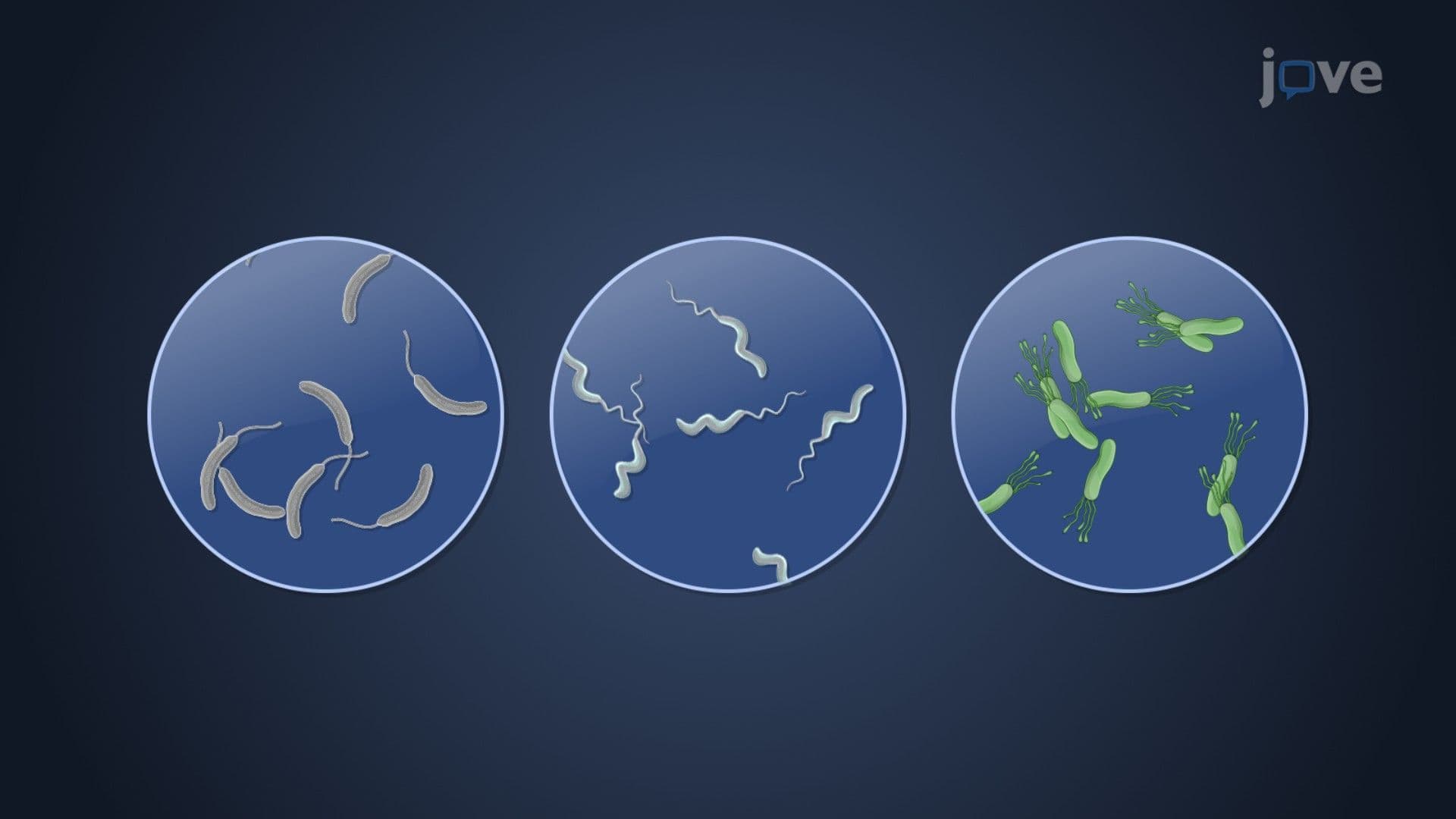
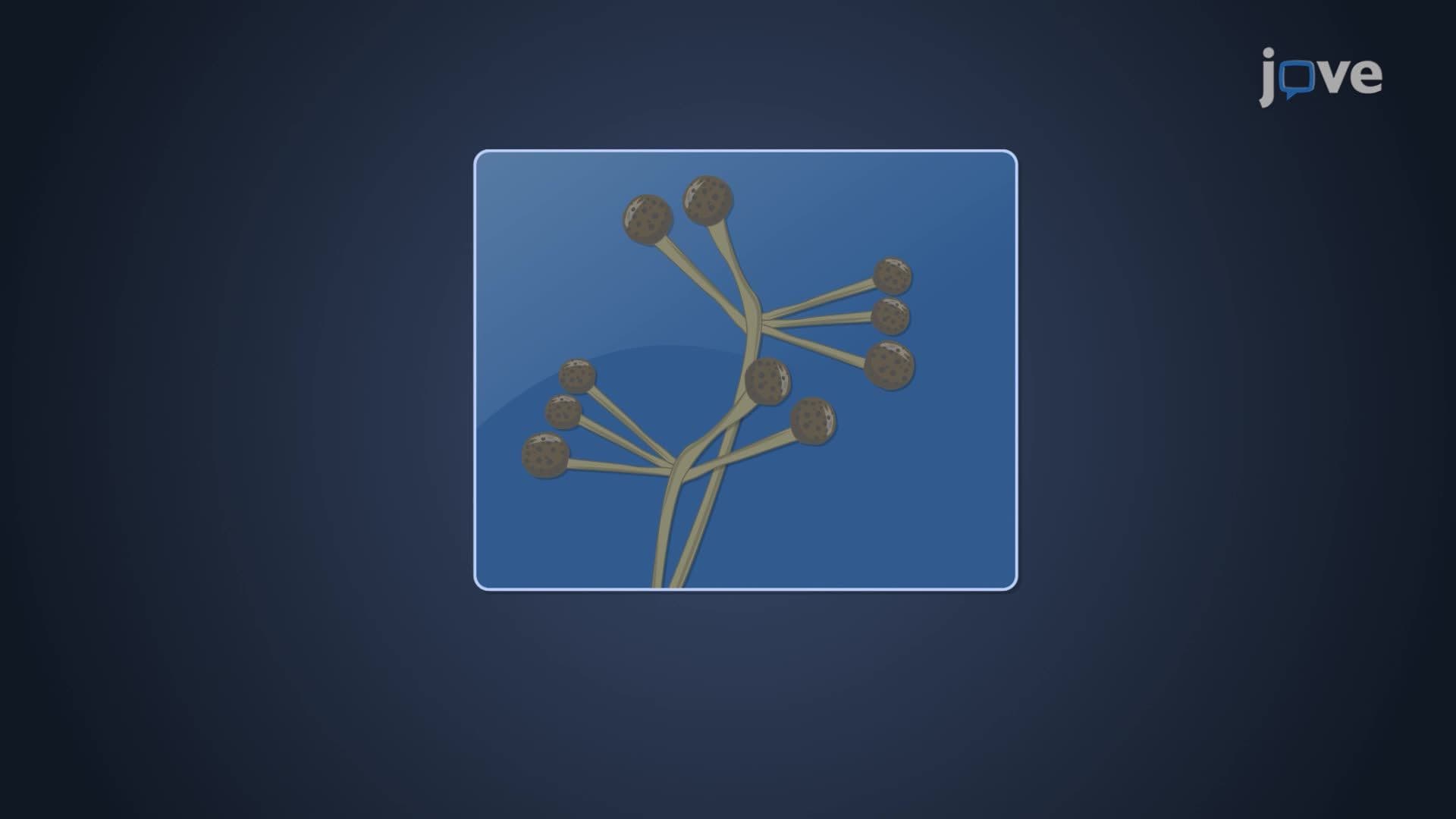
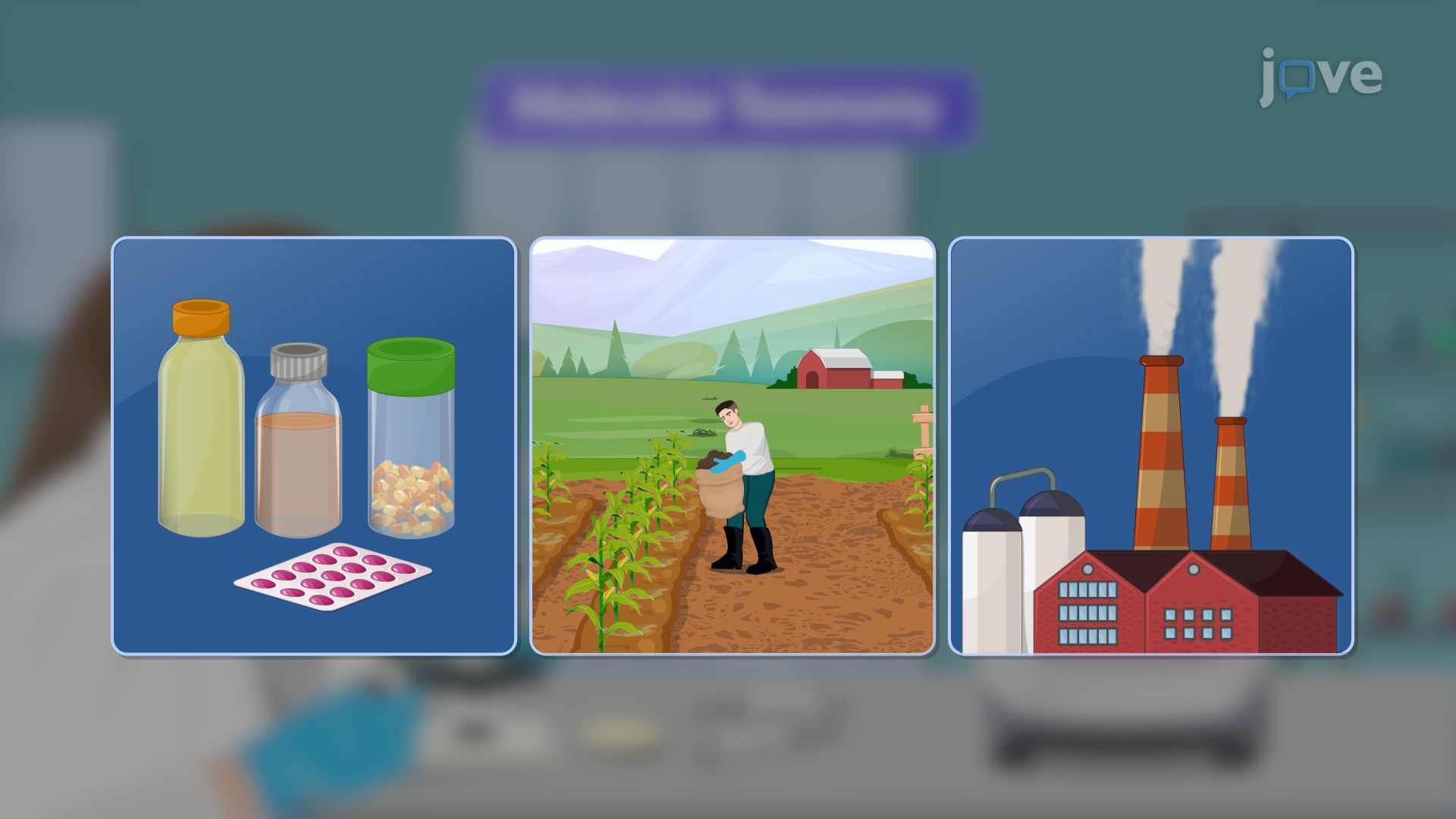
The Bacillus genus exemplifies molecular taxonomy's power in resolving complex species relationships. Traditional methods identified only a few Bacillus species due to their morphological similarities, but molecular approaches revealed over 80 distinct species. This precision matters for biotechnology applications, as different Bacillus species produce varied enzymes and compounds with industrial significance.
For students preparing for Advanced Placement Biology, MCAT, or college microbiology courses, applications of molecular taxonomy concept explained frequently appears in genetics and evolution sections. Understanding phylogenetic trees, DNA barcoding, and sequence alignment principles helps students grasp evolutionary relationships and biodiversity concepts. These topics commonly appear on standardized tests, particularly questions involving bacterial identification and antibiotic resistance patterns.
Related Micro-courses