Loading subject page…

13,350 views

Video Summary: What Is Anoxygenic Phototrophic Bacteria
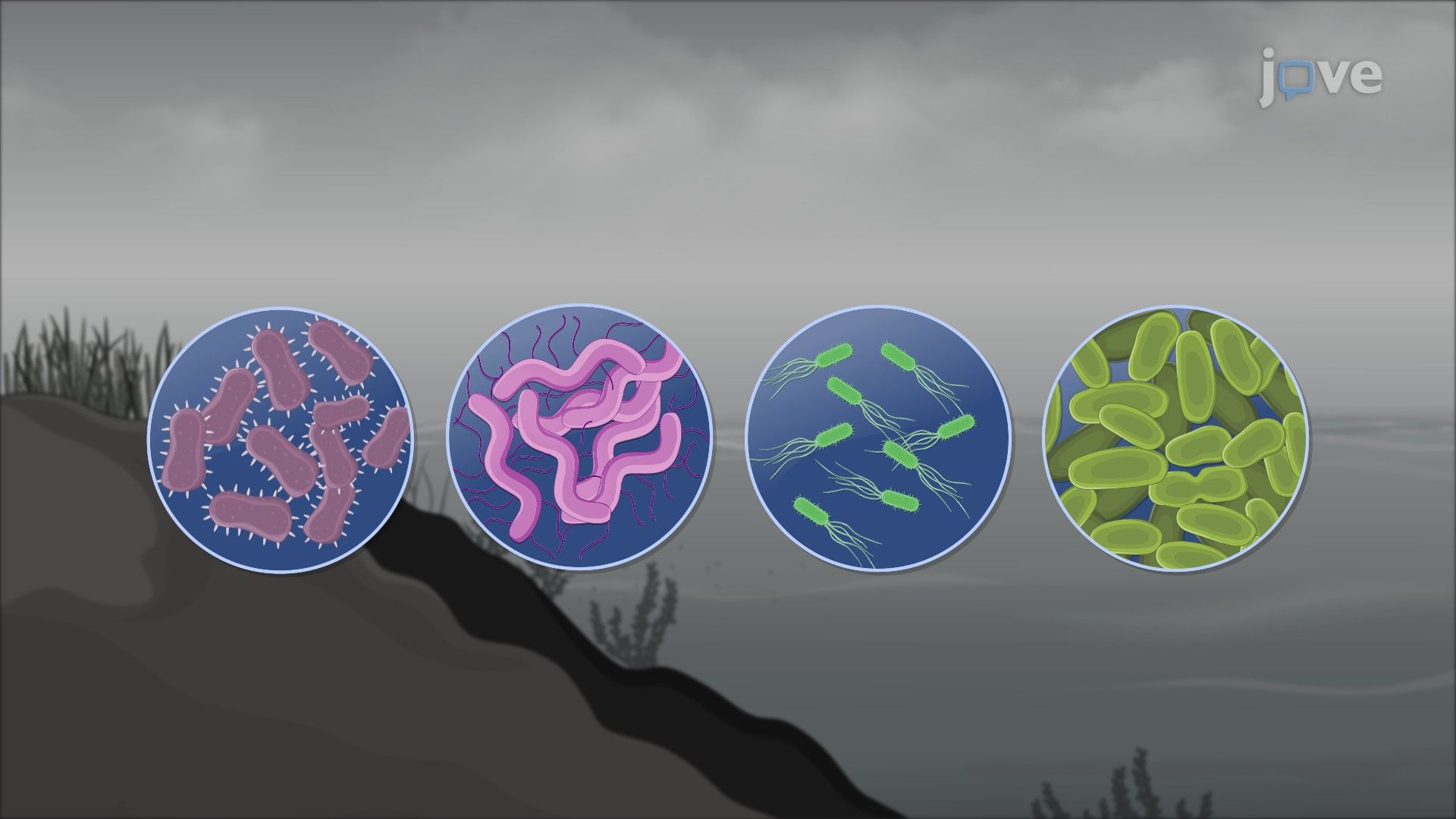
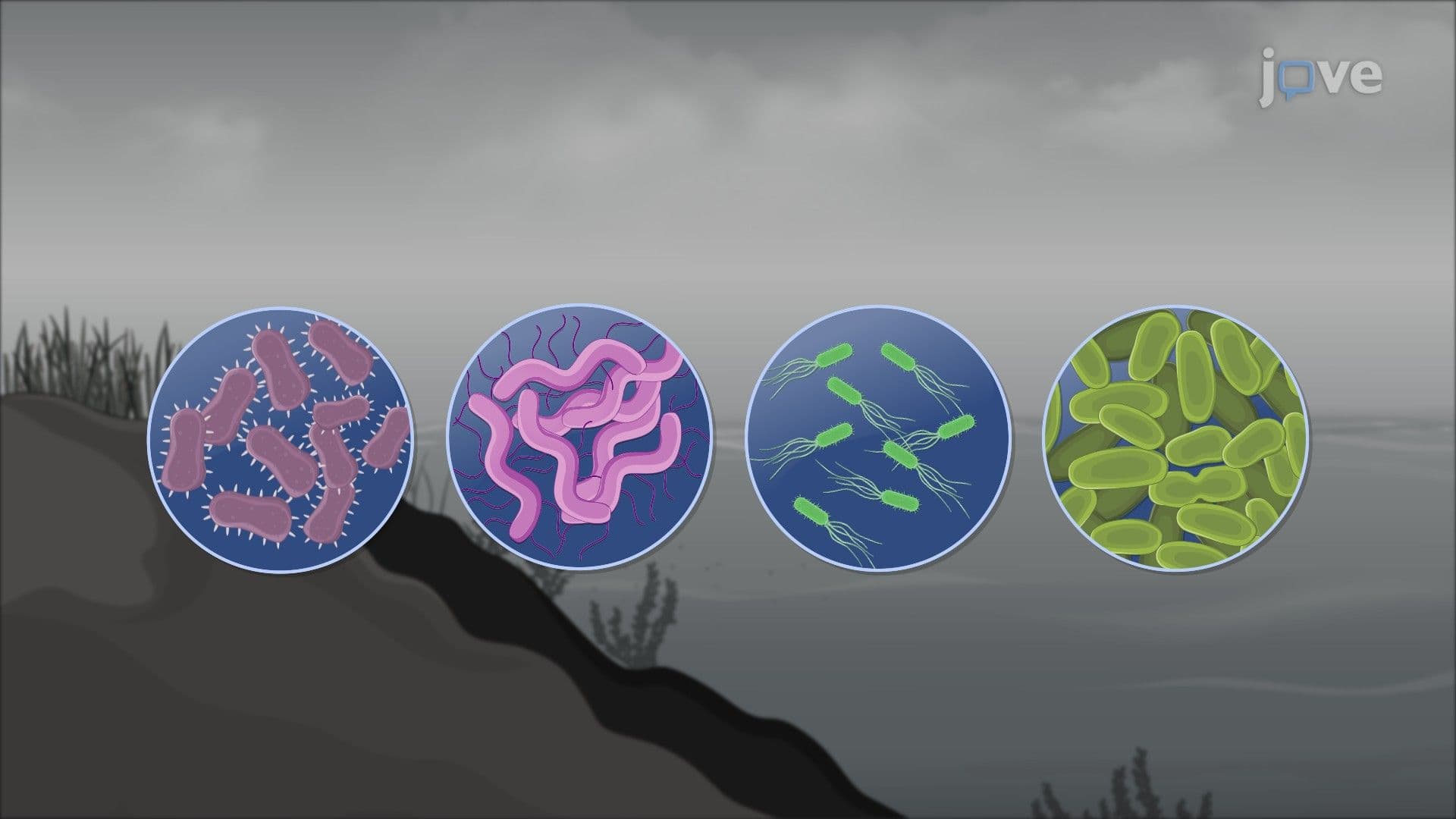
Did you know that not all photosynthetic bacteria produce oxygen? Anoxygenic phototrophic bacteria perform photosynthesis without generating oxygen, unlike the familiar plants and algae we see every day. These unique microorganisms, found in environments like the sulfur-rich Yellowstone hot springs, include purple sulfur, purple nonsulfur, green sulfur, and green nonsulfur bacteria that have adapted to thrive in extreme conditions. Understanding what is anoxygenic phototrophic bacteria reveals fascinating alternatives to conventional photosynthesis. Watch the full video on JoVE Coach to master this concept with expert-led visuals and step-by-step explanations.
Anoxygenic phototrophic bacteria represent a fascinating deviation from the oxygen-producing photosynthesis we typically associate with plants. These microorganisms harness light energy for photosynthesis but use alternative electron donors instead of water, preventing oxygen production. This adaptation allows them to colonize extreme environments where conventional photosynthetic organisms cannot survive, such as the deep thermal vents in Yellowstone National Park or the stratified waters of Mono Lake in California.
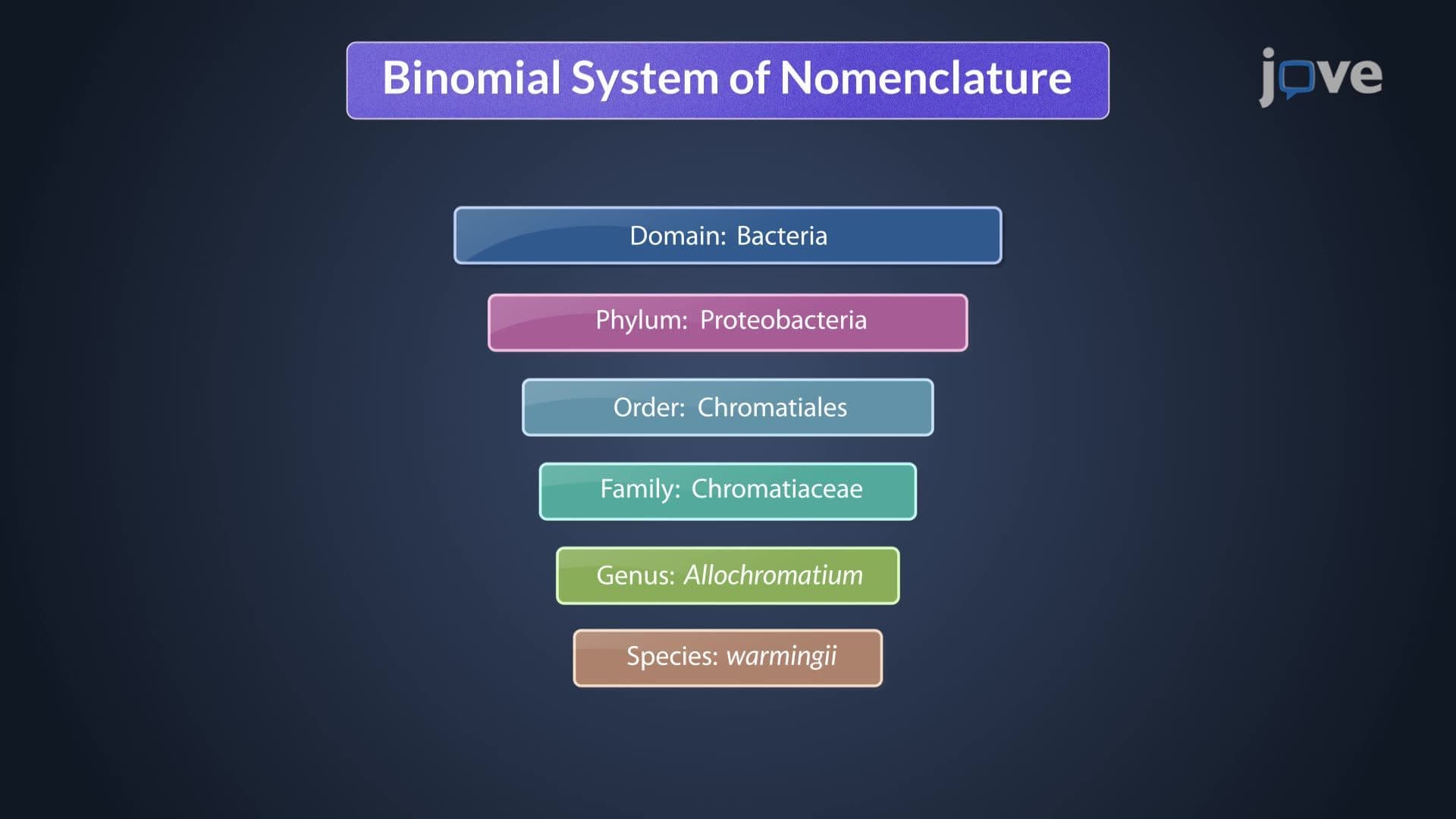
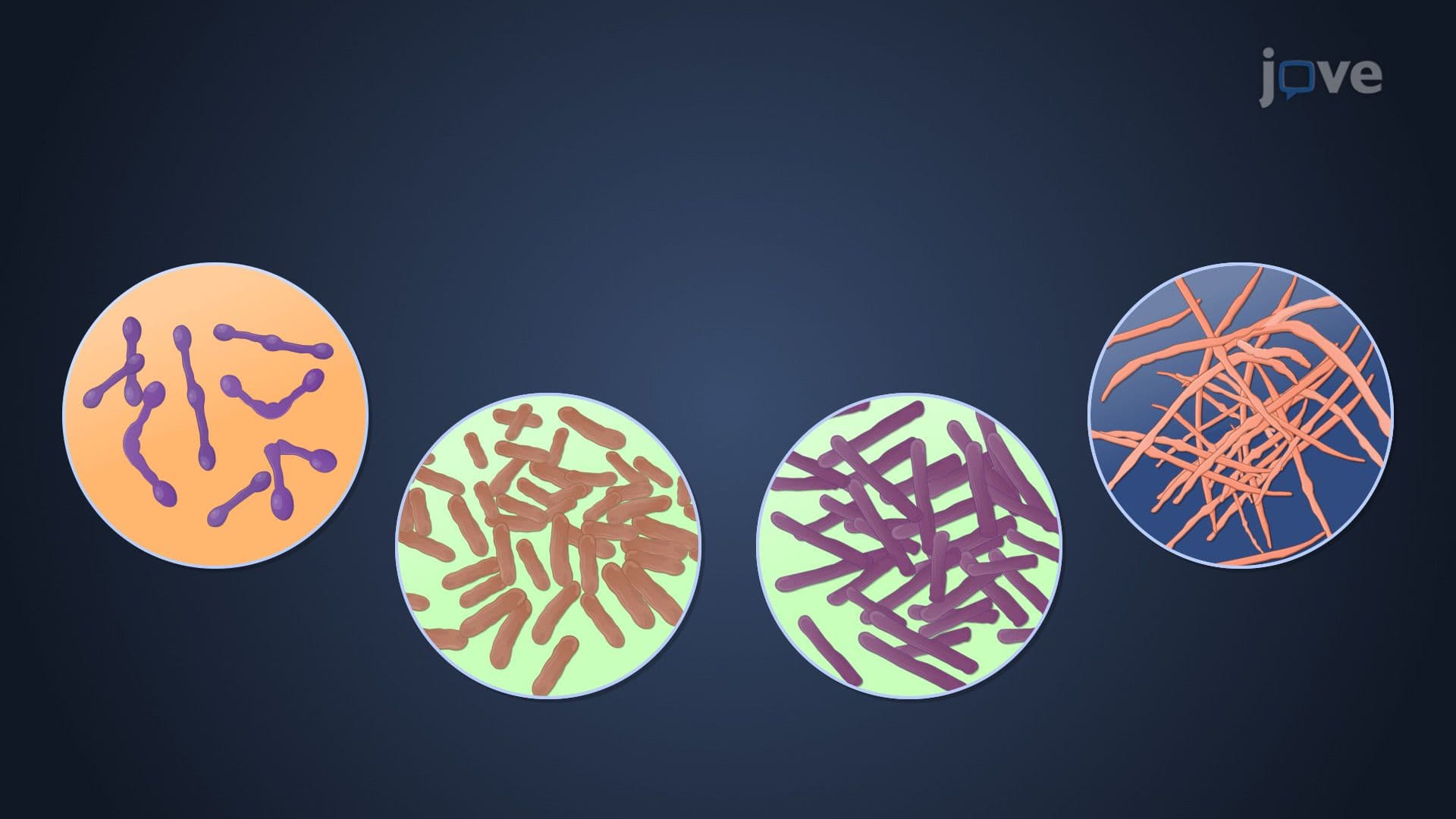
Purple bacteria split into two distinct ecological groups based on sulfur requirements. Purple sulfur bacteria, classified within Gammaproteobacteria and exemplified by *Chromatium* species, accumulate distinctive sulfur granules within their cells. These organisms dominate sulfur-rich meromictic lakes like those found in parts of Minnesota and Wisconsin. Their lamellar intracellular membrane systems house bacteriochlorophyll a or b, enabling efficient light capture in anaerobic conditions.
Purple nonsulfur bacteria take a different approach, thriving in low-sulfur environments and belonging to Alpha and Betaproteobacteria classes. *Rhodomicrobium* species represent this adaptable group, often found in freshwater environments across the continental United States. Both purple groups utilize similar photosynthetic machinery but occupy completely different ecological niches.
Green sulfur bacteria (phylum Chlorobi) showcase remarkable biochemical innovation through their chlorosome structures-unique light-harvesting complexes that house bacteriochlorophyll c, d, or e. *Chlorobaculum tepidum*, isolated from Yellowstone's hot springs, exemplifies how these bacteria maximize light capture in extreme environments. Their specialized pigment systems allow survival in deep-sea environments and sulfur-rich conditions where other phototrophs fail.
Green nonsulfur bacteria from phylum Chloroflexi, including the well-studied *Chloroflexus aurantiacus*, display filamentous morphology and utilize bacteriochlorophylls a or c. These organisms often form visible microbial mats in hot springs throughout the western United States, creating the colorful formations tourists observe in geothermal areas.
Understanding these bacterial groups becomes crucial for students taking advanced biology courses, AP Biology exams, and college microbiology classes, where questions frequently test knowledge of alternative metabolic pathways and bacterial diversity in extreme environments.
Related Micro-courses