Loading subject page…
- Microbiology
- Microbial Diversity
- Bacterial Phylum Actinobacteria
Micro-course: Microbial Diversity
13,350 views
Learn key concepts and earn your certificate.


























Bacterial Phylum Actinobacteria

00:00
01:30
Video Summary: What Is Bacterial Phylum Actinobacteria
Did you know that the antibiotics prescribed by US doctors to treat infections often come from soil bacteria? Bacterial phylum actinobacteria represents one of medicine's most valuable bacterial groups, producing over 70% of naturally-derived antibiotics including streptomycin used in tuberculosis treatment. What is bacterial phylum actinobacteria becomes clear when examining their unique high G+C DNA content and diverse forms-from the tuberculosis-causing *Mycobacterium tuberculosis* to antibiotic-producing *Streptomyces* species found in American farmland soil. Watch the full video on JoVE Coach to master this concept with expert-led visuals and step-by-step explanations.
- Understand what bacterial phylum actinobacteria encompasses, including their defining characteristics of high G+C DNA content and Gram-positive cell walls
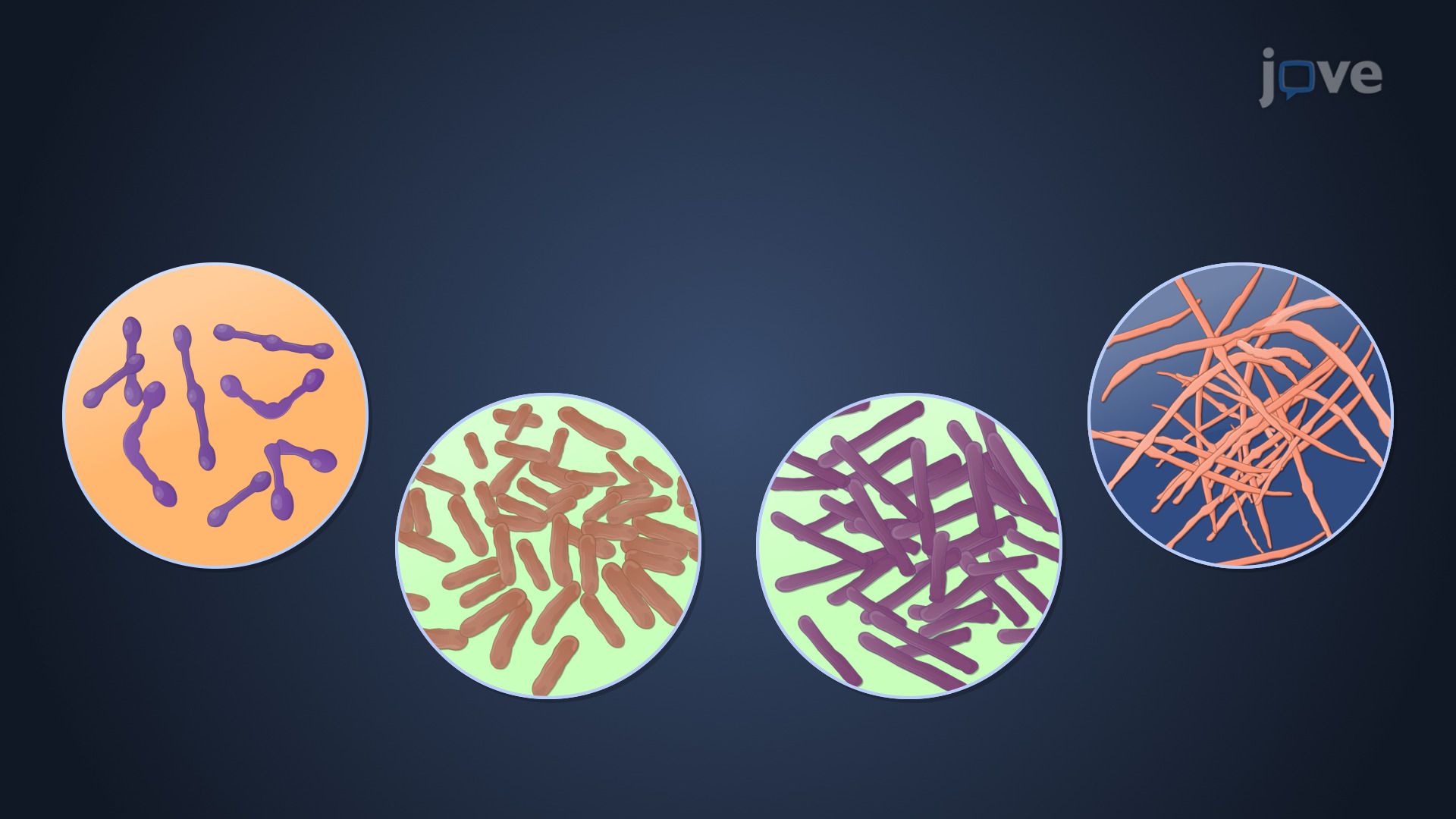
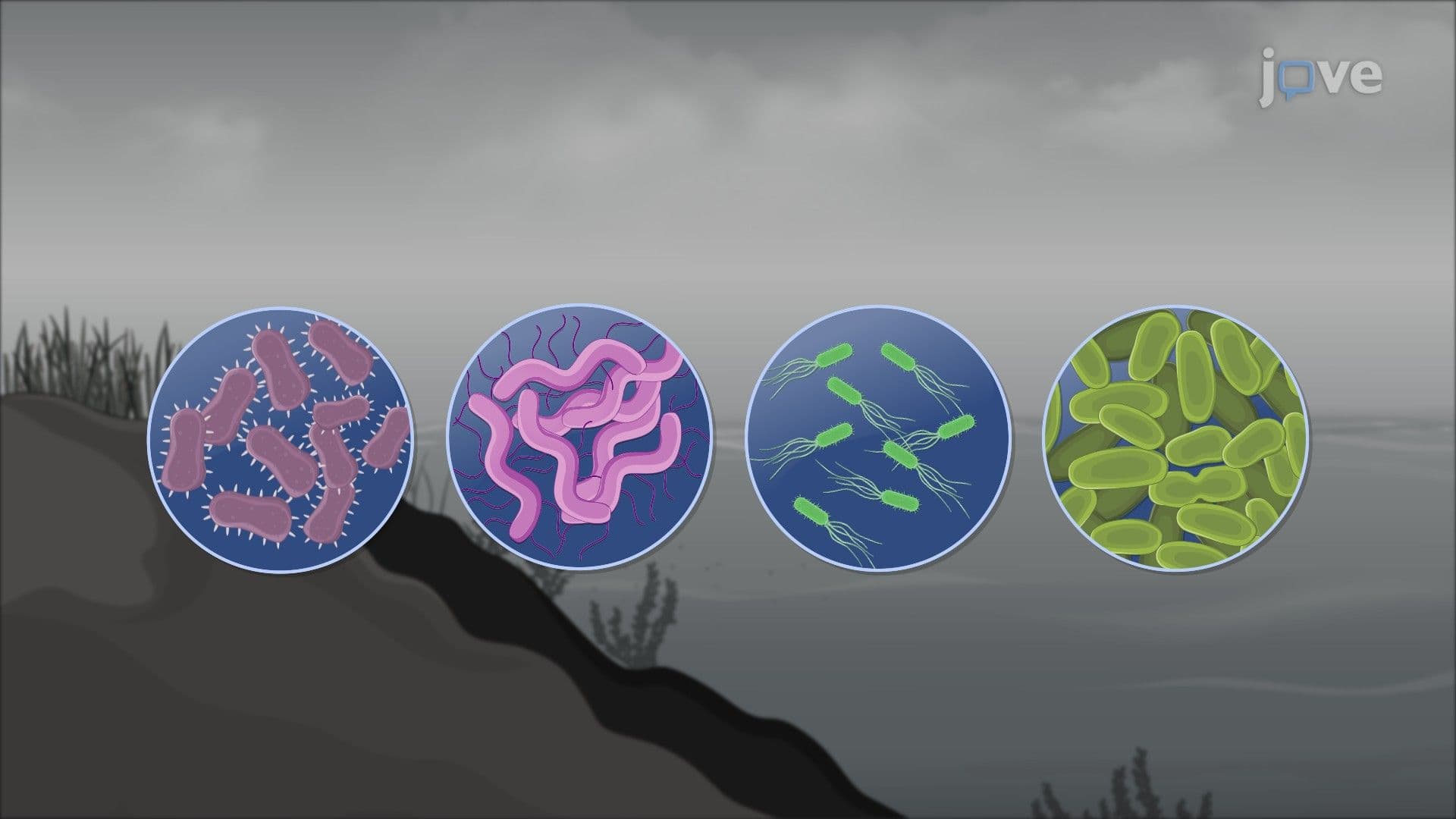
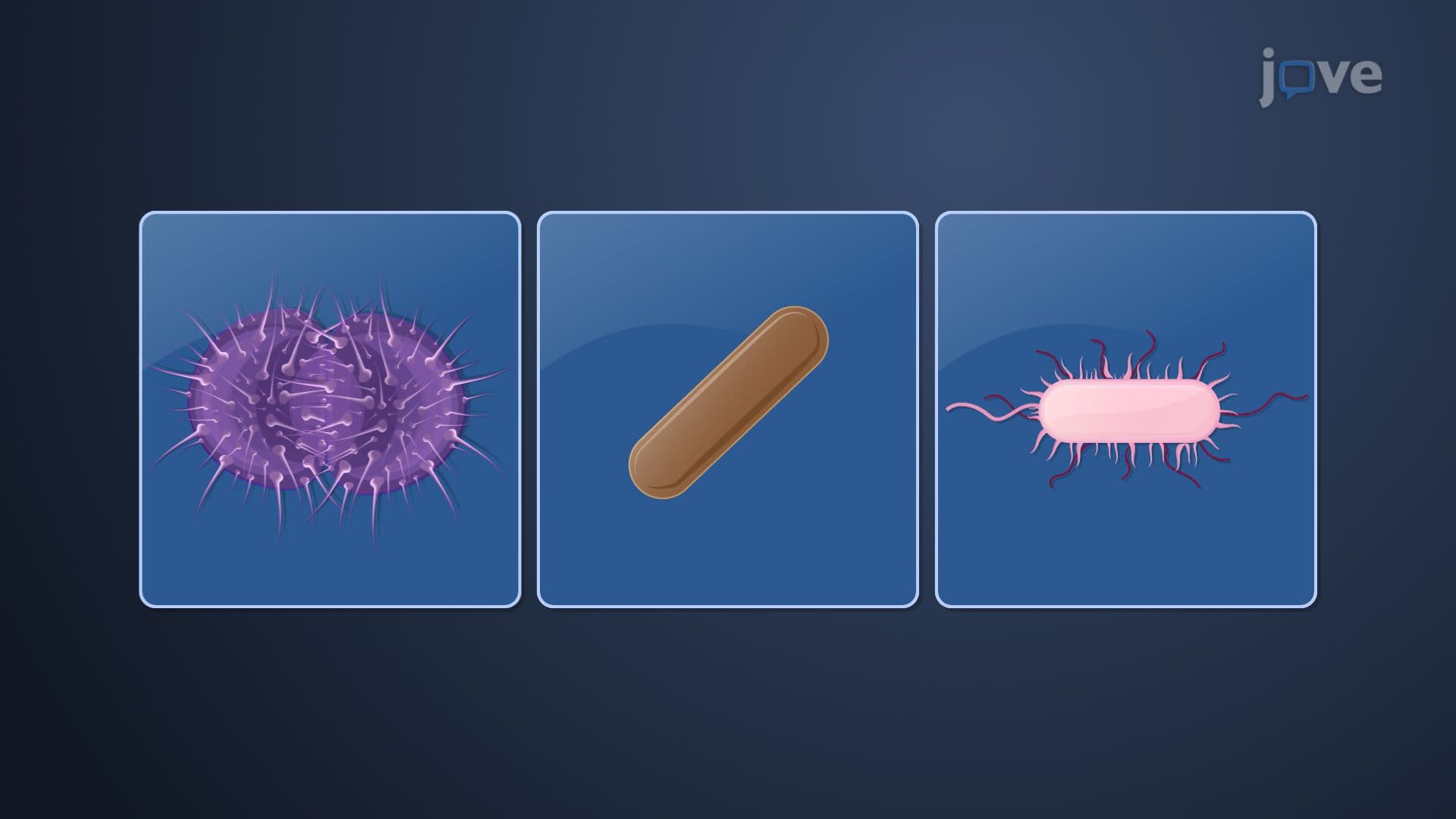
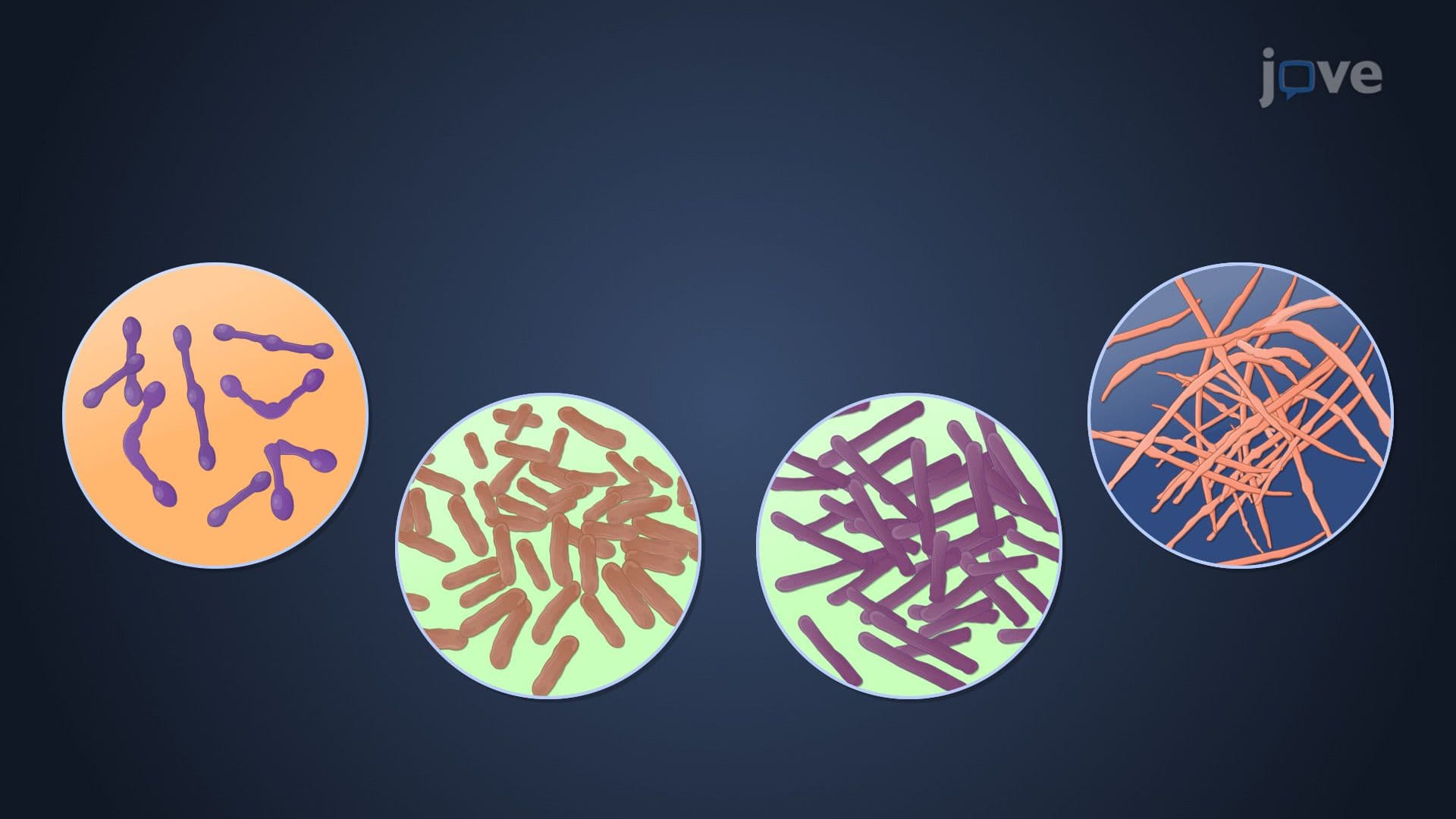
- Identify the four major groups within actinobacteria: coryneform bacteria, propionic acid bacteria, mycobacteria, and actinomycetes
- Analyze the unique cellular features that distinguish actinobacteria, such as mycolic acids in mycobacterial cell walls and filamentous growth patterns
- Compare pathogenic and beneficial species within the phylum, from disease-causing *Mycobacterium tuberculosis* to antibiotic-producing *Streptomyces*
- Evaluate the clinical significance of actinobacteria in human health and disease treatment
- Apply knowledge of actinobacterial morphology to distinguish between rod-shaped coryneforms and branching actinomycetes
- Recognize the ecological importance of actinobacteria in soil environments and antibiotic discovery
- Explore the metabolic diversity within the phylum, from aerobic growth to anaerobic fermentation processes
Understanding Bacterial Phylum Actinobacteria Fundamentals
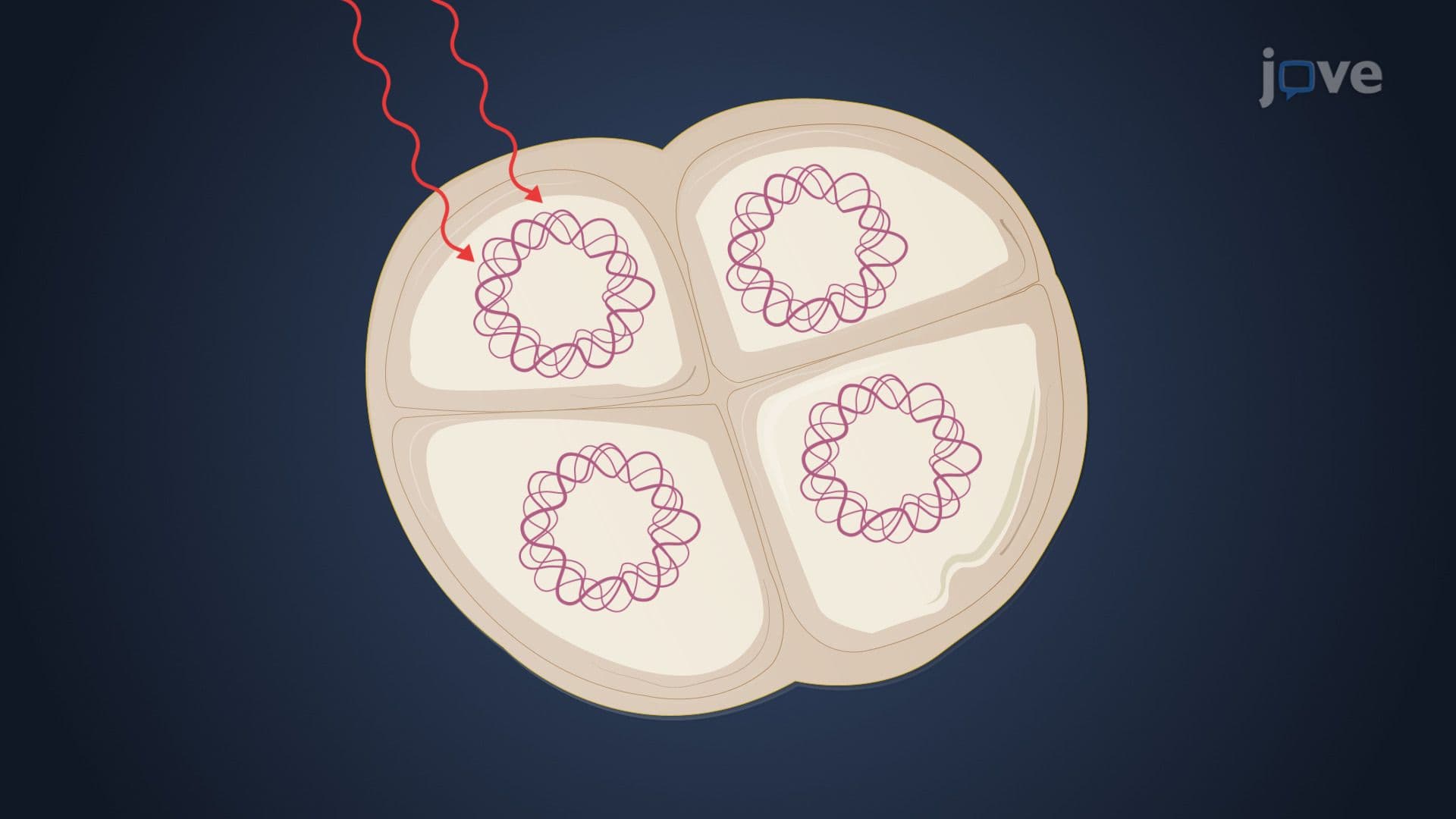
Bacterial phylum actinobacteria represents one of the most medically and economically important bacterial groups, characterized by their exceptionally high guanine-cytosine (G+C) DNA content-often exceeding 70%. This bacterial phylum actinobacteria definition explained reveals why these organisms are evolutionarily distinct: their DNA composition differs dramatically from other bacteria, reflecting millions of years of independent evolution. US medical schools emphasize actinobacteria because they include both major human pathogens and the source of most clinical antibiotics.
Major Groups Within Actinobacteria
The phylum encompasses four primary groups, each with distinct characteristics relevant to AP Biology and college microbiology courses. Coryneform bacteria, including the diphtheria-causing *Corynebacterium diphtheriae*, display characteristic club-shaped morphology due to their unique "snapping" cell division. This irregular arrangement often appears on MCAT questions testing bacterial identification skills.
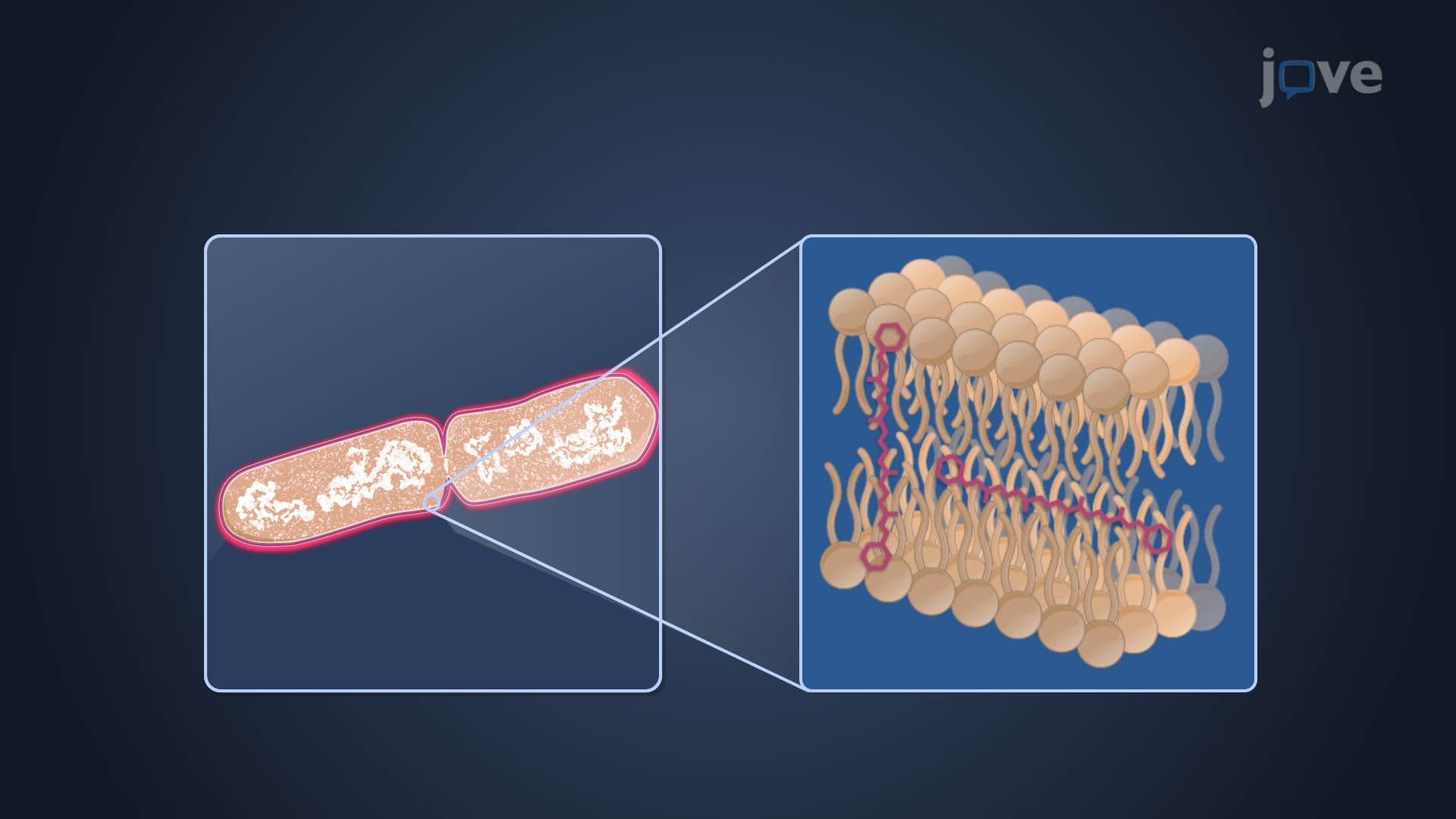
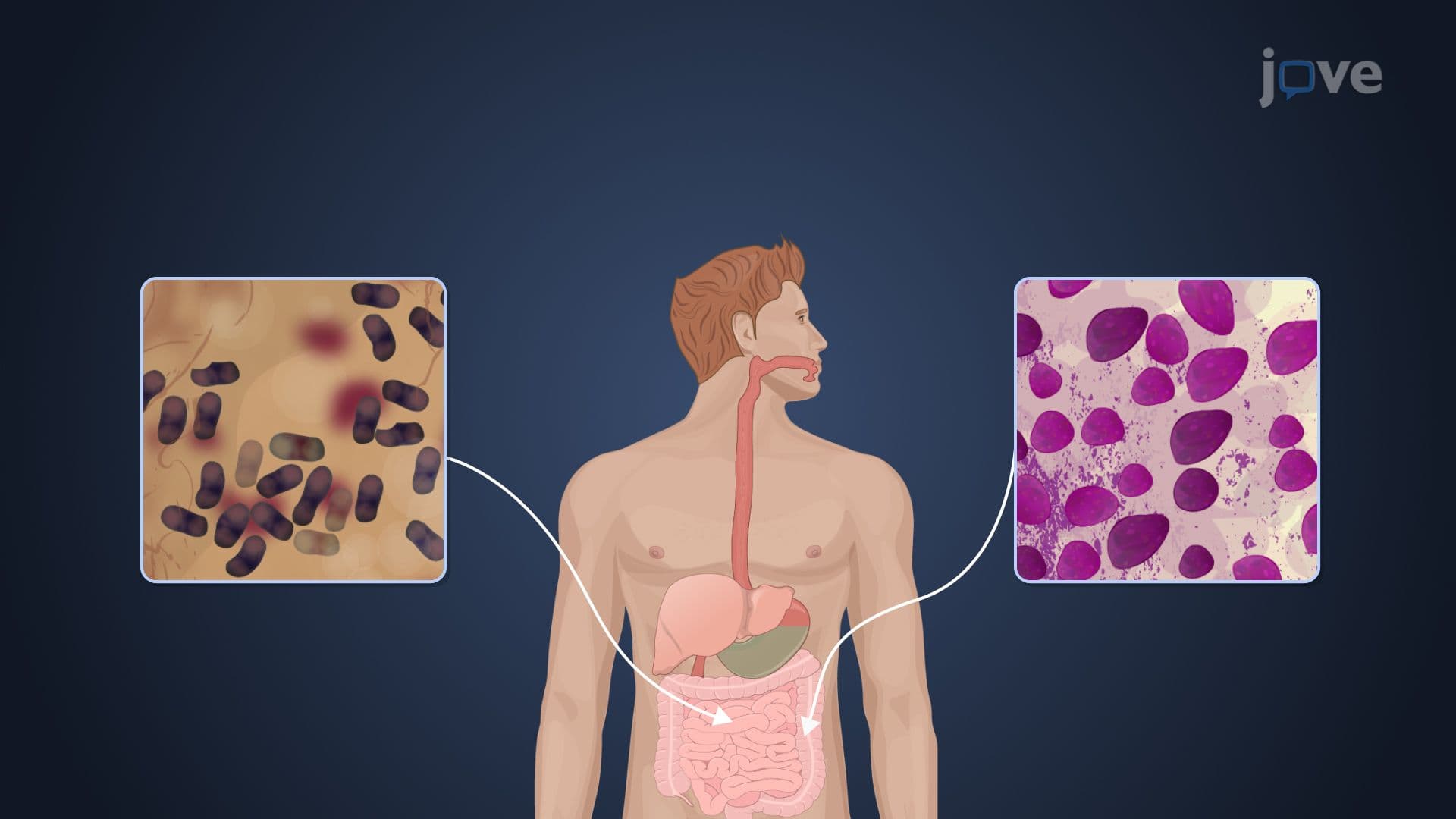
Mycobacteria represent perhaps the most clinically significant group, with *Mycobacterium tuberculosis* causing over 10,000 tuberculosis cases annually in the United States according to CDC data. Their cell walls contain unique mycolic acids-waxy lipids that make them acid-fast and resistant to standard staining procedures. This property forms the basis of the acid-fast stain technique taught in college microbiology labs nationwide.
Medical and Industrial Significance
Actinomycetes, particularly *Streptomyces* species, revolutionized modern medicine by producing streptomycin, the first effective tuberculosis antibiotic discovered at Rutgers University in 1943. Today, pharmaceutical companies across the United States continue screening soil actinomycetes for new antibiotics, making this knowledge crucial for pre-pharmacy and biotechnology students.
Exam Applications and Study Focus
For standardized exams like the MCAT, focus on distinguishing actinobacteria from other Gram-positive bacteria through their high G+C content and unique morphologies. AP Biology students should understand how actinobacterial diversity illustrates evolutionary adaptation-from anaerobic propionic acid bacteria in cheese production to aerobic soil decomposers. College microbiology exams frequently test the connection between mycolic acid composition and acid-fast staining results, particularly for *Mycobacterium* identification in clinical scenarios.
Frequently Asked Questions
Bacterial phylum actinobacteria is a diverse group of Gram-positive bacteria with unusually high G+C DNA content, including both harmful pathogens like tuberculosis bacteria and beneficial antibiotic-producers. They're found everywhere from soil to human skin, displaying unique shapes from rod-like to branching filaments. This phylum includes some of medicine's most important bacteria for both causing and treating diseases.
MCAT questions often test actinobacteria identification through acid-fast staining of mycobacteria or antibiotic mechanisms from Streptomyces species. AP Biology exams focus on their role in antibiotic resistance evolution and ecological relationships in soil ecosystems. You'll need to distinguish them from other Gram-positive bacteria using G+C content and morphological features.
Actinobacteria are crucial for MCAT success because they bridge multiple test topics: cell biology (unique cell wall components), microbiology (pathogen identification), and pharmacology (antibiotic production and resistance). Understanding mycobacterial acid-fast properties and Streptomyces antibiotic mechanisms frequently appears in biological sciences passages. They also illustrate key concepts like horizontal gene transfer and evolutionary adaptation.
Actinobacteria directly affect Americans through tuberculosis infections (about 10,000 cases annually), antibiotic treatments (70% of natural antibiotics come from Streptomyces), and food production (Propionibacterium creates the holes in Swiss cheese). They also contribute to soil health in American agriculture and serve as sources for new pharmaceutical discoveries in US biotech companies.
Not at all-understanding actinobacteria builds naturally from basic cell biology concepts you already know about Gram-positive bacteria and DNA composition. Start with recognizing their high G+C content and unique shapes, then connect to real examples like tuberculosis bacteria and antibiotic-producing soil bacteria. The key is focusing on major groups and their medical significance rather than memorizing every species name.
Use the "Four Groups" framework: Coryneforms (club-shaped, like Corynebacterium), Propionics (cheese-makers), Mycobacteria (acid-fast, TB-causers), and Actinomycetes (antibiotic-producers in soil). Create flashcards linking each group to a specific medical or industrial application, and practice identifying them through their unique cellular features on microscopy images.
Once you understand the four major groups, explore antibiotic biosynthesis pathways in Streptomyces species and mycobacterial virulence mechanisms for advanced microbiology or biochemistry courses. For pre-med students, focus on drug resistance mechanisms and diagnostic techniques like acid-fast staining. Biotechnology students should investigate industrial applications and genetic engineering of actinobacterial antibiotic production.
Actinobacteria excellently demonstrate evolutionary biology through their unique G+C content, cell biology through specialized cell wall components, and ecology through their soil decomposer roles. They connect to pharmacology via antibiotic production, pathophysiology through tuberculosis mechanisms, and biotechnology through industrial applications, making them perfect examples for integrating multiple biological disciplines.
Related Micro-courses

10 Concepts

11 Concepts

13 Concepts