Loading subject page…

- Microbiology
- Microbial Diversity
- Bacterial Phylum Cyanobacteria
Micro-course: Microbial Diversity
13,350 views
Learn key concepts and earn your certificate.






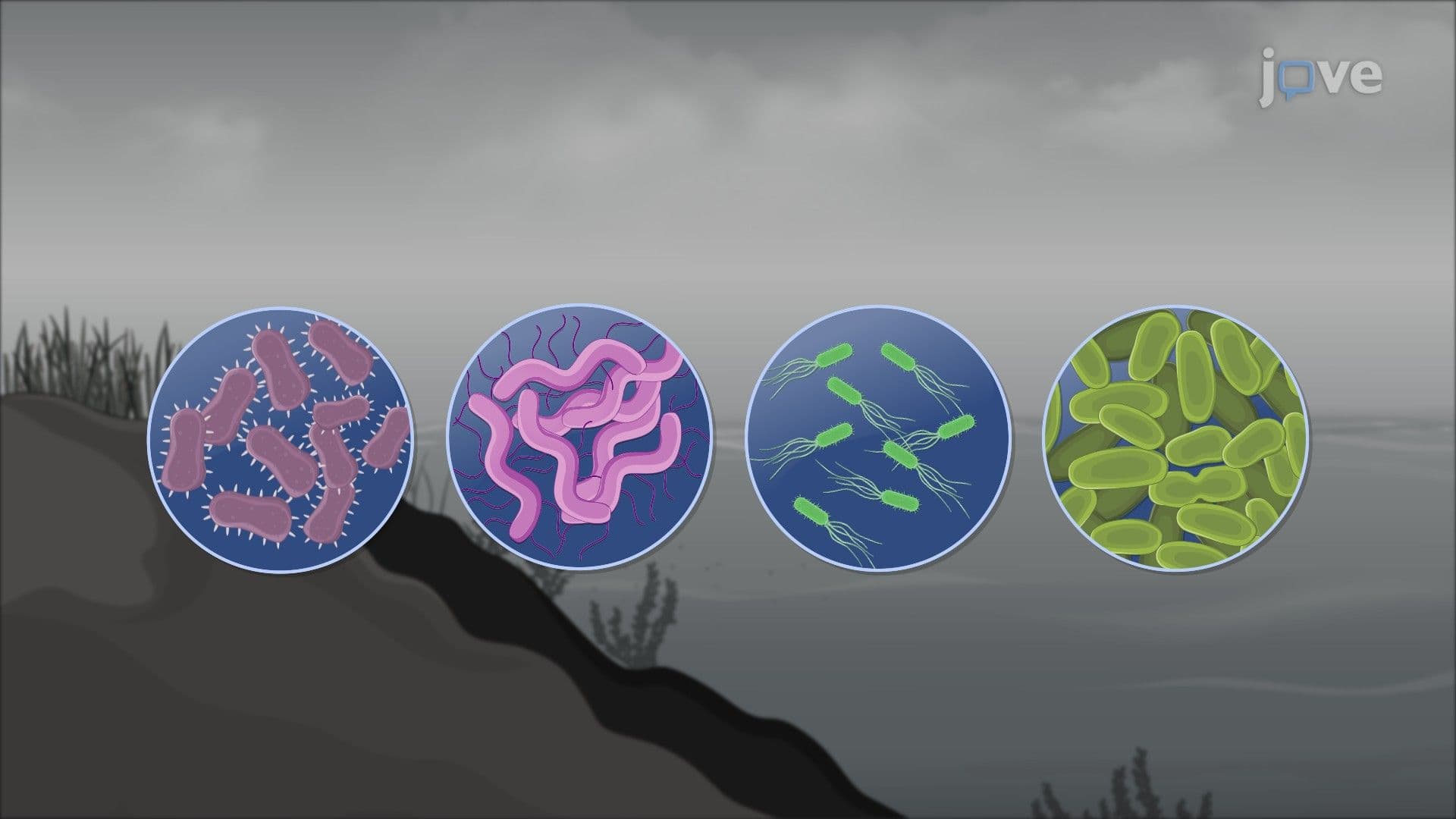
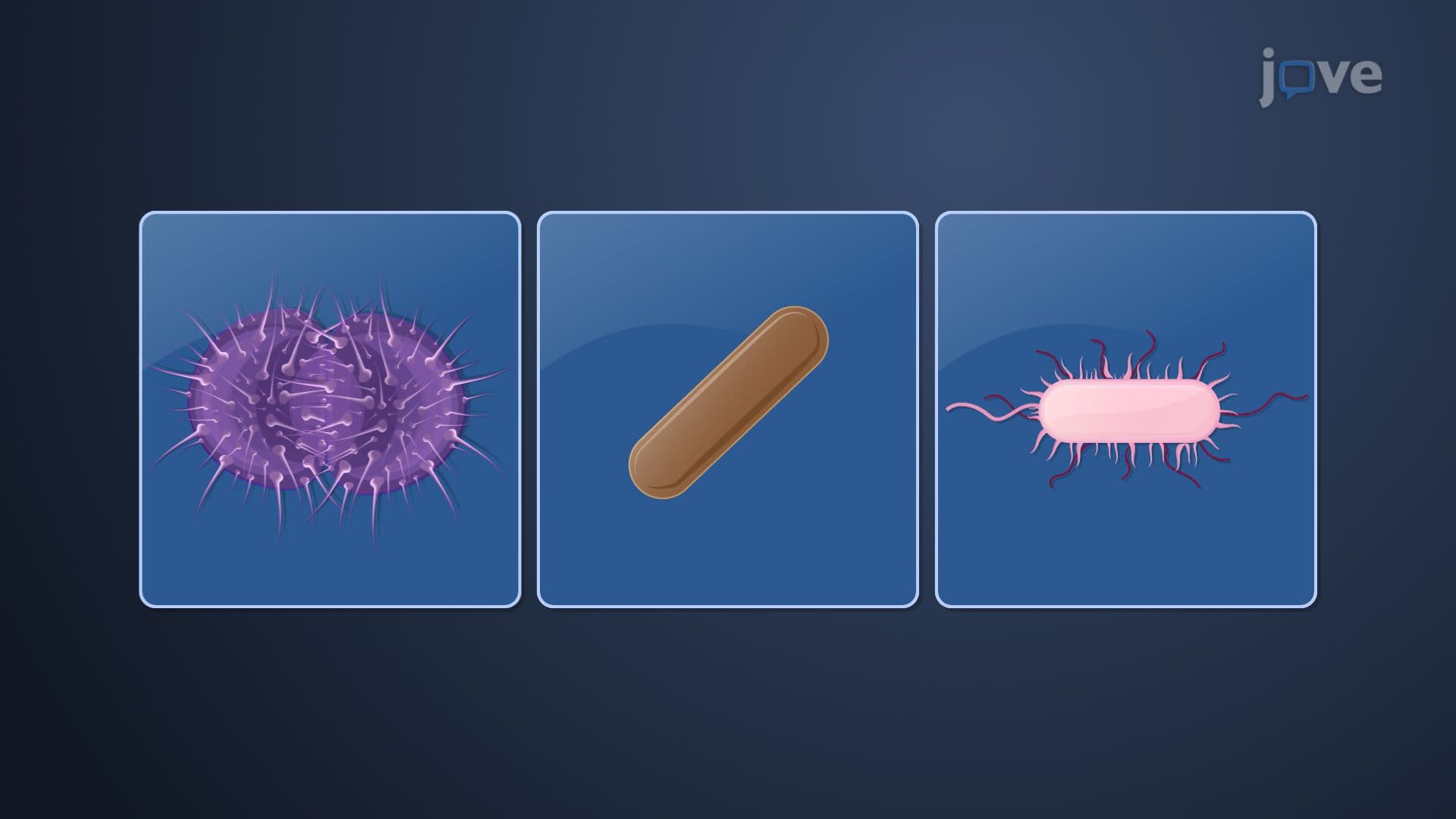





Bacterial Phylum Cyanobacteria


00:00
01:30
Video Summary: What Is Bacterial Phylum Cyanobacteria
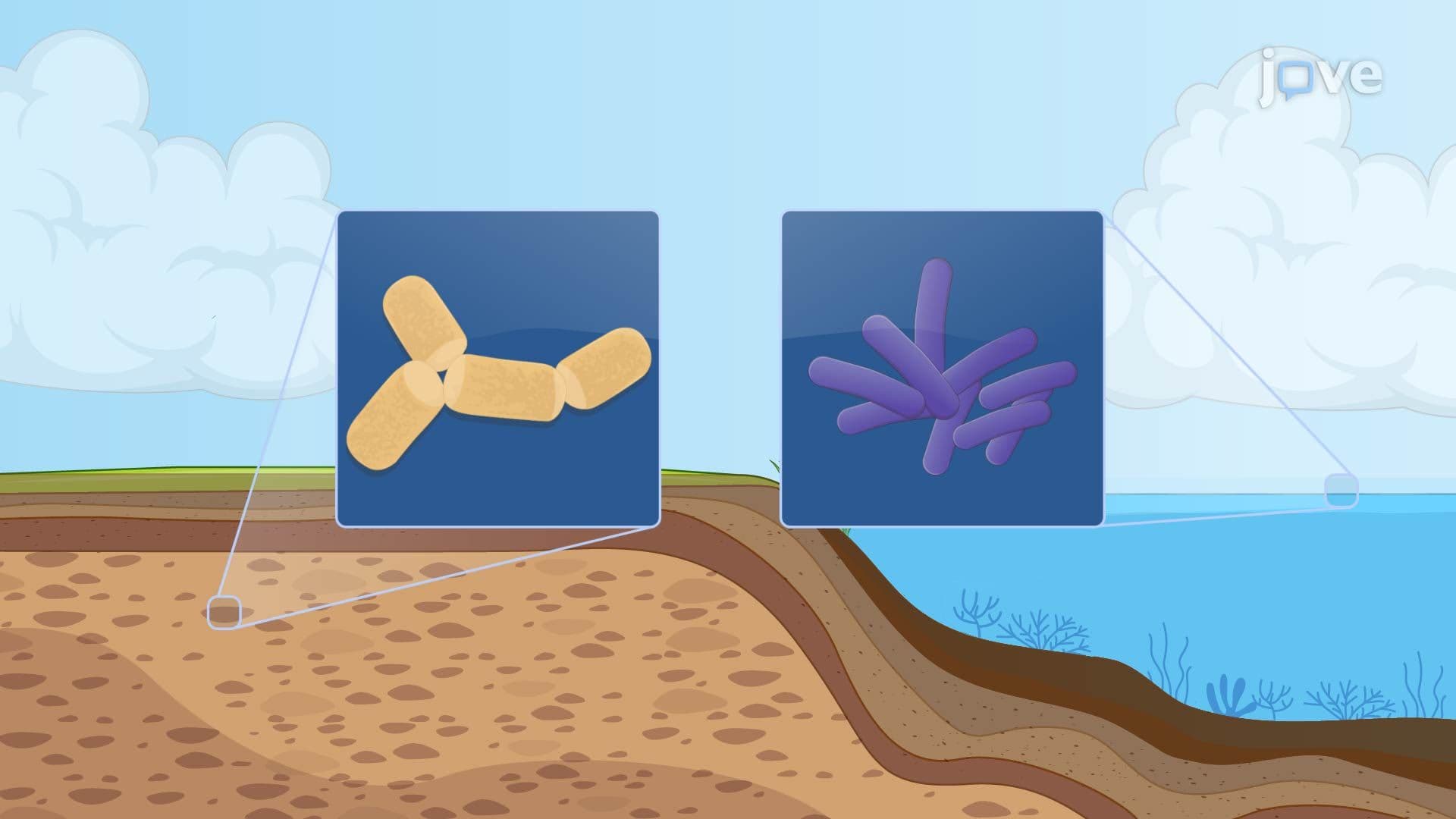
Did you know that the oxygen you breathe today was largely produced by ancient bacteria? Bacterial phylum cyanobacteria are remarkable photosynthetic microorganisms that transformed Earth's atmosphere billions of years ago and continue to play crucial roles in ecosystems worldwide. From the algae blooms in Lake Erie to the coral reefs off Florida's coast, these oxygen-producing bacteria are essential for marine productivity and global carbon cycling. What is bacterial phylum cyanobacteria and how do these "blue-green algae" actually function as sophisticated bacterial communities? Watch the full video on JoVE Coach to master this concept with expert-led visuals and step-by-step explanations.
- Understand what is bacterial phylum cyanobacteria and their fundamental role as oxygenic photosynthetic bacteria in aquatic and terrestrial ecosystems
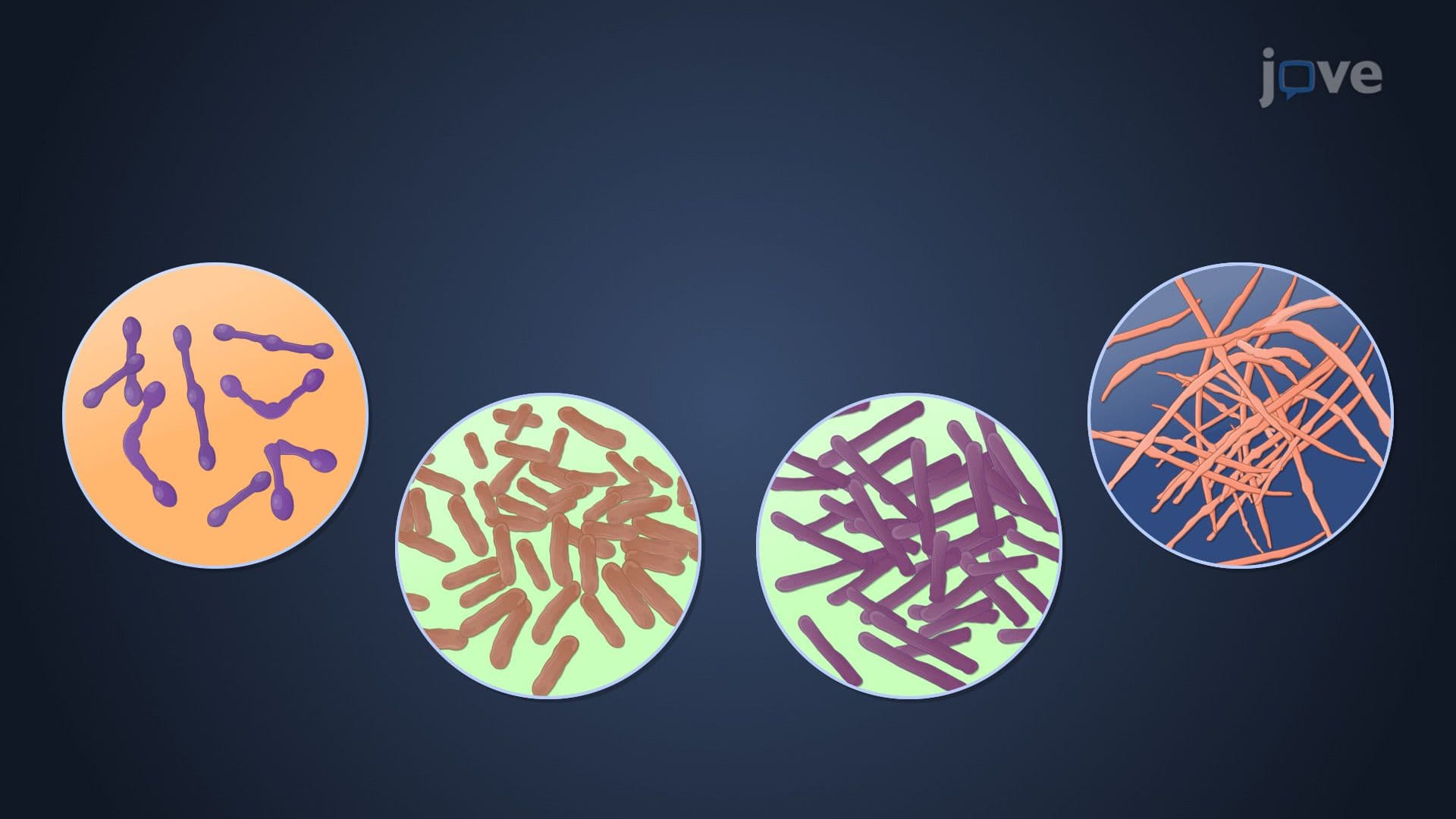
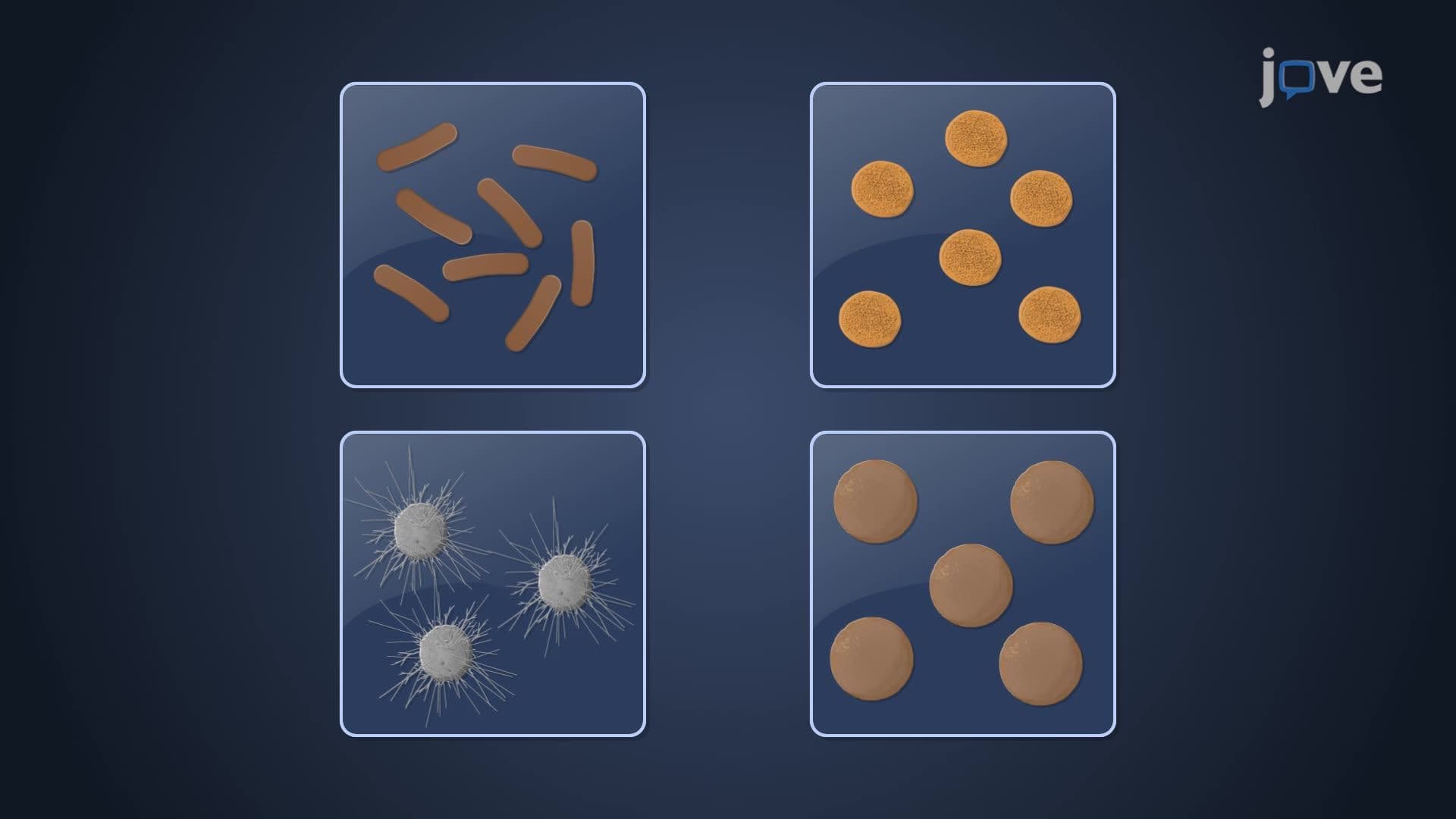
- Identify the five major morphological orders: Chroococcales, Pleurocapsales, Oscillatoriales, Nostocales, and Stigonematales
- Analyze the structural differences between unicellular forms (Chroococcales, Pleurocapsales) and filamentous forms (Nostocales, Oscillatoriales, Stigonematales)
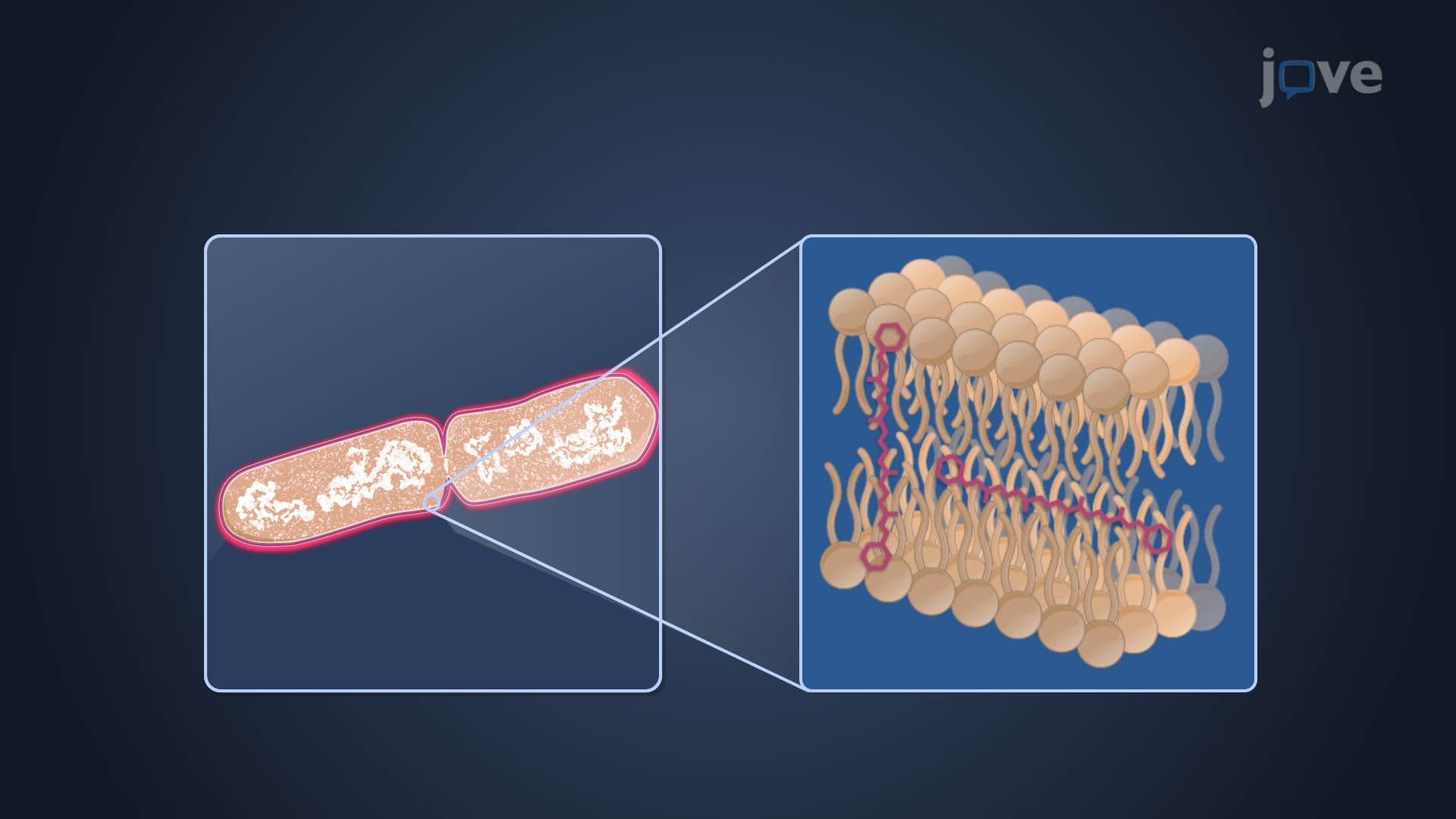
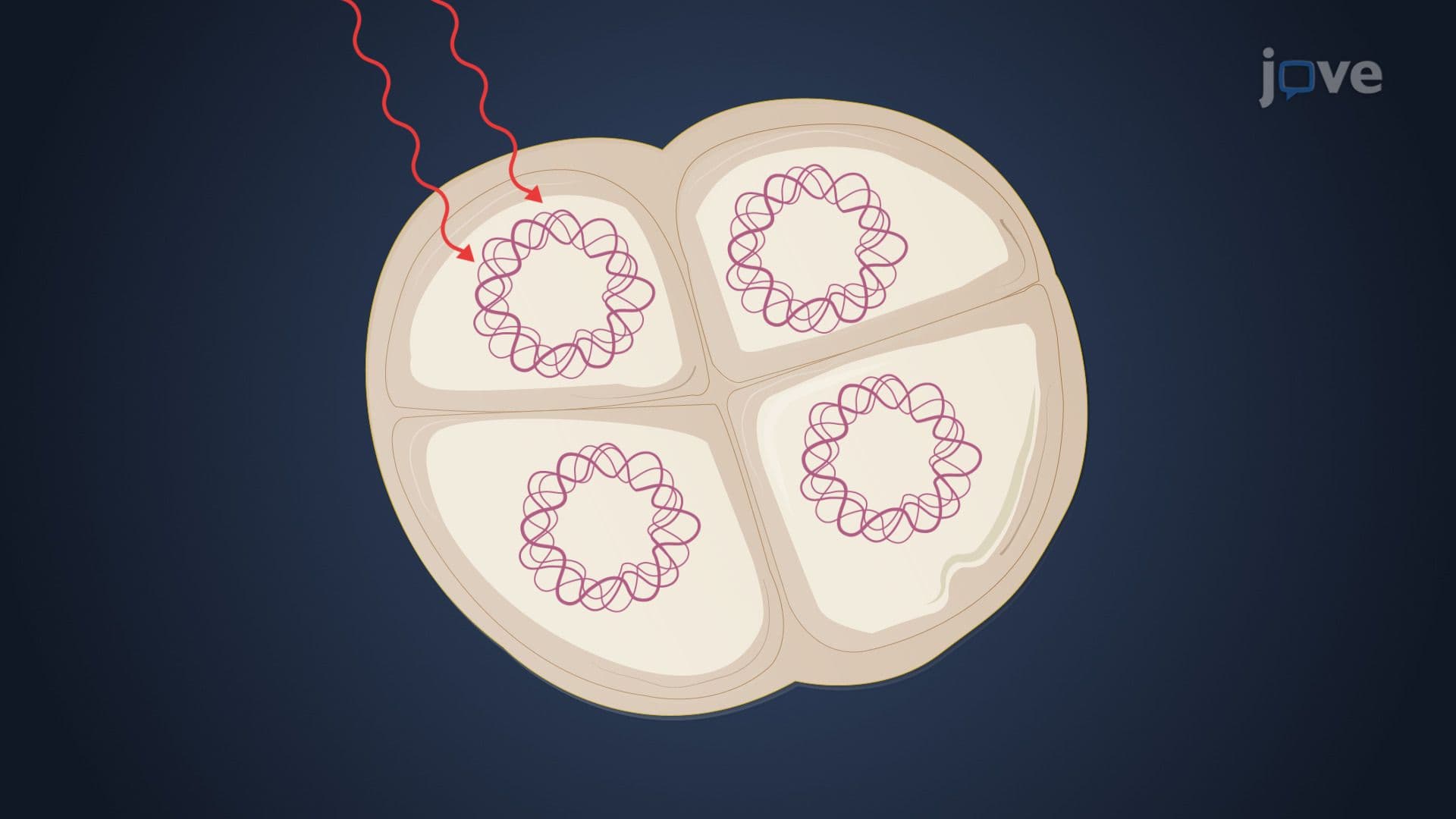
- Compare binary fission in Chroococcales with multiple fission in Pleurocapsales and their colony-forming capabilities
- Recognize heterocyst formation in Nostocales and understand their specialized function in nitrogen fixation
- Evaluate the photosynthetic machinery in thylakoid membranes and distinguish cyanobacterial photosynthesis from plant photosynthesis
- Apply knowledge of temporal nitrogen fixation patterns in different species (Cyanothece vs. Trichodesmium)
- Explore the ecological significance of cyanobacteria in oligotrophic marine environments and ocean productivity
Understanding Bacterial Phylum Cyanobacteria: Ancient Oxygen Producers
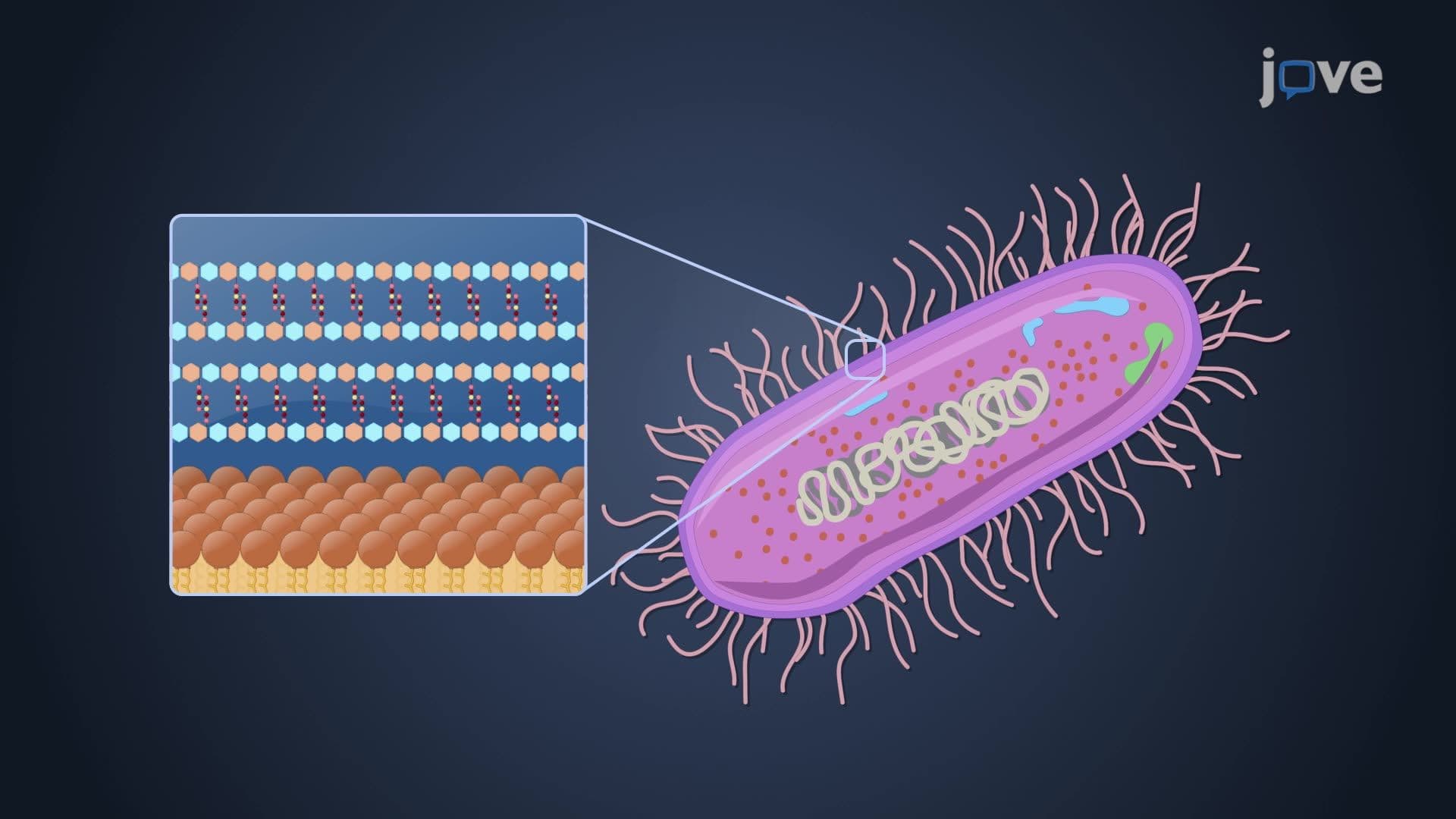
Bacterial phylum cyanobacteria represents one of the most evolutionarily significant groups of prokaryotes on Earth. These remarkable organisms are oxygenic phototrophic bacteria, meaning they perform photosynthesis that releases oxygen as a byproduct-a process that fundamentally changed our planet's atmosphere approximately 2.4 billion years ago during the Great Oxygenation Event. Unlike typical bacteria, cyanobacteria possess sophisticated photosynthetic machinery housed within internal membrane systems called thylakoids, making them unique among prokaryotes.
Morphological Classification and Structural Diversity
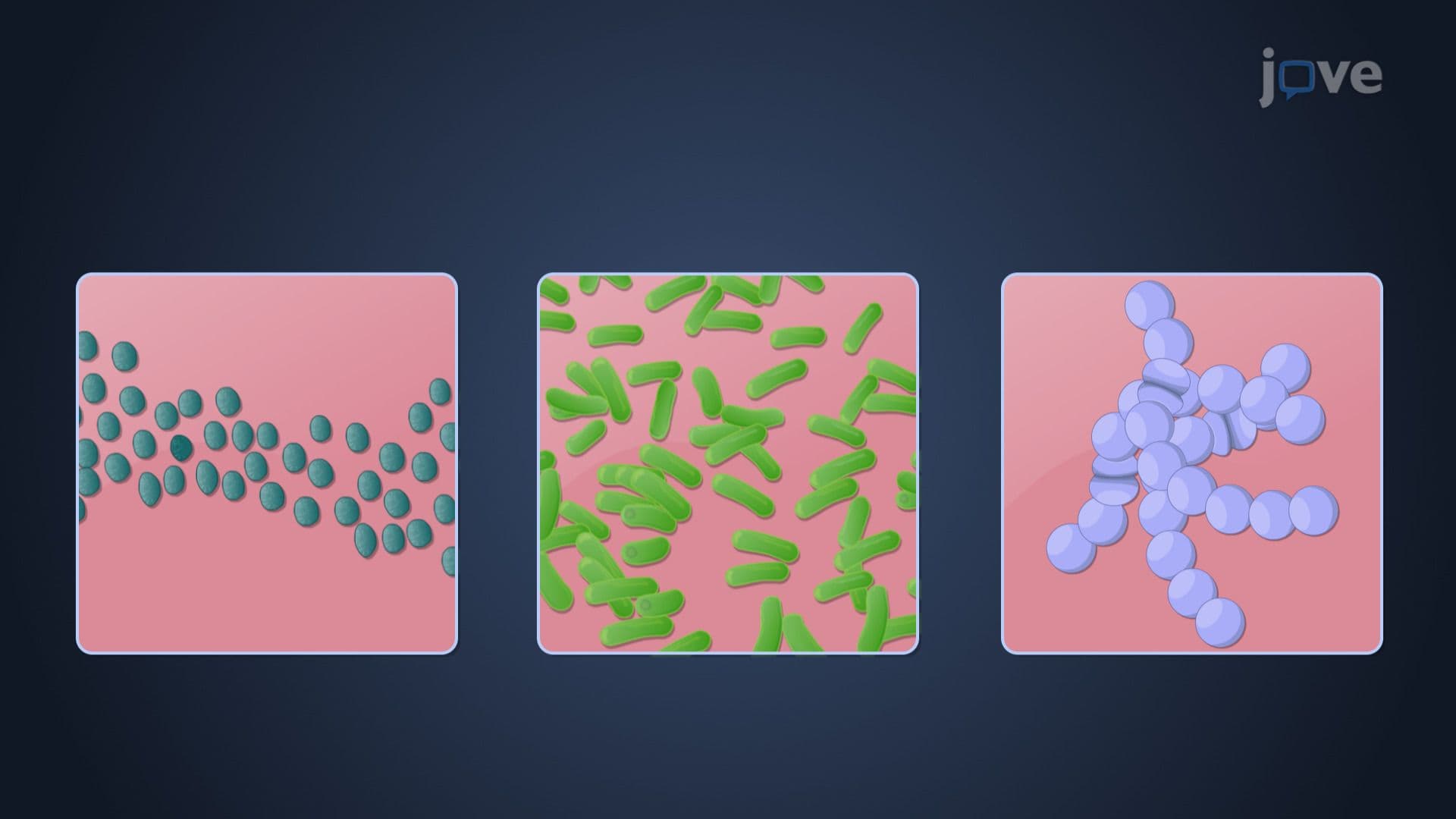
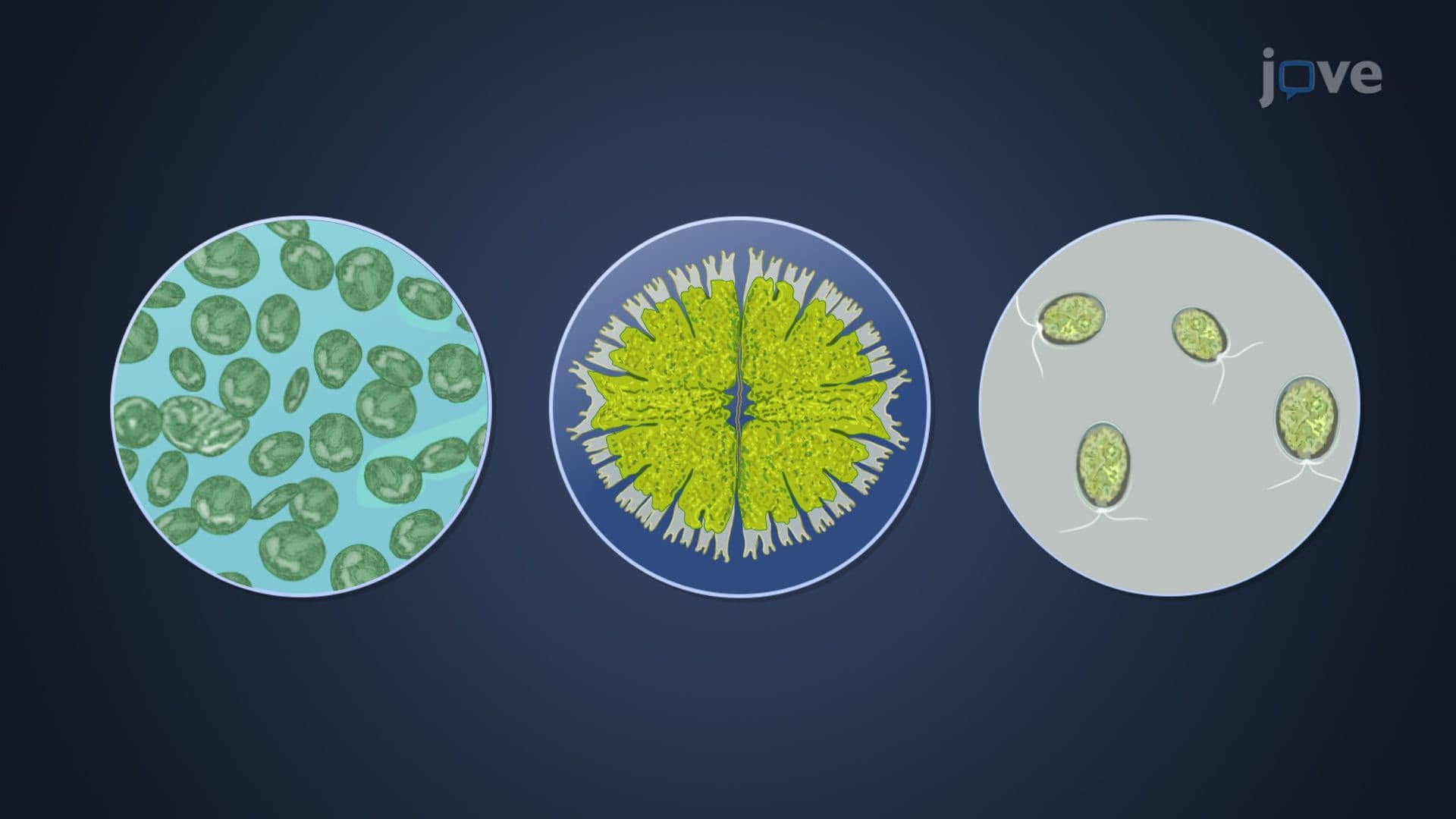
The classification system for cyanobacteria is primarily based on morphological characteristics, dividing the phylum into five major orders. Chroococcales, exemplified by genus Gloeothece, represent the simplest unicellular forms that reproduce through binary fission, similar to other bacteria. These organisms are commonly found in freshwater systems across the United States, including the Great Lakes region.
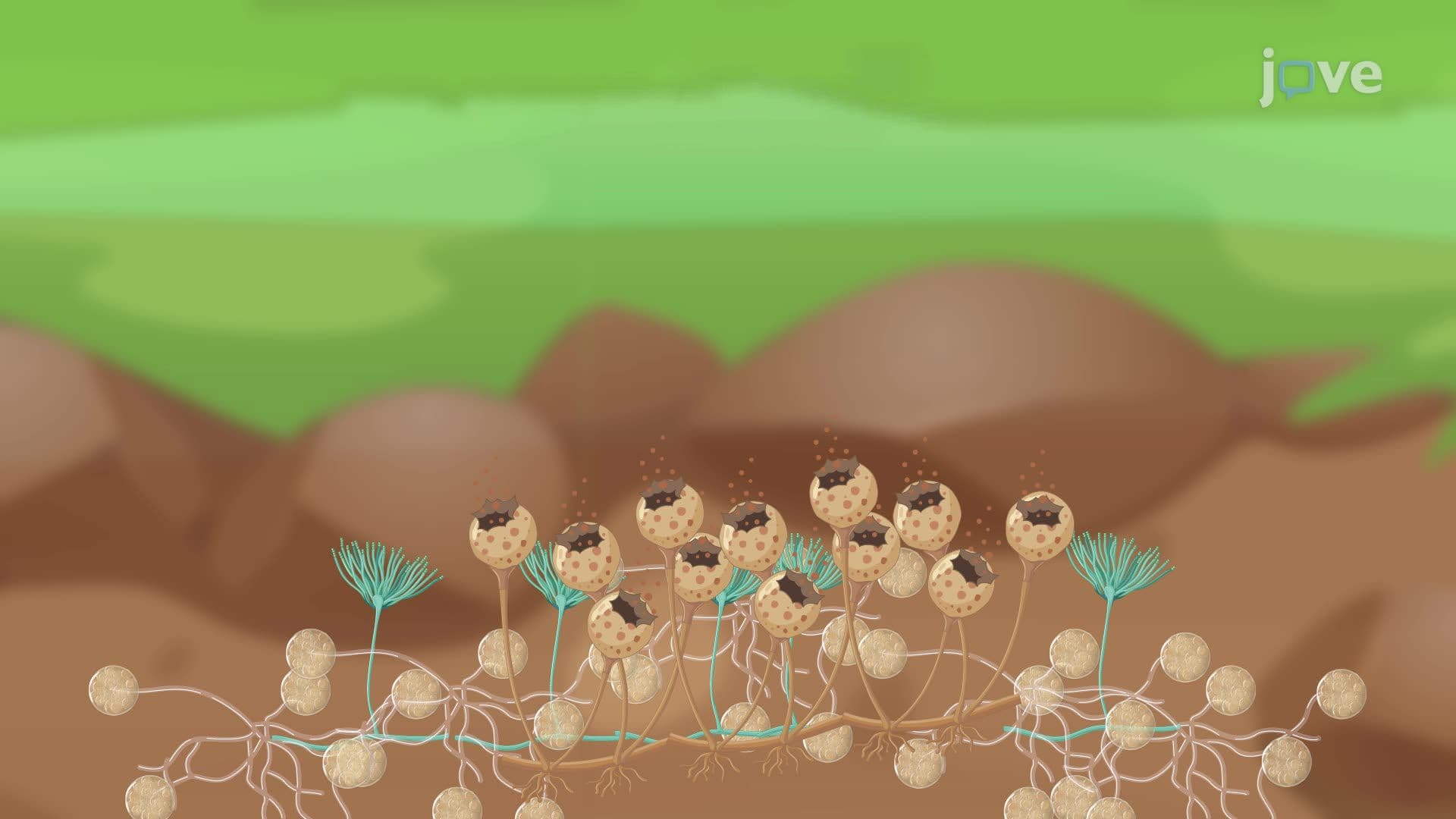
Pleurocapsales, such as Pleurocapsa species, are also unicellular but employ a more complex reproductive strategy called multiple fission, where the cell divides internally to produce multiple smaller cells simultaneously, often forming distinctive colonies. This reproductive method allows rapid population growth under favorable conditions.
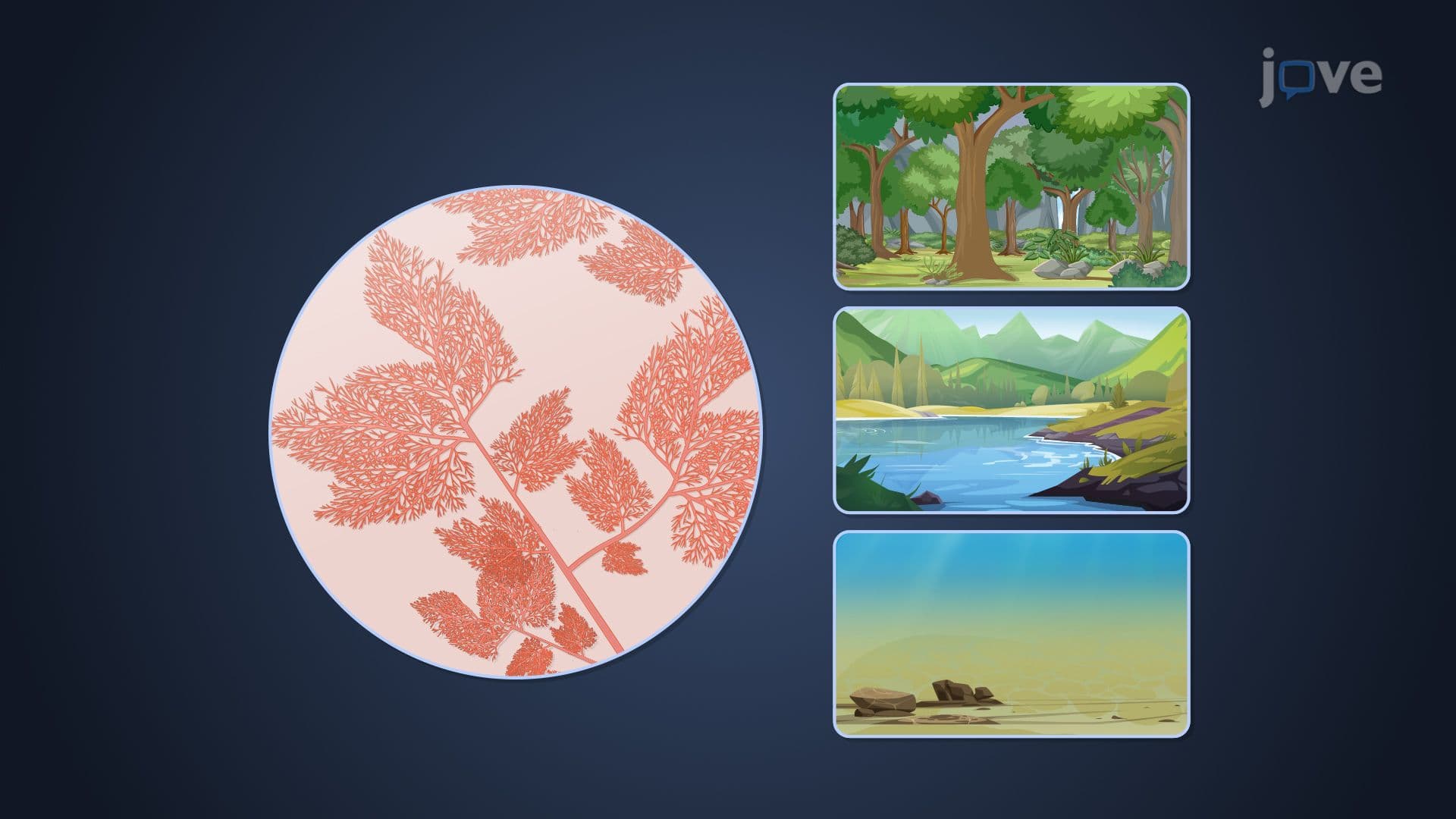
The filamentous orders showcase greater morphological complexity. Oscillatoriales, including Lyngbya species frequently found in Florida's coastal waters, form simple filaments without specialized cells. In contrast, Nostocales like Nodularia develop along a single axis but produce specialized cells called heterocysts-thick-walled cells that create anaerobic environments for nitrogen fixation. Stigonematales represent the most morphologically complex group, with genera like Fischerella capable of true branching through division in multiple planes.
Photosynthetic Machinery and Nitrogen Fixation Capabilities
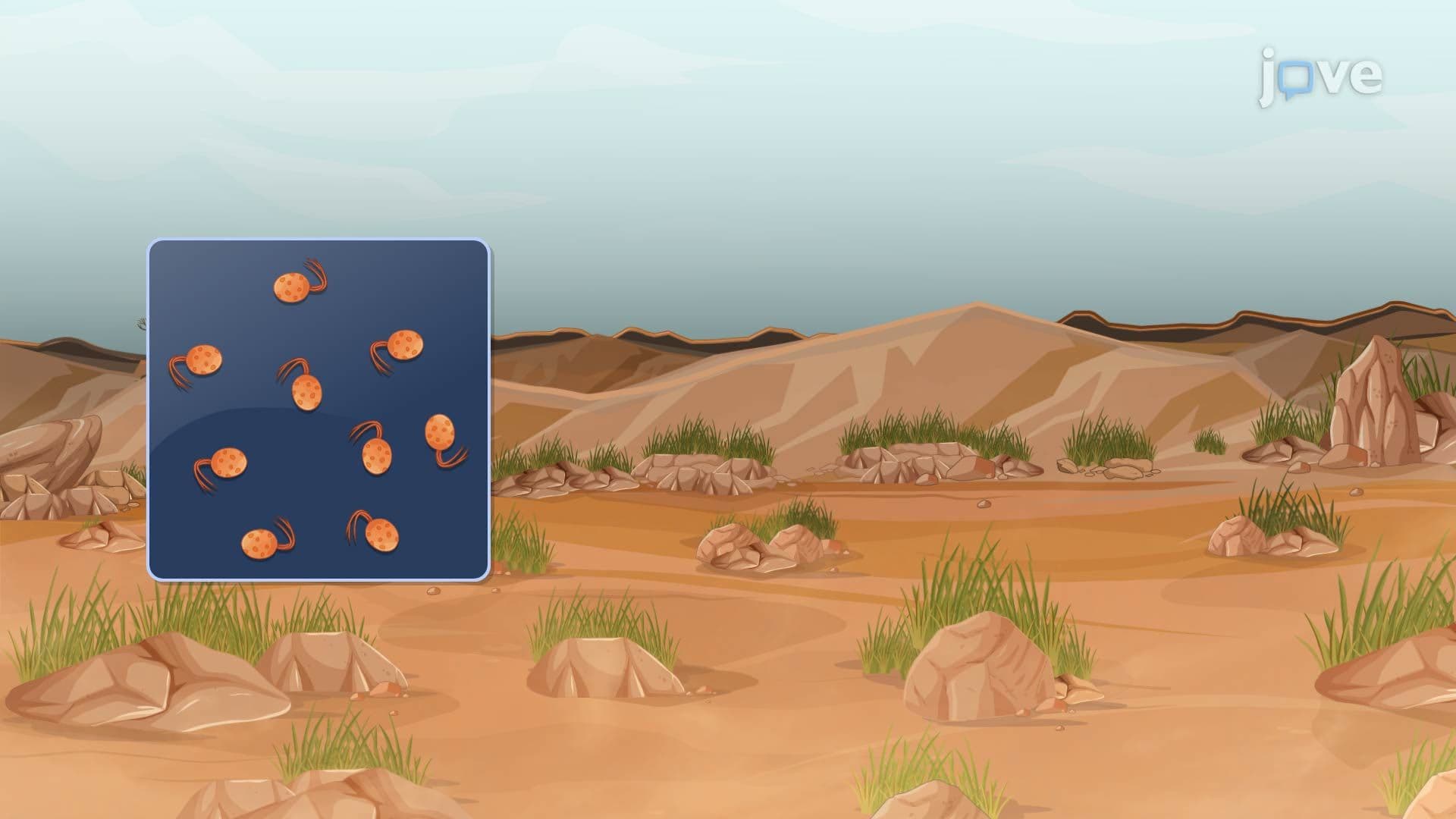
The photosynthetic apparatus in cyanobacteria rivals that of plants in complexity. Their thylakoid membranes contain chlorophyll-a, phycobiliproteins, and carotenoids, enabling efficient light harvesting across diverse aquatic environments. This sophisticated system allows cyanobacteria to thrive in environments ranging from oligotrophic ocean waters to terrestrial soil crusts in the southwestern United States.
Nitrogen fixation capabilities set many cyanobacteria apart from other photosynthetic organisms. Species exhibit fascinating temporal patterns: Cyanothece performs nitrogen fixation exclusively at night to avoid oxygen interference with the oxygen-sensitive nitrogenase enzyme, while Trichodesmium fixes nitrogen during daylight hours through specialized metabolic compartmentalization. These processes are particularly important in tropical and subtropical waters around Hawaii and the Gulf of Mexico, where cyanobacteria serve as primary nitrogen sources in nutrient-poor environments.
Ecological and Clinical Significance
Understanding cyanobacteria is crucial for students preparing for advanced biology courses and professional exams like the MCAT. These organisms appear frequently in AP Biology questions related to evolution, photosynthesis, and biogeochemical cycles. Their dual role as beneficial primary producers and potential harmful algae bloom formers makes them relevant for environmental science studies and public health considerations, particularly given recent bloom events in US water systems.
Frequently Asked Questions
Bacterial phylum cyanobacteria are oxygenic photosynthetic bacteria that perform plant-like photosynthesis while maintaining prokaryotic cell structure. Unlike typical bacteria, they possess internal thylakoid membranes with chlorophyll-a and can produce oxygen through photosynthesis. They also have complex morphologies ranging from unicellular to branching filaments, and many species can fix atmospheric nitrogen.
MCAT questions often focus on cyanobacterial photosynthesis mechanisms, nitrogen fixation biochemistry, and their evolutionary significance in oxygenating Earth's atmosphere. AP Biology exams frequently test morphological classification, ecological roles, and comparison with plant photosynthesis. Students should understand the temporal separation of photosynthesis and nitrogen fixation, heterocyst function, and their role in biogeochemical cycles.
Cyanobacteria produce various toxins (cyanotoxins) that cause significant public health concerns during harmful algae blooms in US water systems. Healthcare professionals encounter cyanobacterial poisoning cases, particularly in regions near the Great Lakes, Gulf Coast, and recreational water bodies. Understanding their toxin production mechanisms is relevant for NCLEX and USMLE questions related to environmental health and toxicology.
Focus on key distinguishing features: Chroococcales are unicellular with binary fission, Pleurocapsales are unicellular with multiple fission forming colonies, Oscillatoriales are simple filaments without heterocysts, Nostocales are filaments with heterocysts for nitrogen fixation, and Stigonematales form branching filaments through multi-plane division. Create visual mnemonics connecting order names to their characteristic structures.
Cyanobacteria are visible in many US ecosystems: blue-green mats in Yellowstone's hot springs, algae blooms in Lake Erie and other Great Lakes, marine forms in coastal waters from California to Florida, and soil crusts in southwestern desert regions. Many university campuses have ponds or water features where students can observe cyanobacterial communities with basic microscopy equipment.
Basic understanding of photosynthesis and cellular respiration from introductory biology is sufficient for most academic levels. Focus on understanding that cyanobacteria use water as an electron donor (like plants) rather than hydrogen sulfide (like other photosynthetic bacteria), and that they produce oxygen as a byproduct. Advanced biochemical details are typically reserved for upper-level coursework and graduate studies.
Create comparison charts highlighting morphological differences, reproductive strategies, and ecological roles of each order. Practice drawing and labeling heterocysts, thylakoid arrangements, and colony structures. Use flashcards for genus examples and their characteristics. Focus on understanding the evolutionary significance and modern ecological roles rather than memorizing every taxonomic detail.
Build upon this foundation by exploring other bacterial phyla, particularly chemosynthetic bacteria and the evolution of photosynthesis. Study plant chloroplast evolution through endosymbiotic theory, biogeochemical cycles, and microbial ecology. Advanced students should investigate molecular phylogeny, horizontal gene transfer in prokaryotes, and current research in synthetic biology applications of cyanobacterial systems.
Related Micro-courses
10 Concepts

11 Concepts

13 Concepts